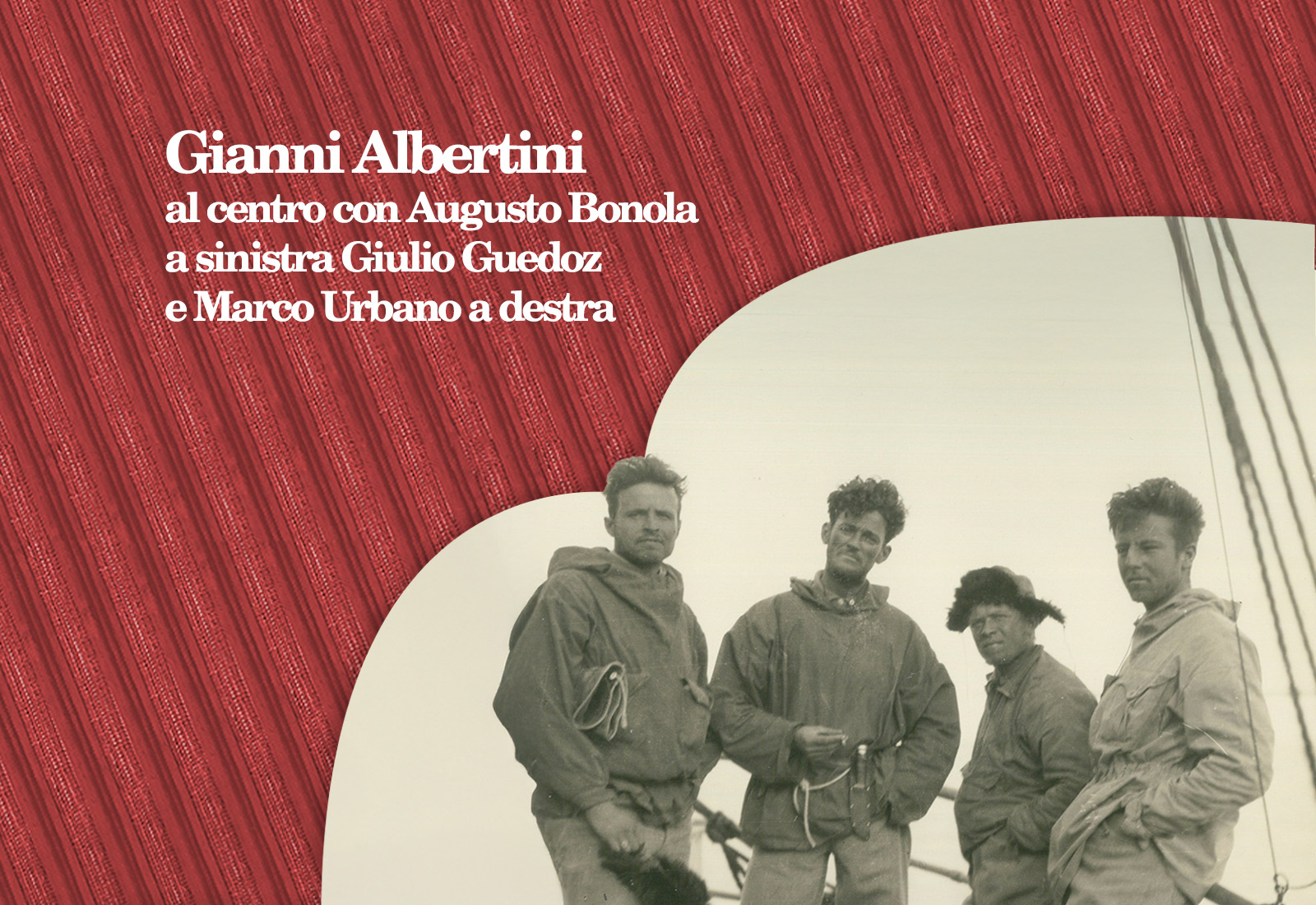
As a member of the expedition, Gianni Albertini had experienced at first hand the tragedy of the airship Italia, which had crashed into the North Pole pack in the spring of 1928; of the 16-man crew, 10 fell on the ice pack and almost all of them were saved, the other six, who remained in the airship’s envelope, disappeared in the fog and were never heard of again.
The survivors, some in their diaries, write that they saw a smoke in the distance that they could locate, they also try to guess a distance at a very difficult point. This is where Gianni Albertini’s story begins, the anguish for these six comrades that no one is looking for any more, and as we know, the silent law of rock and ice teaches that one does not leave one’s comrades behind. This is why, in the spring of 1929, Albertini got in touch with Lucia and Giorgio Pontremoli, mother and brother of the great physicist Aldo who is among the six missing, who had not yet lost hope of finding their loved one (as had the relatives of his other five companions), and encouraged him to organise a new rescue expedition, guaranteeing all their support.
Albertini studies, researches, thinks that a search area can be circumscribed, imagining that the six unfortunates, if still alive, could have made their way to the coast. He therefore decides to leave, while making it clear to Lucia Pontremoli that it is a ‘moral imperative’ that he intends to follow, but the prospects are certainly not good.
The expedition is prepared with great attention to detail. Here are the main aspects of the preparations, conducted with an organisational speed that is astonishing even by today’s standards, less than three months:
- The collection of funds: more than one million from various supporters, from the National Fascist Party which is among the biggest backers, to Pope Pius XII who personally offers a substantial sum, to industrialists and parliamentarians such as the cotton manufacturer Silvio Crespi and Senator Borletti.
- The choice of vessel and equipment: Albertini personally selects a whaler in Oslo, the ‘Heimen’, reinforced in the keel and bow to cope with the ice. He renames it ‘Heimen-SUCAI’, adding the acronym of the association he and other crew members belong to, the CAI University Section. Particular attention is paid to the radiotelegraphic instrumentation, choosing sophisticated equipment, and to the choice of tents and sleeping bags, provisions for over a year and everything necessary for an expedition lasting several months.
- The selection of the members of the expedition, or rather ‘experience and fellowship as a method’: Albertini relies, and this denotes his acumen as expedition leader, on experience of impervious environments and fellowship, in short, he looks for a crew that is able to bring home the result. And he does this in the sharpest and most intelligent way, choosing a Norwegian ship with a Norwegian lead crew, therefore experienced in the ship and the environment, and for the exploration crew people he knows, with whom he has shared his mountaineering experience, with whom he has a personal relationship of friendship and trust. The two groups, then, are able to interact for the common goal: each member of the expedition has a nominal task, and then everyone does everything, which is another essential prerequisite because the enterprise is everyone’s business (G. CASAGRANDE, The HEIMEN-SUCAI).
- The choice and training of sled dogs: no less important than the human crew, who bind their lives to them each time they descend the pack, these “guests of great value”, as Albertini defines them in his diary, are for him a reason for study and another kind of relationship between living beings. He studies their behaviour, but at the same time establishes the same kind of friendship and trust with them as he does with his men, which earns him unconditional obedience and respect and, therefore, magnificent interaction when needed.
- The documentation: Albertini signs a contract with the Ente Nazionale di Cinematografia to document the venture.
The expedition lasts from 15 May to 22 September 1929, and is not only limited to the search for the Missing, but also to scientific surveys, always essential in the case of a land that is still almost completely unknown. The Heimen sailed, stopping at precise points to allow sledges to search the interior. One of these, which also included Albertini, travelled a thousand kilometres in less than a month, and was also stranded by a terrible snowstorm, which forced the four men to remain cramped for days in the frozen tent and with rationed provisions; so terrible, that storm, that even the dogs died, or had to be put down because they were in a desperate condition. The surviving animals will eat. In the course of expeditions on the pack or along the coasts they find the traces of other expeditions, the messages and signals left the year before in case the Missing had happened to be there, and near the King’s Bay they see the enormous skeleton of the hangar that housed the airship Italia.
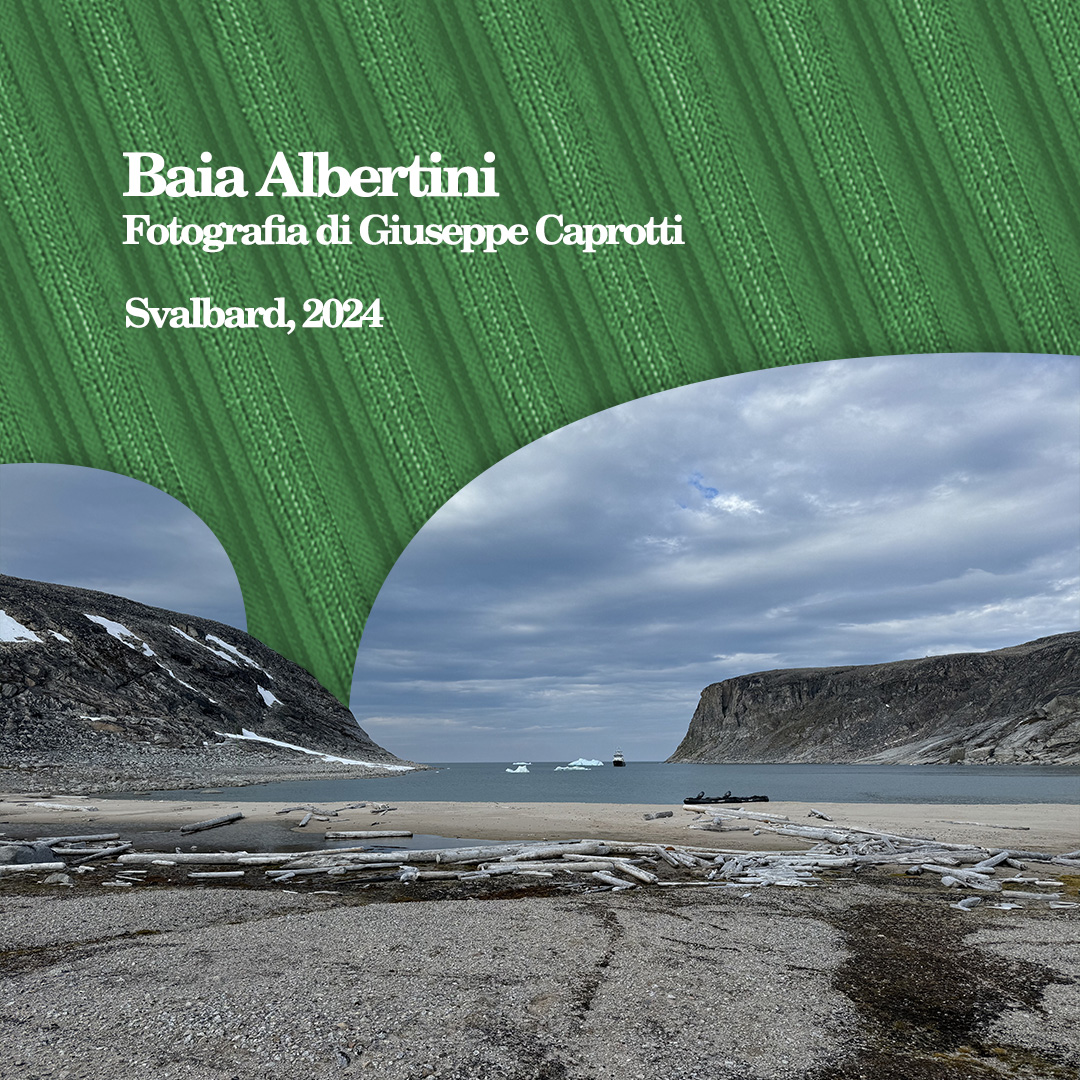
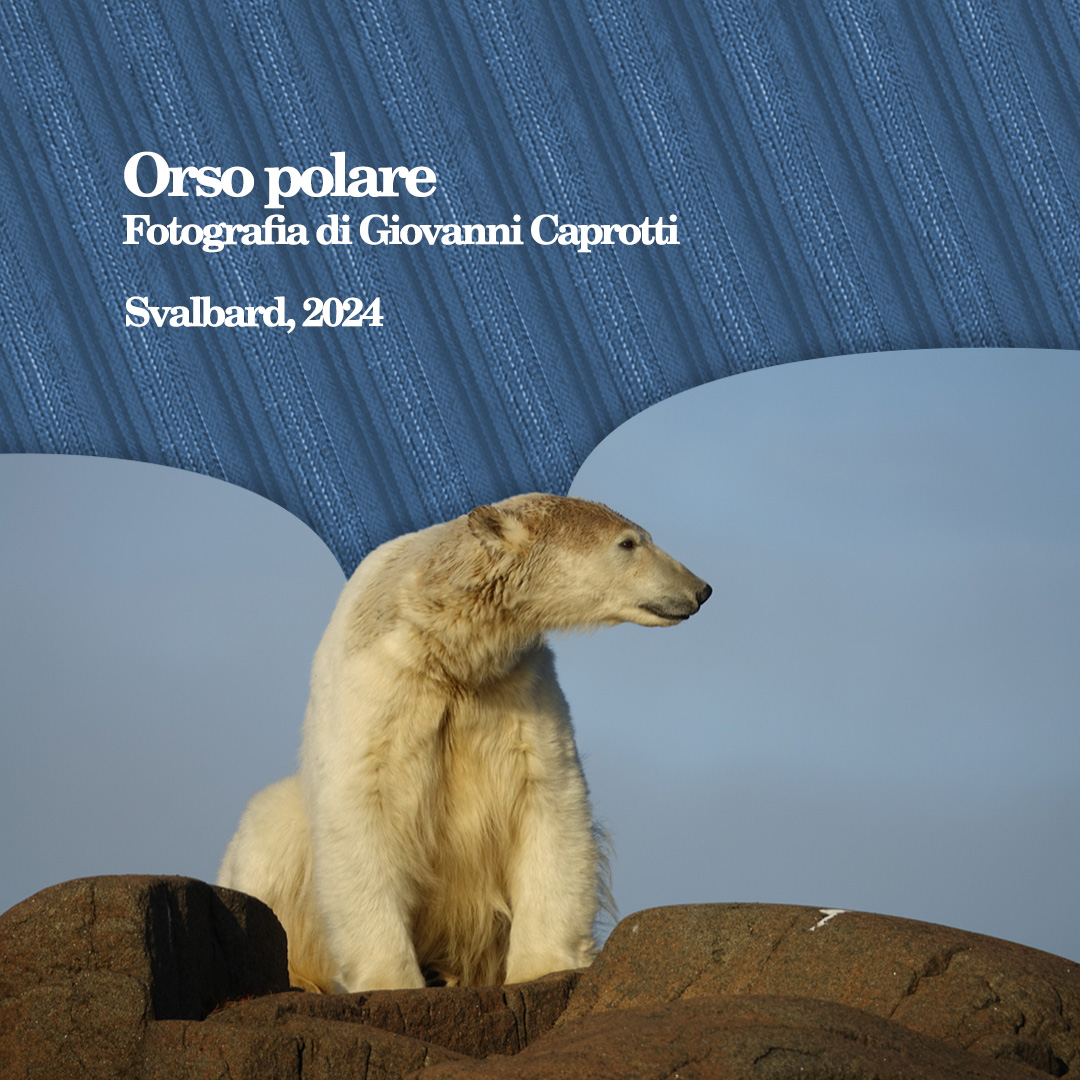
In August, one of the members of the expedition, Giulio Guedoz, died during an attack by a white bear, and was buried at sea. This episode, together with the approaching Arctic winter and dwindling fuel reserves, convinced the expedition to return with nothing to show for the search for the missing airship Italia. It is certainly no coincidence that Albertini’s name will be linked to a small fjord facing north on the northern coast of Orvin Land.
Bibliography:
F. GIARDINI, In search of the castaways of ‘Italy’, TurinPolar 31/2017.
A. SANFELICE VISCONTI, “La Lampadina Racconti – L’uomo che went in search of the missing of the ‘Italia’ “, in “La Lampadina. Periodic Illuminations’, 7 February 2020.
G.L. CASAGRANDE, The HEIMEN-SUCAI in the Arctic Seas. Considerazioni geostoriche, speech at the conference Il grande viaggio dell’ingegnere Albertini nei mari arctic, Milan, 18 March 2025, Museo Scienza e Tecnologia Leonardo da Vinci.
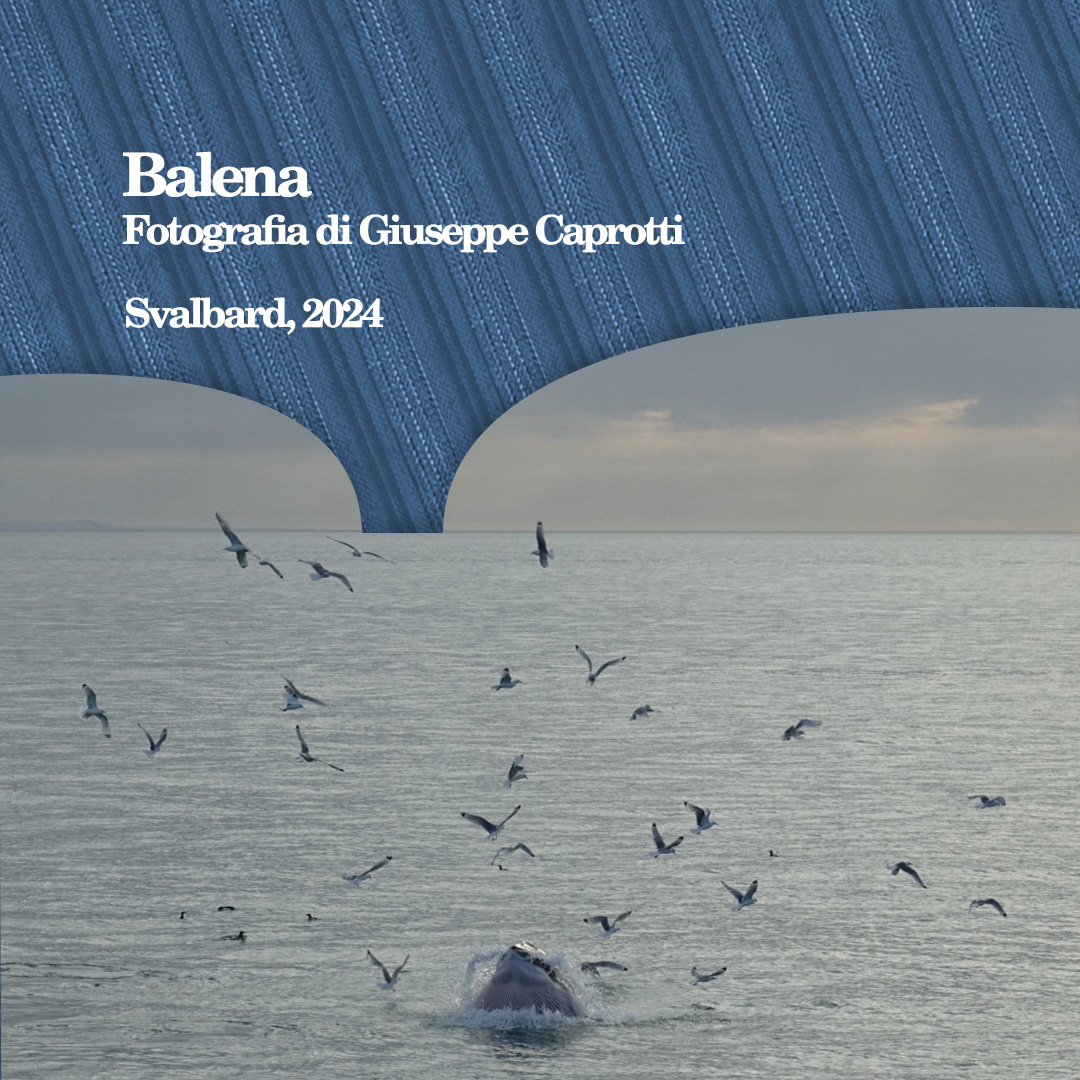
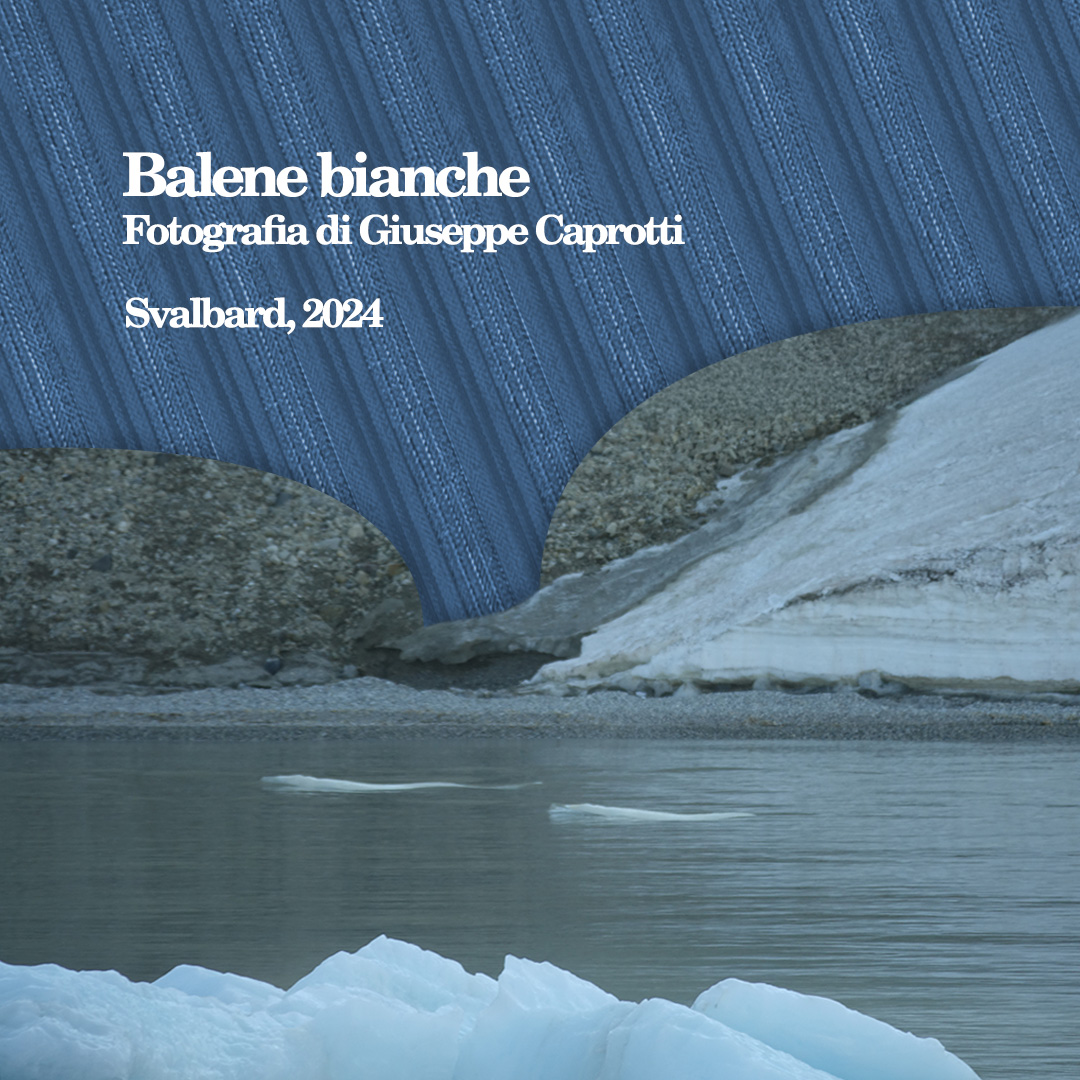
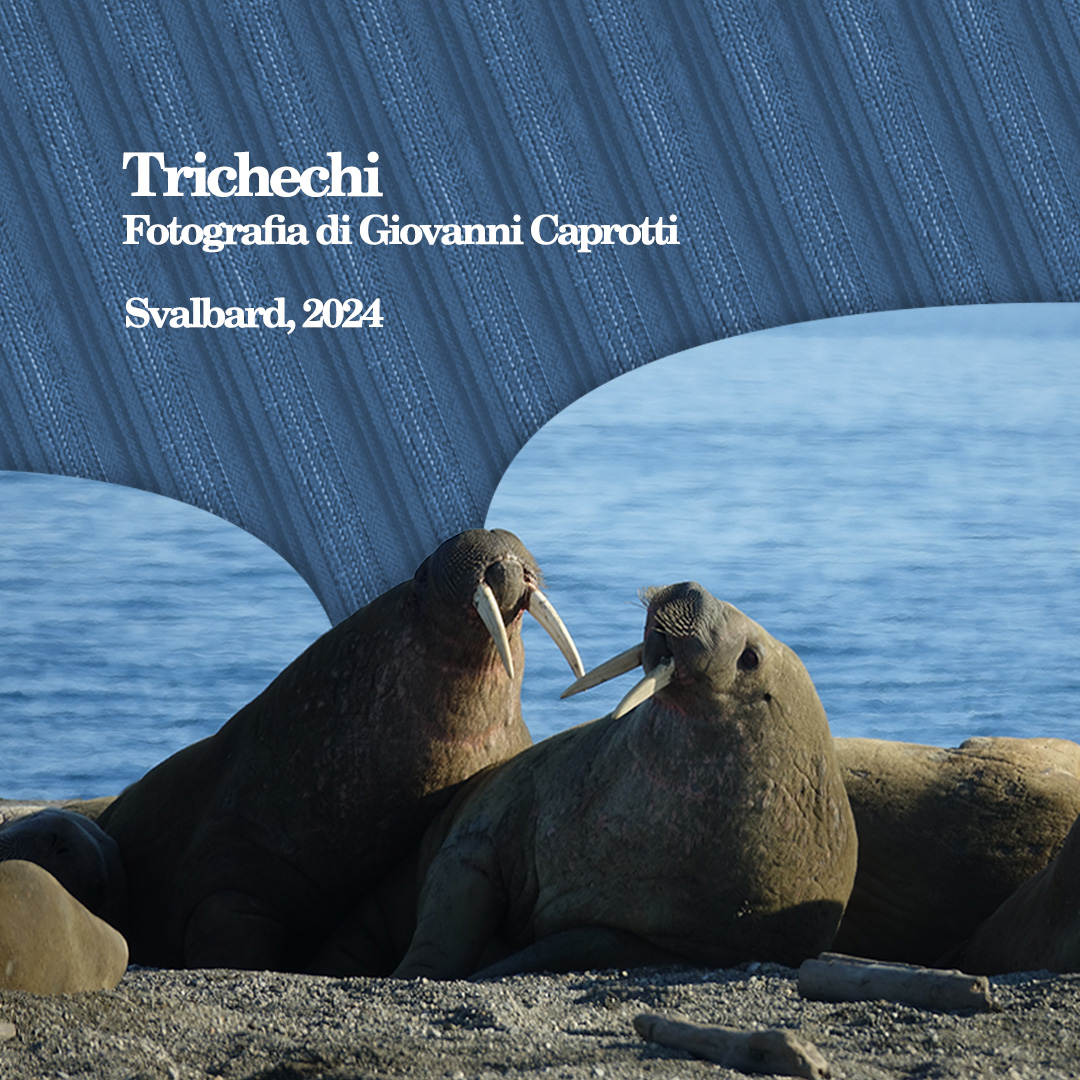
Two of the pictures below were taken by my son Giovanni Caprotti