ESD Italia – Efficiency and Services for Distribution, 2001

Marcello Cestaro, who heads one of the groups that make up Selex, jokingly describes our merger as that between ‘the beauty’ – that is, Esselunga, probably the ‘most beautiful’ chain in Europe – and ‘the beast’, namely Selex…From them, however, we learn a huge lesson in humility: the beast, in fact, helps the beauty enormously to understand the market and double its profitability

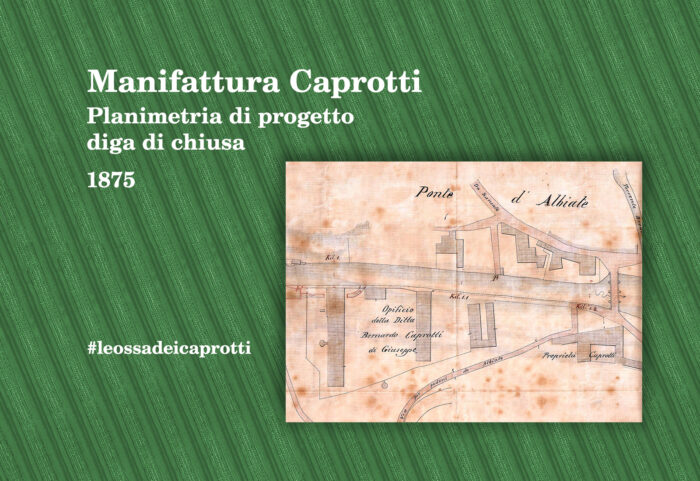
Is the Caprotti factory due to be demolished?

Dear Dr Caprotti, I was saddened to hear of the forthcoming demolition of the factory in Ponte, which your father set out to build and to which he devoted a significant part of his life. It is undoubtedly a place that, for many people, has meant much more than simply a ‘place of work’: it has been a professional and social hub, a place to meet and forge new bonds. It has certainly been a source of hope for a better future, both for oneself and for one’s family…

How Walmart became an advertising powerhouse whilst remaining focused on its food, non-food and e-commerce businesses

It is a pity that no Italian company has had the scale, but above all the vision, to take on the world in the way these giants have done. In Italy, everyone thought: e-commerce must be self-sustaining. This was the case for Esselunga at home until it had no rivals, but Amazon and Walmart disprove this view. E-commerce is underpinned by other, more profitable sources of revenue

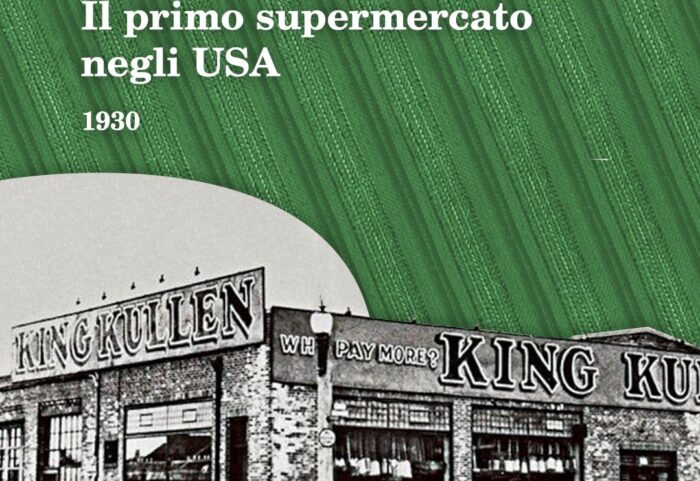
King Kullen: why the first US supermarket was at the forefront of global distribution

Italian, French and British retailers have drawn inspiration and lessons from their American counterparts. And the chain that opened its first supermarket 96 years ago is still family-owned: in June, King Kullen appointed its first female president, Tracey Cullen, the founder’s great-granddaughter
Esselunga- Rewe: the Penny Market joint venture

“… We decide to enter into an agreement with the te-desco giant Rewe to create a chain of discount stores to be called Penny Market, controlled with 50 per cent equal shares. A decision by the board of directors is required to start the venture. I vote in favour of our father’s proposal, while his historic lawyer Alfonso Pellegatta is against it…’ Le Ossa dei Caprotti, page 169

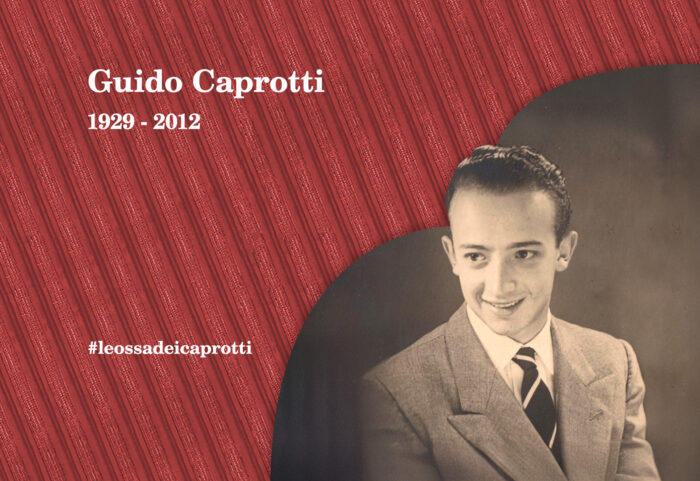
Guido Caprotti, the less famous brother

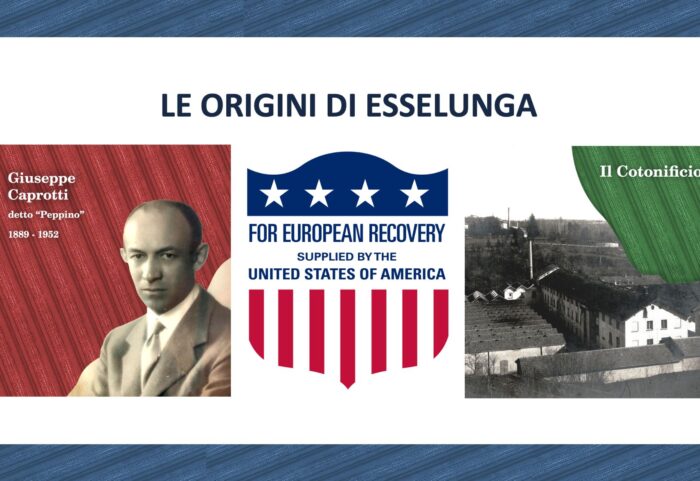
Guido Caprotti was one of the pioneers of large-scale distribution in Italy, a partner from the beginning of ‘Supermarkets italiani’ (later Esselunga), he later founded with Marco Brunelli ‘La Romana Supermarkets’ (later GS). Later he and his brothers bought the majority of Esselunga from the Americans. Despite this role, his name has remained at the margins of the public narrative. Unjustly so. Because to his and Brunelli’s intuition we owe an important part of the start of modern distribution in Italy. It is no coincidence that back in 1959, La Stampa described him as ‘a giant of entrepreneurship’.