Esselunga: from 1957 to the early 1990s, as recalled by a ‘grocer’s son’
Esselunga’s origins are linked to the history of the city of Milan
Read more 



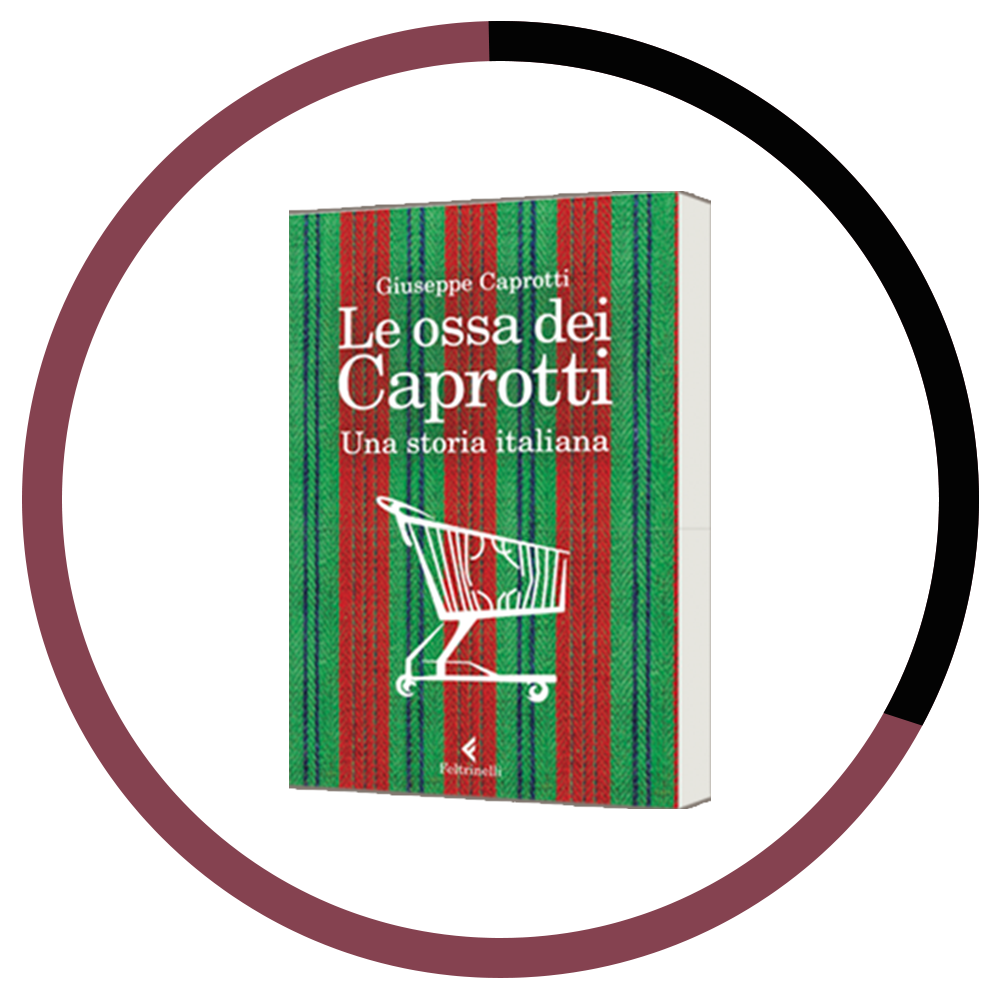


From Garibaldi to the CIA and Esselunga, a meticulously documented saga of the family that reshaped Italian habits forever. Published by Feltrinelli, 2023.
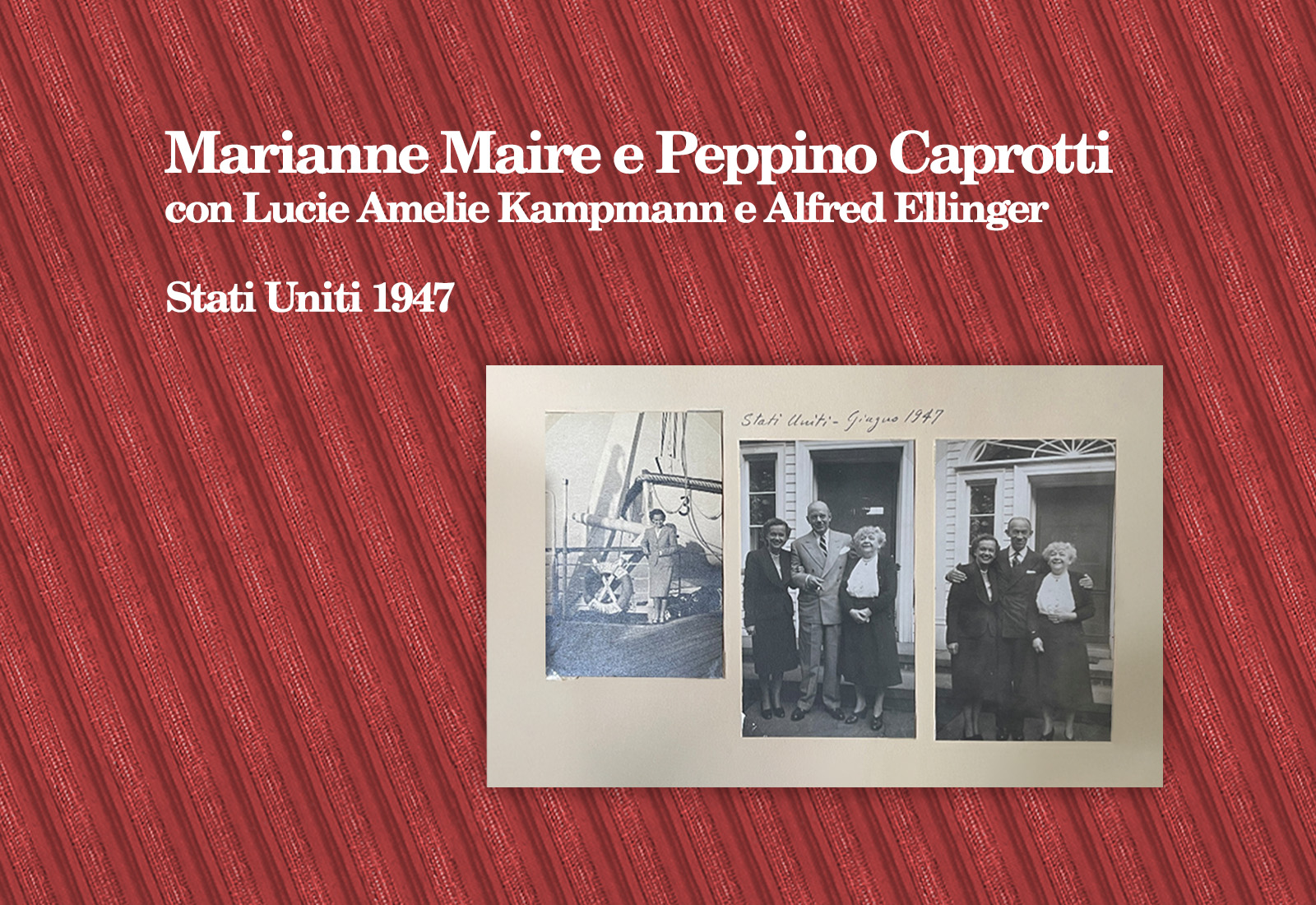
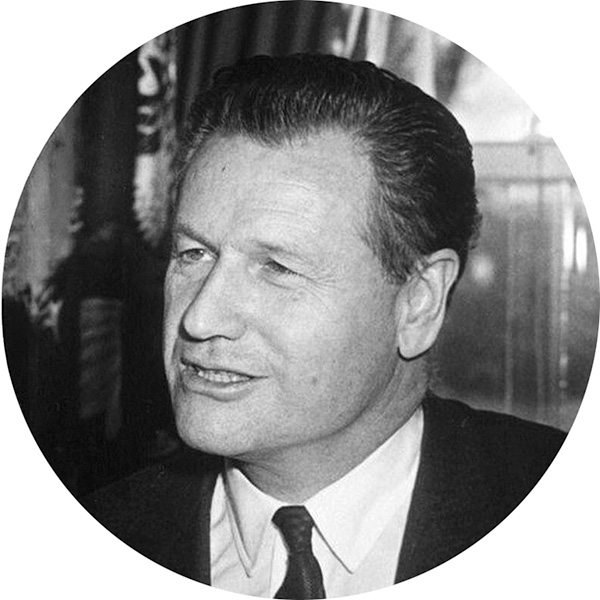
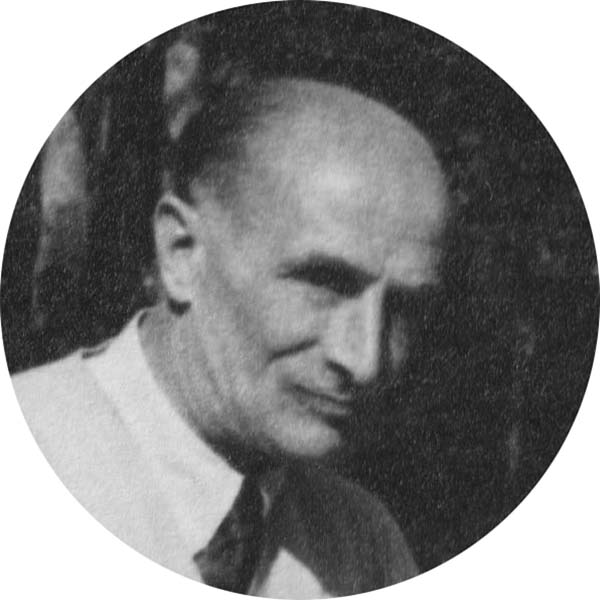
In 1893, Lucie Amélie Kampmann, one of the sisters of my great-grandmother Fernande – the mother of my grandmother Marianne Maire Caprotti – married Julian Ellinger, who was born in Baltimore, and moved with him to the United States. Their son Alfred, my grandmother’s cousin, would be instrumental in securing Marshall Plan funds for the Caprotti factory.
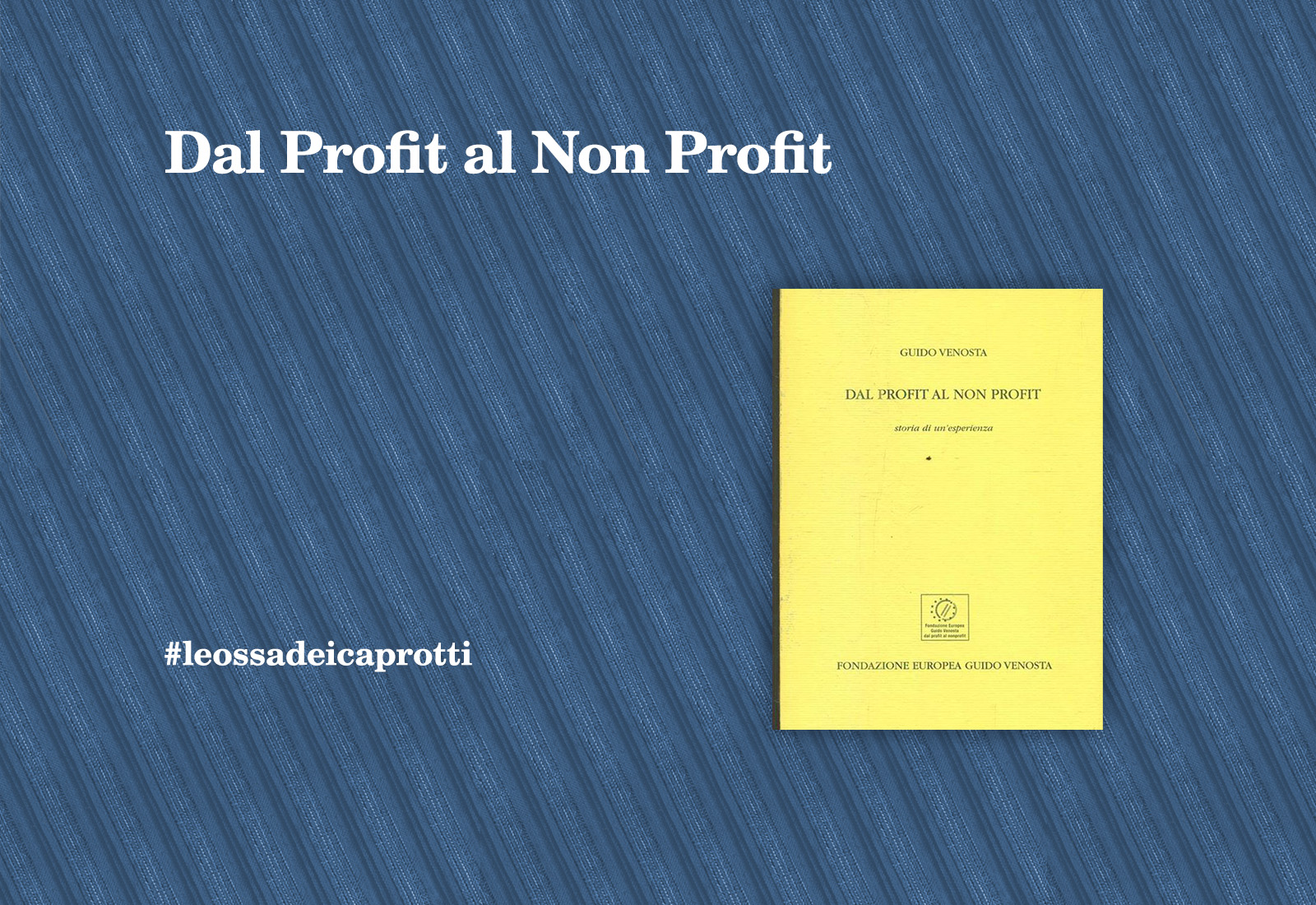
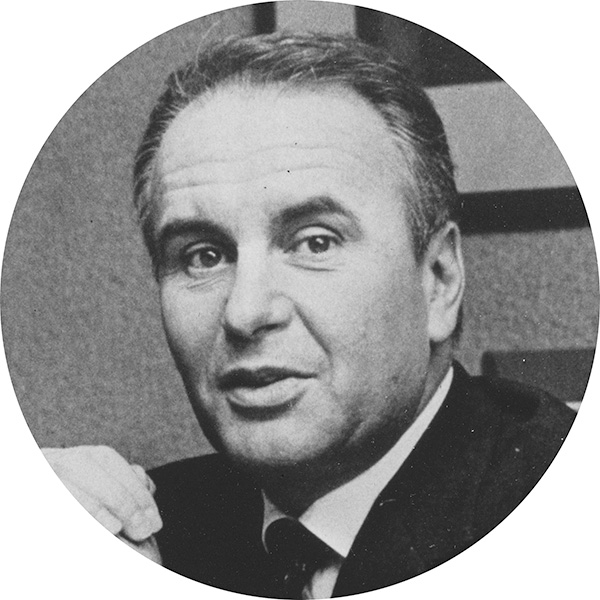
In 1997, my grandfather Guido Venosta published a booklet for Scheiwiller, small in format and pages but large in content, in which he explained his history with cancer and AIRC and set out the concepts and hopes that animated his actions.
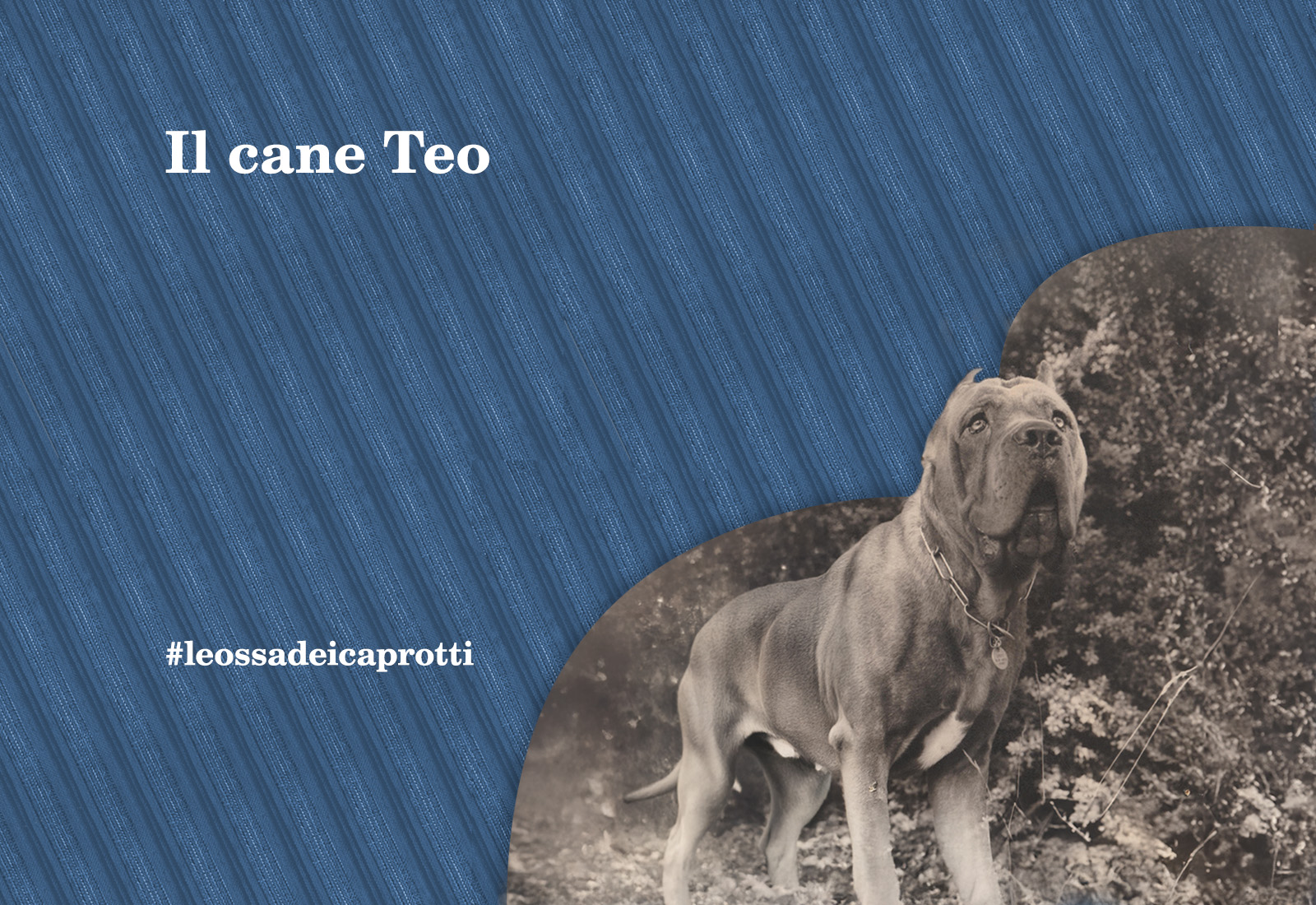
They do good, animals, they save from many things. This is why one of the projects of the Guido Venosta Foundation, named after my maternal grandfather and which I chair, financed the Fondazione Progetto Arca onlus, which was able to purchase a 500 square metre farmstead in the Baggio district of Milan to start up ‘Cascina Vita Nova – Giorgina Venosta’, to be inaugurated in 2021, an important reception project for homeless people with dogs, usually rejected by other institutions and never abandoned by their ‘humans’.

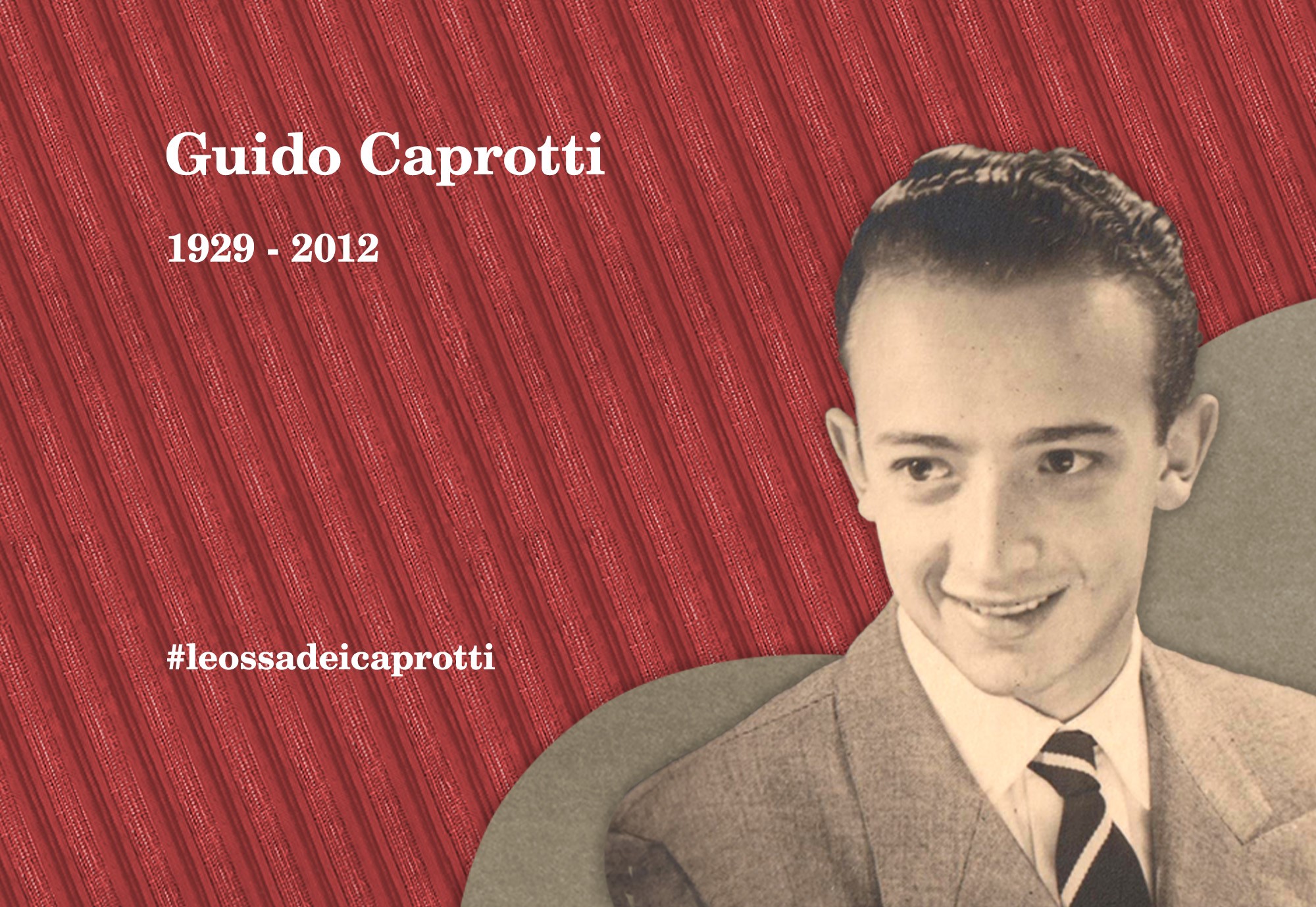
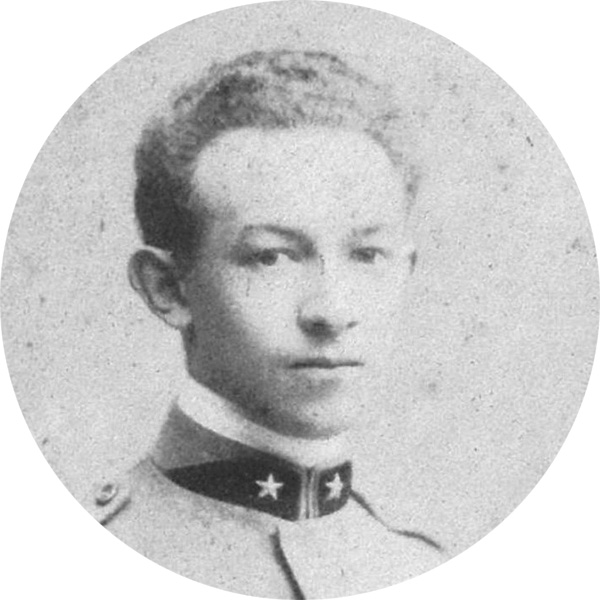
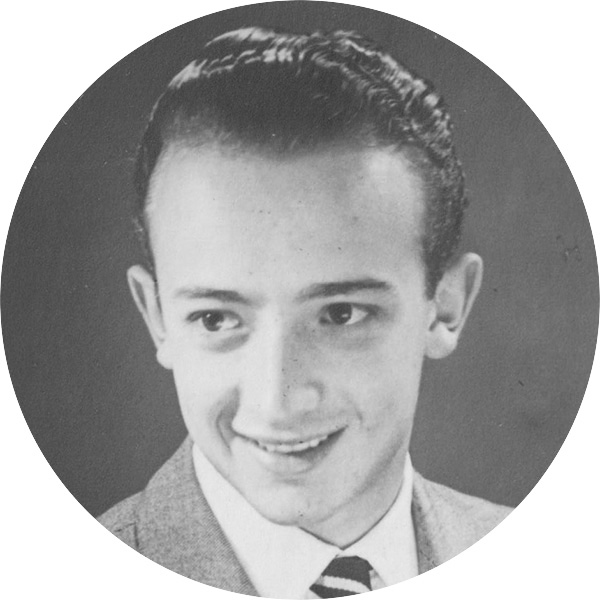
After graduating from high school, my grandfather Guido Venosta fulfilled his military obligation. Wanting to join the cavalry, he attended the officer school in Pinerolo, then was assigned to the Savoia Cavalry, where he developed the great passion for riding that would accompany him throughout his life.
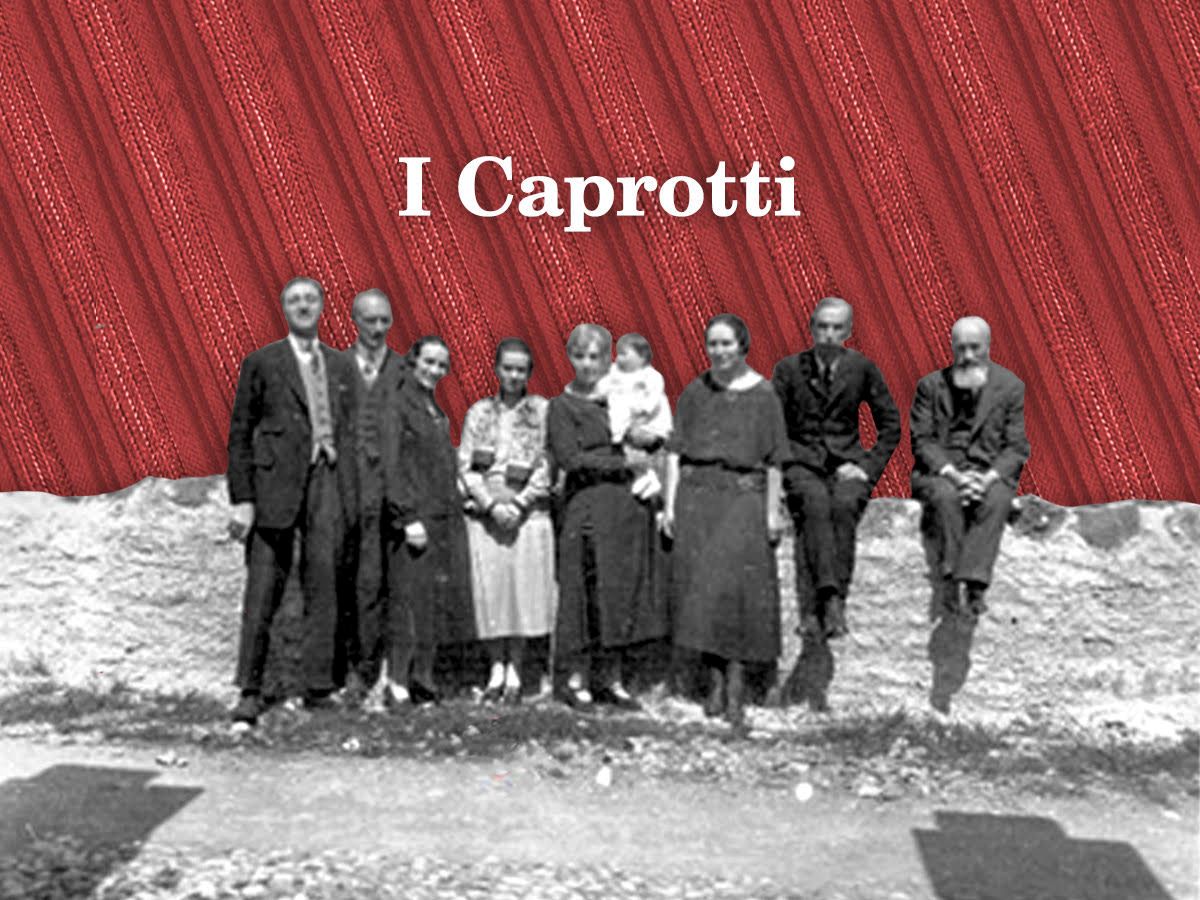
From textiles to the first Italian supermarkets, the Caprotti family’s story is made of people whose legacy goes beyond family ties mirroring the profound changes that shaped our country.
Giuseppe Caprotti earned his degree in Contemporary History at the Sorbonne in Paris in 1986. His thesis, devoted to the political, economic and historical dynamics of South Tyrol, was later translated and published in three editions by Franco Angeli Editore.

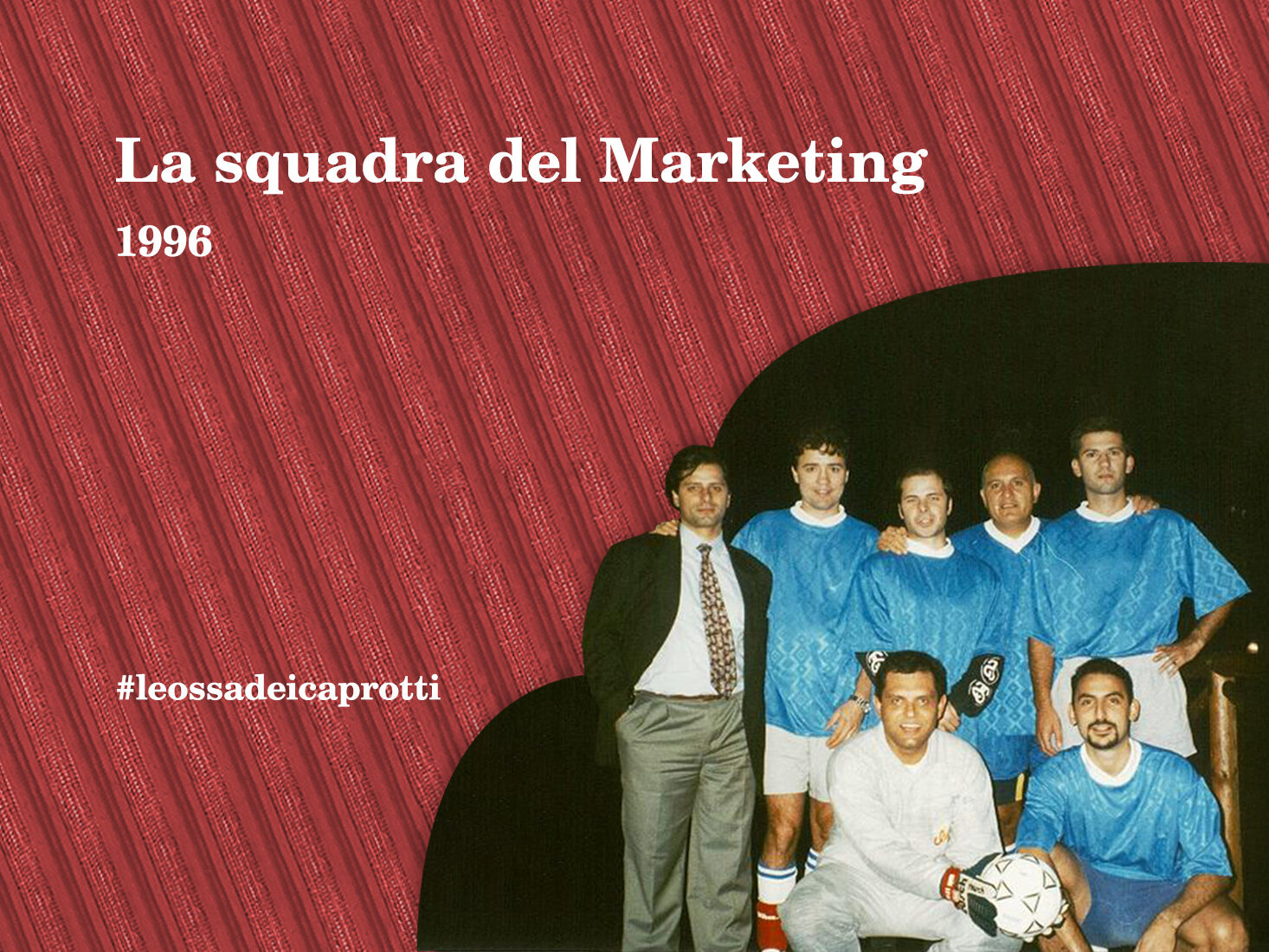
In 1995, we are also able to achieve profitability for all our products and categories with industrial accounting: this allows us to better target contracts, through buyers and sales in supermarkets, with the help of the marketing department. The three functions – purchasing, marketing and sales – are fundamental to the implementation and profitability of the company’s brand, whose operating result, from the 1990s to the early 2000s, is multiplied by 2.5
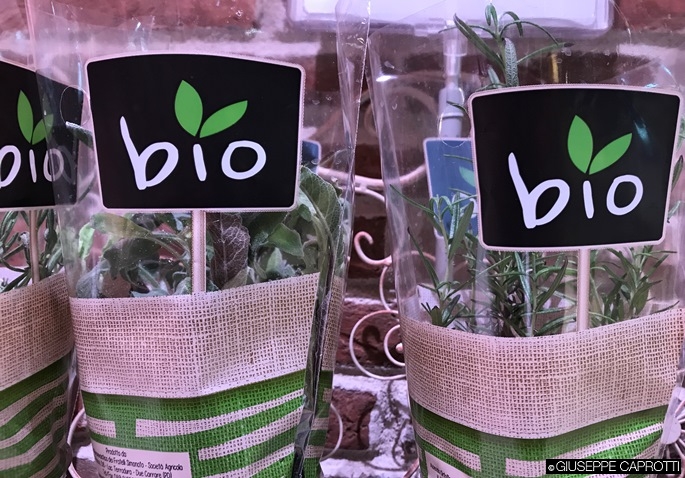
For over three decades, Giuseppe Caprotti has been active in large-scale retail as a manager, entrepreneur and consultant. A true pioneer in his field, he anticipated key trends such as loyalty programs, the promotion of organic products, the introduction of the first social responsibility report in 2003, and the early development of e-commerce.
Giuseppe Caprotti is president of the Guido Venosta Foundation, which promotes social, health and cultural projects. Throughout his career, he has been deeply committed to environmental protection issues.