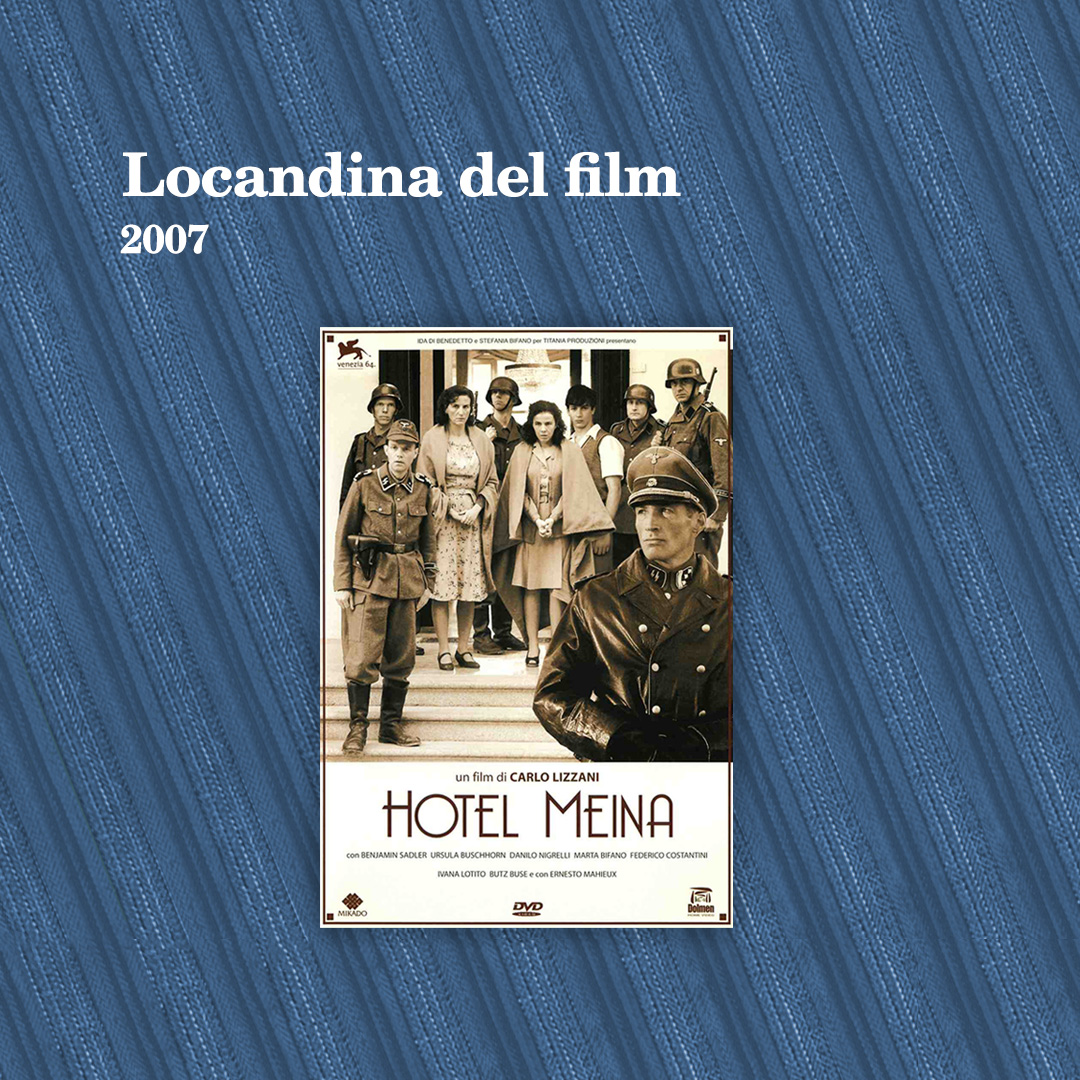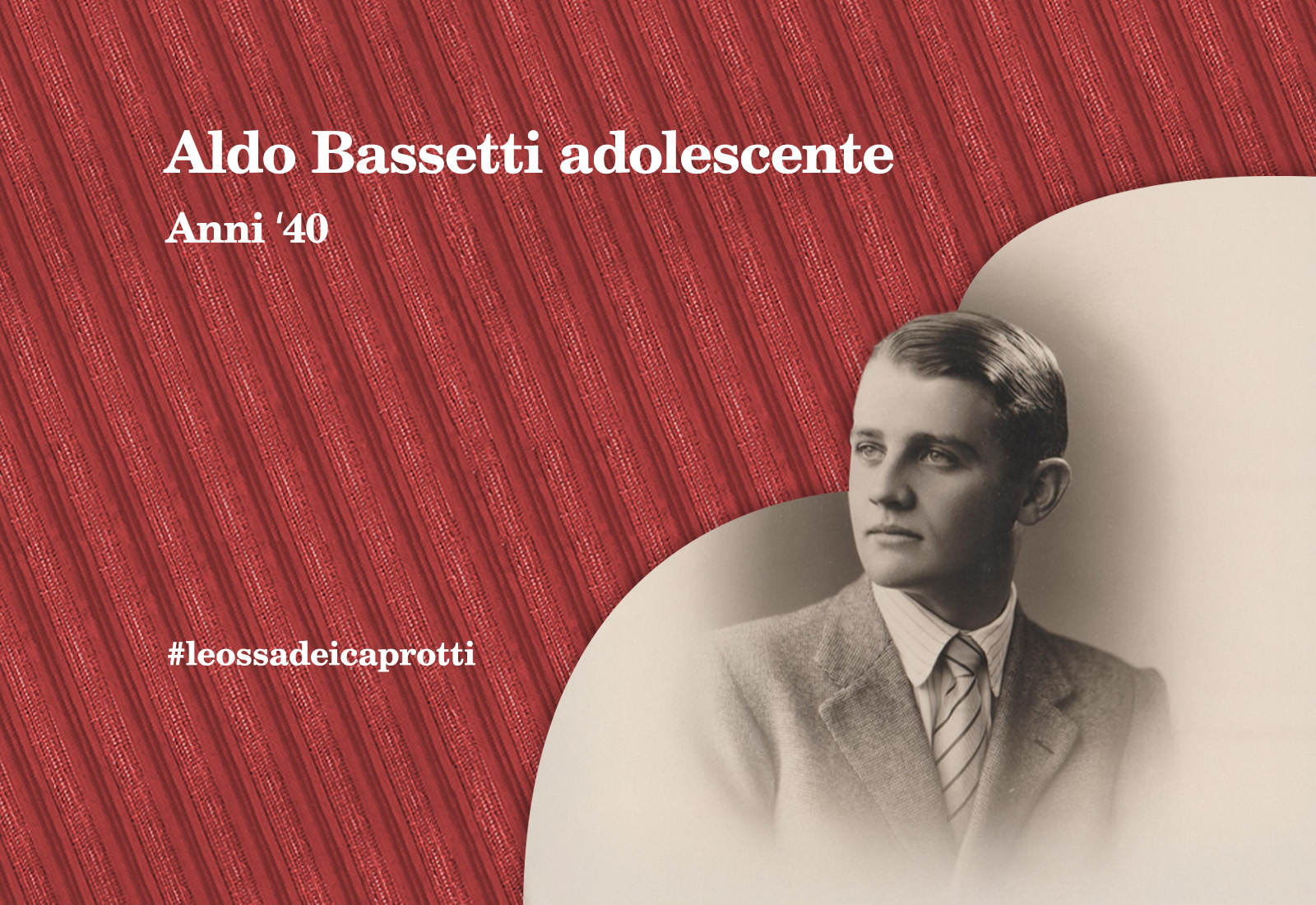
“On 22-24 September 1943 in Meina, a small village on the Piedmont shore of Lake Maggiore, the first intentional massacre of Italian Jews took place, a grim expression of Hitler’s ‘final solution’. This painful event was deeply linked to three key figures in the history of Brera and its Pinacoteca: Fernanda Wittgens, Gianni Mattioli and Aldo Bassetti.
Thus was born the moral necessity to remember the past so that it would not be repeated and, above all, to highlight how people, regardless of their social background, always know how to find a way to resist the waves of racism, intolerance and fear of the other. (…) ” (BRERAPLUS , Hotel Meina).
Carlotta Fröhlich, known as Lotte, was born in Germany to a Jewish mother and a German father. When she arrived in Milan in the 1930s she met and married the lawyer Mario Mazzucchelli, from an old Gallaratese family, Aldo Bassetti’s uncle on his mother Ottavia’s side. In September 1943, a few days after the Armistice of 8 September, the Mazzucchelli family were at the Hotel Meina, located in the village of the same name on the Piedmont shore of Lake Maggiore. With them are several Jewish families, who have found refuge in the hotel whose owners are also Jews. The area around the lake remained under German occupation; until then there had been no real massacres of Jews on Italian soil but soon the SS, the political militia of the Nazi regime, began to hunt them down. Perhaps following a complaint, they searched the Hotel Meina, identified the Jewish guests and over two nights, between 23 and 24 September, took them away, killed them and threw the bodies into the lake, weighing them down with stones. Some of them, however, surface the next day, and are seen and recognised by many passers-by.
This is Aldo Bassetti’s direct testimony on the episode:
“In particular, in 1943, when I was 17, there was a very important moment in my life. The SS entered a hotel in Meina on Lake Maggiore. My aunt was also there, along with many other Jews. They killed them and threw them into the lake. I remember with great emotion and anxiety the moment I got into the boat, into the lake, to go and check that among the corpses floating there was not my aunt. I did not find her, but the hope that she might be alive vanished shortly afterwards‘.(BRERAPLUS , Hotel Meina).
Lotte’s body, like others of the 16 victims of those fateful nights, remained at the bottom of the lake.
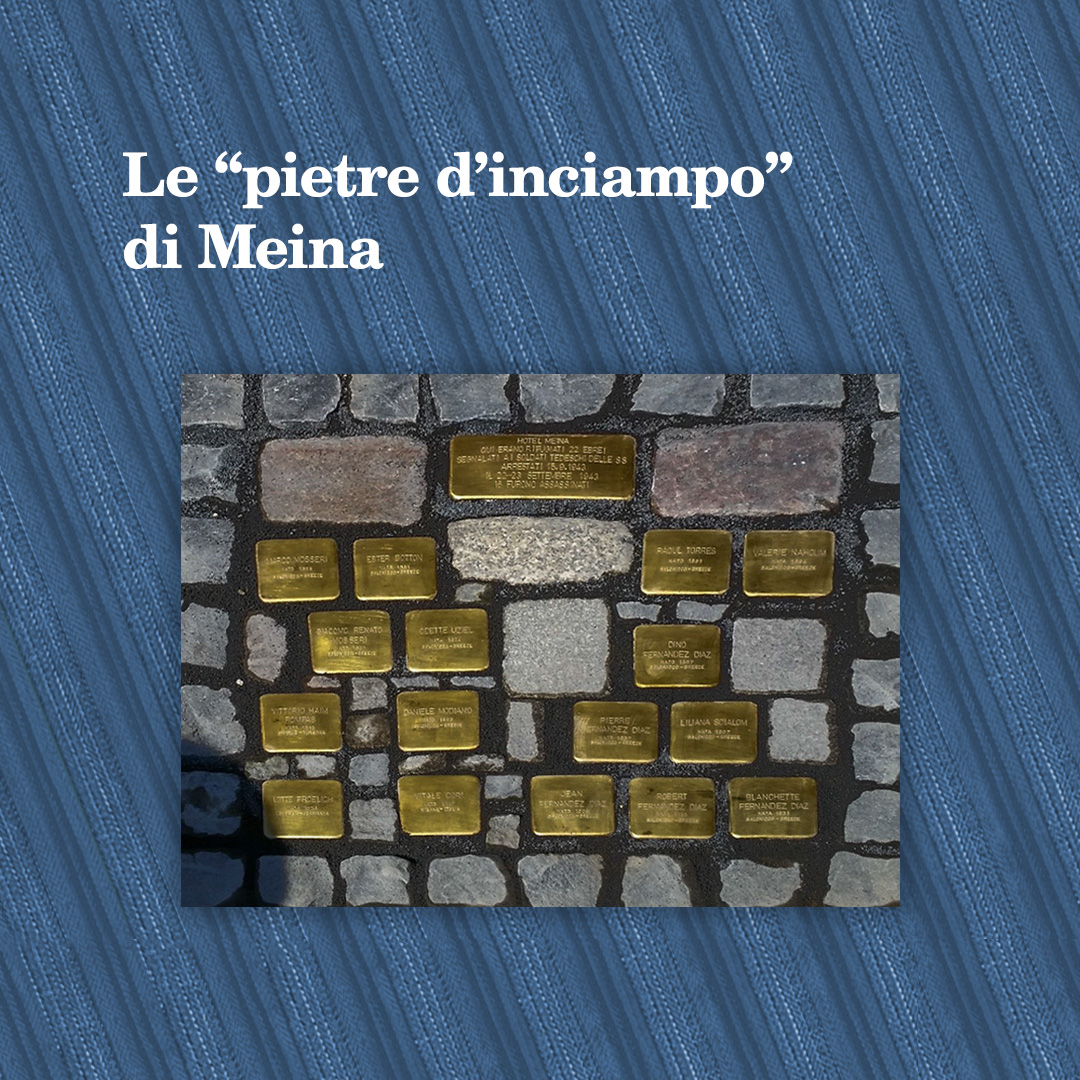
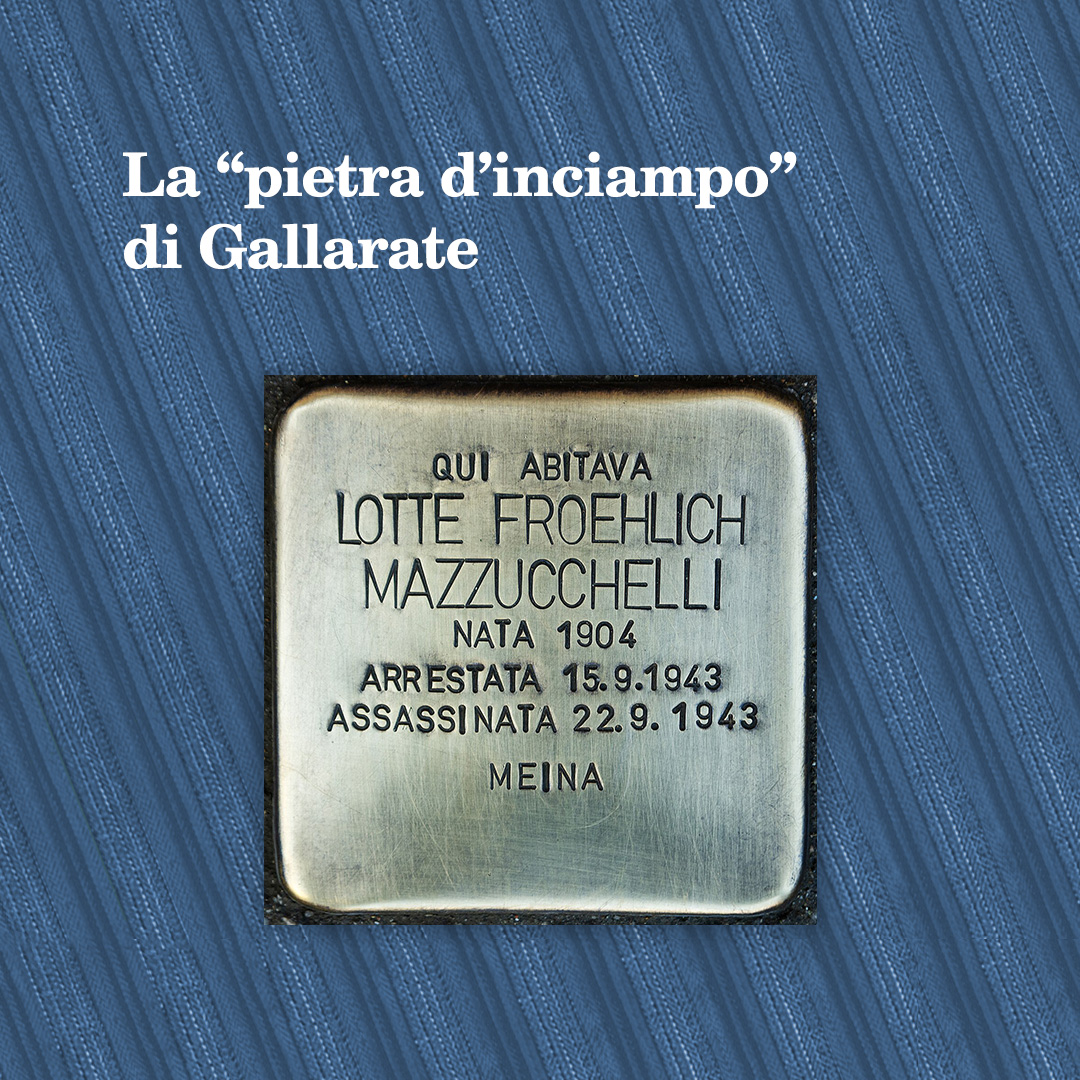
For the Meina massacre, and the others that took place in various villages around the lake, there was fortunately a trial and perpetrators and in the 1960s. The study and remembrance of the Holocaust, which has become increasingly widespread and conscious over the years, has produced books, television programmes, theatre performances, monuments – including the large ‘Head for Meina’ by Israeli sculptor Ofer Lellouche, initially followed in the project by Gae Aulenti, a close friend of Aldo Bassetti and his second wife, my mother Giorgina Venosta – and the ‘stumbling stones’, an initiative that since 1992 has been commemorating, with shiny brass plaques planted in the pavement in front of the homes of deportees or in the places where they were killed, the names of those who never returned. Lotte Fröhlich has two: one in Meina, among 15 others placed in 2015 on the site of her hotel, and one in Gallarate, placed in 2022 in front of the house where she lived.
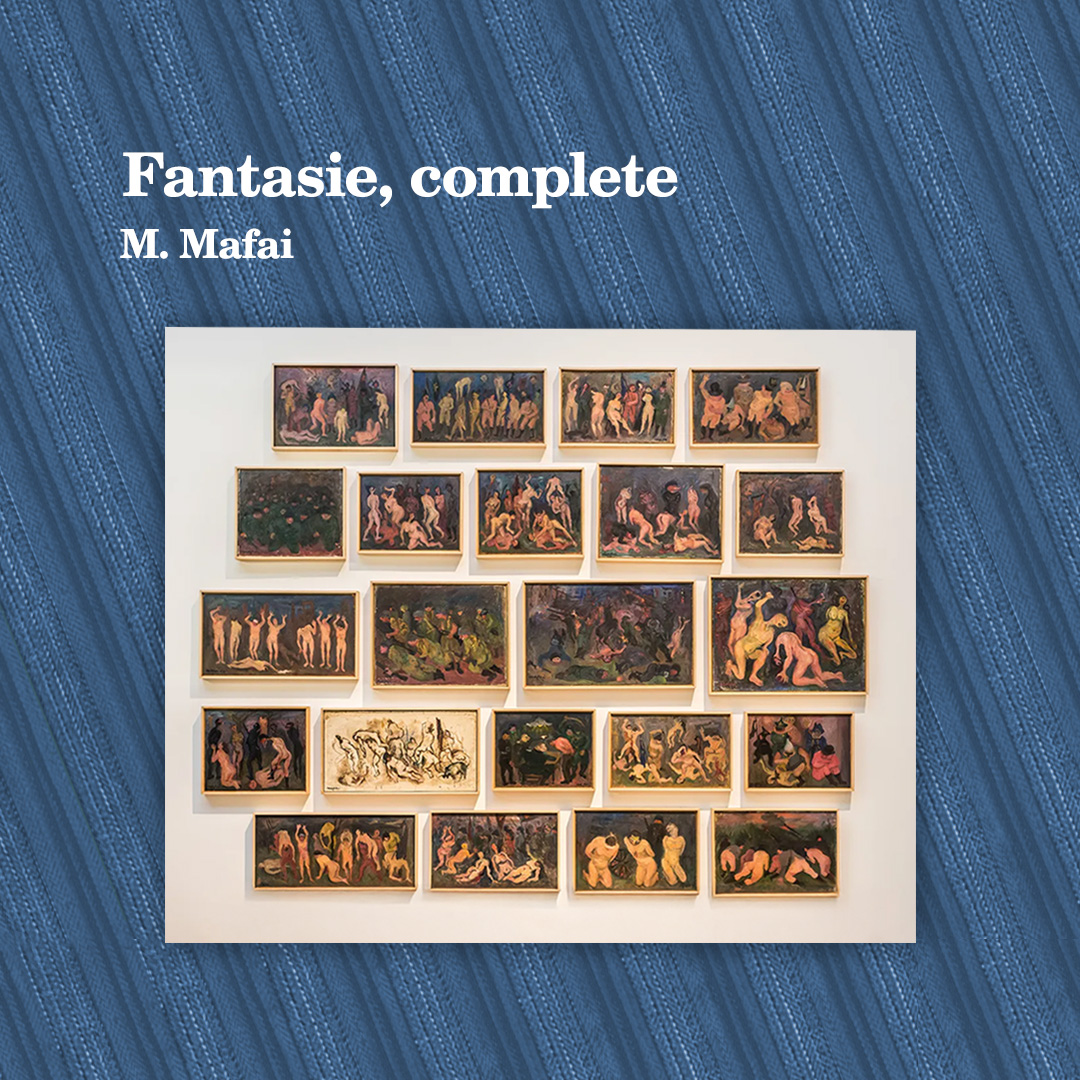
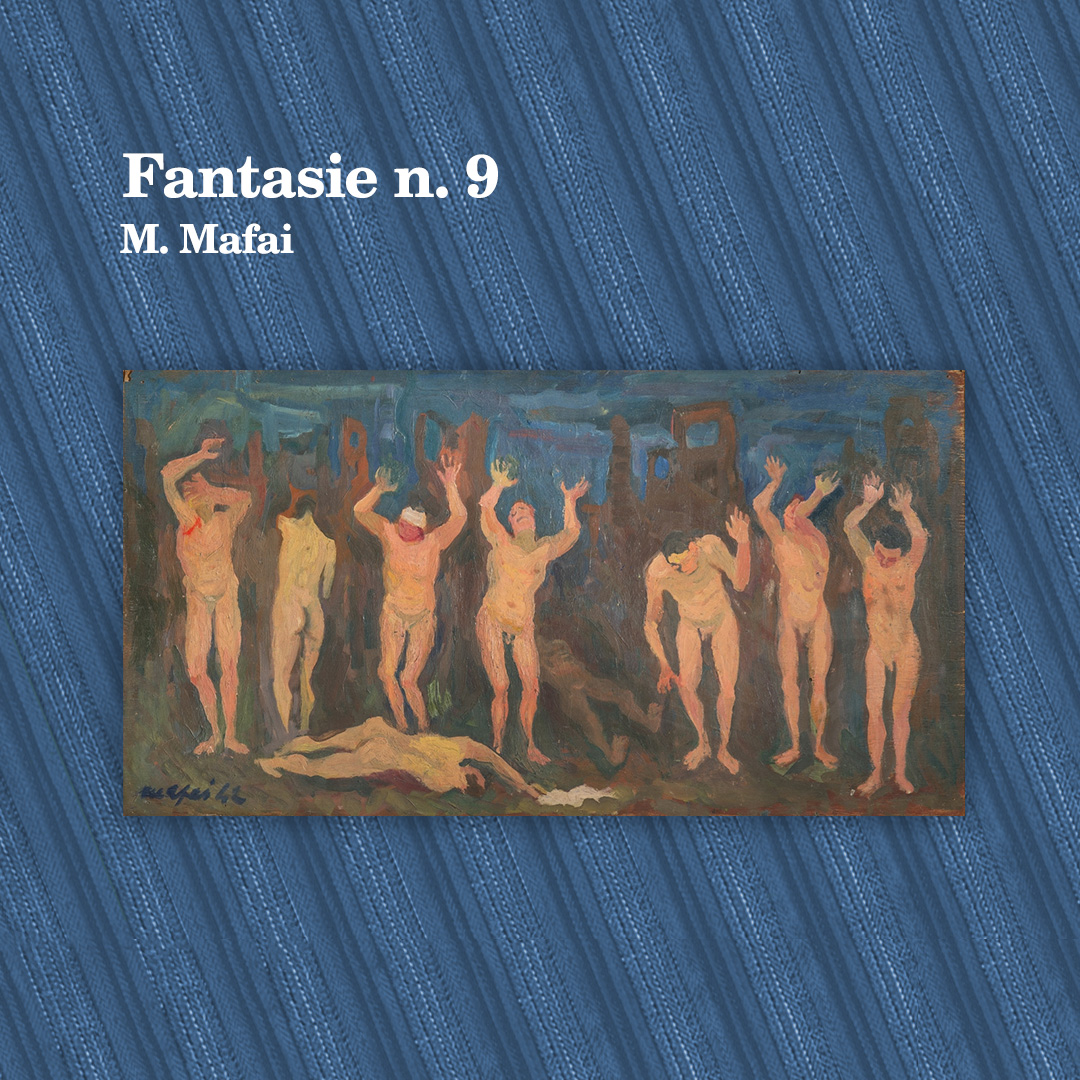
It is therefore no coincidence that Aldo Bassetti, honorary president from 2007 to 2020 of the Amici di Brera, purchased and donated Mario Mafai’s Fantasie to the Pinacoteca in 2018. “That day [the day of the search for my aunt’s body, ed.], my moral, political and social sensibility changed forever,” Bassetti recounts. “That’s when Mafai became a symbol of my life,” spent since then under the banner of anti-fascism.
An anti-fascist artist, between 1940 and 1944 Mafai produced “a cycle of small paintings that Mario De Micheli defines as a ‘masterpiece of intense lyrical and satirical expressiveness at the same time, a sort of macabre dance, a bloody and grotesque orgy of fascism, its hierarchs, its assassins’. A donation made to remember and to make known what happened in history, in order to draw lessons for the future. A heartfelt warning to reinforce aspects of humanity against those of bestiality’. (BRERAPLUS , Hotel Meina).
Bibliography:
BRERAPLUS , Hotel Meina. The story of an event, a necessity, a museum and three lives. The Hotel Meina massacre, a bitter memory linked to three key figures in the history of Brera and the need not to forget.(https://breraplus.org/story/hotel-meina/ ).
FROELICH, LOTTE, card in the Digital Library of the CDEC – Jewish Documentation Centre(https://digital-library.cdec.it/cdec-web/persone/detail/person-8773/froehlich-lotte.html ).
MUNICIPALITY OF MEINA, MEINA. Settembre 1943, la strage dimenticata, edited by G. MASCHERINI, 2023(https://www.comune.meina.no.it/wp-content/uploads/2023/11/ECCIDIO-DI-MEINA.pdf ).
A.VENTURA and M. FRANZINELLI, The Hôtel Meina. For International Holocaust Remembrance Day, the story of Lotte and Mario, and what happened to the guests of an Italian hotel when the Nazis came to stay, for AHEC-Alabama Holocaust Education Center, s.d.(https://ahecinfo.org/wp-content/uploads/TheHotelMeina_ITALY.pdf ).
N. ERBETTI, Lotte Froehlich’s stumbling stone laid, with her back to the former Casa del Fascio in Gallarate, in “VareseNews” 1 October 2022(https://www.varesenews.it/2022/10/posata-la-pietra-dinciampo-lotte-froehlich-le-spalle-allex-casa-del-fascio-gallarate/1503945/ ).
AMICI DI BRERA, Mario Mafai’s “Fantasie” donated by Aldo Bassetti to Brera(https://amicidibrera.org/news/le-fantasie-di-mario-mafai-donate-da-aldo-bassetti-a-brera/ ).
T. MONESTIROLI, La strage di Meina nelle “Fantasie” firmato Mafai, in “La Repubblica”, 24 February 2021(https://www.repubblica.it/dossier/cultura/arte-mostre-e-fotografia/2021/02/24/news/la_strage_di_meina_nelle_fantasie_firmate_mafai-288312375/ ).