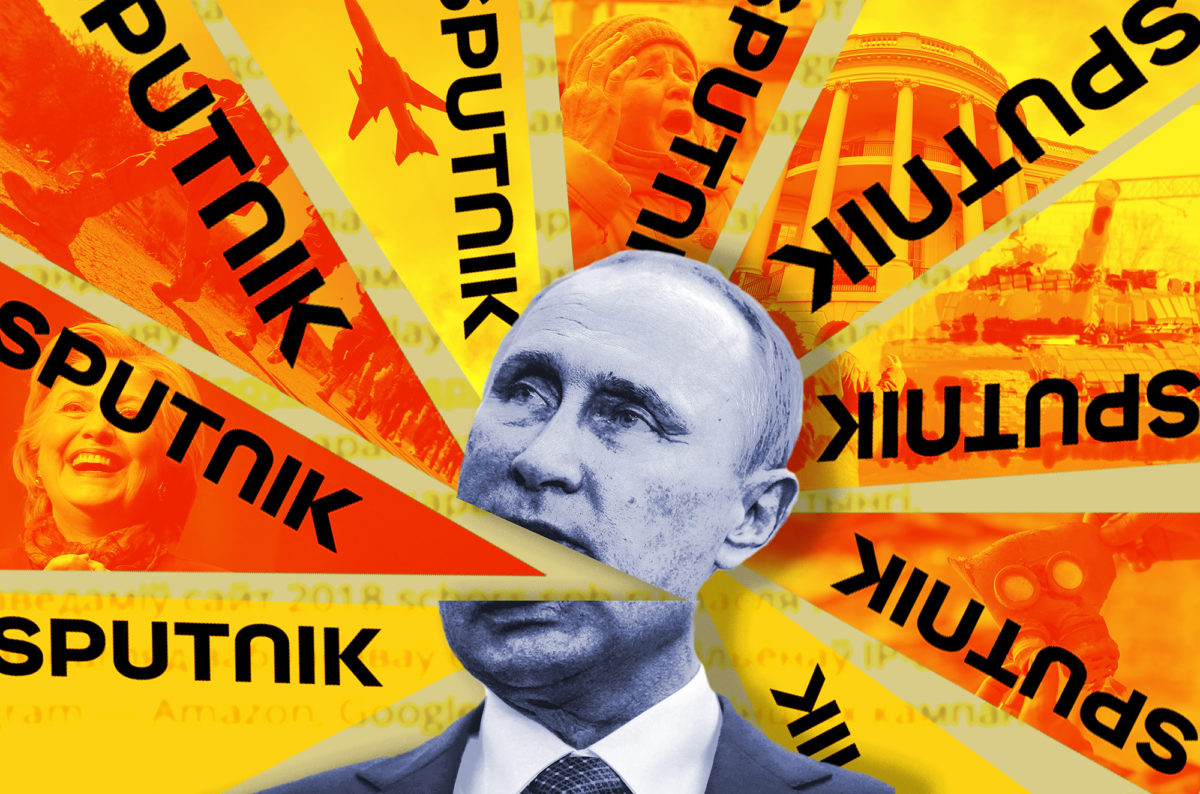
… In English, the word does not appear in dictionaries until the late 1980s, since it finds its origin in the Russian term ‘dezinformatzija’ (дезинформация): it refers to a Russian tactical weapon dating back to 1923, when the deputy chairman of the State Political Directorate – the GPU, forerunner of the KGB – called for the foundation of “a special disinformation bureau to conduct tactical intelligenceoperations”[6].
William Safire wrote in his 1993 book Quoth de Maven that disinformation was used by the KGB to refer to “the manipulation of a nation’s intelligence system through the provision of credible but misleading data.”[7] Disinformation was used by the KGB to mean “the manipulation of a nation’s intelligence system through the provision of credible but misleading data. From this point onwards, disinformation became a tactic used in Soviet psychological warfare: the measures activated by Sovietintelligence were based on falsification as a covert operation and subversion and manipulation of the mass media[8]..
The creator of the GPU was Feliks Ėdmundovič Dzeržinsky.
His statue, which had been pulled down in 1991, during the collapse of the USSR, was restored in 2023, enshrining the link between the Soviet Union and Putin’s Russia: The statue of the founder of the Soviet secret police unveiled in Moscow | Homage to ‘Felix the Iron Man’ Dzerzhinsky at the headquarters of the Russian secret service, after the previous monument was toppled in 1991.
That said, below are the 17 rules of Russian propaganda. Published in Germany by the expert Dietmar Pichler:
1- Deny everything: regardless of the issue, be it the downing of flight MH17, the Skripal poisoning or the imminent invasion of Ukraine, it is best to deny everything at first. Afterwards, one can always claim to have been misquoted or that the truth is different.
2- Blame others for what you are doing: blame others for your own actions, such as accusing Ukraine of planning a large-scale attack or shooting down flight MH17.
3- Demonising the victim: painting the opponent as a villain, using invented or exaggerated examples to support one’s claims. This can lead to a decrease in solidarity with the victim and even sympathy for the attacker.
4- Playing the victim, even if you are the aggressor: claiming that you have been betrayed by the West, that Ukraine has become anti-Russian and that no one respects your security interests. This narrative serves to justify your actions and to relativise the suffering of the victim.
5- Know your target audience: tailor your propaganda to specific groups, such as right-wing extremists or left-wing radicals. Use arguments such as ‘traditional values’ or ‘fight against western imperialism’ to appeal to these groups.
7- Spread not just one lie, but many: create a multitude of false narratives, making it difficult for people to follow the truth.
8- Motivate others to spread your lies: encourage others to spread your propaganda, using social media to make it ‘go viral’. It is crucial to have credible sources to spread your message, even if it means paying them.
9- Amplify the voices that share your propaganda: once you have identified the ‘useful idiots’ or paid to spread your narrative, give them a platform to reach a wider audience.
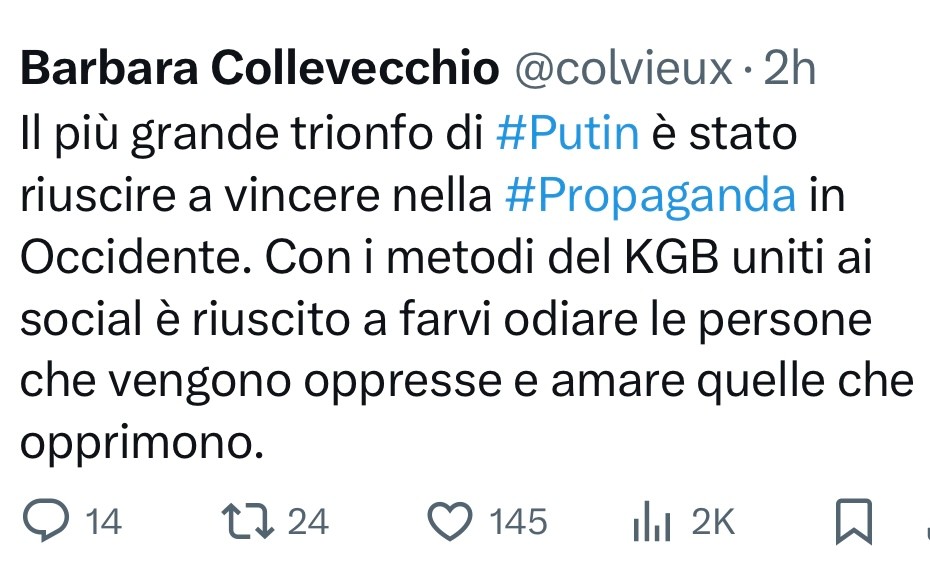
10- Make ridiculous stories more plausible: by spreading outlandish claims, you can make even the most subtle lies seem more credible by comparison.
11- When it is difficult to deny, play the ‘whataboutism’ card: distract from the issue at hand by bringing up irrelevant arguments, such as “What about Iraq?” or “What about the Cuban missile crisis?” The famous logical fallacy of the puppet argument.
12- Repeat your narrative until your target audience learns it by heart: make sure your message is repeated frequently so that it takes root in people’s minds.
13- Be aware that less informed people are more susceptible to misinformation: those with limited knowledge of a topic are more likely to believe false information.
14- If your invented content stirs emotions, it will spread more widely: use sensationalist and emotional stories to grab people’s attention and make your propaganda more shareable.
15- Give your target audience the feeling that they are part of something special: make them believe they are part of an elite group that sees beyond the lies of the ‘mainstream media’ and has access to ‘alternative’ information.
16- Use alternative history as a weapon: distort or manipulate historical events to support your narrative, making it appear to be the truth.
17- When you can no longer deny, deny you have denied: if you are caught in the act, claim you never said what you are accused of or were misquoted.
Translation of ‘Europe because’.
P.s. Does this remind you of anything in Italy? Perhaps some well-known journalist, politician or historian?
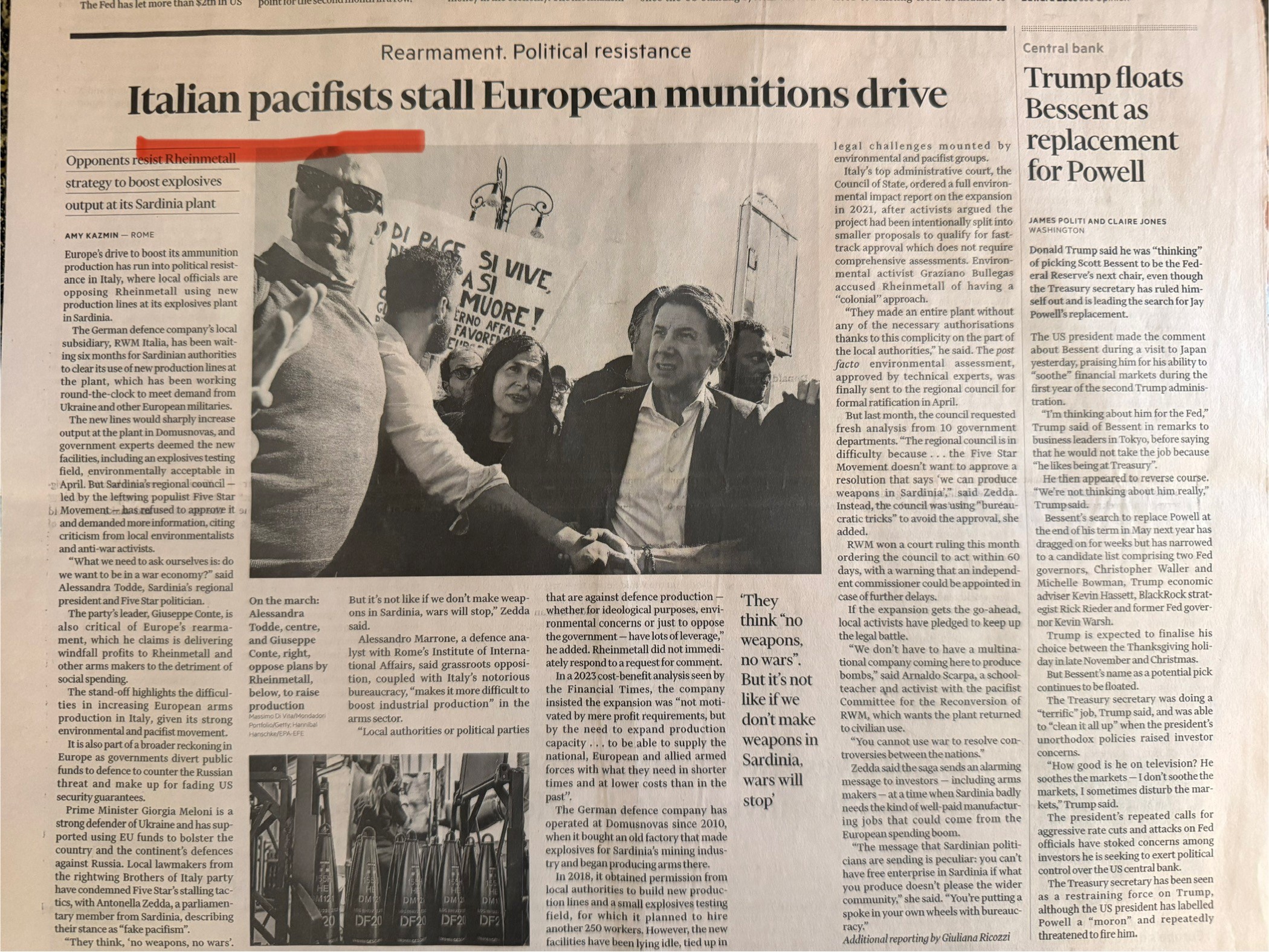
On the other hand, Italy is the country that has managed to distinguish itself in Europe for its ‘pacifism’ (see article in the Financial Times below): the 5 Star Movement, for example, a unique case in the world, has been blocking for months the Rheinmetall munitions factory in Sardinia, a plant that could employ 250 workers.