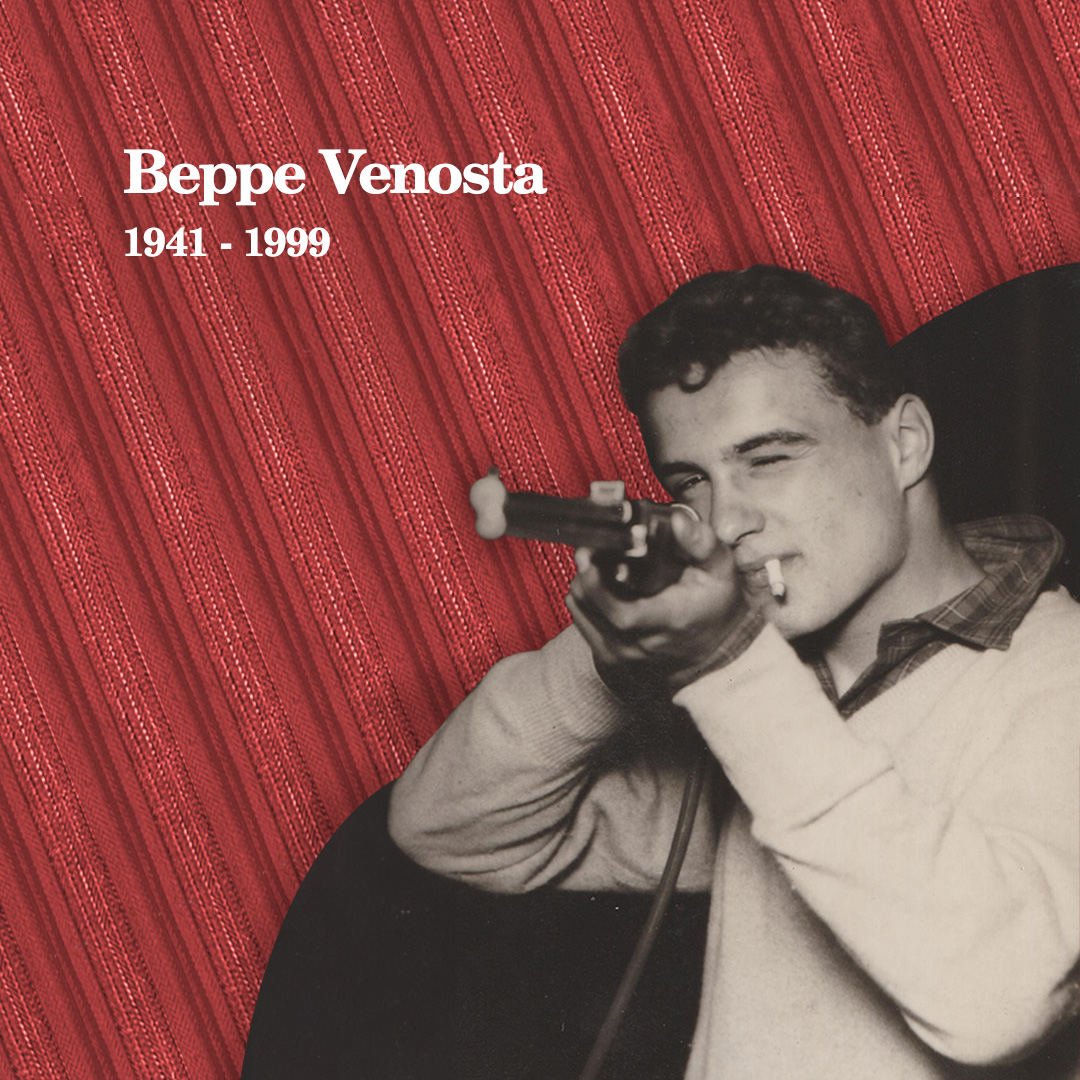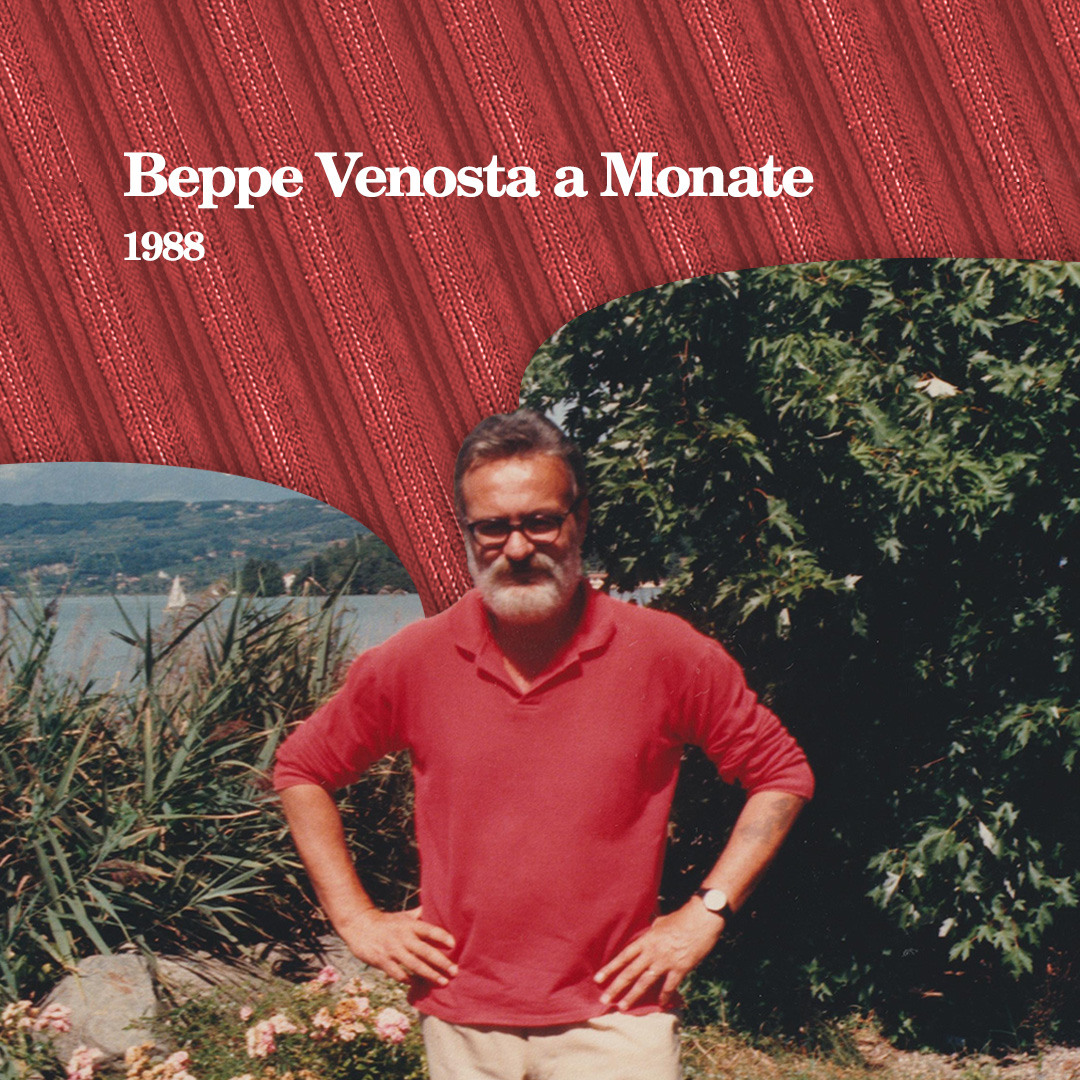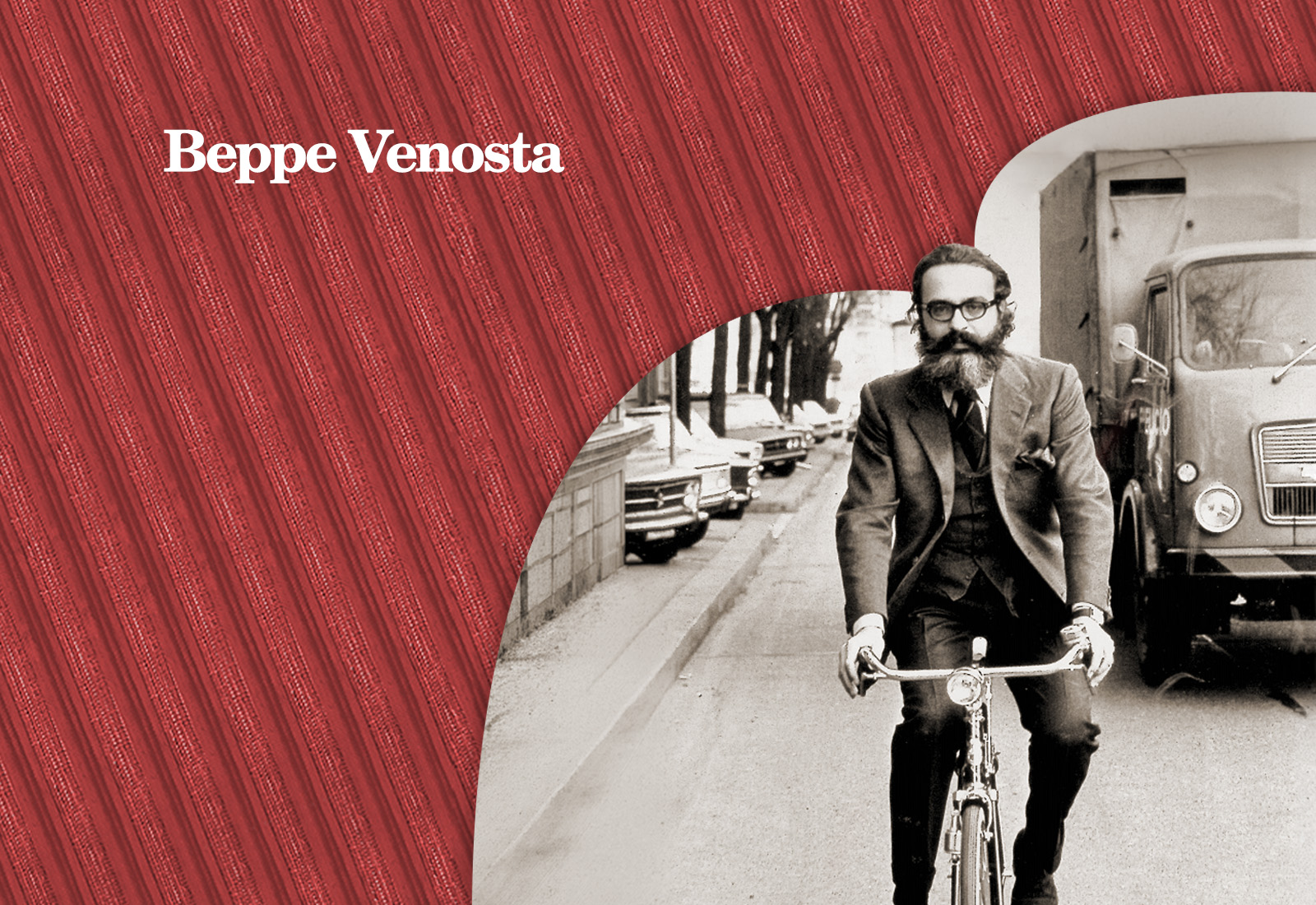
Our elders would have defined it with a somewhat old-fashioned term: ‘an original painting’, i.e. one of those works that, between the 19th and 20th centuries, had begun to totally revolutionise the history of art, often leaving the general public perplexed. And original and revolutionary Uncle Beppo was, in fact, a great Carlo Marx-style beard and an active participant in Sixty-Eight and the “Sixty-Eightism” that followed, we have a photo of him (unfortunately very blurred), on the back of which he wrote “Revolution on the march, Milan, 27 February 1970, journalists’ demonstration against repression”.
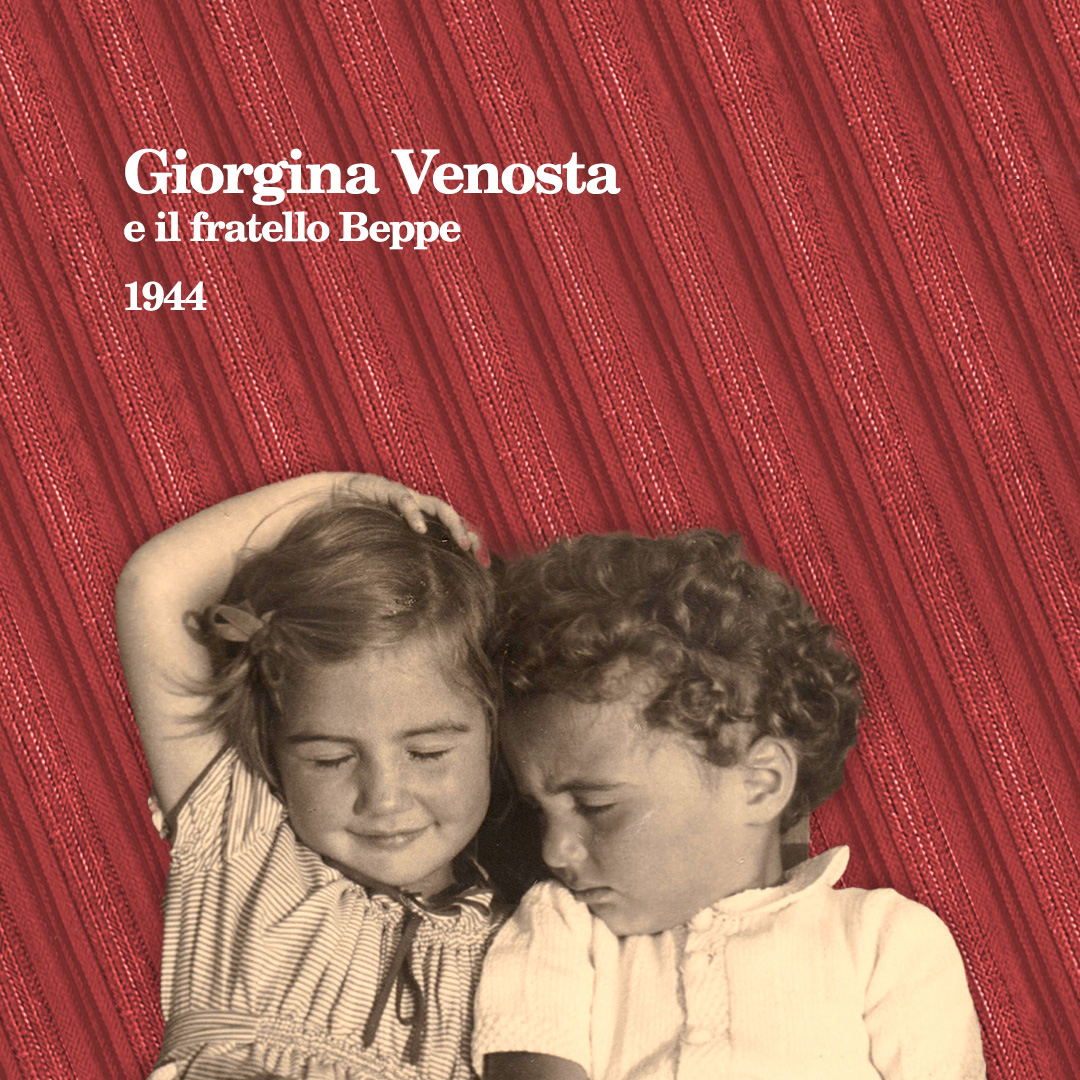
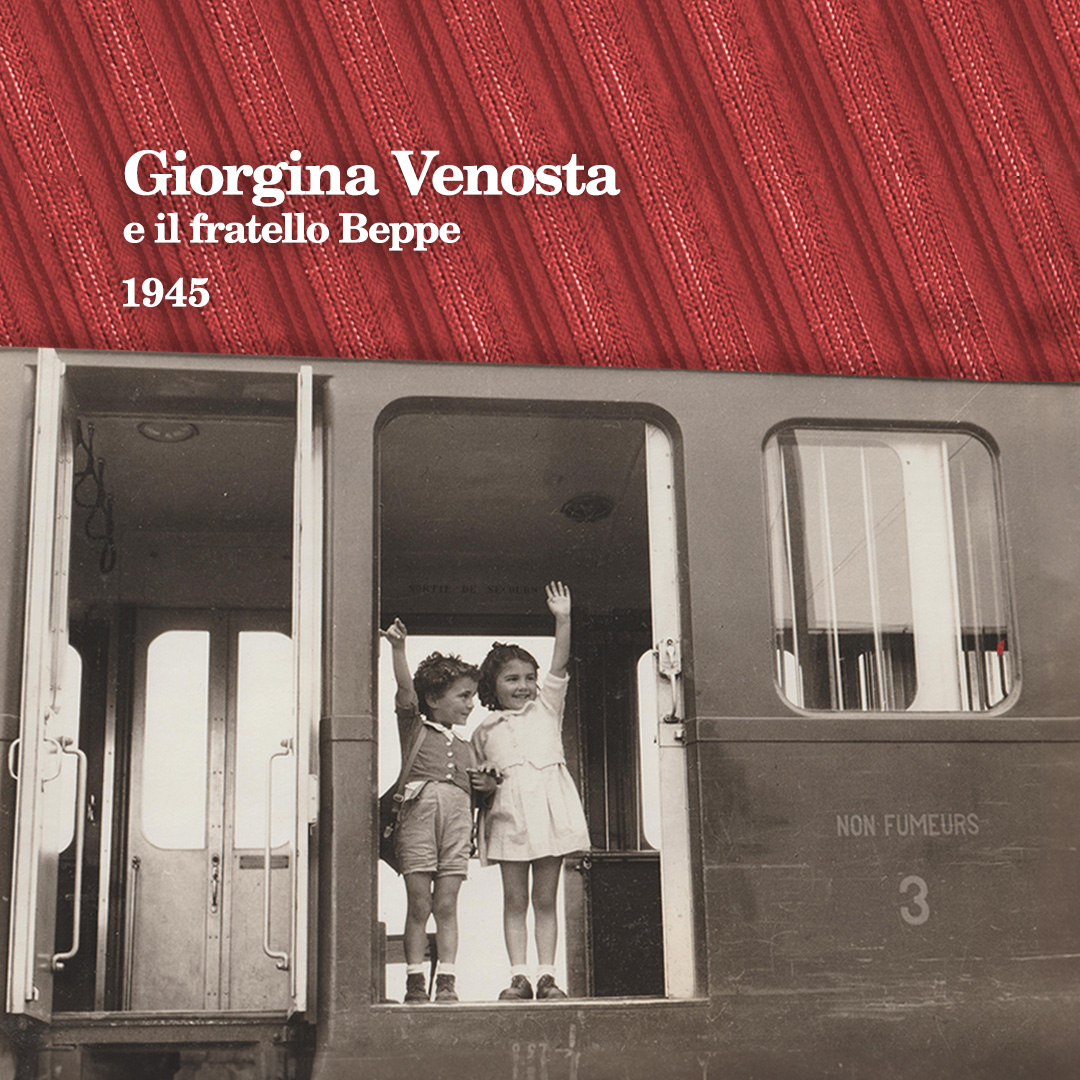
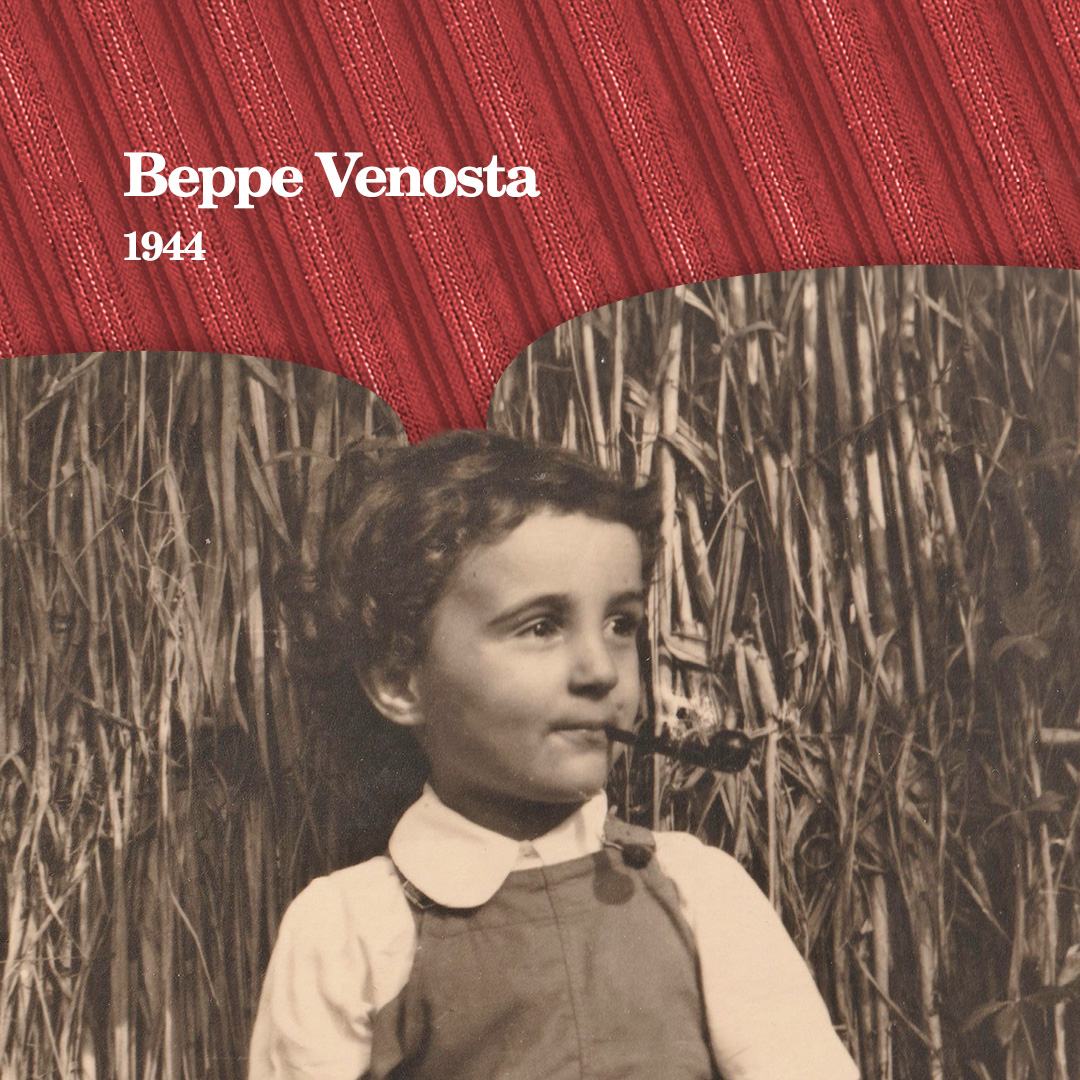
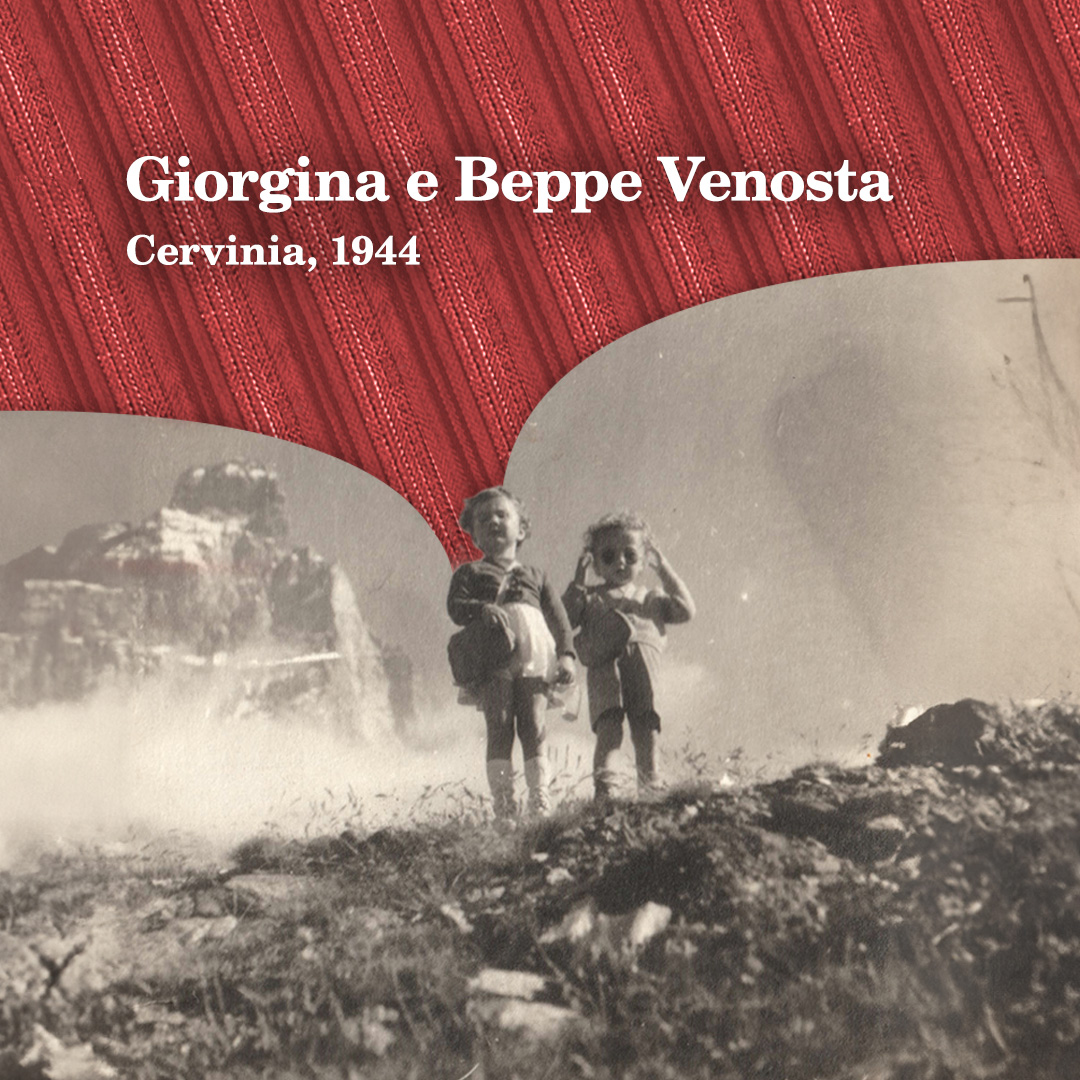
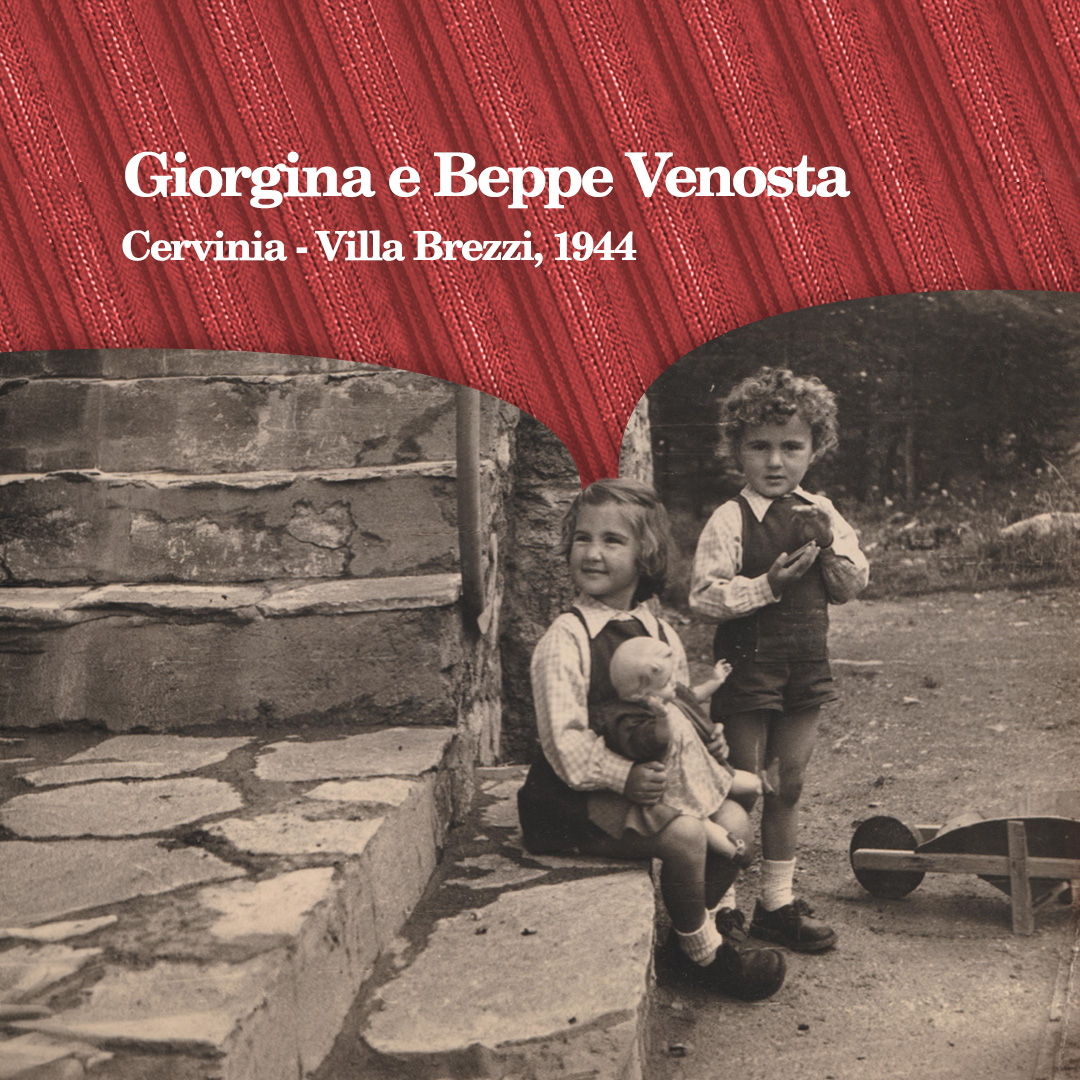
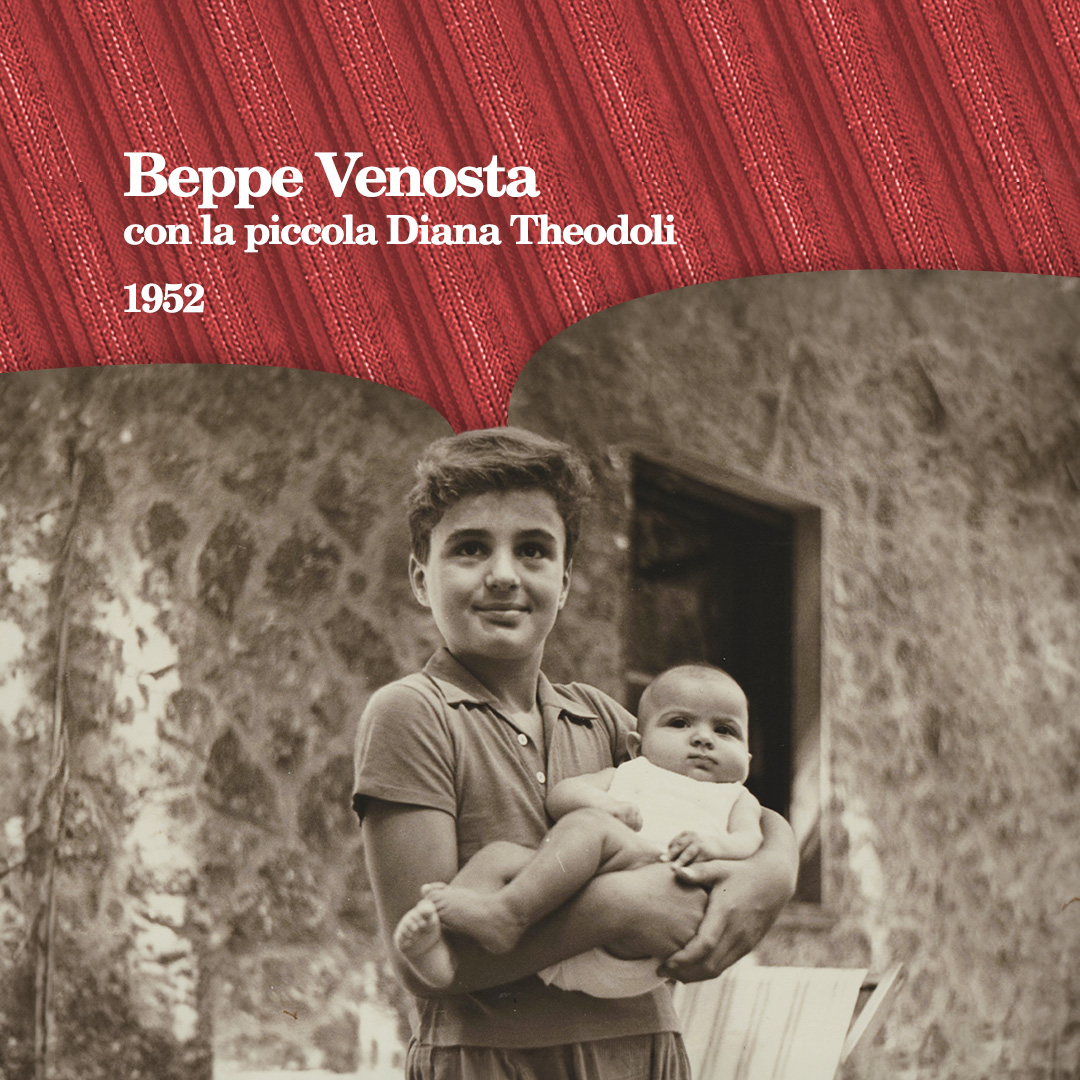
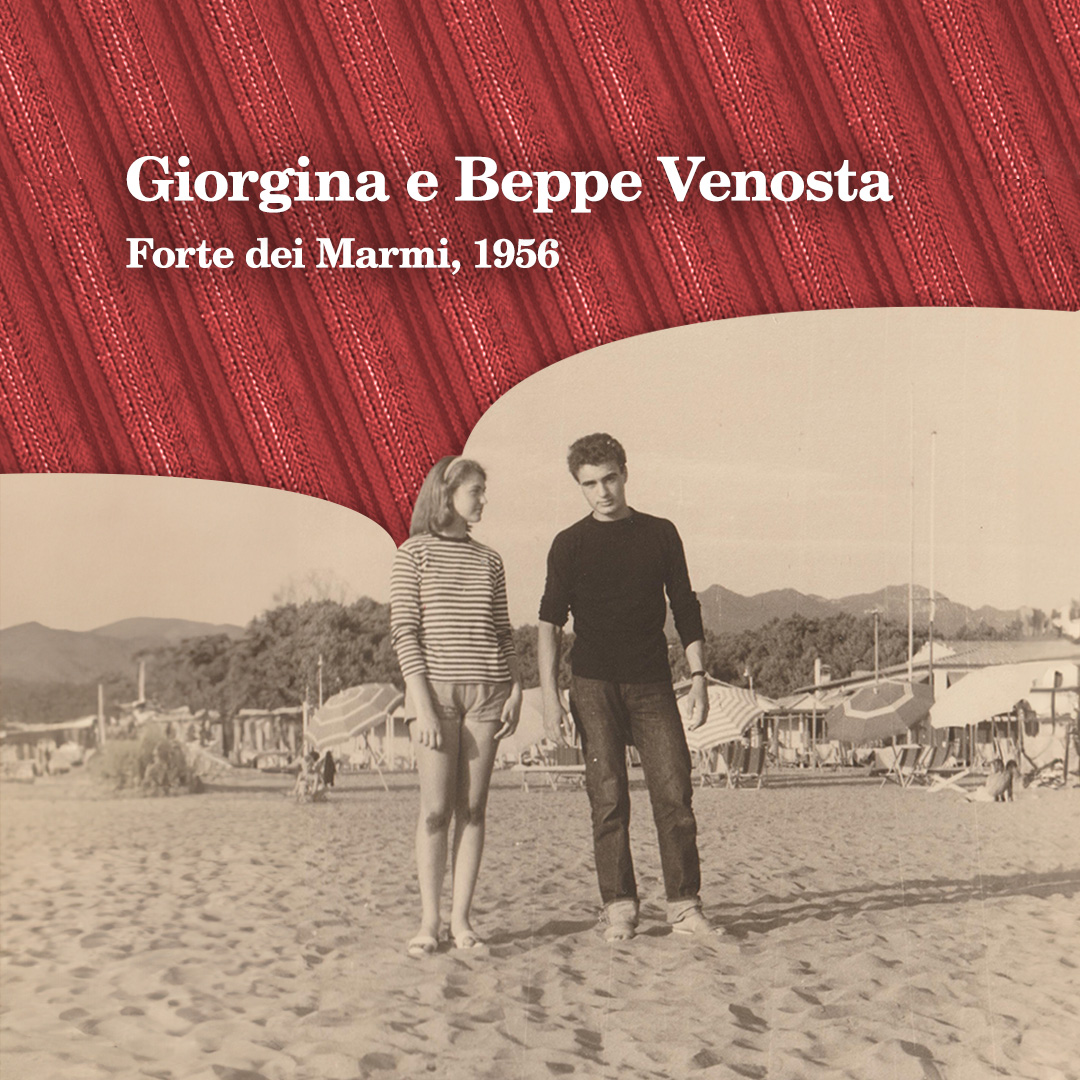
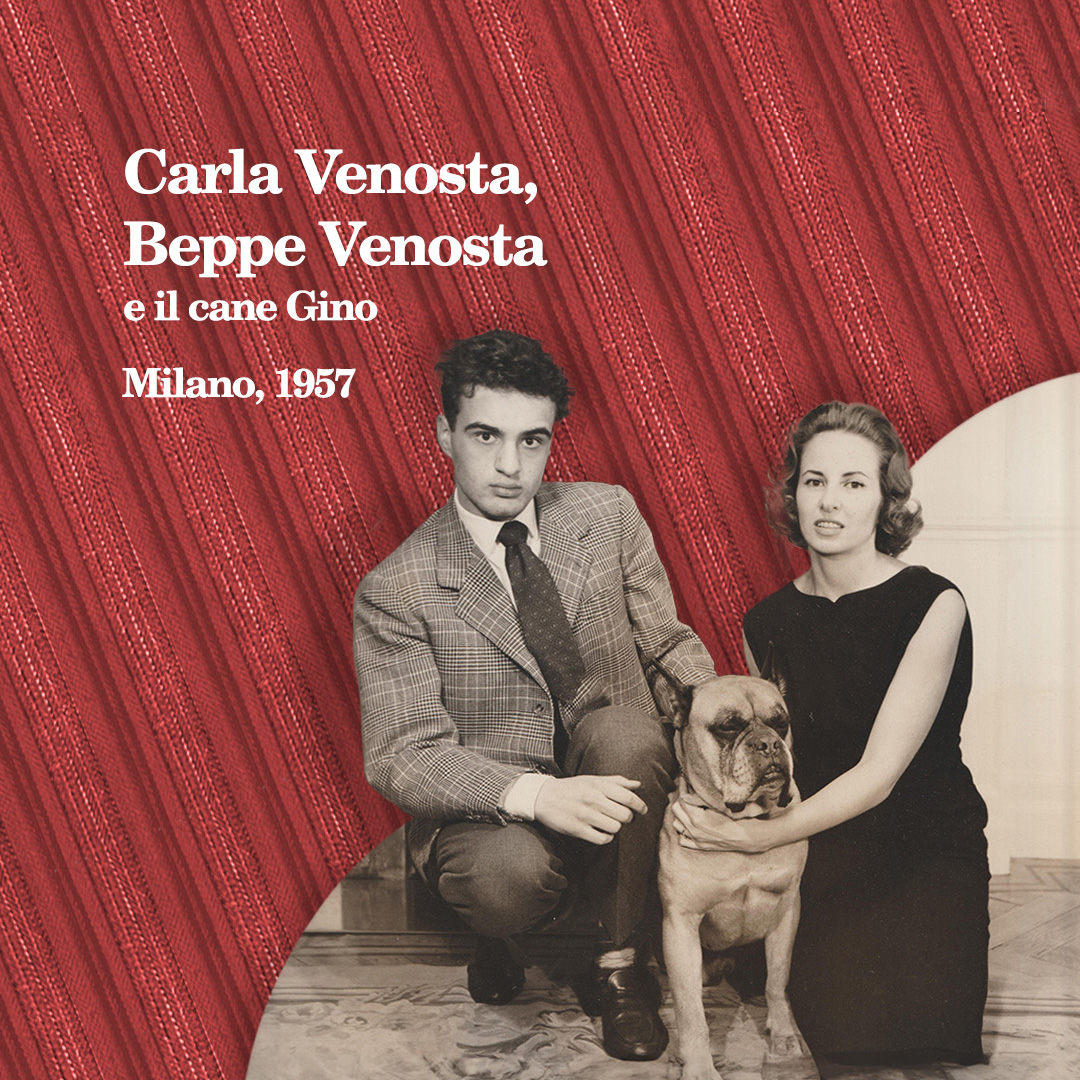
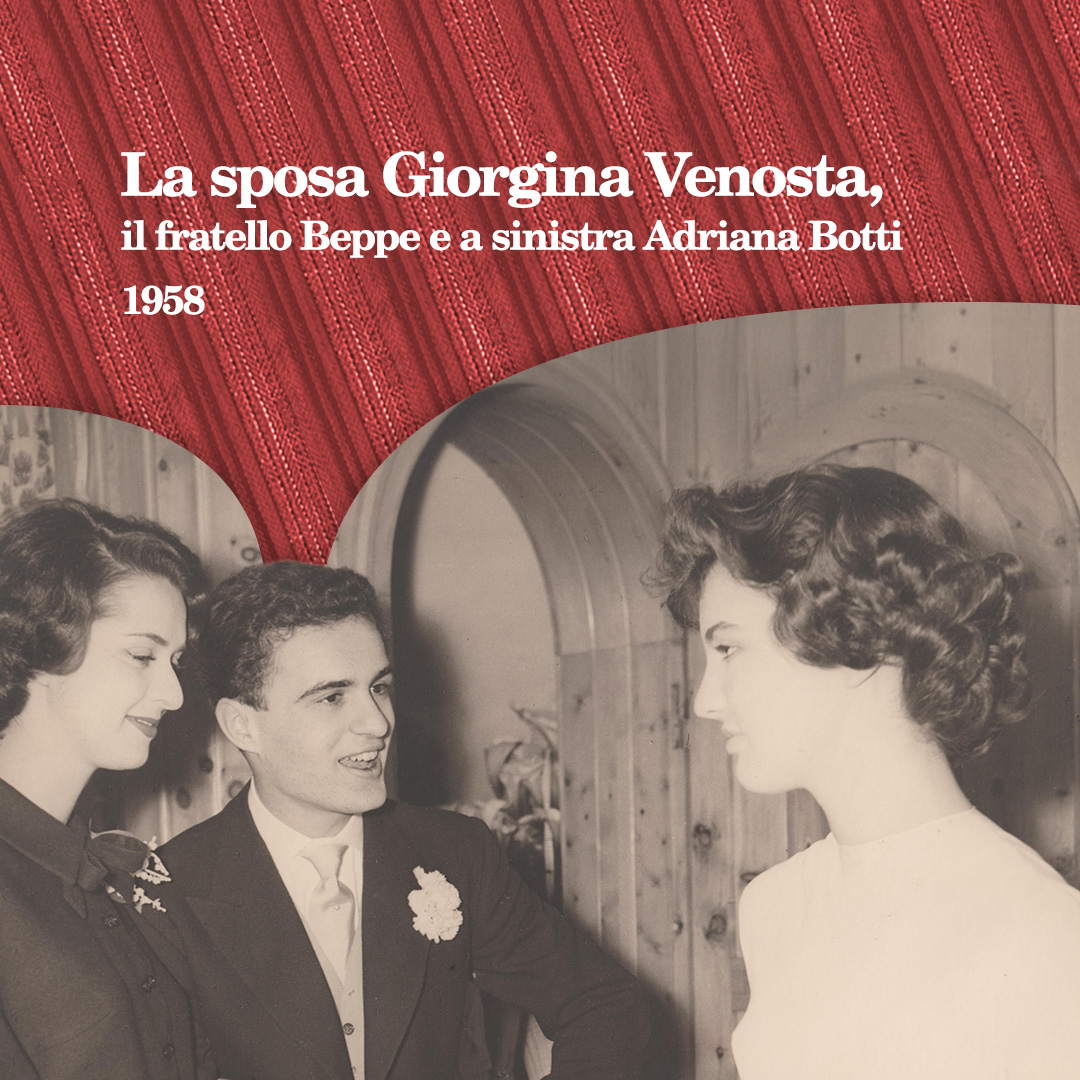
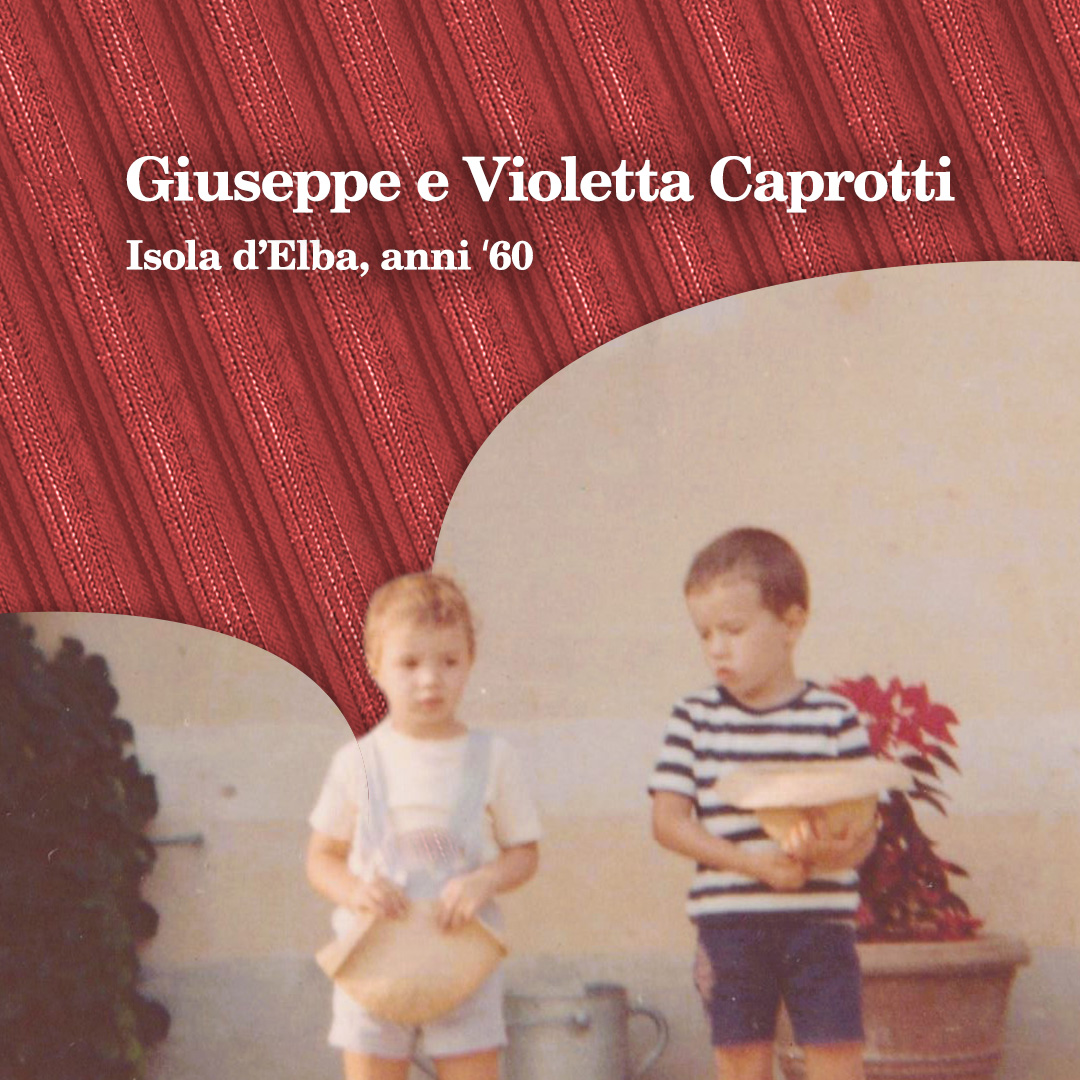
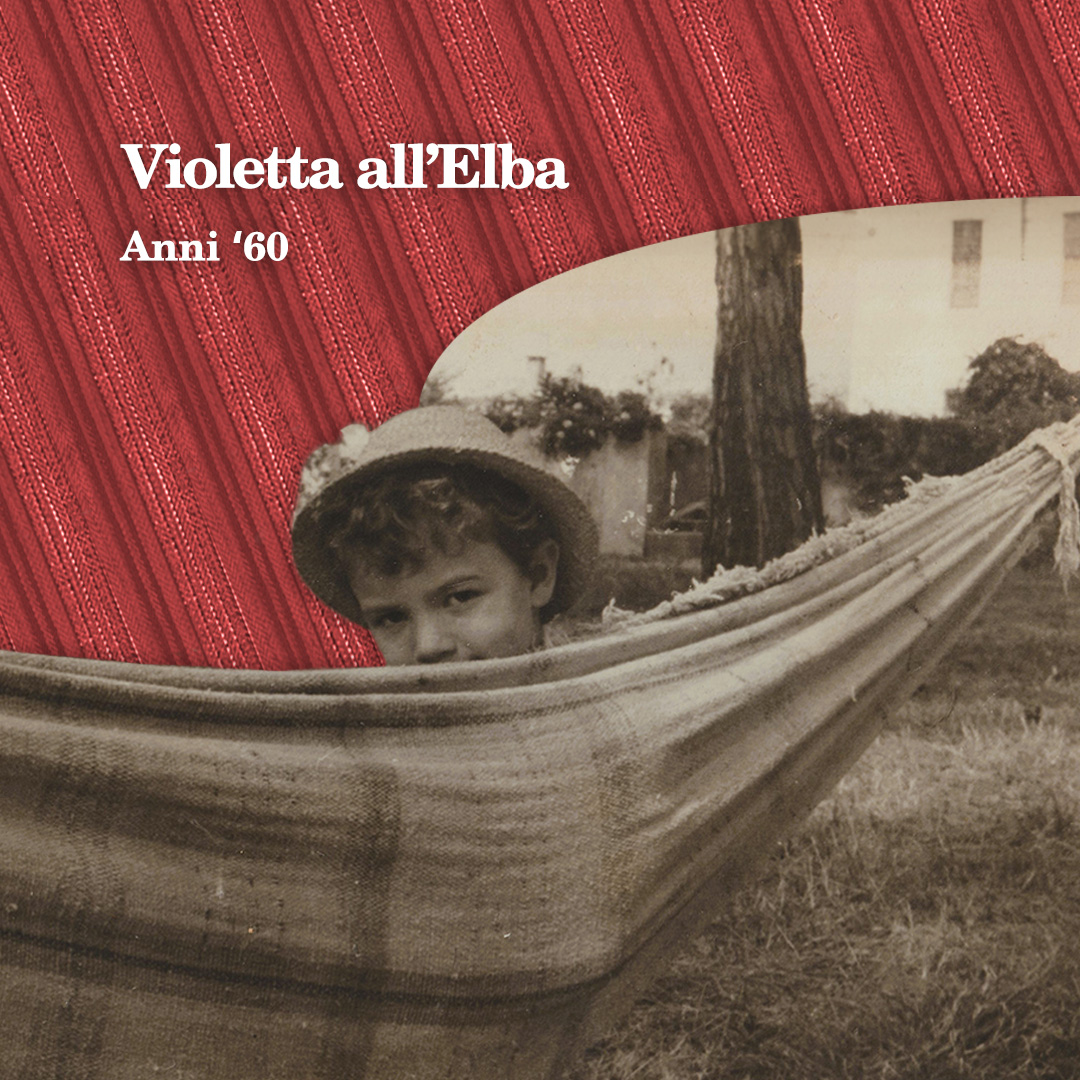
He was born on 6 October 1941, just over a year after my mother Giorgina, who came into the world on 1 May 1940. The little difference in age made them very close as children; the photo albums of their mother, my grandmother Luisa Quintavalle, are full of shots of them, always together, she a little dark-haired girl, he very blond and curly, with two eyes this big.
He became a journalist, and a fine one at that, for a long time a correspondent in Israel for the magazine ‘Panorma’, then the author of important articles, such as the dialogue with Maria Corti, philologist, literary critic, one of the greatest writers of the Italian 20th century, on the bicentenary of Alessandro Manzoni’s death for ‘Il Secolo XIX’.
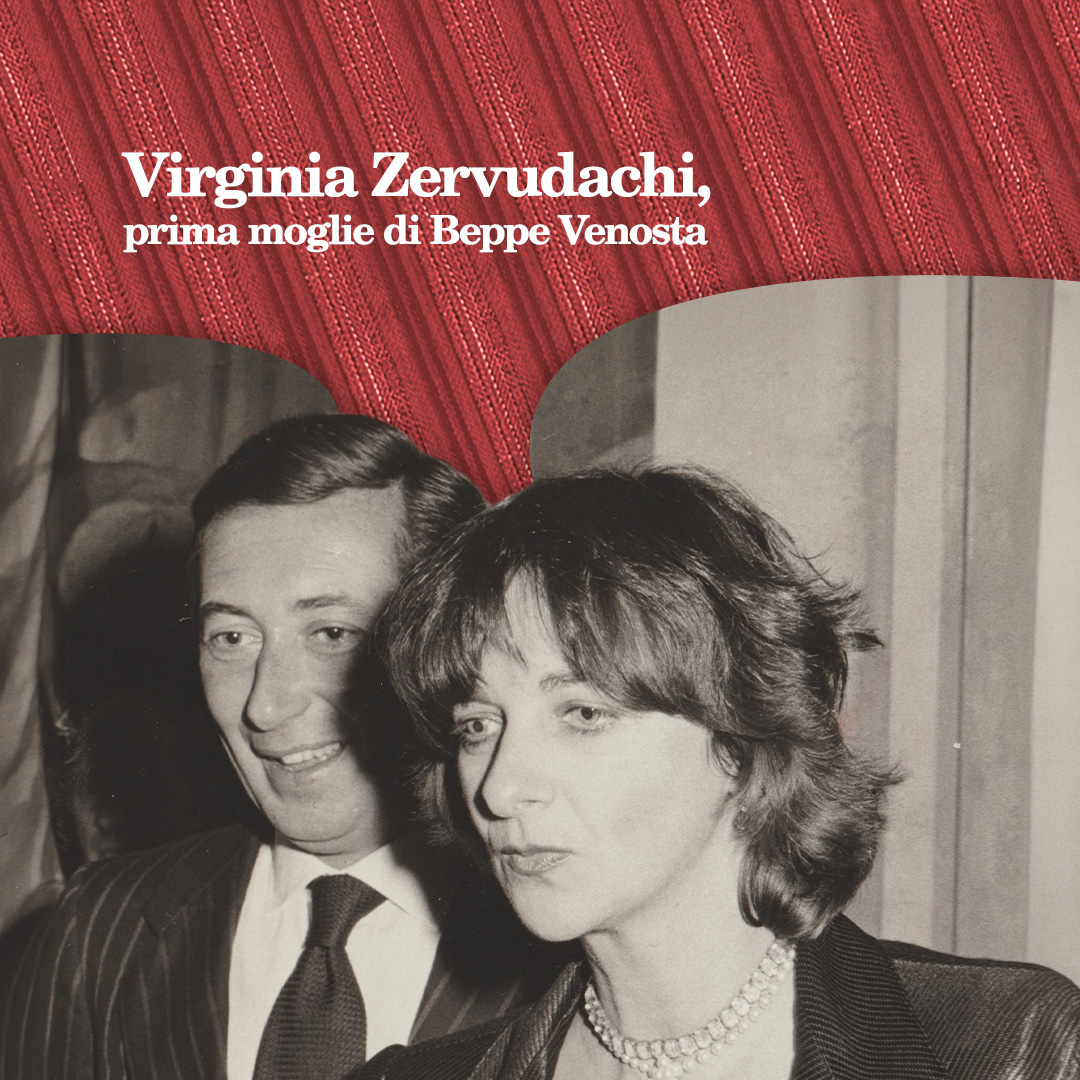
He married in first marriage Virginia Zervudachi, to whom Guido’s ex-father-in-law remained very close, judging by the exchange of correspondence in March 1993 in which she, having recently remarried (to Lord Charles Edward Vere Gascoyne-Cecil, third son of the Marquis of Salisbury), announces the marriage and would like to send him back the money received after the wedding date, in the previous December, still pertinent to the divorce settlement with Beppo. Guido answers her to use that money to “buy a small present for yourself that would remind you on the one hand of your mother and on the other of an unfortunate father-in-law who always had great affection for you” (Letter from Guido Venosta to Virginia Charl Cecil). Virginia, whom I remember fondly, was also a very good friend of my mother Giorgina Venosta; when I was studying at Le Rosey boarding school there was also a relative of hers, Alexis Zervudachi, Peter’s son (I met him too, he looked like Peter Ustinov!), of whom I have a good memory (unfortunately I see him very little).
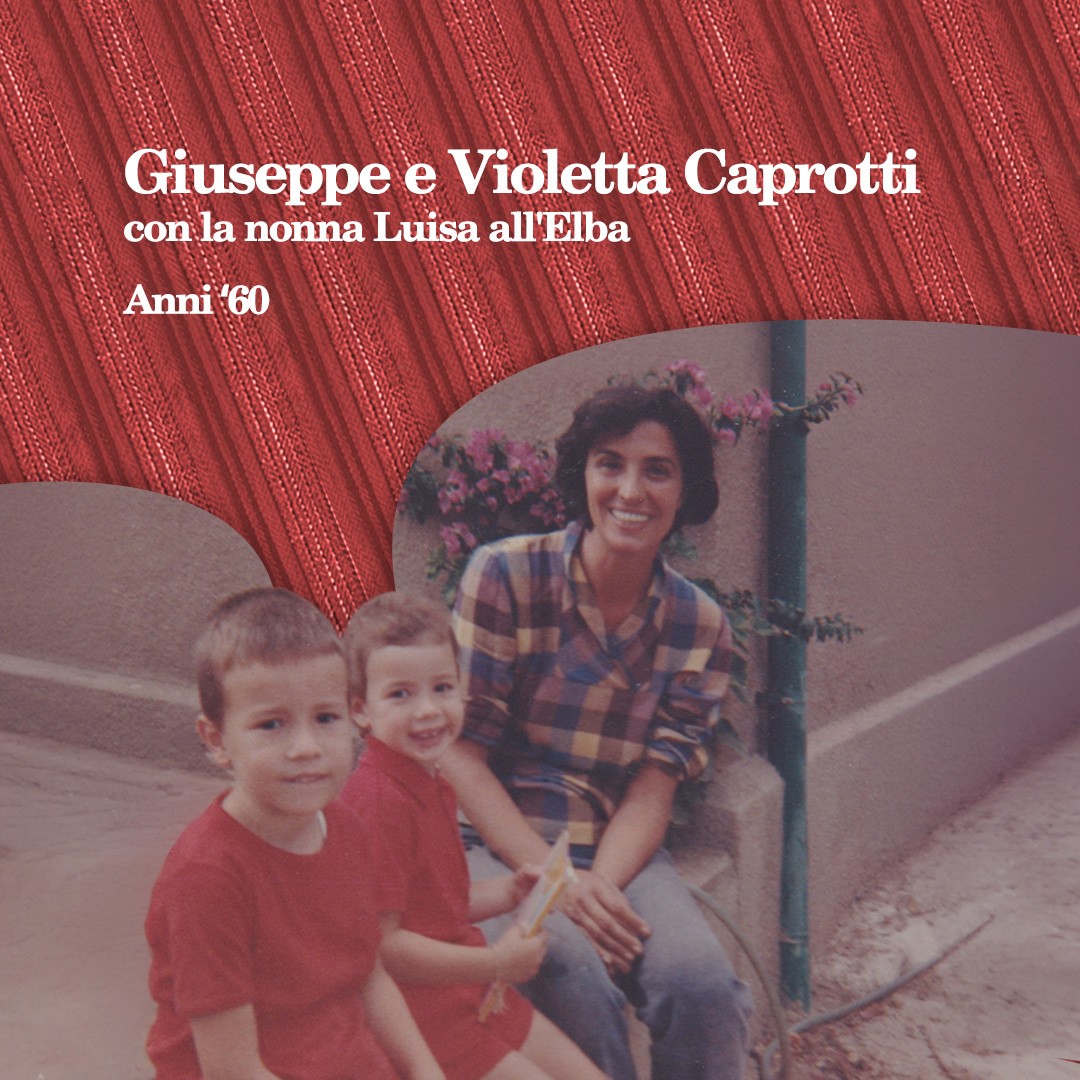
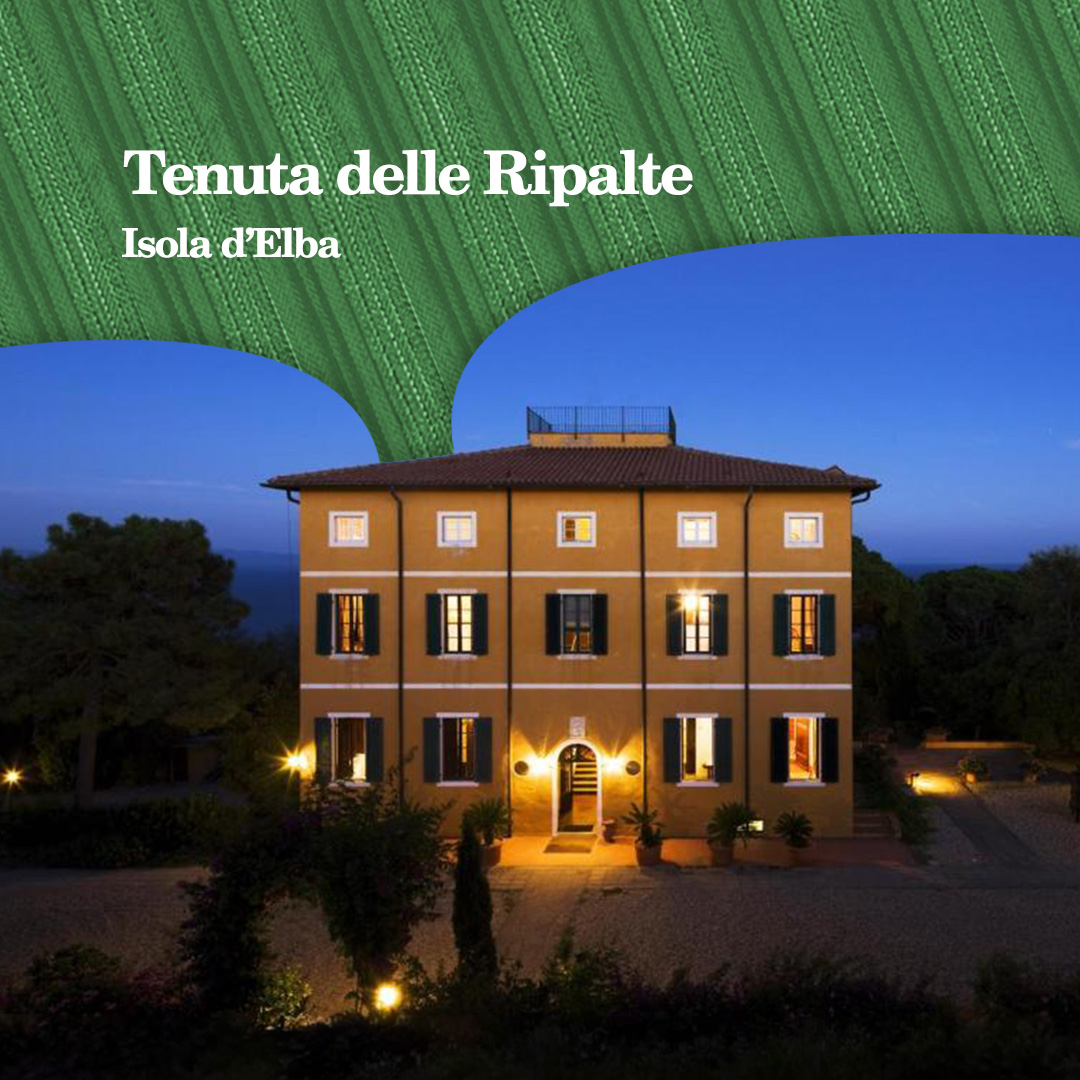
Uncle Beppo loved to provoke: a friend told me that ‘in the 1970s, when he used to join his grandmother Luisa on holiday (…) on the island of Elba in the summer , as a joke his uncle would introduce himself as a “duke“, from where no one knows. In that guise he would go to the butcher in Capoliveri who, as he entered the shop, would rush to kiss his hand. (…)’ (pp. 85-86).
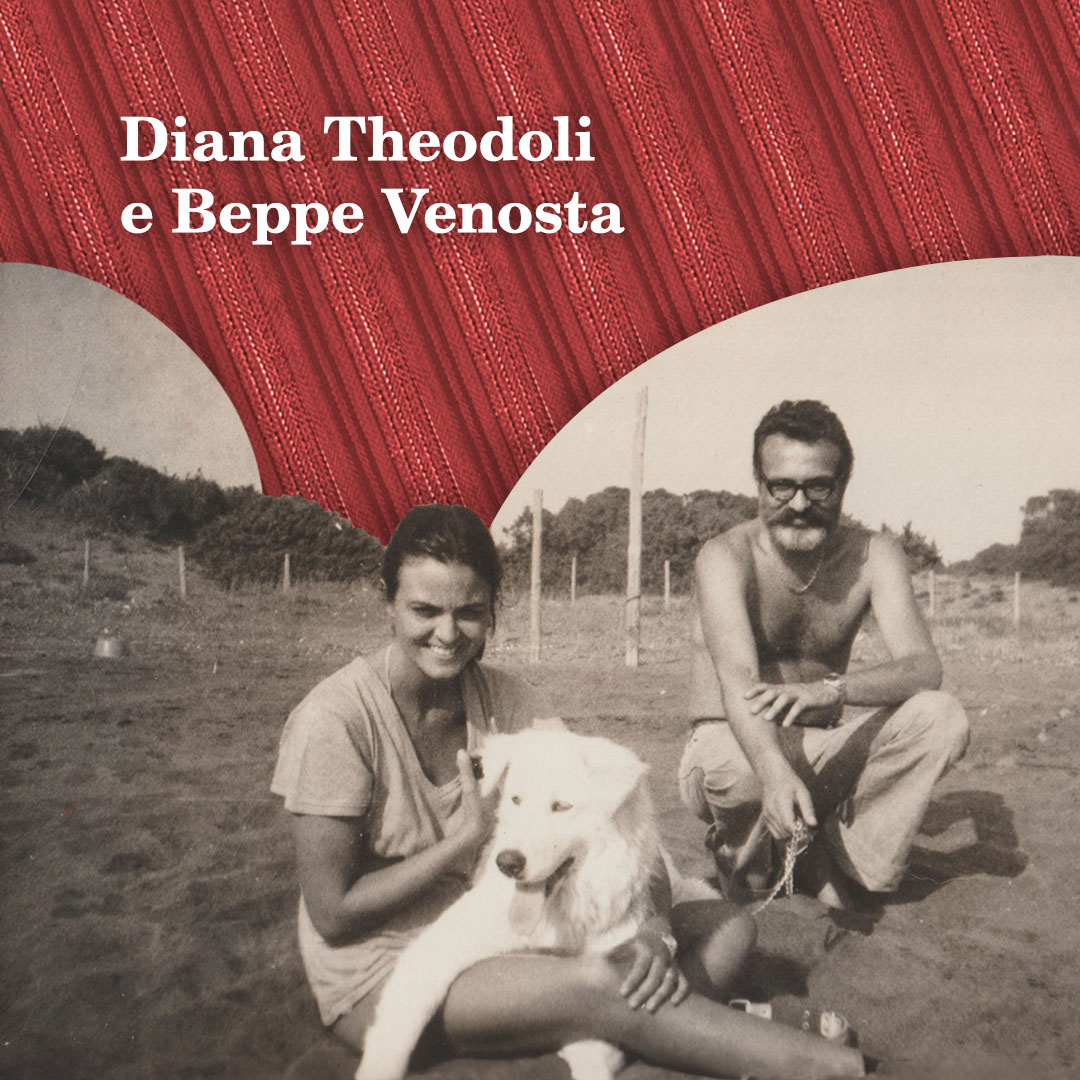
In an interview with Filippo Bisleri in 2006, Daniele Moro, a journalist well known for his time at TG5, summed up the figure of his uncle very well: ‘One of my teachers was Beppe Venosta, one of the best Italian journalists (“Panorama”, “Il Mondo”, “Il Sole 24ore”, Il “Secolo XIX” where he very nicely wrote a review of my book “Alto Adige o Sud Tirolo”, published by Franco Angeli ): stern, ironic, courageous and very, very patient with me. One who on the day of Lady Diana’s wedding wrote a full page in the Confindustria newspaper recounting the rituals, often absolutely unknown to us, of the marriage of two unknown sons of the English working class with its foibles and follies. And in a postscript recalling that: ‘Lady Diana Spencer, today, etc.’: if he had been born in London they would have made him a monument. At her funeral, in Milan, there were six of us’.
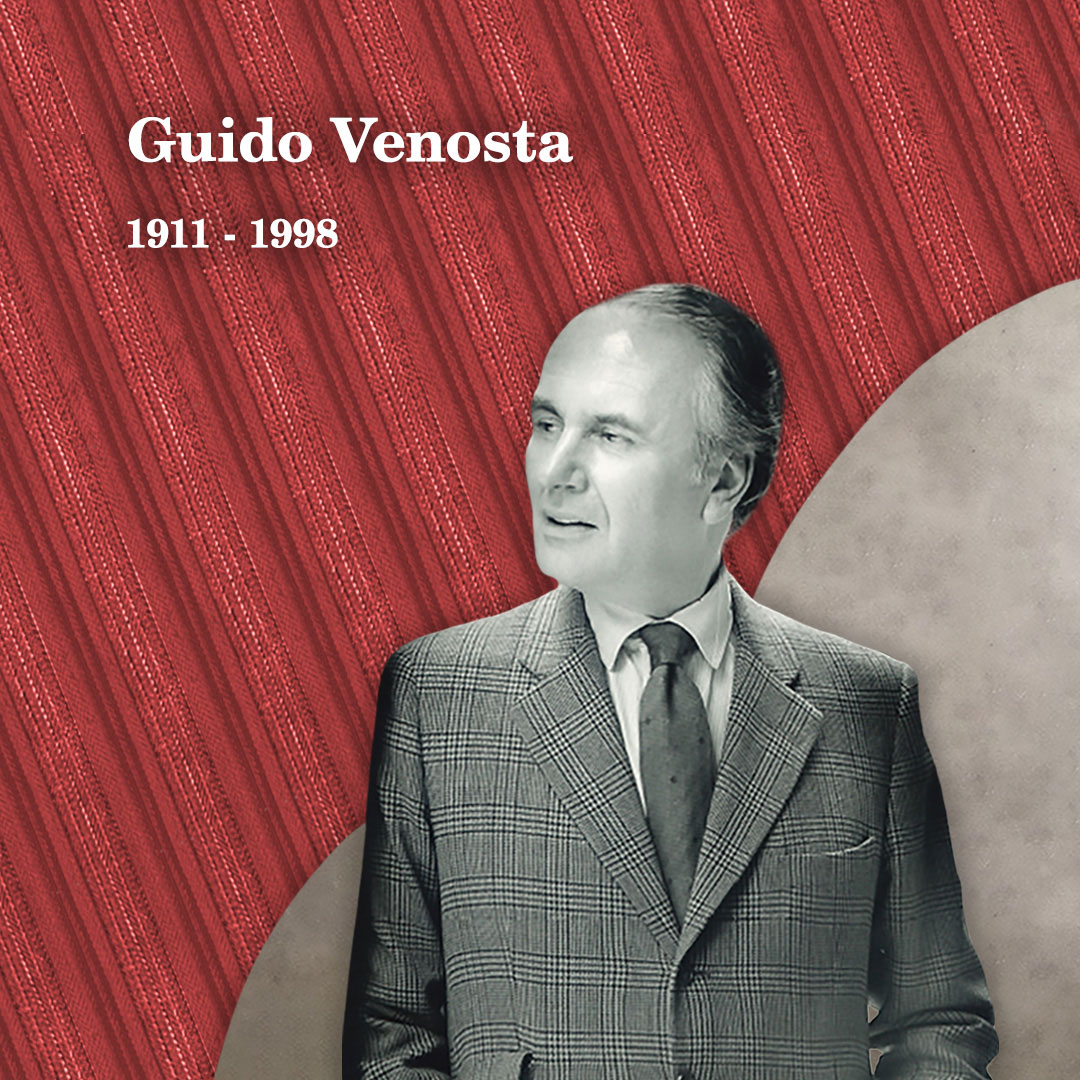
Uncle Beppo died at the age of 58, on 15 January 1999. Cancer took him away , the disease that his father, my grandfather Guido Venosta, had fought so long and so effectively with AIRC – the Italian Association for Cancer Research. Grandfather fortunately did not have to see him, having left only a few months before his son.
Sources:
Albiate (MB), Villa San Valerio, Caprotti Archive, ‘Guido Venosta Archive’, ‘Archive 1993-1998’: letter from Virginia Charl Cecil to Guido Venosta, [London], 12 March 1993, and Guido Venosta’s reply, Milan, 25 March 1993; Ibid., Photographic Archive.
Bibliography:
G. CAPROTTI, “Le Ossa dei Caprotti. Una storia italiana’, Milan, 2024/3.
ID., “Le Ossa dei Caprotti”. The Caprottis and the family: Uncle Giuseppe Beppo Venosta, called Beppo, brother of my mother Giorgina Venosta. Cues from the book.
F. Bisleri, “Moro, journalist by vocation“, in “Telegiornaliste”, year II No. 11 (43), 20 March 2006.
“The Great Lombard. The bicentenary of Manzoni’s birth. Ne parliamo con la studiosa Maria Corti2, edited by G. Venosta, “Il Secolo XIX”, 6 March 1985.