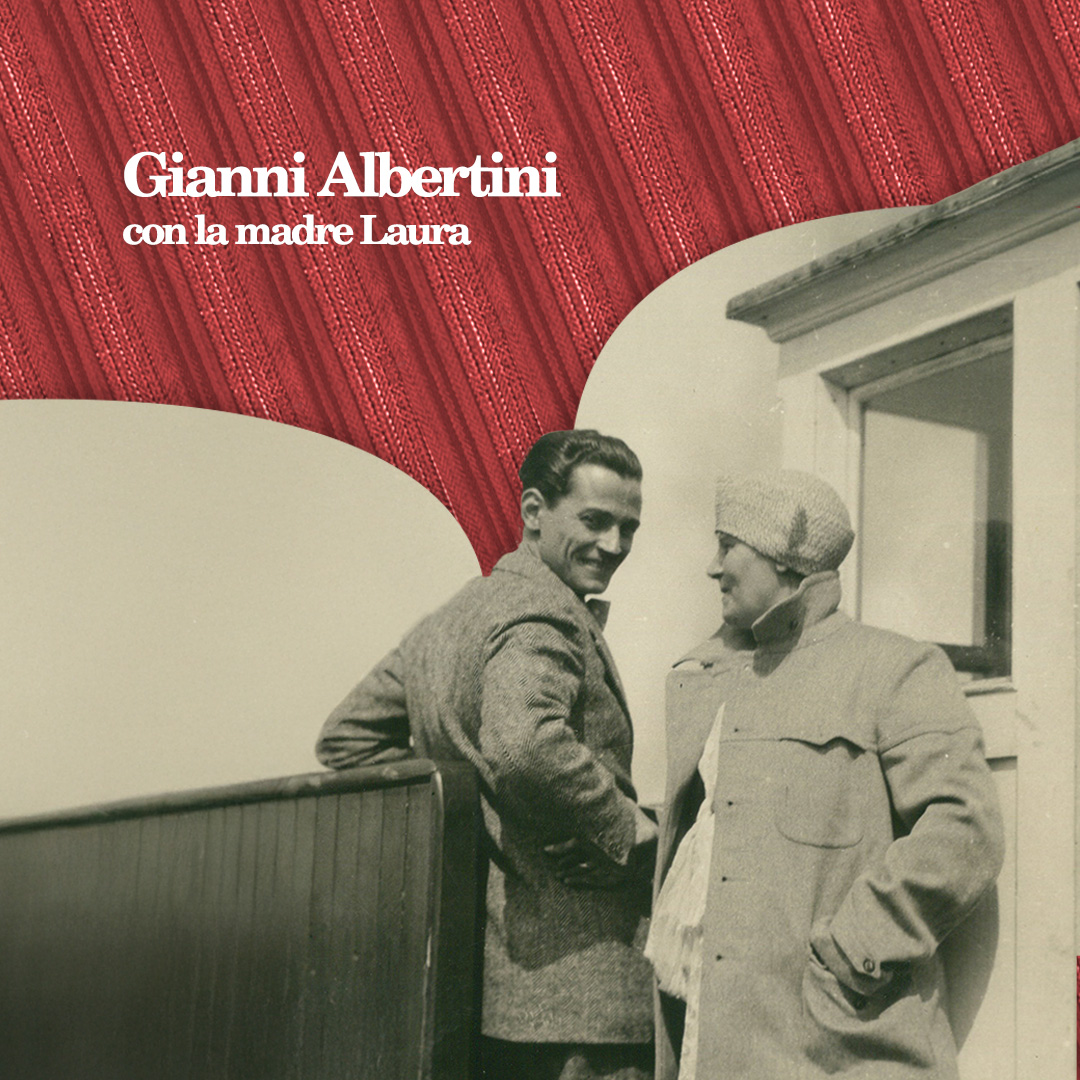
Born in Milan on 26 November 1902, Gianni (Gianni) Albertini has always been enthusiastic about mountains, skiing, speed and risk. A very young graduate in engineering, a member of the CAI-Club Alpino Italiano since 1922, he became one of the most expert skiers, mountaineers and mountain guides, so much so that he opened new climbing routes, especially in the ‘great season’ of 1926 when, with his climbing partner and great friend Guido Albertini, he travelled to Mont Blanc, perhaps under the eyes (and the watchful telescope) of his mother who accompanied and supported his exploits (see BELTRAMETTI, Piero Zanetti, p. 10; ALBERTINI, Mont Blanc, p. 124). There is also the Cresta Albertini on the Colle delle Grandes Murailles (3957 m), opened by the Matterhorn Guide Gianni Albertini, Luigi Carrel and Jean Pellissier on 15 July 1937.
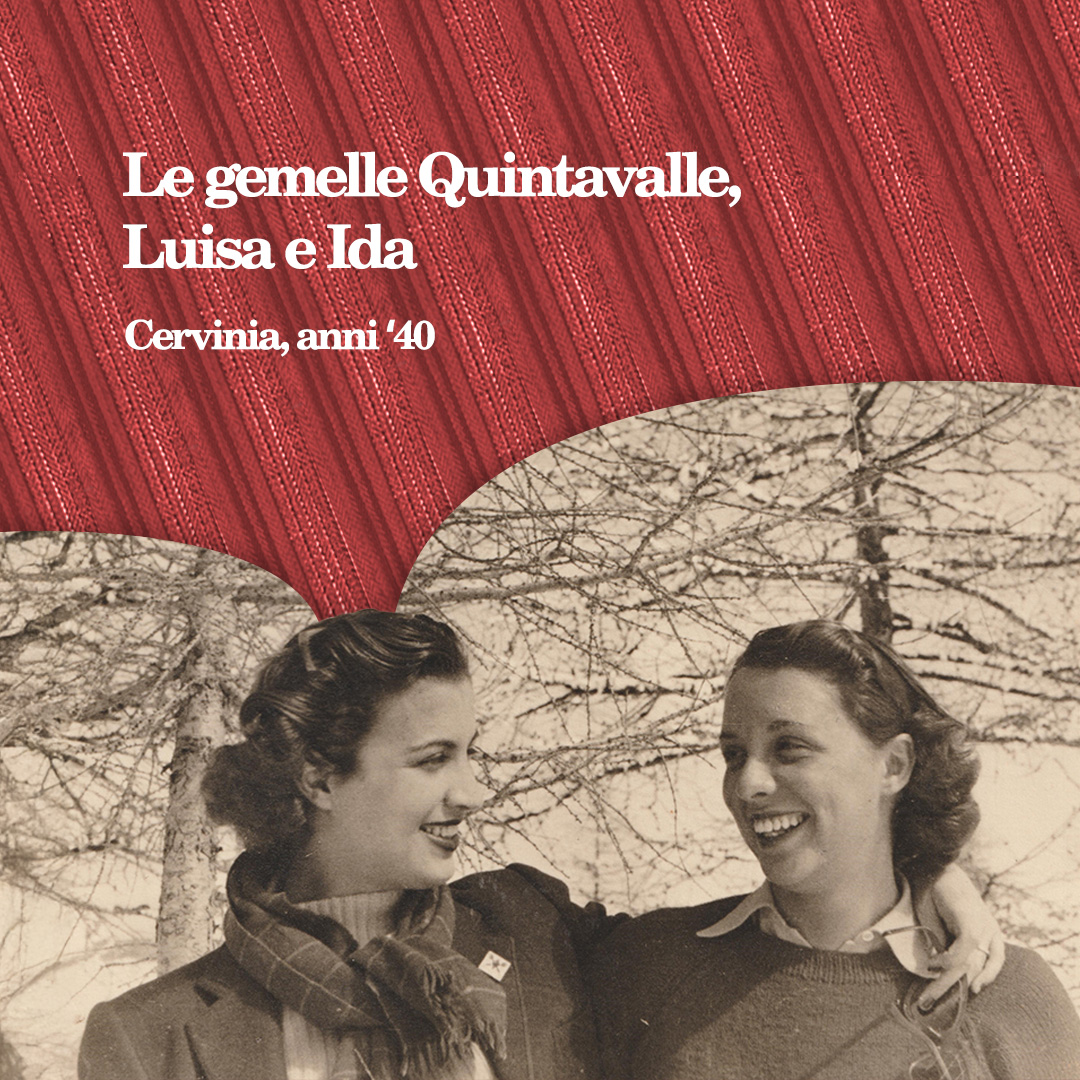
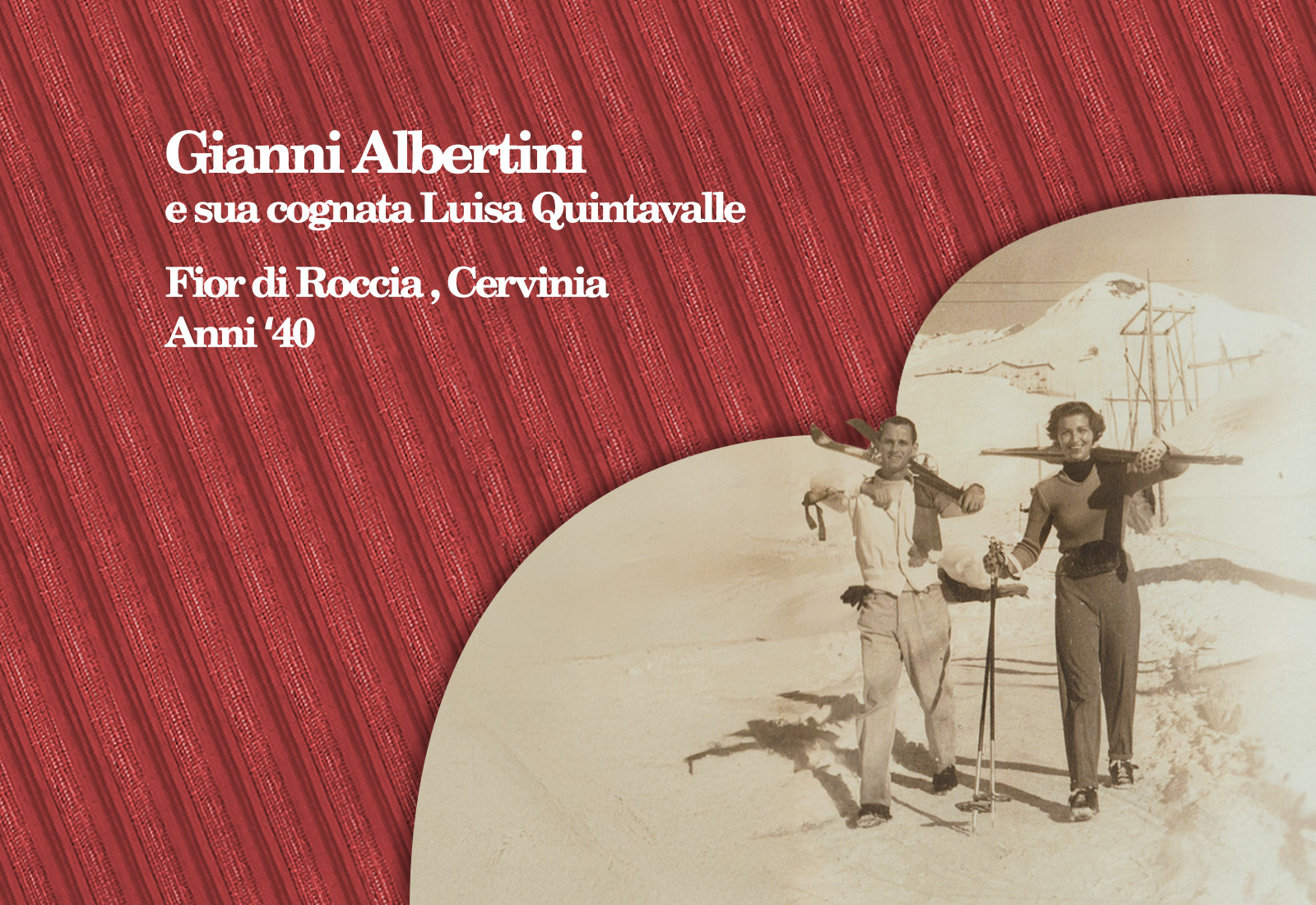
When Albertini got married, he had no choice but to choose a wife from a family that shared his enthusiasm for the peaks and skiing: Ida Quintavalle, a tennis player on the women’s national team, an all-round sportswoman and ‘mountain sick’ like the rest of the Quintavalle family, was the ideal bride and is also the twin sister of my great-grandmother Luisa Quintavalle, who was also an accomplished skier.
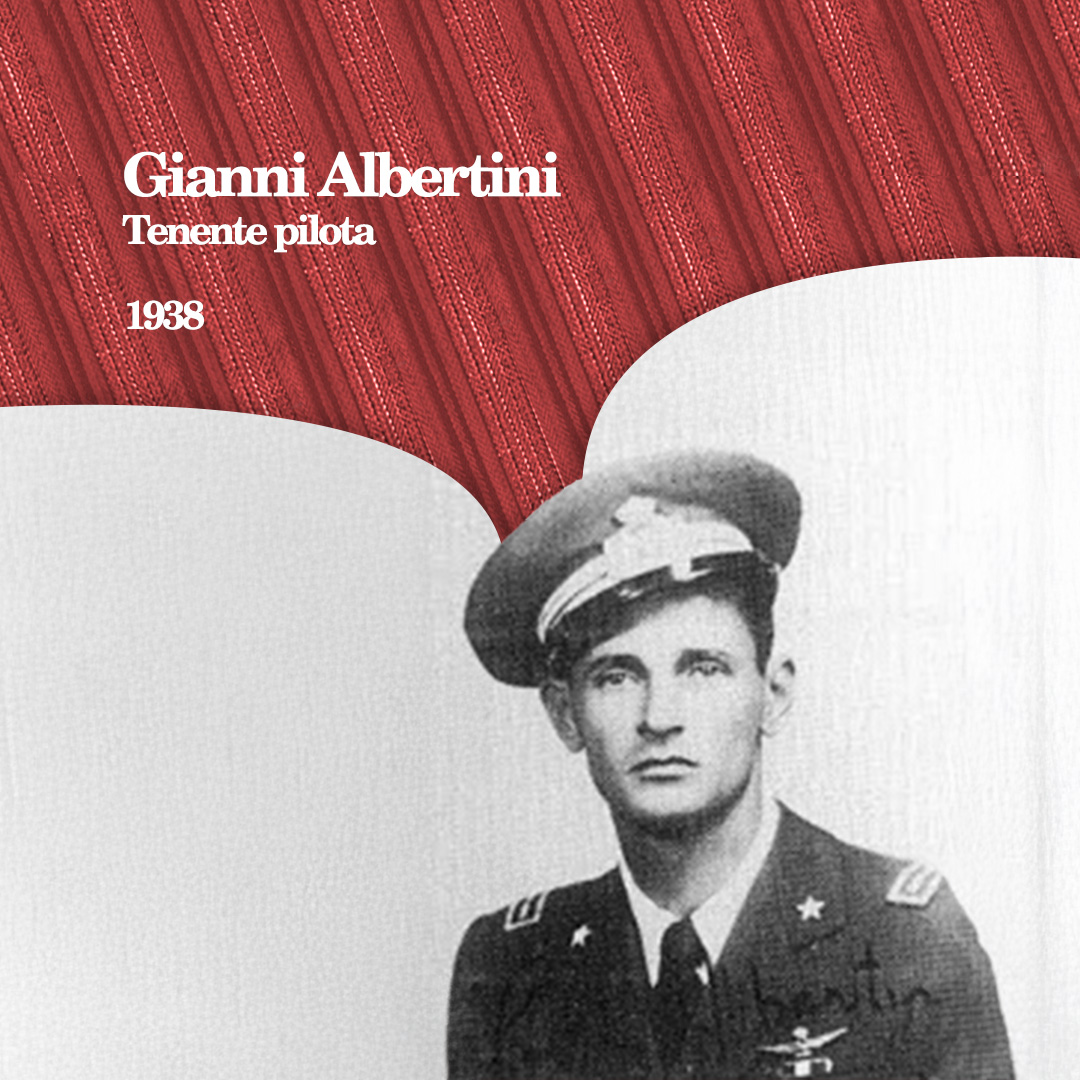
Her enthusiasm also extends to flying. As a soldier, he joined the Air Force, earning the rank of lieutenant pilot, and just to prove himself in the air as well, he became a flyer, trying to break the record for the flight between London and Cape Town in 1938, which earned him a bronze medal for military valour. This is how the feat is described in the citation for the honour:
“An enthusiastic and daring pilot, he attempted to break the London-Cape Town air record in order to assert, via the routes of the Central Sahara and the Belgian Congo, the possibility of a new and faster connection. On the coast of Libya, as the first leg of the flight was nearing completion due to prohibitive weather conditions, he was forced, at night and in absolute darkness, to make an emergency landing. With admirable calm and serene disregard for danger, he succeeded in the daring manoeuvre, bringing the crew to safety. Zuara sky, 17 April 1938. Royal Decree 21 June 1941 (…)’. During the Second World War he took part in the bombing raid on London. (see BELTRAMETTI cit.; Albo D’Oro, Giovanni Albertini card).
Even in his profession, the mountains followed Albertini, and he sought them out: he was part of the birth of Breuil – Italianised as Cervinia – as a famous ski resort , inaugurating in 1936 the Hotel Cervinia, designed by architect Mario Cereghini (CAMANNI, Due paesi).
In the recollection of his daughter Giovanna Albertini d’Urso, the figure of the father stands out as that of a man bound to his family by deep affection, a man who not only came home after the office and sat ‘at the family table’, but spoke, discussed, and taught values: in his words, ‘there are two aspects above all that he passed on to us, and these two things he certainly learnt in his exploits. The first is loyalty, loyalty to friends (…) and also to people he did not get along with, so that we were able to grow up in a frank atmosphere, without murmuring, without useless comparisons. The other aspect is humility, which might seem a bit of a contradiction with a strong personality. In fact, once when I said this to my mother – my father was no longer there – my mother, a very balanced woman (…) said what are you saying, humble father? (…) mum, look I didn’t say humble, I said that he was a person who identified something good, he planned it, he tried to achieve it with all his strength (…) and then she answered ah yes, then you’re right. (…) [In] the last periods of his illness (…) those who were close to him had a lesson in great patience and great goodness and sweetness.
Giovanni Albertini died in 1978.
Albertini’s name is inextricably linked to the Arctic expeditions that kept his grandparents and great-grandparents in suspense, the Nobile expedition in 1928 but above all the Arctic expedition of the ship Heimen-Sucai that he directed between May and September 1929, which was set up as a search and rescue operation for any survivors of the Nobile expedition who had gone missing the previous year. Although it did not achieve its primary objective, the Albertini expedition became a page in itself in the history of exploration, bringing new geographical and scientific knowledge and earning my great-uncle the name of a small bay in the far north of Svalbard, Albertlinibutka.
Sources:
Albiate (MB), Villa San Valerio, Villa San Valerio Archives, Photographic Archives.
GIOVANNA ALBERTINI D’URSO, Intervento alla giornata di studi La spedizione arica della HEIMEN SUCAI nel 95° anniversario (1929-2024), Roma, Società Geografica Italiana ETS, lunedì 8 aprile 2024.
Bibliography:
G. BELTRAMETTI, Tra alpinismo e antifascismo: Piero Zanetti (1899-1972), un esploratore del Novecento, Laboratorio di Storia delle Alpi, “Percorsi di ricerca”, 1,4 – 2012, pp. 7-14
G. ALBERTINI, Mont Blanc for the Aiguille Blanche and the Peuteret Ridge. 1st Italian ascent. – 15 – 16 – 17 – 18 August 1926, in “Rivista del Club Alpino Italiano”, XLVI, Turin, May-June 1927, pp. 121-124.
Cresta Albertini – Colle delle Grandes Murailles.
Air Force General Staff, Historical Office, Roll of Honour. Text of the motivations for the award of the Medals for Air Force Valour, Rome, 1993.
E. CAMANNI, Due paesi una montagna, in Le montagne incantate: Quattromila. Il Monte Bianco e le vette regine delle Alpi (Club Alpino Italiano – National Geographic), March 2020.
G. CAPROTTI, Conference: Engineer Gianni Albertini’s great voyage to the Arctic seas, 02/03/2025.