[vc_column_textSome stories about palm oil are particularly scandalous: Child labour in the palm oil industry. About Nestlé, Unilever, Kellog’s, Pepsi co and Ferrero.
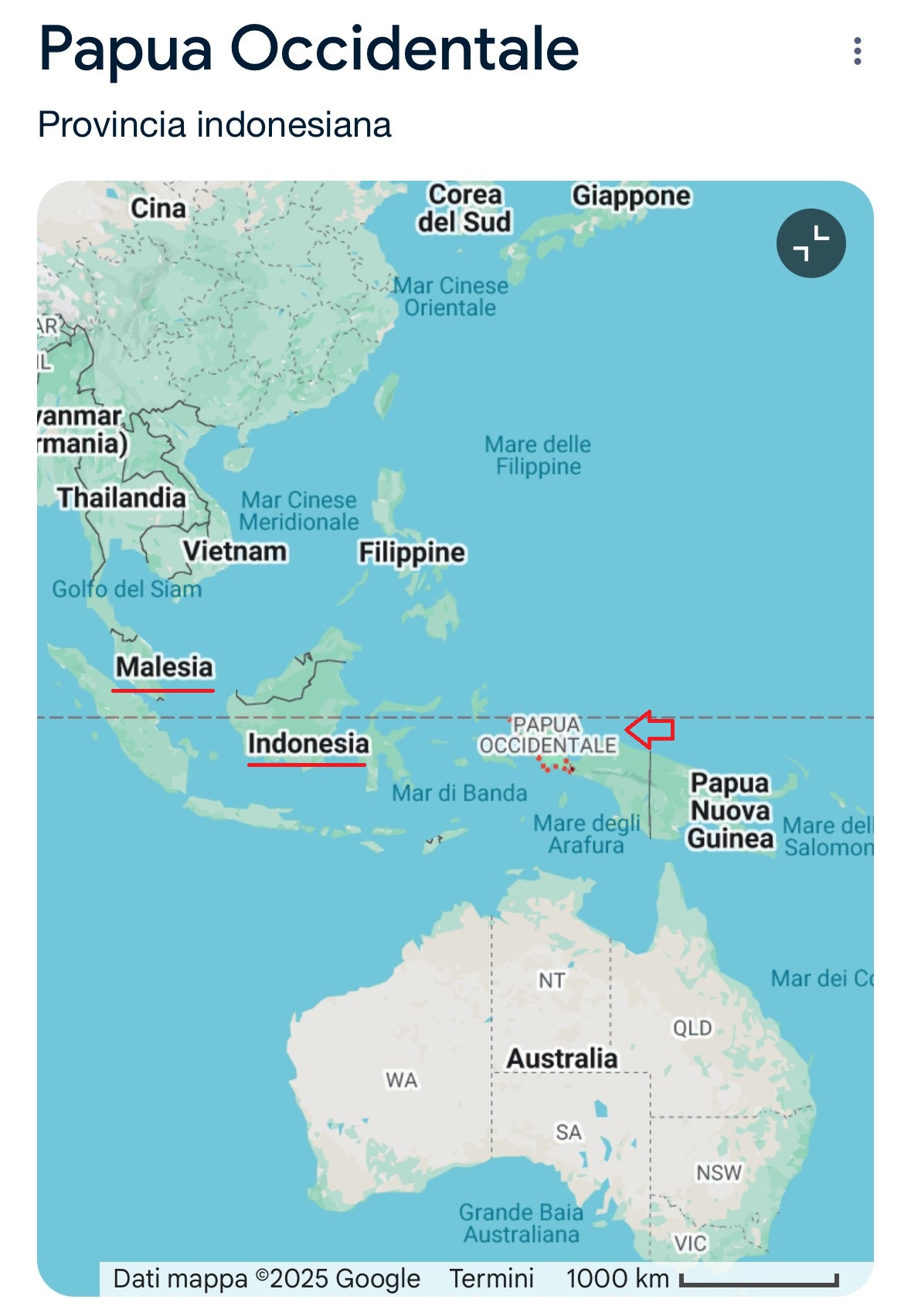
This is a region in Indonesia, north of Australia, but palm oil is also cultivated in other parts of the large Asian state. But also in Malaysia, Colombia, Guatemala, Nigeria and the Ivory Coast
Asia, Africa, Central and South America.
And the impression is that the pattern described below – ‘The position of the West Papuans is very clear: we are a modern colony’ – is replicated in many of these realities.
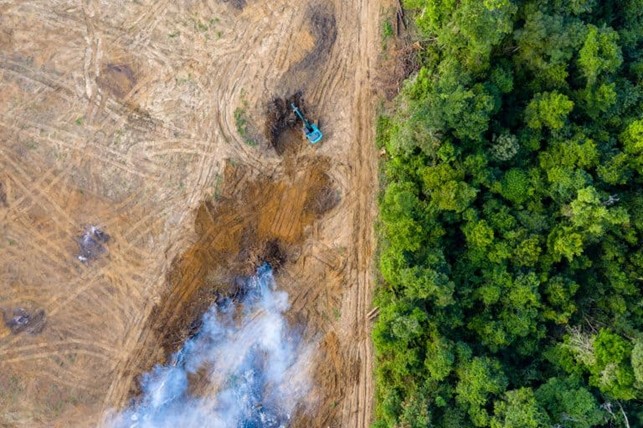
Thousands of acres of rainforest are being cut down to produce palm oil, used in the famous Nestlé and Mondelēz brands. The campaign by the indigenous tribes of West Papua
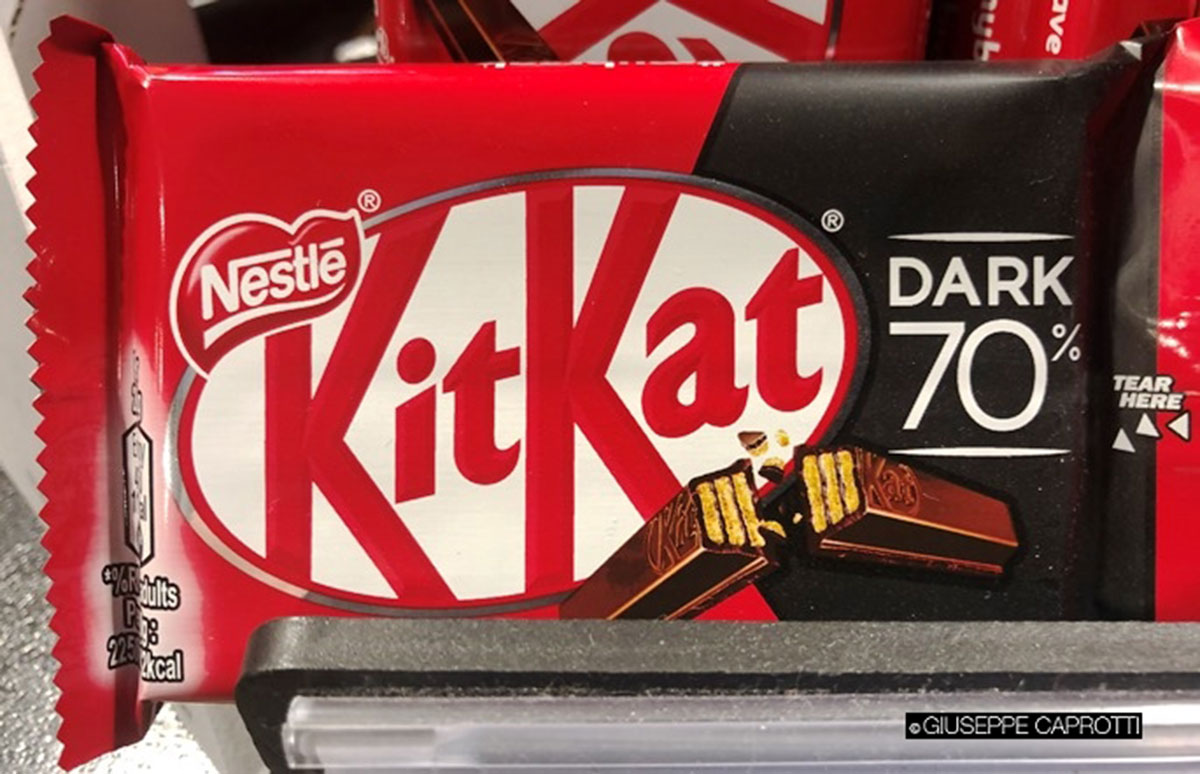
Munching on an Oreo biscuit or melting a KitKat rectangle in your mouth has never been so bitter. Behind the intense taste of the persimmon and the enveloping flavour of the cream may lie a history of exploitation, with acres of forests felled and indigenous communities expelled. A paradox that is strongly emerging from the fight against deforestation in West Papua, one of the most biodiverse regions on the planet. Wherepalm oil, the silent ingredient in many food products such as chocolate, biscuits and snacks, is becoming a symbol of a conflict between taste and conscience.
From the forest to the supermarket
The indigenous people of the region under Indonesia’s control since 1963 are in fact raising their voices to oppose the alleged ecocide in their territory at the hands of multinational corporations. The campaign targets major supermarket brands [no, FMCG, and this is nothing new] including KitKat, Smarties, Aero, Oreo, Ritz. Brands, in particular those belonging to the Nestlé group (owner of KitKat and Smarties) and Mondelēz (Oreo and Ritz), which, according to a Greenpeace investigation, would use palm oil suppliers operating in West Papua, where deforestation is linked to violations of indigenous rights.
Mondelez’s Finger biscuits

Here, for decades, thousands of hectares of thousand-year-old rainforest, the habitat of orangutans, birds of paradise and indigenous tribes such as the Awyu and Moi, have been cleared to make way for agriculture. This conduct is also perpetrated in protected areas, despite the fact that the companies claim to monitor the supply chains. “We have rigorous standards to ensure a deforestation-free palm oil supply chain through a combination of tools, including supply chain mapping, certification, satellite monitoring and field assessments,” Neslé told the British newspaper TheGuardian.
Despite assurances, on 20 March, more than 90 tribes, political organisations and religious groups called for a boycott of products implicated in the Indonesian occupation, in WestPapua ‘s first and largest ever campaign forindependence for WestPapuans and an end to the exploitation of their land. “Every time we eat a product with palm oil, we are contributing to an industry that is wiping out entire cultures,” explained Raki Ap, spokesperson for the United Liberation Movement of West Papua (ULMWP). ‘It is not just a question of trees: it is a hidden genocide,’ he said.
Between change and conscious choices
In just under ten days, initiatives related to the boycott of products containing palm oil and legal action against illegal concessions have gained international attention. But for activists there is still a long way to go. Suffice it to say that already four years ago, in 2021, the West Papuan government decided to revoke licences for more than 250,000 hectares of land used for oil palm. A significant step towards protecting the remaining forests, but not enough to ensure the involvement of local communities in land management. Especially with Indonesia starting work on the world’s largest palm oil plantation in West Papua.
According to reports, the companies behind the Tanah Merah project plan to establish palm oil plantations in the east of the country on more than 140,000 hectares, an area twice the size of the Indonesian capital Jakarta. At the same time, the Indonesian authorities plan to transform Meraukein the south into a 2 million hectare site for the production of 2.6 million tonnes of sugar and 244 millionlitres of bioethanol each year. So, while the multinationals look for solutions, such as palm oil grown in already deforested areas, the indigenous communities remind us that sustainability cannot be divorced from social justice, as ULMWP leaders Ap: ‘The position of the West Papuan people is very clear: we are a modern colony.’