The global size of the ‘nutraceutical’ market is estimated at $100 billion or more each year (Financial Times October 2026).
Then there is cosmetics : ‘Every square centimetre of a woman’s face becomes an area to be optimised’: these new anti-ageing devices promise perfect skin.
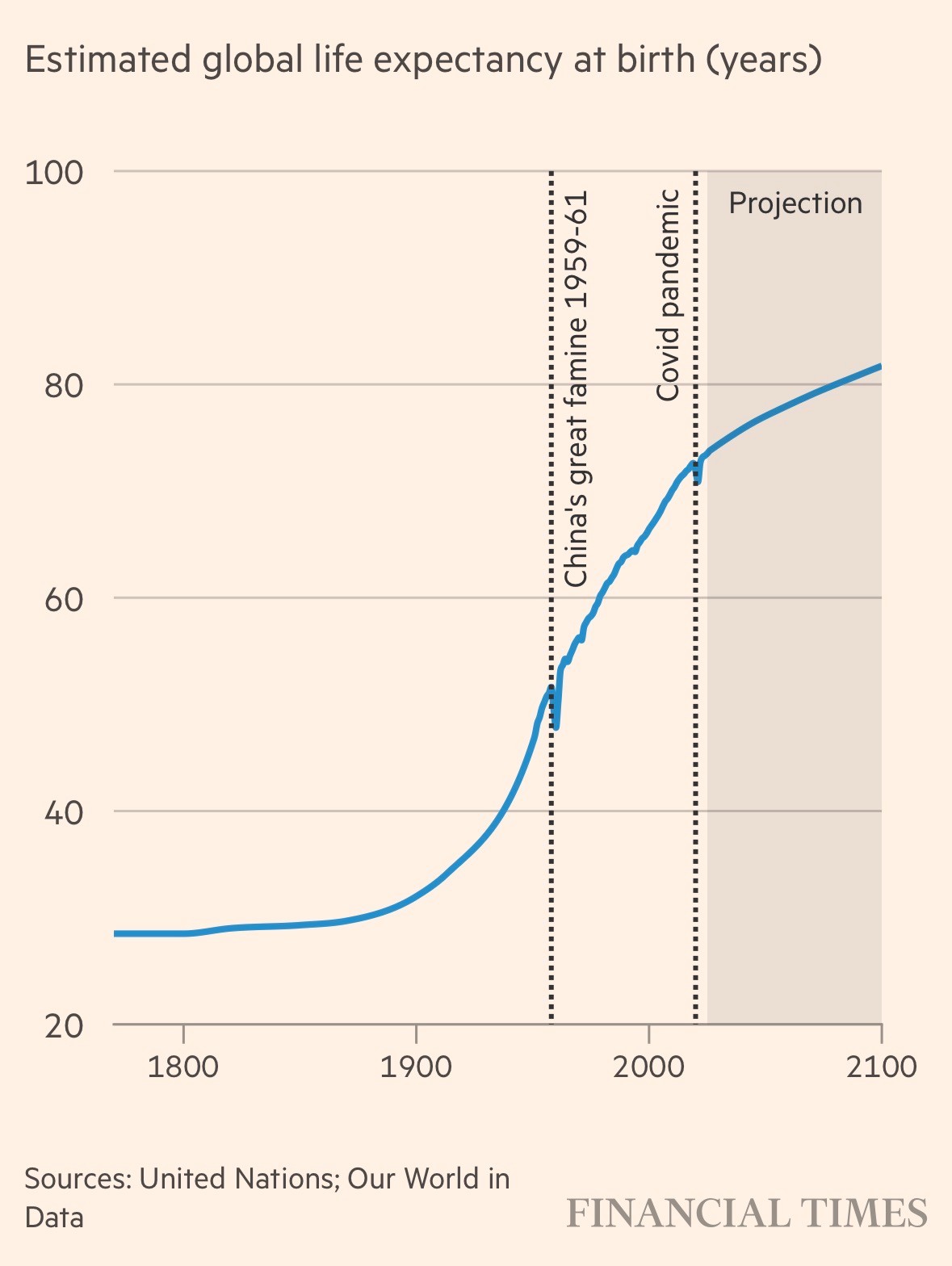
The graph below on life expectancy at birth is from the Financial Times (September 2025): The billion-dollar quest to live past 100.
The launch of Altos Labs represented a kind of formation for the business of trying to extend youth. With vast financial backing of $3bn, GSK’s former chief scientific officer in charge and a mission to rejuvenate the human body, the California-based biotech in 2022 embarked on research into how to reverse disease and restore healthy cells – and kick-started a serious interest in longevity…
But there are also hundreds of other start-ups on the market. Earlier this year, Retro Biosciences said it was in the process of raising $1bn, including money from existing investor Sam Altman, to fund clinical trials for three potential drugs it hopes will treat Alzheimer’s and rejuvenate blood and brain cells.
Meanwhile, the scientific understanding of ageing is advancing and all kinds of treatment options are being explored, from the rejuvenating properties of young blood to drugs that block cell death. Although promising avenues are being pursued, the field is still in its infancy…
And the returns are not yet certain.
Every move must be made by specialised companies. And it is difficult for FMCG to venture into this field: we all remember the problems former Nestlé CEO Mark Schneider had with the Health Science division (difficult to combine the sale of ultra-processed, unhealthy FMCG products with the sale of health products). Remember also the bankruptcy of Barilla’s Alixir.
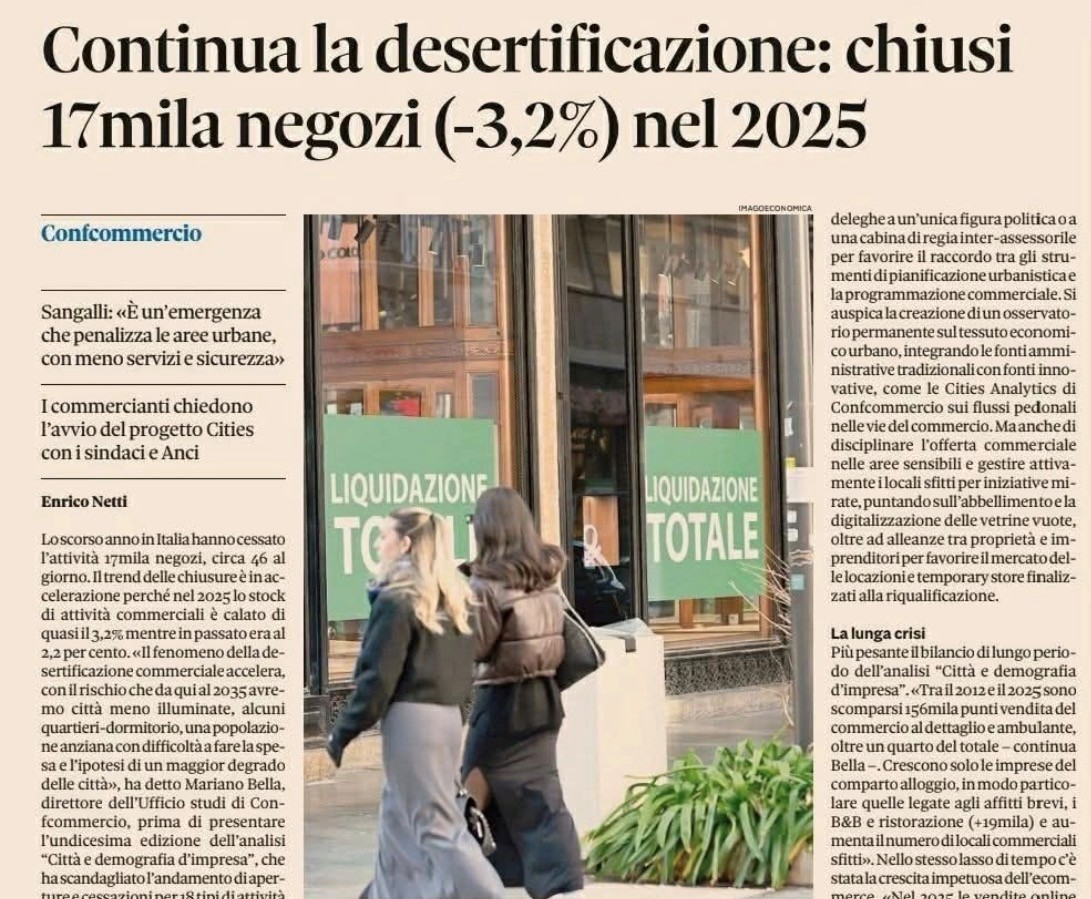
Ageing population: retail focuses on accessible and convenient experiences for seniors
by *Cristina Lazzati
#InTrend Today’s so-called ‘silver clients’ are seen not only as recipients of care, but as active consumers with specific needs and purchasing power
In Italy , there has been a lot of talk lately about denatality and the ageing of the population, a problem that has and will have important economic and social implications and that sees Italy in the front row together with Japan. It is predicted, in fact, that by 2050 in Europe more than a quarter of the population will be made up of people aged 65 and over, while in Italy it will be 35%; in Japan, 28% of the population is already in this age bracket. This demographic phenomenon affects all sectors and many companies are beginning to rethink the way they serve their silver customers, recognising that a ‘one size fits all’ is no longer acceptable. Older people are now seen not only as recipients of care, but as active consumers with specific needs and purchasing power: the idea of ‘active ageing’ is gaining ground, promoting their inclusion in all spheres of life, including consumption. In particular, retail is rapidly redesigning its strategies, creating new trends oriented to meet the needs of one of the fastest growing demographic groups, with initiatives aimed at making the shopping experience more accessible, convenient and meaningful for seniors, starting from assumptions that are partly different from the past.
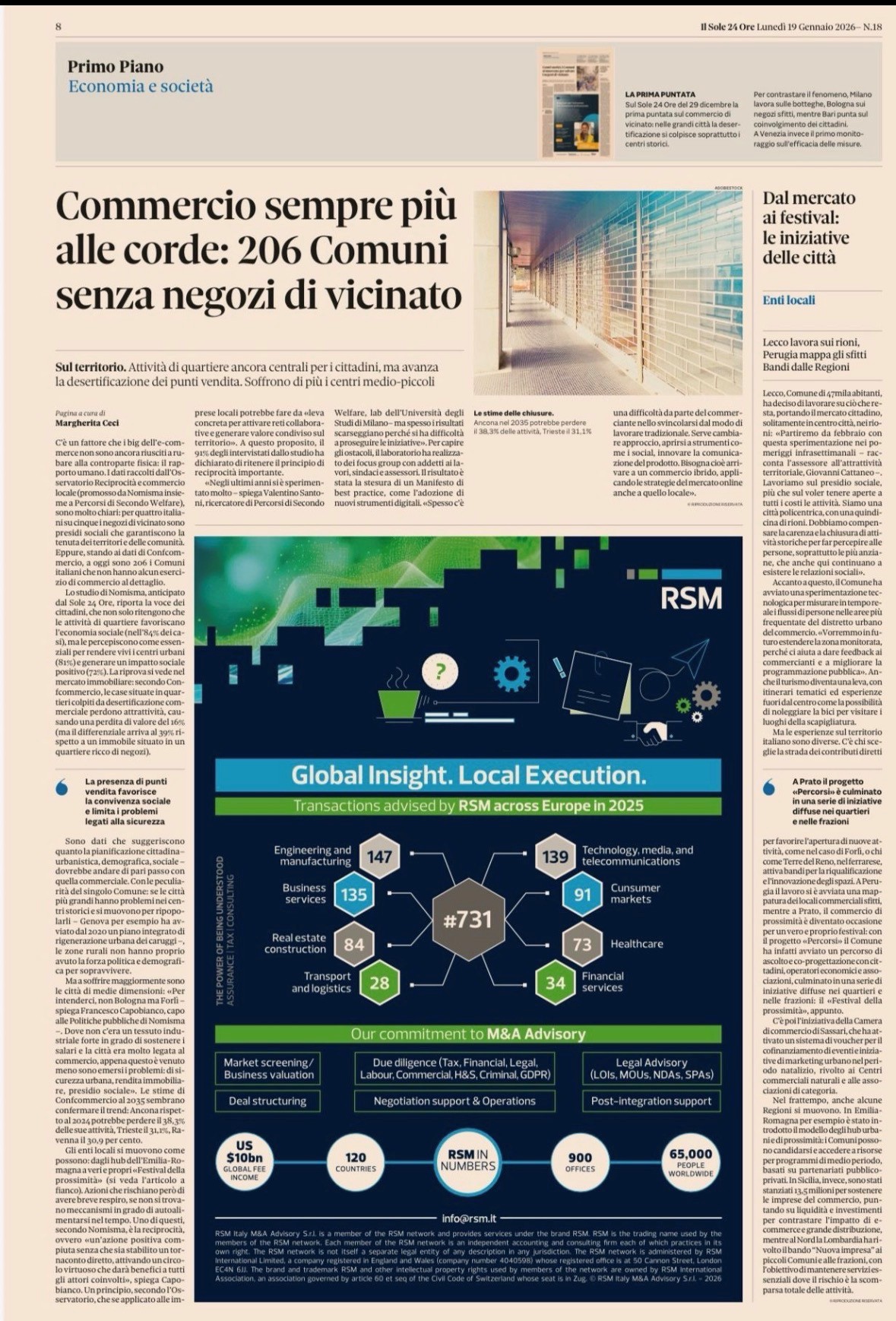
Accessibility
The first step is to make supermarkets accessible. In Japan, Aeon has adapted its supermarkets to be more welcoming to elderly customers, this includes designing shops with wide aisles, clear signage and shopping trolleys with built-in seats, which allow elderly customers to rest while shopping to overcome any motor or sensory difficulties.
Technological support and home deliveries
With the advent ofe-commerce, companies such as JD.com in China are introducing assistance centres to help elderly people familiarise themselves with online shopping, thus reducing the digital divide, as is Aeon which, in addition to enhancing its home delivery service, guaranteeing the delivery of basic necessities directly to the home, offers specific assistance to help elderly people use its e-commerce site, reducing the digital divide which can be a significant barrier for this population group. Similarly, in Switzerland, Migros offers technology courses for the elderly, facilitating access to services on the web. The same happens in Italy, Esselunga has implemented a series of personalised services for elderly customers, including free home delivery for the over 70s and the possibility to shop online with the assistance of an operator. This allows the elderly to continue shopping independently, even if they are not familiar with technology. We return to Japan with Seven & i Holdings (7-Eleven) which has developed home delivery services specifically for the elderly, ensuring that even those who have difficulty leaving home can access basic necessities. Finally, Unicoop Firenze also launched the ‘Spesa Facile’ initiative, which provides home delivery of groceries directly to the elderly and those with mobility difficulties.
Assisted in-store shopping
Large chains such as Carrefour in Europe and Takashimaya in Japan are offering assisted shopping services, where staff help the elderly select and purchase products, making the shopping experience less stressful and more accessible. Back at Aeon, the retailer invests heavily in training its staff to ensure that sales staff are prepared to support elderly customers in an appropriate and respectful manner. This includes training on how to offer physical assistance, but also how to interact empathetically with older people, understanding their specific needs. Staff are also trained to recognise signs of difficulty, such as disorientation or tiredness, and intervene promptly to offer help
Dedicated shopping hours
Walgreens in the US has introduced dedicated shopping days for the elderly, providing a safe environment and appropriate shopping support. Similar initiatives have been taken by Tesco in the UK with ‘Quiet Hours’, during which lights and noise are reduced to create a more relaxing shopping environment.
Collaborations with the health sector
Aeon collaborates with various health institutions to offer integrated services within its shops, such as blood pressure check stations and free medical consultations. These services make it easier for the elderly to monitor their health while shopping, combining convenience and prevention in one place. Thus, in many Italian cities, municipal pharmacies have initiated health education programmes for the elderly, which include prevention days with free measurements of vital parameters such as blood pressure. These programmes not only help monitor the health of the elderly, but also offer moments of socialisation and support.
Community events and education courses
Aeon regularly organises community events within its shops, such as health education courses and workshops on topics relevant to the elderly, including managing personal finances andusing technology. Events that not only provide a learning opportunity, but also serve as socialising occasions, helping to reduce social isolation, a common problem among the elderly.
In conclusion, ‘senior retail’ is not just a trend, but a growing necessity reflecting the demographic and social changes of our times. Retailers investing in accessible and inclusive solutions not only respond to a market demand, but also contribute to improving the quality of life of the elderly, promoting their autonomy and dignity. As the world continues to age, success in retail will increasingly depend on the ability of companies to adapt to these new demographics. The future of retail will ultimately be characterised by an increasing focus oninclusivity, where every generation will be able to enjoy a shopping experience tailored to their needs.
Conclusion :
nutraceuticals and cosmetics certainly have it easier because they have more sophisticated channels.
Retail is struggling more, not only because it is more conservative and until now had not felt the need to personalise its service and offers.