Drafted 12 August, updated 31 October 2024
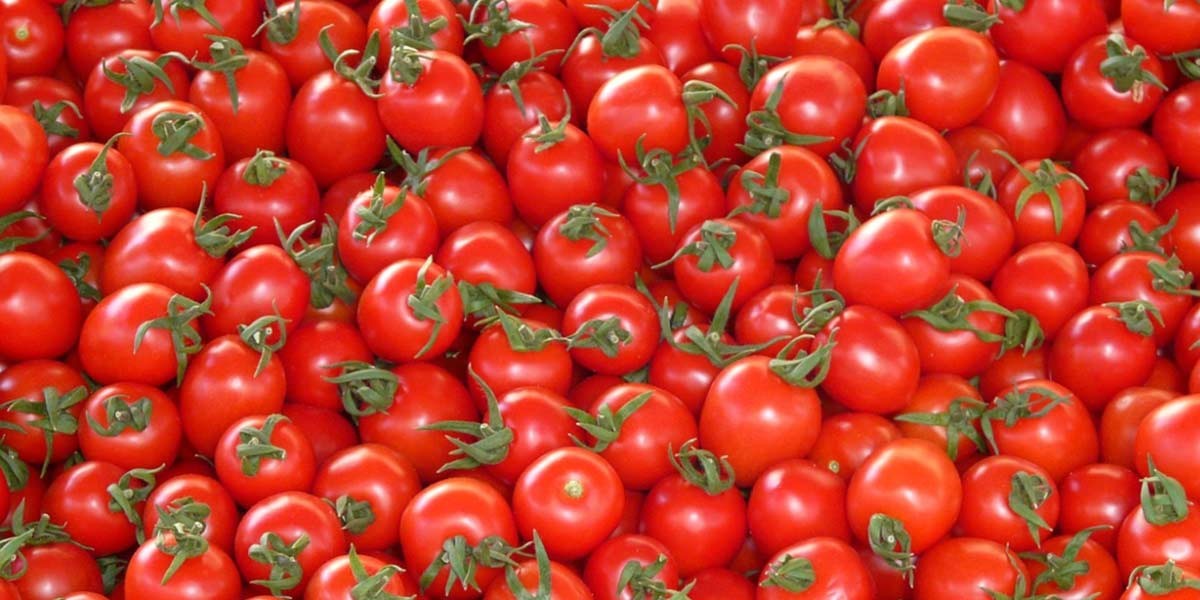
Why have tomatoes lost the taste they once had? Above tomatoes picked from my garden.
Who has never asked themselves this question? The French newspaper 60 millions de consommateurs together with experts from the Public Institute of Agriculture line up the varieties that have been growing for a century and the consequences for the taste of tomatoes
In recent decades, the taste of tomatoes has become a recurring theme in discussions between consumers, experts and producers. In France, the magazine 60 Millions de Consommateurs attempted to give an answer to a recurring conviction among many consumers, which we could summarise as “Why do tomatoes no longer taste as they used to?”, by gathering the opinions of researchers and farmers and outlining a complex picture involving agricultural practices, the industrialisation of production and consumer expectations.
A flavour long gone
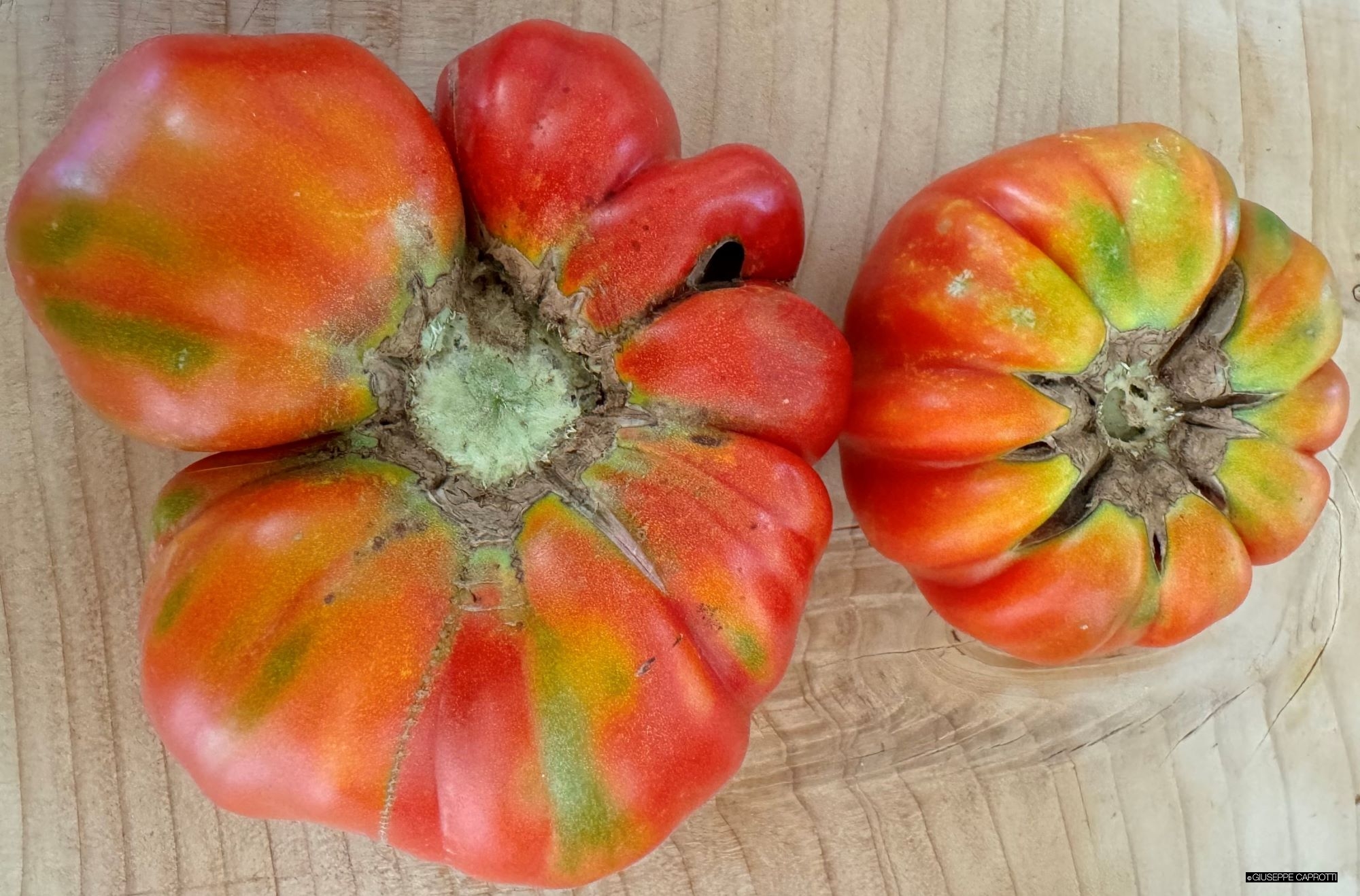
In the 1950s, tomatoes were grown almost exclusively outdoors, exploiting the natural resources of the soil and the sun. The varieties used were traditional, so-called ‘old’ varieties, which produced fruit characterised by great variability in terms of shape, size and texture. Although vulnerable to disease and prone to splitting easily during summer storms, these tomatoes offered a rich and complex taste experience, linked to the specific conditions of the land.
However, with the advent of breeding and genetic improvement techniques, farmers started looking for more resistant and productive varieties. Mathilde Causse, research director at INRAE (Institut national de recherche pour l’agriculture, l’alimentation et l’environnement), explains to the French newspaper that the initial focus of selection was to improve disease resistance by introducing genes from wild species. This process, which took over a decade to develop new varieties, marked the beginning of a profound change in the landscape of tomato cultivation.
The industrialisation of production
In the 1960s, with the expansion of greenhouse cultivation and the growing demand for tomatoes, especially out of season, production began to shift towards a more industrial model. The new varieties, developed to produce fruit of uniform shape and size, were distinguished by their ability to better resist disease and ensure abundant harvests. However, taste took second place to the need to optimise production.
The first F1 hybrid varieties, the result of crossing two genetically distinct varieties, offered outstanding results in terms of productivity and resistance, but not so much in terms of flavour. In the 1980s, with the increase in production in heated greenhouses and the desire to have tomatoes available all year round, the problem became more acute. Winter growing conditions, with fewer hours of sunshine, did not allow the fruit to fully develop the sugars needed for rich flavour.
Duccio Caccioni, market director Caab-Centro Agroalimentare di Bologna, completes the picture.
“The tomatoes we have been finding on the market for several decades were created in Holland in the 1980s. – Says Caccioni – Called beef from the English ‘steak’, they are large, red and very hardy. The first variety of this type, with the name Daniela, achieved global success in the middle of that decade. Crucial to their development was the discovery of the rin and nor genes, which control ripening: when these genes are present in the plants’ DNA, ripening is slowed down and the tomatoes can be stored for a long time.
This characteristic, which can occur naturally in tomatoes, has been selected and exploited to produce numerous varieties with long shelf-lives. However, there is a problem: theactivity of these genes inhibits secondary metabolism, i.e. a series of chemical reactions that allow the formation of the many substances responsible for the fruit’s aroma and flavour. This is why the tomatoes we find in the supermarket are never very tasty.”
n.b. : genetics has allowed industrialisation, with lower prices, making produce more accessible but has impoverished biodiversity. My recollection from Esselunga is that even in meat, for example, this genetic selection – from so many breeds of pigs, for example, to very few – has certainly worsened the quality of the final products (e.g. legs used to make hams).
Read about it also : Our fruit and vegetables are increasingly less nutritious (and inedible).