Drafted 27 October, updated 31 October 2024
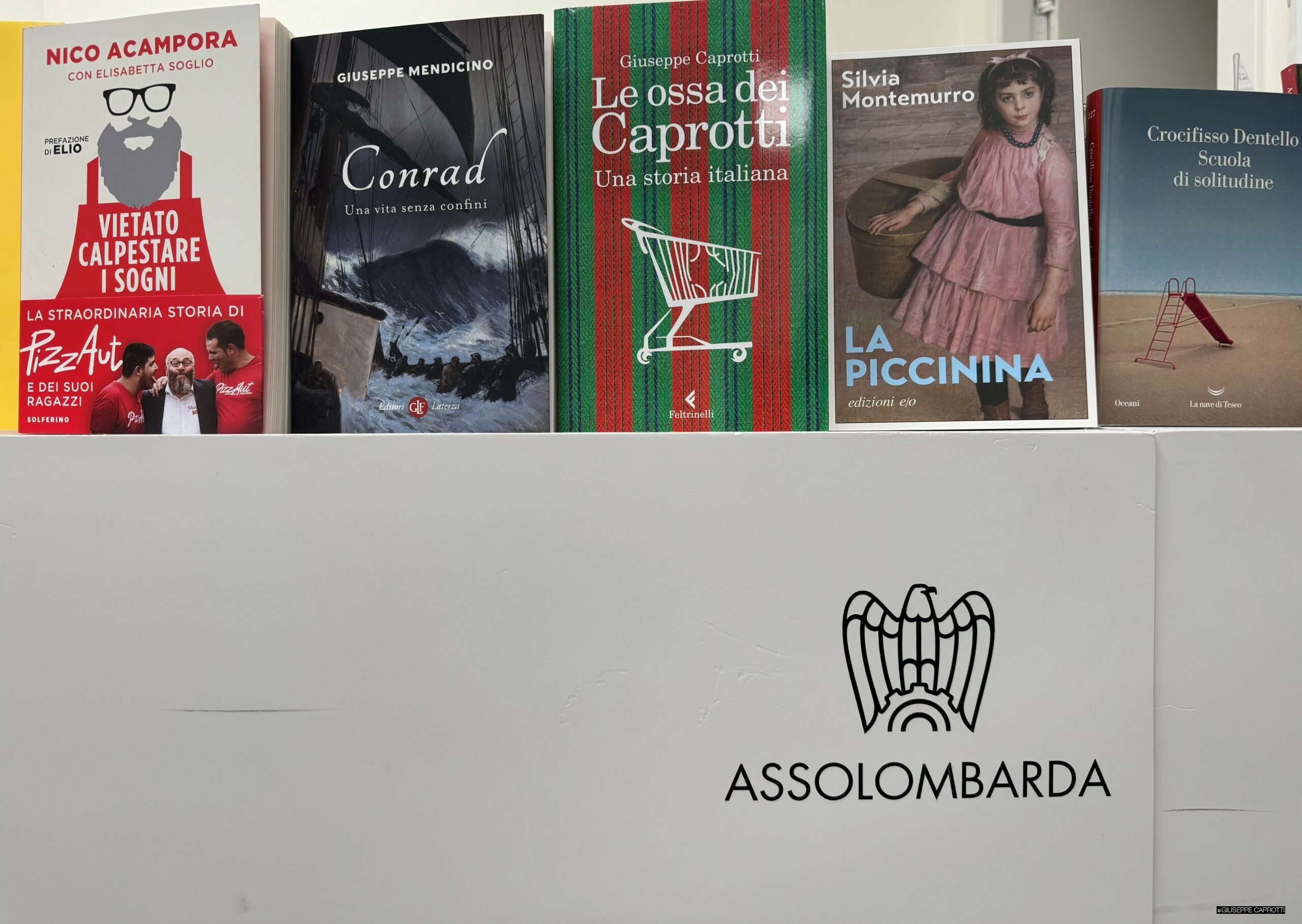
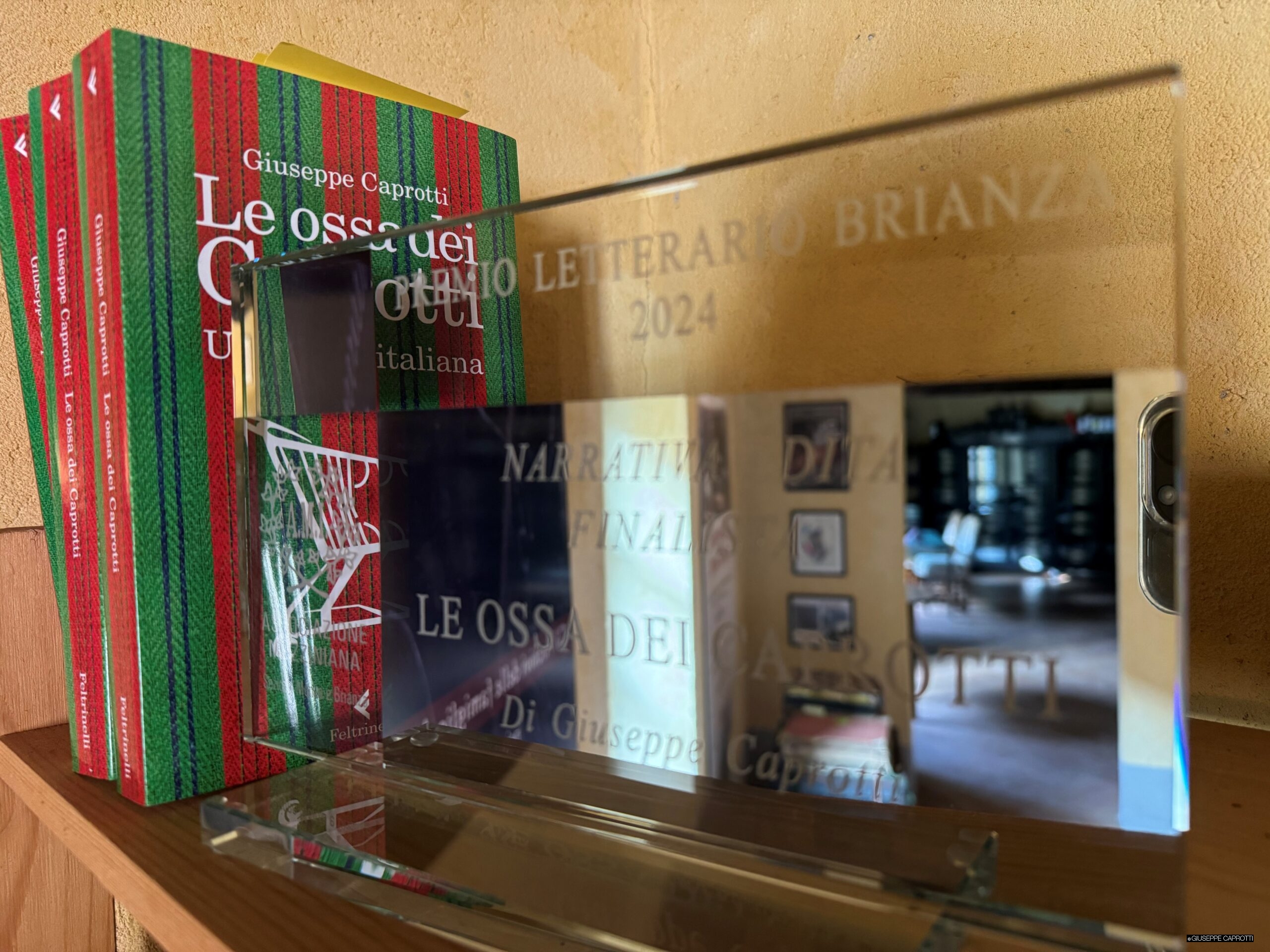
Silvia Montemurro with ‘La Piccinina’ (and/or edizioni) is the winner of the Brianza Literary Prize. In second place was the Desian Crocifisso Dentello with “Scuola di solitudine” (La nave di Teseo) and in third place Giuseppe Caprotti with “Le Ossa dei Caprotti” (Feltrinelli). This was the verdict of the popular jury, a hundred or so strong readers from the territory’s reading groups, called upon to judge, as is customary, the triplet selected by the technical jury before the summer. The ceremony on Saturday 26 October in the auditorium of Assolombarda’s territorial headquarters in Monza.
The prize-giving ceremony on Saturday afternoon in the Assolombarda (Confindustria) headquarters was opened by the guests of honour: Nico Acampora, founder of PizzAut, and Elisabetta Soglio, director of Buone Notizie, who together signed the book ‘Vietato Calpestare i sogni’ (Solferino), the moving account of the birth of the first pizzeria in Italy run by autistic children. They arrived directly from Naples where they were invited yesterday to speak at the Palazzo Reale where they talked about the book and the PizzAut experience. ‘I told the Neapolitans ,’ joked Acampora, ‘ that the best pizza in the known Galaxy is ours.
Silvia Montemurro, interviewed by Elisabeth Firmian of the technical jury, won with ‘La piccinina’ the story of Nora, one of the many ‘piccinine’ who worked underpaid in Milanese tailors’ shops in the late 19th and early 20th century. Crocifisso Dentello, on the other hand, with ‘Scuola di solitudine’ (School of Loneliness), recounted in a short, crude and harsh novel the years of middle school, the violence suffered and invited the young victims of bullying to speak out. Giuseppe Caprotti , on the other hand, in ‘Le Ossa dei Caprotti’, interviewed by Luigi Losa, former director of Il Cittadino, retraced the history (and the poisons) of the family that from the weaving mill in Brianza to the large-scale retail trade revolutionised the Italians’ lifestyle. ‘A book,’ he said, ‘ that allowed me to make peace with the past and with my father‘.
Giuseppe Mendicino with ‘Conrad. Una vita senza confini” (Laterza) won the essay section with an edited volume dedicated to the Polish writer, naturalised Englishman, Joseph Conrad one hundred years after his death. Interviewed by Cittadino journalist Massimiliano Rossin, he spoke of his interest in biographies: he has written about Mario Rigoni Stern and other 20th century writers through essays and articles dedicated to Primo Levi, Nuto Revelli, Dino Buzzati, and Giovanna Zangrandi.
The Critics’ Prize, presented by Jury President Gianna Parri, was awarded to Anna Lina Molteni with ‘Nient’altro che un nome’ (Florestano), the life of Emma, a soprano at the end of her career, confined in the Volterra asylum in the early 20th century through letters written (and never delivered) to her sister Sofia.
During the afternoon, prizes were also awarded by Edi Minguzzi, a former teacher at the Liceo Frisi and part of the jury, for the three unpublished finalist short stories, judged by the young readers from the classes of the Liceo Parini in Lissone. The winner was Roberto Ritondale with “Torneranno a fiorire le rose”, second equal was Paolo Borsoni, who came from Ancona with “la Solitudine” and Mariella Muschiato with “la Borsa chiusa”.
Gianna Parri, President of the Jury, wanted to recall that 2025 will be the year in which we celebrate the 650th anniversary of Boccaccio’s birth.“As we did for Manzoni, Calvino, Dante and Leopardi ,” she explained, ” we will dedicate the new year to Boccaccio, with a marathon reading of the Decameron under the Arengario“.
I can only add: a beautiful moment, thank you for allowing me to participate.