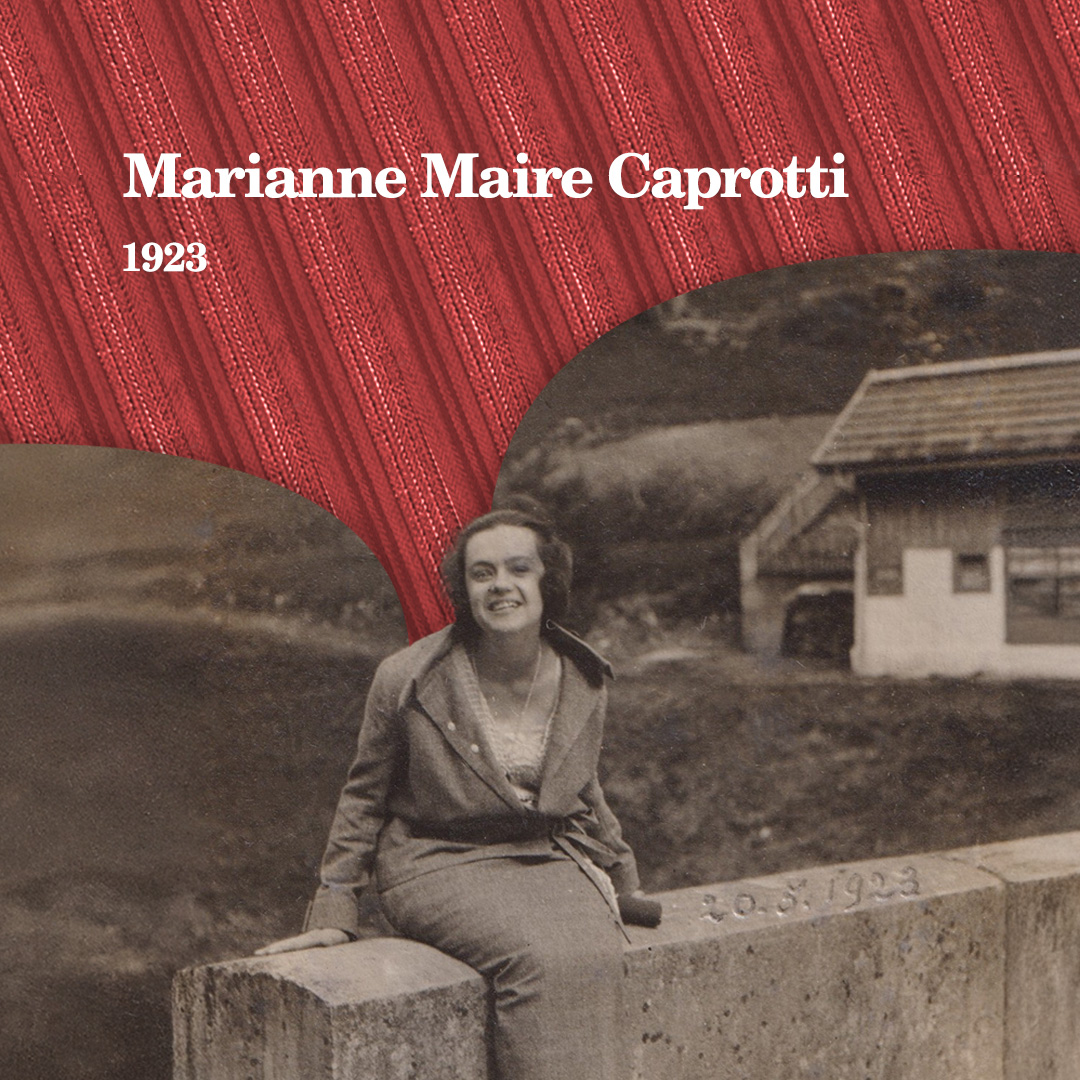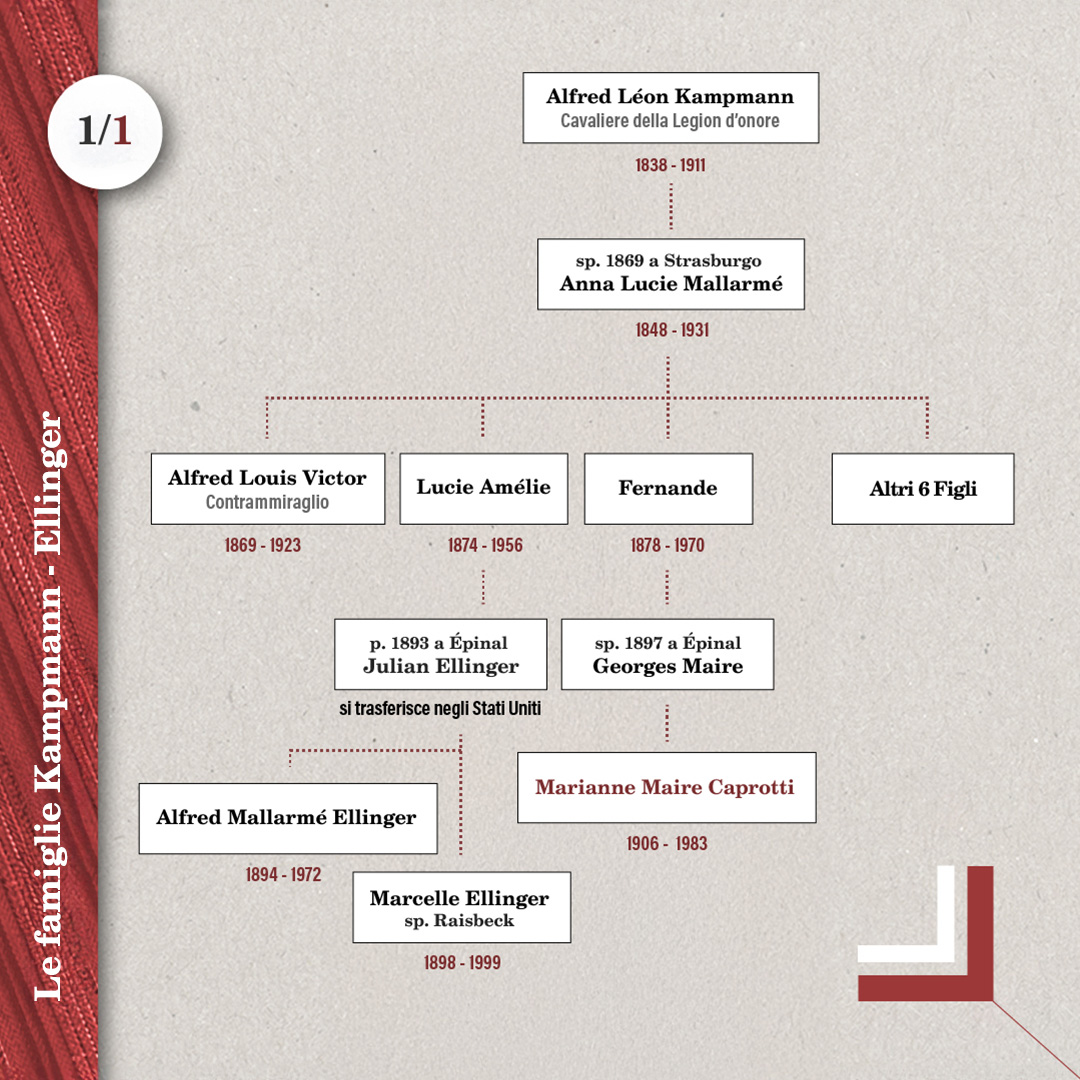
In the book ‘Le Ossa dei Caprotti’, family memory emerges as a thread that runs through the generations, without ever running out. It is precisely by following this thread that, alongside the Caprottis’ history, the roots of the Maire, Mallarmé, Kampmann and Koechlin families, linked to my grandmother Marianne Maire Caprotti, a Frenchwoman from Alsace, resurface. These pages preserve her memory.
The Kampmann family, from which my maternal great-grandmother Fernande [whom I had the pleasure of meeting, in Bursinel, where she used to come in the summer] comes, is a great dynasty of Protestant ministers who, at the beginning of the 19th century, numbered fifteen theologians and pastors practising their profession in various localities in Alsace. The ancestor referred to is Louis-Chrétien (1810-1893), the first to engage in the straw hat industry by founding his company in Strasbourg in 1838.
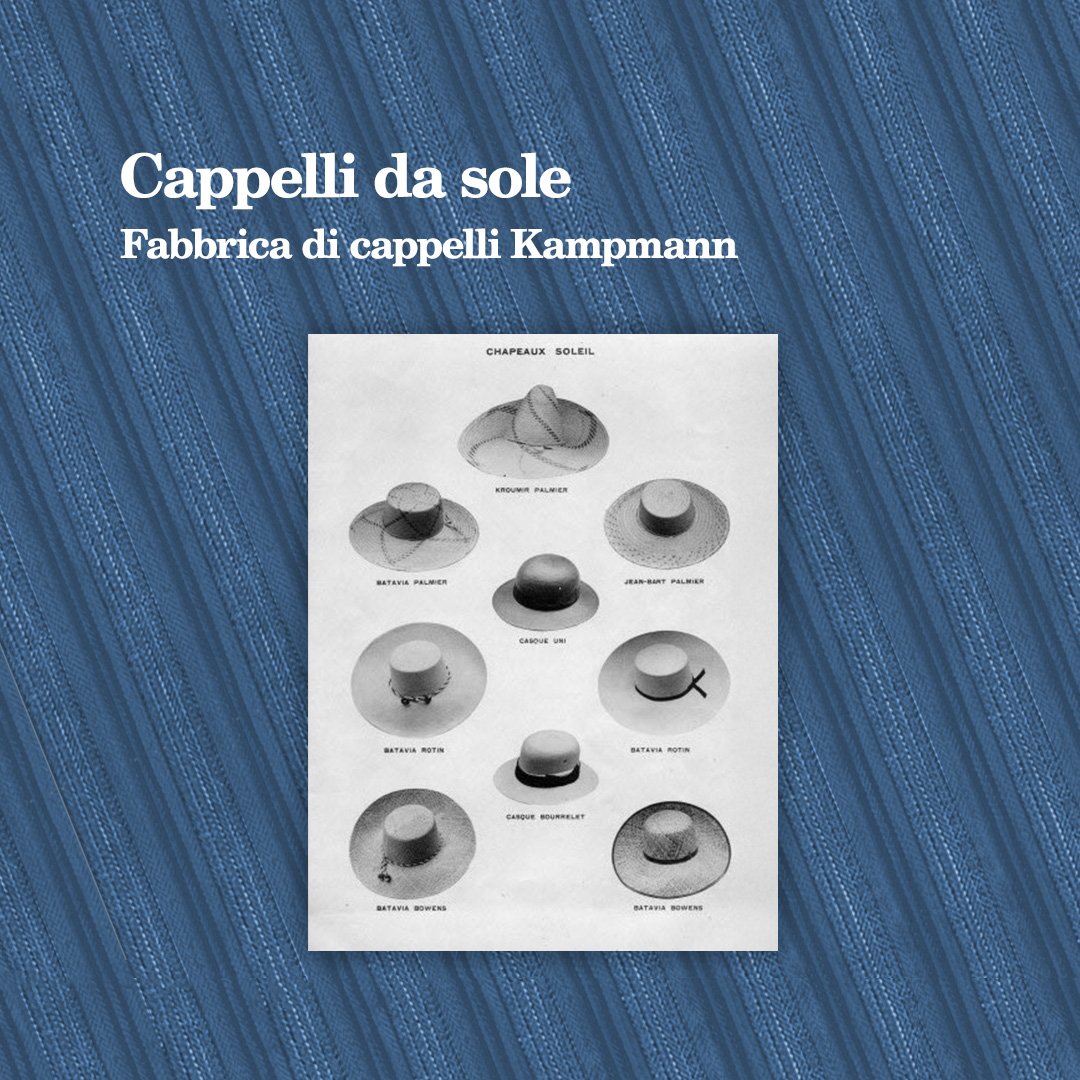
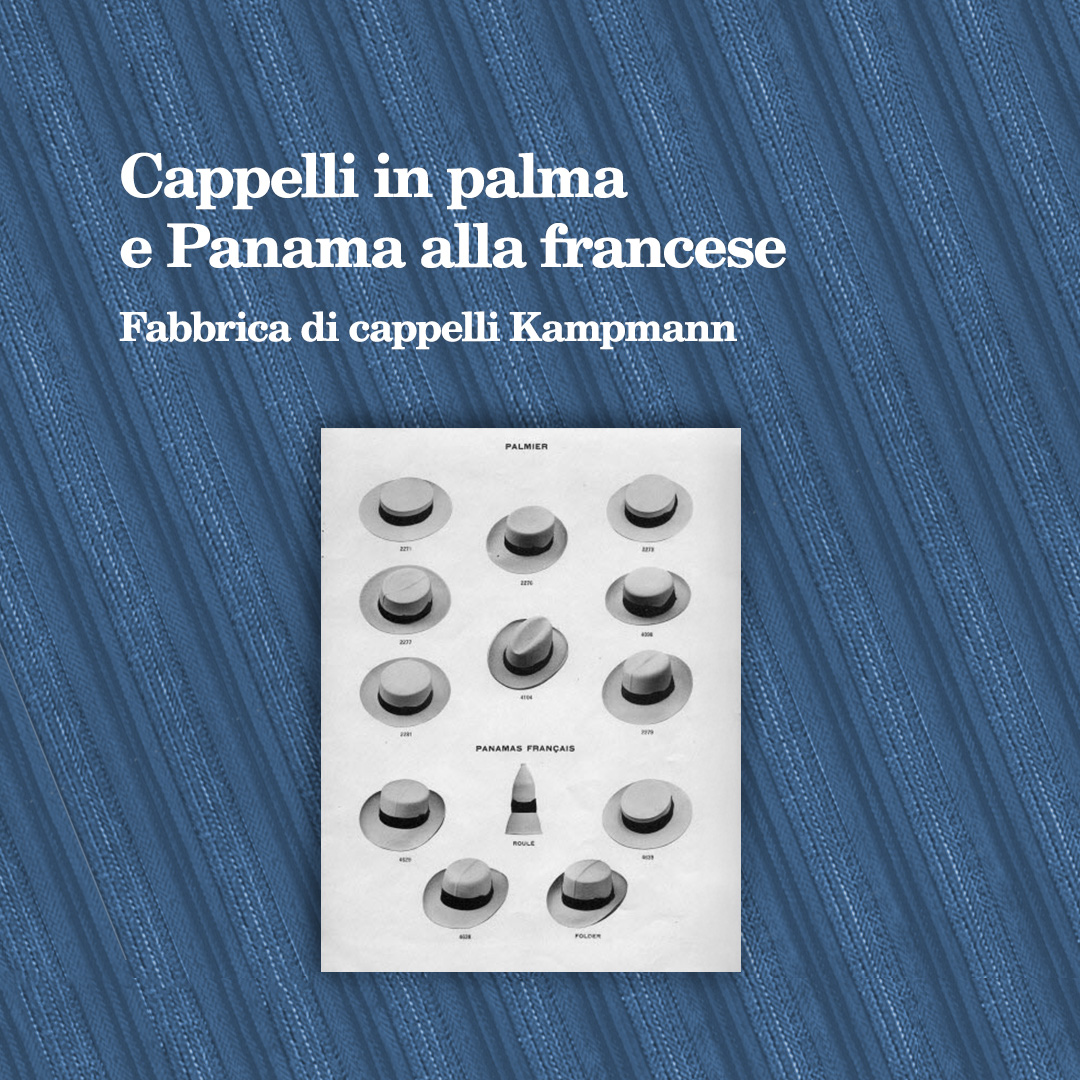
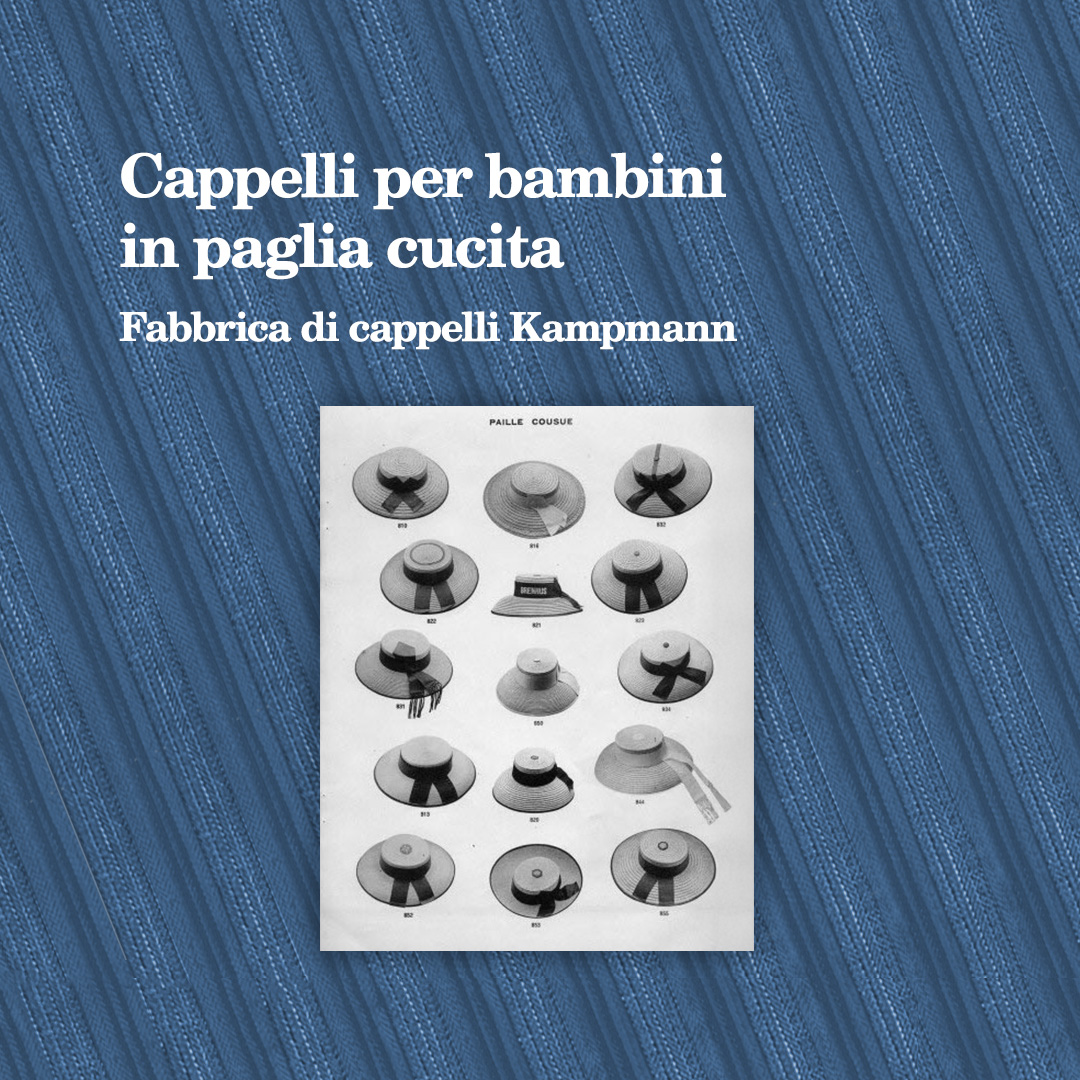
The straw hat, which began as a poor tool for everyday use in the countryside and then became a fashionable object as early as the 16th century, became a much sought-after object of elegance throughout the 19th century, especially for men. The most prized production is Tuscan; the hats, highly appreciated for the fineness of their weaves, are shipped to the port of Livorno, from where they reach the four corners of the world. They are so loved as to inspire even, in 1851, a very successful French theatrical farce, ‘Un chapeau de paille d’Italie’ written by Eugène Labiche and Marc-Michel (from which the opera ‘Il cappello di paglia di Firenze’ set to music by Nino Rota will derive almost a hundred years later).
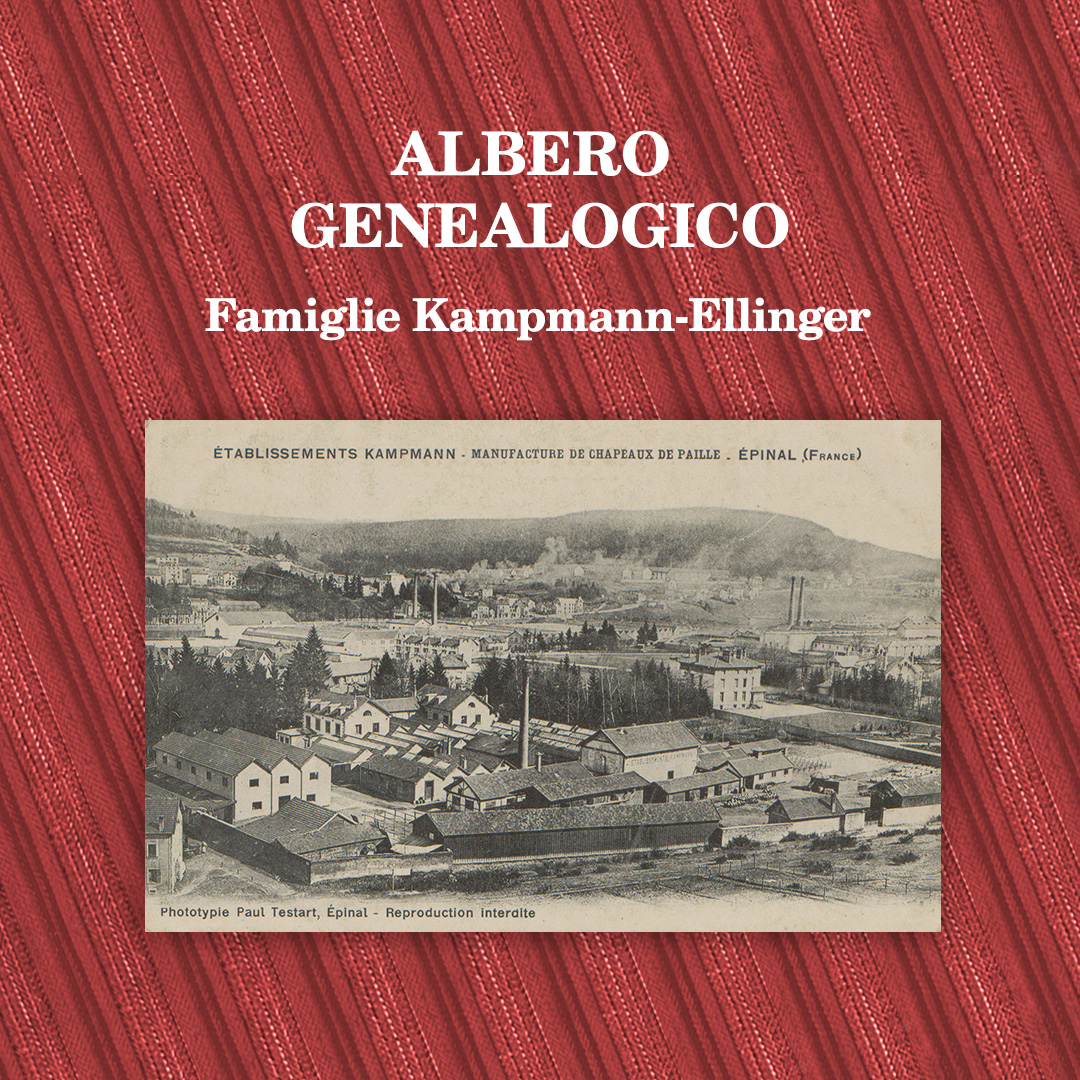
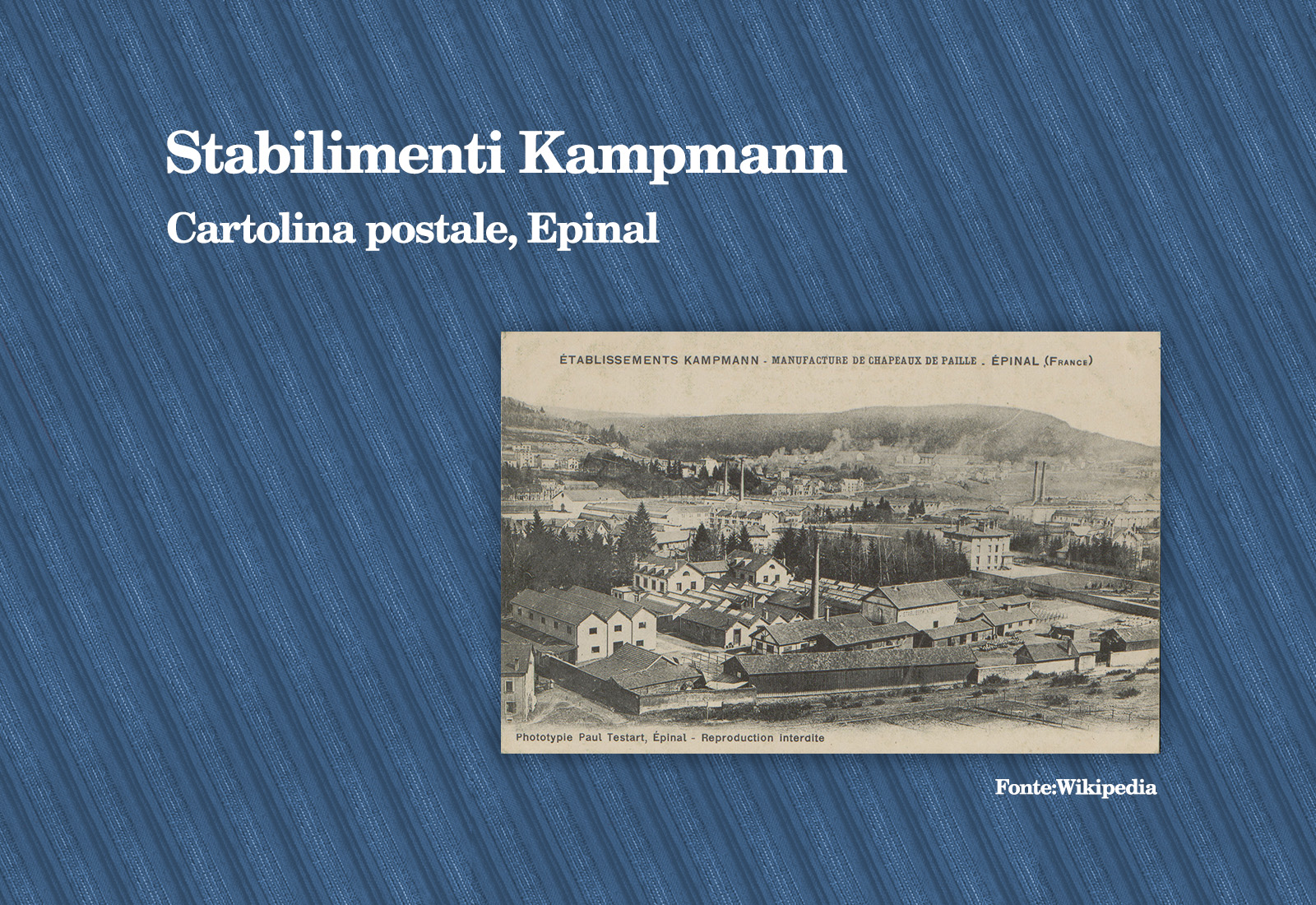
Of course, industries in other countries, including France, also responded to the hat fashion. And one of the major production areas is the Vosges area, and Épinal in particular, where the factory of Alfred-Léon Kampmann, my great-grandmother Fernande’s father, is based.
Robert Neff, a lover of his town’s history, has ‘leafed through’ the diary of one of Alfred Kampmann’s daughters, Lucie-Amélie, who was born and lived in Épinal until 1893, when she married Julian Ellinger and went to live in the United States, her husband’s homeland. Sabine Lesur gave an excellent summary of her research in the cultural page of the newspaper ‘Vosge Matin’, whose translation I propose:
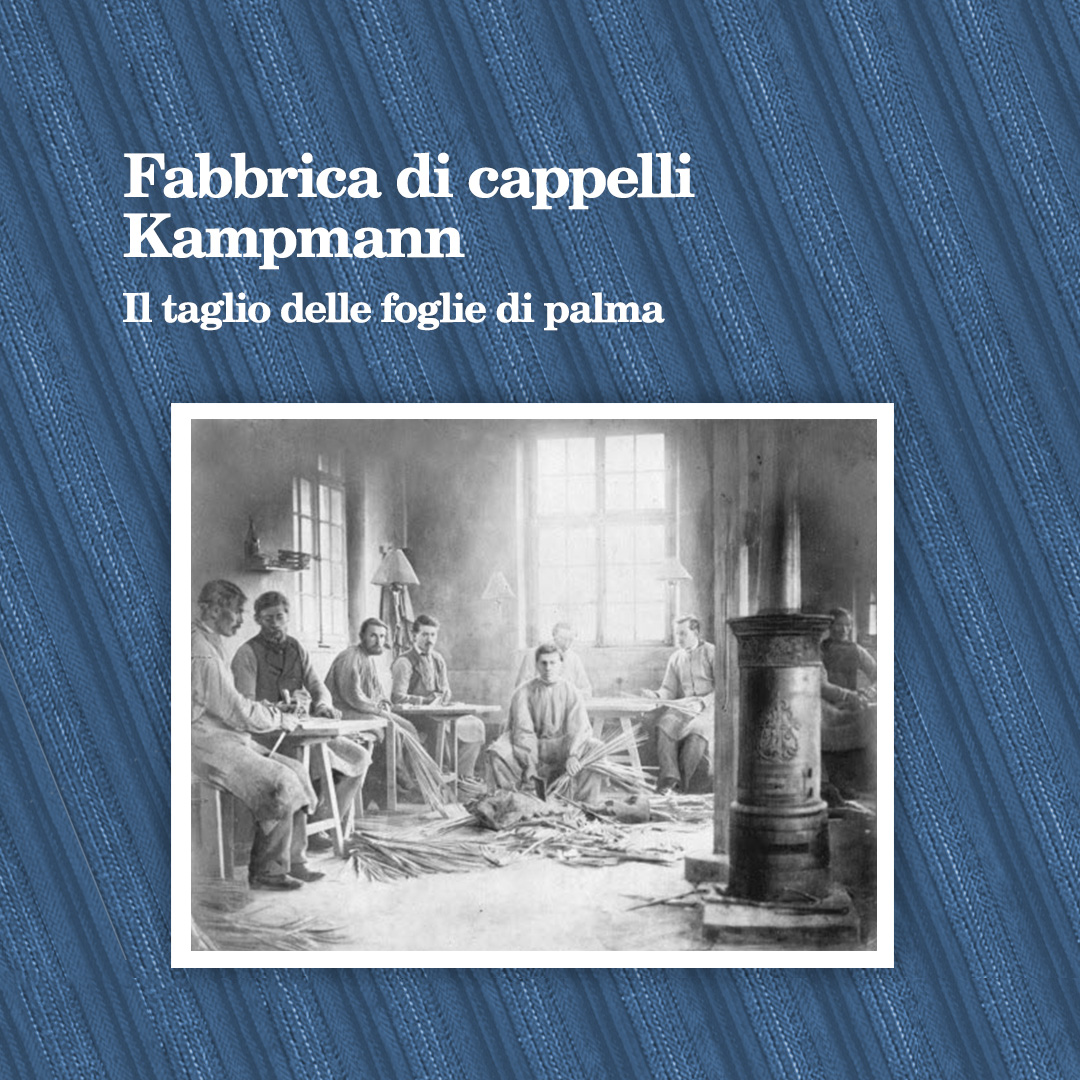
“After the annexation of Alsace by the Prussians, the straw hat firm Kampmann set up in Strasbourg [where a Rue Kampmann still existed in the 1930s, ed.] sought to settle in the Vosges. His choice was the clos de Chauffour Bourdon, in the locality known as ‘Le Champ du Pin’, a still underdeveloped suburb of Épinal. The application to set up a company was submitted on 22 September 1872 by Alfred-Léon Kampmann, who had inherited his father Louis-Chrétien Kampmann’s straw hat factory, set up in Strasbourg and then in the Neuhof [ a suburb of the city, ed. The company developed rapidly and official documents show that it had two sites, one in Épinal and the other in Strasbourg [where his father remained, ed.] But above all, he also runs work centres in the Vosges and Alsace.
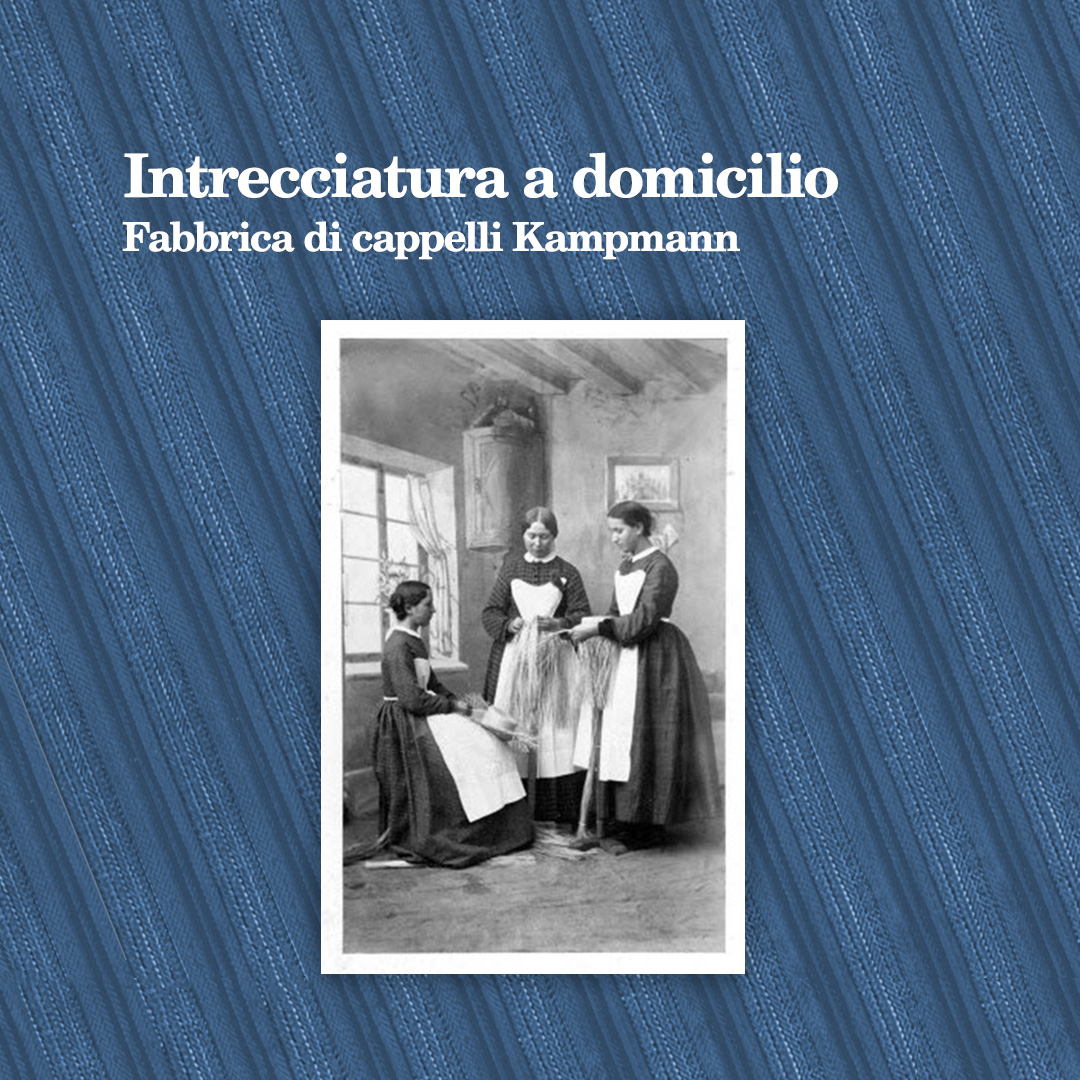
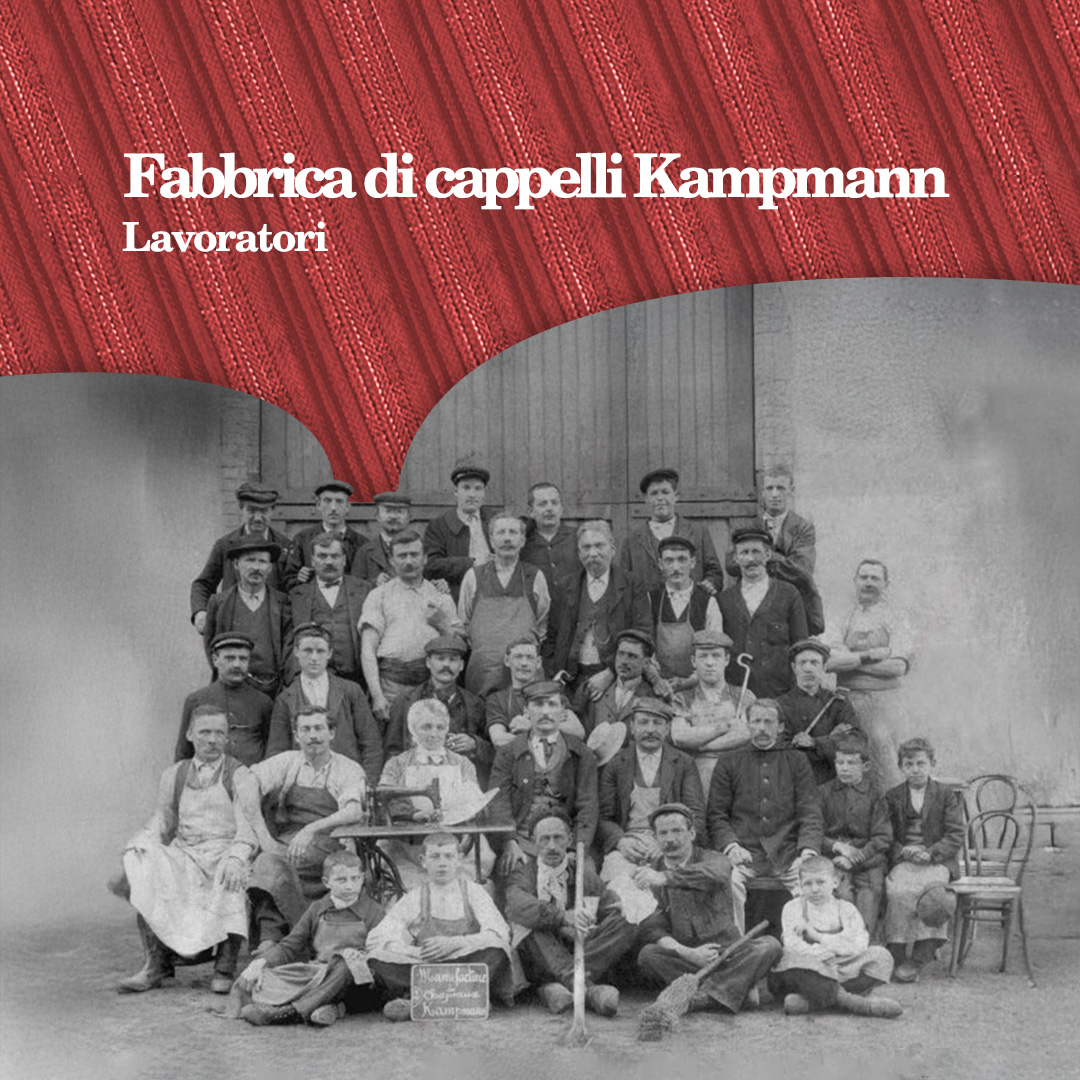
In Épinal, it operates a central factory (between rue d’Alsace and rue Ponscarme), as well as twelve secondary centres. In the département, 950 people are employed by the manufacture, of whom an average of 120 per workshop, the others work at home. In the whole of Alsace, no less than 2,150 people work in hat production. Itis mainly men’s hats, according to the fashion of the time, that are produced here: hats woven from Latania leaves [a type of fine palm tree, ed. At that time, Alfred Kampmann proudly claims to be the only one to have introduced this industry in France; competition was limited to the moulding of imported products. The factory then exported all over the world and reaped the honours: it won several gold medals in Paris, Belgium, Australia and various universal exhibitions (1901). Unfortunately, two subsequent fires, financial mismanagement and the abandonment of the use of straw hats by the men were to be the cause of the company’s closure in 1924′.
Alongside Alfred was his wife Anne-Lucie, who is still remembered today as one of the women who had a major impact on the Spinalina company. It was she who practically convinced her husband to build several workers’ towns near their factories between 1874 and 1876, as was often the custom at the time. She also sought education and culture for them, and even founded a popular library.
Sources:
Florence, Claudio Caprotti Archives.
Bibliography:
S. LESUR, “Épinal: la rue Ponscarme travaille du chapeau”, in “Vosge Matin”, 04 November 2018.
EAD., “Au temps où Epinal était la capitale du chapeau de paille”,“Vosges Matin” – 04 Nov. 2018 (with image carousel of the “Fabrique chapeaux Kampmann rue Ponscarme”).
R. VOEGEL, “Chapeau, monsieur le curé!”, in “De Valva à Valff.
“Temps de femmes. Exposition’, Épinal, 12 octobre-20 novembre 2020. Expo organisé par les Archives municipales, , p. 12.