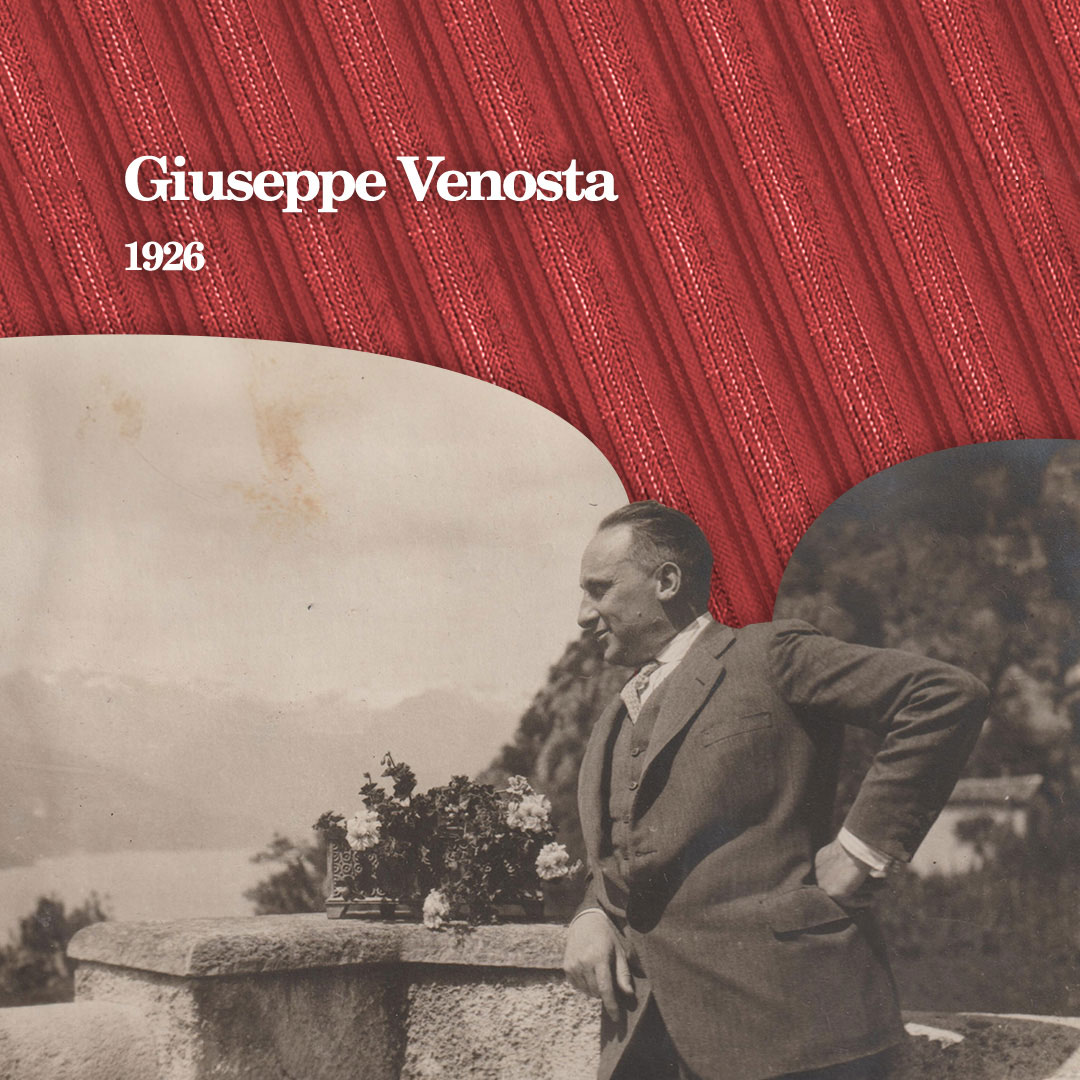
Giuseppe Venosta (1880 – 1939) graduated with honours in engineering from the Milan Polytechnic. In March 1906 he was hired at Pirelli, tyre and rubber department; he can truly be said to have contributed to the ‘great adventure of the [sic] tyre in Italy’, and not only that, as he shared with Piero Pirelli a passion for football, he designed one of the first balls with a rubber core instead of entirely in leather, the ‘Corazza Pirelli’ (c. 1925). The rubber branch was his working home, and from there he climbed the corporate hierarchy. When the Central Management was created in 1919, Giuseppe Venosta was appointed Central Rubber Director; in 1920 he became a member of the Board of Directors, and since he knew English well he was sent on a mission to the United States in 1928. In 1933 he became President of “Pirelli-Revere”, an Italo-American Elastic Thread Company, formed by Pirelli and US Rubber. In November 1938 he was appointed General Manager, but he was already ill, with liver cancer that a few months later, on 14 April 1939, killed him at the age of less than sixty. That same day, a Company Service Order signed by Piero and Alberto Pirelli announced his death ‘after long months of suffering, remembering with grateful affection the strong and ingenious work of engineer Venosta through more than 33 years of tireless work to bring the rubber branch of our Company to its current importance and efficiency (…)’.
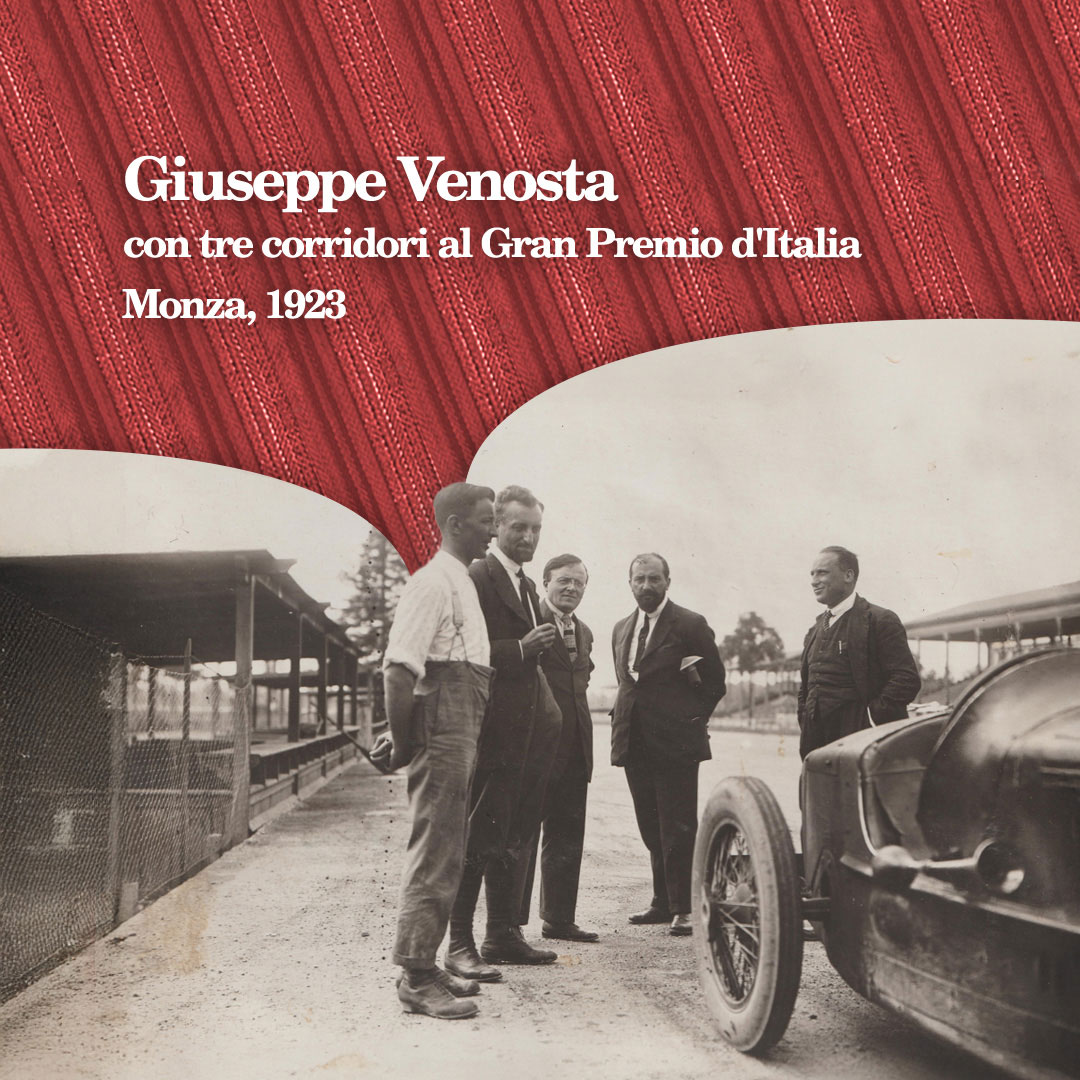
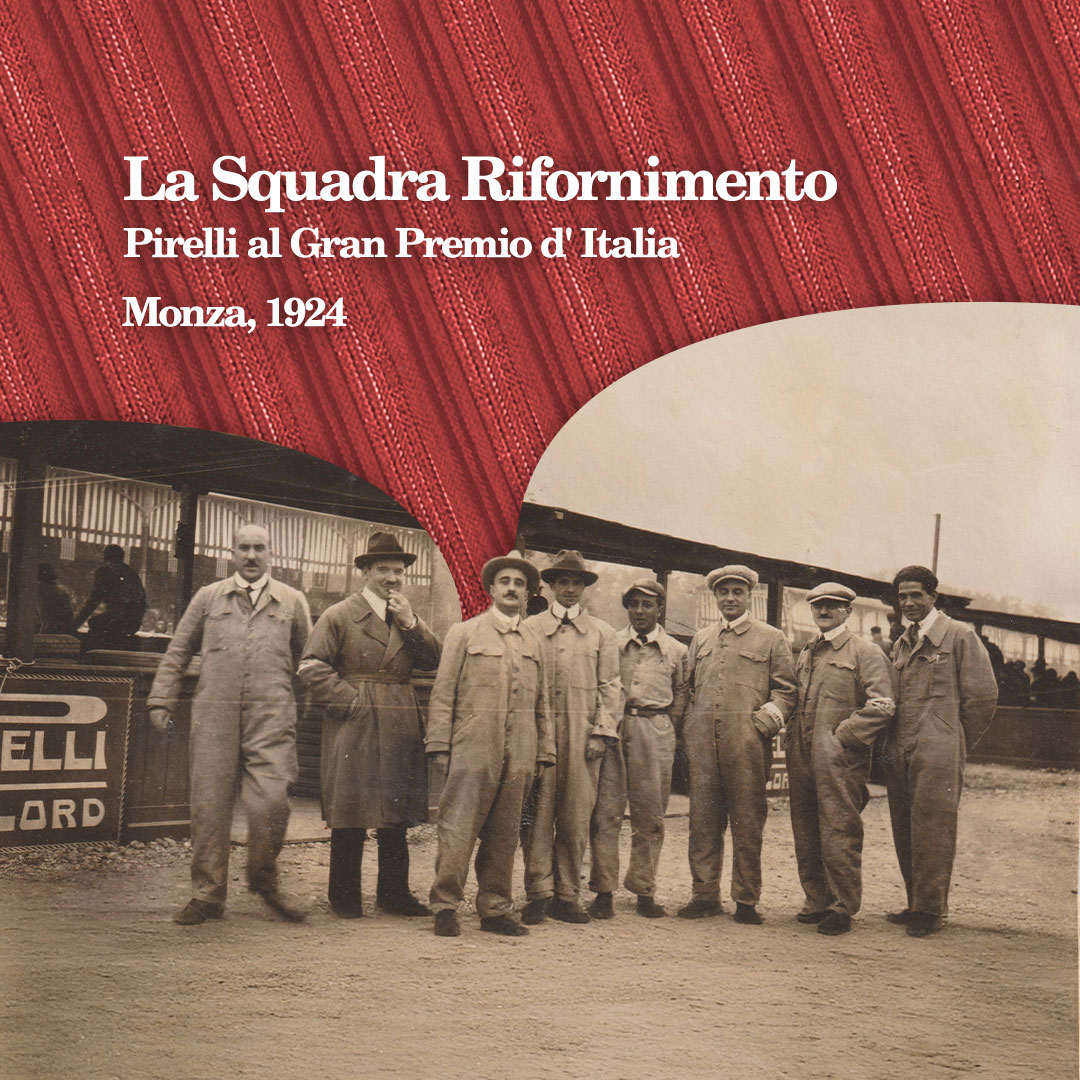
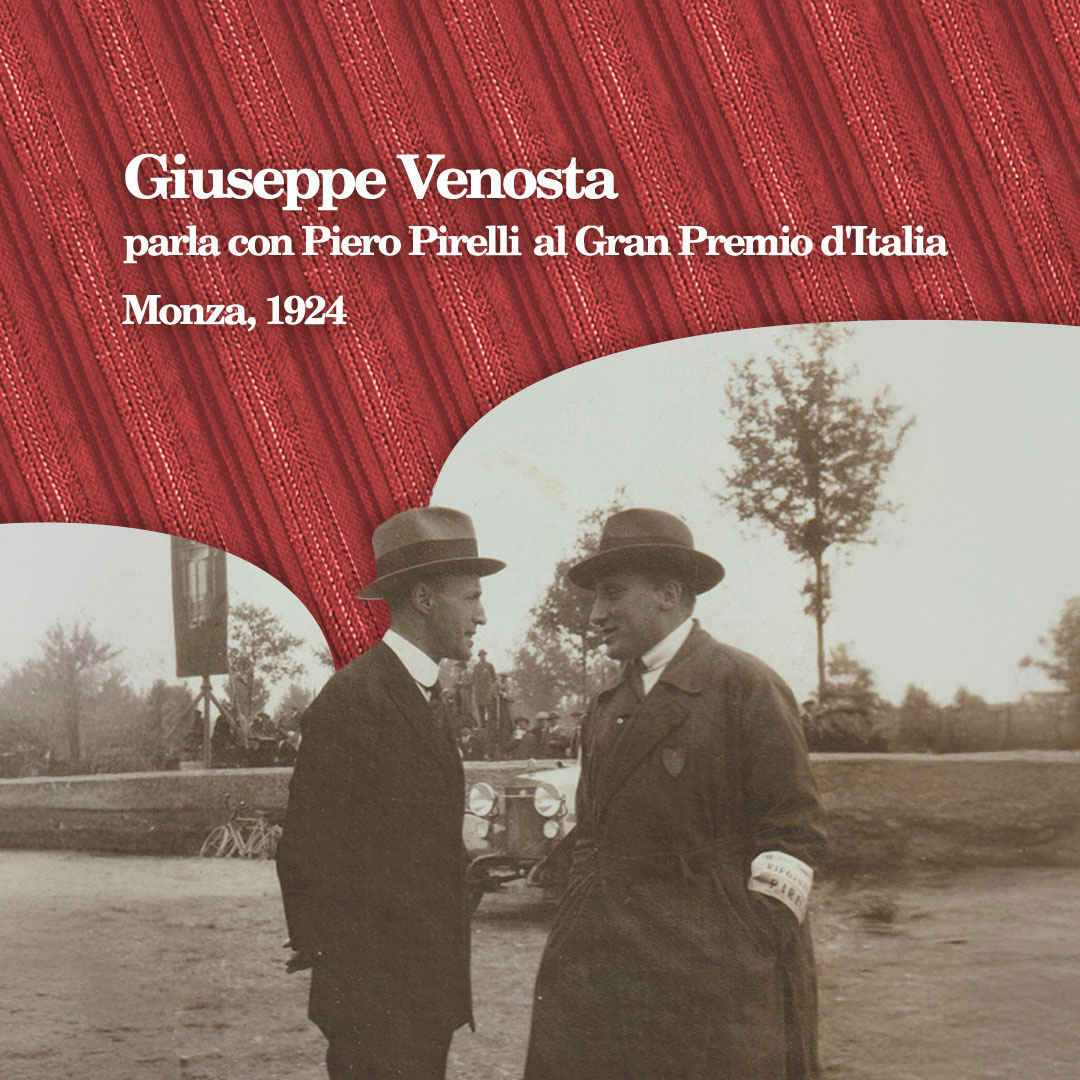
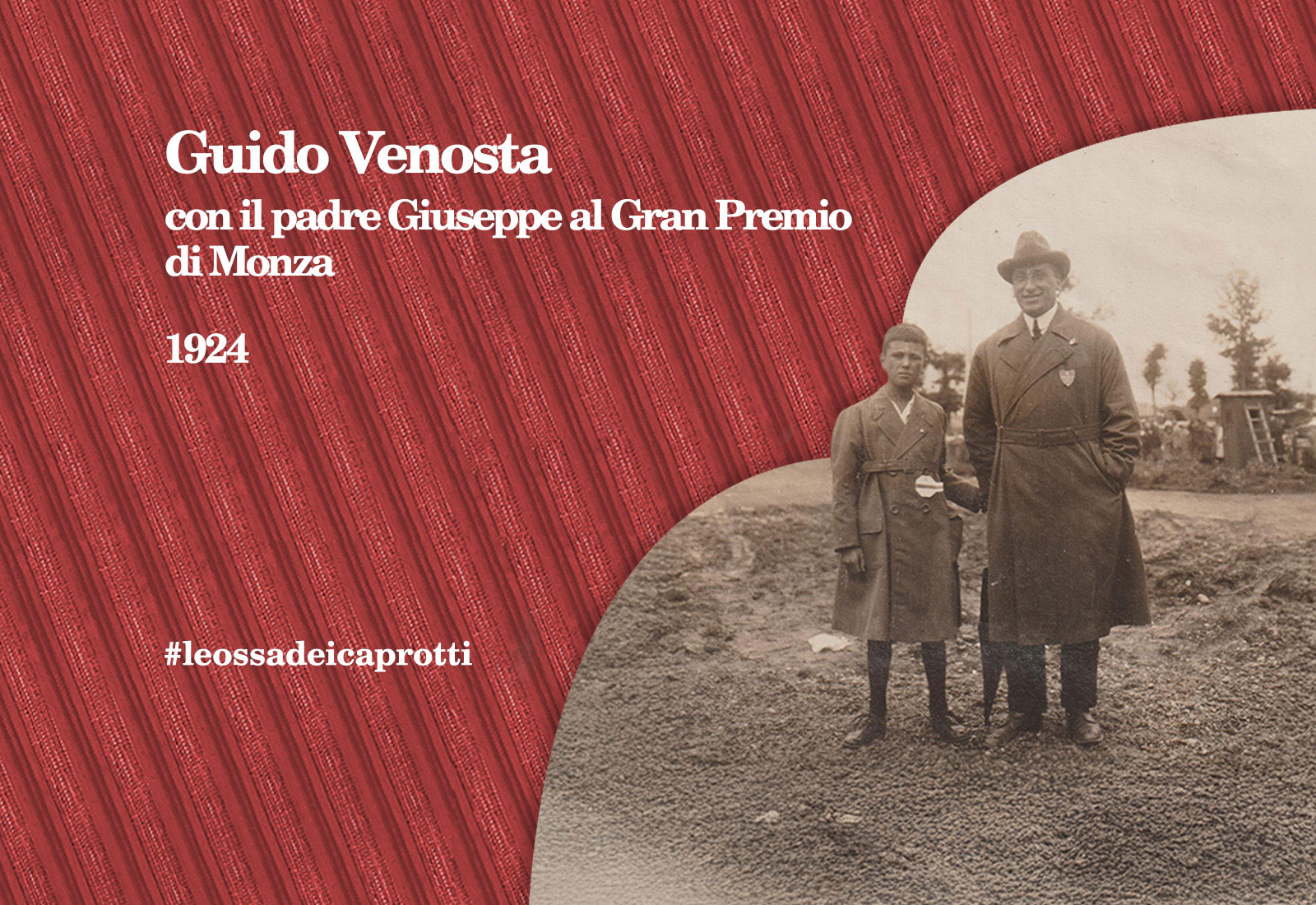
In the course of the ‘tyre adventure’, Giuseppe Venosta was also in charge of the Pirelli refuelling team during the first, adventurous Grand Prix car races of the 1920s. Guido as a boy followed him, was photographed with his father at Monza in 1924, and carefully preserved photographs of Giuseppe talking to Piero during the Grand Prix, or with the then famous racers in front of the racing cars.
This prestigious father was also an open-minded man, and certainly an affectionate father; his grandfather’s recollection of him in his unpublished memoirs is moving, and even more so his conclusion: ‘I thought everything was over, but the years that came after taught me that you can continue to love a dead person with the same love as when he was alive. So I did, and everything seemed to continue as before’.
Sources:
Albiate, Villa San Valerio, Giuseppe Caprotti Archives: G. Venosta Archives, Various documents, G: VENOSTA, Memoirs, unpublished typescript, 1996-1997 (pp. 2, 39-40).
Ibid., Giuseppe Caprotti Archives: Guido Venosta Archives, Photo Album 1920 – 1930.
Fondazione Pirelli, Archivio storico Pirelli, fondo “Personale”, file “Giuseppe Venosta”, “Ordine di Servizio del 12 novembre 1938, n. 793”;
Ibid., “Ordine di Servizio of 14 April 1939, No. 819”.