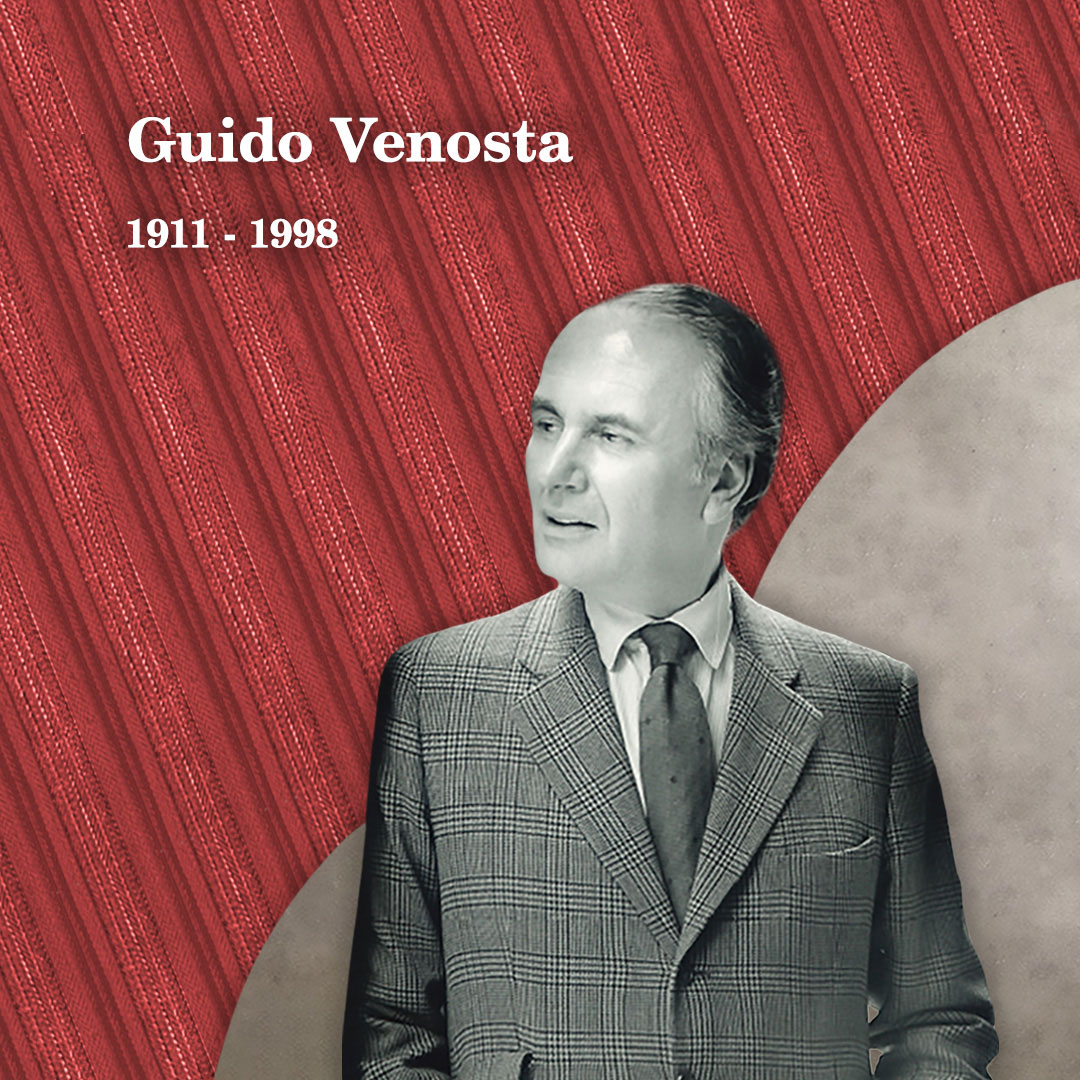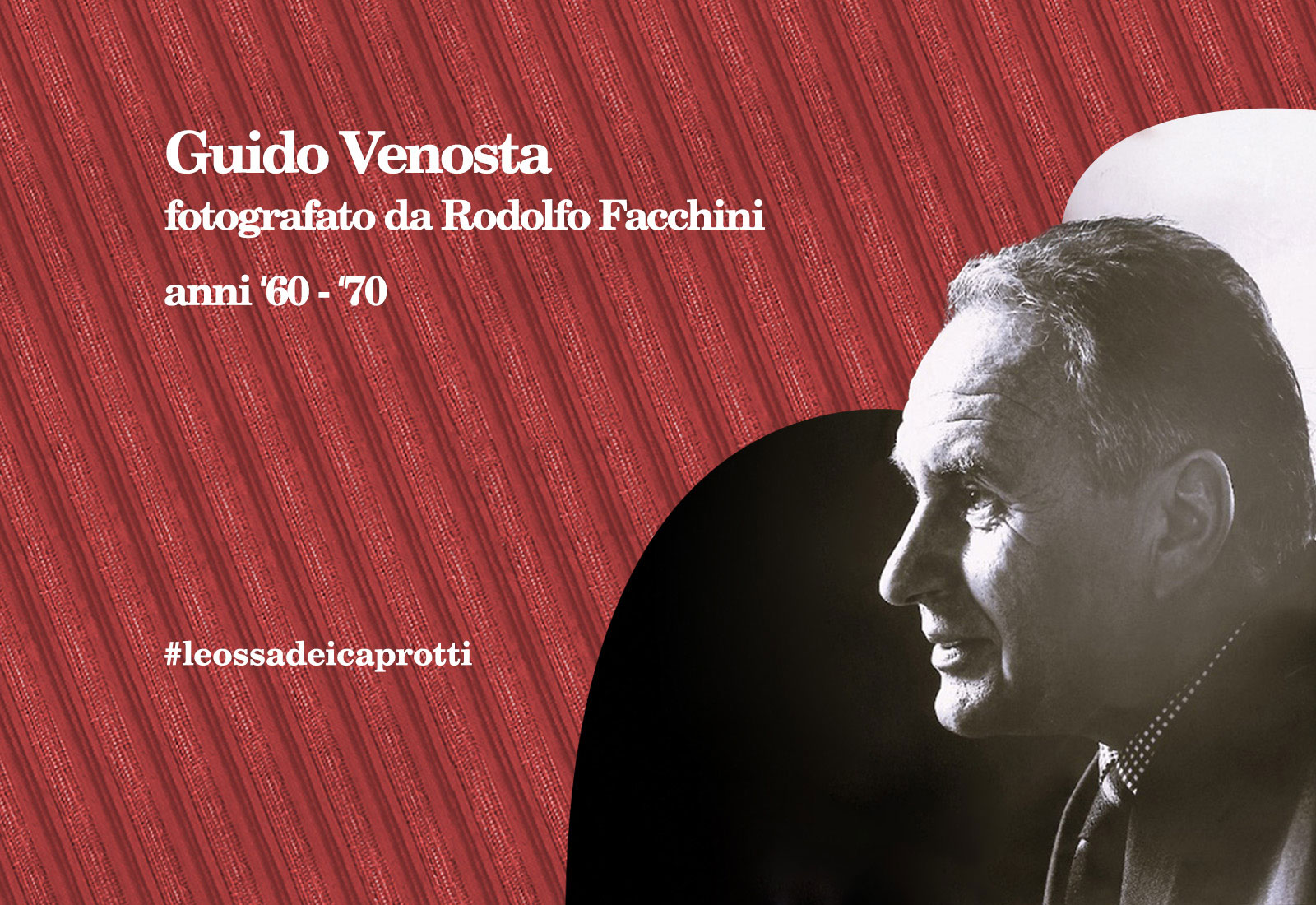
Grandfather Guido spent his working life at Pirelli, as did his father Giuseppe. After some experience with other companies, he joined the company in July 1939, three months after the death of his father who had been its General Manager. He was hired at the Central Secretariat with administrative duties.
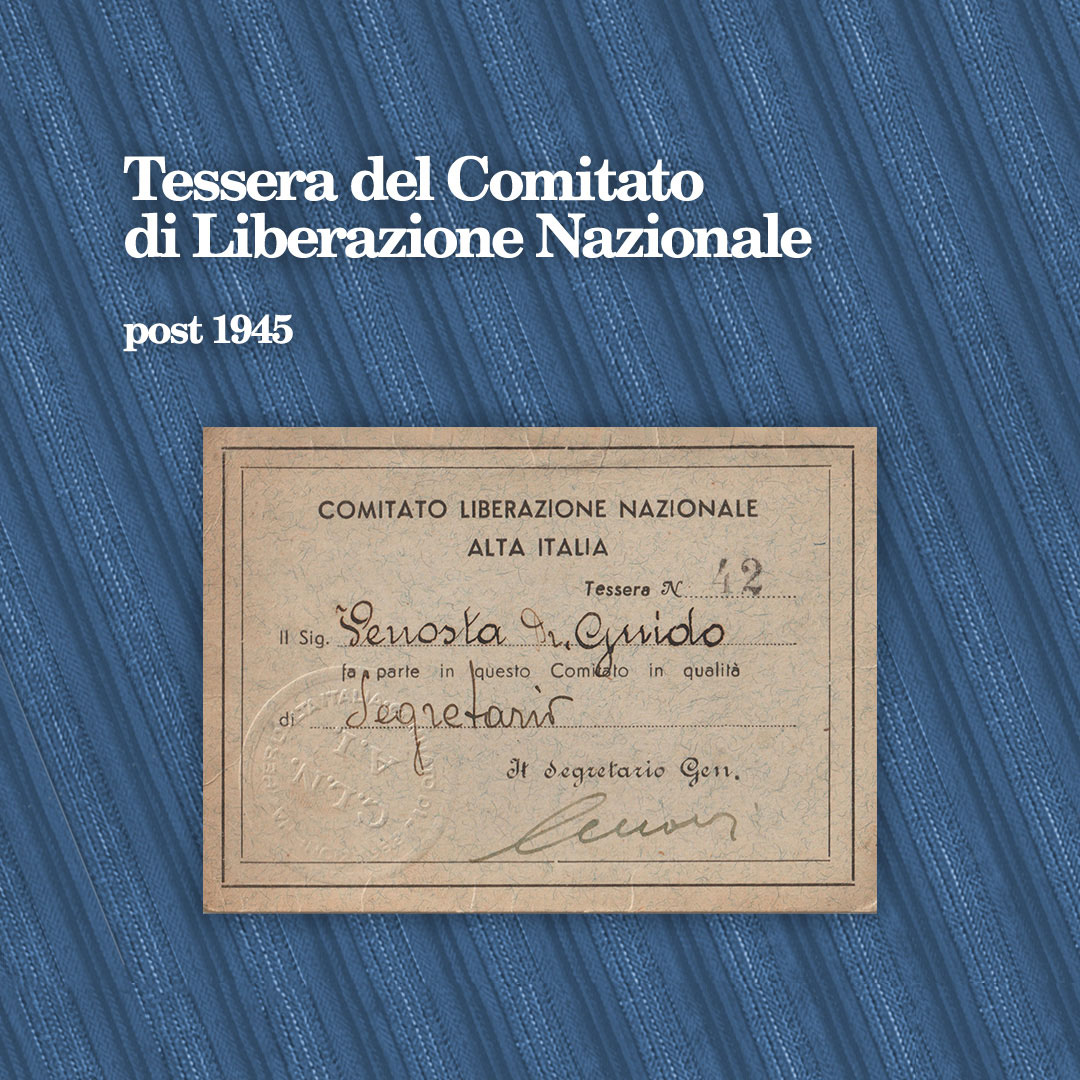
Called up to active service during the Second World War, Guido changed several positions until 1945 and the Liberation. At that time he was part of the National Liberation Committee of Upper Italy (C.L.N.A.I.), of which he was Secretary and member of the Central Economic Commission as an ‘expert’.
He recounts those years as follows:
‘I resumed my job in Alberto Pirelli’s secretariat: a multifaceted experience full of interests.
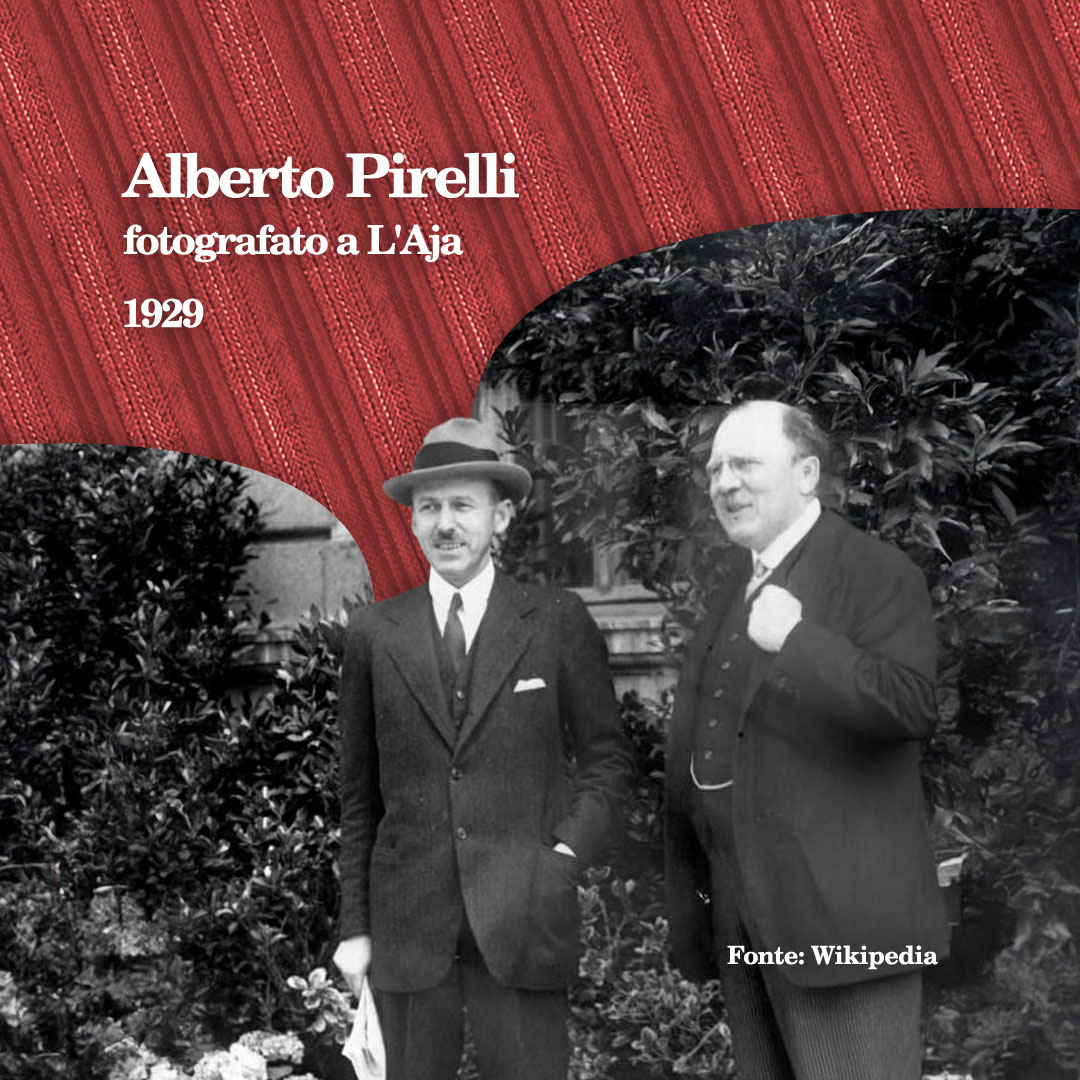
My boss was certainly a genius even though, like many Italians, he did not really know what the English word ‘understatement’ meant and probably believed he was always right. His letters were impeccable and the concepts fit together effortlessly and with absolute fluency. His manner of dealing with employees was always extremely polite and frosty. He (…) was a strength of a very strong pair, he and his brother Piero.
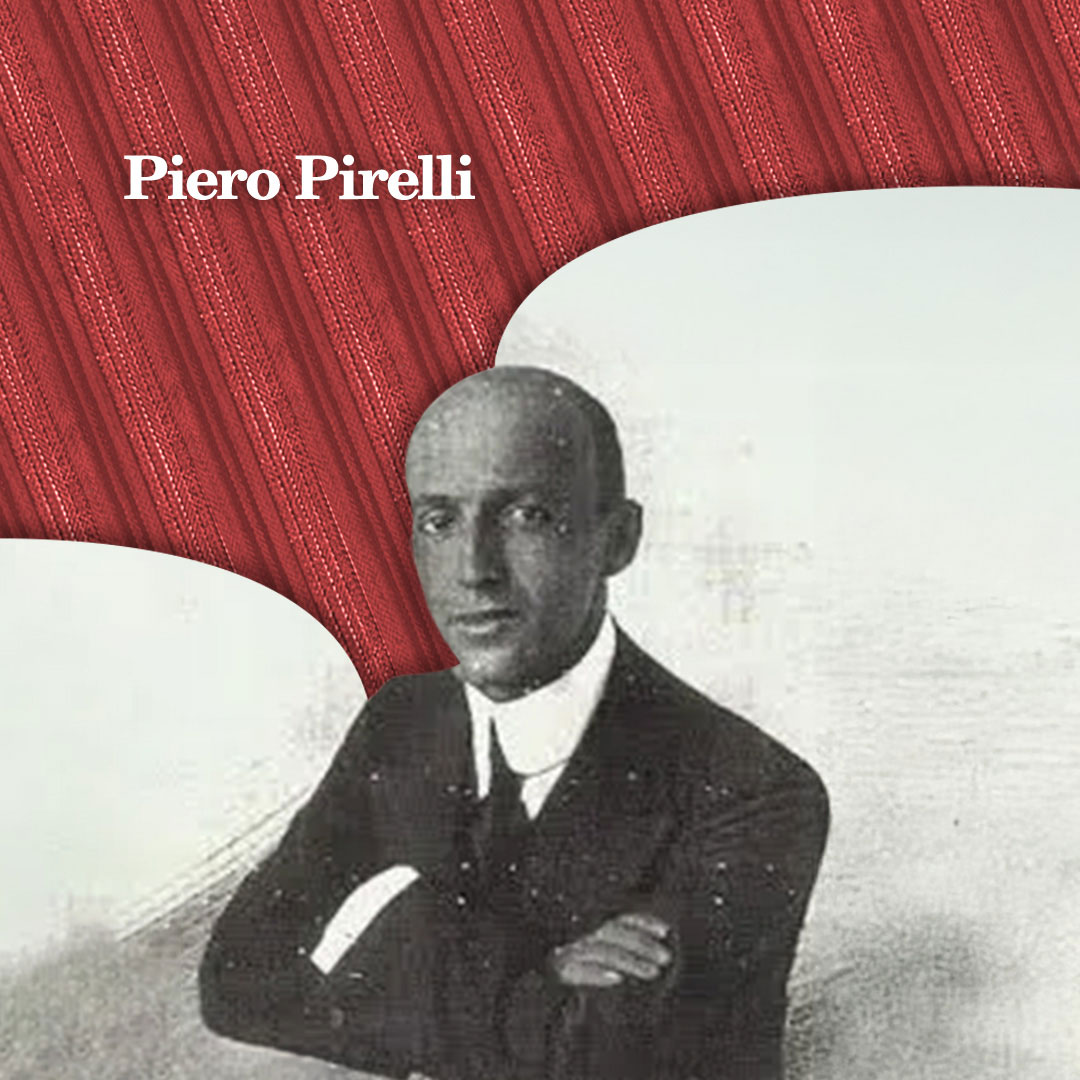
Piero was more human in his traits and also in his feelings. He loved certain sports such as football and horse riding. He contributed to many initiatives for their development and did the same for the development of golf in Italy. In essence, he had human passions, while Alberto only loved politics and business.
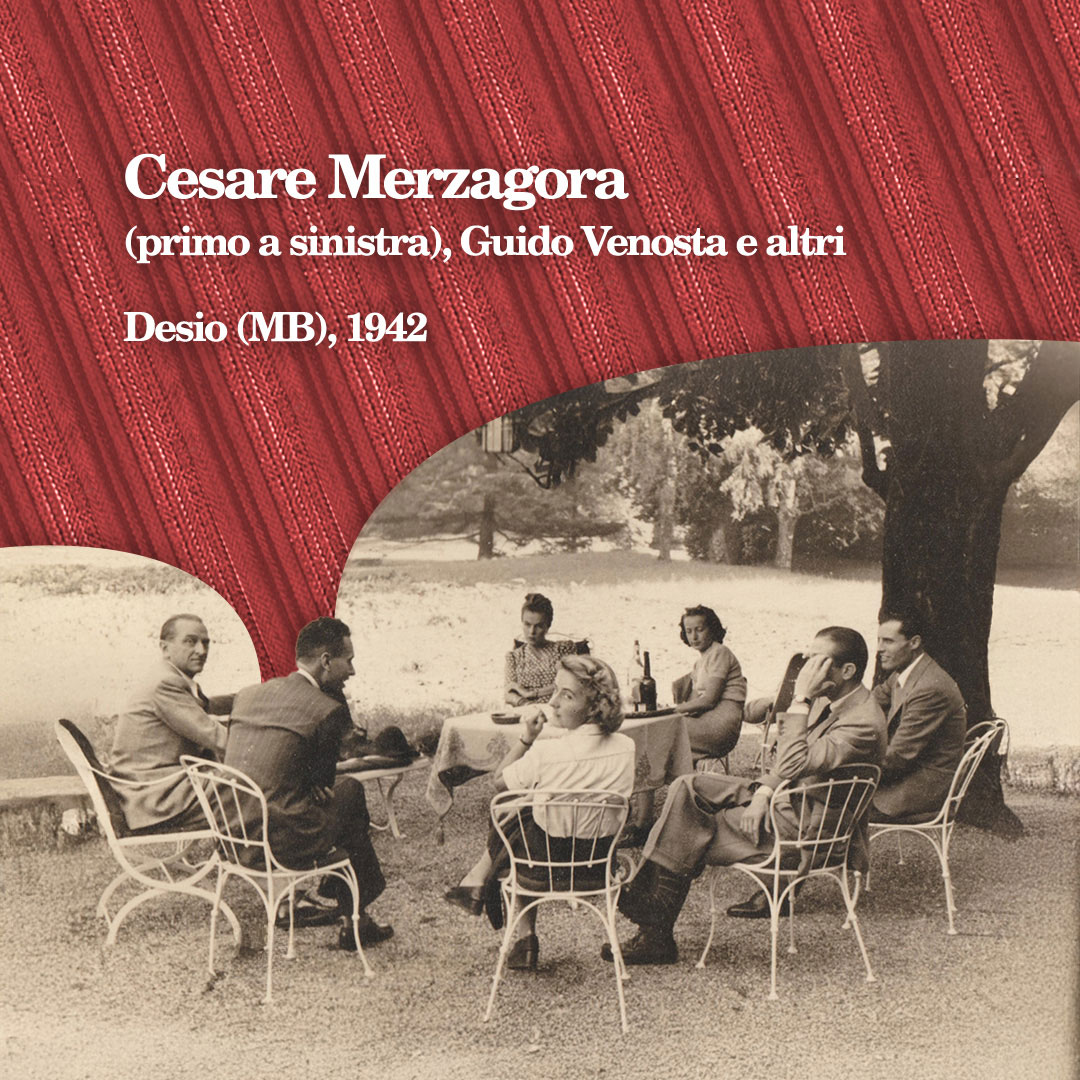
My return to Pirelli was marked by my friendship with Cesare Merzagora [Central Director from 1938, factory commissioner in the early post-war period, then political leader who was President of the Senate in the 1950s and 1960s, ed. (…). I was beginning to think differently, both as a consequence of my stay in Cambridge and the studies I had done, and because of the influence of the ideas of my father, a man who was rigid in his demands on himself and others, but tolerant and fair-minded in substance. (…).
The assassination attempt on Togliatti [Palmiro Togliatti, then secretary of the Italian Communist Party, who was shot on 14 July 1948, wounding him, Editor’s note] provoked two days of great tension, which was won by Bartali’s victory in the Tour de France [25 July, Editor’s note]. I kept wearing a yellow waistcoat (…) which provoked the friendly irony of a communist member of the ‘Management Committee’ (…).
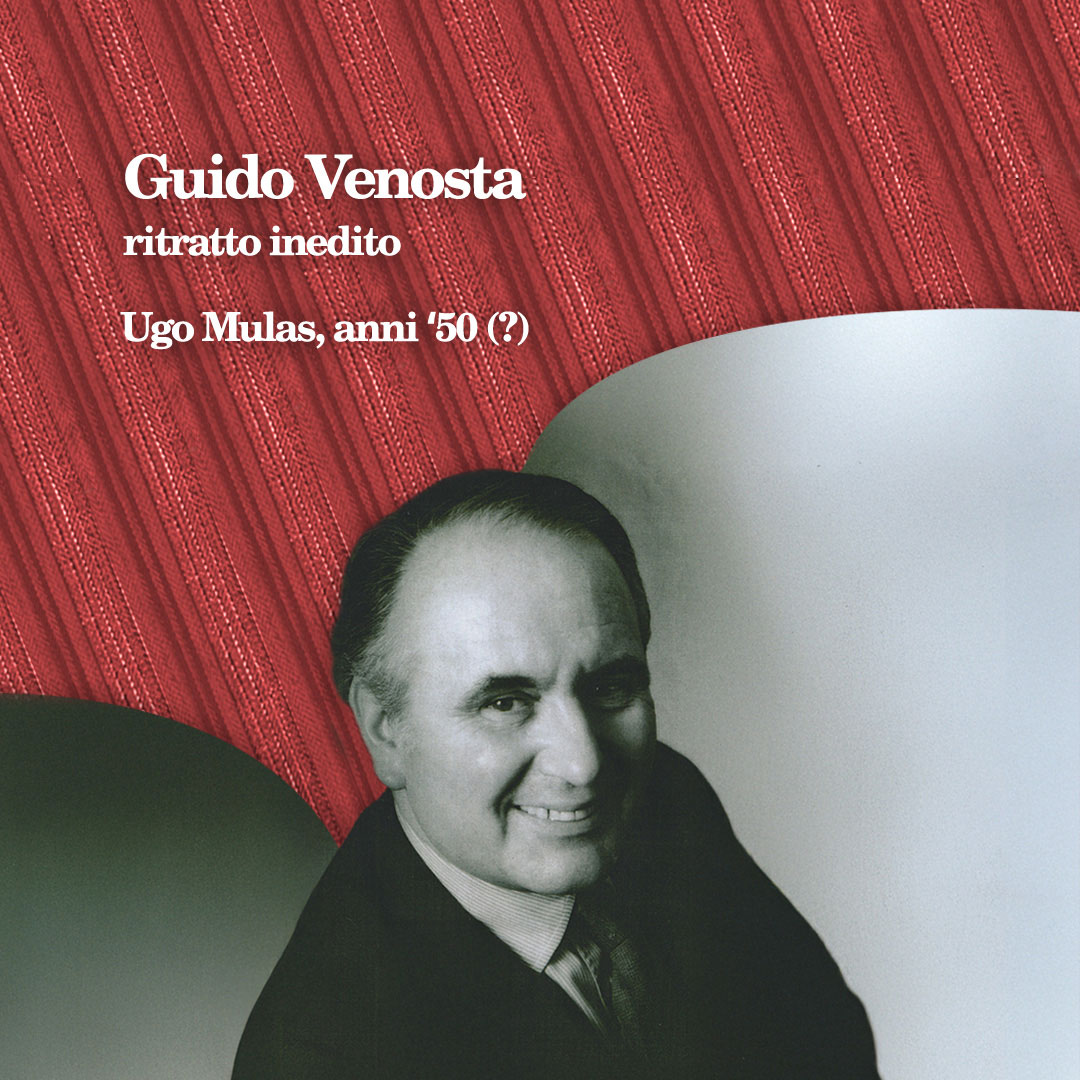
Over the years at Pirelli I got to know a world that was new to me, the men of communication and advertising, including Arrigo Castellani [long head of Pirelli’s Press and Advertising Department], Vittorio Sereni [poet and columnist who worked in the Pirelli Propaganda Service Press Office, an office he headed from 1955 to 1958, editor’s note], Sinis Sinis [a poet and columnist who worked in the Pirelli Press Office from 1955 to 1958, editor’s note], and the advertising department of the Pirelli Press Office.ed.], Sinisgalli [Leonardo Sinisgalli, who from the 1930s founded and edited the company’s magazines and advertising campaigns] and Mulas [Ugo Mulas, a photographer who worked with the Pirelli magazine and with whom his grandfather established a close relationship, so much so that he entrusted him with the execution of some of his beautiful portraits, ed.] They introduced me to their world as something real, something real, albeit difficult to express; until then I had thought they were all clouds. The broad lines, which Castellani and Sinisgalli adhered to, preceded by years what is happening now [1996-1997, ed. (…).
I was then entrusted with the position of General Manager and, later, Managing Director of Pirelli Ltd., which produced tyres in England, that is, in a market of great competition among the world’s largest manufacturers. It was obviously a position of extreme trust, in relation to the fact that thanks to my studies in that country I knew the language and customs perfectly well. I had the great advantage over my employees that I had been to Cambridge University, which they considered extraordinary. (…).
When I returned to Italy, after a six-year stay in London, I resumed my job as operations manager on which all the companies in the Central Rubber Division that did not produce tyres and, specifically, paper, linoleum, plastic laminates, elastic thread and foam rubber, depended. I had a lot of work, which was very varied and therefore very difficult to manage. (…)”.
A few years later, Grandpa was moved to special assignments, then worked as a consultant, and finally retired in 1977.
At that time he had already begun, more than ten years ago, his second great adventure, that of the AIRC – the Italian Association for Cancer Research.
Sources:
Albiate, Villa San Valerio Archives, Guido Venosta Archives, G. VENOSTA, Unpublished Memoirs (1996-97), pp. 36-41.
Ibid., ‘Personal documents’, membership cards for the National Liberation Committee n. 42 and 174, undated [but presumed to be 1945].
Fondazione Pirelli, Archivio storico Pirelli, fonds “Personale”, file “Guido Venosta”.
Bibliography:
DE IANNI, N., ‘Merzagora, Cesare’, entry in ‘Dizionario Biografico degli Italiani – Volume 73 (2009)’.
FERRARI, E., PIRELLI, G., “Arrigo Castellani”, in “Pirelli. Rivista d’informazione e di tecnica“, N. 1-2-3, 1969.
Fondazione Pirelli, “Storie dal mondo Pirelli. 1913-2013, i cent’anni del poeta Vittorio Sereni“, 29 March 2013.
Ibid., “Leonardo Sinisgalli, un poeta ingegnere in Pirelli“, 28 January 2021.
Ibid., “Piero Pirelli, a life between industry, social commitment and sporting passion“, 19 July 2022.
Ibid., ‘140 years ago Alberto Pirelli was born, one of the protagonists of Italian industrial history‘, 27 April 2022.