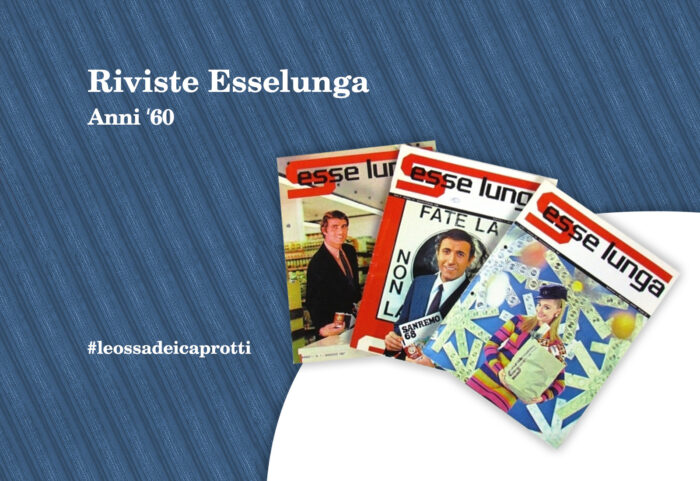
Esselunga: from 1957 to the early 1990s, as recalled by a ‘grocer’s son’
Esselunga’s origins are linked to the history of the city of Milan

Esselunga’s origins are linked to the history of the city of Milan
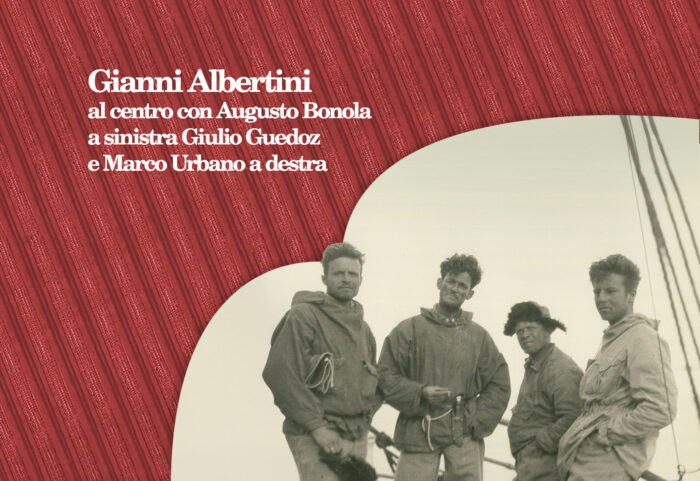
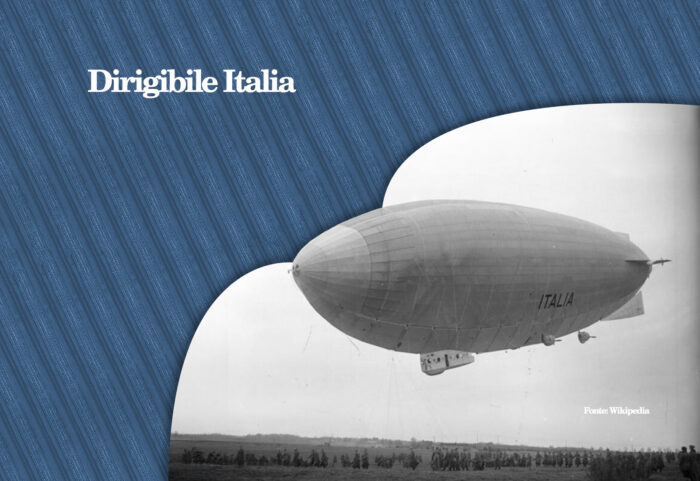
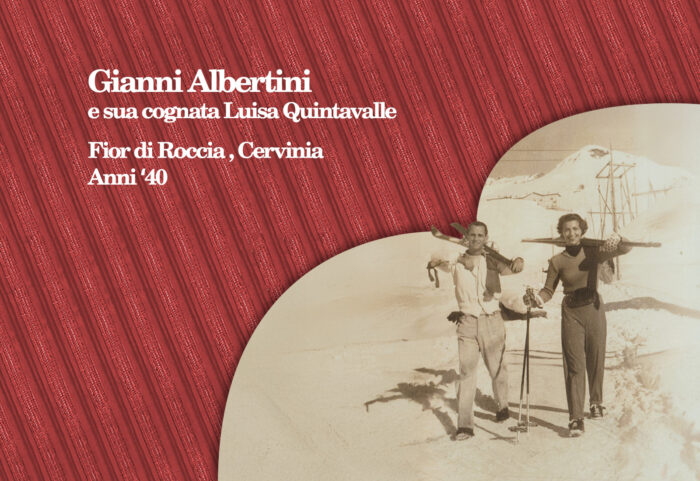
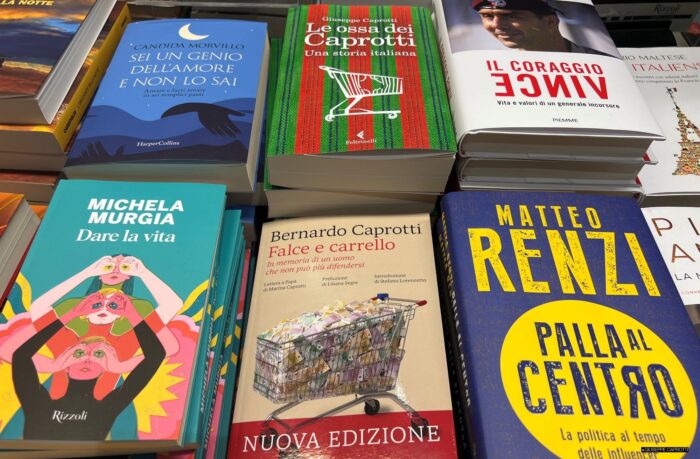
In my view, the difference between journalism, political non-fiction and history lies in the research, which, in the case of history, is much more in-depth and is based, first and foremost, on the study of documents and archives. But the added value of this book also lies in the contributions from people who worked for or were close to Esselunga, a company with a much broader entrepreneurial spirit than one might think
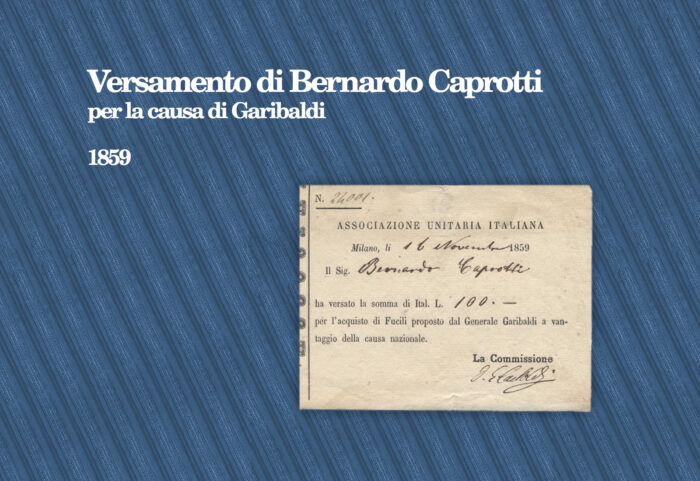
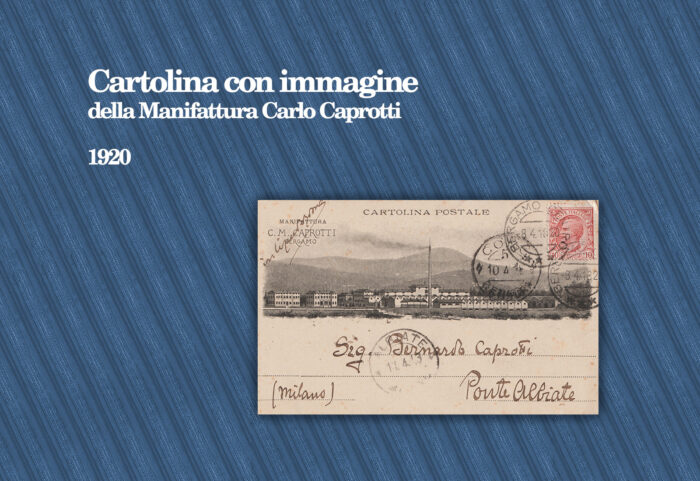
After separating in business from his elder brother Beppo (1872), Carlo moved to Bergamo and here he set up two textile companies, one in 1874, the 'Società in nome collettivo Caprotti & Guttinger', the other in 1901, the individual firm 'C. M. Caprotti'.
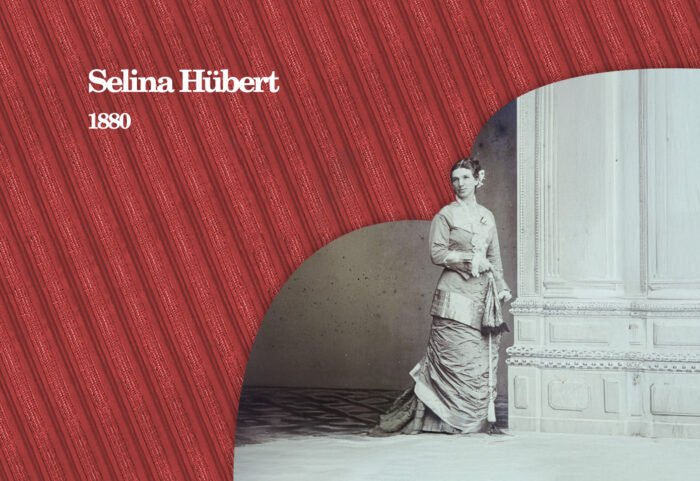
Carlo fell in love with Selina, daughter of Zurich businessman Nicholas Hübert, who had business between his homeland, Switzerland, and Bergamo, home to a strong and wealthy Reformed business community, and married her in 1871.
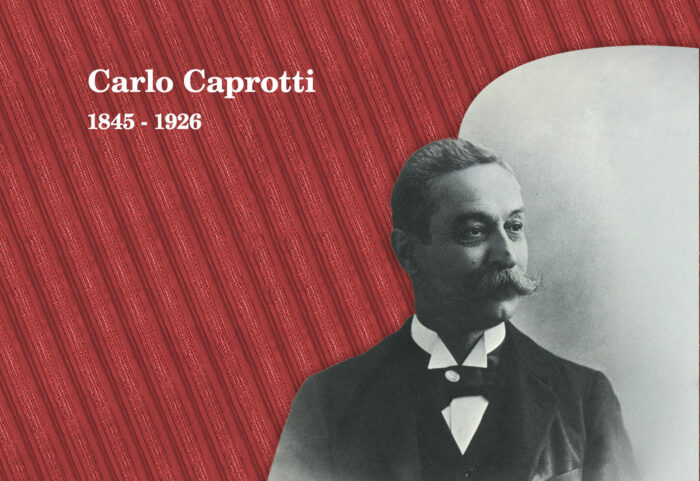
Carlo Caprotti was the Caprotti with the most ardent spirit. Whichever venture he embarked on, he always threw himself heart and soul into it, whether it was his Risorgimento and libertarian passions, his republican political commitment, his marriage or the fortunes of his factory.

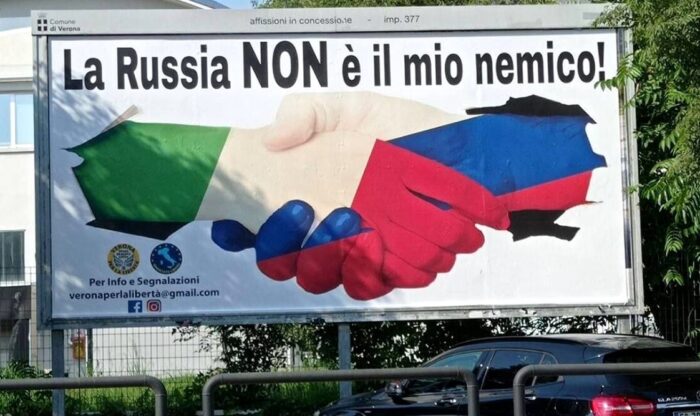
Let us remember: correct information, freedom of the press, coincide with democracy, and ultimately with our freedom in the broadest sense
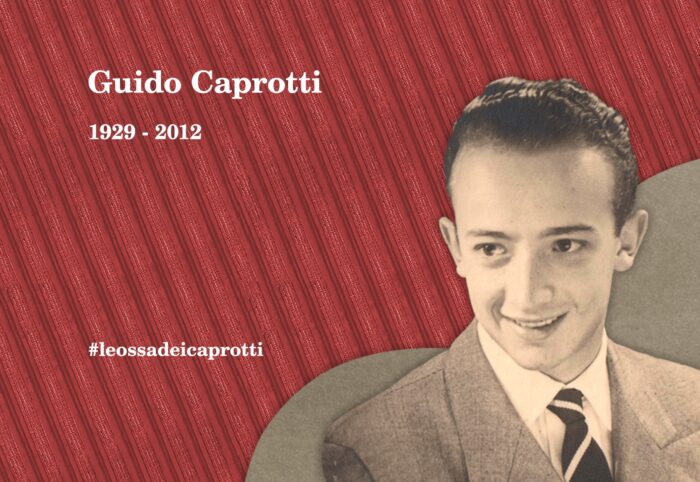
It was thanks to the friendship between Guido Caprotti and Marco Brunelli that Esselunga and the GS supermarket chain (now part of the Carrefour group) were founded
