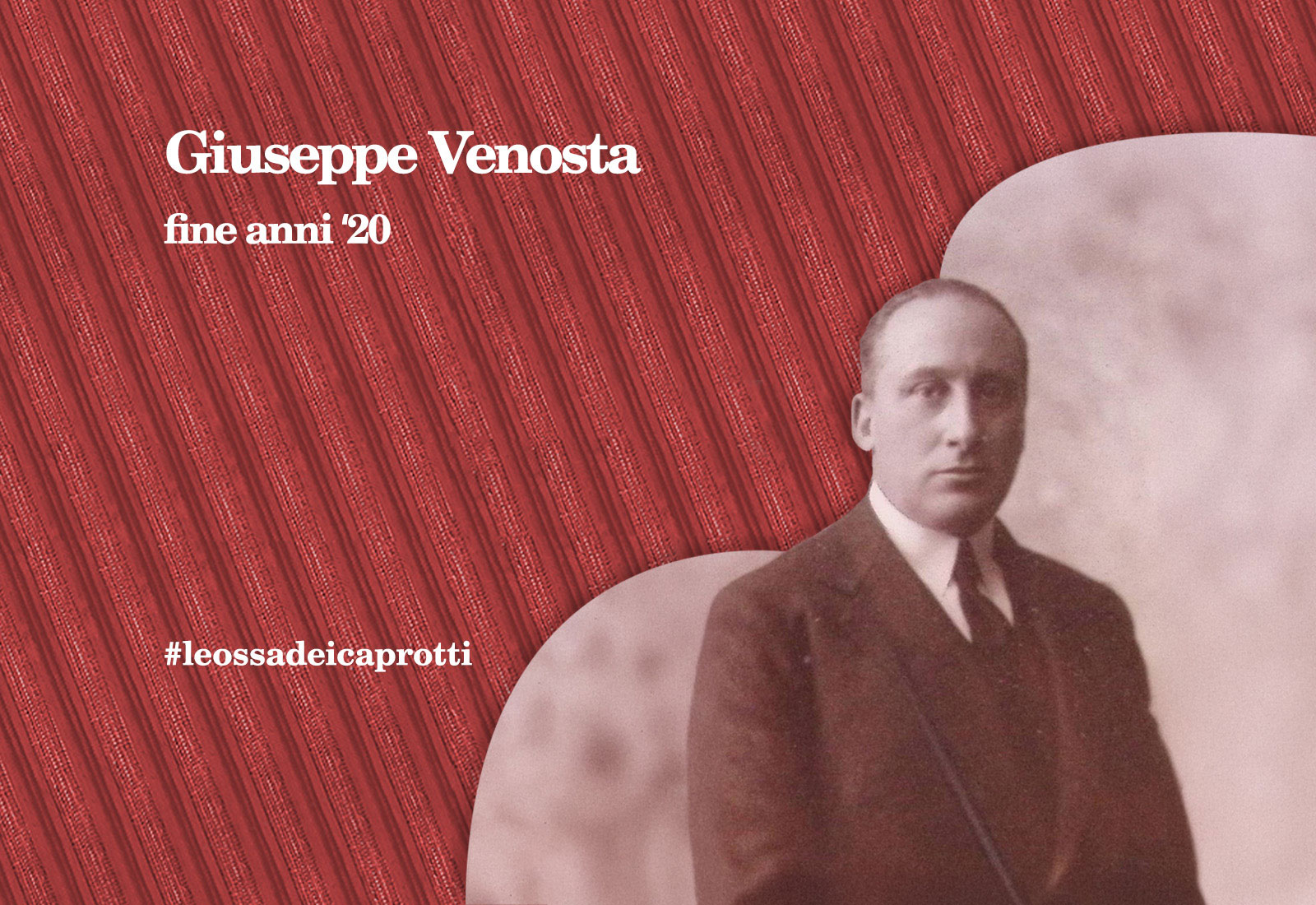
(…) But again fate placed before us facts that we never expected and never wanted to imagine.
Father and mother, in the short space of 10 years left us alone.
Father and mother both struck down by the disease that was then considered invincible, cancer.
I was thus faced with the need to become the head of the family.
I immediately felt the responsibility to inform the Pirelli brothers of the great loss that the company would have to suffer within a few months (…); a certain affectionate gratitude bound the two brothers to their general manager.
I tried all avenues but, as I said, no one then knew how to deal with cancer.
My father was followed by two professors, who, in my opinion, knew exactly as much as I did. The illness had been diagnosed a few months earlier by the family doctor as a nervous breakdown. I went to [Mario] Donati, the greatest Italian surgeon then living. Donati politely excluded any possibility, at least as far as he was concerned. The liver, at that time, could not be operated on (…).
In any case, my father died in excruciating pain, reduced to a larva but always bravely present to make us understand that he was not afraid, but that he trusted us. (…).
That morning, after the visit of Father Zucca [Enrico Zucca, a Franciscan friar, had close relations with the most influential and wealthy families of the Milanese aristocracy and business community, and in 1946 he would gain a certain notoriety for having taken part in the concealment of Mussolini’s corpse, ed.prompted to be present by Tommaso Gallarati Scotti, I was in the small garden of the building [the Columbus nursing home in Via Buonarroti, in Milan, ed. Bettoni stopped and heard the news. He was painfully surprised. In the meantime, the horse, with its big neck stretched out, quietly grazed the hedge that divided us.
This for me is the last memory of this unspeakable tragedy.
In a room nearby lay the lifeless simulacrum of the person I had loved most. Farewell forever pleasant conversations, unparalleled example, tolerance, generosity. Always with respect for the man considered not as an adversary, but as someone to be educated and helped.
I thought it was all over, but the years that came after taught me that one can continue to love a dead man with the same love as when he was alive. So I did, and everything seemed to continue as before. (…)”.
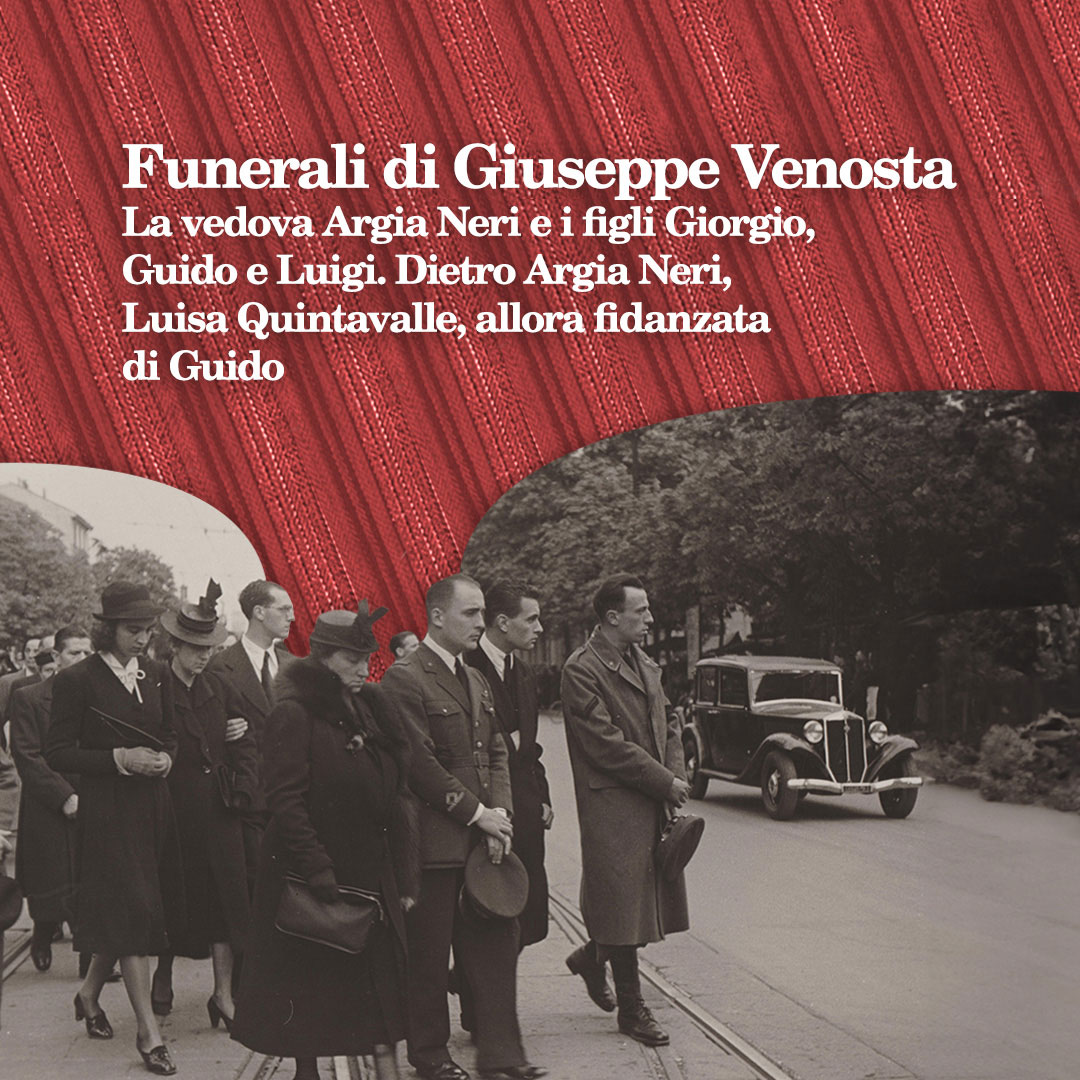
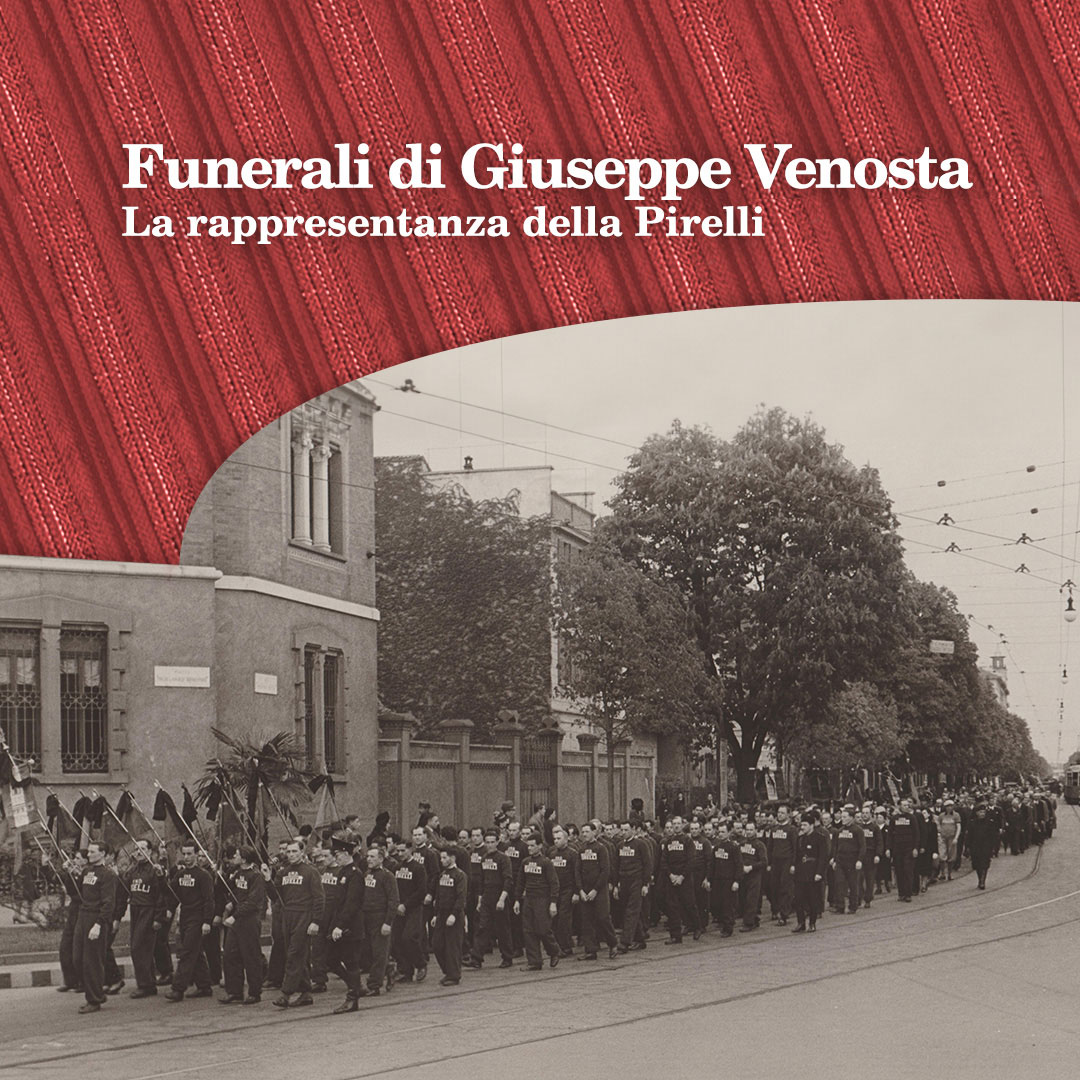
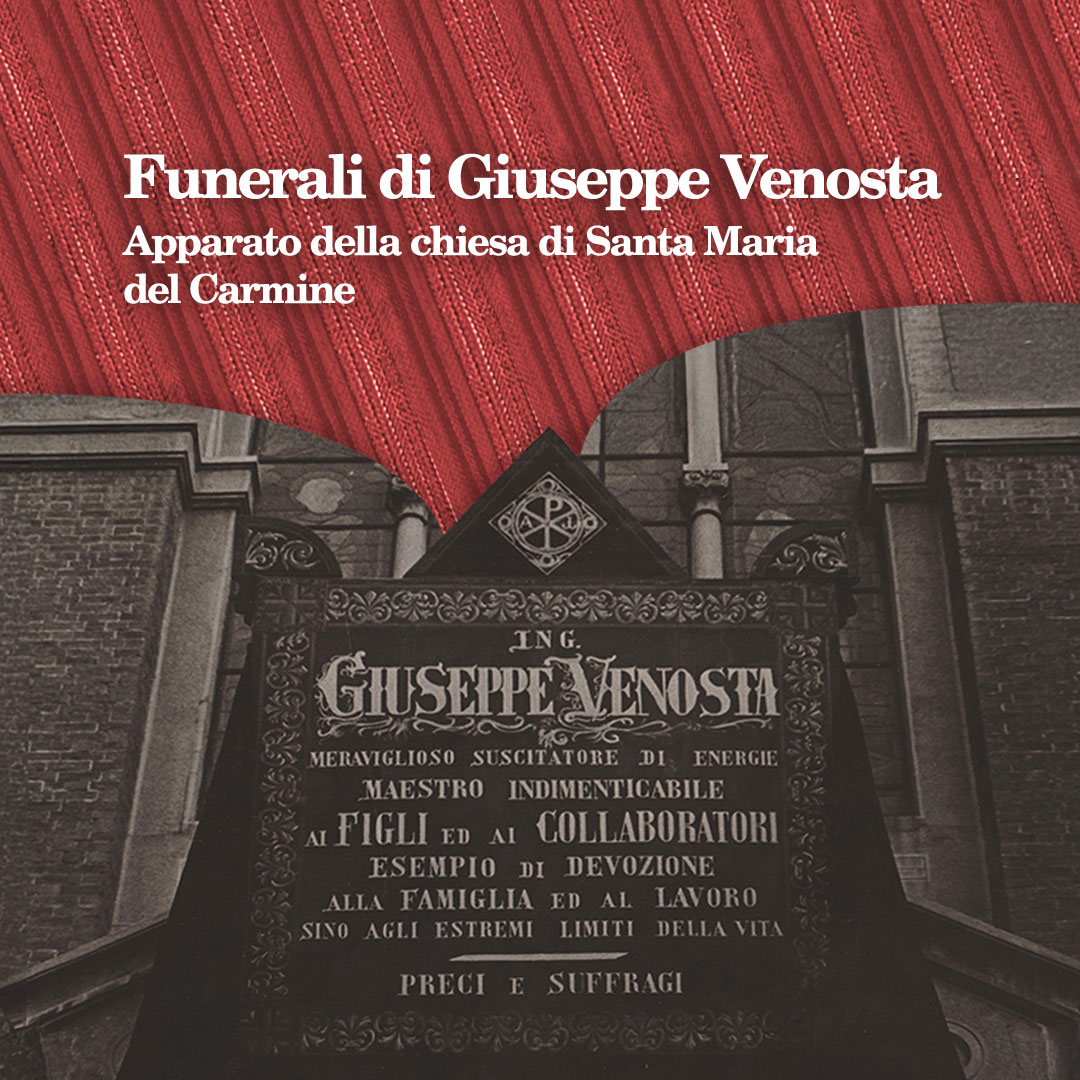
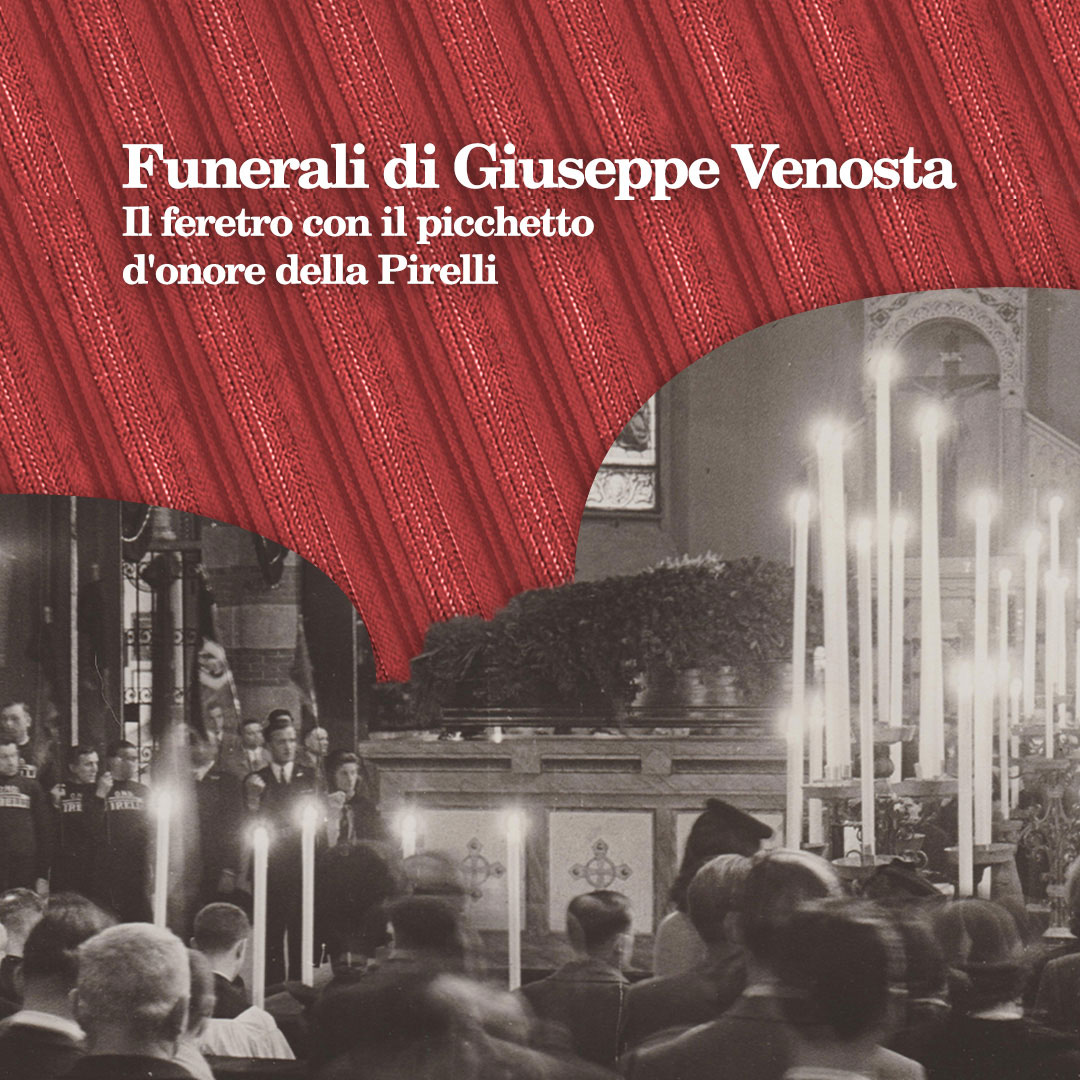
As was the custom at the time, my great-grandfather’s solemn funeral, complete with band, is immortalised in a photo album. We thus have images of the departure of the hearse, preceded and followed by a very long procession from the Columbus clinic all the way to the church of San Pietro in Sala, in piazza Wagner, where the funeral rite is celebrated. Behind the coffin are his family members, his widow Argia and his three sons Guido, in the centre, in plain clothes, Luigi and Giorgio, both in military uniform; behind Guido, in the foreground, Luisa Quintavalle, soon to be his fiancée and wife. Pirelli sent a very large representation, who marched behind their own banner and in the church, during the ceremony, acted as a picket of honour. A worthy last farewell that undoubtedly meant a lot to that son, my grandfather.
Sources:
Albiate, Villa San Valerio Archives, Guido Venosta Archives, G. VENOSTA, Unpublished Memoirs (1996-97), pp. 38-40.
Bibliography:
[ed. online] “This is how a friar helped Hitlerʼs interpreter escape from Italy“, in “San Francesco Patrono dʼItalia”, published 03-04-2017.