Monsanto compensates Oregon with 698 million for decades of PCB pollution
By
–
21 December 2024
Bayer-owned Monsanto has agreed to pay $698 million in compensation for environmental damage caused by PCB production to the state of Oregon, ending a six-year legal battle
Chemical giant Monsanto, now owned by Bayer, has agreed to pay a $698 million settlement to the state of Oregon for environmental damage caused by polychlorinated biphenyls (PCBs), toxic chemicals that have polluted the state’s rivers, lakes and forests for more than 90 years. The settlement represents a crucial turning point in the long legal battle that began in 2018.
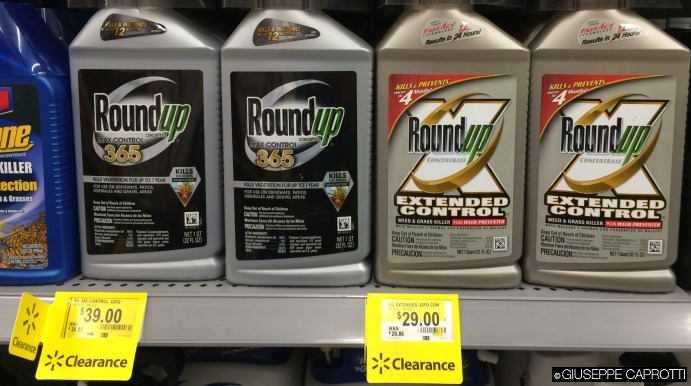
In addition to glyphosate, Monsanto is best known for its controversial Roundup herbicide , which has been linked to numerous lawsuits for its possible link to non-Hodgkin’s lymphoma. However, this controversy specifically concerns Monsanto’s role in the production and distribution of PCBs, chemical compounds banned in the United States since 1979 due to their potential carcinogenicity. Despite the ban, PCBs continue to contaminate Oregon’s ecosystem.
“This is a huge victory for our state,” said Oregon Attorney General Ellen Rosenblum. “PCBs are still present, especially in landfills and riverbeds, and are extremely difficult to remove because they bioaccumulate in fish and wildlife. Cleaning up our state from this environmental degradation will be costly and complex, but this settlement gives us the resources we need to start doing it.”
What are PCBs and why are they dangerous
PCBs are colourless or light yellow crystalline chemical compounds that were formerly used in refrigerants, hydraulic oils and electrical equipment such as transformers and capacitors. Monsanto voluntarily ceased production of them in 1977, but as early as 1937 the company was aware of their toxicity, according to the Oregon lawsuit.
According to the Agency for Toxic Substances and Disease Registry (ATSDR), exposure to high levels of PCBs can cause liver problems, chloracne, skin lesions and breathing difficulties. Recent studies indicate that consumption of PCB-contaminated fish can cause reproductive and developmental defects, as well as an increased risk of cancer in both humans and animals.
Below : Roundup on Walmart shelves