How do these concerns translate into consumer prices, especially since the food-at-home consumer price index (CPI-index of inflation) has continued to remain fairly constant
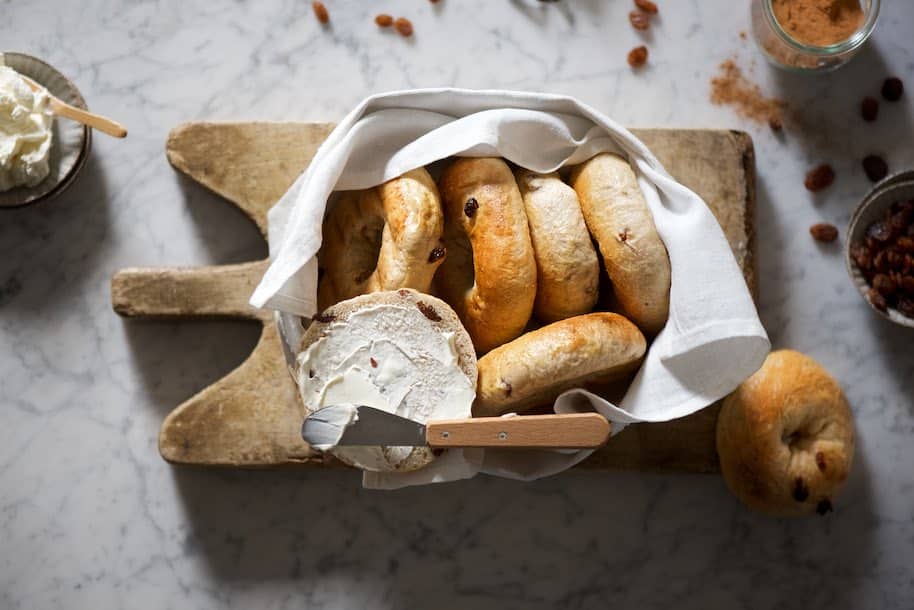
…80% of food in the US is produced domestically, some categories are particularly dependent on imports … Dr. Ricky Volpe, associate professor of agribusiness at California Polytechnic State University in San Luis Obispo, California, provided additional context during the briefing, using the example of a sultana and cinnamon bagel made with ingredients that are primarily imported.
“If 50 per cent of a bagel is subject to an average tariff of 18 per cent, the total expected increase in the cost of producing a bagel will be between 9 per cent and 10 per cent of the cost of production, which is not insignificant. These food companies are really operating on low margins, so this is a cost increase that is likely to be passed on through the chain “…
The impact of tariffs on non-food will be much more important (with China being the No 1 producer and importer), with a much longer lead time than food though, because consumption is slower and there are certainly stocks.