We discuss this in this article on polar bears, which is why we bring you this piece on this absurd practice, pushed by the Norwegian government.
No peace for whales in Norway: hunting quota increased. And what does the rest of the world do?
4 Mar 2025, 12:46 | by Indra Galbo
Despite the cetacean meat industry being in crisis, the Oslo government has given the OK to increase the number of whales that can be hunted. A practice that fortunately many are abandoning, but which still needs the attention of the international community
Listen to this article now…
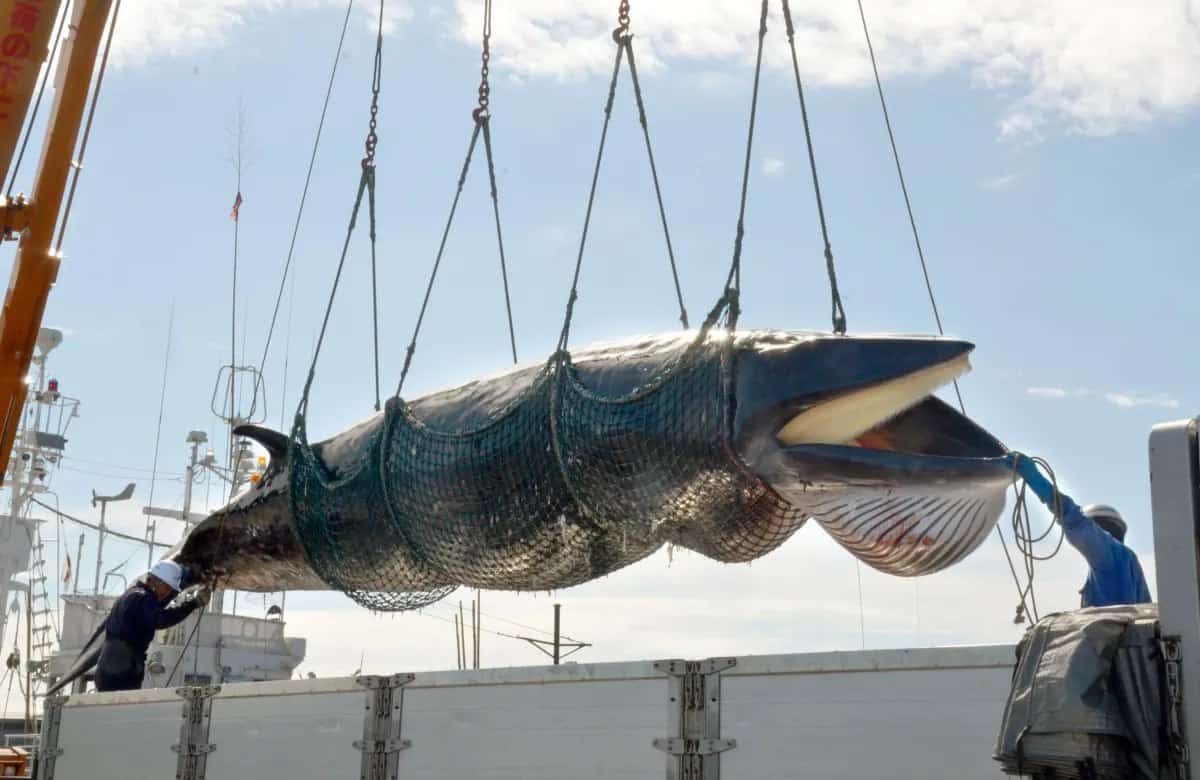
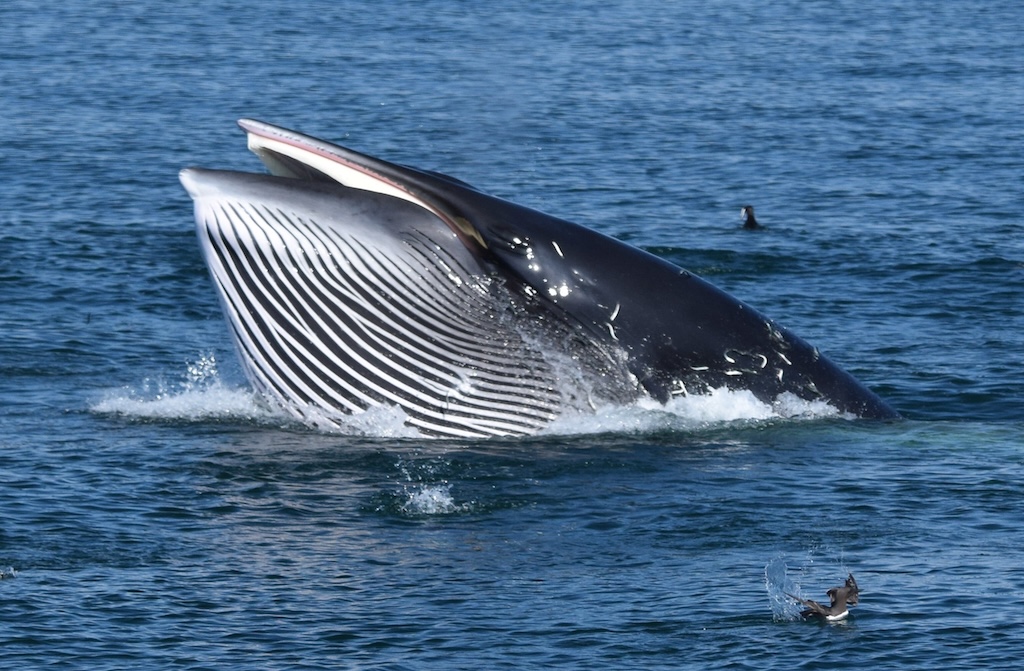
Norway ‘s Minister of Fisheries and Oceans has increased the number of minke whales that can be killed by hunters in 2025, bringing the quota to 1,406, or 249 more, despite the fact that demand for whale meat is actually decreasing across the country. Despite international efforts to limit whaling practices and ignoring the ethical, ecological and economic implications, and also ignoring the drastic decline in consumption of this meat, the Norwegian government and its whaling industry continue to persistently support commercial whaling.
The government’s reasons for supporting the hunt and the activists’ criticism
According to the Norwegian government, which explained its position in a press note, whaling ‘contributes to the balance in the ocean’. It also cites the UN’s sustainability goals, suggesting that whaling ‘provides healthy, locally sourced food’ and covers the ‘need to eat more fish’. Activist groups have questioned the validity of the arguments put forward by the Norwegian government in favour of the practice, including the claim that ‘whales devour a large number of local fish stocks, severely affecting the ecosystem’. Members of the Whale and Dolphin Conservation argue that the argument that whaling is a necessity for the nation to feed itself is simply not true. “Whales also play a scientifically proven and critical role in keeping the ocean healthy, which helps in the fight against climate collapse. Misinformation about whales as harmful to fish populations is also contrary to scientific research, because the opposite is actually true: more whales result in greater ecosystem productivity, which supports larger overall fish populations,” said Danny Groves, communications manager at Whale and Dolphin Conservation.
The decline in whale meat consumption
Contrary to claims about the cultural importance of the practice, the Norwegian whaling industry is facing declining domestic demand for whale meat. A 2021 survey found that only 2 per cent of Norwegians eat whale meat (down from 4 per cent in 2019), while no one under the age of 35 said they often eat whale meat.
Overview of cetacean hunting in the rest of the world
Despite a global moratorium on commercial whaling in 1986, there are still countries that unscrupulously adopt the practice. One of these is Japan, which, as Sea Shepherd reports, despite the Australian Federal Court declaring Japan’s whaling illegal in 2008, the practice has continued for years without sanction from the Australian government. In 2014, the governments of Australia and New Zealand took the government of Japan to the International Court of Justice in the Netherlands, where their whaling in the Antarctic Ocean was deemed illegal. The Japanese government continues to send its whaling fleet to the Antarctic Ocean every southern summer, with a redesigned programme and a self-imposed quota to kill 333 protected minke whales each year.Iceland is one of the whaling countries that has separated from the Iwc the longest. Since 1991, it has decided not to remain in contact with the organisation that supports restrictions on commercial whaling. This nation is one of three that captures whales for profit. In 2015, some supporters of the hunt believed that these large animals eat all the fish. A decade ago less than