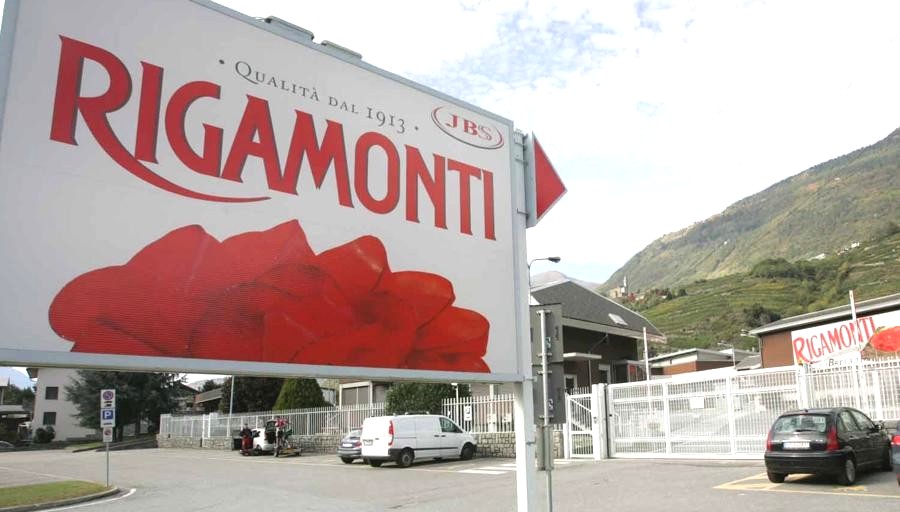
Above : JBS owns Rigamonti in Italy
A new study conducted on 33 of the world’s largest meat and dairy producers reveals an alarming reality: behind the promises of sustainability lies an almost total greenwashing operation. According to the analysis, animal agriculture is responsible for at least 16.5% of global greenhouse gas (GHG) emissions. Despite this, companies’ communication strategies seem to be aimed more at reassuring investors and consumers than at bringing about real change…
Danone and Nestlé under the lens
The study cites industry giants that dominate the global scene. Danone holds the record for the highest number of total environmental declarations (106), while Nestlé leads the ranking for future promises (55). In terms of investments, Nestlé reported allocating around $4 billion to net-zero initiatives, accounting for the vast majority of the environmental capital declared by the companies in the sample.
The report criticises the pledges, calling them often “unverifiable future projections” that lack clear and practical implementation plans. Despite the high number of declarations, the study notes that almost none of them are supported by authoritative scientific evidence.
Of the total 1,233 claims analysed in the industry, only three were supported by scientific literature, and none of these belonged to Nestlé or Danone (companies cited for scientific support are Fonterra, California Dairies and Perdue).
The Jbs case
Many of these promises lack transparency. The Brazilian giant Jbs, the world’s largest meat company, has been cited for announcing a ‘net zero’ target by 2040, but has been sued by the New York Attorney General’s Office on charges of making misleading claims without a concrete plan.
The claim was called misleading because the company would not have a clear, transparent and achievable plan to reach this goal. Other companies such as Tyson Foods, Danish Crown, Arla Foods and Fonterra also ended up at the centre of legal challenges or criticism for misleading advertising…
All this comes as Italy implements a directive against greenwashing and the Mercosur agreement enters into force, for which – in food – transparency will be crucial.
On this subject you can read Food, environment and health: what could happen with the Mercosur-EU agreement.
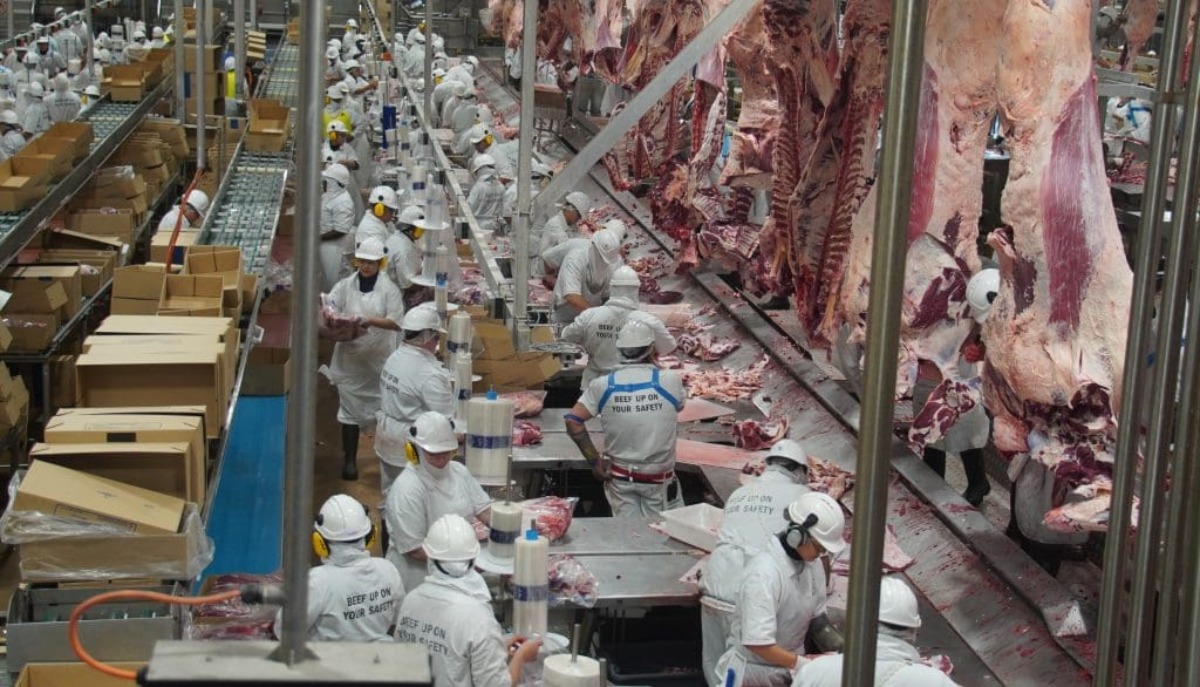
Below: JBS factory