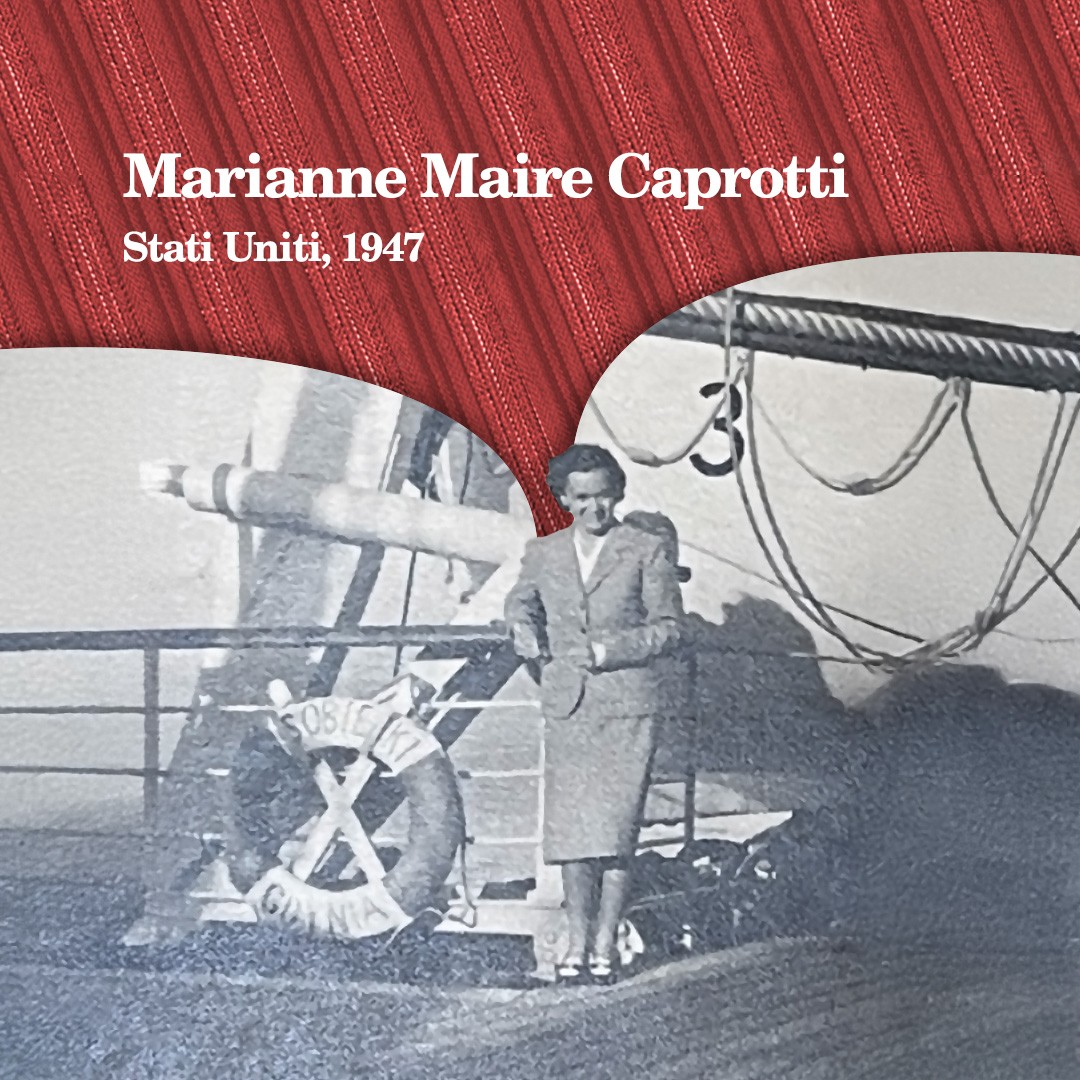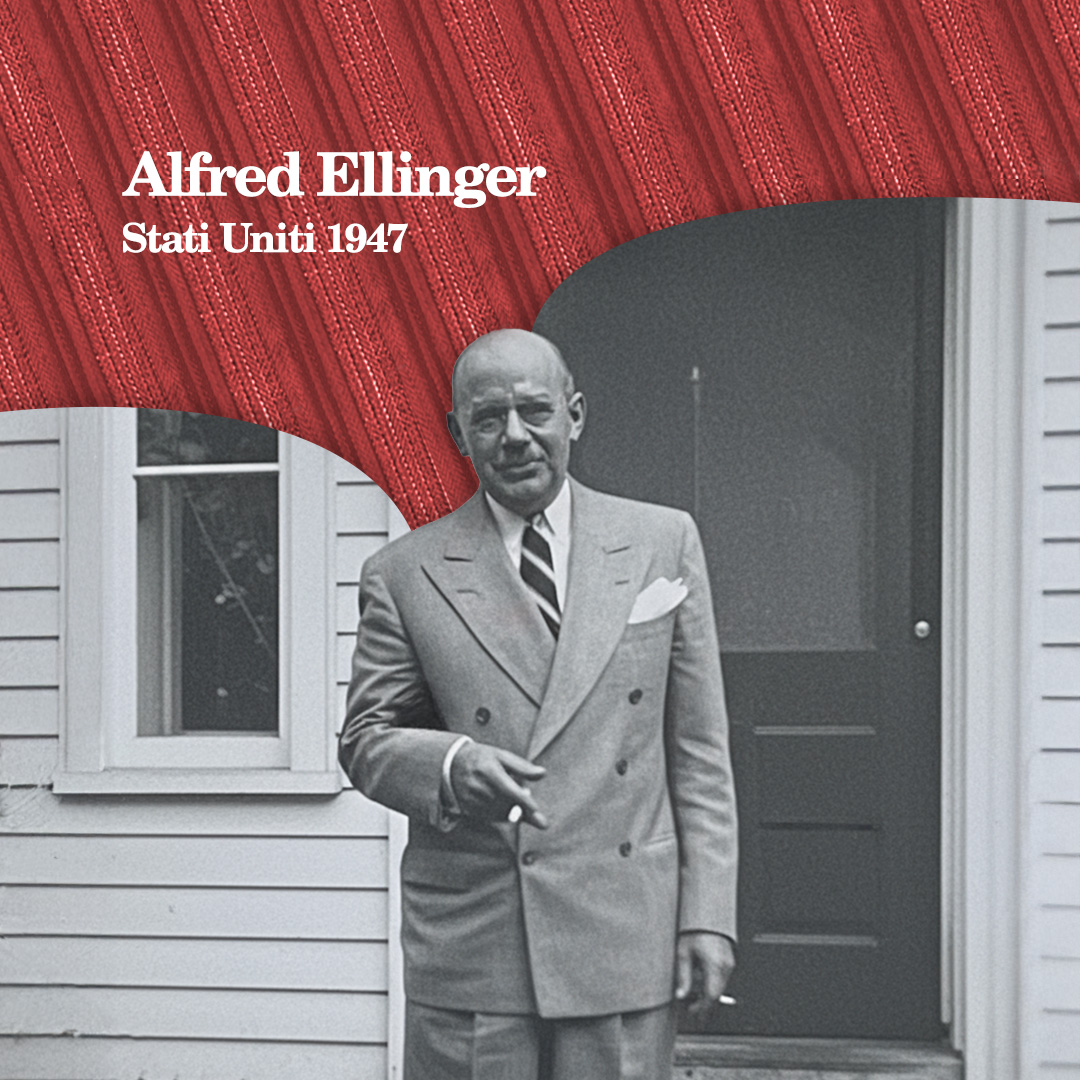
Among the many marriages in the large family of my grandmother Marianne Maire Caprotti, one caused quite a stir: one of her mother Fernande Kampmann Maire’s sisters, her 19-year-old aunt Lucie Amélie, married an American!
The groom-to-be, civil engineer Julien O. Ellinger, who appeared with her on 8 December 1893 before the deputy mayor of Épinal, was in fact born in Baltimore thirty years earlier, on 12 October 1862, the eldest son of the late Samuel and Emma Wolfe. In the 1910 New York City census, Julien’s parents are listed as having been born in Germany, whilst their son was already in Maryland: it is reasonable to assume that the Ellingers were also Alsatians (the name is common in the region), and that they had emigrated overseas, whilst maintaining close contact with relatives who had remained in France.
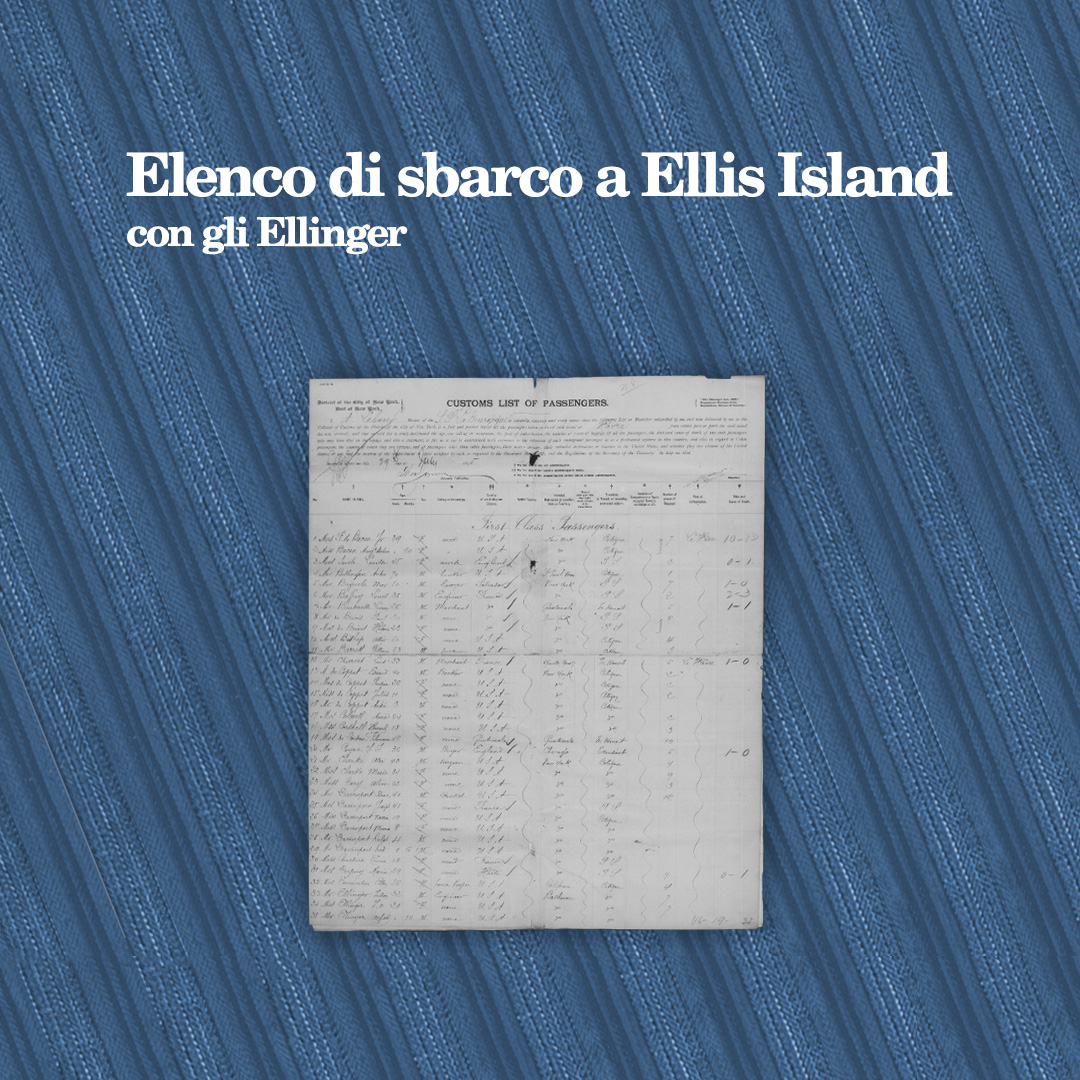
Julien (Julian, in his homeland) brought his wife and their newborn son with him to America. Thanks to a surviving passenger manifest, it is easy to conjure up images from early 20th-century films of European passenger ships arriving at Ellis Island in New York Harbour, amidst waving handkerchiefs and a shower of festive confetti. On 29 July 1895, the first-class passengers disembarked from the ship ‘La Bourgogne’ to widespread admiration; amongst them were the engineer Julian O. Ellinger, his wife Lucie and their 10-month-old son Alfred.
The couple settled in New York, in Manhattan, where, according to the censuses, Lucie’s aunt lived for at least 25 years with her husband (who died in 1926) and their two children, Alfred Mallarmé Ellinger (1894–1972, probably named in honour of his maternal uncle, Rear Admiral Alfred Mallarmé, to whom his mother was very close), and their daughter Marcelle Ellinger, married name Raisbeck (1898–1999).
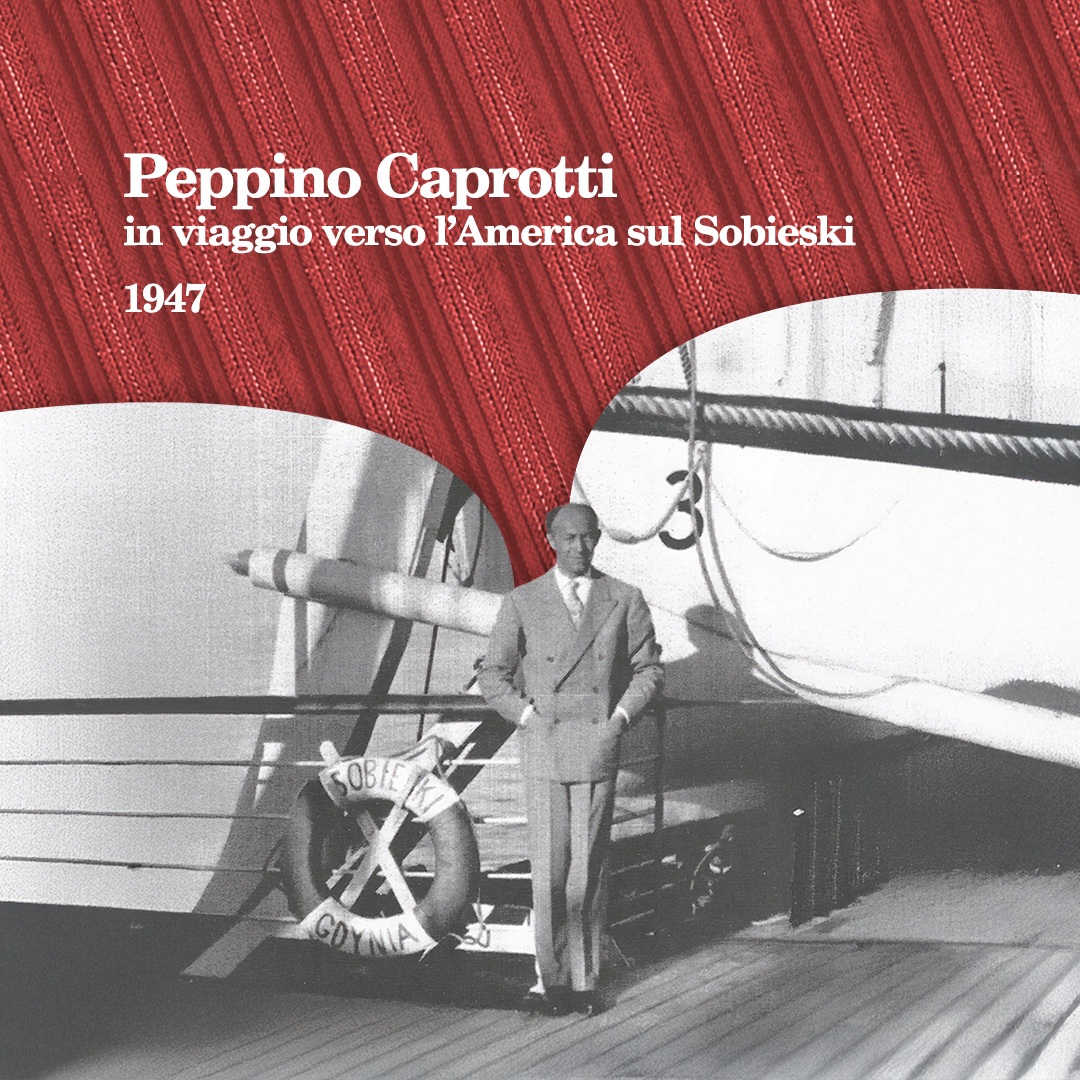
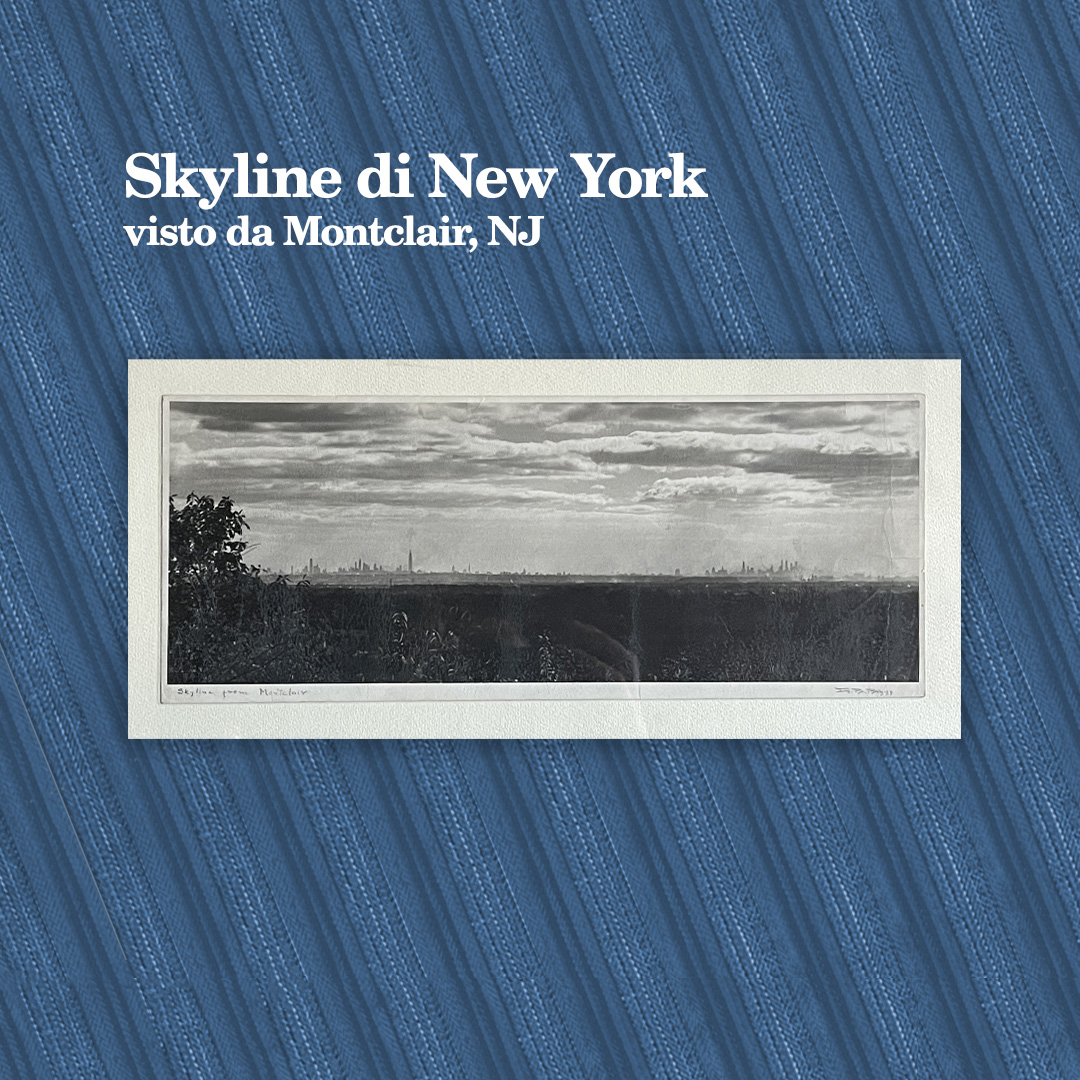
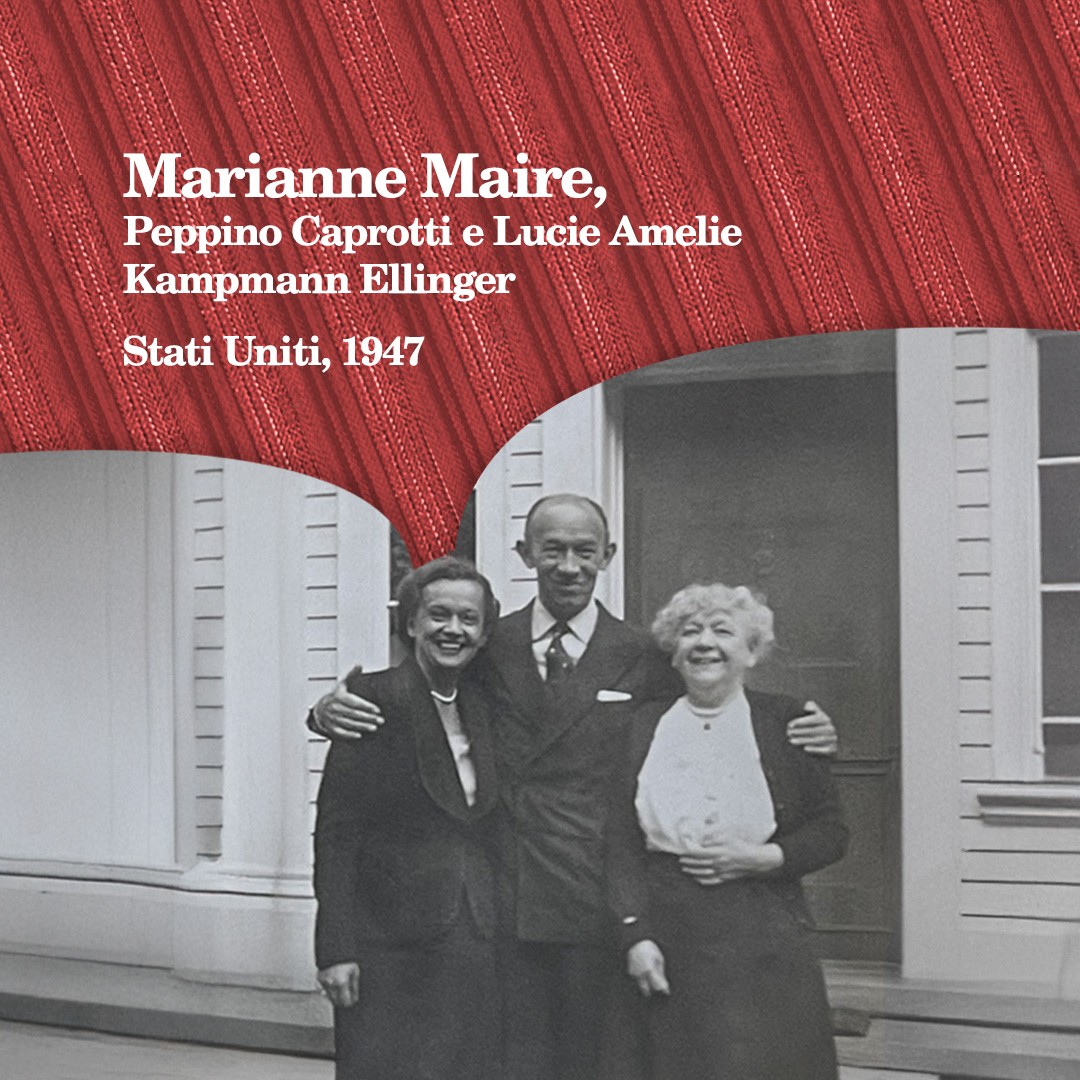
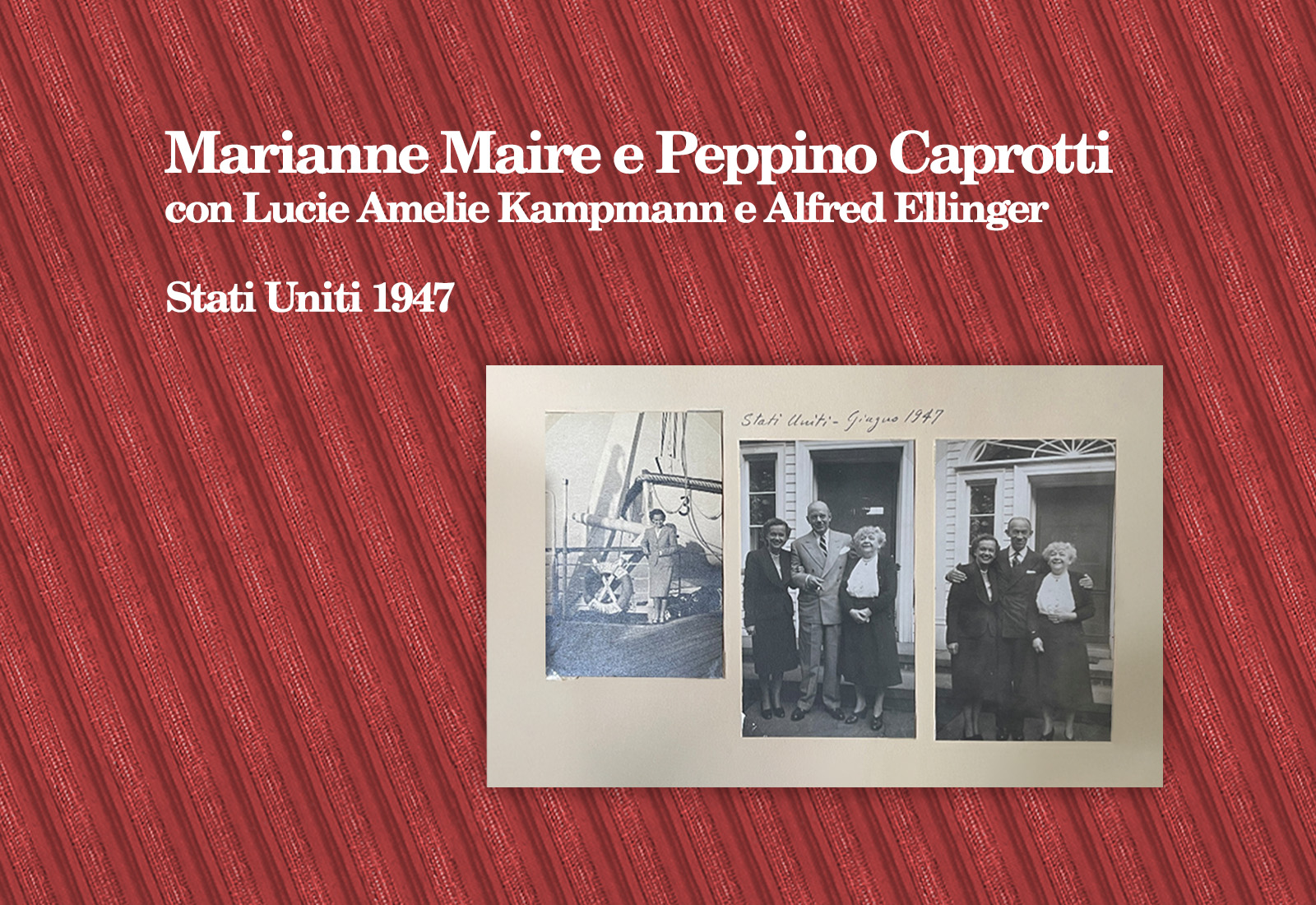
In June 1947, my grandfather Peppino Caprotti and my grandmother Marianne made that same journey, visiting Aunt Lucie and their cousins in Montclair (New Jersey), where Alfred lived – a pleasant residential area not far from New York, offering a perfect view of the city’s skyline, which someone captured in a beautiful drawing still lovingly preserved today by Uncle Claudio, the youngest brother of my father Bernardo. On their return from that trip, my grandparents are seen smiling alongside Aunt Lucie, now an elderly woman, and cousin Alfred (photo above).
That meeting marked a landmark moment for Peppino and for Manifattura Caprotti: “His [Peppino’s] masterpiece came to fruition after the Second World War. A cousin of Grandmother Marianne, who had emigrated to the United States, had joined President Harry Truman’s staff, and Peppino was able to put his advice to good use to secure funding from the Marshall Plan. Manifattura Caprotti was thus able to purchase state-of-the-art mechanical looms, restoring its status as a leading player in the national textile industry. This success opened the doors of Milan’s high society to Peppino, and his grandfather also demonstrated remarkable financial acumen, investing in the stock market and building up a substantial fortune which his three sons later used to acquire control of Esselunga.” (Caprotti, “Le ossa”, p. 40).
Instead of the legendary uncle from America, we have the cousin, who is no less valuable.
P.S.: The discovery of my grandmother’s cousin’s real name and what he actually did came after I had written my book. Alfred did not work for Truman but held a senior position at a prestigious American bank, which had enabled him to make important connections.
Sources:
CIVIL REGISTRY – ARCHIVES OF THE VOSGES, EPINAL,‘Marriage of Julien O. Ellinger and Lucie Amélie Kampmann, 8 December 1893’.
ELLINGER, Julian O., profile on MyHeritage.
“Lucie Amélie Ellinger (Kampmann) (1874 – d.)”, profile on GENi.
“Mrs J O Ellinger, ‘New York Passenger Arrival Lists (Ellis Island), 1892–1924’
“Lucie Ellinger in the household of Julian Ellinger, New York State Census, 1905”and “New York State Census, 1910”
“Alfred Ellinger”, profile on “AncientFaces”.
Bibliography:
CAPROTTI, G., “Le Ossa dei Caprotti. An Italian History”, Milan, 2024/3.
ID.,“The Caprotti Family: from textiles – with the Manifattura – to Esselunga”, 27/09/2025.
ID.,“My grandfather Giuseppe Caprotti, known as Peppino (1889–1952), the First World War, the textile factory and Esselunga”, 27 March 2024.