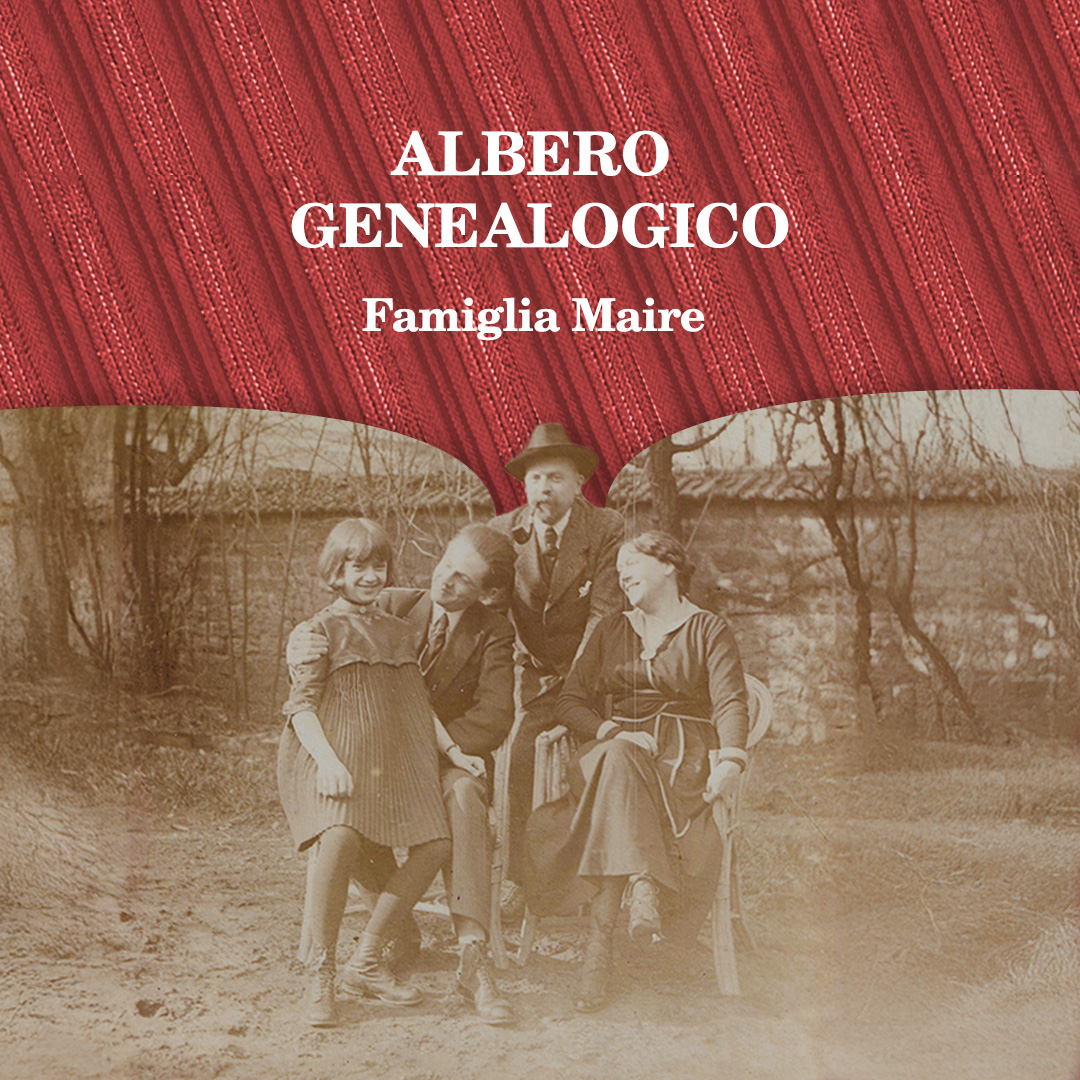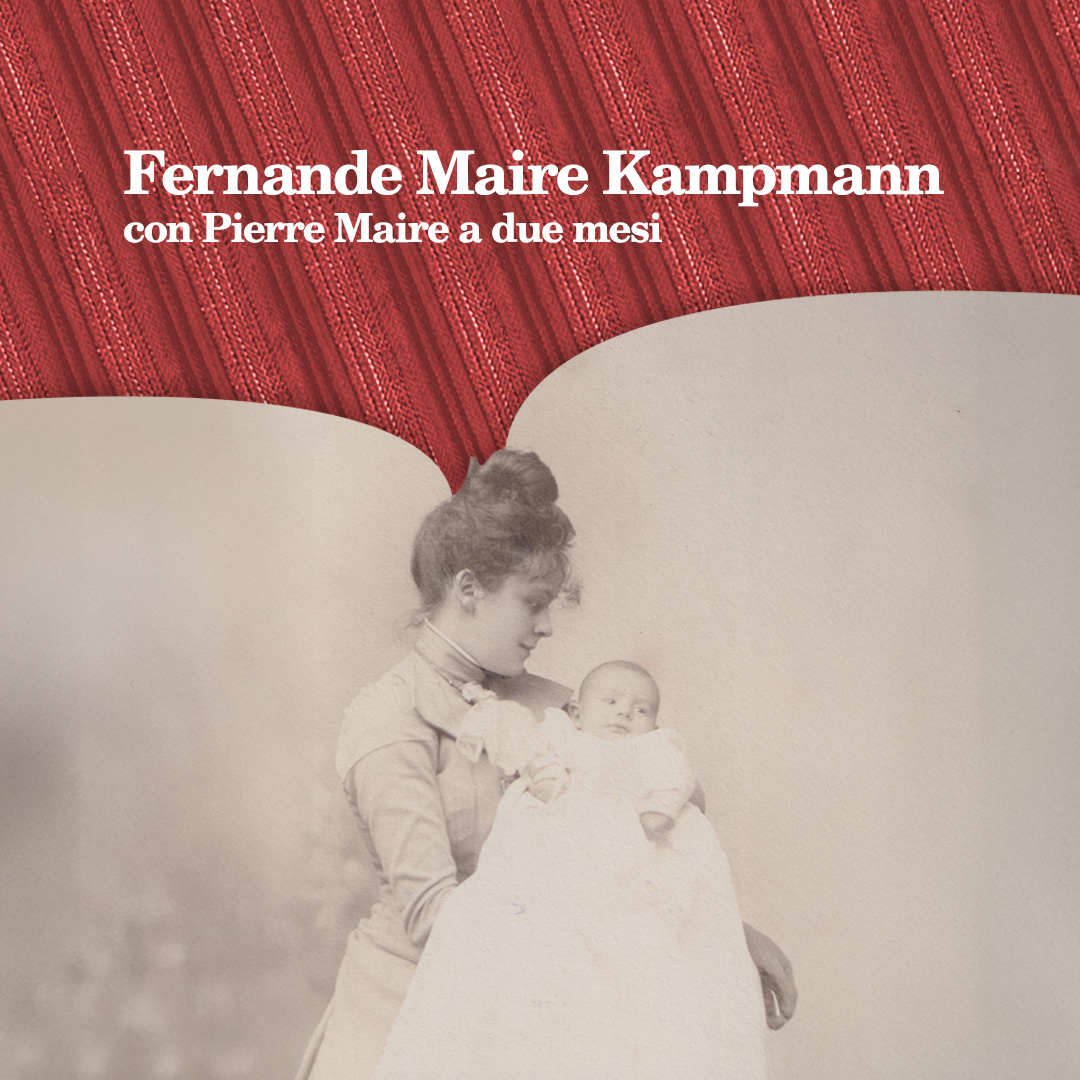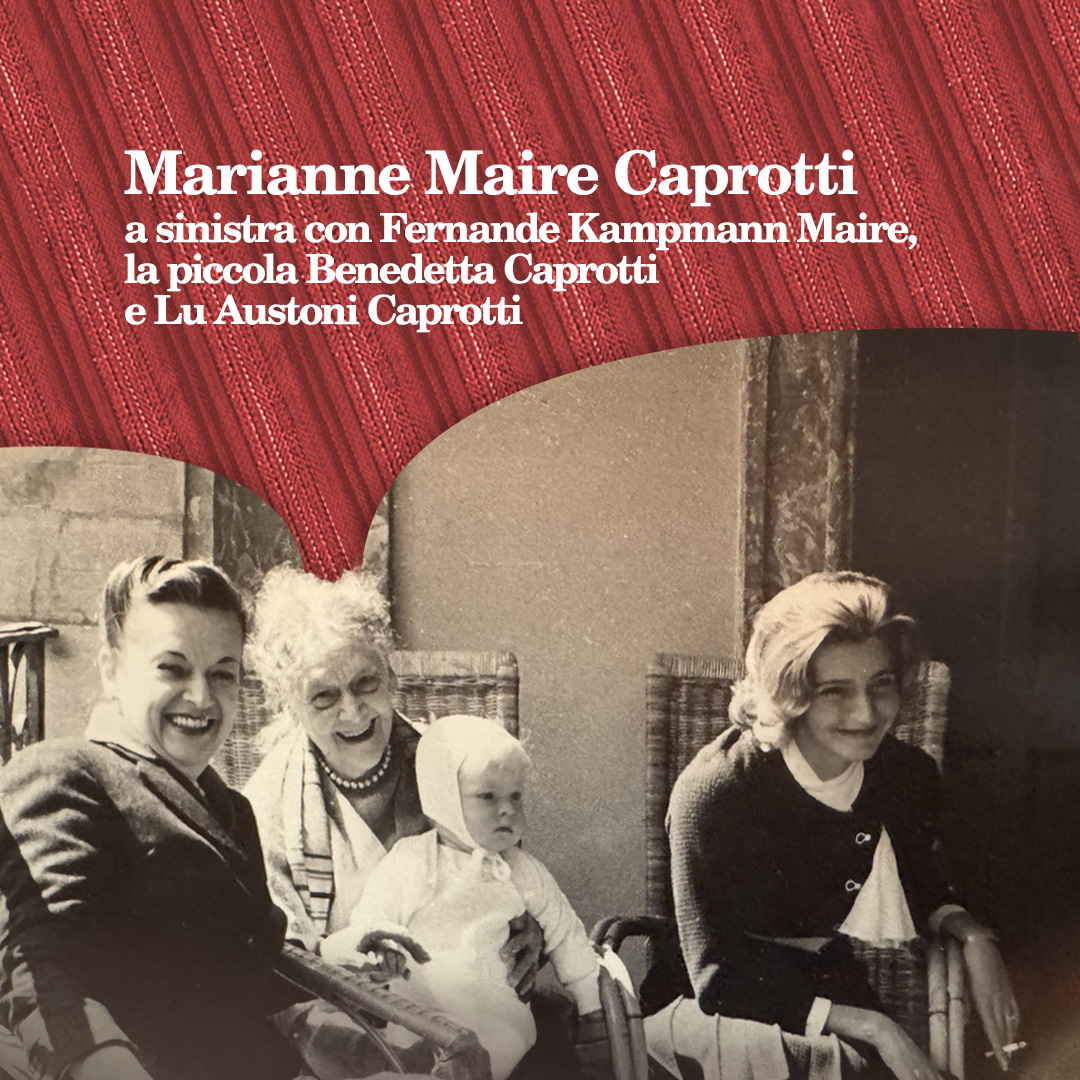
In the book ‘Le Ossa dei Caprotti’, family memory emerges as a thread that runs through the generations, without ever running out. It is precisely by following this thread that, alongside the history of the Caprotti family, the roots of the Maire, Mallarmé, Kampmann and Koechlin families resurface, linked to my grandmother Marianne Maire Caprotti, a Frenchwoman from Alsace. These pages preserve her memory.
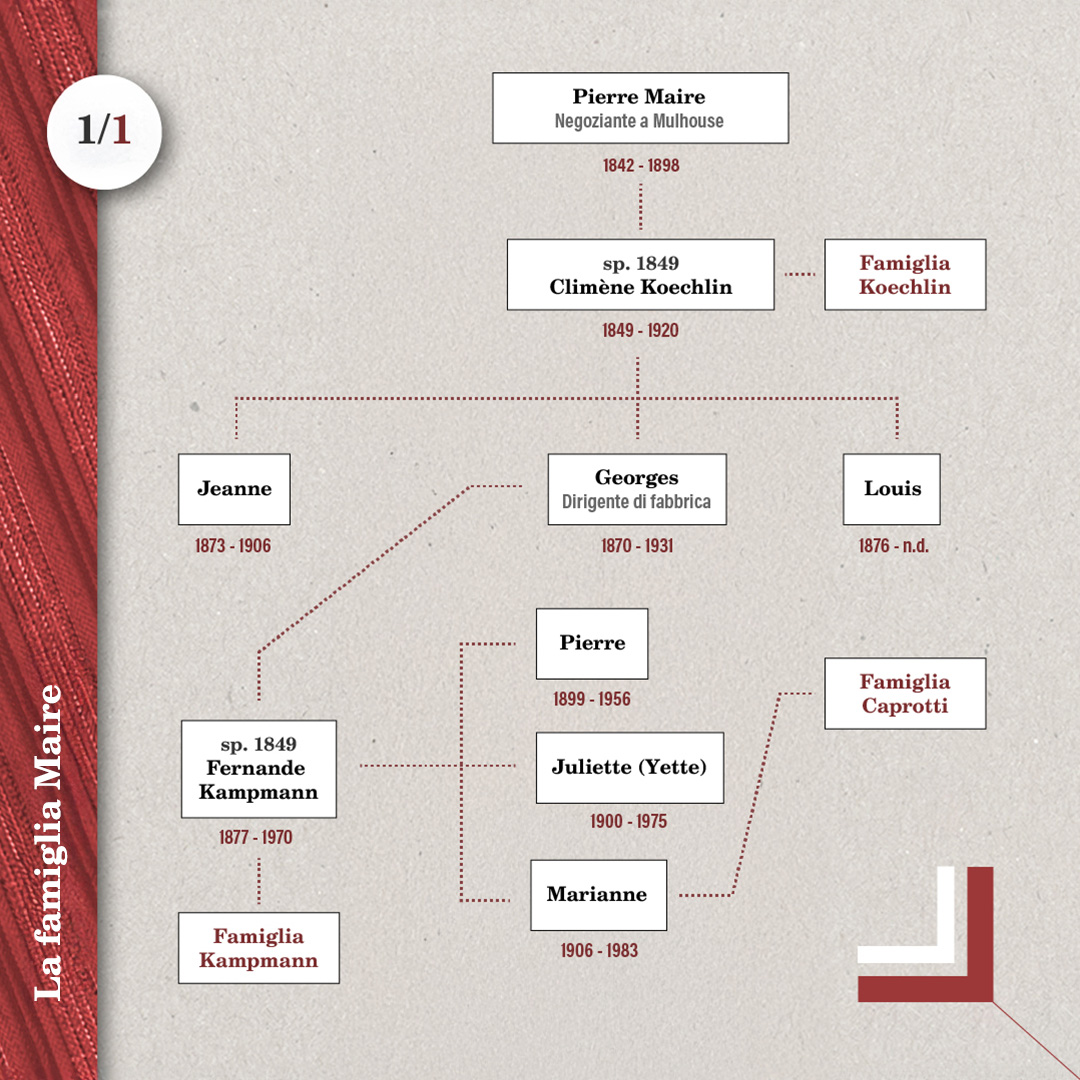
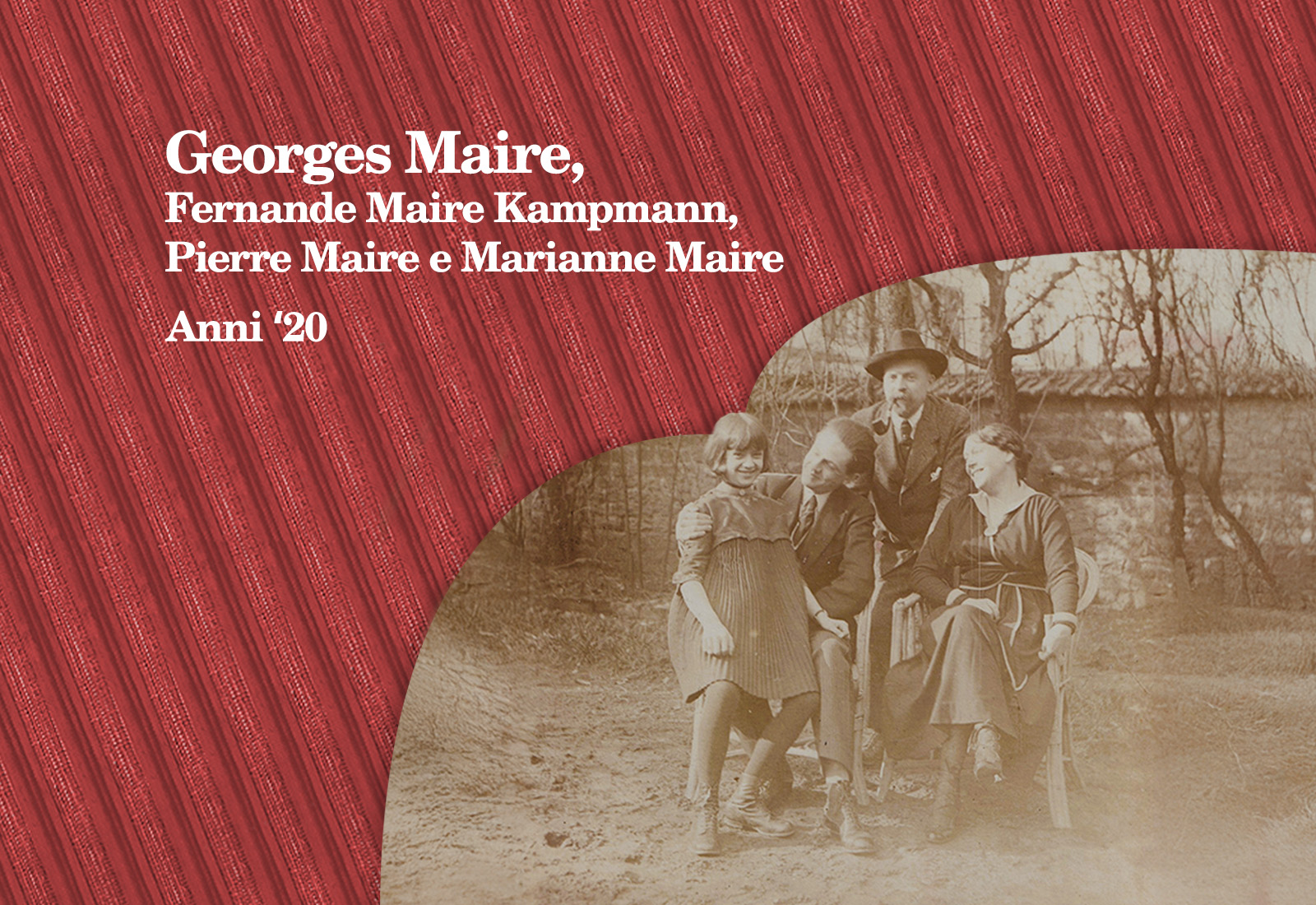
Married on 27 September 1897, at the age of 19, to 27-year-old Georges Maire ’employé de commerce’, a commerce employee, she is the mother of three children:
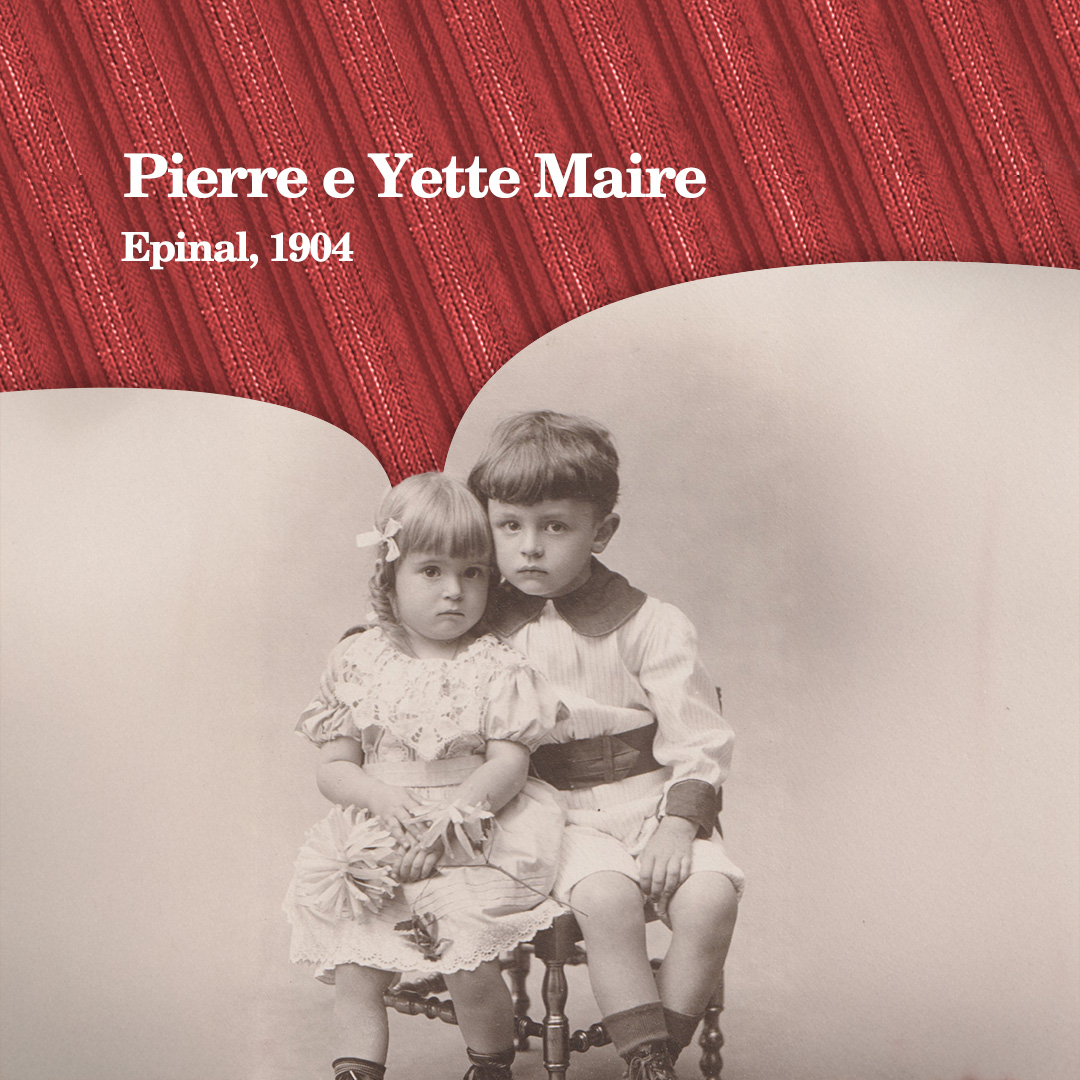
Pierre (1899-1956), a very talented musician, a famous concert pianist and one of the souls of music in Épinal;
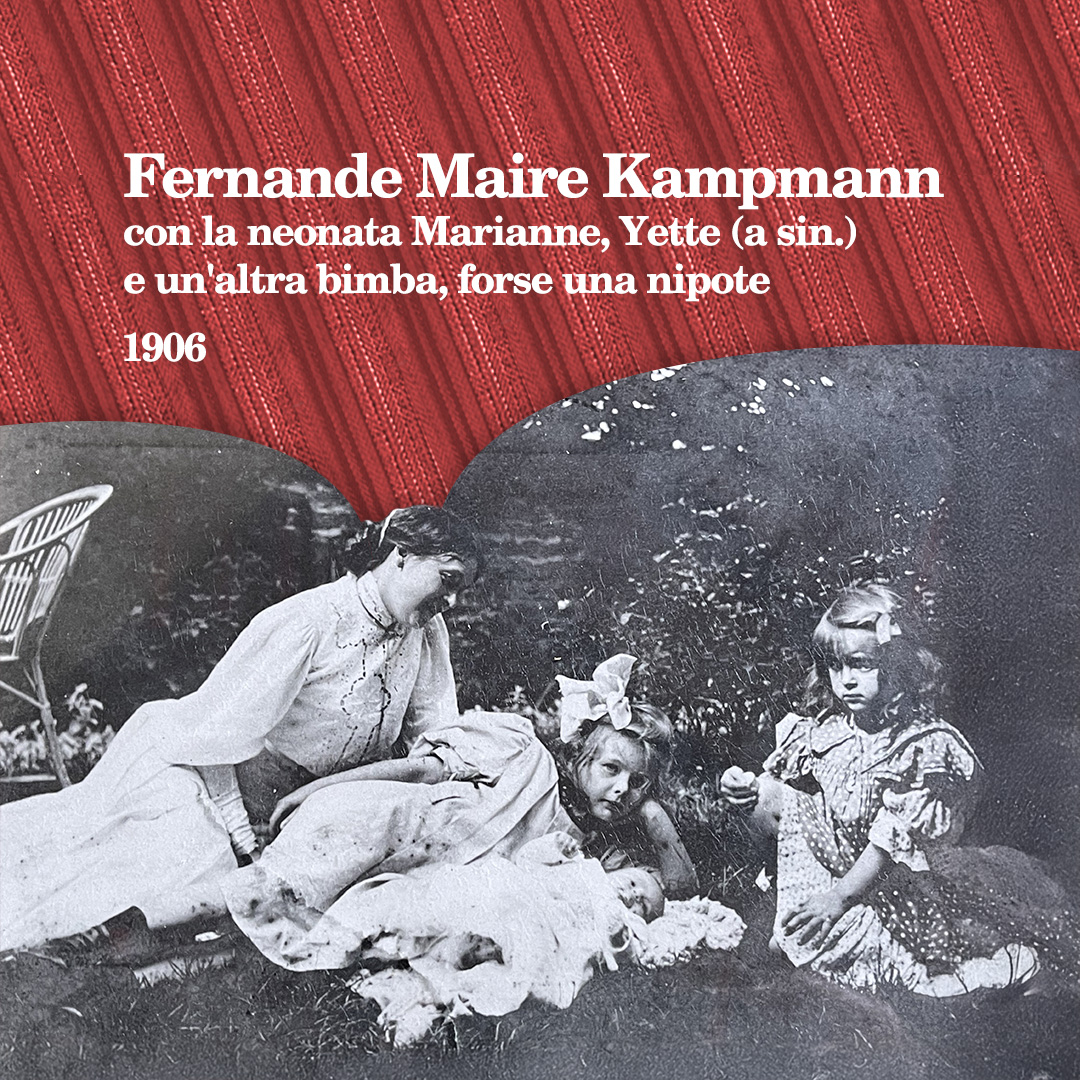
Juliette (known as Yette, 1900-1975), a woman of character, like all women in the family, who married Léon Roger Baumgartner in 1929 and had two children, Yves and Nicole [the only one I have not met is Yves].
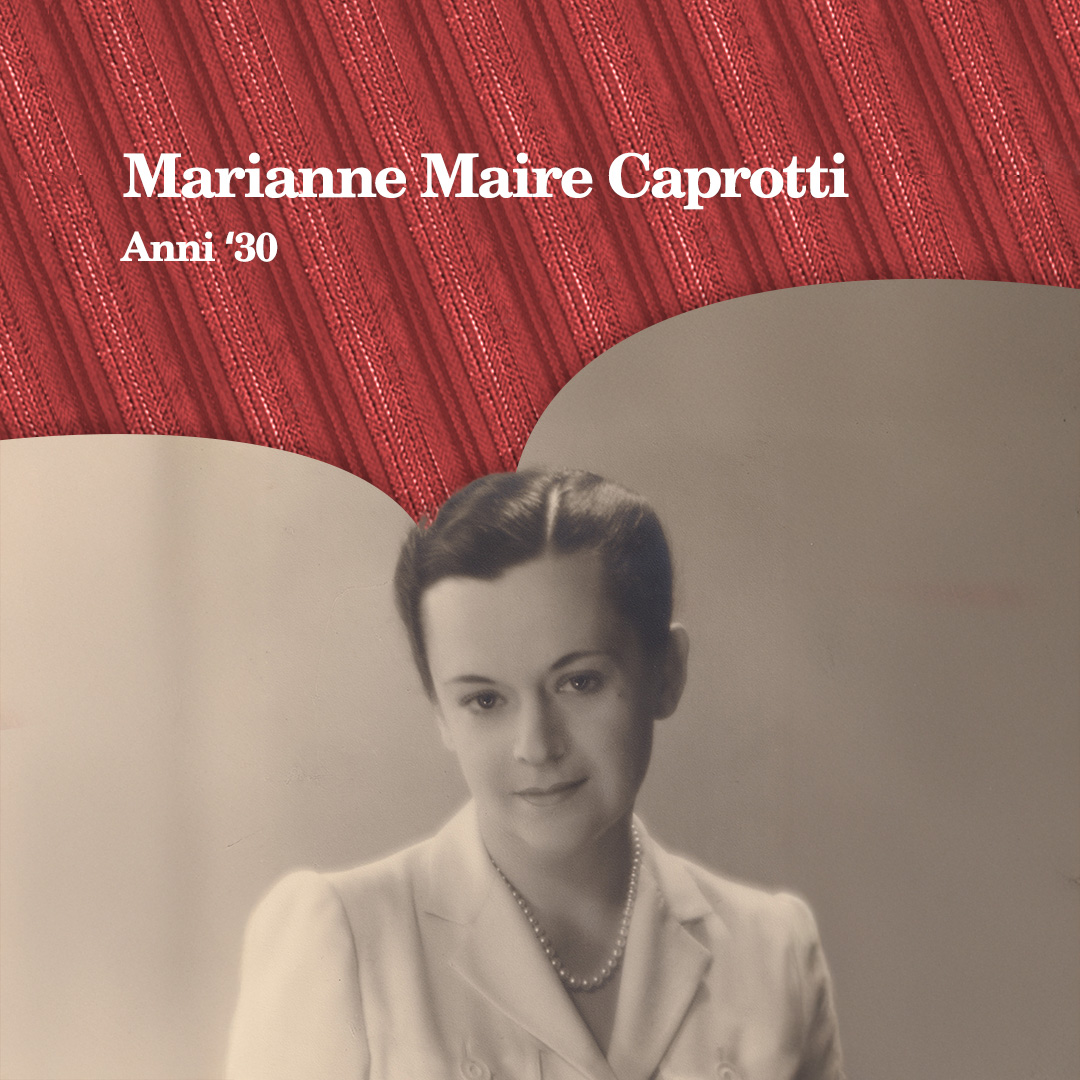
Marianne, my paternal grandmother (1906-1983), who married my grandfather Peppino Caprotti in 1924 and followed him to Italy.
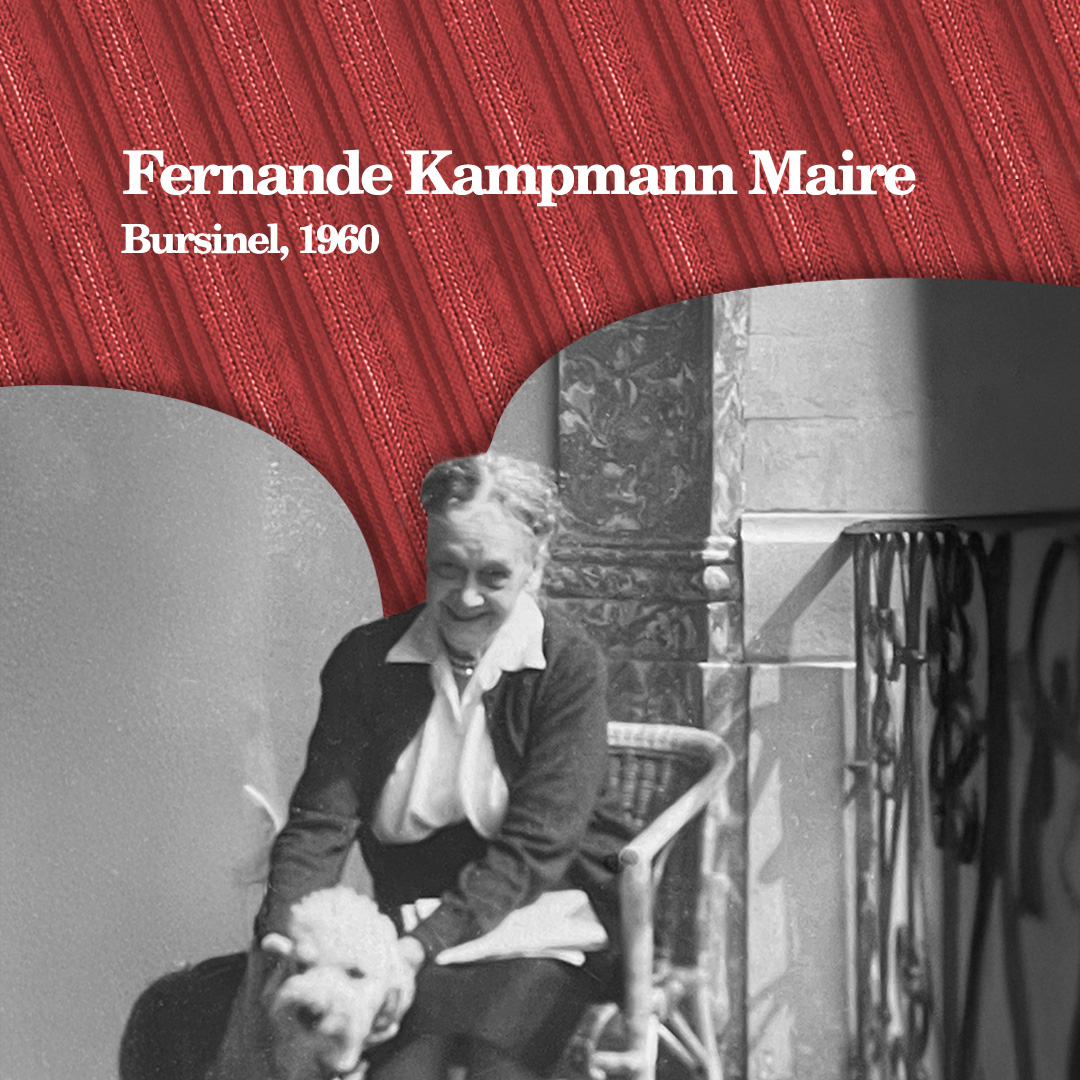
Fernande is an affectionate mother-in-law to Peppino, with whom she exchanges a dense correspondence throughout her life. In the memories of Uncle Claudio, the last of my father Bernardo’s brothers, Fernande – whom I met in Bursinel and whom I remember with deep affection – is a tourbillon of vitality and laughter . Very thin – ‘she survived on water and Meritene’, still today a well-known vitamin and protein food supplement -, she is a firework, entertaining her nieces and nephews with the story of plays in which she played all the characters. The memory of her uncle then moves to Paris, where she has long conversations on every subject with her and Simone, wife of Pierre, grandmother Marianne’s older brother.
Her great-grandmother Fernande died in Paris, at her home in rue de Maspéro, on 1 October 1970. Many years later, the Parisian flat would be the site of a heavy clash between my grandmother and me over the events that pitted Guido and Claudio against my father Bernardo.
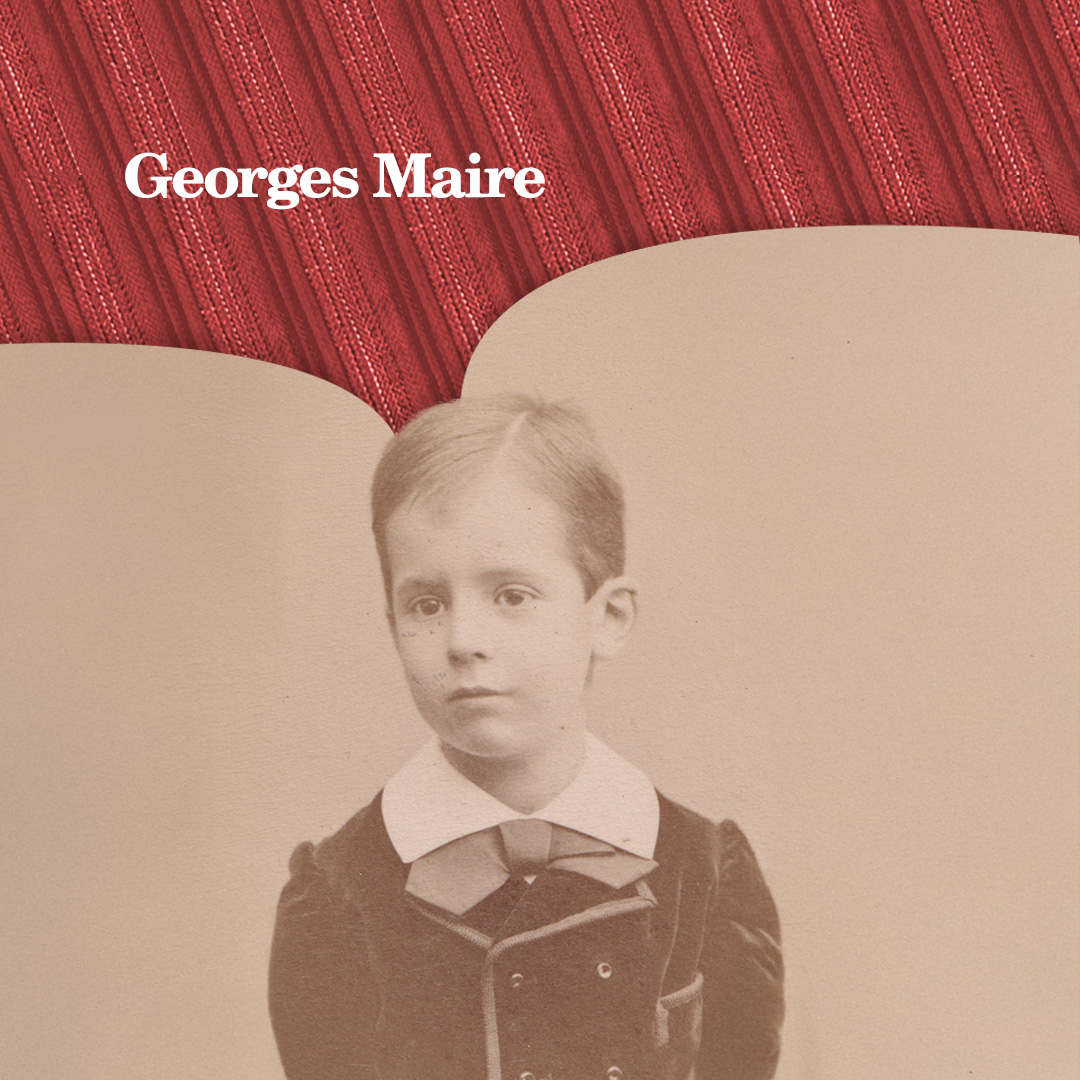
His great-grandfather Georges was born in Mulhouse on 7 July 1870, the son of Pierre, a ‘shopkeeper’, and his wife Climène Koechlin, a member of one of the city’s great industrial families, who had married the year before. It is conceivable that Pierre moved to Épinal as many others did, the Koechlins themselves and also the Mallarmés, the family of his mother-in-law Anne Lucie, after the Franco-Prussian War and the annexation of Alsace-Lorraine to the newly-born German Empire: those who wished to remain French moved to other regions, took French citizenship and rebuilt or set up their businesses from scratch. Industrialists who crossed the ‘Blue Line of the Vosges’, the border marking the new boundary between France and Germany, often made the fortunes of the places that welcomed them.
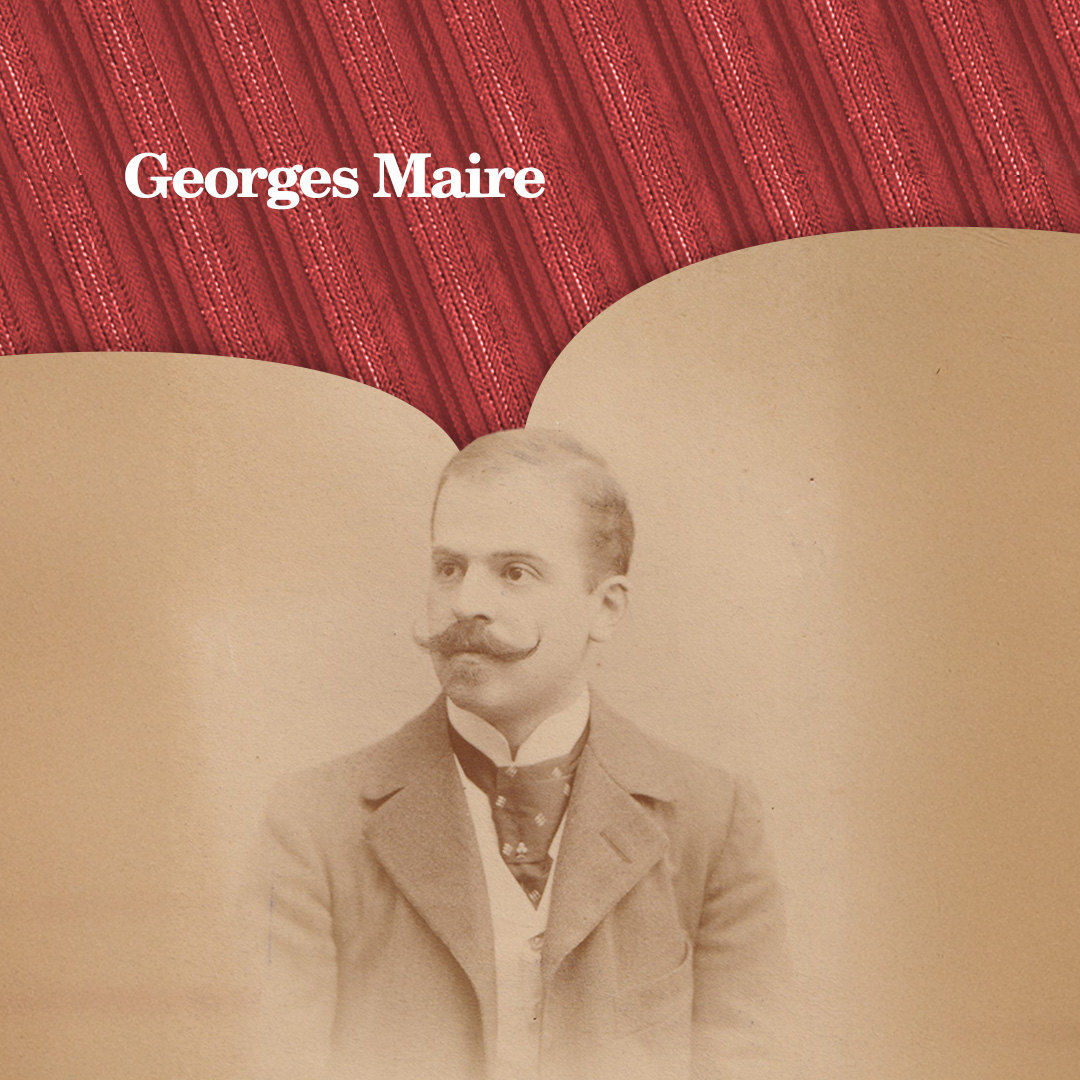
In the 1911 census, Georges went from ’employé de commerce’ to ‘Directeur du comptoir’, translatable, in this case, as Branch Manager. Most likely, the leap came about thanks to the creation of the Comptoir de l’Industrie Cotonnière (CIC), a group created by Marcel Boussac in 1911, with headquarters in rue Gambetta, where the Maire family resided.
To train managers, engineers and foremen, the only specialised school was the one in Mulhouse on the German side. To replace it on the French side, the Cotton Union of the East established the Ecole supérieure de filature et de tissage de l’Est in 1905, which soon became very renowned. This is where young grandfather Peppino was sent to become acquainted with technique and business administration, where he met Marianne Maire, the Maire’s youngest daughter, and where he married her in 1924.
Although the data is still scarce (research is only just beginning), there seems to be a certain parallelism with what was the story of my other great-grandfather, my maternal grandfather, Giuseppe Venosta, in those same years a young engineer at Pirelli, who starting from the beginning ended up as General Manager, even if only for a few months because he died quite young.
Georges left at the age of 61, on 26 March 1931.
Many photographs remain of him, many letters exchanged with his son-in-law, my grandfather Peppino, both business and family. He often came to Italy to visit Marianne, his ‘Nane’, but dying in 1931, he left no great memories for his grandchildren, who were still too young. Fortunately, his correspondence gives us a portrait of an upright businessman – there is a continuous exchange of cheques, documents and business proposals between him, his son-in-law Peppino and his brother-in-law Ernesto Thomas, husband of his sister Silvia and also a successful textile entrepreneur – but also of an affectionate man who was present in his family’s life, who loved hunting, dogs and grandchildren.
Sources:
Florence, Claudio Caprotti Archives, Photographic Archives.
“Maire, Georges”, entry in “Filæ. Registre des naissances en France – Etat civil à partir de 1529′.
Bibliography:
N. STOSKOPF, ‘KAMPMANN’, entry in ‘Fédération des Sociétés d’histoire et d’archéologie d’Alsace’, 1993.
J. KŒCHLIN, ‘Tableaux généalogiques de la famille Kœchlin, 1460-1914’. Mulhouse: E. Meininger, 1914, plate 307.
S. KUHN, ‘Les industriels honorés à Saint-Michel‘, ‘Vosge Matin’, 11 September 2018.
FOCUS. “L’Industrie textile dans le Pays d’Epinal”, p. 20.
“École supérieure des industries textiles d’Épinal (ESITE)”, voix dans “Wikipédia, L’encyclopédie libre”.