The economic-political formula of the supermarket inaugurated in Venezuela, anti-poverty in a genuinely philanthropic function as well as in an anti-Soviet political function, has certainly proved highly profitable for both realities, inspiring similar projects in Brazil, Peru, Argentina, Puerto Rico, but not only. IBEC crossed the ocean to bring its project also to Europe, under the nose of the great antagonist, and used counter-intelligence elements to sound out the possibilities and choose a suitable nation.
Among the ‘hounds’ is also JamesHugh Angleton, father of James Jesus, one of the most famous and controversial heads of the CIA and himself, during the war, part of the OSS, the predecessor of the agency directed by his son. No one better than he, who has lived in Italy for some time and, as President of the US Chamber of Commerce in Italy, has all kinds of connections, to assess the Bel Paese as an interesting location for IBEC.
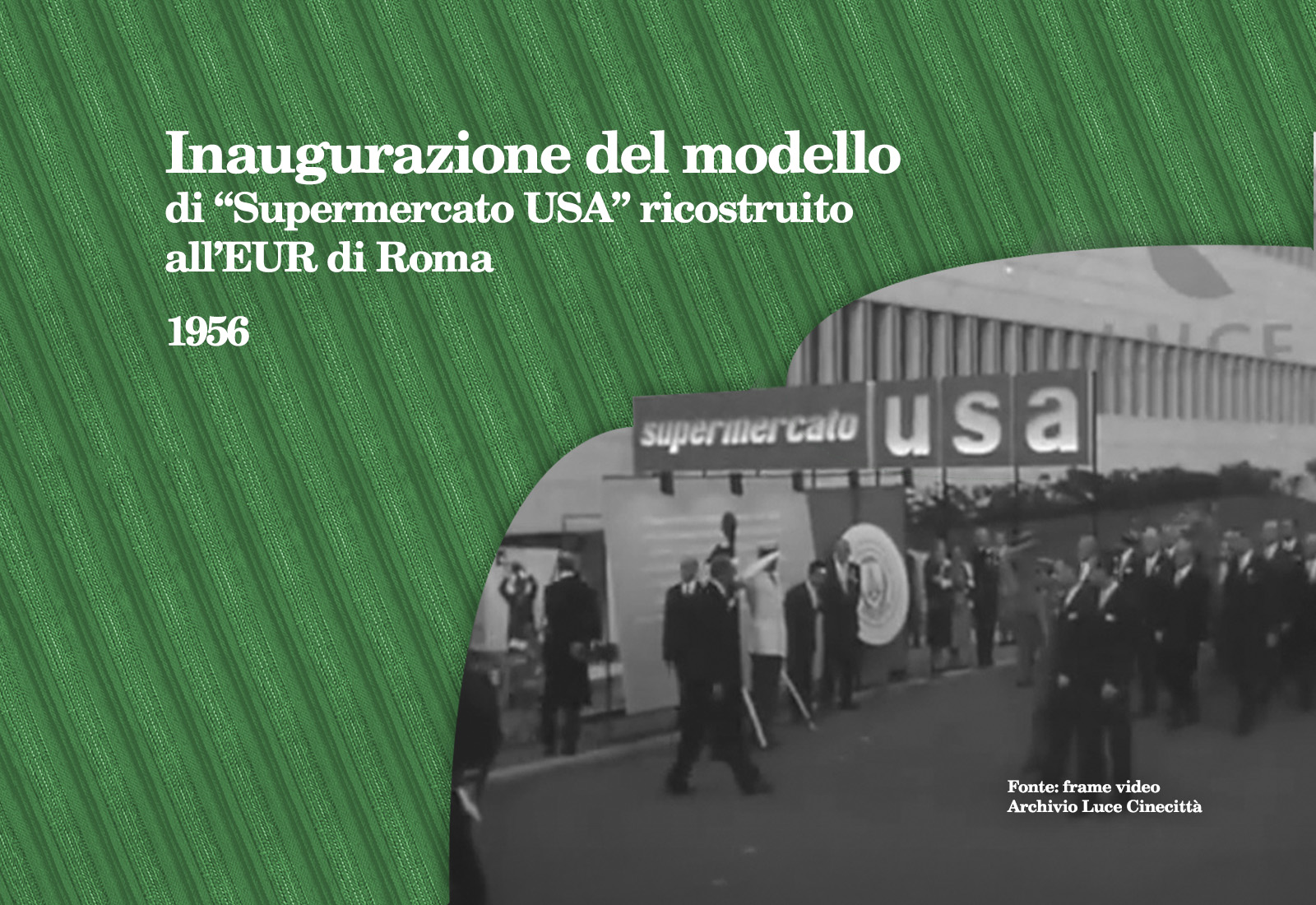
Italy is a crossroads country in practically every field, and events with a broad international scope have always been held there. In June 1956, the Third International Food Distribution Congress opened in Rome at the Palazzo dei Congressi in EUR. The most interesting sector is represented by ‘a so-called supermarket. These are vast shops common in the United States that group together under one roof everything you need for the canteen’, as described in a very short Istituto Luce newsreel, still with the setting, rhetoric (and voice) of pre-war regime newsreels, which frames the President of the Republic Giovanni Gronchi and the inaugural committee in front of the ‘USA supermarket’ sign. The fact that the products on display (not purchasable, of course), included not only foodstuffs but also other items – a pretty young lady/customer even puts a doll in her trolley – seems not to have been noticed, so much so that the commentary reiterates the food concept by talking of ‘gastronomic department stores’, while the absence of shop assistants and the ‘sliding floor’ quietly leading the shopping to the till, ‘all in the name of convenience and… good faith!’(SI1419 Inaugurated in the Eur ‘supermarket’, http://www.cinecittaluce.it ).
Those who, on the other hand, have understood what it is all about are the Roman housewives. Wayne C. Broehl, then professor of business economics at Darthmouth College and author of one of the most comprehensive essays on IBEC, even begins his paragraph on Italy with the example of the ‘US supermarket’, given the enthusiasm shown by the female visitors, which did not escape even the prestigious magazine ‘Business Week‘:“Roman matrons fall in love with the ‘One-Stop’ shop “, the newspaper headlined in July 1956, a month after the inauguration of the convention and some 35.000 people crowded the complete supermarket model every day, admiring its stock of 2,500 US food items. Housewives who ‘used to spend up to two hours a day shopping in 10-30 small shops were amazed and excited at the idea of being able to buy everything under one roof. If they could make the decision, the ‘Business Week‘ journalist concluded, the supermarket ‘would conquer Italy’.
IBEC officials, says Broehl, agree with her. They have already conducted extensive analyses of more than one European state just that year, and found that Belgium and Italy offer excellent opportunities. And, ‘for the reasons highlighted by ‘Business Week’, the latter was chosen as the [country for IBEC’s] first European supermarket transplant’, despite the elephantine and mysterious bureaucracy they were well aware of. (BROEHL, The International Basic Economy, p. 100).
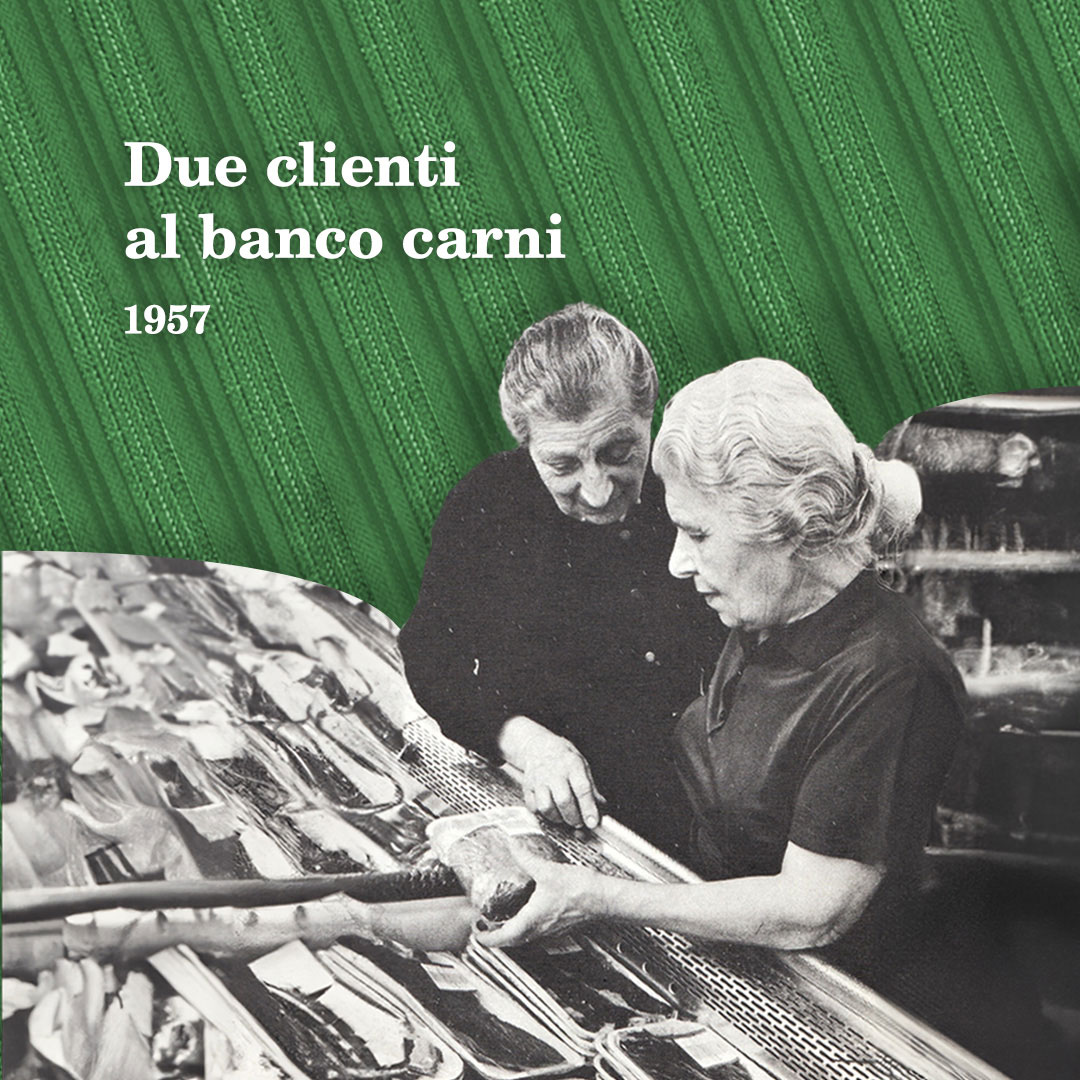
So Rockefeller brought supermarkets to Italy, and among the investors participating in the project were the Caprotti brothers, my uncle Guido and my father Bernardo Caprotti (the last brother, Uncle Claudio, was still too young). With them was born the Italian Supermarkets (the future Esselunga), which in 1957 opened the first (real) shop in Italy and changed many of the social habits of Italians as it did for millions of inhabitants of the South American continent. Rockefeller, together with his wife, met the Caprotti family at a dinner overseen with extreme care by my grandmother Marianne at their home in Via del Lauro in Milan; Nelson Rockefeller thanked them with a telegram, addressing it to his uncle Guido, the friend of Marco Brunelli, the latter being the real architect of the Supermarkets operation (to Guido therefore, not to my father Bernardo, who barely knows who he is. The telegram is in my sister Violetta’s archive).
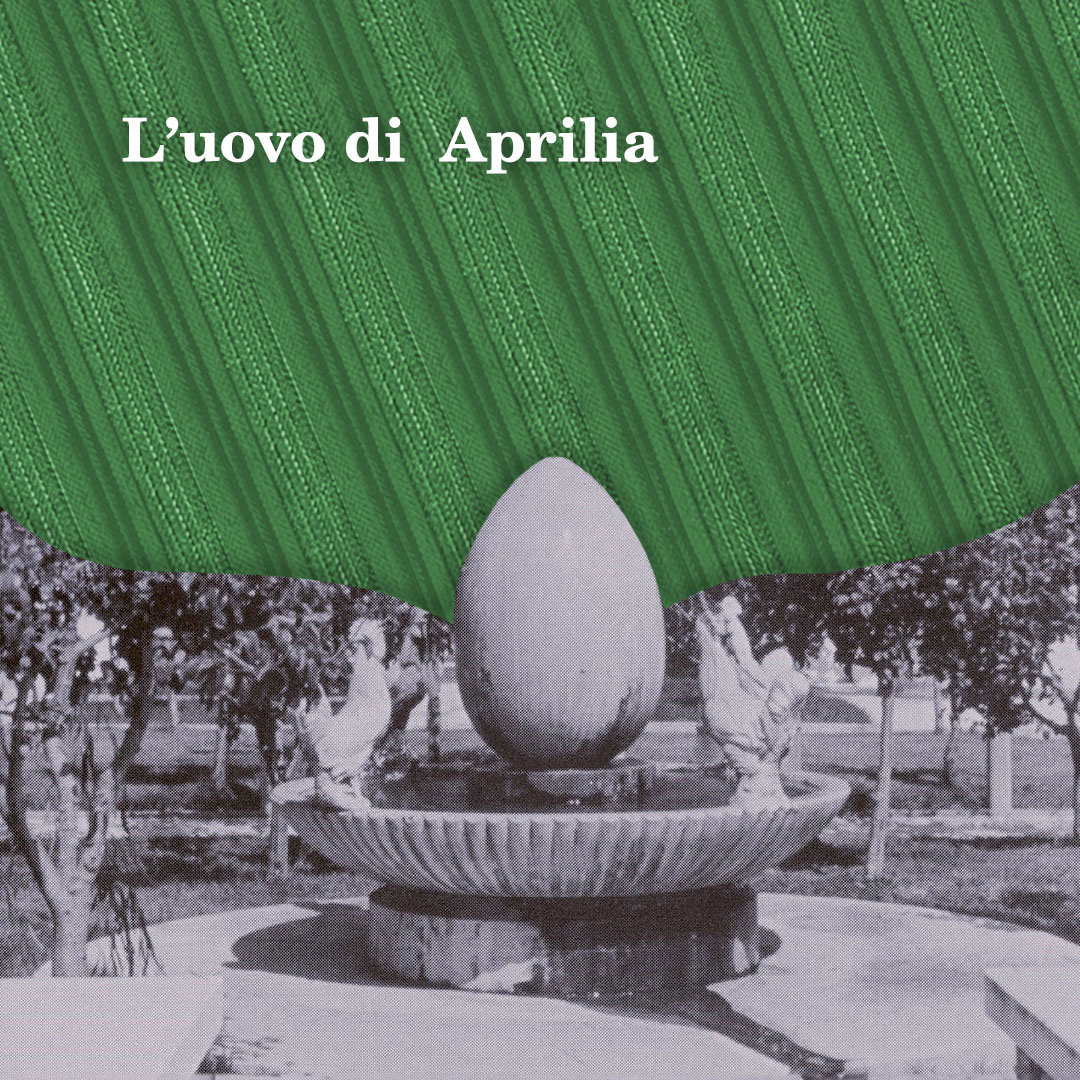
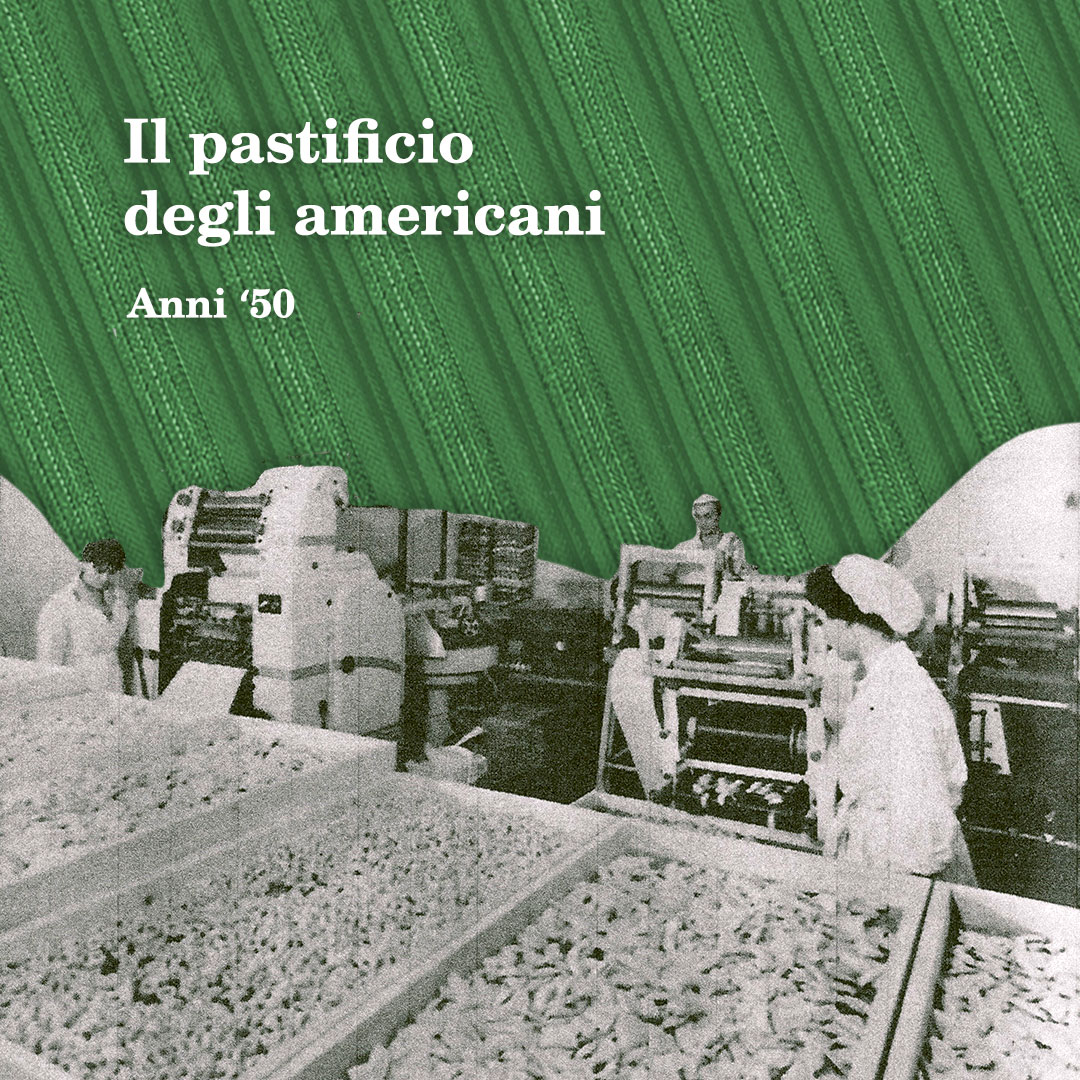
It is the Americans who are building the iron organisation in all sectors that underpins this success. A warehouse to support the point of sale, so that supplies, especially of fresh produce, are always ready and controlled; quality and convenience, what is not there is either imported or produced, and so a bakery, a pasta factory, a roasting plant, an ice-cream parlour, and even a large poultry factory in Lazio were set up, supplying high quality, low priced products under their own brand name; well-trained staff at all levels, highly disciplined and low cost (CAPROTTI, Le Ossa dei Caprotti, pp. 47 ff). There will be no history: the supermarket arrives and never leaves.
Sources:
ARCHIVIO LUCE CINECITTÀ, SI1419 Inauguration of the ‘supermarket’ at EUR, 1956.
Bibliography:
W.G. BROEHL, Jr. The International Basic Economy Corporation. Thirteen Case Studies in an NPA Series on United States Business Performance Abroad, @1968, National Planning Ass., pp. 87-94.
K.D. DURR, A Company With a Mission: Rodman Rockefeller and the International Basic Economy Corporation 1947-1985, Montrose Press, 2006.
S. HAMILTON, From Bodega to Supermercado: Nelson A. Rockefeller’s Agro-Industrial Counterrevolution in Venezuela, 1947-1969, Yale Agrarian Studies Workshop, November 4, 2011.
G. CAPROTTI, Le Ossa dei Caprotti. The Caprottis and Esselunga: the first customers, 1957. Cues from the book.
ID., Giuseppe Caprotti, Luigi Guaitamacchi and Nelson Rockefeller’s directives in Esselunga, 10/11/2024.
ID., The Birth of Private Label Products in Italy, 08/02/2023.
ID., Le Ossa dei Caprotti. Caprotti and the Esselunga supermarkets: the Aprilia egg, 1950s. Cues from the book.
ID., Le Ossa dei Caprotti. I Caprotti e i supermarkets Esselunga: il pastificio degli americani, circa 1950s. Cues from the book.
ID., “Le Ossa dei Caprotti”. I Caprotti e gli amici: Guido Vergani, journalist, friend of Claudio Caprotti and Giorgina, c.1990s. Cues from the book.