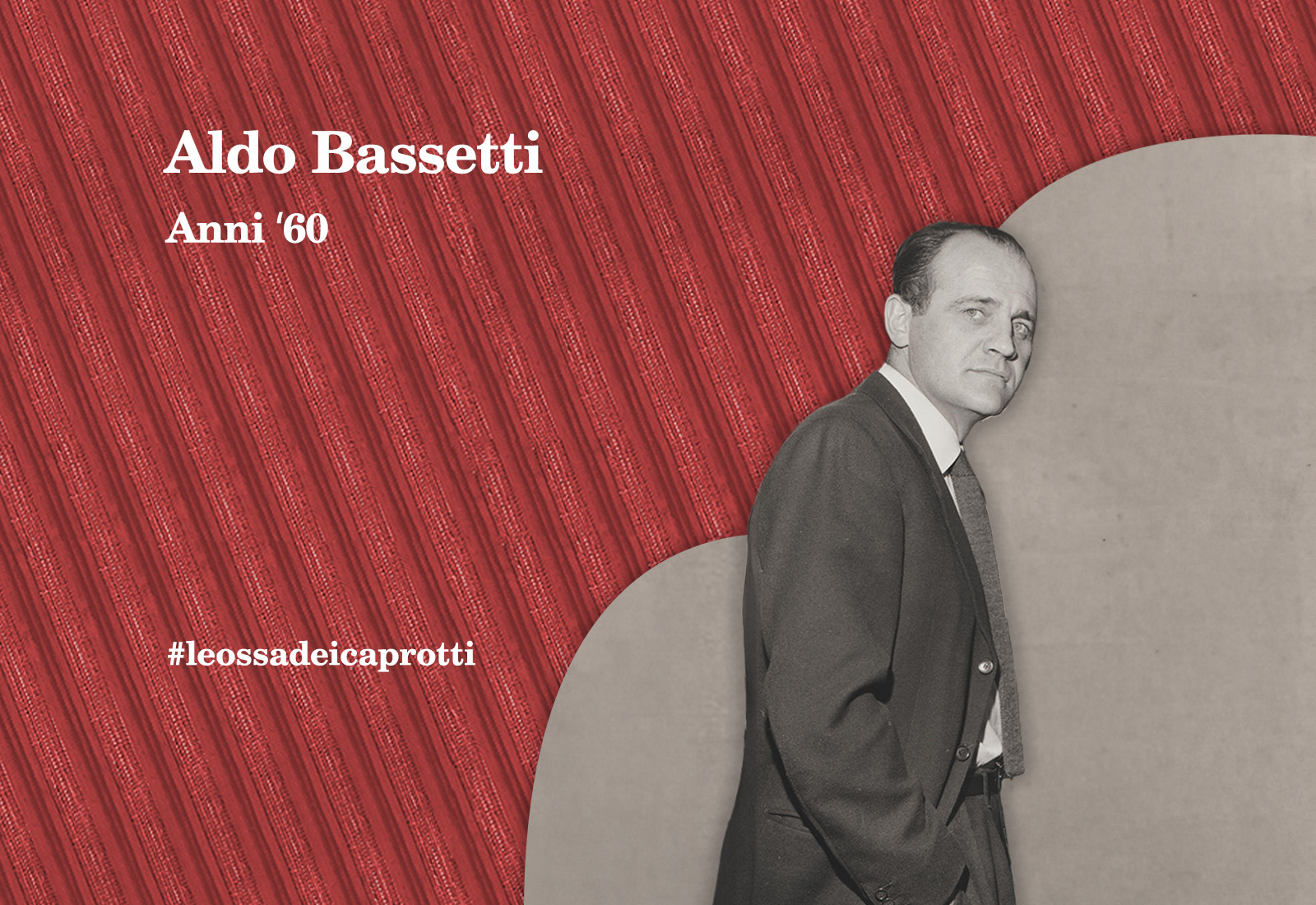
Aldo Bassetti ‘s relationship with beer and water production began in the family business. His uncle Gianni, in fact, the man who brought Bassetti’s name to the forefront of the Italian textile industry, as a far-sighted entrepreneur decided at a certain point to diversify investments, thus reducing the risks associated with dependence on a single sector. This move not only broadens the company’s portfolio, but also allows access to new markets and opportunities, not least new technologies and production methods that can enrich in-house expertise.
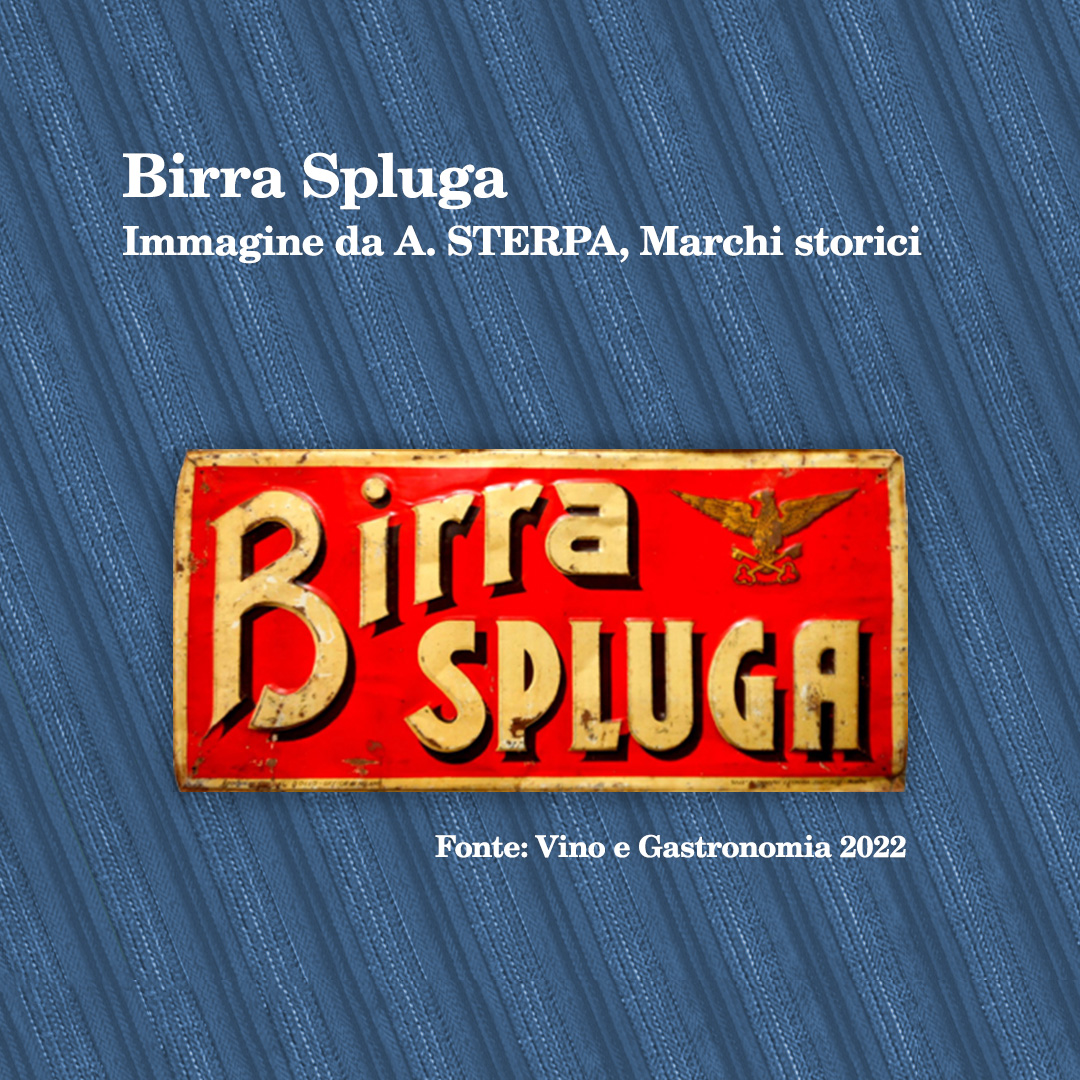
The object of Bassetti’s interest were two old and famous Italian brands: the Spluga Brewery in Chiavenna and the Angelo Poretti Brewery in Induno Olona, which almost went bankrupt after the Great War and the economic crisis that followed.
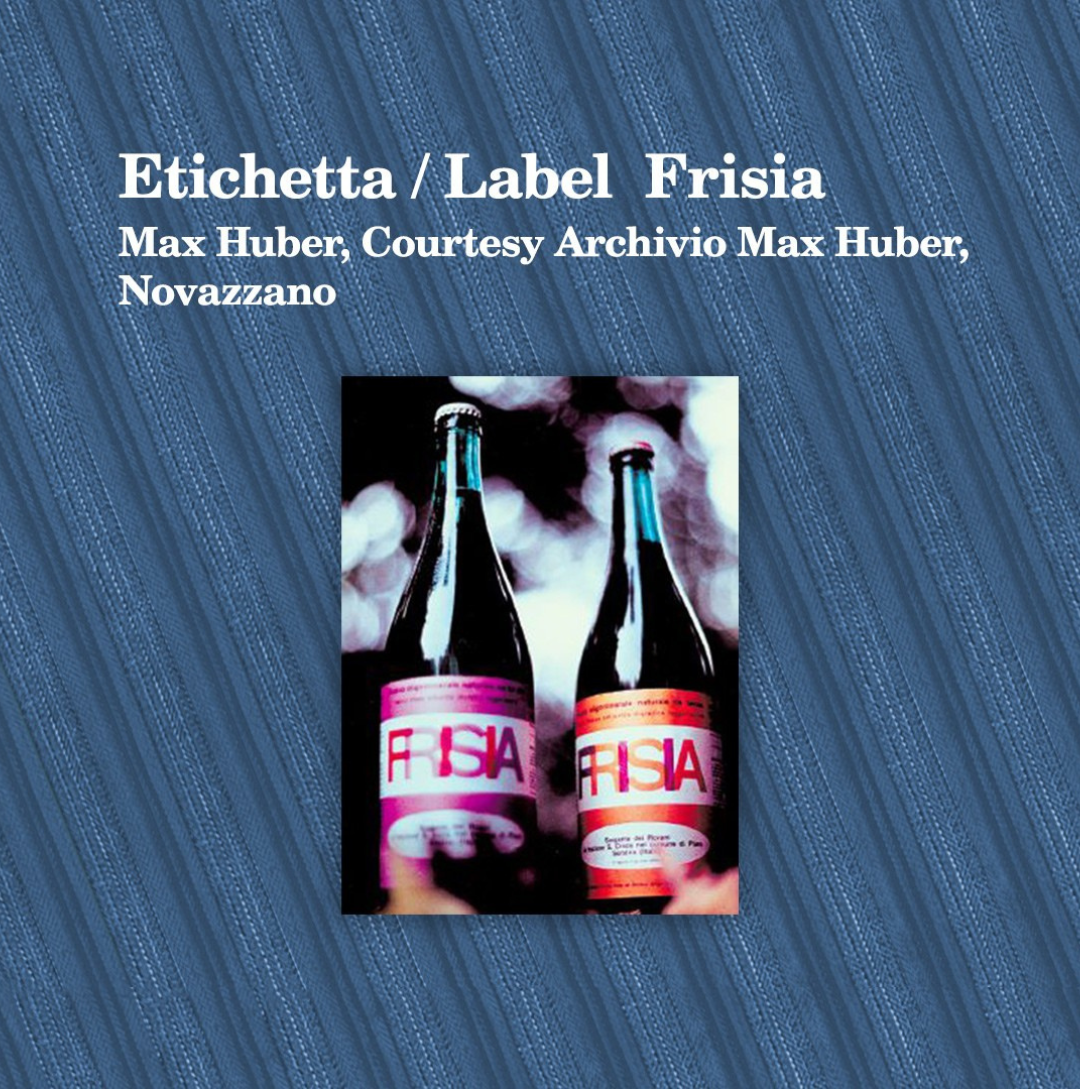
The Spluga Brewery in Santa Croce di Piuro, near Chiavenna, was one of Italy’s first breweries; in 1958, Bassetti’s entrepreneurial farsightedness also used its premises to bottle mineral water from very pure Alpine springs that flowed from Santa Croce di Piuro and Piuro, and in 1960 it began marketing under the name Acqua Frisia. In the 1980s, Acqua Frisia even became the mineral water of reference in Milan, thanks to an original system of marketing the product that was delivered door-to-door to homes in the capital and throughout Lombardy.
The Angelo Poretti Brewery, located in Induno Olona, a town in the province of Varese, began its activity in 1877, at a time when the brewing industry in Italy was still trying to establish itself, and over time produced the ‘Poretti’ that became and has long remained the most famous Italian beer. Saving the brewery from bankruptcy after the First World War came the Bassetti family, who took total control in 1939 (first president Gianannino Bassetti, then his nephew Aldo Bassetti), and managed to ‘keep it going, taking care of both the preservation of what was by then a distinguished monument of the industrial age and the economic recovery of the production activity. Poretti was thus able to play a full part in the ‘economic miracle’ that followed reconstruction, between 1946 and 1974, reaching over half a million hectolitres. (…). With the aim of (…) being able to push itself commercially towards the south of Italy, in 1974 the Bassetti’s Poretti bought the plant of Birreria Henmed spa in Ceccano [in the province of Frosinone, editor’s note] (…) which produced beer under the Skol brand. But the real revolutionary turning point for Poretti came in 1975, when Aldo Bassetti signed an important agreement with United Breweries of Copenhagen for the production and marketing in Italy of the well-known Danish brands Tuborg and Carlsberg. On 23 October 1980, Poretti spa transferred to Birreria Henmed spa (…) the production and sale of beer. (Finally, in 1981 Poretti S.p.A. was merged by incorporation into Compagnia Padana per investimenti S.p.A.’, the company Aldo Bassetti had founded in 1952.
Aldo Bassetti was also a councillor of Centromarca (the Association of branded industries, which includes companies producing branded and mass-market products, linked to Confindustria), in his capacity as President of the Carlsberg Italia industry, as well as President of United Breweries of Europe (Association of European Brewers).
Lastly, we must not forget Aldo Bassetti’s important acquisition of SIB-Società imbottigliamento bevande in Florence, which produces and distributes Coca-Cola branded drinks, and in the early 1960s he renovated the plant, entrusting the project to the architect Vico Magistretti, a close friend of Aldo Bassetti and his second wife Giorgina Venosta, my mother.
In his entrepreneurial vision, Aldo Bassetti almost always brought his great love for art and design, which he shared fully with my mother, an art expert herself. Many people remember theFrisia water logo, created by the famous designer Max Huber, whose work is so closely linked to my family’s history, as he also designed the new logo of Manifattura Caprotti, still run by my father Bernardo Caprotti, that of the long S of Supermarkets, which in time would becomeEsselunga, and further afield the logo of Rinascente, where my mother worked.
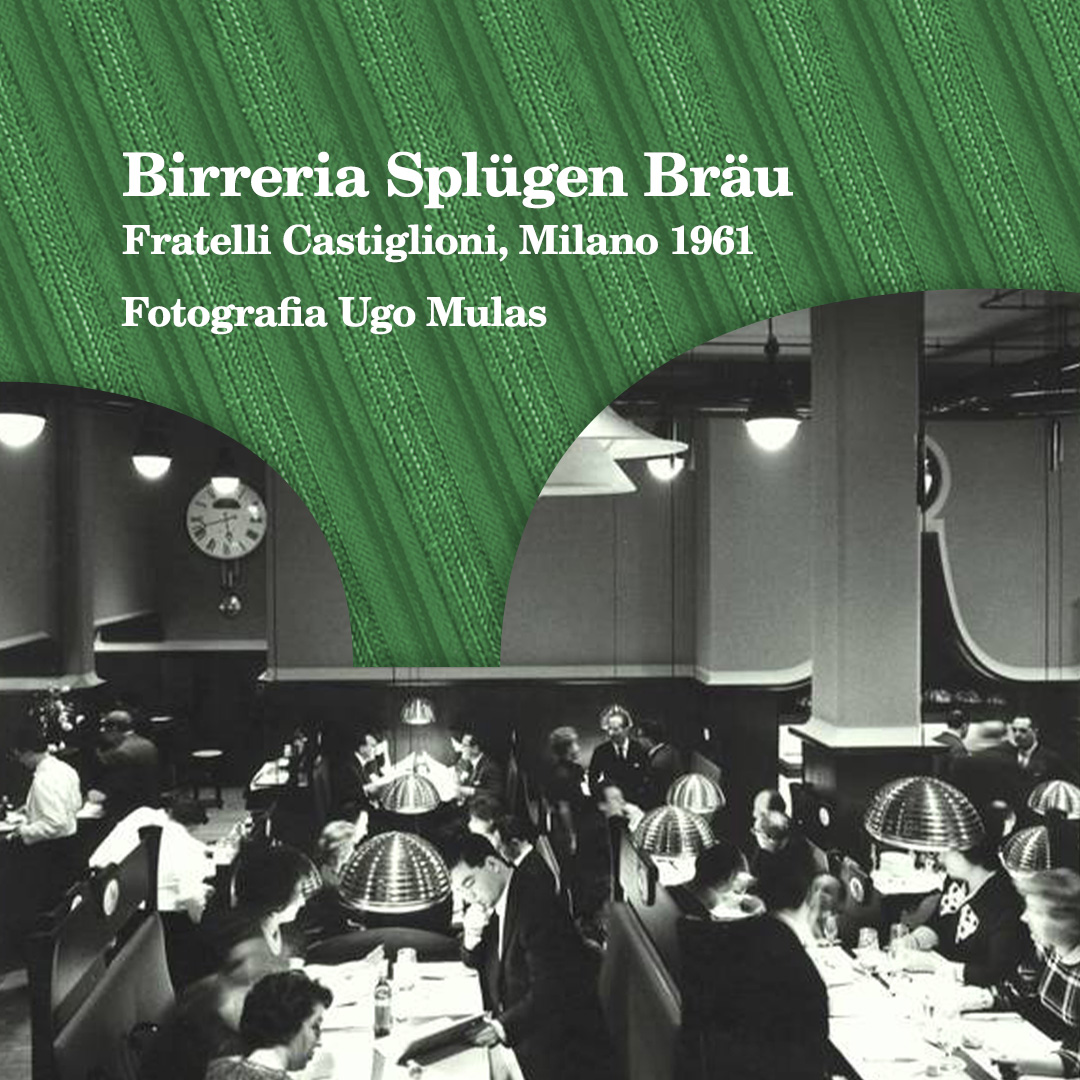
Bound by many relationships and often by sincere and close friendship with many famous designers of the post-war years onwards, in the late 1950s Bassetti commissioned the Castiglioni architects, brothers Achille and Pier Giacomo, to ‘realise the beer garden-restaurant Splügen Bräu on the ground floor of one of the office buildings designed by Luigi Caccia Dominioni in Corso Europa. Dismantled in the 1980s (…), the brewery was born as a “very Milanese environment”, a showcase for the Milanese in Achille’s words. (…)”. Max Huber, a collaborator on many of the two architects’ projects, designed all the lettering, i.e. the illuminated sign, the menu, the logo on cutlery, plates, glasses, etc. It is an ambience that is both new and old at the same time, captivating and award-winning: to give just one example, the aluminium up-and-down lamps, which illuminate the tables by hanging from the ceiling, produced by the company Flos under the name ‘Splügen Lamp’, will become iconic.
Bibliography:
R. ROMANO, Bassetti, Giovanni, entry in Dizionario Biografico degli Italiani – Volume 34 (1988)(https://www.treccani.it/enciclopedia/giovanni-bassetti_(Dizionario-Biografico)/ ).
Acqua Frisia. A great story that tells the future(https://www.acquafrisia.com/lazienda/#storia ).
Vico Magistretti Archive, file Stabilimento SIB-Coca-Cola, Florence(https://archivio.vicomagistretti.it/magistretti/archive/document/IT-FVM-A001-000396 ).
S. D’ADAMO, Carlsberg Italia spa [REA number: 165113 Va] (1963 -), file for LombardiaBeniCulturali, 10/06/2002(https://www.lombardiabeniculturali.it/archivi/soggetti-produttori/ente/MIDB001964/ ).
Ministero della Cultura-MIC, Sistema archivistico nazionale-SAN, Archivi degli Architetti, fiche Milano, corso Europa, Birreria-ristorante Splügen Bräu Achille e Pier Giacomo Castiglioni, 1960(http://www.architetti.san.beniculturali.it/web/architetti/progetti/scheda-progetti?p_p_id=56_INSTANCE ).
Una birreria dei fratelli Castiglioni, in “Domus” 380/July 1961 (republished in DomusWeb, 21 April 2011, https://www.domusweb.it/it/dall-archivio/2011/04/21/una-birreria-dei-fratelli-castiglioni.html ).
G. CAPROTTI, Aldo Bassetti, Centromarca and Article 62, 26/12/2022(https://www.giuseppecaprotti.it/aldo-bassetti-centromarca-e-larticolo-62/ ).
ID., Le Ossa dei Caprotti. Bernardo Caprotti and Giorgina Venosta’s friends: the architect Vico Magistretti and the publisher Rosellina Archinto. Ideas from the book(https://www.giuseppecaprotti.it/libro/gli-amici-di-bernardo-caprotti-e-di-giorgina-venosta-larchitetto-vico-magistretti-e-leditrice-rosellina-archinto/ ).
ID., Le Ossa dei Caprotti. Una storia italiana, Milan, 2024/2.