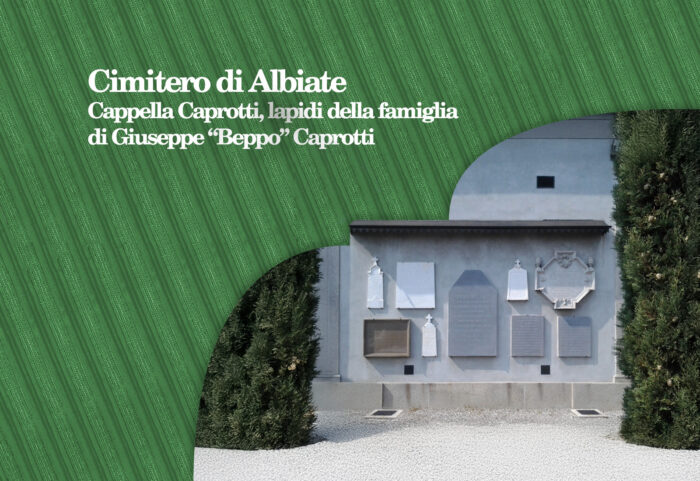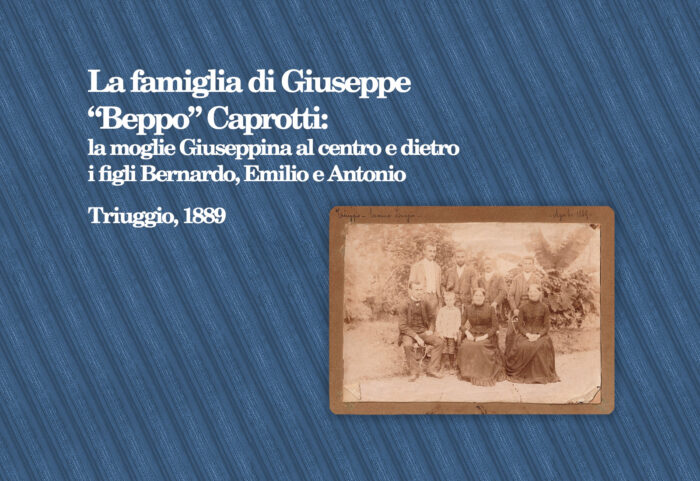
Giuseppe ‘Beppo’ Caprotti of Bernardo, my great-great-grandfather: “I would have loved to have been an explorer!”

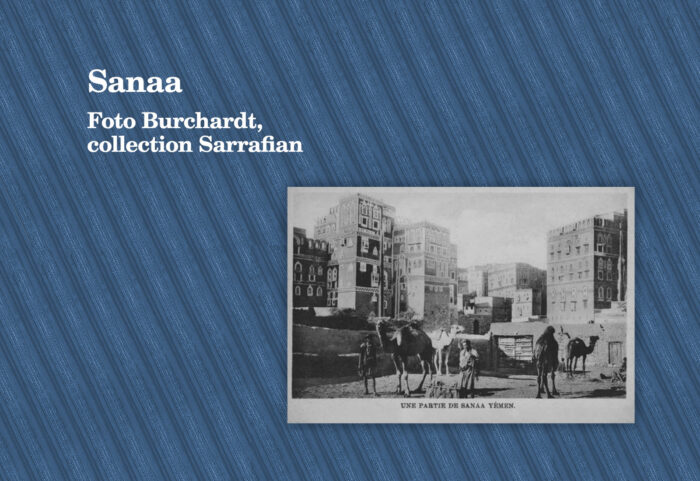
Beppo subscribes to numerous magazines, finances geographical explorations and commercial expeditions, and maintains assiduous relations with two of the best-known Italian explorers of the time: Giuseppe Caprotti, a distant relative who has lived in San'a', the capital of Yemen, for many years, and the famous Gaetano Casati, who was born in Ponte Albiate and is a childhood friend.

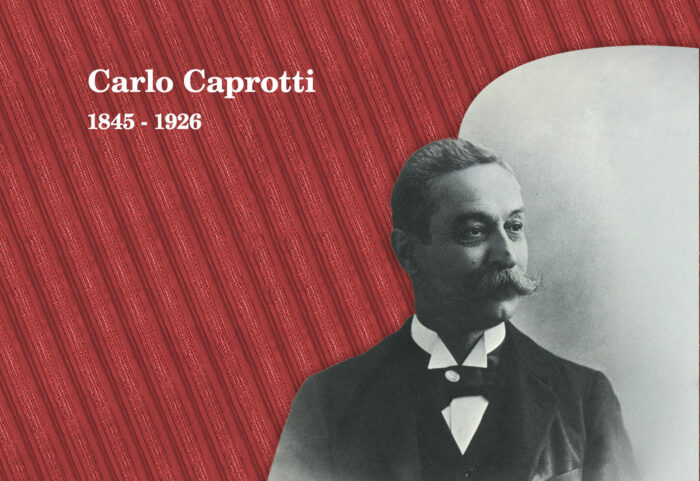
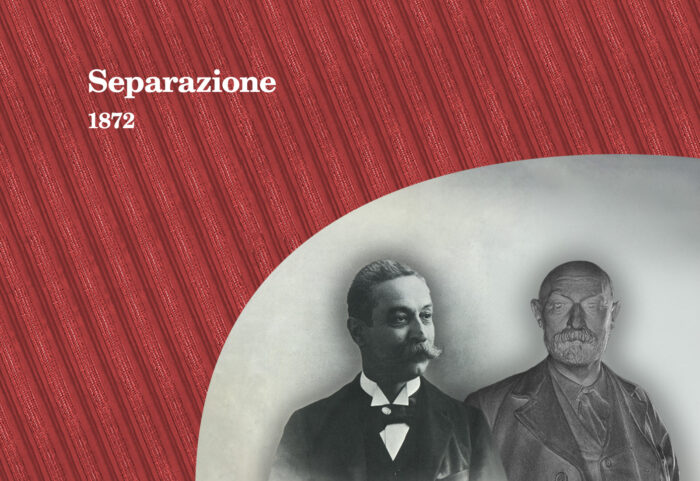
Giuseppe ‘Beppo’ and Bernardo’s Carlo Caprotti: the first separation between brothers

When their father Bernardo died in 1864, the company passed to his two sons, Giuseppe, my great-great-grandfather, and Carlo. In 1868, the two brothers decided to keep all the assets left to them by their father in common for nine years, but in 1872 Carlo chose to break away from the company much earlier, forcing his brother to make a considerable financial outlay; this would poison relations between the two for many years.

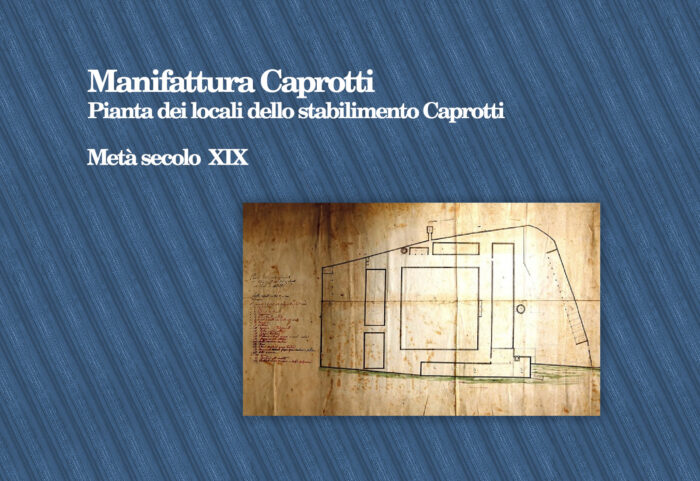
Giuseppe ‘Beppo’ Caprotti di Bernardo, my great-great-grandfather: the ‘Bernardo Caprotti di Giuseppe’ company

In 1872 Carlo Caprotti, Beppo Caprotti's younger brother, left the family business to strike out on his own. Remaining the sole owner of the family business, Beppo continued with the decisive policy of investments aimed at bringing it to a level of mechanisation that would make it competitive on markets not only in Italy.

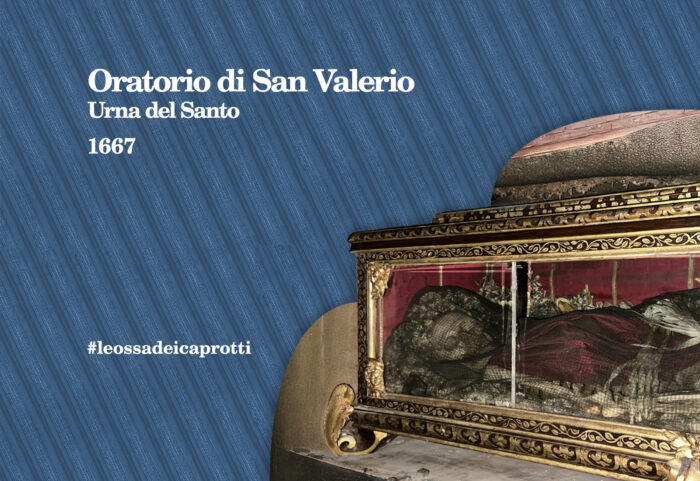
San Valerio Protomartyr of Africa, in Albiate

The relics preserved in the oratory of the same name in Albiate belong to a San Valerio who was martyred in Africa with San Rufinus, at the time of the great anti-Christian persecutions (3rd-4th century A.D.), and whose name day is set, along with that of his companion, at 16 November, the day on which the oratory is opened and mass is celebrated. His bones are “protagonists” of my book, Le Ossa dei Caprotti

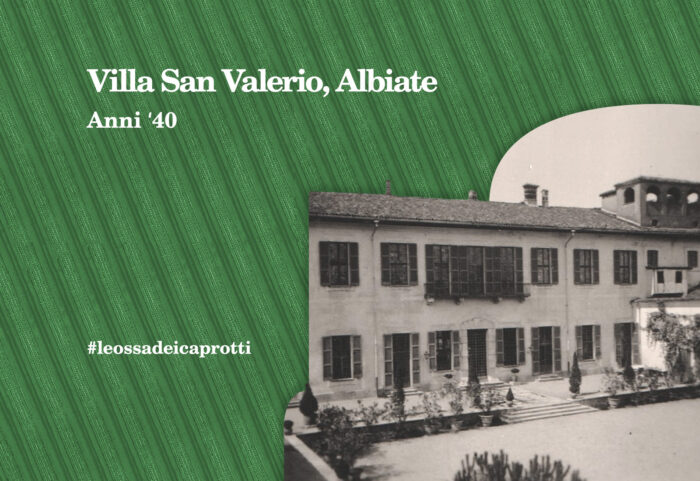
A brief history of Villa San Valerio and the adjacent chapel in Albiate

1893: when the main branch of the Airoldi family became extinct in 1768, the inheritance passed to a secondary branch that moved to Sicily, whose last heirs at the end of the 19th century decided to liquidate the Lombard properties, which were sold at least in part (including the villa) to the brothers Bernardo, Antonio, Emilio and Giovanni Caprotti di Giuseppe. With the sale, as was customary at the time, a large part of the family archive with the history of the properties sold and their administration, as well as the history of the Airoldi family itself from at least the 16th century, also passed to the new owners