
Manifattura Caprotti and ‘white’ cooperativism
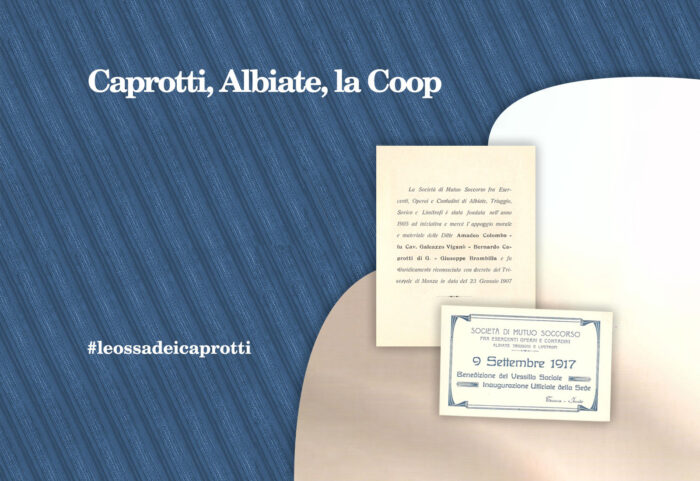
After the First World War (1919-1921), Bernardo Caprotti, grandfather Peppino's father, founded the 'Società Mutua Cooperativa di Consumo' with Galeazzo Viganò and some technicians and workers from their respective factories, to lower the prices of basic necessities.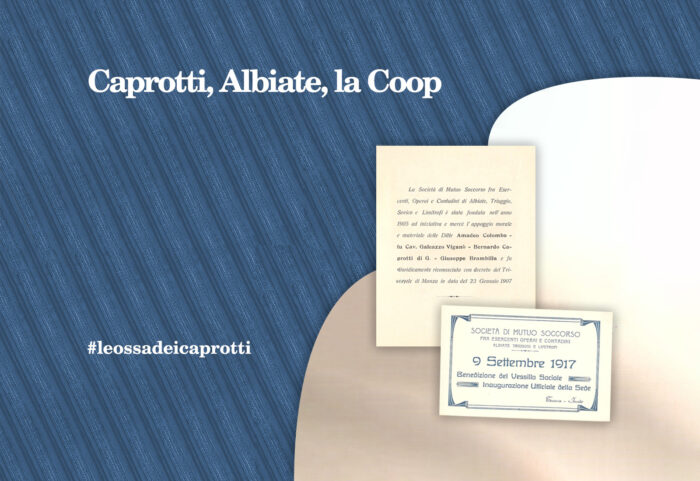
The Caprotti family and the co-ops: Albiate, Bernardo Caprotti and the mutual aid cooperatives (1907-1920)
It may seem almost a twist of fate, given the facts of the Caprotti family's history, but great-grandfather Bernardo Caprotti was among the founders of no less than two mutual aid cooperatives. One still exists today in Albiate and has four supermarkets.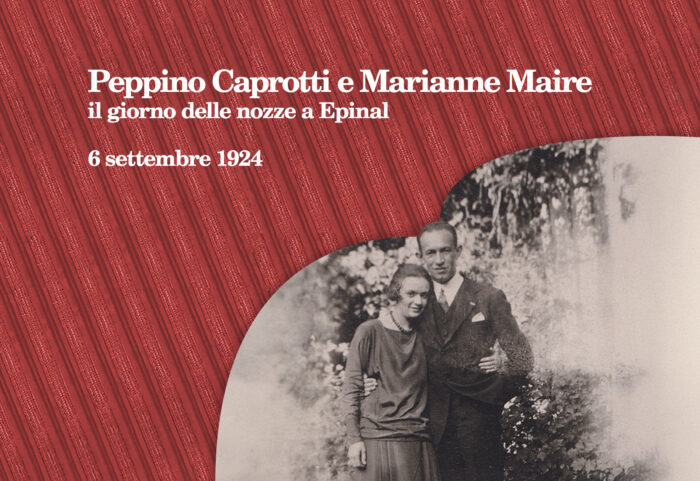
Peppino and Marianne Caprotti : from France to Brianza, with love
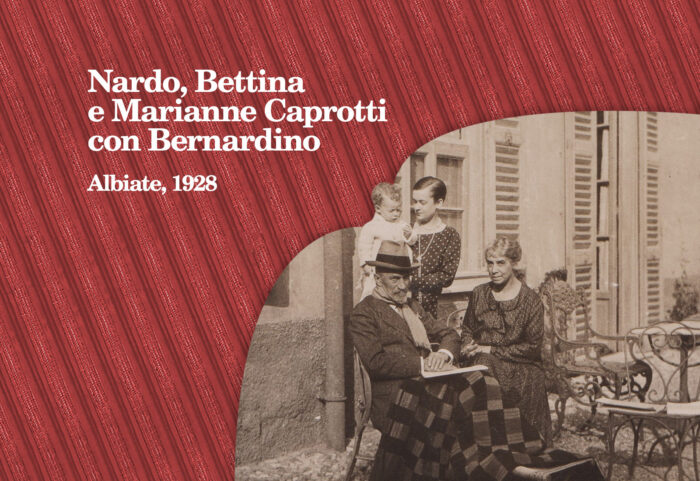
In 1922, my grandfather Peppino Caprotti was sent to study at the prestigious textile training school in Épinal, a town in the Vosges region of French Lorraine, where Marianne Maire lived. The two quickly and permanently fell in love: in 1923 Peppino graduated, and the following year he married Marianne.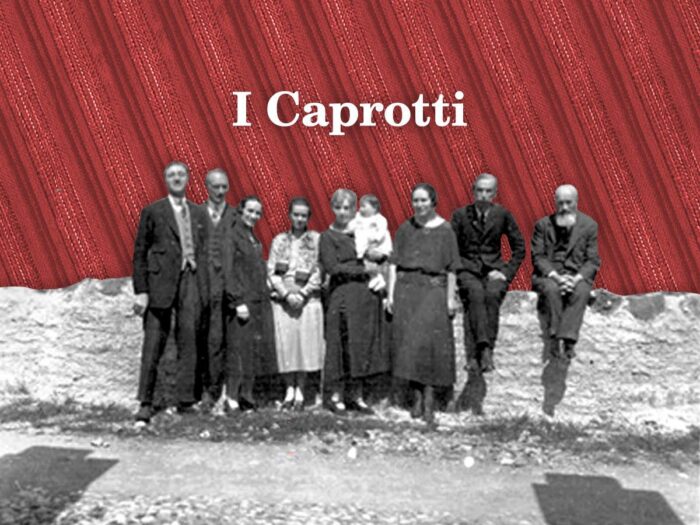
The Caprotti family: from textiles – with Manifattura – to Esselunga
The Caprotti story begins with Antonio del fu Giovanni Battista (1685). The family’s origins lie in agriculture and textiles, until 2009 when, partly due to a sharp drop in orders, the company’s top management decided to close the Manifattura after more than 179 years of activity. In the meantime, the Caprotti family took part in the founding of Esselunga in 1957
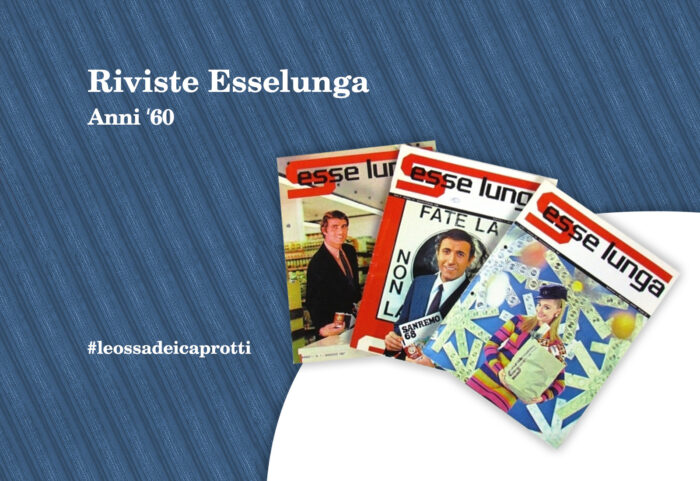
Esselunga: from 1957 to the early 1990s, as recalled by a ‘grocer’s son’
Esselunga’s origins are linked to the history of the city of Milan
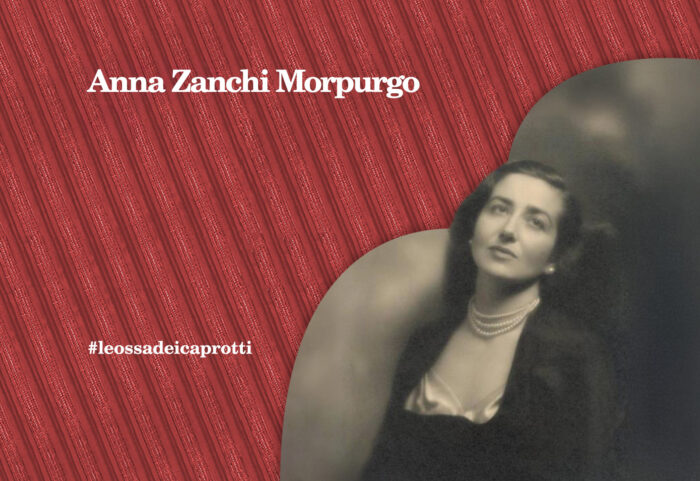
The Caprotti family: Anna Zanchi Morpurgo, 1949
On the day of the car accident that killed him, grandfather Peppino was not alone. At his side sat a woman he had been seeing for a couple of years, and he suffered very serious injuries. I only discovered much later that her name was Anna Z., and we knew her well. A series of photographic portraits immortalising her beauty are preserved in the archives of the Braidense Library in Milan.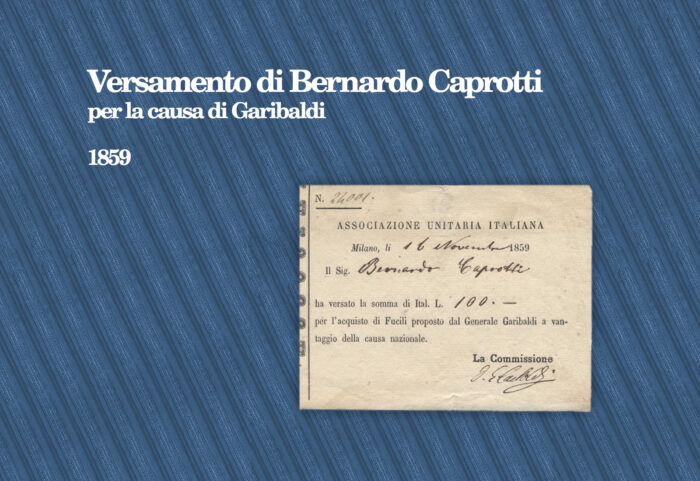
Bernardo Caprotti of Giuseppe and contributions for Giuseppe Garibaldi
Bernardo's irredentist sympathies can be confirmed by the receipt of the Italian Unitarian Association to which, on 16 November 1859, he paid 100 lira to purchase rifles proposed by Giuseppe Garibaldi for the 'national cause'. The sum, however, while certainly not low, is prudent: only 100 lira. The money, the real money, is destined for business.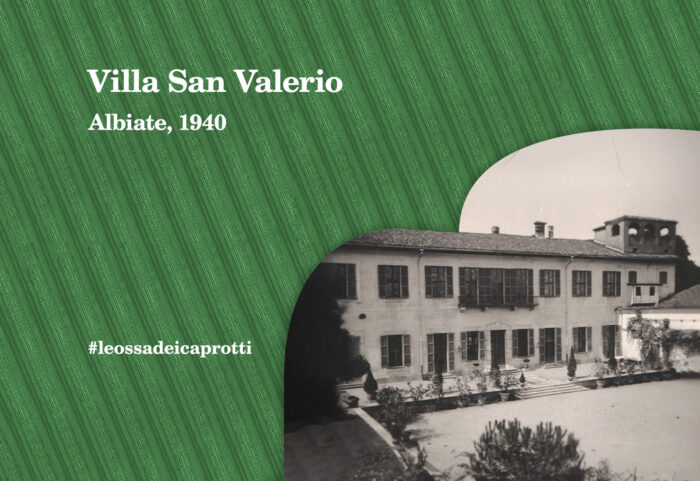
Albiate: sold-out visit to Villa San Valerio, Giuseppe Caprotti as cicerone, 6 September 2025
Thanks to Francesco Perego and the Piero Gatti Association, which had hosted the presentation of my book Le Ossa dei Caprotti in Albiate, new historical content was discovered about the Villa San Valerio and the chapel of San Valerio, formerly the Oratory of the Immaculate Conception
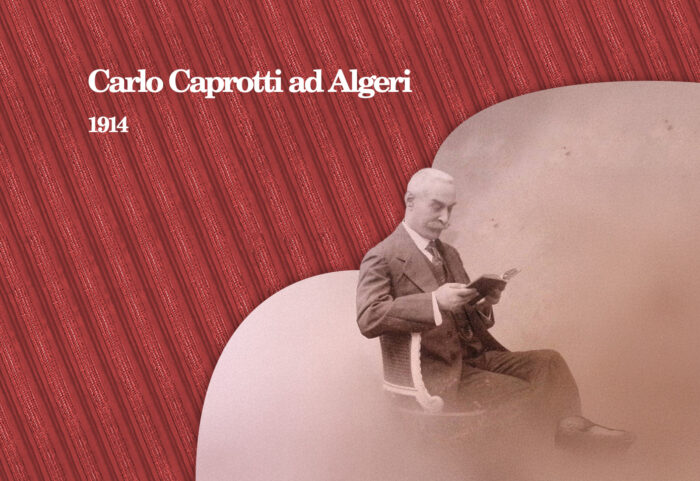
Bernardo Caprotti’s Carlo Caprotti: advice from Africa to his nephew at war
Now elderly and retired from business, Carlo alternated between stays in Italy and several months in Africa, residing in Algiers. In 1914, the outbreak of the Great War stopped him there, but he regularly received letters from his nephew Peppino, son of his daughter Bettina and his brother Beppo's eldest son Bernardo, a telegraph operator in Parma.
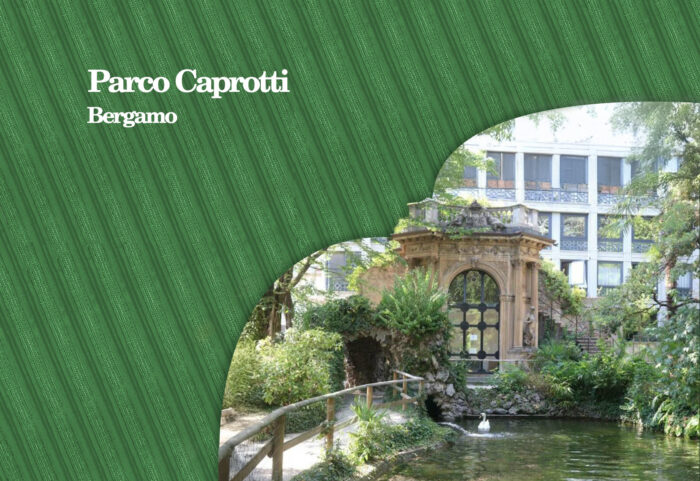
Carlo Caprotti di Bernardo Caprotti: citizen of Bergamo
As an industrialist and public figure in Bergamo society, Carlo chose a stately home in what is now Via Tasso, with a large park of 5.61 perches (over 3600 square metres), designed and organised by Carlo himself.
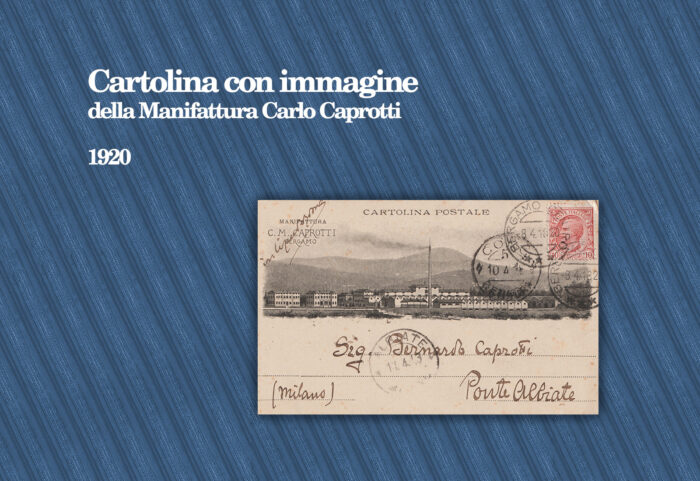
Carlo Caprotti di Bernardo Caprotti: all-round entrepreneur
After separating in business from his elder brother Beppo (1872), Carlo moved to Bergamo and here he set up two textile companies, one in 1874, the 'Società in nome collettivo Caprotti & Guttinger', the other in 1901, the individual firm 'C. M. Caprotti'.
