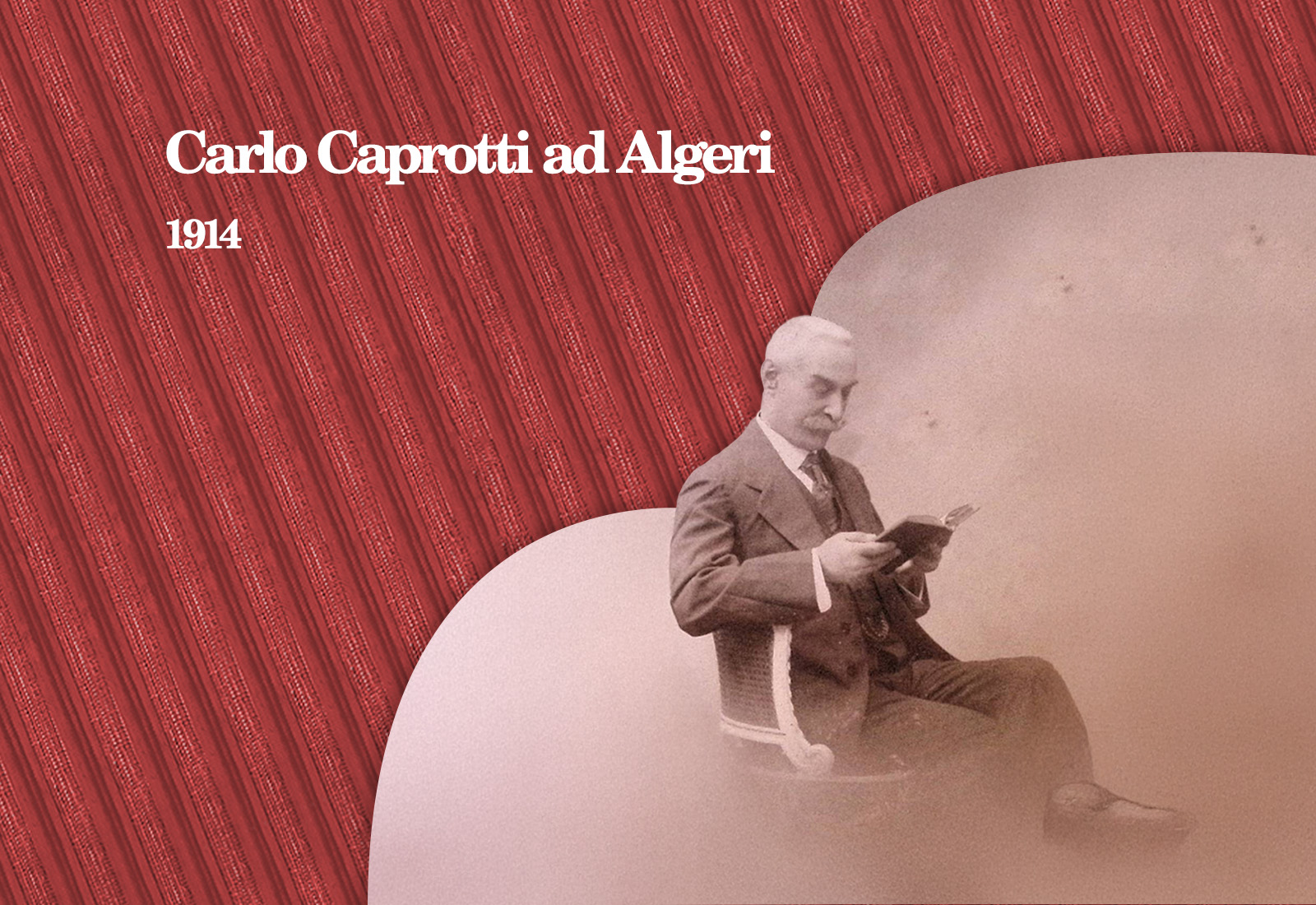
For some time now, Carlo has been alternating stays in Italy with several months in Africa, residing in Algiers. We still do not know the reasons for this choice, apparently dictated by personal and family reasons. Certainly, however, it is, like so many other choices of this exuberant man, unusual and almost a complete break with the habits and behaviour of his time.
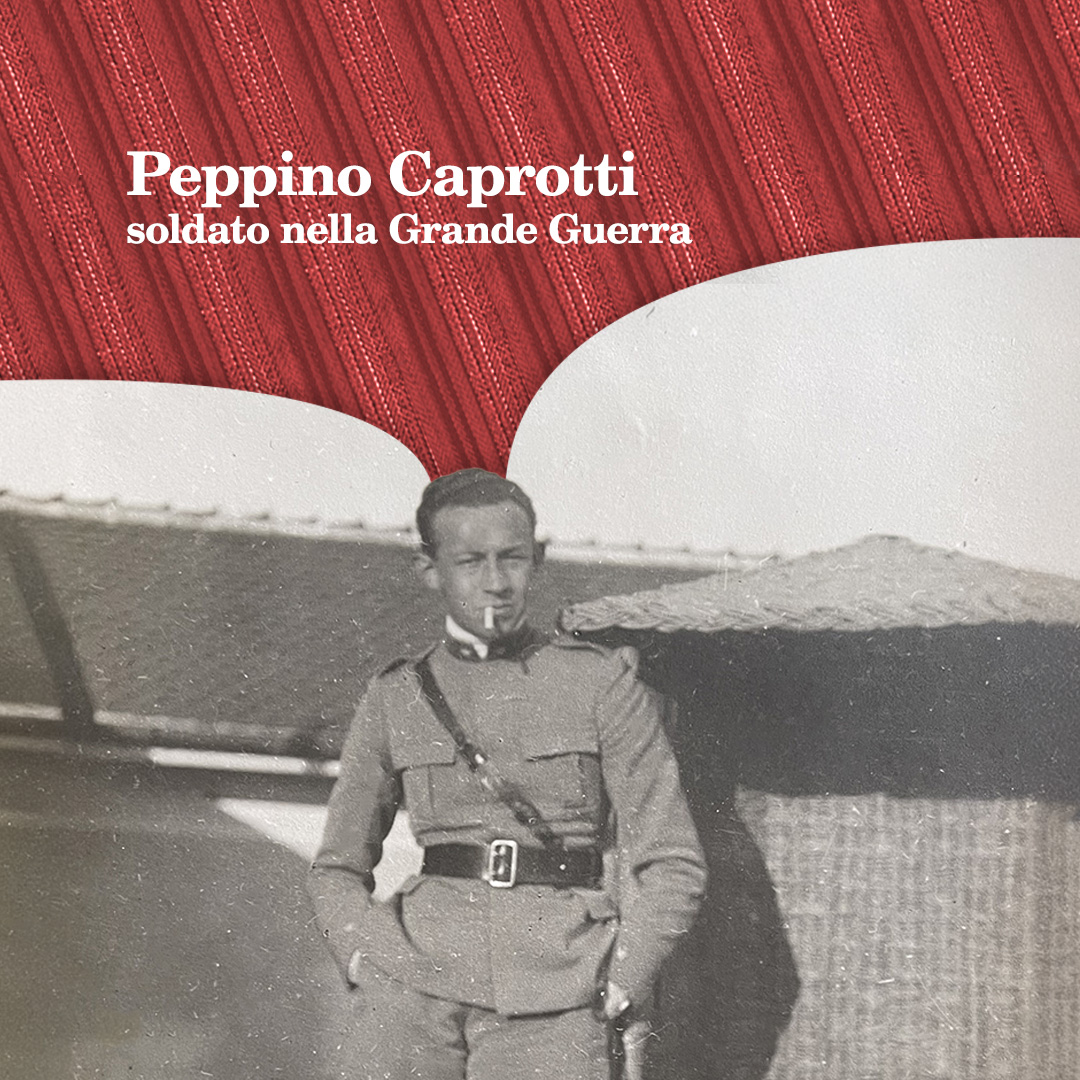
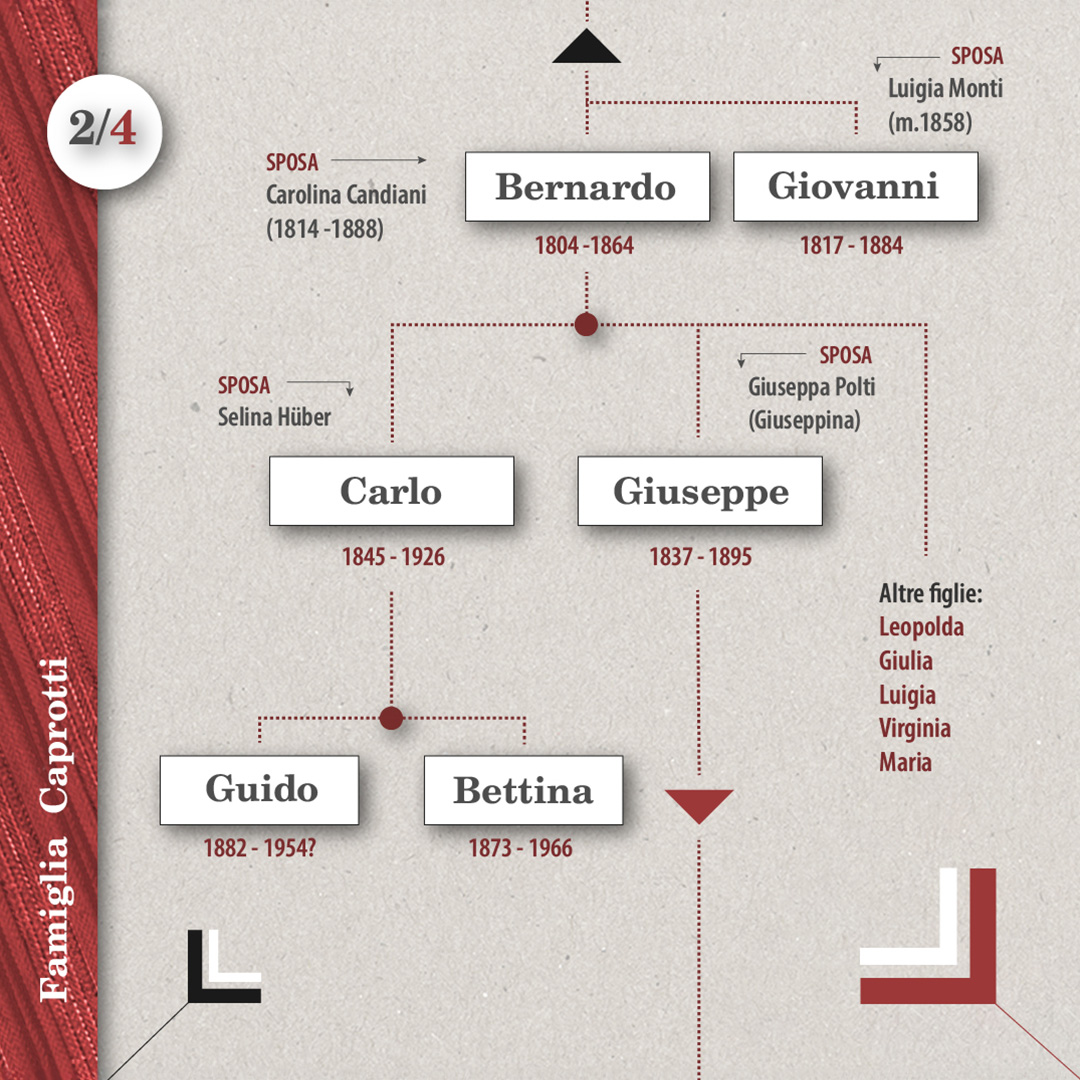
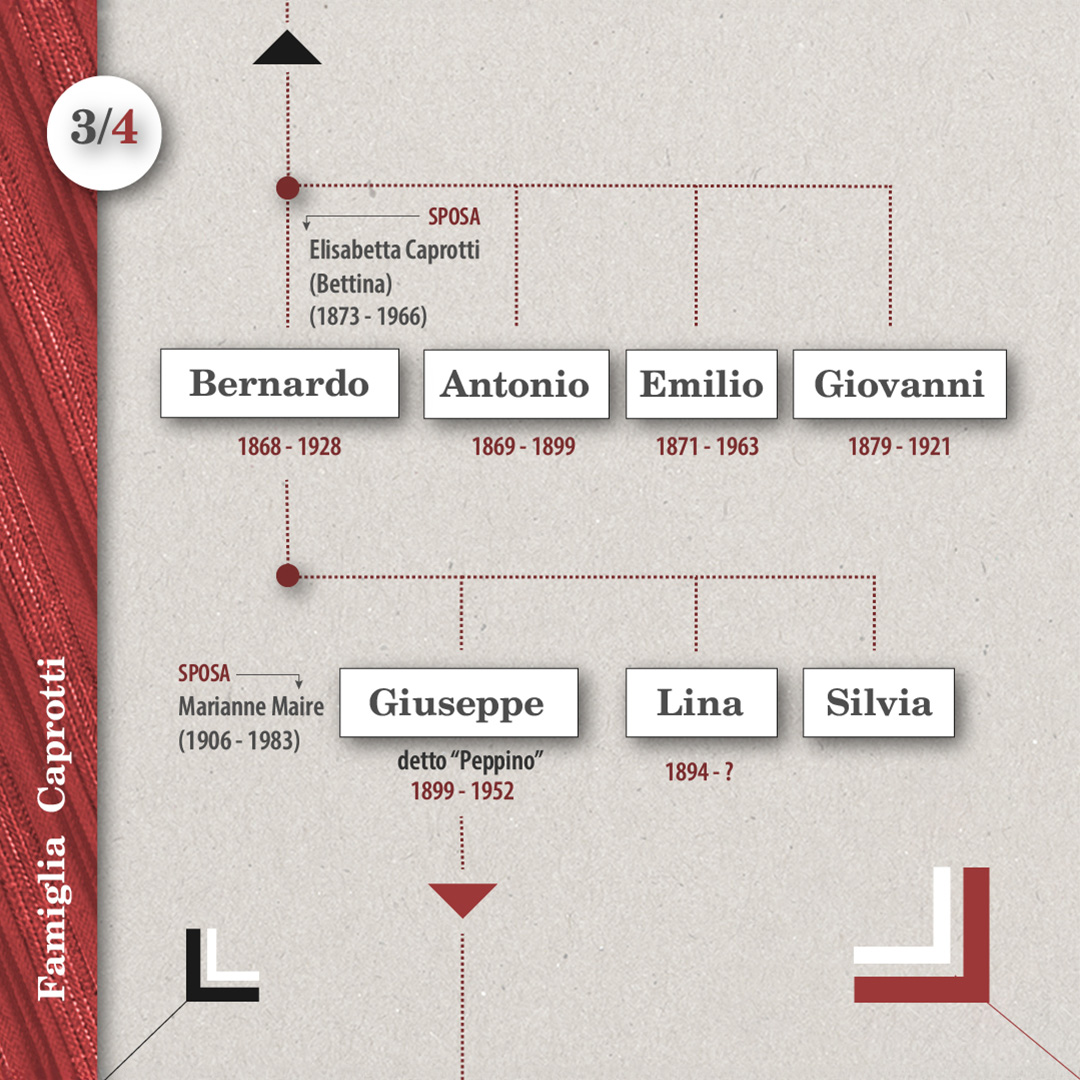
In 1914, the outbreak of the Great War stops him there, but the Allied mail works properly, albeit slowly, and so he regularly receives vehement complaints from his double nephew Peppino, son of his daughter Bettina and his brother Beppo’s eldest son Bernardo. In 1917, Peppino was old enough to enlist as a volunteer, still in his last year of school. However, the young man, assigned to the Genio telegraph operators with the task of “wire-guard”, deployed hundreds of kilometres from the front, did not like the assignment because it was not very heroic; he felt like an outsider and wrote to all his family, including his grandfather. Who, reading, replies between the serious and the facetious, with the spirit of the old republican and anticlerical that he is:
“You know that you are three times lucky! You serve your country, you are housed in an excellent hotel (which proves that our government pays its militia handsomely) in a beautiful city of pleasant inhabitants [Parma] and enjoy your freedom, what more do you want [sic]? You complain and you still talk about ambush, but what an ambush of Egypt! If your post was created it is [because] it was found to be necessary, and it is entrusted only to chosen soldiers, and if you were to change your post you would immediately be replaced by another, so you might as well stay there.
Your job being to watch the wires (and you know how important the telegraph service is in the war), I seem to see you toddling along the lines and climbing up poles to attach wires, replace insulators and…what else? Then, when your working hours are over, you return to your hotel and in the evening you have a good time like a gentleman. Every now and then, to break the monotony, you are sent on missions to other sites so you also have the advantage of variety, and all this while serving the country as much and perhaps more [sic] than those who fire the rifle. How many will envy you, not for your ambush, as you think, but for the specialty of your profession and the distinction of being attached to the Grand Army Command (…) (Letter from Carlo Caprotti to his nephew Peppino Caprotti, Algiers, 24 January 1918).
Perhaps this is not the case at all, the accusations of ‘ambushing’ young men who do not go to the front certainly did not come from Peppino, and envy for his post and destination are perhaps more related to his security of life (certainly softened by the many money sent by his anxious father Bernardo) than to the dignity of the role. But Caprottian wisdom and practicality certainly do not exaggerate the importance of wartime telecommunications, and the invitation to enjoy the fortunate position is most appropriate.
But Peppino, whom a fellow soldier described as ‘as impressionable as a seesaw’, does not pay much heed to his grandfather’s wisdom. He keeps on complaining and pawing until finally, when the war is over, he manages to attend a blessed officers’ course, becomes a second lieutenant in an Alpine regiment and ends up in Albania, where he picks up a series of ailments, including malaria, that cause him to be repatriated and the absolute desire to devote himself to something else, as his father and grandfather/uncle did in their day.
Sources:
Albiate, Villa San Valerio Archives, Giuseppe Caprotti, Giuseppe Caprotti. Letters from his grandfather Carlo, b. 171.
Claudio Caprotti Archives, Photographic Archives.
Bibliography:
G. CAPROTTI, “Le Ossa dei Caprotti. Una storia italiana’, Milan, 2024/3.
R. ROMANO, “I Caprotti. L’avventura economica e umana di una dinastia industriale della Brianza”, Milan, 1980.