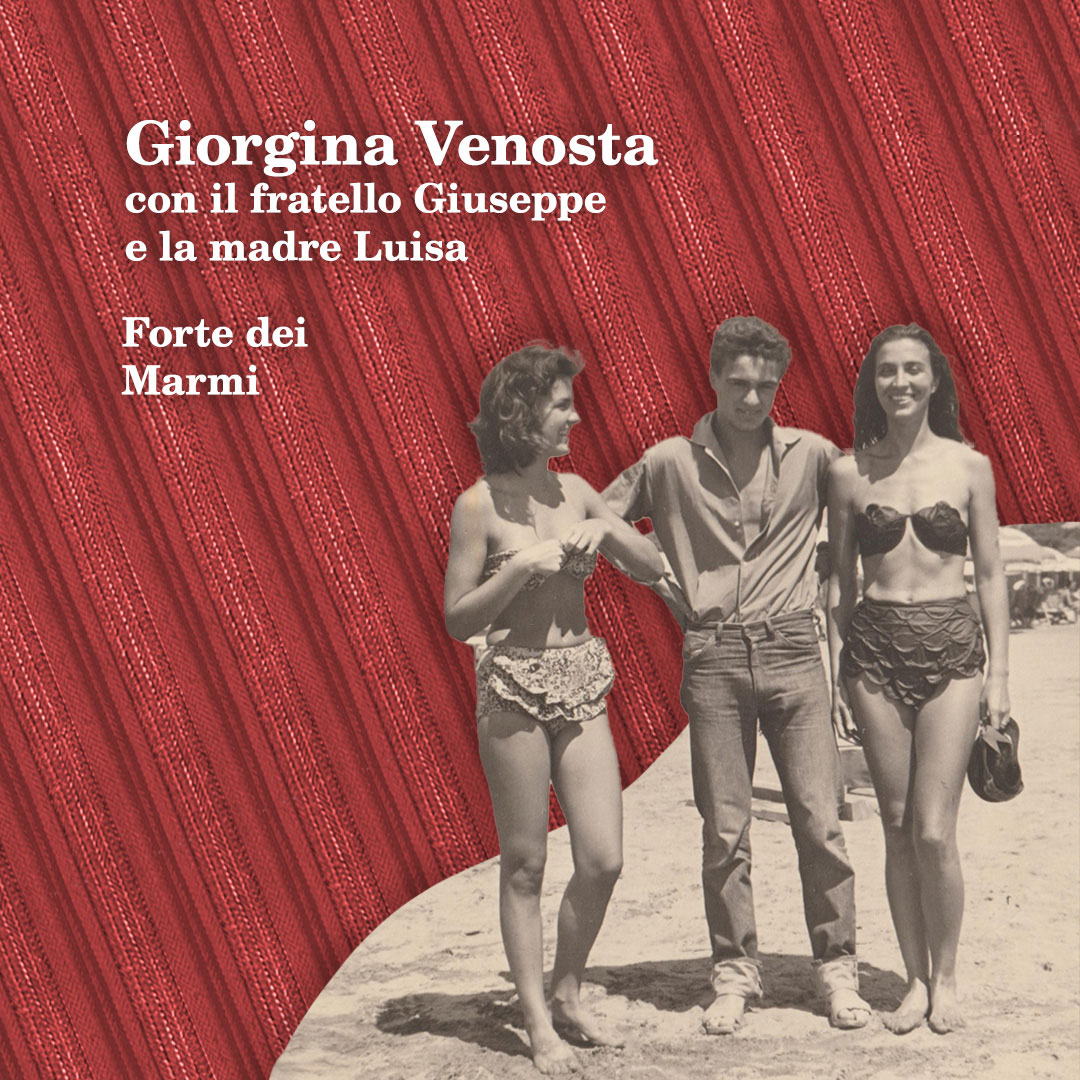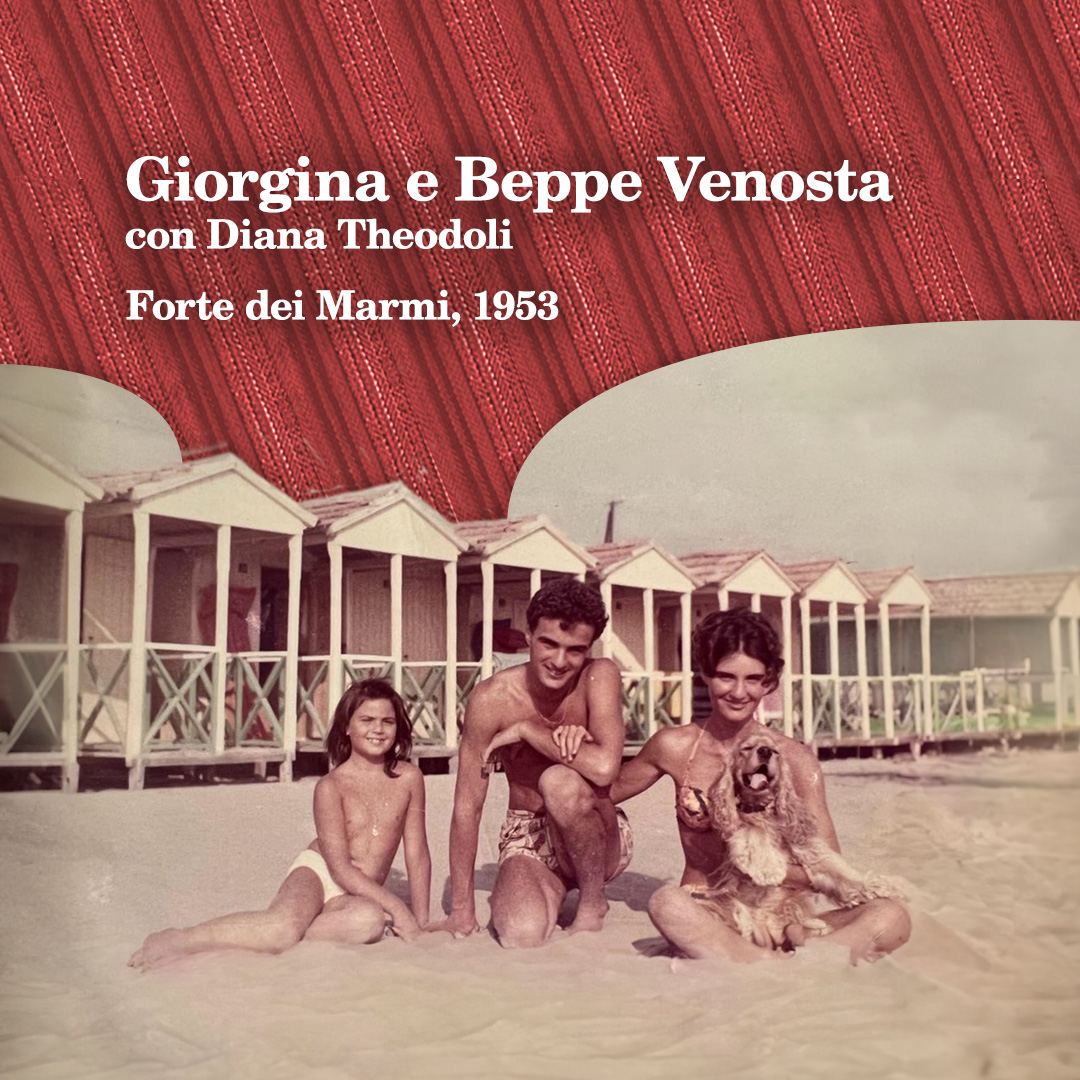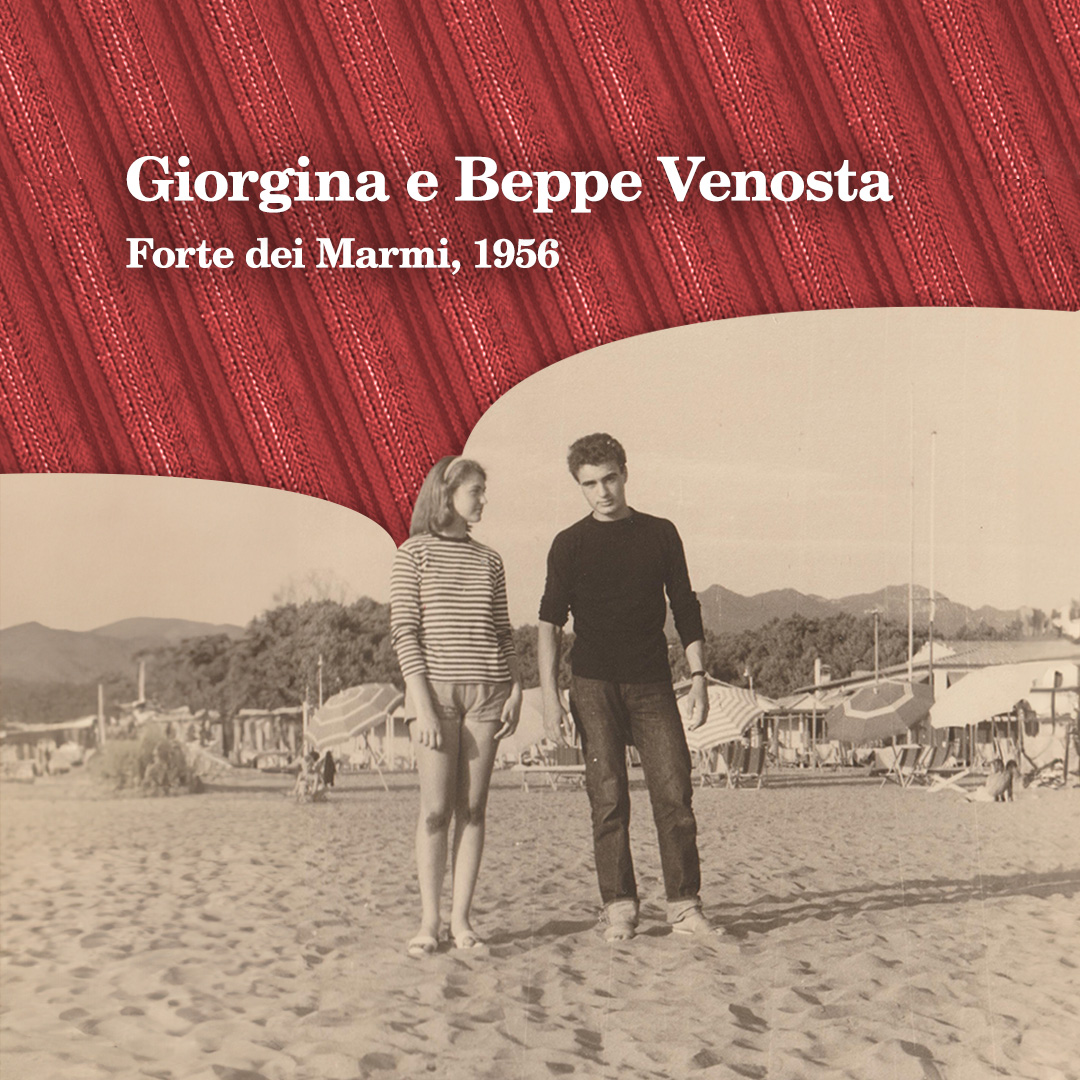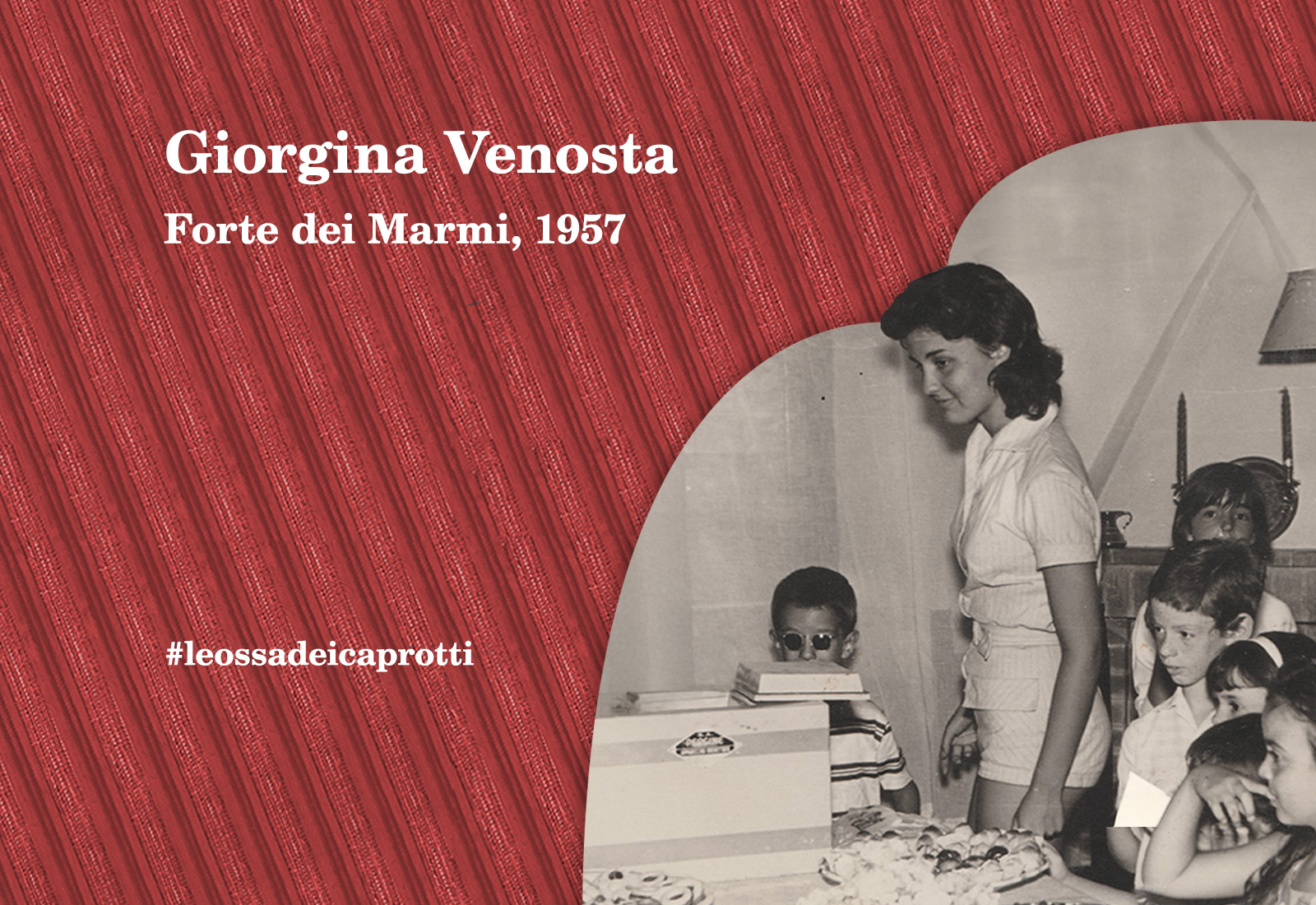
Lina Sotis, journalist and writer, always present in Milanese salons, also a ‘girl of the fort’ in the golden age, was a close friend of my mother Giorgina Venosta, and was often a guest in the villa she and her second husband Aldo Bassetti had on Lake Monate.
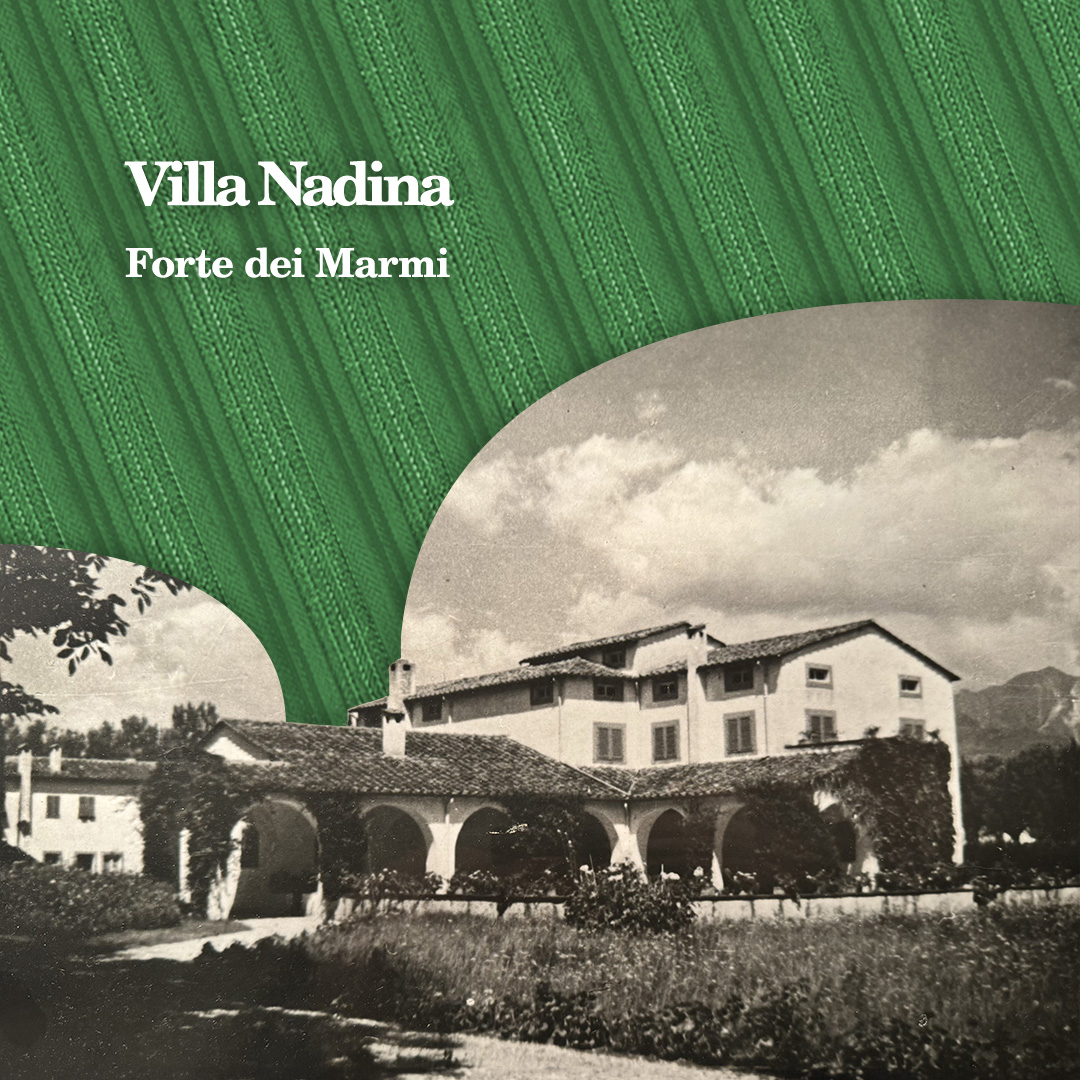
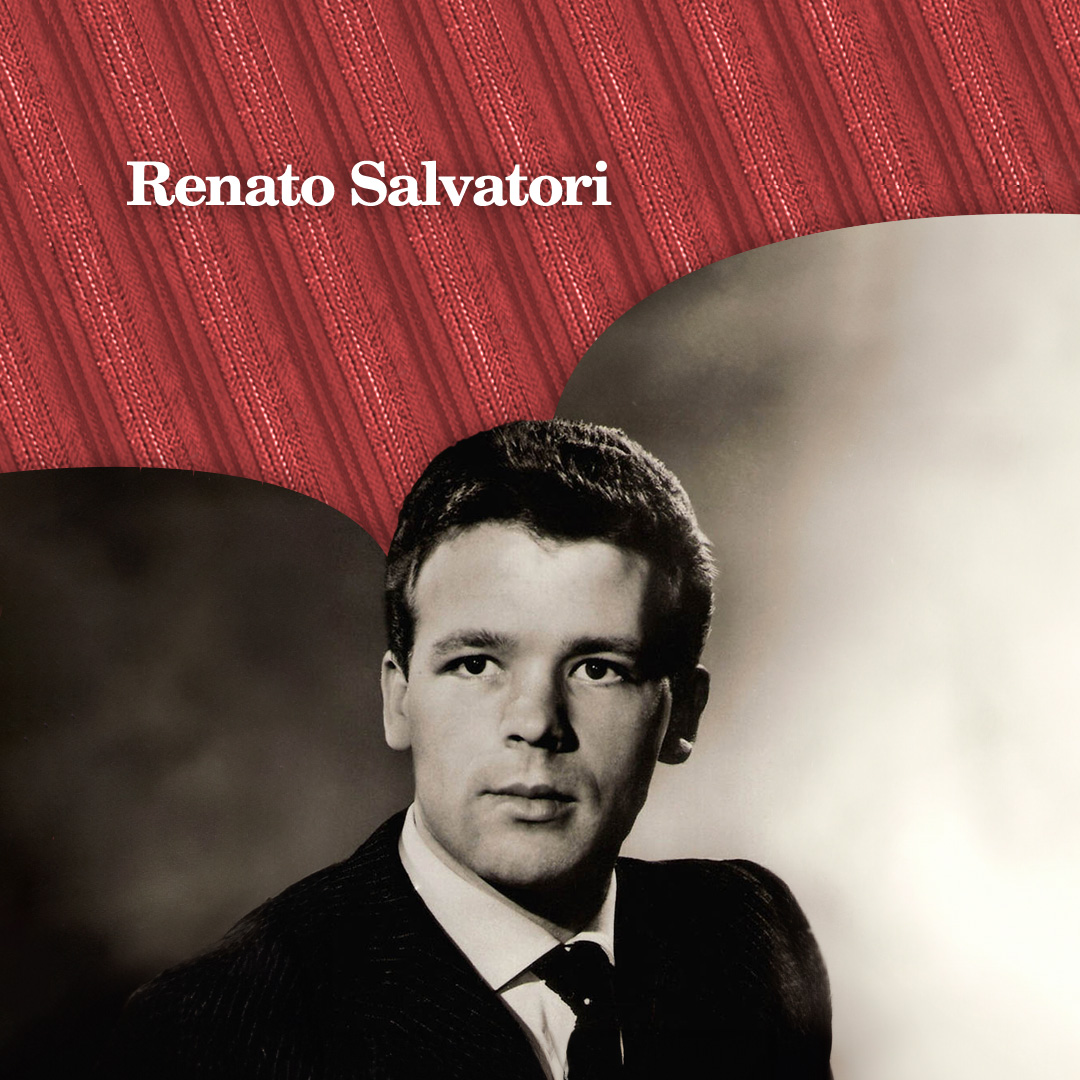
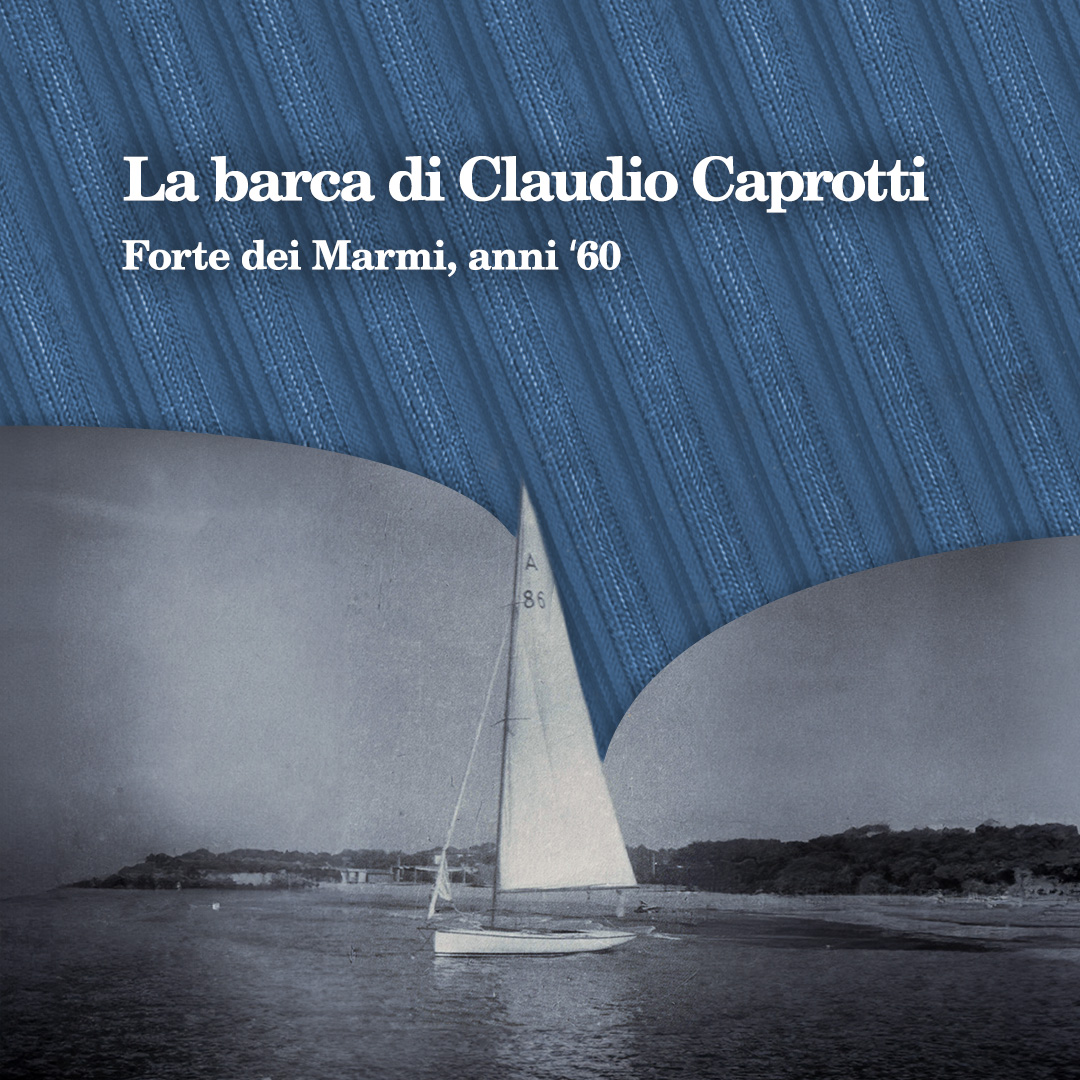
“The most beautiful villa was the Caprotti family’s villa Madina [Nadina, ed. It was there that the young Milanese would meet, it was there that Bernardo met the most seductive and shy of the time, Giorgina Venosta. A lady, this one, with an unthinkable quality for the times: she was democratic. With her, Renato Salvatori fell madly in love, who at that time was still a lifeguard and not an actor. The boy followed Giorgina everywhere. He watched her, in silence, enraptured. He also followed her to Viareggio, to the Viareggio home of the commander’s wife [Moratti, ed.] Giorgina, beautiful and polite, greeted the hostess by bowing. The handsome lifeguard, behind her, didn’t think twice and he too gave Erminia Moratti a bow. It was the only evening that the Capannina, the Bussola and the Caprice did not speak of that young man, with the mossy arre, who flew from Turin to Pisa and then boarded the Tramontana running along the sea, never bowing to anyone. (…)”.
Bernardo, knownto his intimates as Bernardino, was my father, and he married Giorgina, my mother, in 1958. Both families had been going to the Fortress one might say forever, and although the age difference was considerable – he was already in his thirties, she still in her teens – at the time it didn’t matter much. “In those fateful summers in Versilia at the end of the 1950s, Giorgina was also courted by Renato Salvatori, who was born not far away and had already starred in Mario Soldati’s Jolanda la figlia del Corsaro Nero and in a film by Dino Risi that would make the history of national cinema, Poveri ma belli, becoming one of Italy’s most famous actors. Many will remember him as Mario Angeletti, the lusty thief in love with Claudia Cardinale in Mario Monicelli’s I soliti ignoti.” (G. CAPROTTI, Le Ossa dei Caprotti, Milan 2023, p. 86).
Lina Sotis and my father in 2001 were the protagonists of a furious quarrel on the grand staircase of Palazzo Antinori in Florence, caused by an article written by her and not liked by him.
On the other hand, she was always a friend and admirer of my grandfather Guido Venosta, whom, when a street in Milan was dedicated to him in 2003, she described as ‘the symbol of an upright, shy, respectable, solid, elegant and generous Milan’. And a champion of style; in an interview in 2022 she described him as ‘ the most elegant man in Milan’, traditional ‘but chic’ in the dark red he favoured.
An international man, a Pirelli executive, his grandfather was practically the creator of theAIRC-Associazione italiana per la ricerca sul cancro (now Fondazione per la ricerca sul cancro – AIRC) which, under his leadership as president, became Italy’s largest private funding body in the fight against cancer. Such men are to be respected unreservedly, and I, who now preside over the Foundation [Gudo Venosta] dedicated to him, try to hold high his name and, not least, his intelligence, his effectiveness, his style.