“Having completed my military service and brilliantly passed the state exam for university entrance, I still did not feel able to choose a precise direction for the future. I timidly expressed the opinion of pursuing a law degree and then embracing a career in one of the fields of law, but my father’s opinion was that this choice would perhaps not give me in the future all the satisfaction to which I should aspire.
It was then a suggestion from Alberto Pirelli to my father that clarified and opened to me a path that I would never have thought of: between Bocconi and Cambridge, Alberto Pirelli distinctly suggested Cambridge, where I could study the economics of the modern world on general lines and in an environment particularly suited to comprehensive and collected teaching. In fact, the Cambridge School of Economics had enjoyed and still enjoyed an international reputation as a vibrant academy with outstanding lecturers.
We contacted, through a friend, Professor [Angelo] Sraffa, who taught commercial law at Bocconi University. His son, Piero Sraffa, who later became very famous, was already teaching at Trinity College (…). [Angelo was a distinguished jurist and economist, one of the founders of modern Italian commercial law, Piero was one of the leading economists of the 20th century, and also an important protagonist of philosophical and political culture, see their entries in the Treccani encyclopaedia, ed.
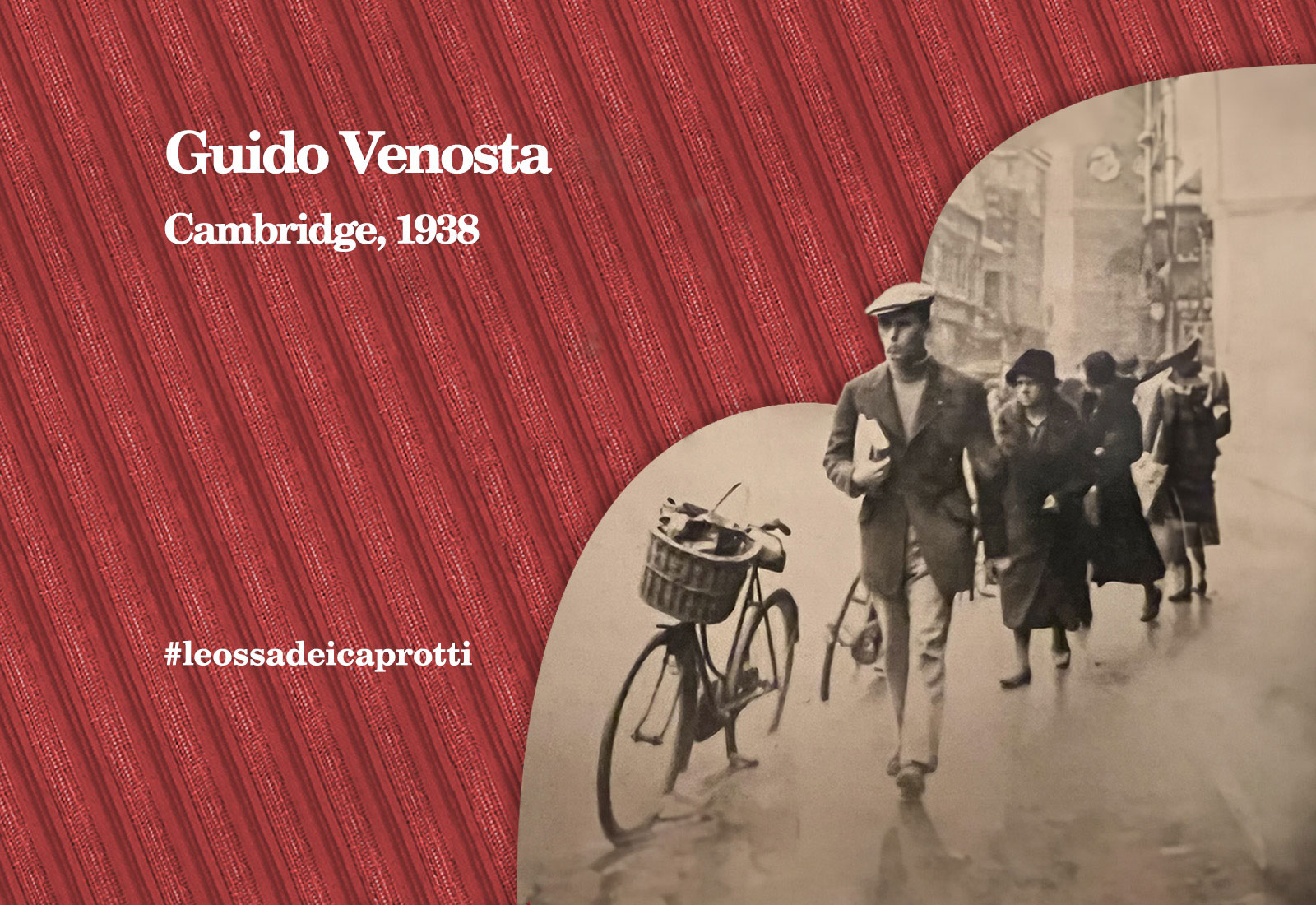
In reality everything was simple in this world dressed in flannel trousers and tweed jackets. I lived one year in the rooms of St. Johns College and two years in “Digs”, the external dwellings controlled by the college. (…). Teaching at Cambridge was very pragmatic. It was a surprise to me that I had already begun to know the rhetoric of the Italian university. (…). I had professors of the highest order, including John M. Keynes, who at that very time was helping to sort out the economic and financial situation in Europe (…) after the turmoil that followed the First World War (…). I also had as teachers Joan Robinson [who contributed to the promotion and dissemination of Keynes’ work and was the first woman to be made an honorary fellow of King’s College at the University, ed.], who together with Sir William Beveridge had been one of the founders of the Welfare State; Sir William Robertson [one of the great experts in monetary economics, Ed.], Maurice Dobb [Marxist and historicist-trained economist, author of notable works devoted essentially to problems of planning and development, Ed.] (…).
I left Cambridge with a wealth of knowledge and with many aspects of my character greatly improved. (…) I left (…) with a Second First, Economics, a very honourable mark for a Latin.
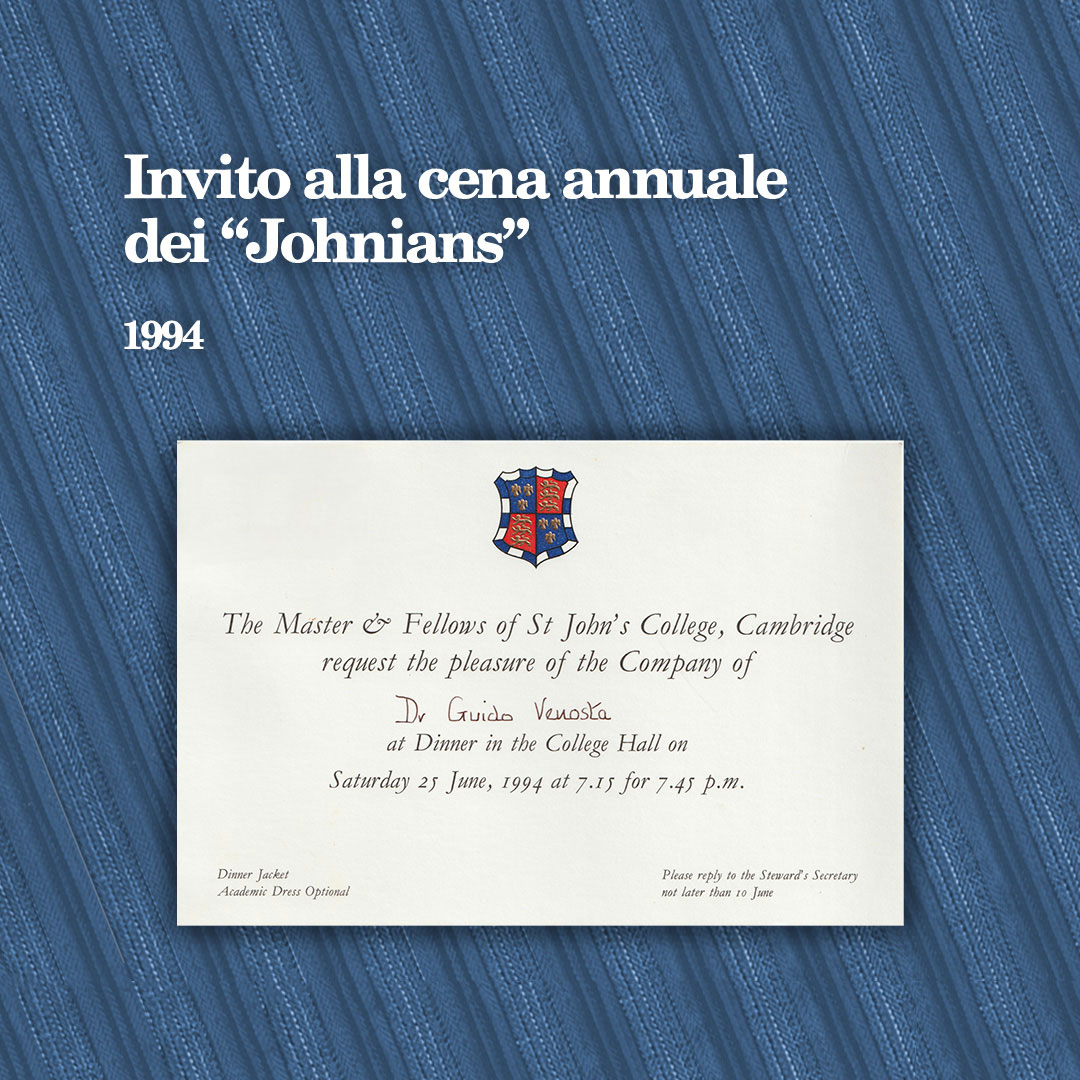
Grandfather, who remained a lifelong “Johnian” with his degree, was invited every year to the grand gala dinner that brought together, in alternate years, the “Masters of Arts” in the great hall of the College. In his later years, unfortunately, he was no longer able to go.
“Returning to Italy carrying such a brilliant achievement, my father asked me what I wanted as a prize. I told him that I would certainly like a few months’ holiday in Austria: another language, sport – alpine sport – and internationality. I joined the family of an Austrian lawyer, who had been a magistrate in Ala (in Trentino, then Austrian territory) in his early years of his profession, so he knew Italian well (…). The town had become an international hub for winter sports (…).
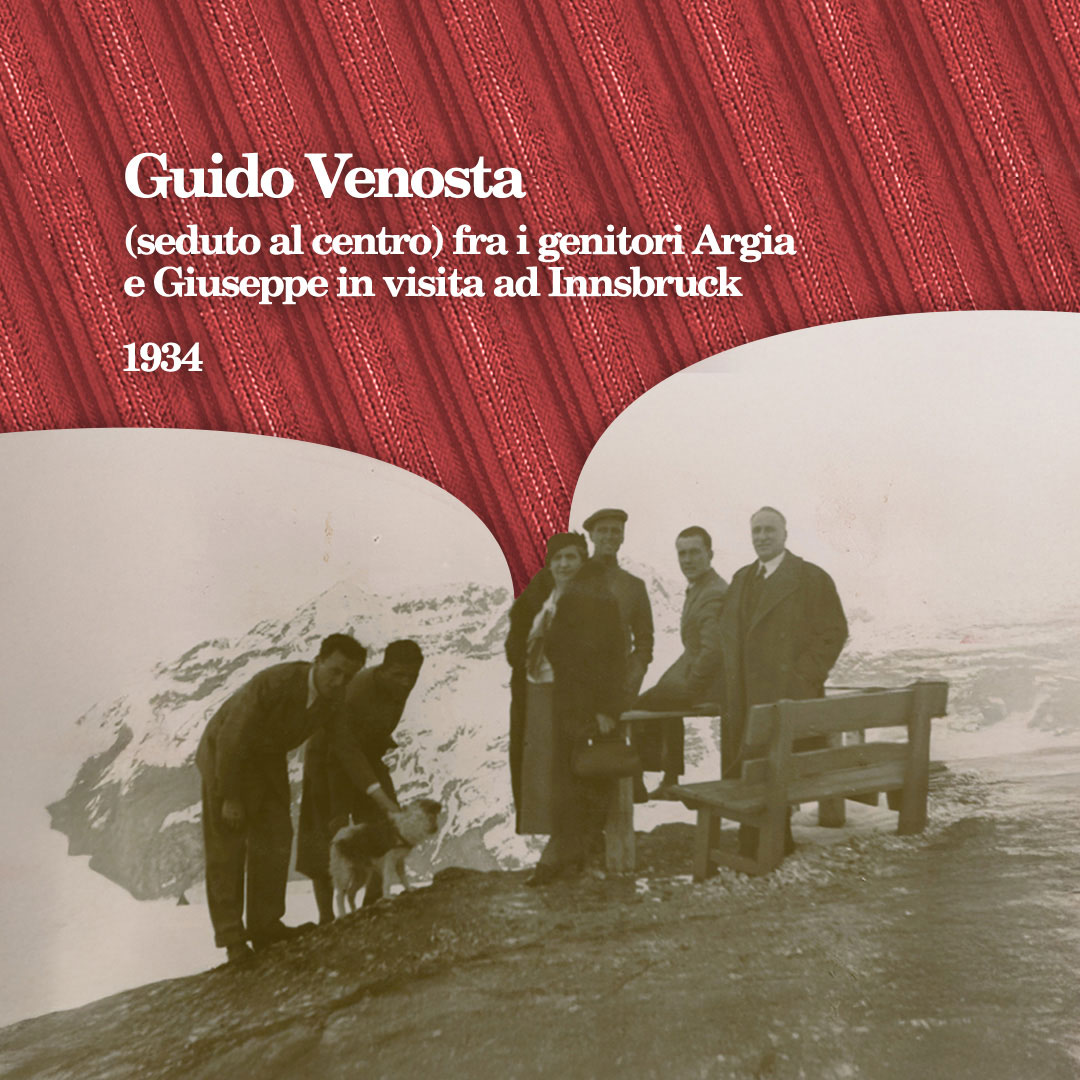
Apart from social gatherings with celebrities of all kinds and nationalities, one could still feel the great culture of old Austria and Central European culture in the air. (…) All that I had learnt before, and later at Cambridge University, was complemented by my stay in Austria, which made me more serene, more tolerant and more equal towards men and things. My parents visited me in Innsbruck and took me to Salzburg. We attended a memorable ‘Fidelio’, conducted by Arturo Toscanini. (…)”.
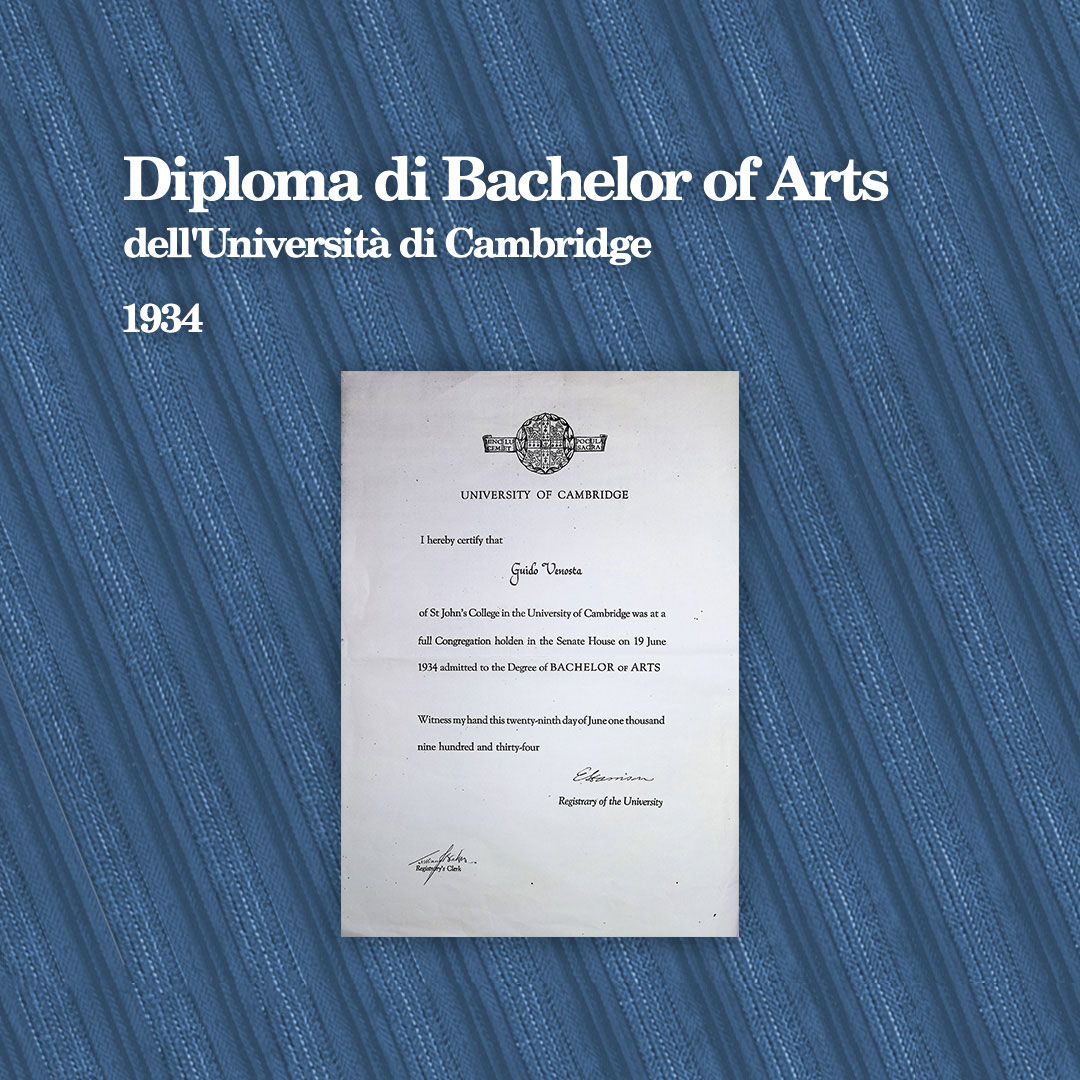
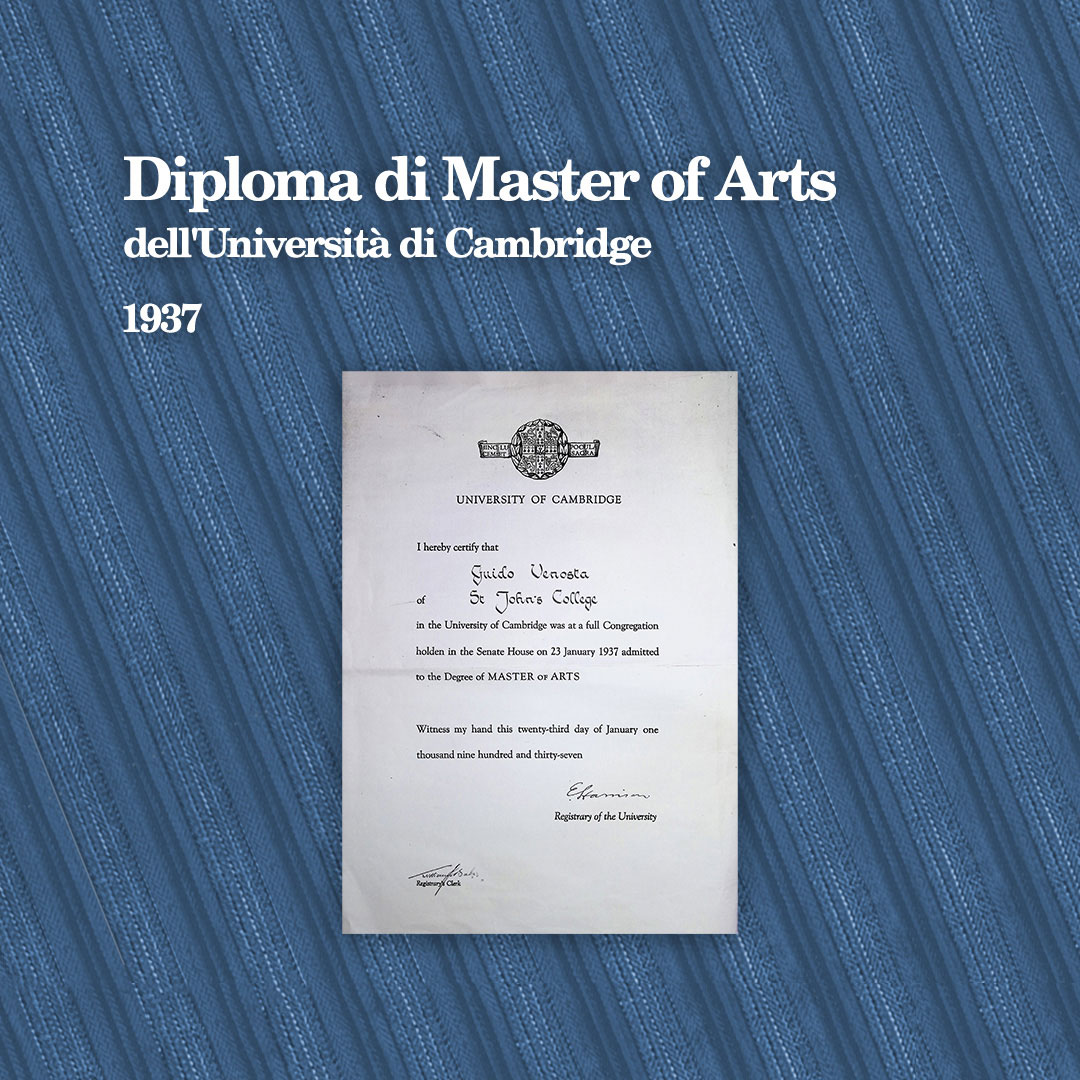
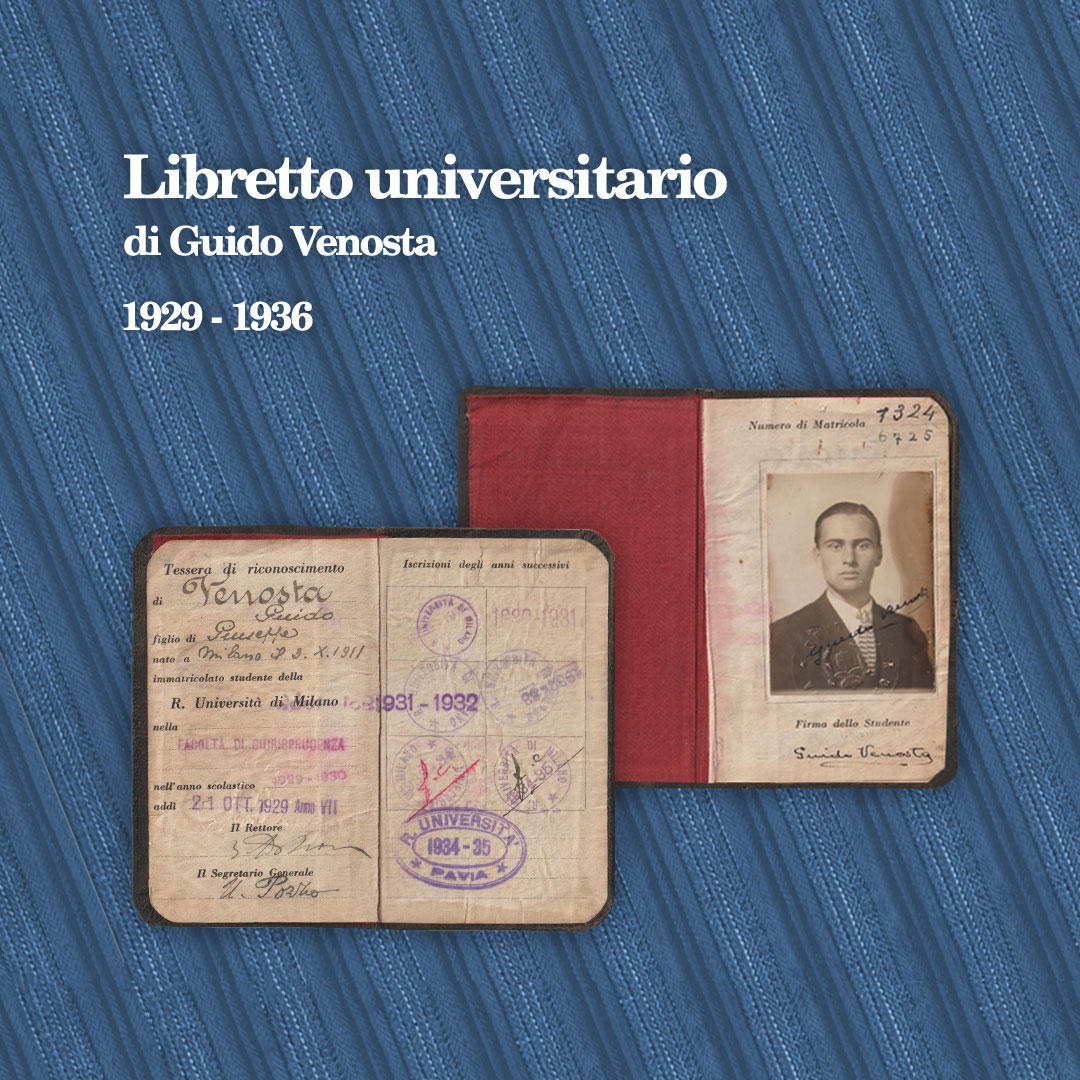
Curiously, in his ‘Memoirs’, grandfather Guido makes no mention of the law degree he obtained at the University of Pavia, where he was also a pupil of Giuseppe Ugo Papi, who then taught statistics and the science of finance there and would also become a great economist. From his university transcript we know that in 1929 he enrolled in that faculty at the Royal University of Milan, and perhaps here he had already ‘begun to learn about the rhetoric of the Italian university’. I do not know in what way he pursued his studies, apparently at the same time as those at Cambridge, since every academic year the libretto has its own good stamp. The fact is that, having moved from the Milanese university to the University of Pavia (academic year 1934-1935), he graduated in 1936 with a thesis on ‘Facts of British and American Monetary Policy with References to the Policy of the Bank of England and the Federal Reserve Board’. I can only imagine that even in Pavia they did not often see, at that time, a Cambridge student, already a ‘Bachelor of Arts’ (i.e. a first-class graduate), writing 169 pages of thesis citing more books in English than in Italian in his Bibliography. And the following year, in January 1937, he would be honourably awarded the English university’s ‘Master of Arts’, which made him a specialist graduate in Economics and thus a top graduate.
Sources:
Albiate, Villa San Valerio Archives, Guido Venosta Archives, G. VENOSTA, “Unpublished Memoirs (1996-97)”, pp. 25/1-27.
Ibid., “Diplomas and certificates”, photocopies of original diplomas from Cambridge University, dated 19 June 1934 and 23 January 1937 respectively.
Ibid., “Personal documents”, Guido Venosta’s university transcript, enrolled on 21 October 1929 at the Royal University of Milan, Faculty of Law; Ibid., degree thesis, bound typescript copy.
Bibliography:
MONTI, A., SRAFFA, Angiolo Gabriele (Angelo), entry in ‘Dizionario Biografico degli Italiani – Volume 93 (2018)’.
DE VIVO, G, NALDI, N., SRAFFA, Piero, entry in “Dizionario Biografico degli Italiani – Volume 93 (2018)”.
KEYNES, John Maynard, entry in ‘Treccani. Online encyclopaedia”.
ROBINSON, Joan Violet, entry in “Treccani. Encyclopaedia on line”.
PIGOU, Arthur Cecil, entry in “Treccani. Dictionary of Economics and Finance (2012)’.
TREVES, P., BEVERIDGE, Sir William Henry, entry in “Treccani. Italian Encyclopaedia – 2nd Appendix (1948)‘.
ROBERTSON, Sir Dennis Holme, entry in ‘Online Encyclopaedia’.
DOBB, Maurice Herbert, entry in “Enciclopedia Italiana – III Appendice (1961)”
GIOLI, G. “PAPI, Giuseppe Ugo”, entry in “Dizionario Biografico degli Italiani” – Volume 81 (2014).