Drafted 26 November, updated 22 December 2025
Walmart Inc. is strengthening an established partnership to help Arkansas rice farmers operate more sustainably and profitably…
Farmers who participate in the programme receive a financial premium for every kilo of rice produced using regenerative methods. These funds support new practices such as improved water management, optimised fertiliser application and crop rotation to improve soil quality and biodiversity.
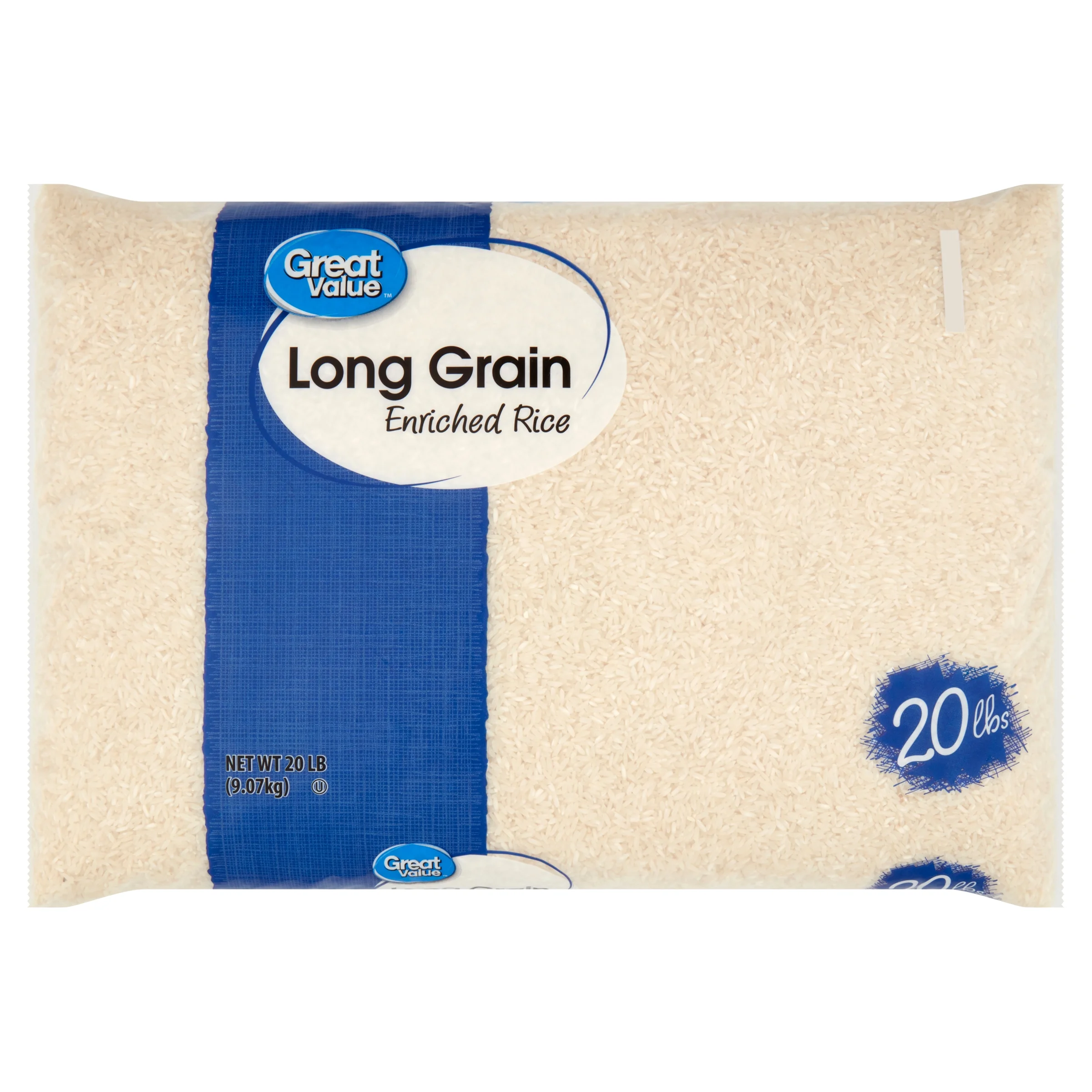
The co-investment, which according to Walmart has already helped rice farmers supplying its Great Value private label (pictured above) reduce emissions by more than 37,000 tonnes of CO₂e, save more than 11 billion gallons of water and return more than $900,000 to farmers, is now being expanded with Kellanova‘s participation.
Source by Indigo is designed to enable companies to support the regenerative outcomes of rice production through a verified end-to-end process aligned to the Greenhouse Gas Protocol. The programme is also in line with Walmart’s Project Gigaton, an initiative launched by the company in 2017 to avoid emitting a gigaton (one billion tonnes) of carbon dioxide from its global value chain by 2030. Walmart’s private-label sales are a quarter of US revenues, or $115.5 billion ($462 bn : 4 = $115.5 bn, source: Financial Times).
The company is also deploying customised solutions on the Cropin agricultural intelligence platform equipped with generative artificial intelligence to improve the accuracy of efforts to forecast yield, monitor crop health and predict seasonal transitions of fresh produce in its US and South American markets.
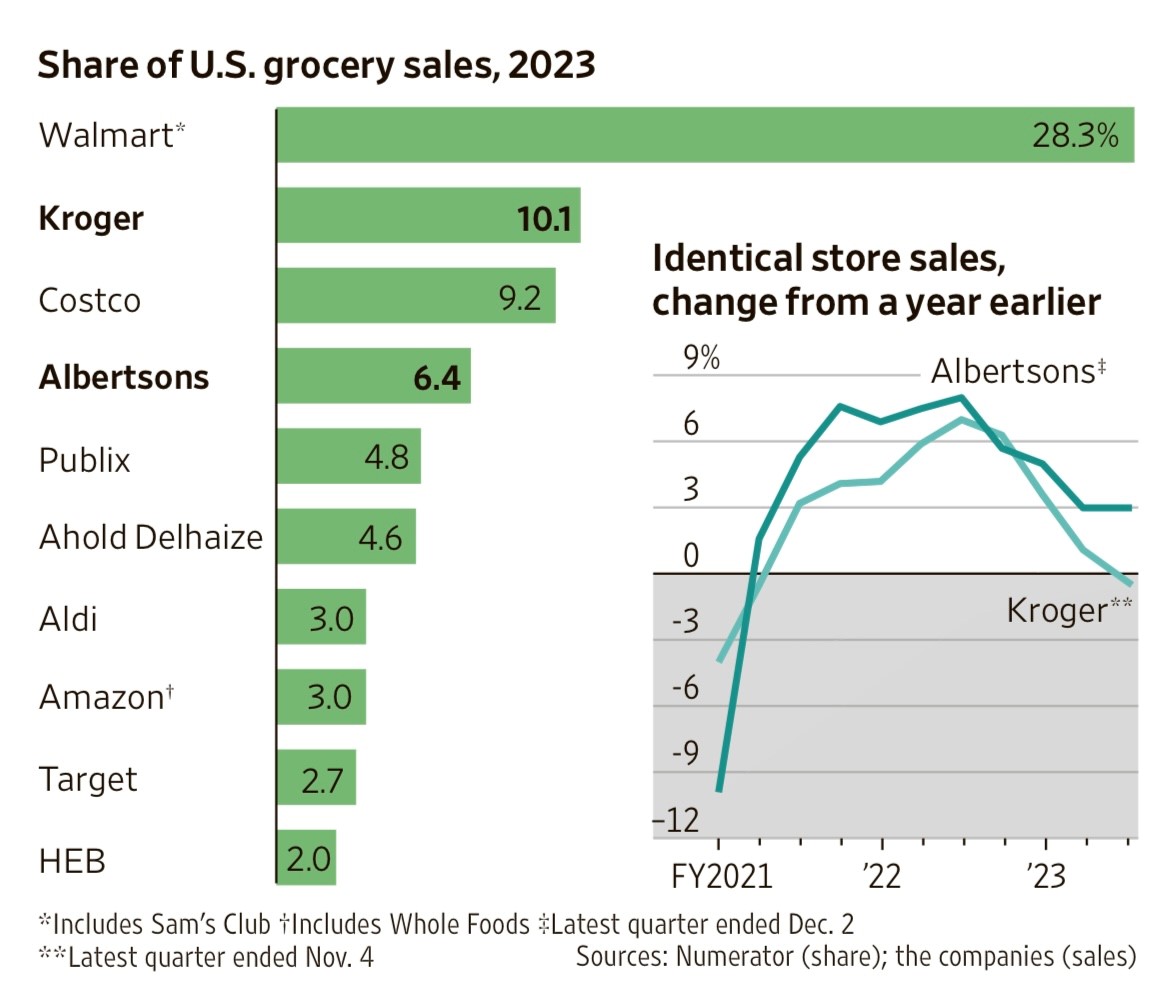
This gives the measure of the Bentonville, Arkansas-based giant Walmart’s uncontested leadership, covering almost a third of the US grocery market.