Drafted 31 October, updated 23 December 2025
Brazilian beef imports rose 91% over the same period, before declining in August after the US raised tariffs on Brazilian products from 10% to 50%.
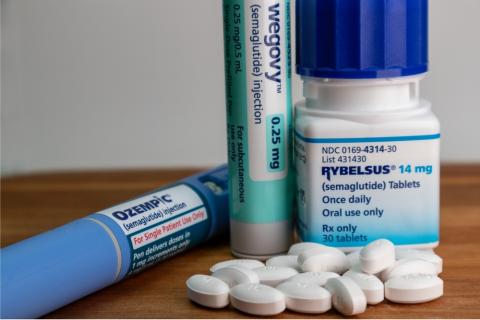
[One of JBS’s owners, Wesley] Batista, speaking at the Rothschild Consumer Conference in London last month, said the growing use of GLP-1 weight loss drugs [ Mounjaro, Wegovy and Ozempic, for example ] could drive the growing demand for protein.
GLP-1 users are advised to make sure they eat plenty of protein to maintain muscle density…
… A survey last year by the International Food Information Council, an industry-funded non-profit organisation, found that 71% of respondents were looking to eat more protein, up from 67% in 2023 and 59% in 2022..
Larissa Alvarez, an analyst at financial services and trading firm StoneX, said the rise in US beef prices ‘is mainly driven by the reduction in cattle supply, with the smallest herd since the 1950s’.
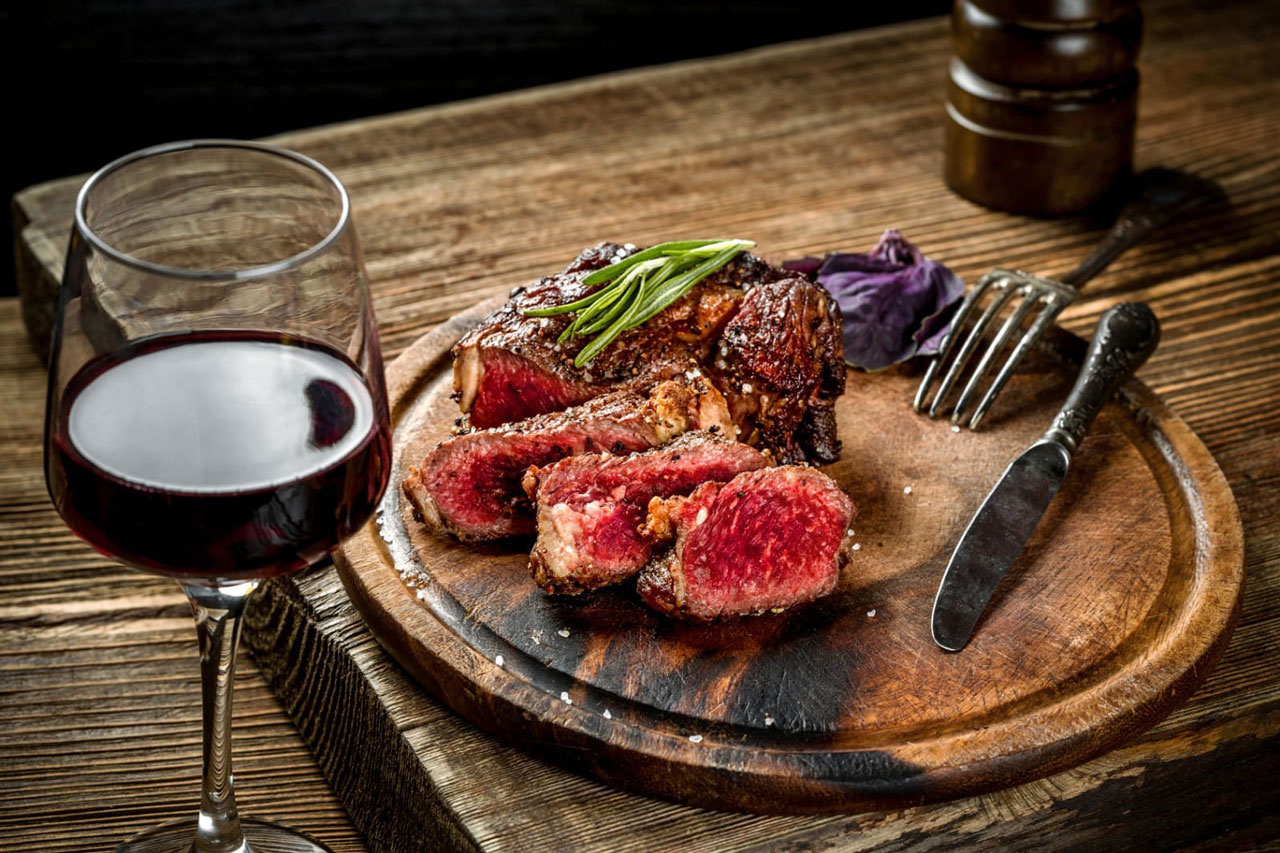
Below: the latest quotation for ground beef exceeded $14.
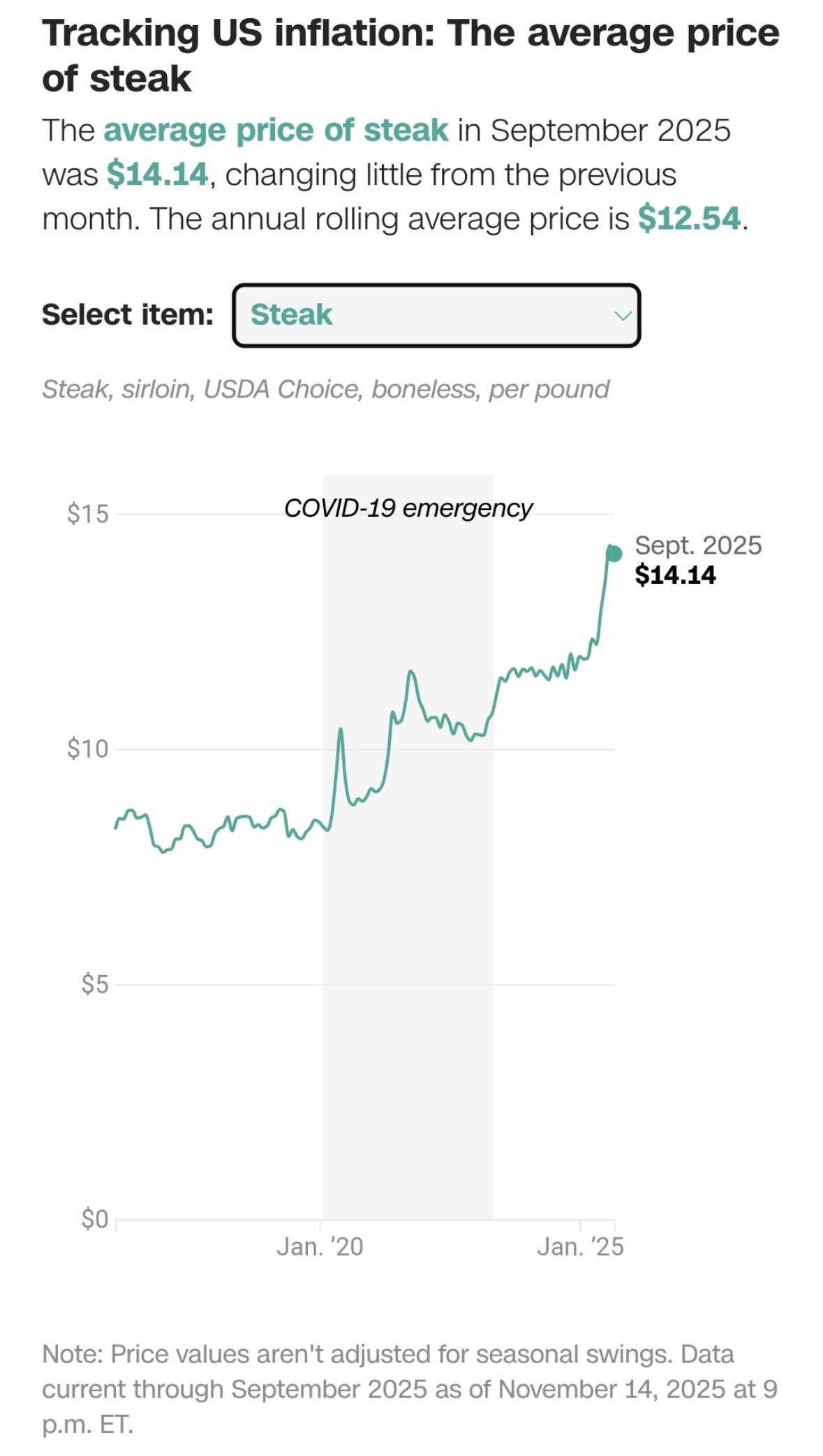
Record calf prices have also prompted farmers to cash in instead of breeding them [above meat price trend to October 2025].
“[This] is combined with a structurally strong domestic demand, given the high per capita consumption, as the country is one of the largest consumers in the world,” Alvarez said.
Controlled by Wesley and Joesley Batista, whose father founded the company more than 70 years ago, JBS has gone from being a provincial slaughterhouse to becoming a titan of the global food industry.
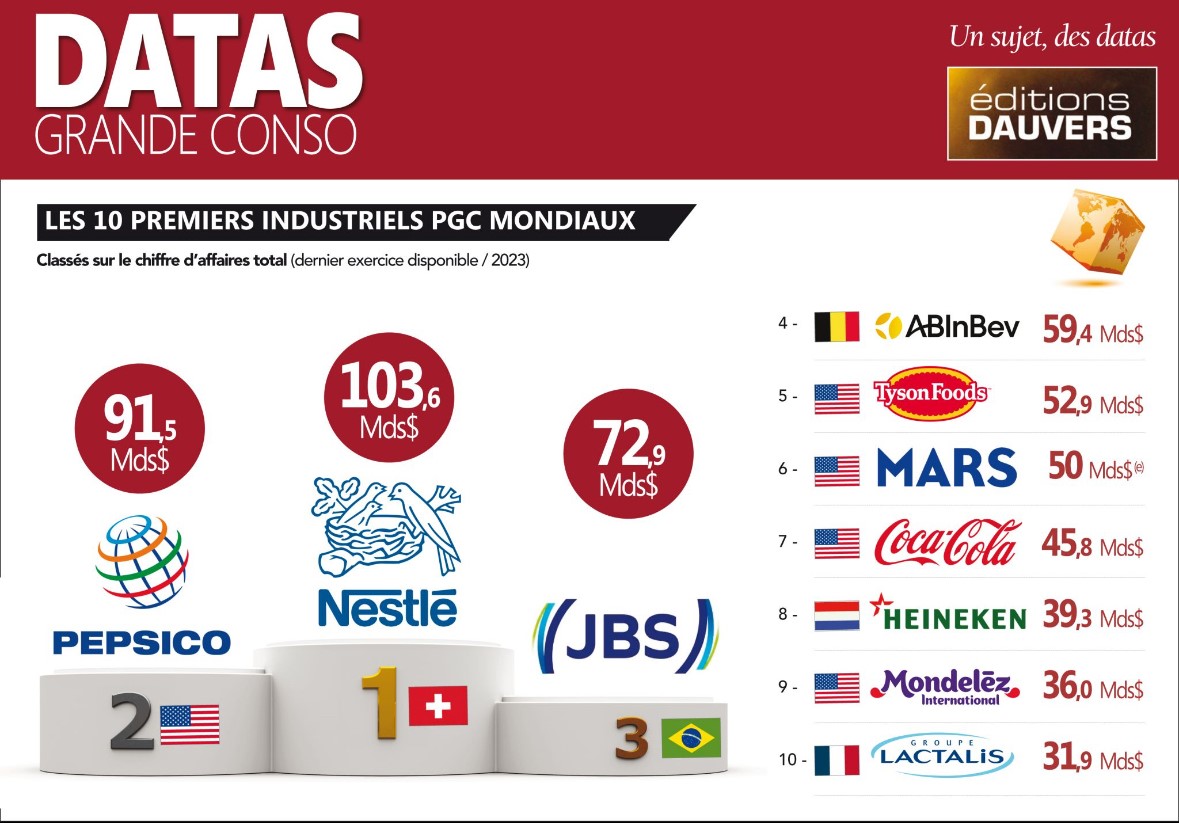
By 2023 it was the third largest food producer in the world.
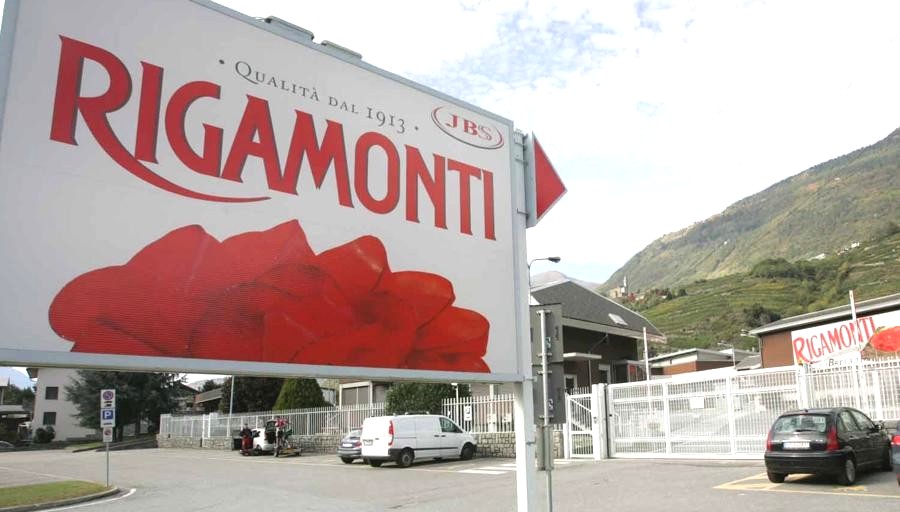
The company, which is also the second largest producer of chicken and pork in the United States, has in recent years begun to diversify into eggs, fish, ready meals, and plant-based products.
Since then, the São Paulo-based group’s shares have risen 3.5%, valuing them at $15.9 billion.
Conclusion: Regardless of the ethical-environmental assessments(the greenhouse gases produced by the meat and dairy giants exceed those of Saudi Arabia) it is interesting to know that:
Large groups, such as Mars, Coca-Cola, PepsiCo, Mondelez, Nestlé or Unilever– already affected by the decline in consumption due to the advance of private-label products and other factors – are running for cover.
The consultancy Roland Berger predicts a revenue loss of between USD 60 billion and 90 billion (EUR 51 billion and EUR 77 billion) on the retail side in the US in 2031. “The most affected product categories are crisps and savoury snacks (-11%), sweet bakery products (-9%) and soft drinks (-7%), which translates into short- to medium-term losses of $7.5 billion to $8 billion in these segments of the US market.”
The Magnum Ice Cream Company offers low-calorie, low-sugar, high-protein ice cream under the Yasso brand. It has also launched ‘frozen candies’ under the Magnum brand, in bite-size format.
For its part, Coca-Cola took control of the high-protein, low-sugar dairy company Fairlife in 2020 and two years later announced that it had exceeded $1 billion in sales with this brand in the US.
Global food industry leader Nestlé launched a range of pasta bowls, sandwiches and pizzas in the US market in spring 2024 under the Vital Pursuit brand. Presented as higher in protein and fibre and in the form of smaller portions, these dishes are intended to satisfy the reduced appetites of consumers undergoing anti-obesity treatment.
This will have a strong impact on restaurant chains’ margins but also, most likely, on consumption in fast food restaurants: how will McDonald’s maintain $5 menus?
For now, by increasing discounts, turnover holds but, going forward, what will happen? Discounts cannot be increased indefinitely.
And above all, what will be the impact on the quality of the food offered?
Read also : US: dollar sales of fresh beef increased by 12.4% to $44 billion
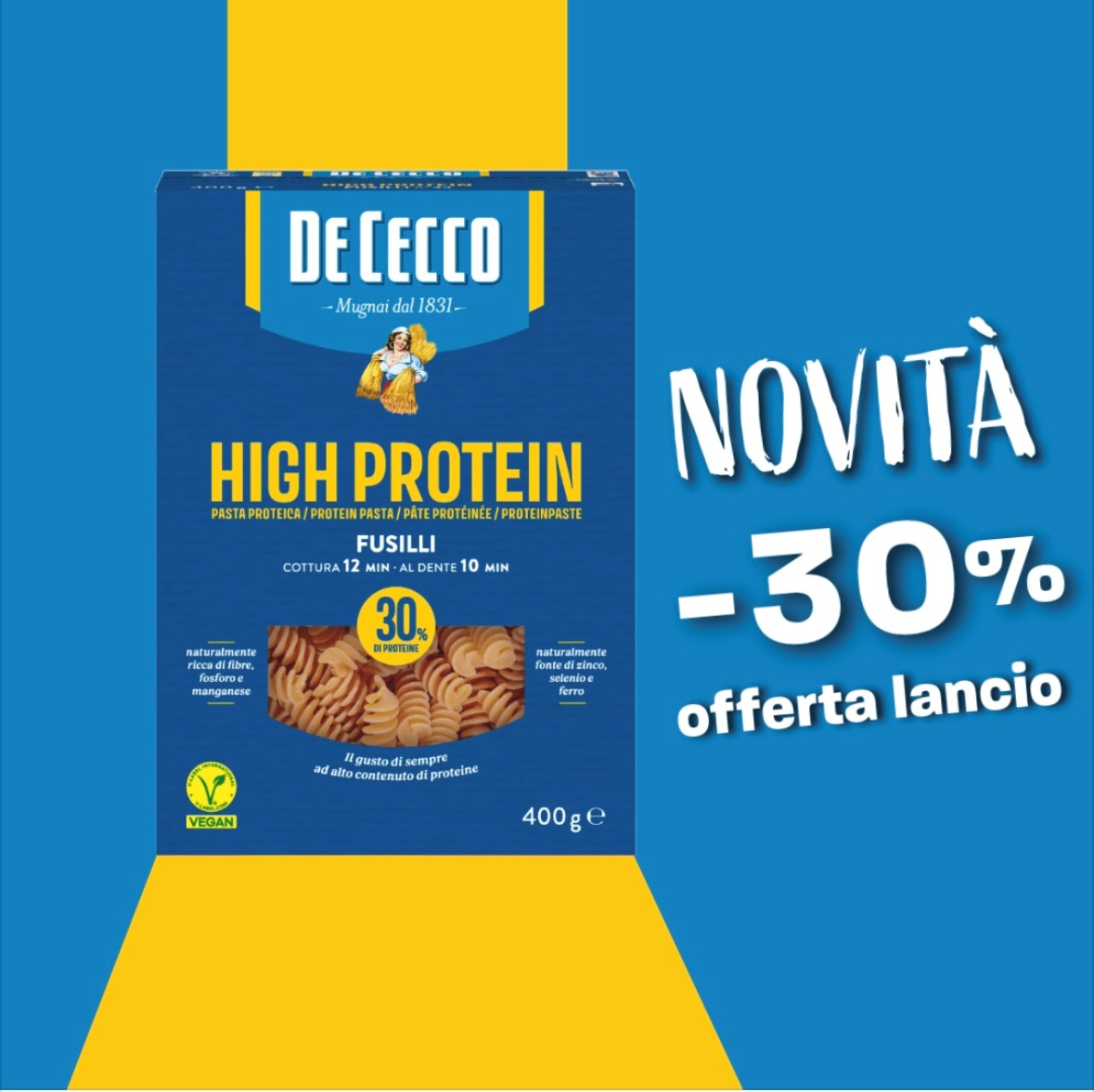
Below: the protein craze has also hit De Cecco.