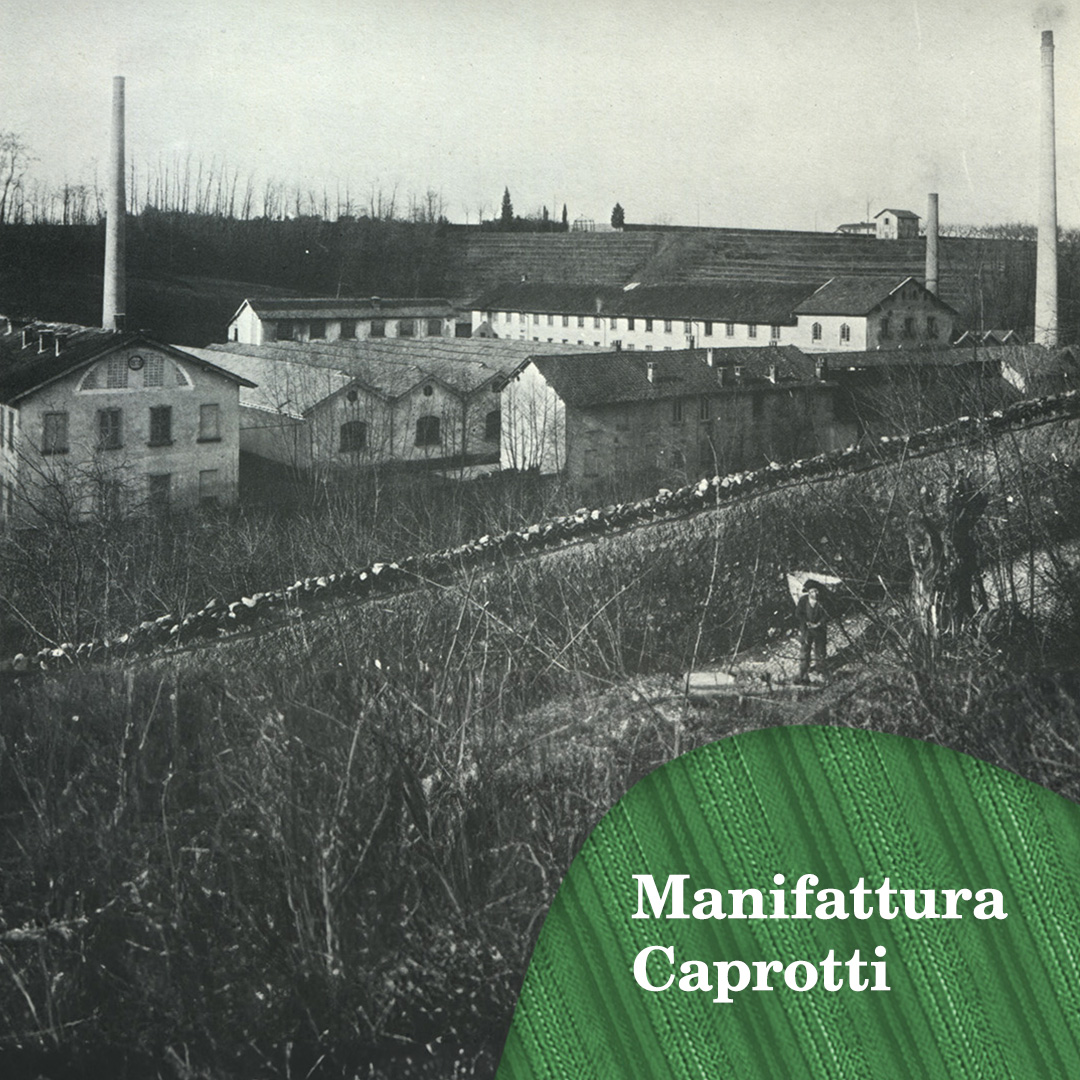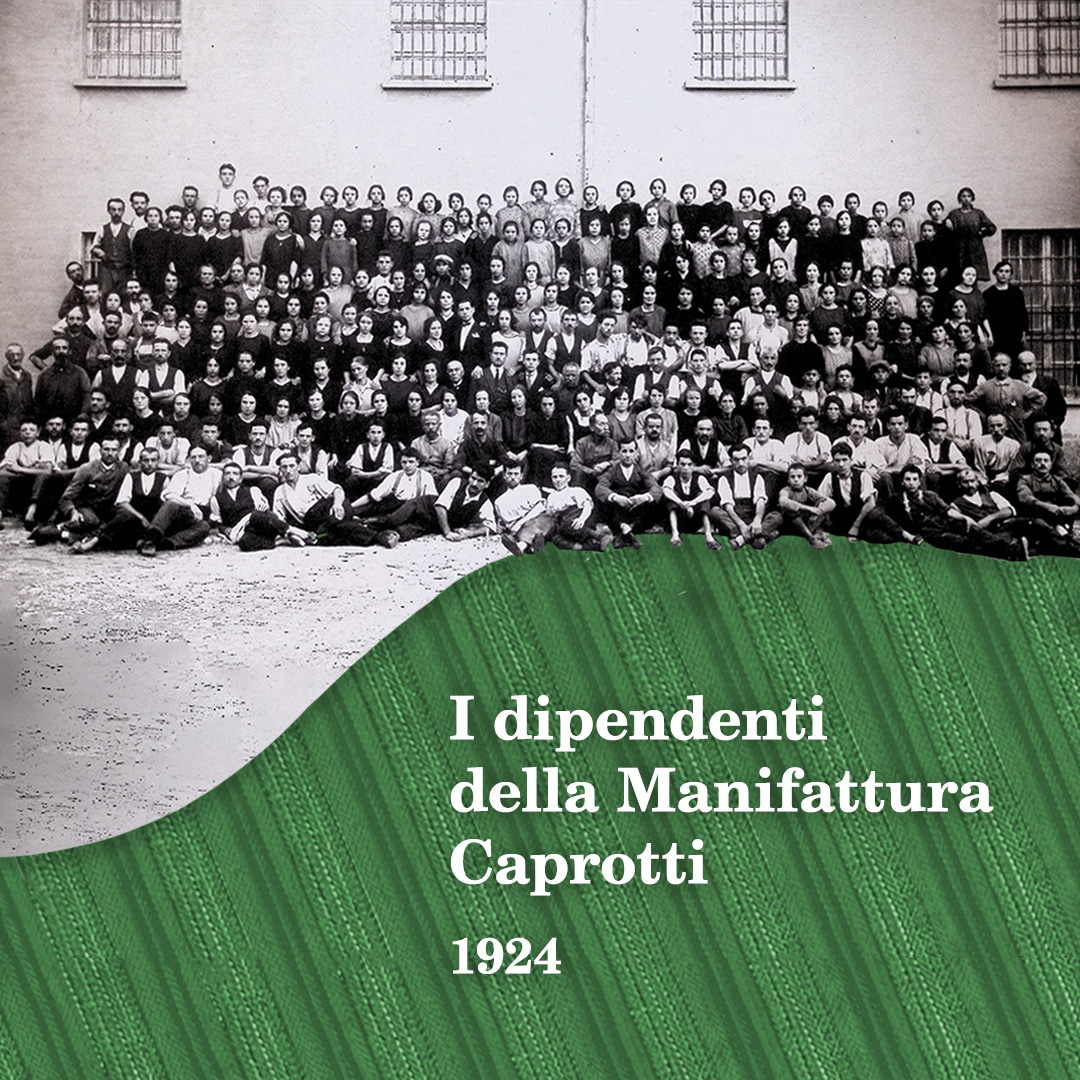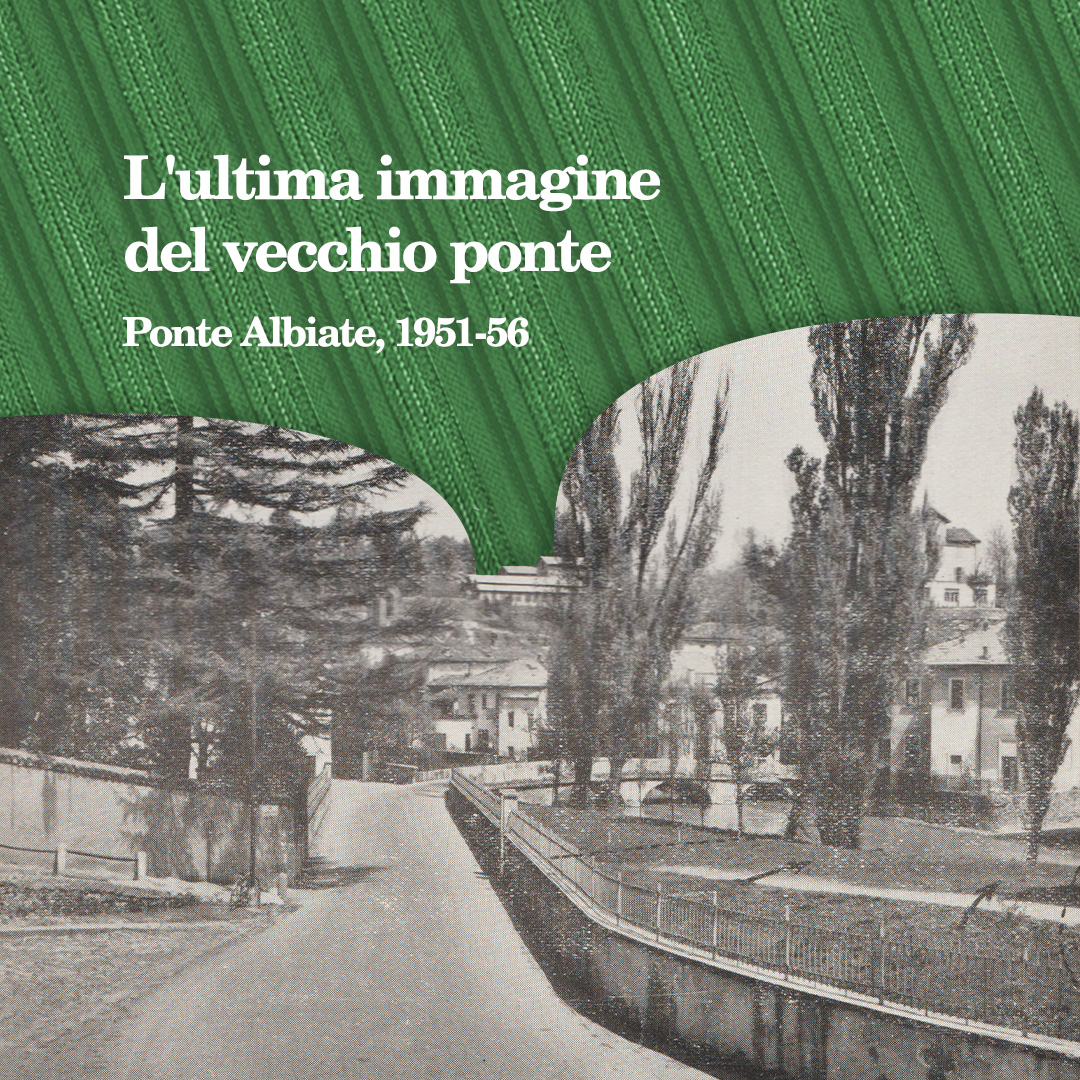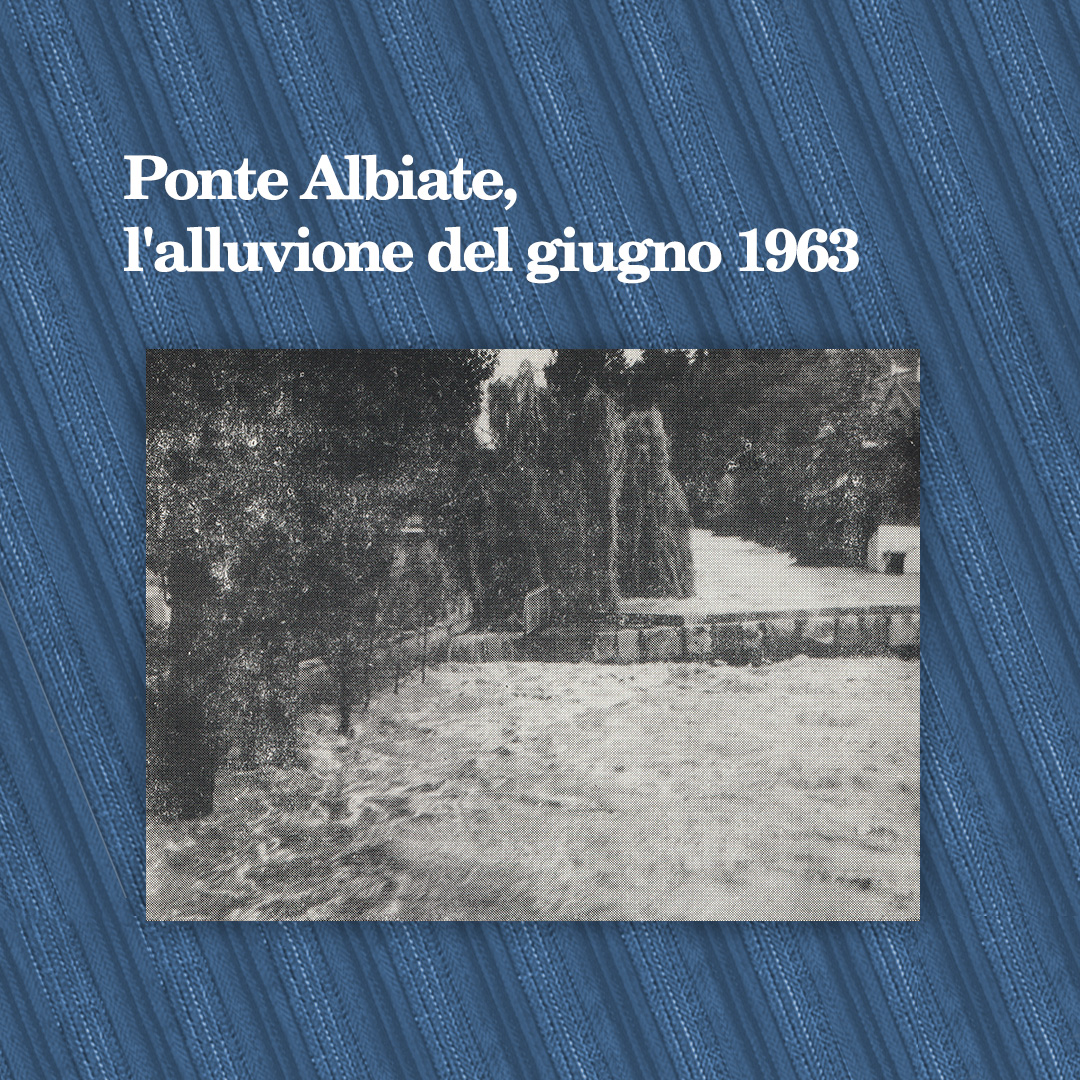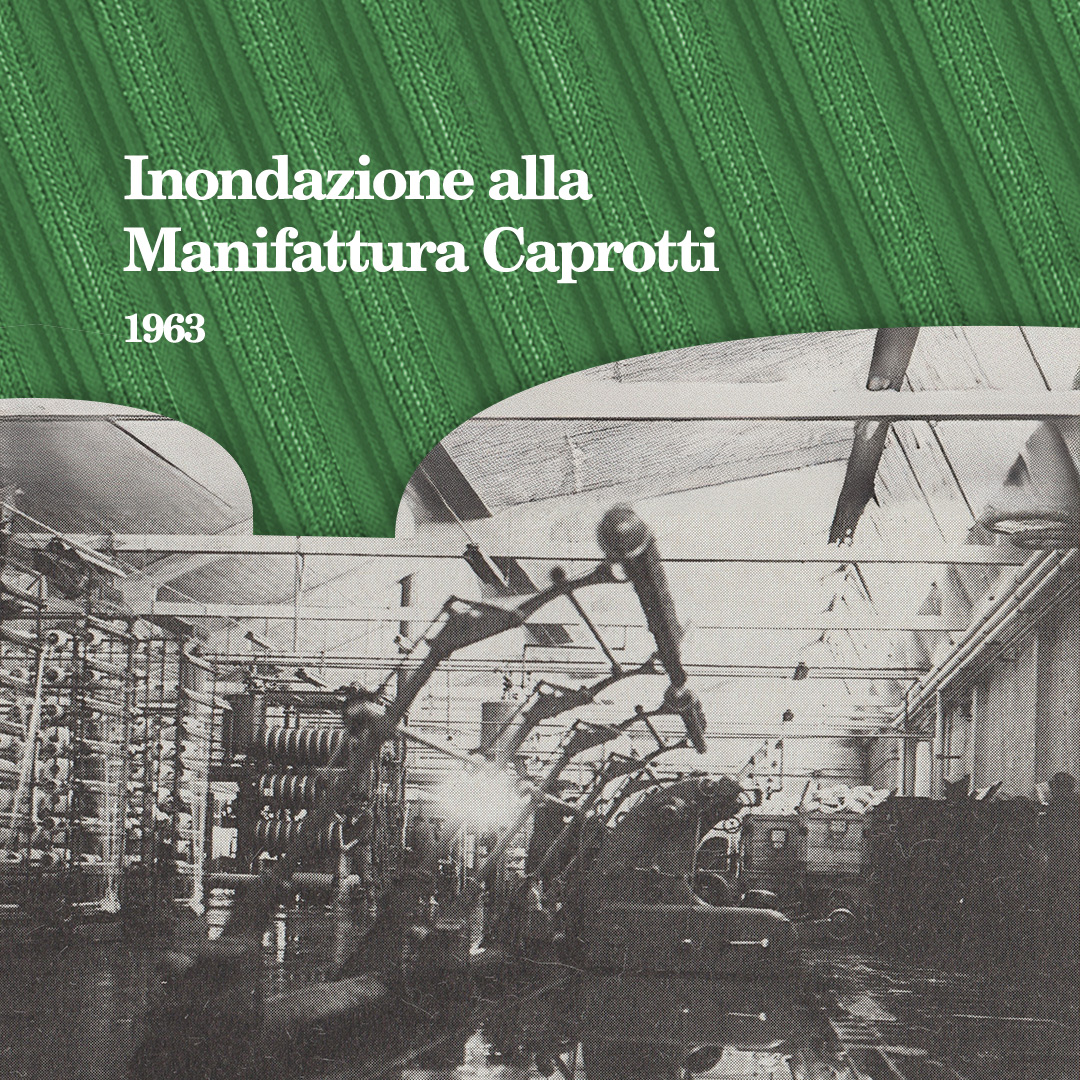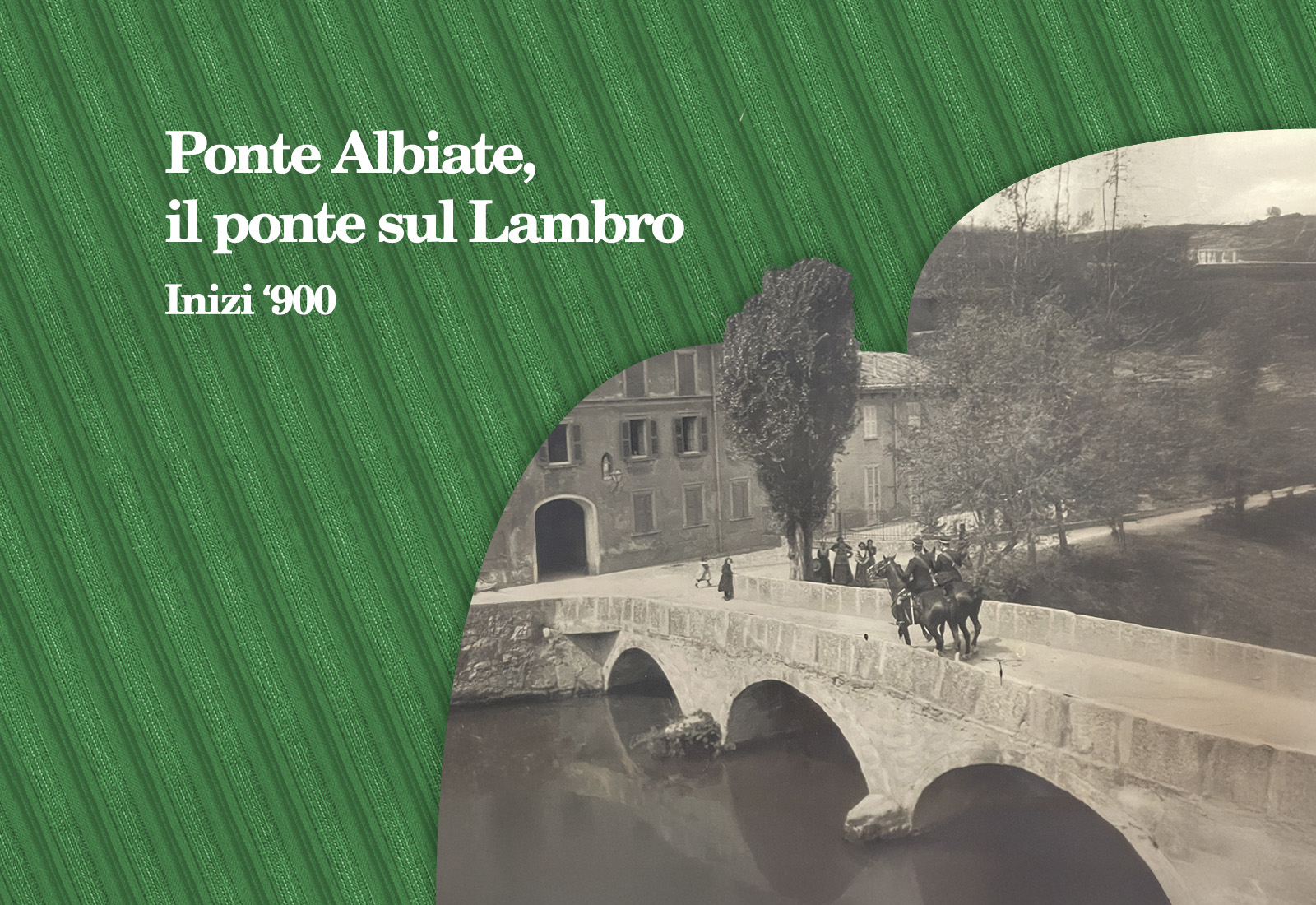
The Albiate bridge has an ancient and important history: the earliest recorded structure dates back to the Longobard period, and at the beginning of the 14th century, one of the many battles between the Visconti and Torriani families for power over Milan was fought there. Practically nothing remains of the oldest structures, which are regularly swept away by the floods of the Lambro, which are particularly violent as the valley at that point is very recessed between the banks, and narrow. Between 1801 and 1803 yet another bridge was rebuilt, positioned further north than the previous ones, the one that can be seen in paintings and older photographs surrounded by greenery and peace. However, its shape with low arches obstructs the flooding river, worsening the situation along with the debris that gradually accumulates. Particularly raging floods regularly cause serious damage to the two cotton mills on the banks, the Manifattura Caprotti and the G. Viganò cotton mill, invading the premises, damaging machinery and ruining goods and supplies (‘A Little Big Old World’, p. 22, flood of June 1917).
By the early 1950s, the Albiate bridge, built at the time for carts and wagons, horses and pedestrians, was also too narrow (not even 4 metres), and therefore unsuitable for modern vehicle traffic. The municipal council, led by my grandfather Peppino Caprotti, began to take care of it, because in 1951 the Lambro overflowed, passing over the bridge and invading the banks, causing damage although, apparently, not very extensive (‘Albiatum’, p. 89).
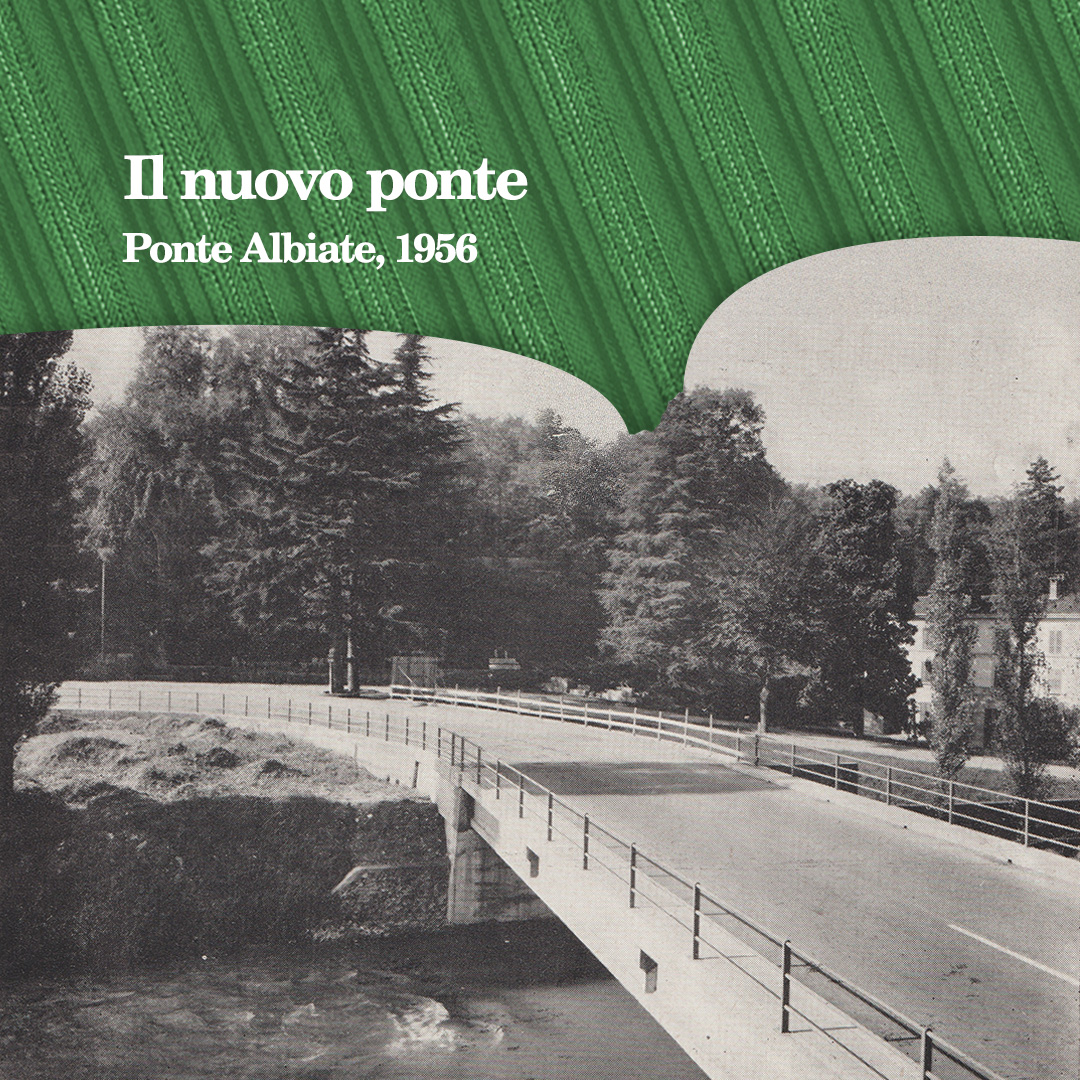
Peppino was not new to public affairs, he had already been a podestà delegate in 1942. He stood in the local elections between May and June 1951, and was elected mayor, the second of the Caprotti family, like his father forty years earlier. During his brief period at the head of the Albiatese municipal administration (he died in a car accident the following year), he had time to lay the foundations for the important bridge reconstruction project. In 1956, at the end of his term of office, the municipal administration was able to announce that, together with the Triuggio municipality and the provincial administration, which had assumed the burden of half the expense, it had designed a new 10-metre-wide bridge with pavements. The new work is in the process of being approved, and funding has already been allocated.
Controversy and obstructions put off the destruction of the old bridge for a long time, but finally, after yet another flood on 12-13 June 1963, which caused hundreds of millions in damage at the time, the structure was demolished. This led to the start of major works of restoration, dredging and other work on the riverbed, thanks to the interest of the municipalities of Albiate and Triuggio, the Milan Civil Engineers and ‘for the special understanding of two Albiate-based companies located on the banks of the Lambro’, companies that, given the position of the disappeared bridge, were G. Viganò and Manifattura Caprotti, also interested in the long-standing problem; their “understanding” was also expressed by a “financial intervention” (“Albiate 1960-1964”, p. 24).
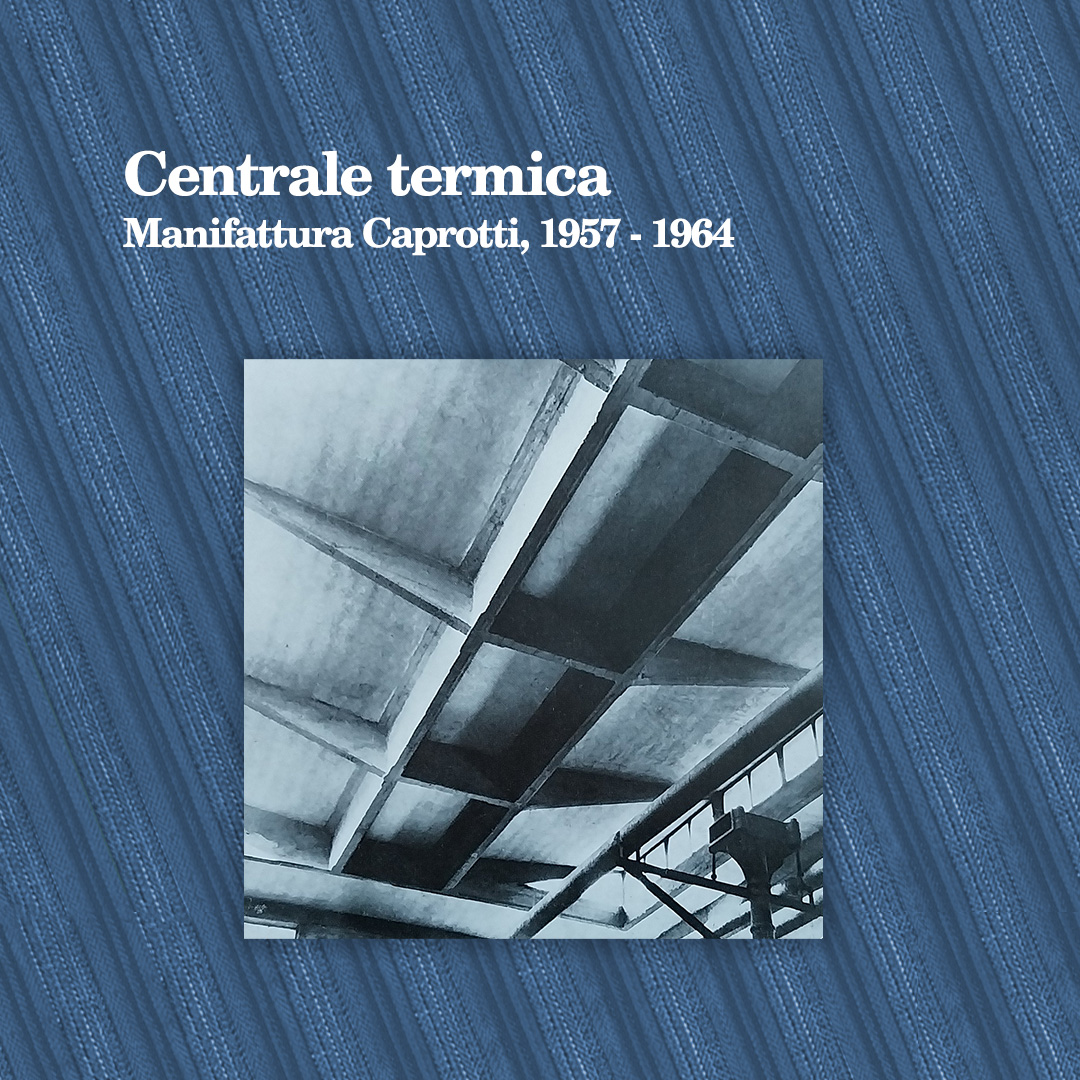
Part of the ‘understanding’ and subsequent ‘intervention’ was the Morganti construction company, specialised in industrial construction and operating throughout the Italian peninsula, which also worked for the Caprotti family as well as for other important industrial concerns in Brianza, including the Cotonificio F.lli dell’Acqua, also based in Triuggio. An illustrated company booklet, published in 1970, lists among his major works the renovation of the thermal power plant and various extensions to the factories in Albiate, Macherio and Carate between 1957 and 1964; for Esselunga, the construction and extension of warehouses, depots and offices at its headquarters in Limito, as well as work on no less than 14 shops between 1956 and 1967, from the very first in Viale Regina Giovanna via Via Monte Rosa to Viale Zara, Viale Vigliani and Viale Papiniano
Itis therefore not surprising to find, on the very last page of the photographic presentation, an image of the launching of the prestressed concrete beams of the new bridge over the Lambro, the old houses of all the photographs of a century in perspective looking at that pouring of cement that solves a centuries-old problem and, it can be said, once again bears the ‘Caprotti imprint’.
Sources:
Chronology of the Mayors of Albiate.
Florence, Claudio Caprotti Archives; Photographic Archives.
Bibliography:
Bibliography:
CAPROTTI, ‘Le Ossa dei Caprotti. Una storia italiana’, Milan, 2024/3.
M. Agosti, P.E. Castelletti, S. Riva, “Venticinque anni di storia locale in una raccolta de “Il Cittadino” (1896-1921). Un piccolo grande mondo antico all’ombra del campanile, “I quaderni albiatesi de “Il Cittadino della domenica””, n. 12, 1983, p. 17.
Sac. F. Milanese, “Albiatum. Albiate dall’anno mille ai giorni nostri. Notizie storiche, civili, religiose, artistiche”, Albiate, 1962 and republished in “I quaderni albiatesi de “Il Cittadino della domenica””, n. 35, 1989, p. 76.
“Albiate 1951 – 1956”, pamphlet illustrating the five-year administration period edited by the SPES Office of the D.C. [Democrazia Cristiana], Milan 1956, penultimate page [not numbered].
“Albiate 1956 – 1960”, illustrative pamphlet on the five-year administration period edited by the Municipal Administration, Seregno 1960 [unnumbered pages].
“Albiate 1960 – 1964”, illustrative pamphlet on the five-year administration period edited by the outgoing municipal administration, Albiate, 1964 pp. 24, 25 and 28.
“Impresa di costruzioni Ing. A. Morganti s.a.s. Costruzioni civili stradali industriali e strutture prefabbricate”, Milan, 1970.