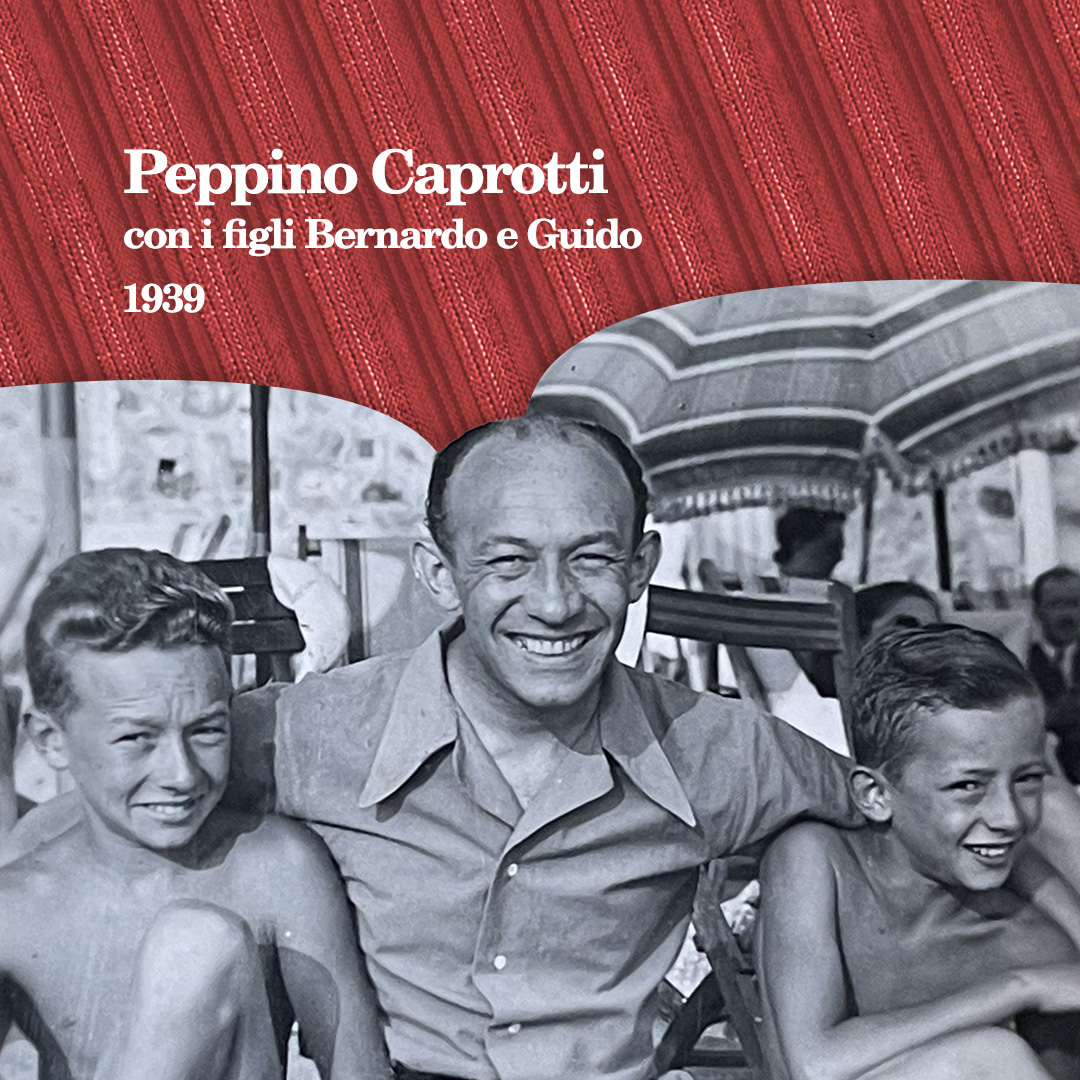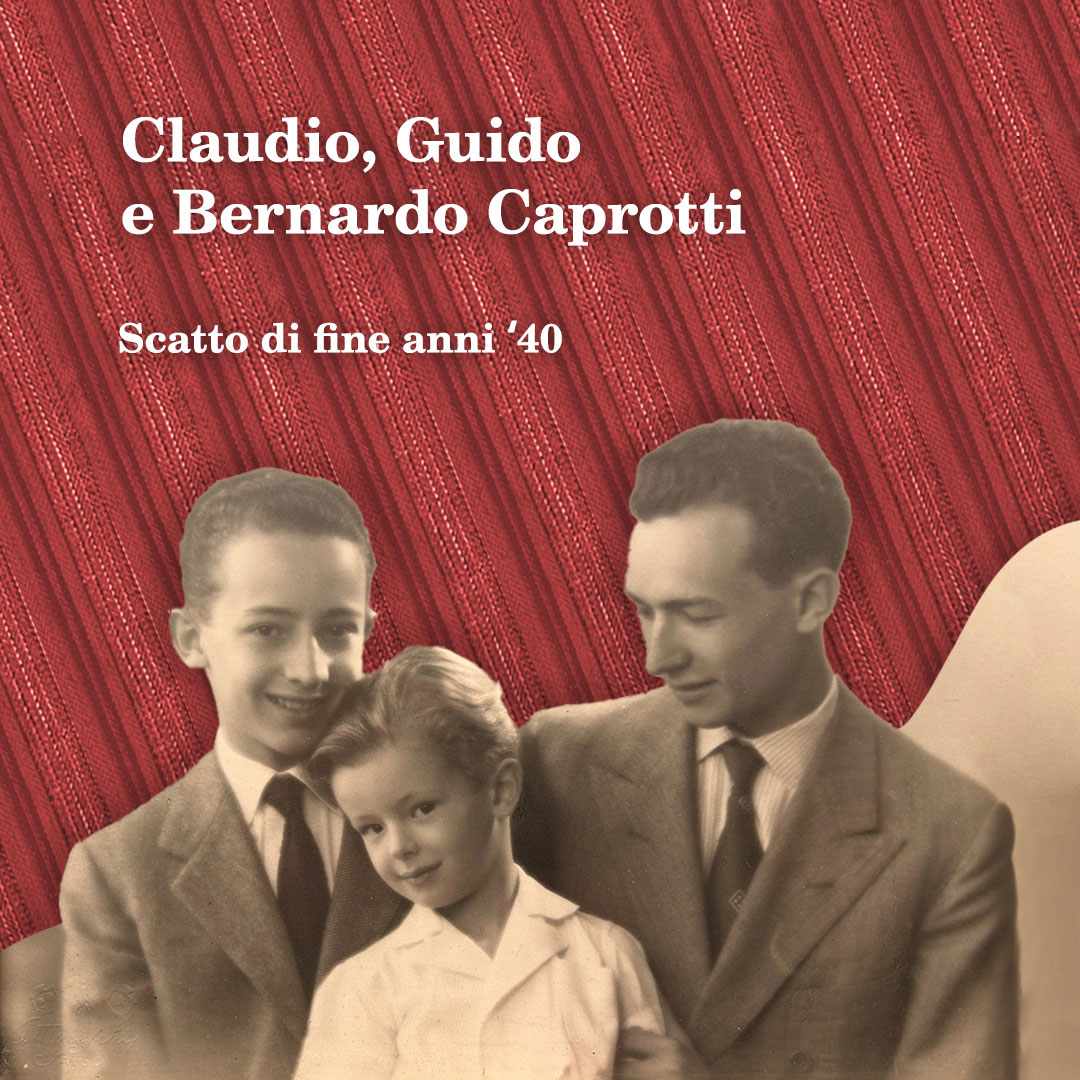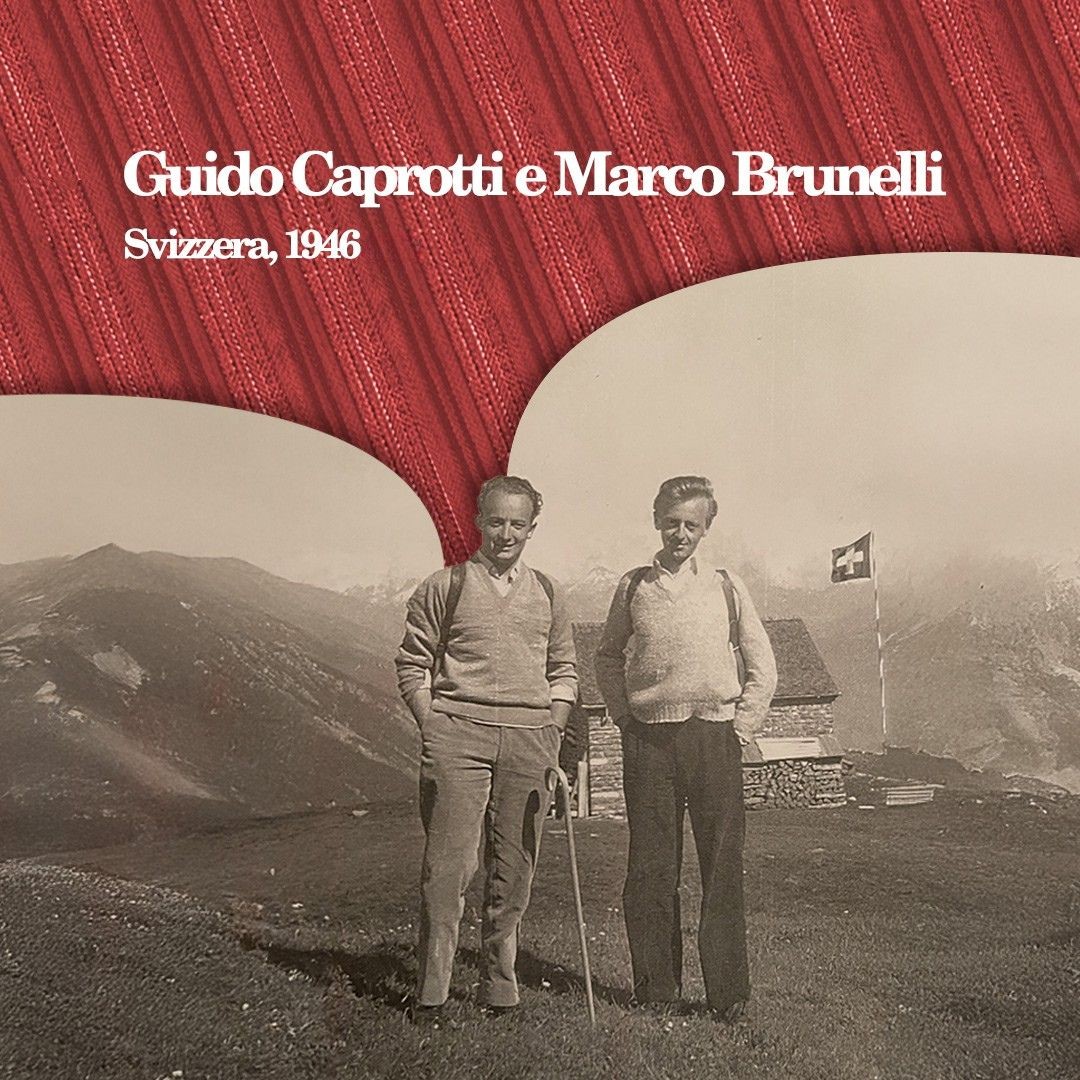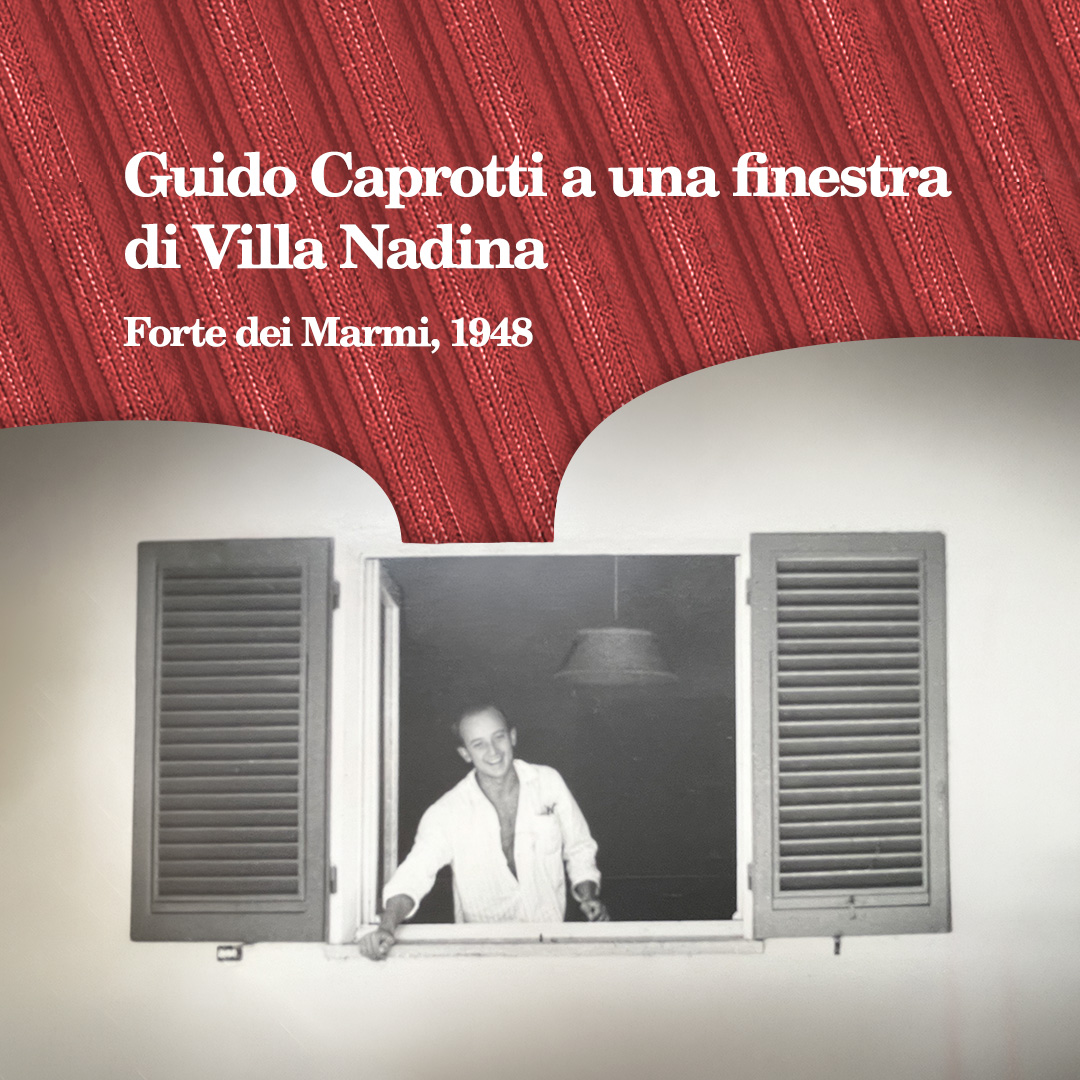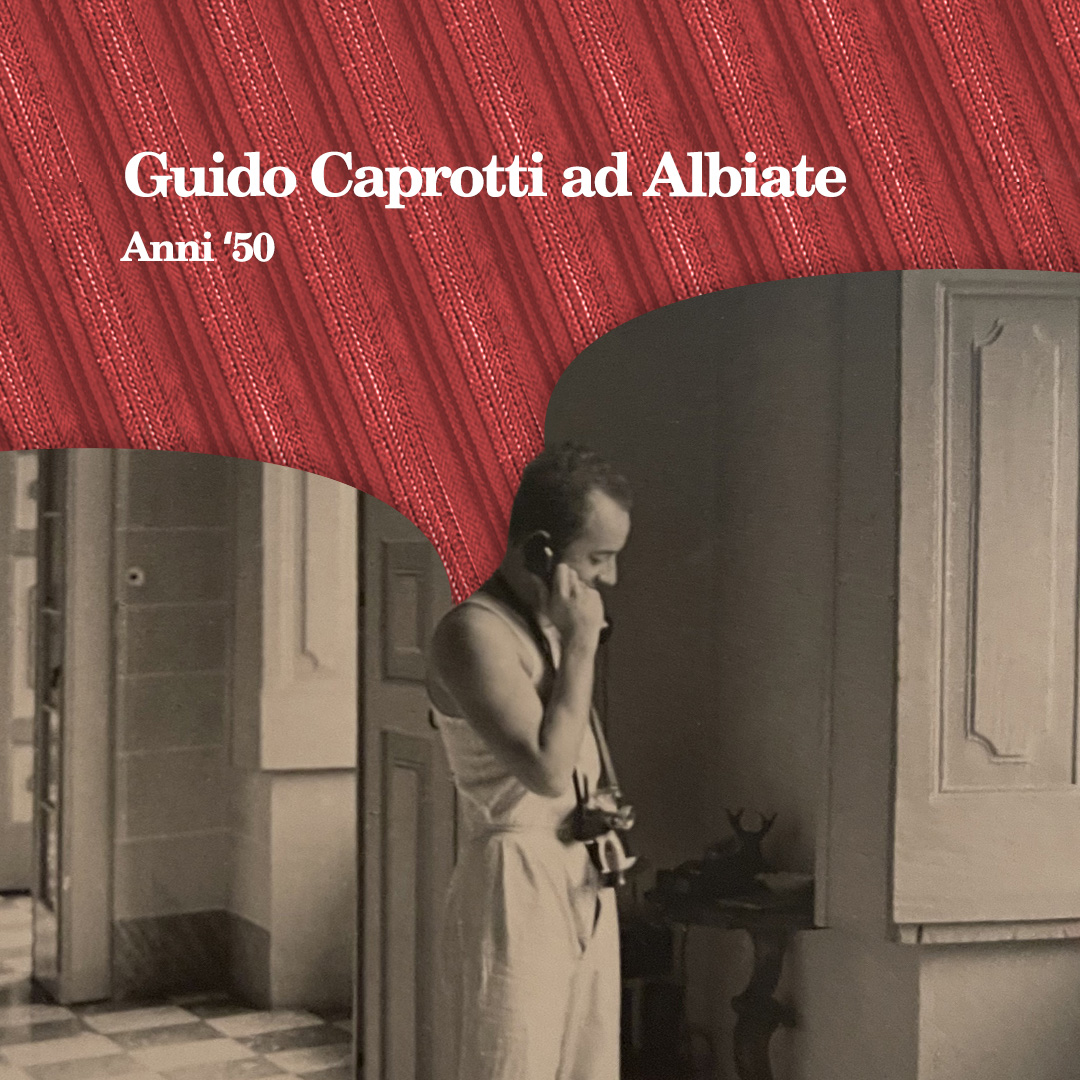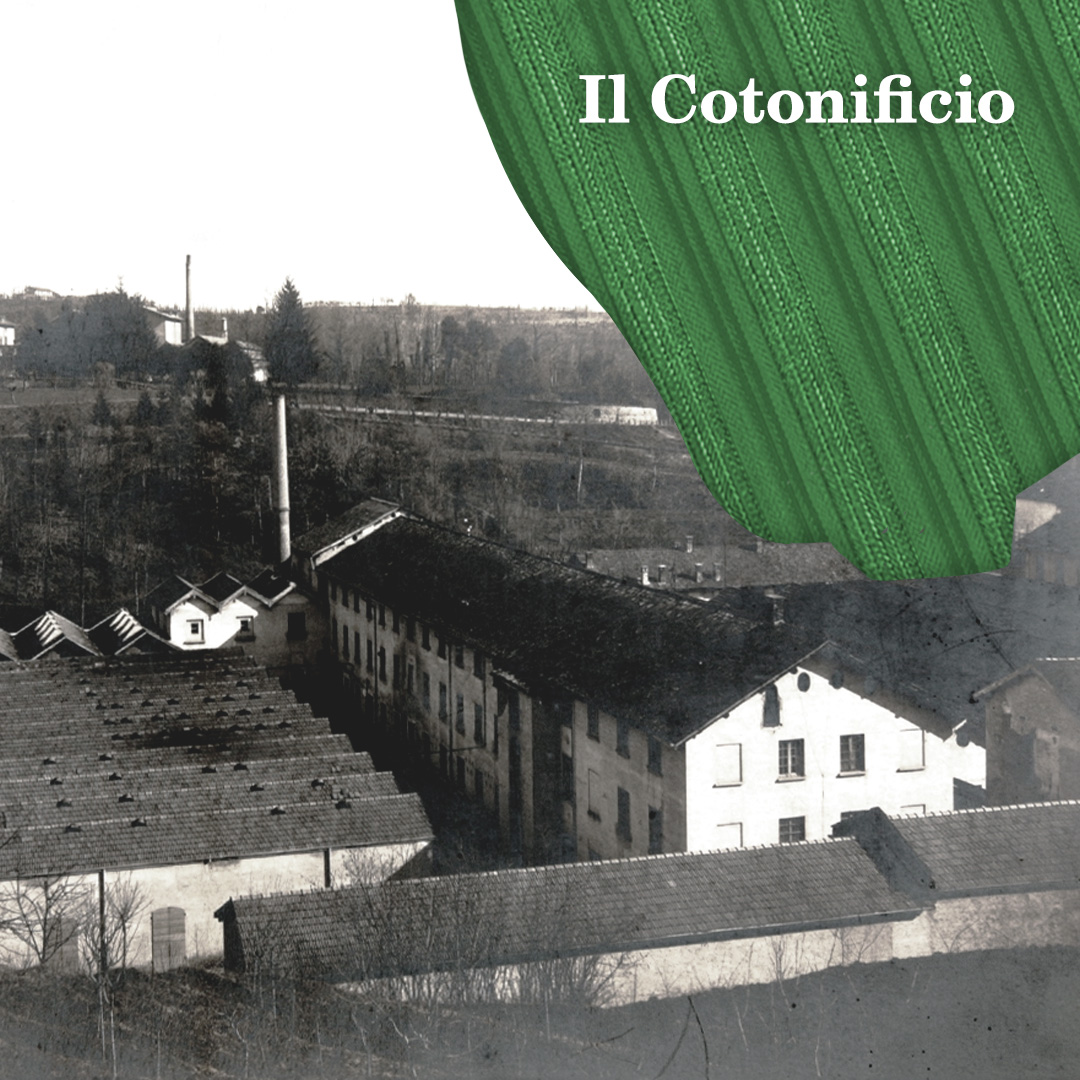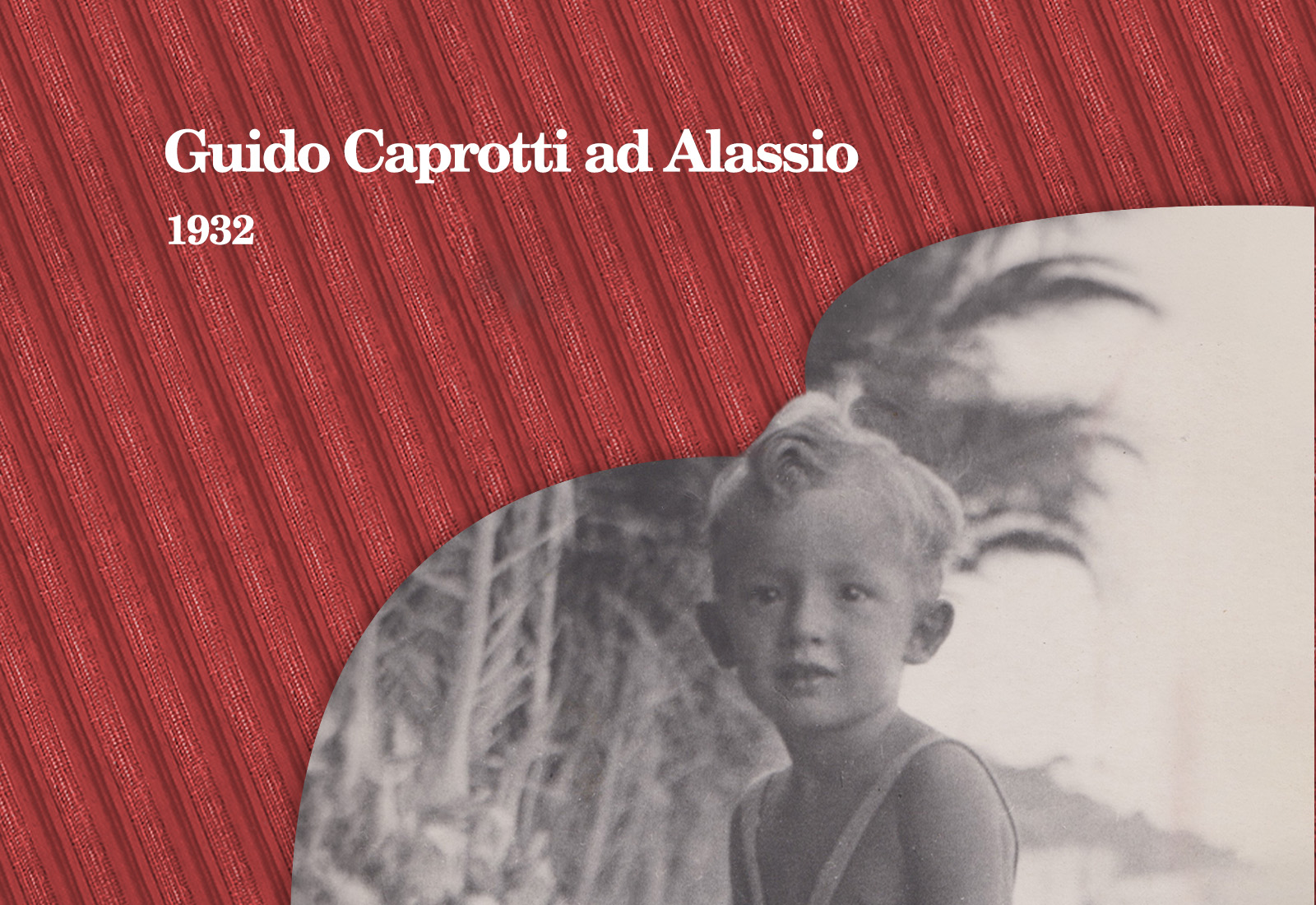
“(…) Whichever way the responsibility hung, in my personal memories as a boy the emotion I felt for my uncle Guido Caprotti, who expended all his energy and burnt all the resources he made from the sale of supermarkets to try to save Manifattura Caprotti, his grandfather Peppino’s company, is indelible. There is a human, personal side to his struggle against the Manifattura’s destiny that deserves more respect and consideration than he had at the time, especially from a brother – Bernardo – who had run his father’s industry alone until 1965 and who owed entirely to Guido and his friend Marco Brunelli the intuition of jumping into supermarkets in the wake of Nelson Rockefeller. (…)’ (Caprotti, ‘The Bones’, p. 116).
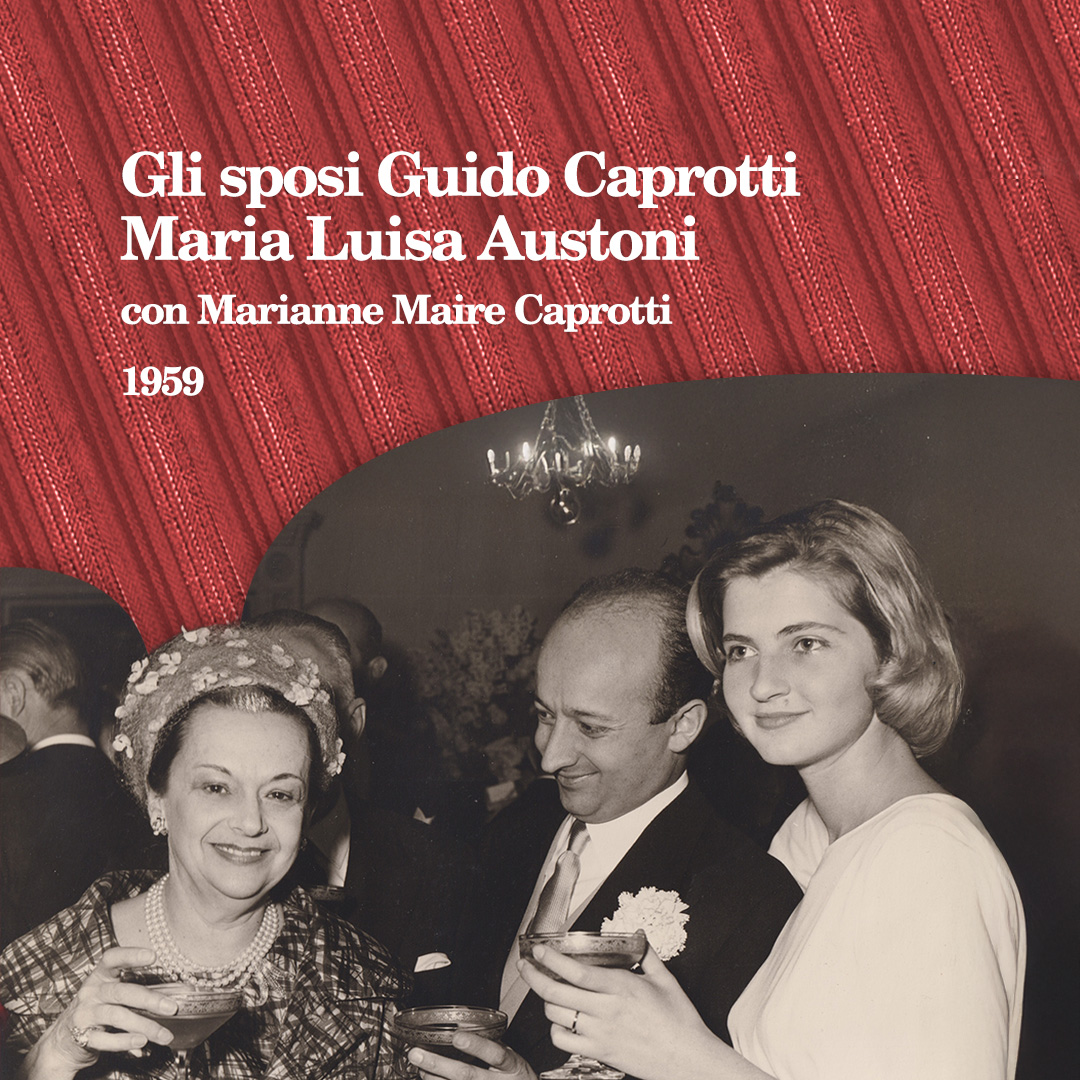
In the beginning, in fact, Guido Caprotti is the best known of the Caprottis. The Americans show that they know well who the other partners are, e.g. Brunelli and the Crespi’s, but not at all the newcomers, the first two Caprotti brothers, Bernardo and Guido, whom they even confuse: one of the American managers, Wallace Bradford, writes to Rockefeller in April 1957 that ‘It is expected that the oldest of the Caprotti’s (I am not sure which of the two is which) will be on the board of directors’ (Ibid., p. 60). Moreover, again in that crucial 1957, after a dinner offered at the Caprotti home to the Rockefeller couple passing through Italy, Nelson Rockefeller thanked them with a telegram addressed to Guido, not to Bernardo (the telegram is in the archives of my sister Violetta, see Ibid., p. 61 and CAPROTTI, “Nelson Rockefeller: with IBEC, the supermarket leaves America and goes to Italy”).
And yet, despite the premises, of the three Caprotti brothers, my father Bernardo Caprotti and my uncles Guido and Claudio Caprotti, perhaps the one we know least about is the second, who, unlike the first – Bernardo – and the third – Claudio – has never been fully associated with the history of Esselunga, remaining in charge of the family textile business, even though, as seen above, it was his and Marco Brunelli’s acumen that led them to understand sooner and more than others how much it would have paid to launch into the supermarket adventure, which began in the 1950s.
Guido Caprotti was also one of the pioneers of large-scale distribution in Italy. A partner from the very beginning of ‘Supermarkets Italiani’ (later Esselunga), he later founded with Marco Brunelli ‘La Romana Supermarkets’ (later GS), the supermarket chain created with the aim of covering Rome, where first Supermarkets Italiani and then Esselunga never wanted to venture. He and his brothers later bought a majority stake in Esselunga, taking it over from the Americans, maintaining and increasing his shareholding over time before events with his brother Bernardo forced him to sell it, leading him to lose everything.
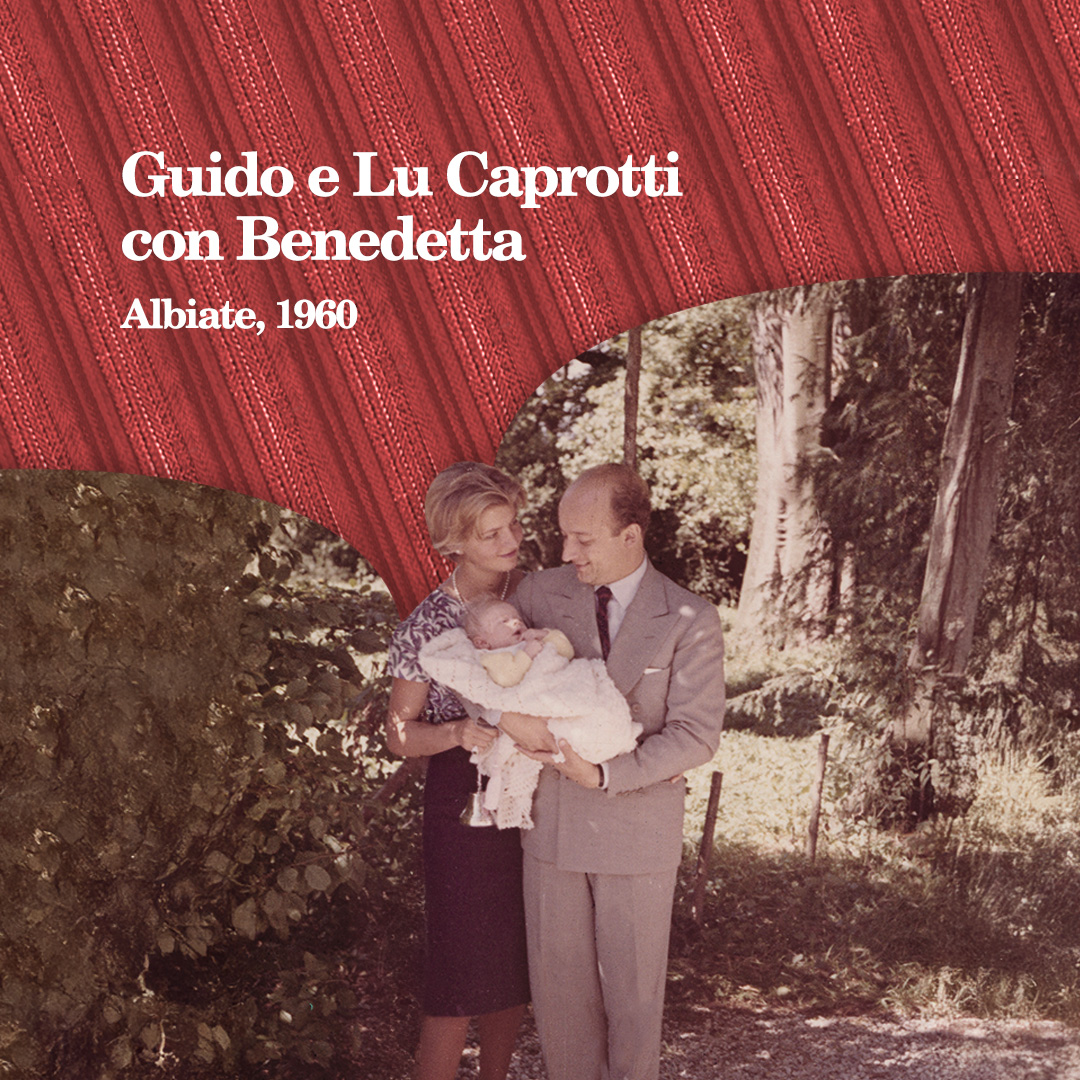
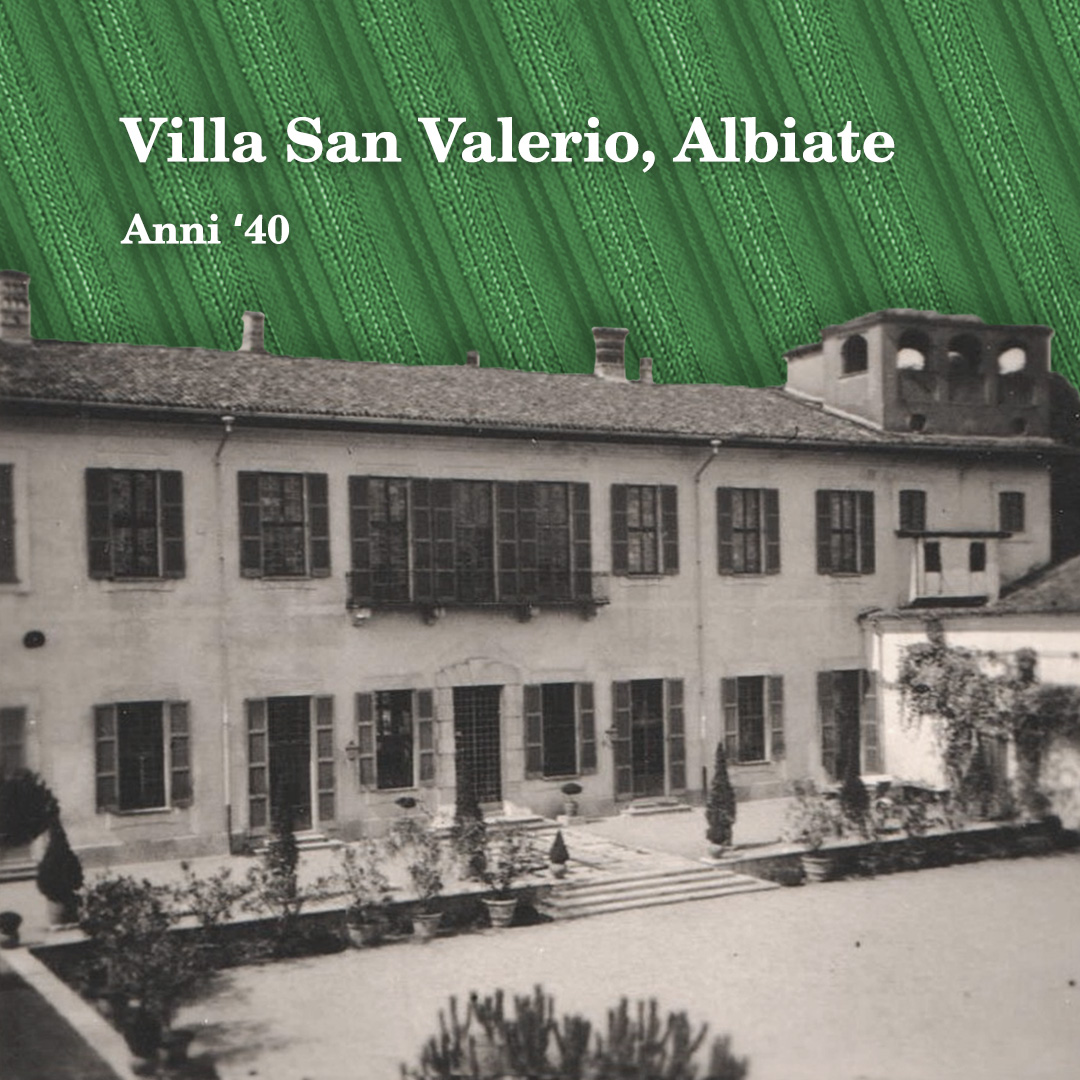
Uncle Guido was a sensitive and good man, though certainly Caprotti to the core and therefore with an easy temper; with his first wife, Lu Austoni, and his daughters, Benedetta and Elisabetta, very close in age to us, my sister Violetta and I spent our childhood. His was a story of successes but also of great disillusionment and much pain, especially when he discovered his older brother’s malice in a very long and complicated affair that I have discussed at length in my book “Le Ossa dei Caprotti” (CAPROTTI, “Le Ossa dei Caprotti”, especially pp. 107 ff.). The bitter quarrel with Bernardo caused him to lose everything: his first wife Lu, from whom he would have parted with the delicacy and consideration of which he was capable, plunging instead into a whirlpool of scandals and nastiness thanks to Bernardo’s meddling; the flat he was entitled to in Via del Lauro, which he was forced to sell after furious quarrels; the Manifattura in which he had invested everything he had in order to ferry it through a period of dark crisis in the textile sector, and saw it disappear into the meanders of the companies forming part of Esselunga. He saved the villa in Albiate, the cradle of the family, but even here to his detriment: when, in 1993, he decided to sell it and proposed it to my father ” (…) He explicitly asked not to get lawyers involved and, a little, challenged him: he told him that between them every family value, even human, had been wiped out for twenty years and that it was time to put grudges behind them. There is nothing to be done. Bernardo does not give in an inch and exasperates his uncle Guido, who goes so far as to vent to a magistrate friend, telling him that years earlier he and his brother had exchanged “for the same price” the Brianza house in Albiate, which had remained with Guido, and the Bursinel castle on Lake Geneva, which had gone to Bernardo instead. Guido had done this because he did not want to let go of the dwelling that had been the family home, with the memories of his father and mother, but obviously it was Bernardo who had gained. There is no doubt about it: even today, a castle with 40 hectares of park and vineyard on Lake Geneva has a real estate value not even remotely comparable to an old villa in Brianza. (…)’ (Caprotti, ‘The Bones’, p. 126).
In the end it was I who bought the villa, some ten years later, with the financial help of my father. Uncle was pleased.
Sources:
Albiate (MB), Villa San Valerio, ‘Villa San Valerio Archives’, ‘Manifattura Caprotti Archives’; ‘Giuseppe Caprotti’s Esselunga Archives’.
Florence, “Claudio Caprotti Archives”, “Image Archives”.
Bibliography:
3. CAPROTTI, ‘Le Ossa dei Caprotti. Una storia italiana’, Milan, 2024/3.
ID., “Personaggi: Guido Caprotti”(https://www.giuseppecaprotti.it/tag/guido-caprotti/ ).
ID., ‘Le Ossa dei Caprotti’. Nelson Rockefeller: with IBEC, the supermarket leaves America and goes to Italy. Cues from the book’(https://www.giuseppecaprotti.it/libro/nelson-rockefeller-con-la-ibec-il-supermercato-esce-dallamerica-e-va-in-italia/ ).
“First supermarket in town. The merit of the Garosci brothers’ in ‘La Stampa’, 10 February 1959.