Drafted 1 February 2020, updated 1 October 2025
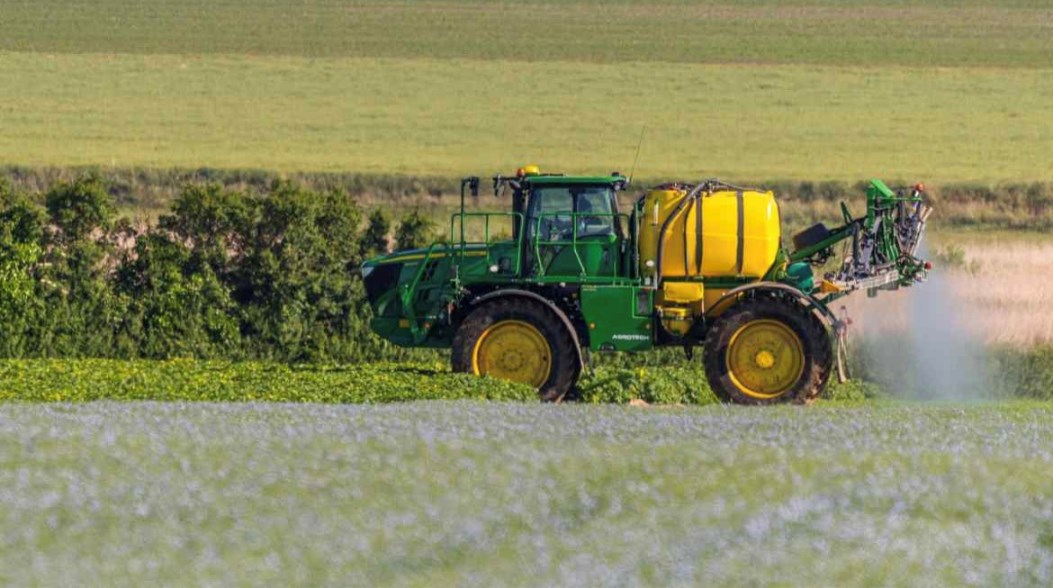
Bayer- Monsanto, Syngenta, BASF and others continue to produce pesticides – including atrazine – banned in Europe for more than a decade in order to sell them in massive doses in Africa, Latin America or Eastern Europe.
And according to Le Monde, these companies are lobbying to preserve an activity that is very risky for the exposed populations but very profitable for them.
In fact, the European food law, promulgated on 30 October 2018, prohibits, from 2022, the production, storage and circulation of phyto-pharmaceutical products that contain active substances not authorised in Europe for reasons of protection of human or animal health or protection of the environment…
…so atrazine, used as a maize herbicide and banned since 2003 in the EU because it is potentially carcinogenic, is largely produced by Syngenta and is still exported to Côte d’Ivoire, Benin, Burkina Faso, Mali, Sudan, Nigeria, Ghana and Ethiopia.
The lobby would like to circumvent the 2022 ban while the NGOs oppose it.
The UN considers these facts as ‘human rights violations’ (according to its Right to Food Report, 2017).
What should be noted in 2025 is that :
1.Export of banned EU pesticides doubles in 7 years, Greenpeace-Public Eye survey reveals
In 2024, banned pesticides in the EU were exported to 93 countries, 71 of which (more than three-quarters) are middle- or low-income and receive 58% by weight of the total products. The largest importer among them is Brazil, one of the nations with the most important biodiversity reserves in the world, followed by Ukraine, Morocco, Malaysia, China, Argentina, Mexico, the Philippines, Vietnam and South Africa. As many as 25 African nations are among the recipient countries, while the United States is the largest importer among high-income countries and the world’s largest importer.
Thirteen EU Member States are involved in the export of banned pesticides: in first place, in terms of export volumes, is Germany, followed by Belgium, Spain, the Netherlands, Bulgaria, Italy, France, Denmark, Hungary and Romania. Over 40 companies are involved in Europe, including BASF, the largest exporter by weight, Teleos Ag Solutions, Agria, the multinationals Corteva, Syngenta, Bayer and AlzChem. In Italy, six companies, including Finchimica, Tris International, Corteva and Sipcam Oxon, have notified the export of a total of almost 7,000 tonnes of pesticides containing 11 banned chemicals, above all the herbicide trifluralin (banned for almost 20 years in the EU because it is highly toxic to fish and other aquatic animals, as well as suspected carcinogenic and highly persistent in the soil) and its chemical relative ethalfluralin…
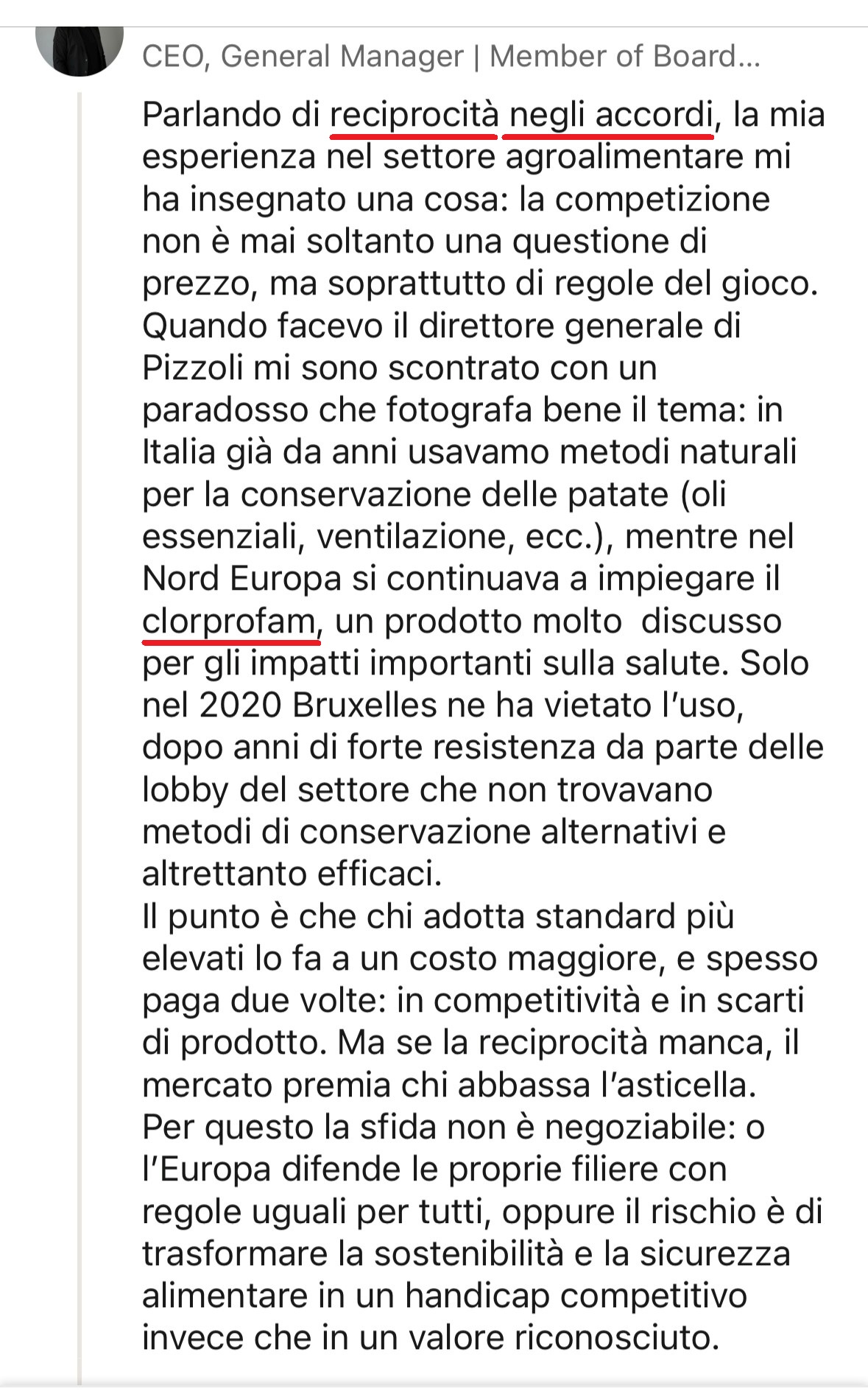
2. without reciprocity clauses we reimport food contaminated with banned pesticides into Europe:
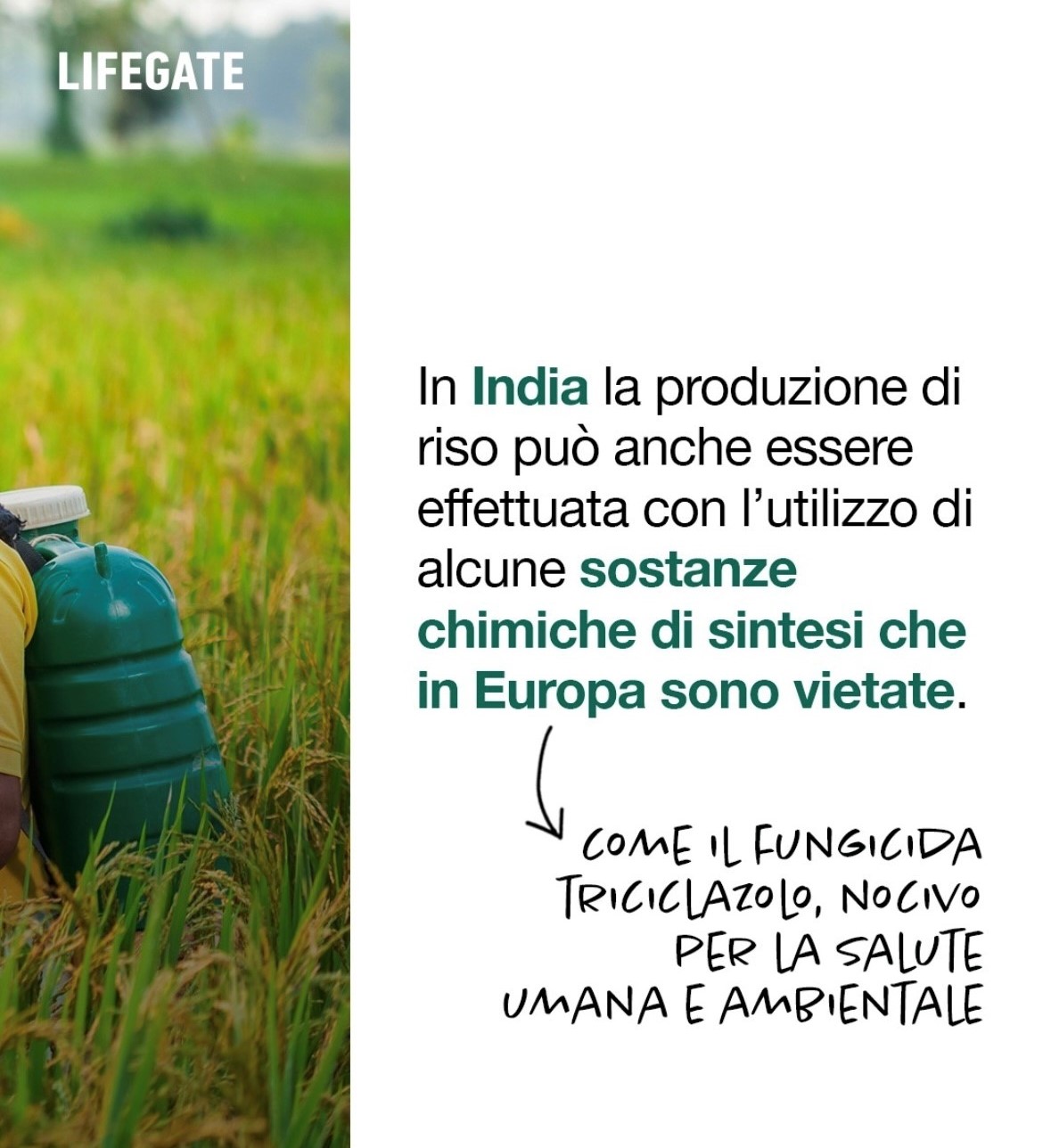
“These pesticides are known to be dangerous to humans, pollinating insects and other wildlife, yet the companies at the centre of the investigation – including those in Italy – continue to profit by selling banned products mainly to poorer countries with weaker regulations, endangering the health of agricultural workers, local communities and nature.
Below: when there was legislative disharmony in Europe and therefore unfair competition.