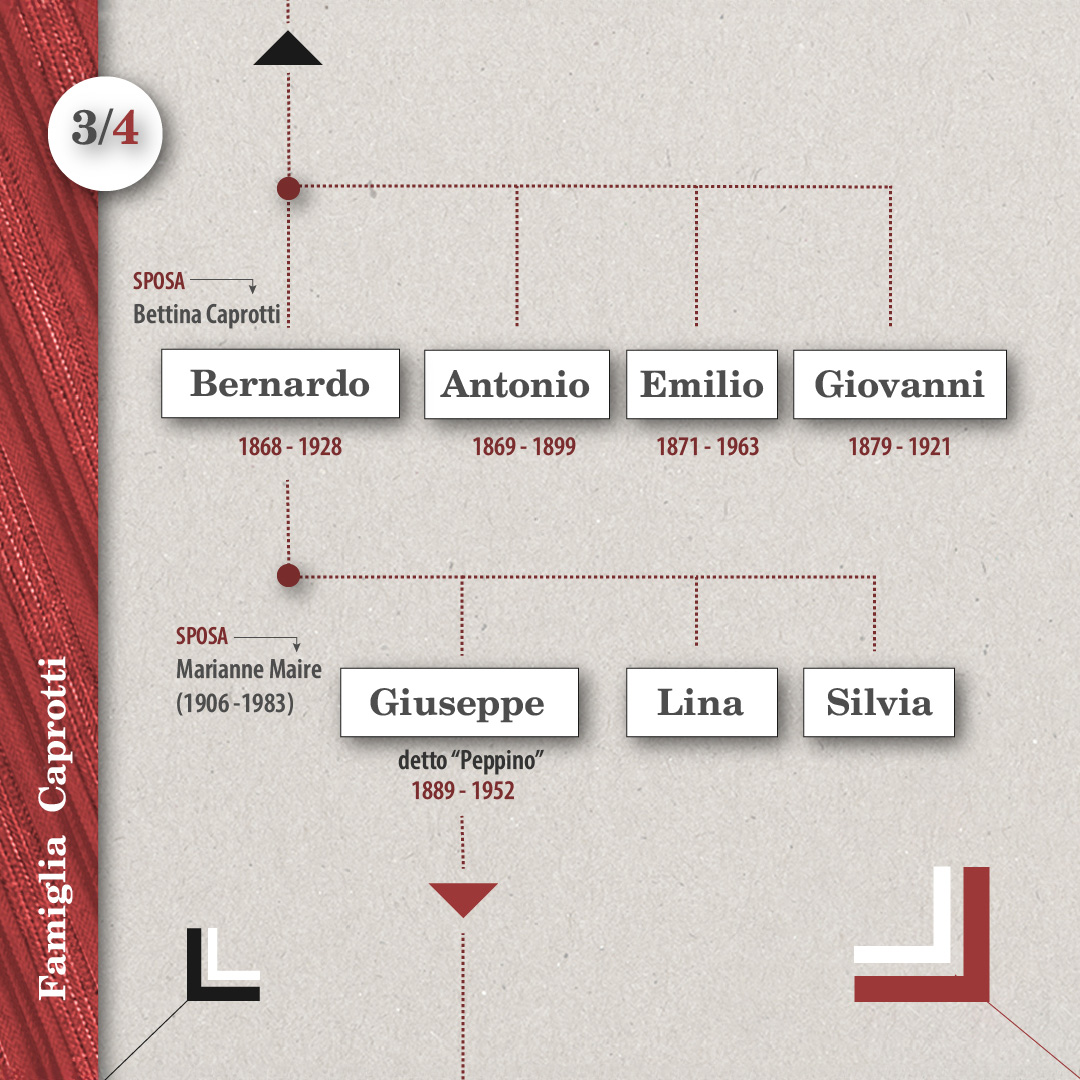
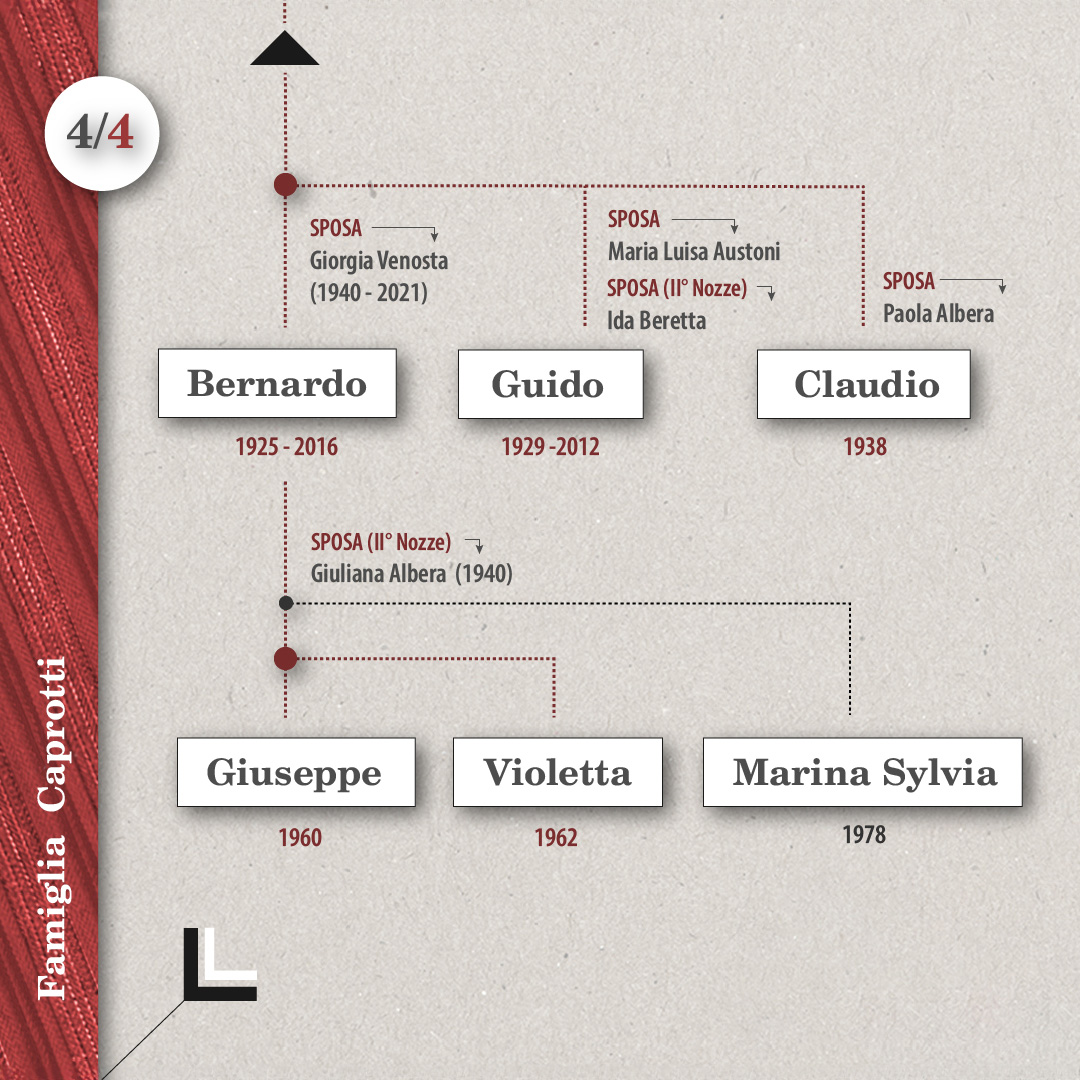
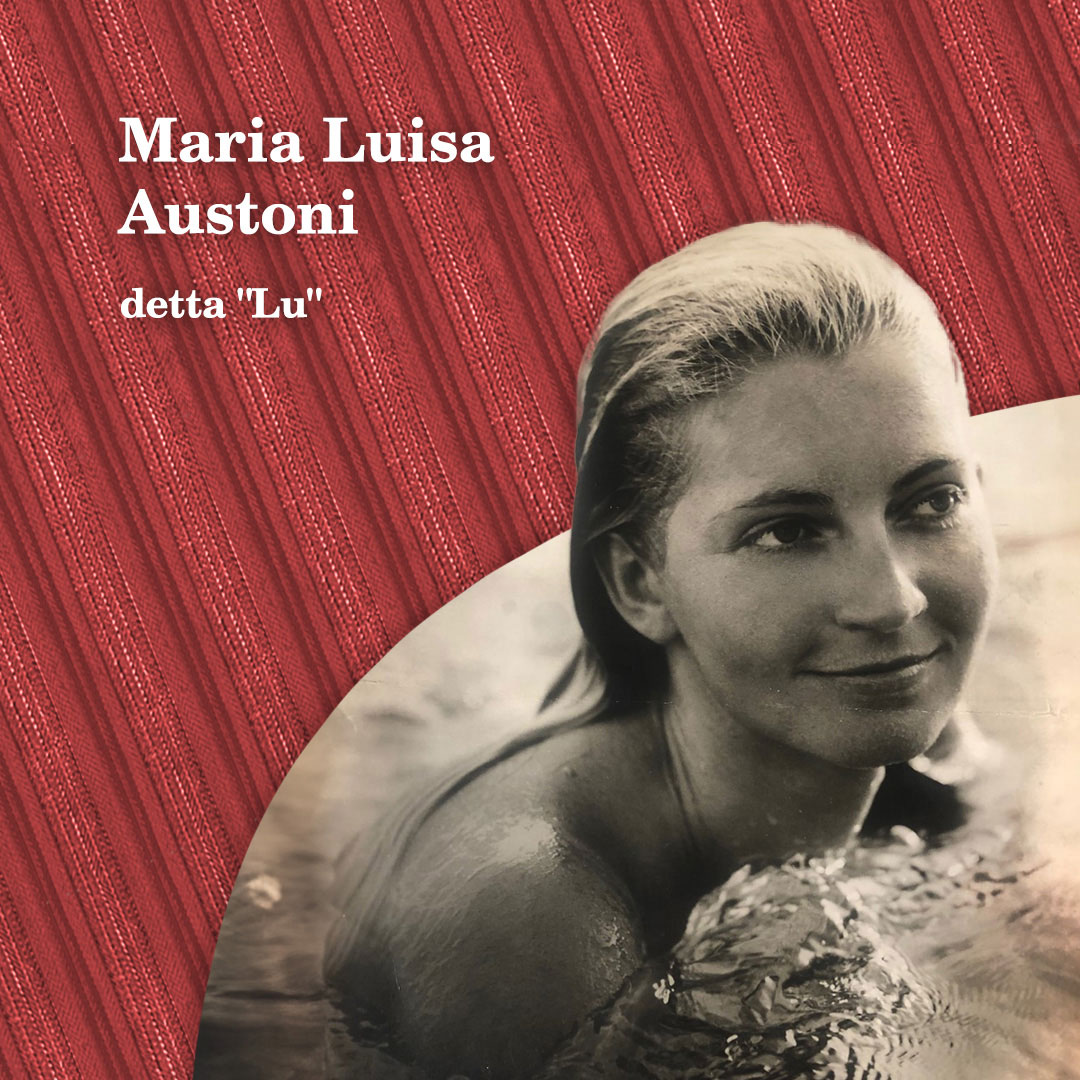
It all began on New Year’s Eve 1951-52, in Cortina, at the Hotel Miramonti, then, in his uncle’s words, still a wonderful hotel. As is customary, there is the adults’ table, where parents, aunts, uncles and relatives sit; the young people’s table, where Claudio’s older brothers, Bernardo and Guido, now in their twenties, sit with other youngsters; and the children’s table, where father Peppino pushes the chair under fourteen-year-old Claudio, making him sit with Giorgio Falck, who is the same age, and eleven-year-old Lu Austoni.
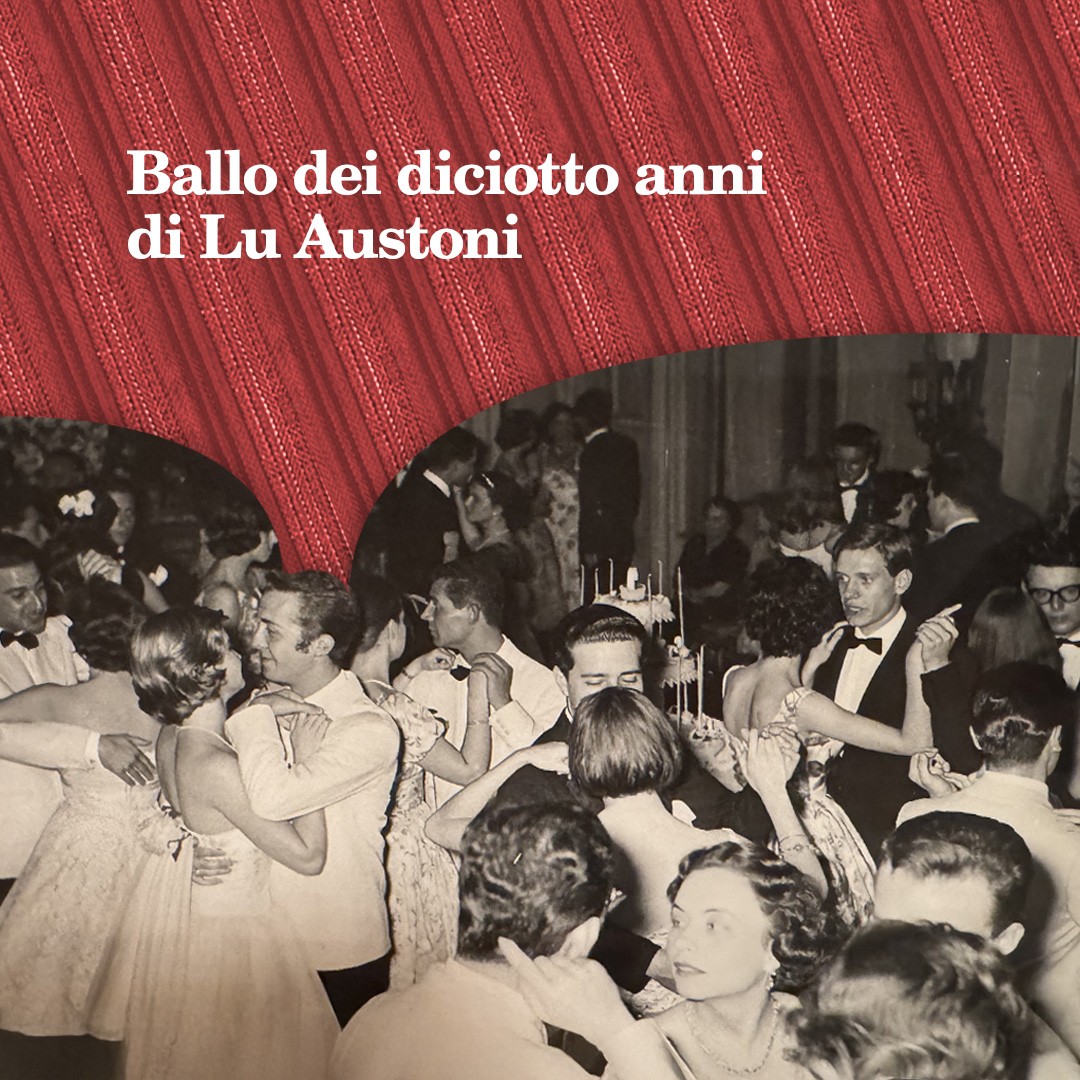
If it’s not an electrocution, it’s a close call. Claudio and Lu find each other often, they talk, they go to dance school, they get on well together; each other’s boarding school will not be a separation but the beginning of a close correspondence.
As they grow up, feelings change, they become adult and deep. But destiny intervenes, as always, in the form of Bernardo, who decides it is time for everyone to stop doing boyish things and start doing manly things and therefore, among other things, they must get married. All right, let’s get married.
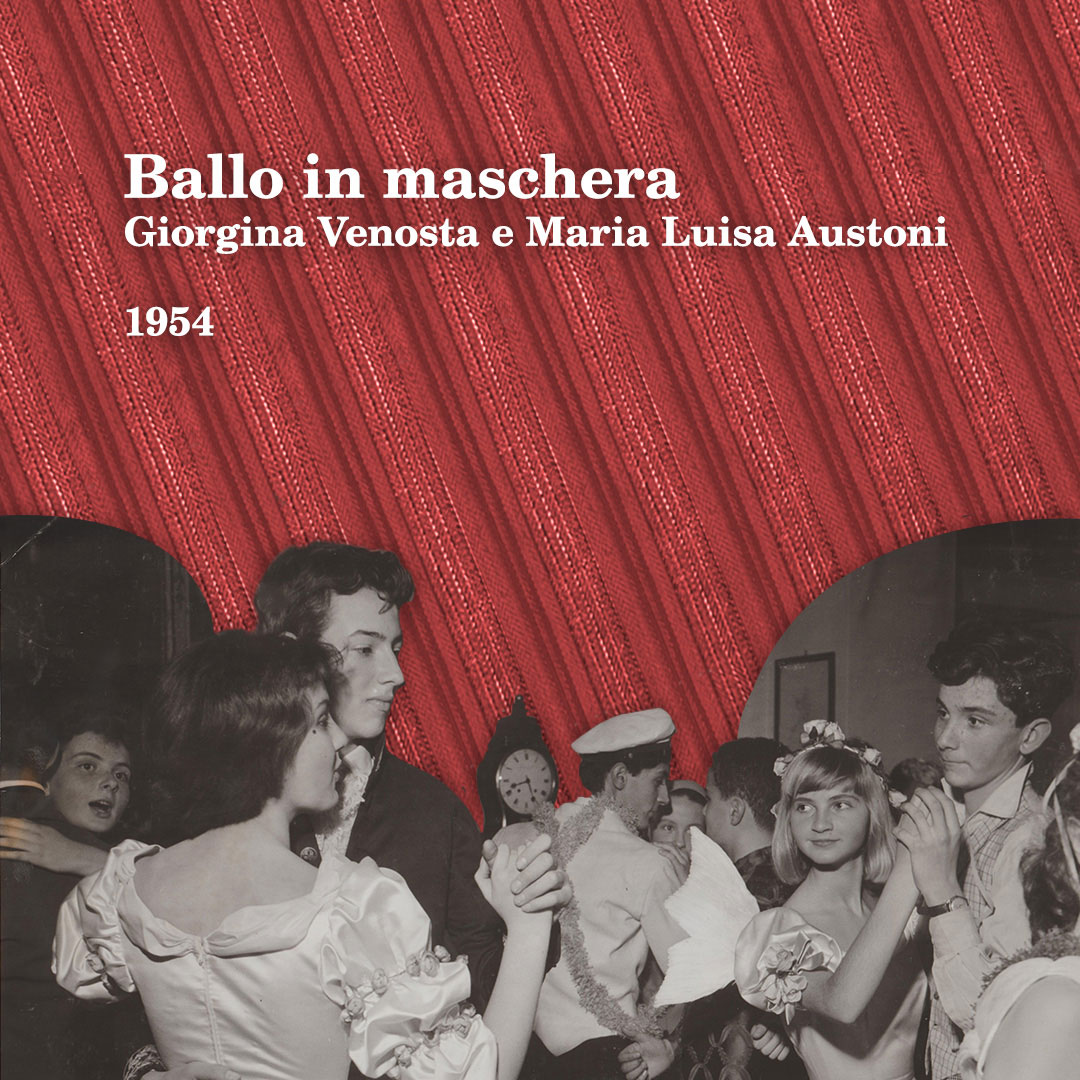
Bernardo returns with Giorgina Venosta, and tells his brothers “giggling” about the masterstroke.
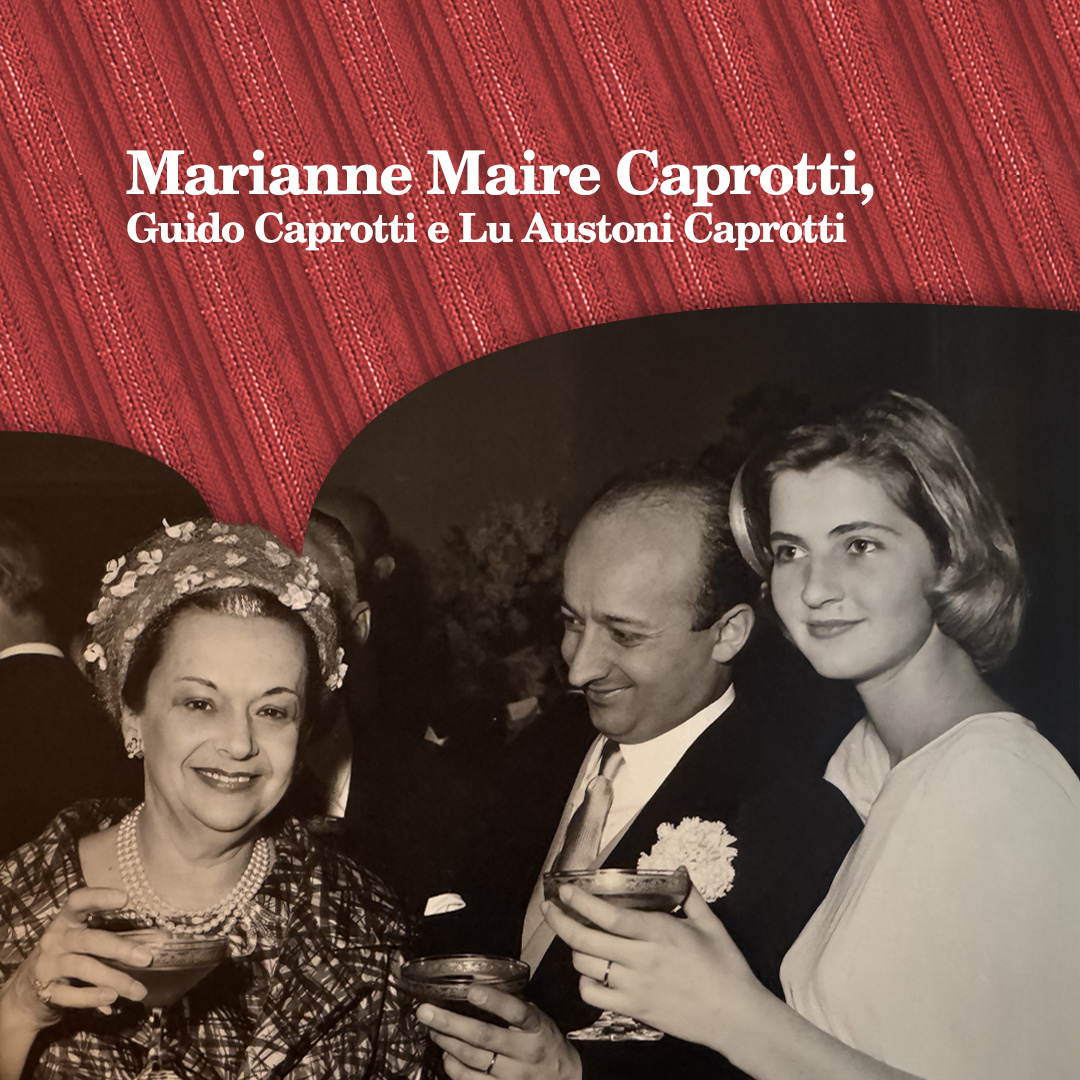
Guido returns with Lu.
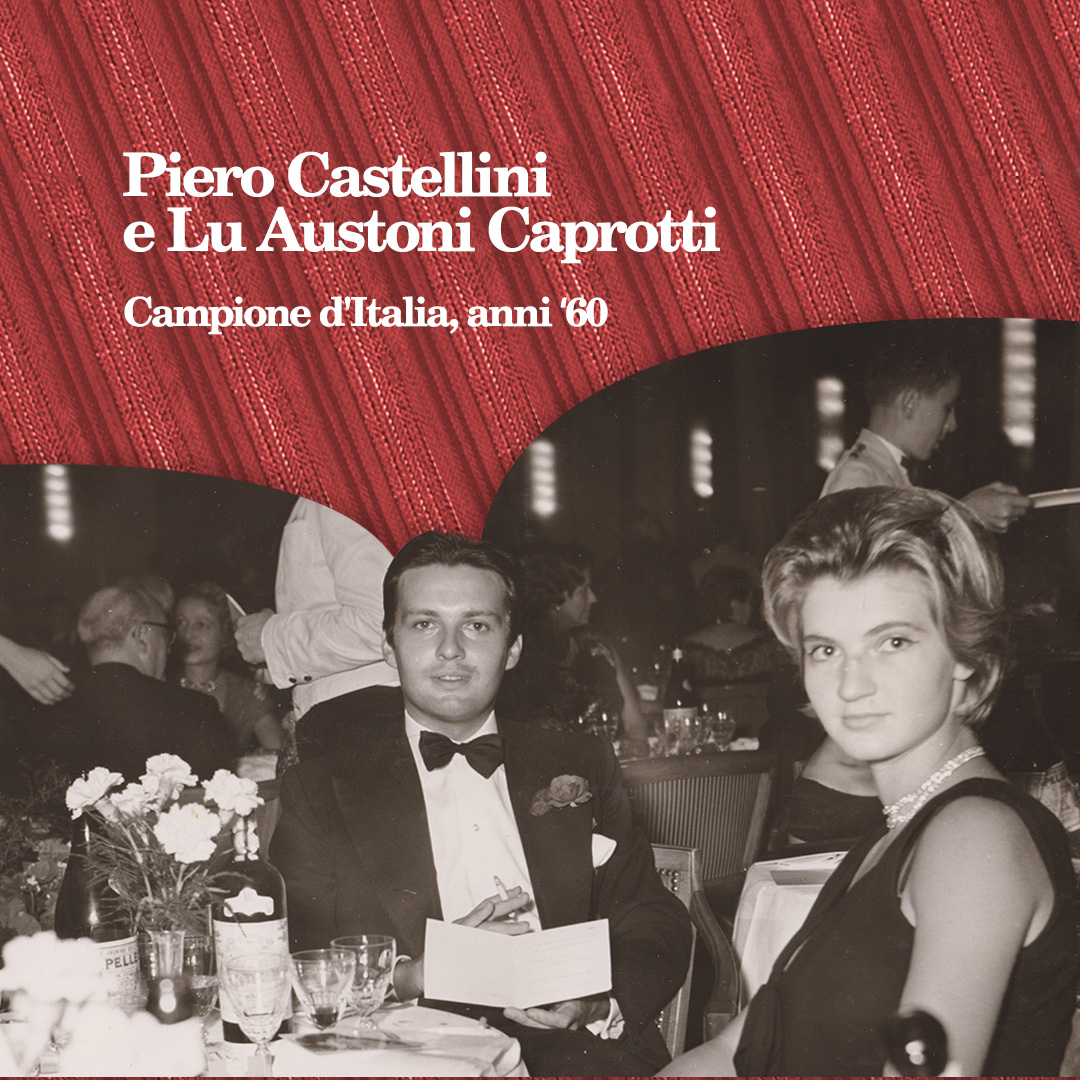
It is not that she and Claudio have not tried to unite their lives; but the screams of Tilde Austoni, her mother, pierce the walls as she shouts to her poor daughter what are you doing with that idiot who does not even have a trade when you are offered the middle brother who does have a trade (and capital). And since one is young by years, and comes from a family in which one does not argue, Lu accepts Guido (who, by the way, he also knows all his life).
Claudio distracts himself with maidens and travels, a degree in architecture and that future that Tilde Austoni did not see, by joining Supermarkets s.p.a. [Esselunga ] and sent, in the early 1960s, for a long stay in the United States at IBEC, the majority shareholder, to learn on the spot how the supermarket works and the latest and most modern innovations in the sector. Lu continues to write him letters full of complicity and old-fashioned tenderness, but without ever crossing the thin line of danger.
Still in America, something happens to Claudio: his eyes have always been a sensitive spot of his, but more and more he begins to lose his sight for a few hours. It is later learned that an eye drops prescribed to reduce eye irritation, which if used a lot can give heavy side effects, are to blame. For the time being, the whole family, worried, pulls together. On 14 April 1965, the eldest brother sent a telegram to the American hospital where Claudio was hospitalised, he wrote “I understand the difficult moment”, I spoke with his mother, he asked the doctors “if four or five months at sea would help”, and in the end, on the advice of the specialists, Claudio returned and was taken to Forte dei Marmi.
It is the winter season, and even the beloved, splendid Villa Nadina seems sad and boring. To keep him from falling into depression, it is decided to send him for company a dear old friend, Lu, his brother Guido’s wife. She arrives with letters of permission (that’s right) from her brother Bernardo and her husband (who, by the way, has already met the love of his life and future second wife, Ida Beretta).
One melancholic, very cold evening, Claudio is holed up in bed under layers of blankets. He hears a knock, it is Lu; he says he is cold, he cannot get warm, can I stay here with you? Claudio replies OK, there’s room, I’m on my side and you’re on yours.
Of course, it doesn’t take long for the two sides to get mixed up.
If one were in an old film, at this point the camera would move to evocative yet discreet and elegant flights of white curtains over windows through which a faint light enters.
Thus begins the story whose epilogue I recounted in my book ‘Le Ossa dei Caprotti. An Italian story’.
When Lu dies, in February 2022, Claudio’s obituary in the ‘Corriere della Sera’ is a brief, almost poetic compendium of so many years: ‘From afternoons at dance schools until our late teens, life has flown by. With deep affection I carry our memories forever, dear’.
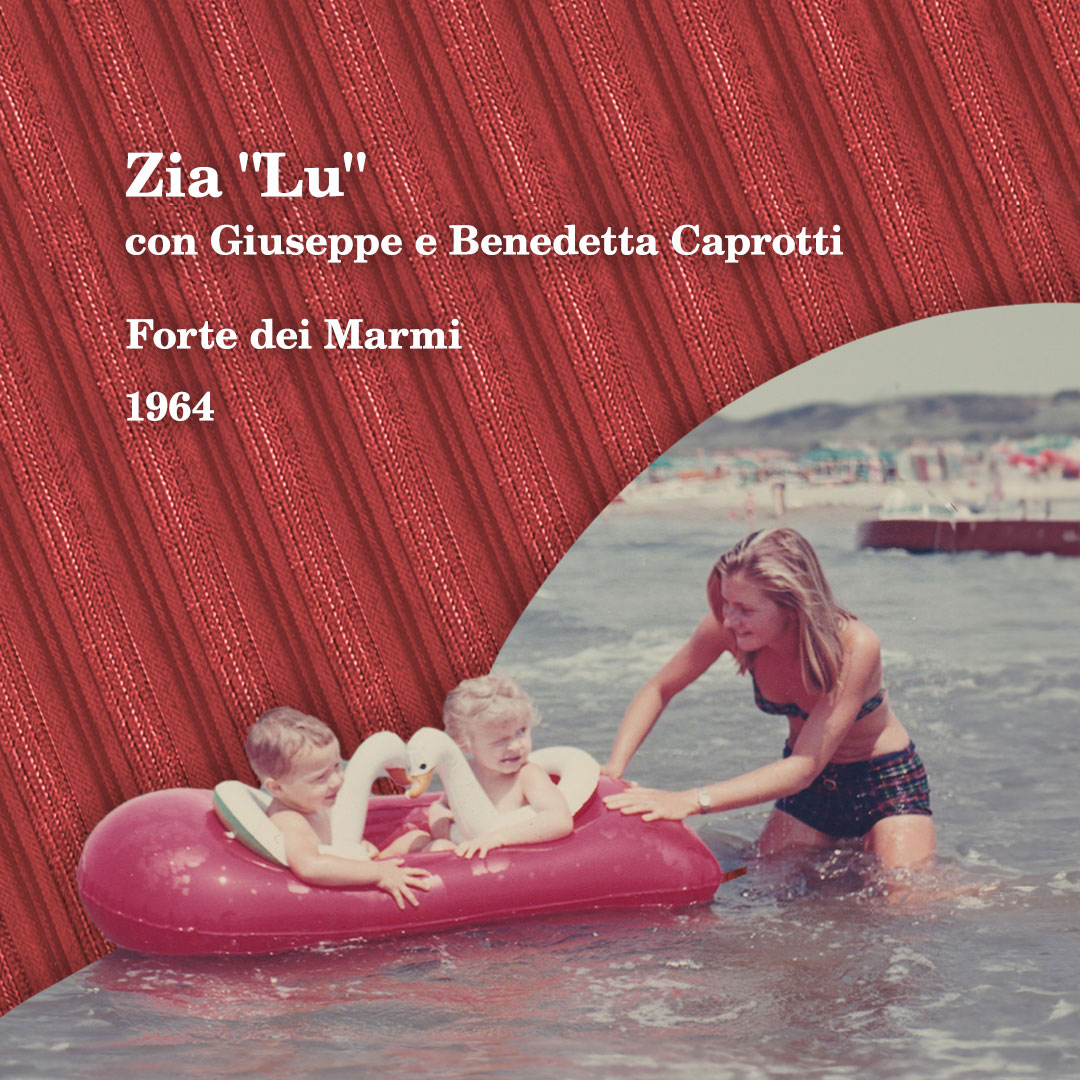
Personally, I also remember her very fondly, as she was our mother when we were young.