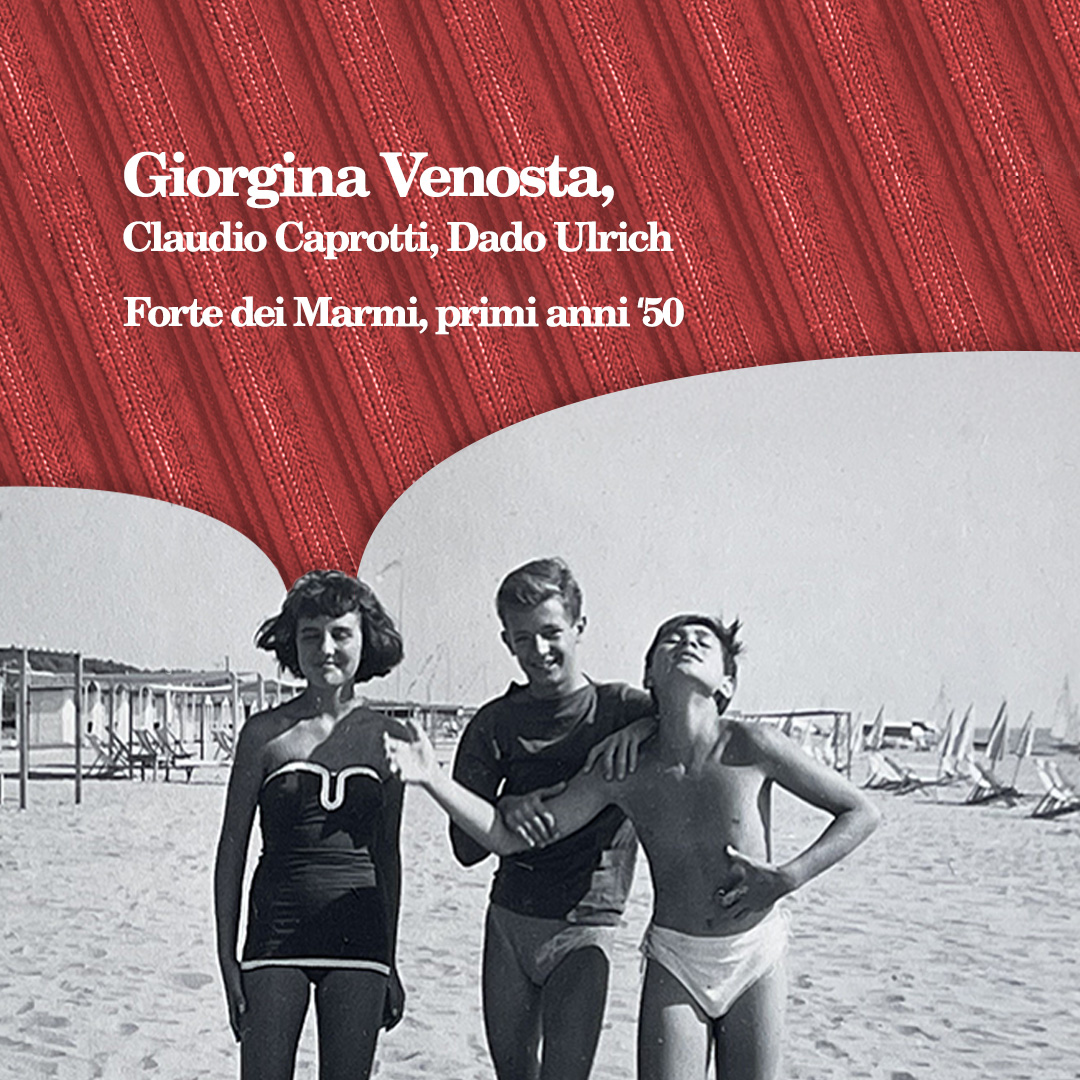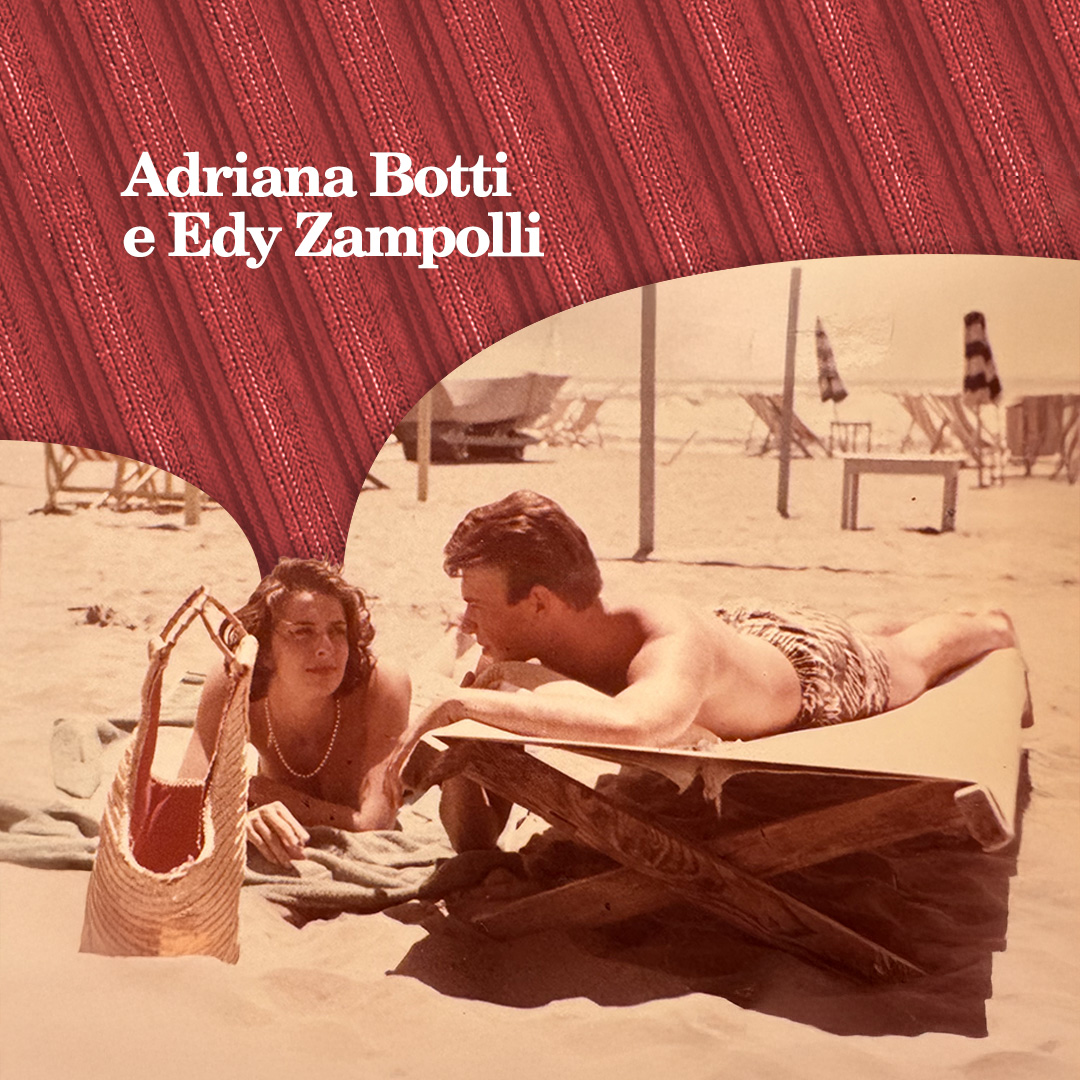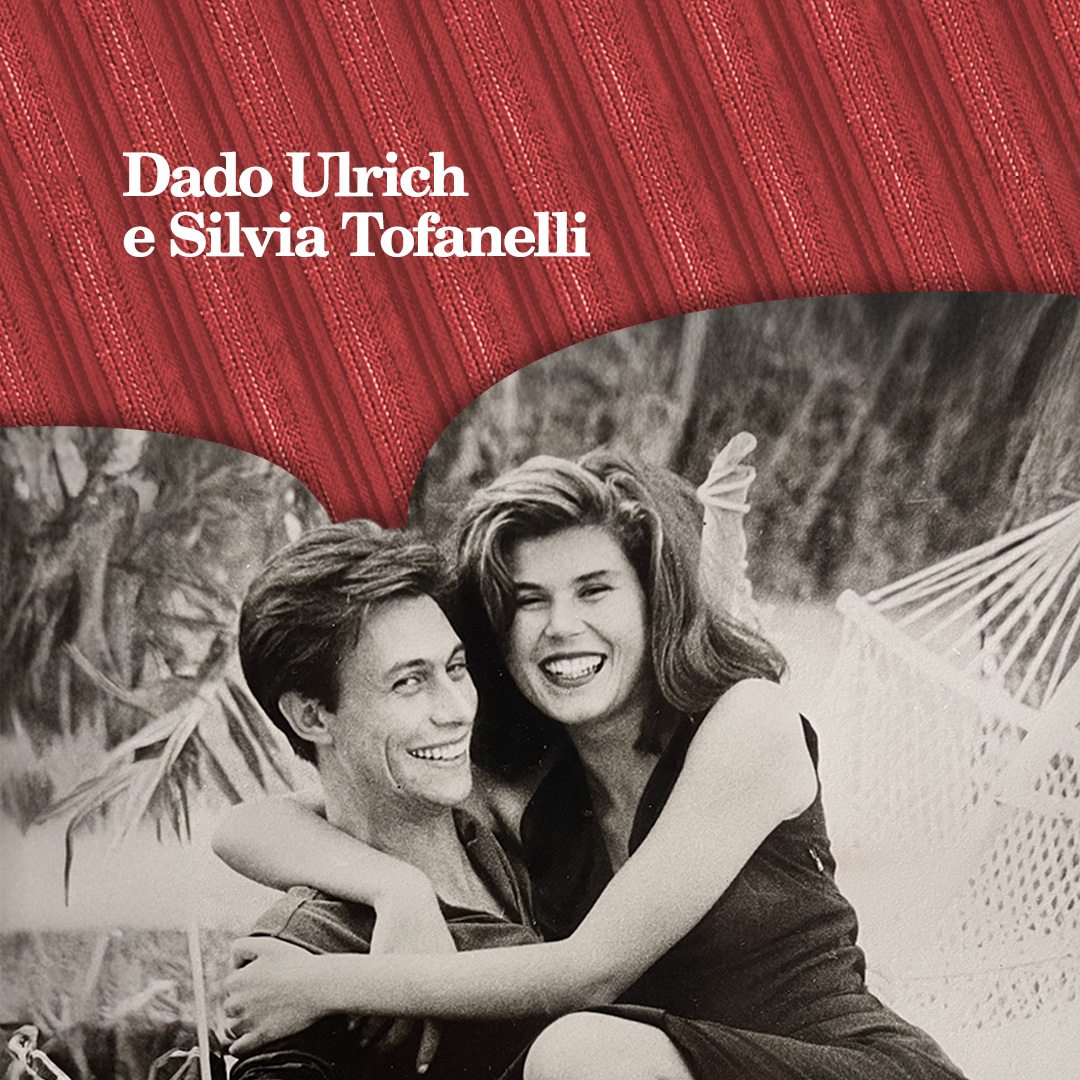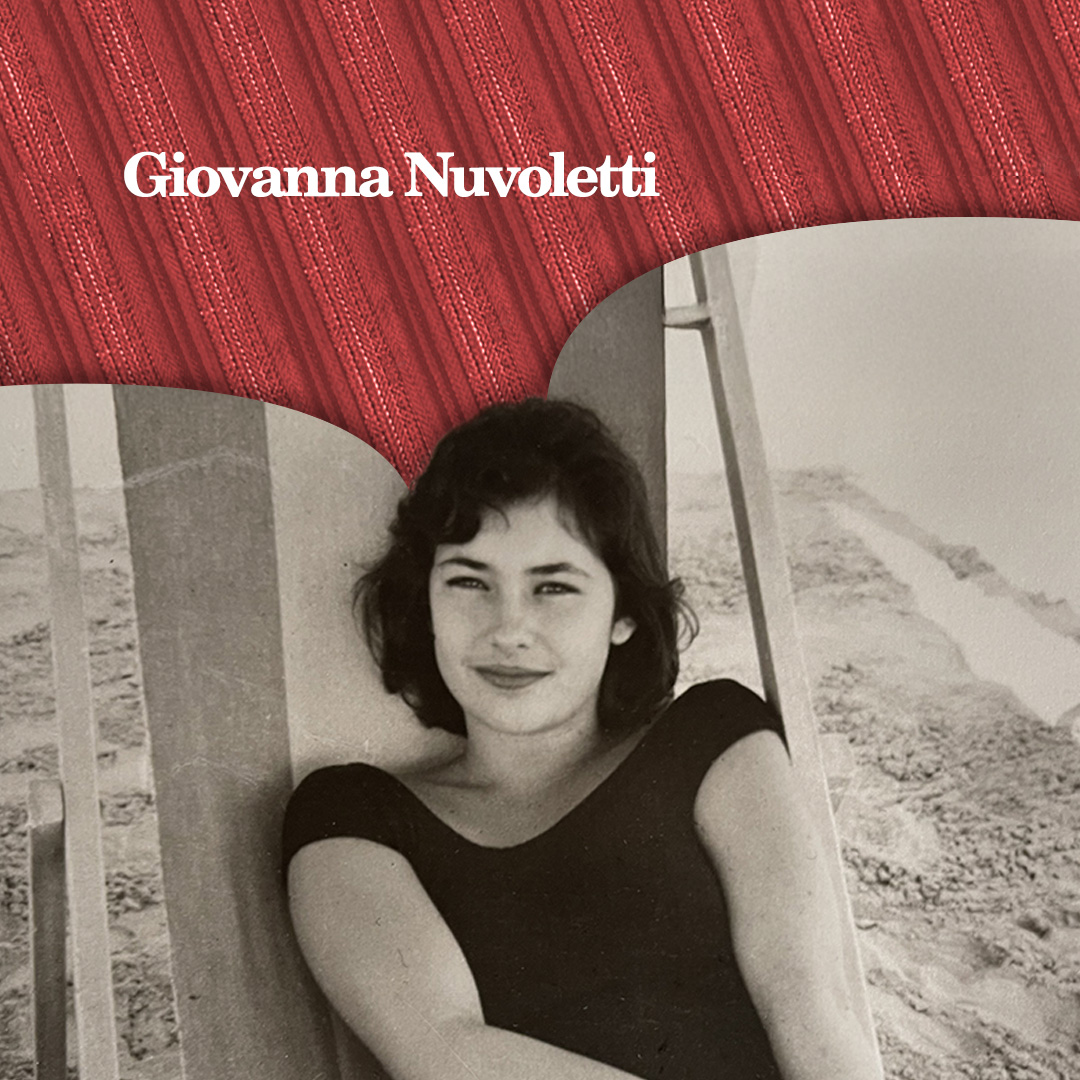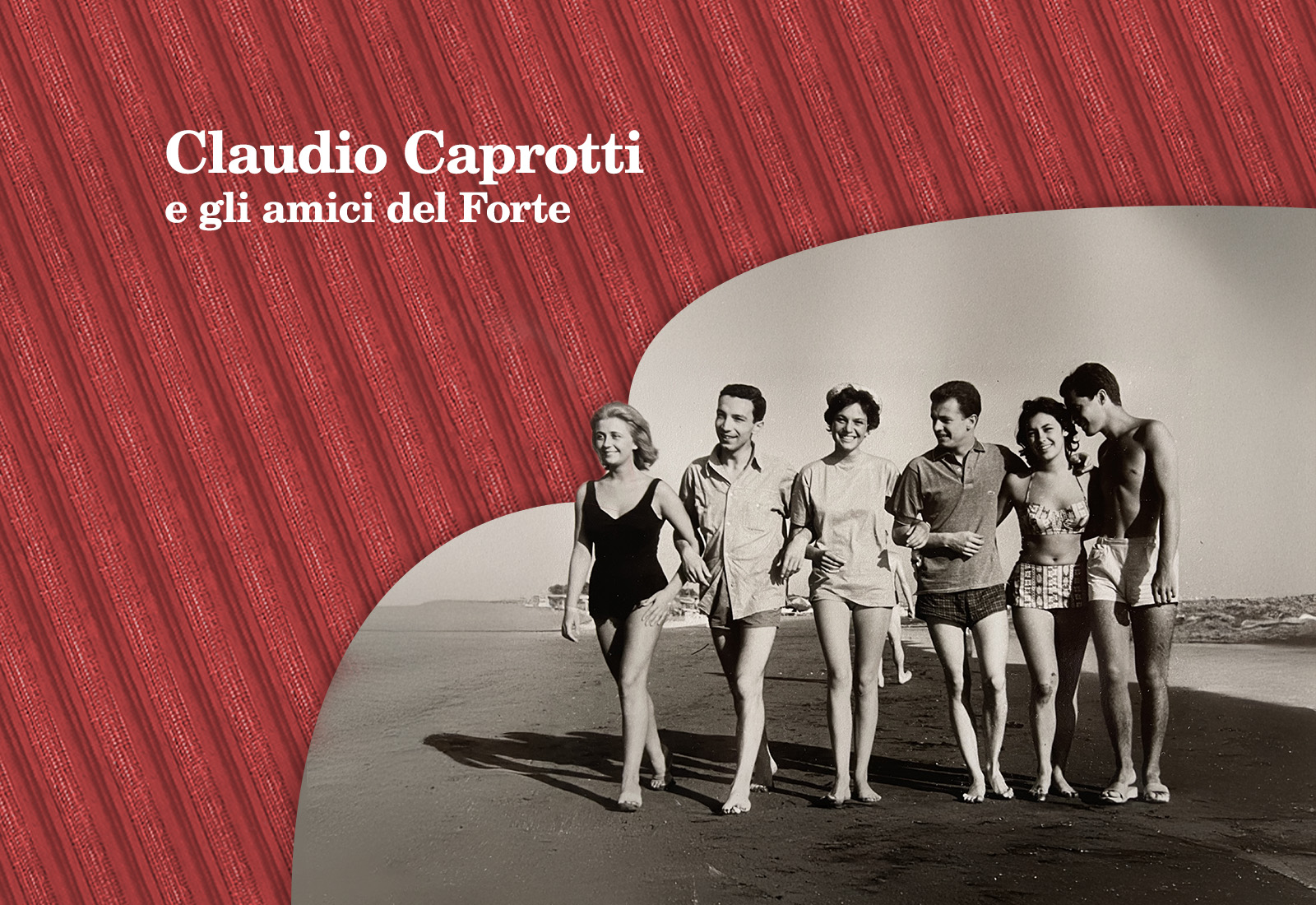
Perhaps it is only by watching the film ‘Sapore di mare’, which became a true cult of the 1980s, and which was also partly filmed at the Fortress, that one can realise, exaggerations and obligatory vulgarity aside, the carefree, fresh and playful atmosphere that animated the summers at the Fortress of the ‘best youth’ of the post-war years, between beach games, picnics, bonfires on the seashore, evenings dancing to the best-known songs of the time and heart-stopping flirtations between handsome young men and the ‘most beautiful girls of the Fortress’, as Lina Sotis, who was a member, as was my mother Giorgina Venosta, called them.
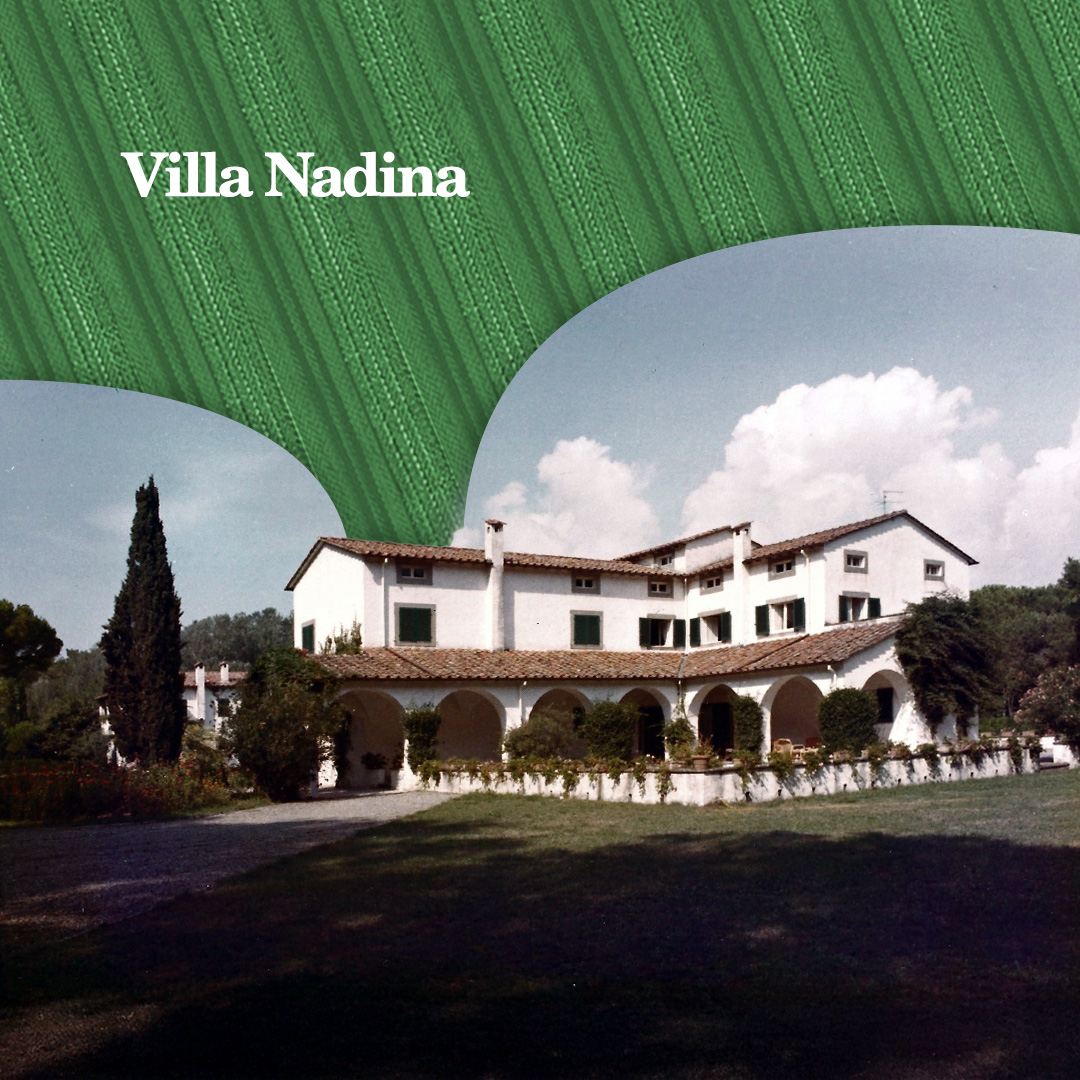
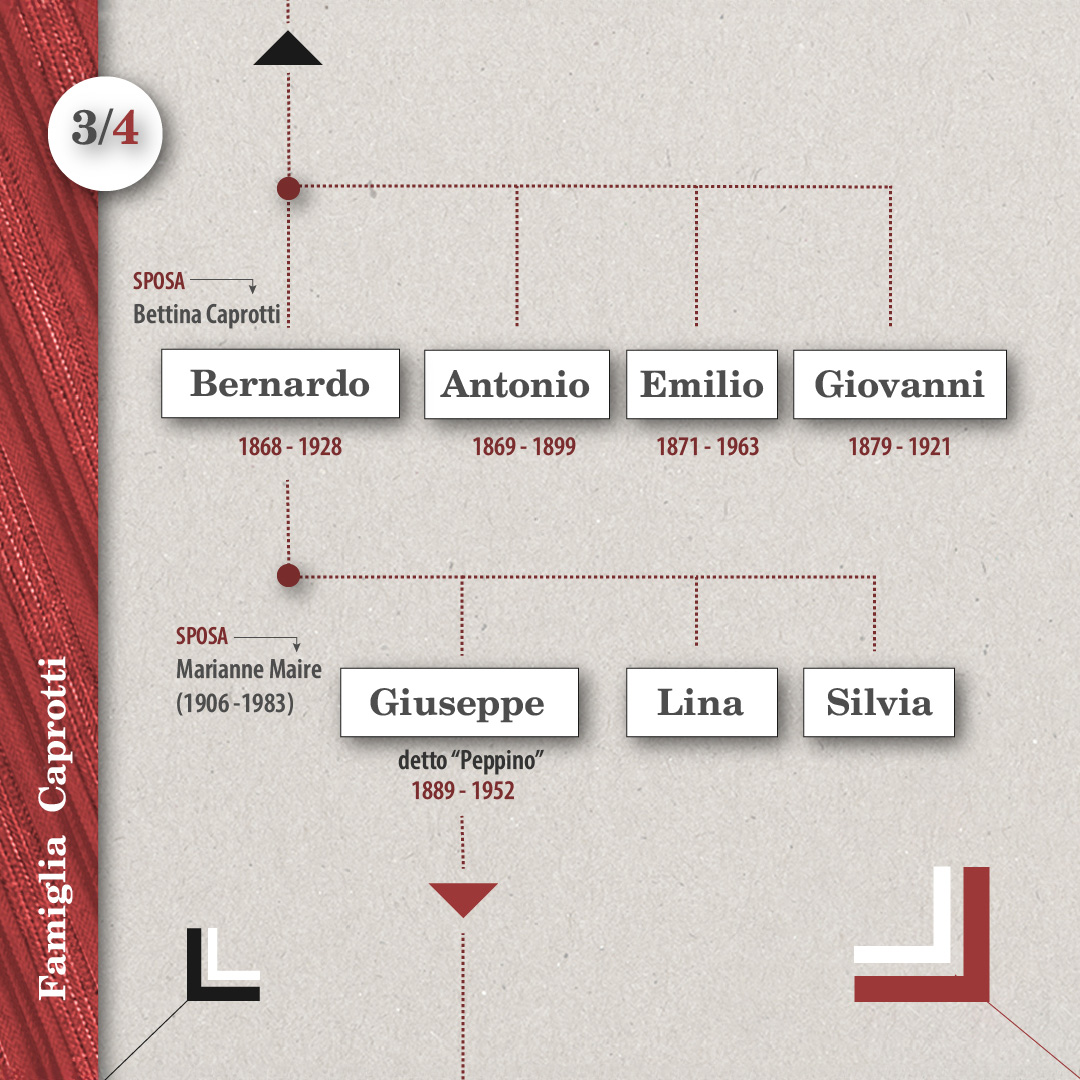
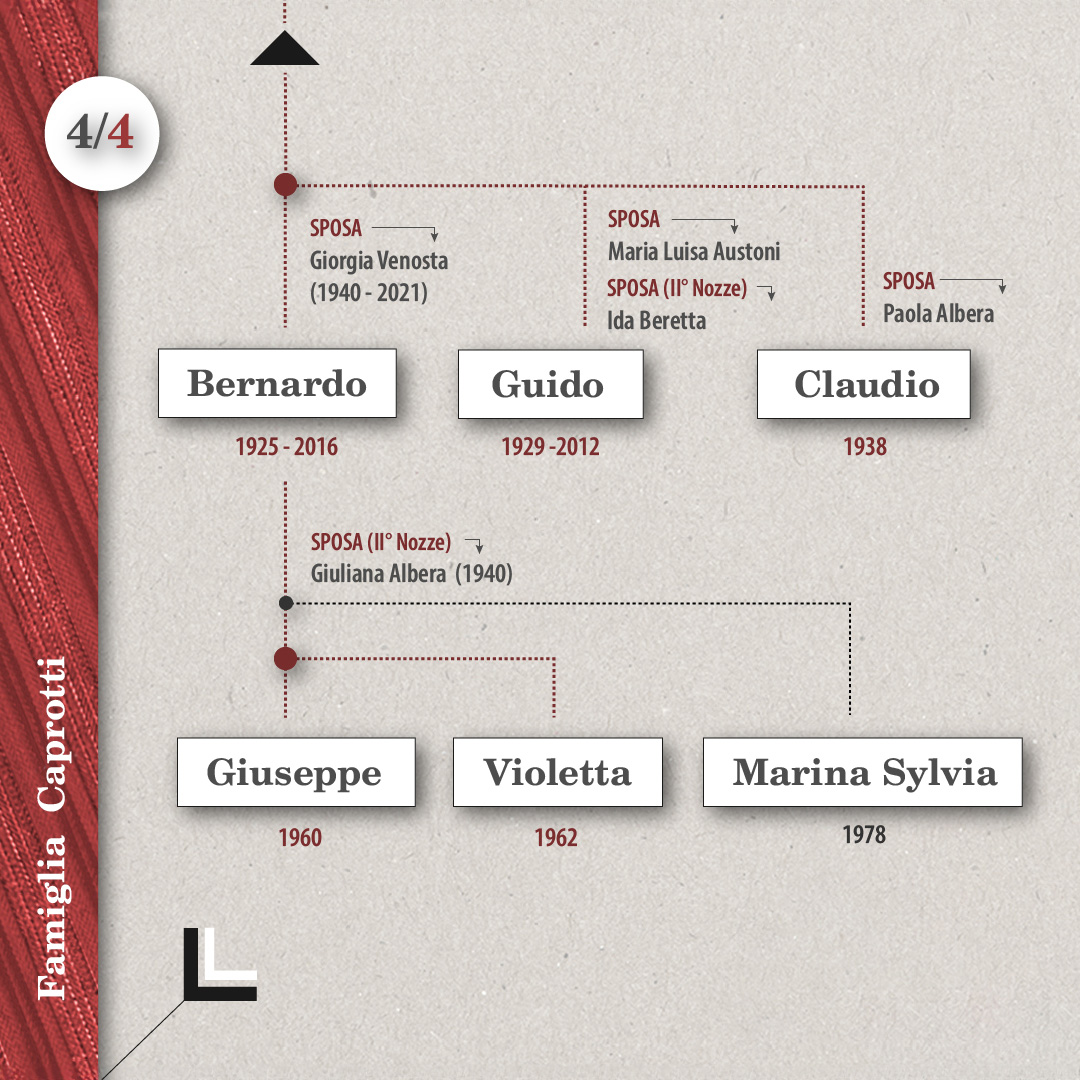
It was grandfather Peppino who, in the 1930s, bought Villa Nadina, one of the most prestigious villas at the Fortress, and from then on everyone’s summers – including mine as a child, together with my sister Violetta and cousins Benedetta and Elisabetta, Uncle Guido’s daughters, who were close in age to us – would be spent there. Uncle Claudio, a boy and then a young man, is perhaps the one who will enjoy it the most: the shots that have remained of the many laughing friends on the beach or the portraits of young girls who would not have disfigured on the catwalks of fashion and the fashion industry capture luminous moments of beauty, joy and youth.
But that is not all. In the words of their uncle at Villa Nadina, these young men, who for the most part have known each other since birth or since their school days and who also frequented the same environment in Milan, held ‘for several lustrums a sort of academy of letters and arts. A true cultural coterie where the best of the bourgeoisie on holiday alternated’ and where they talked about exhibitions, books, works of art, music, hours as stimulating as those spent playing on the beach. And there is perhaps one more factor for Claudio: when his grandfather Peppino died in a car accident in 1952 (his uncle was only 14 years old), he left his beloved Versilia property to him in his will. It can be said that this cherished place has almost always been doubly his.
But, as in the movies, everything ends. In 1972, my uncle married Paola Albera, sister of Giuliana, my father Bernardo’s second wife, then the marriage ended, and at the time of the divorce the villa passed into the hands of his now ex-wife. With the beautiful house also go the summers at the Fortress, the ‘best of youth’, the rides on the Vespino, the conversations and the more or less broken hearts. All that remains are the splendid photos veiled in melancholy like the memories they still evoke.
Sources:
Albiate (MB), Villa San Valerio, Villa San Valerio Archives, Manifattura Caprotti Archives, Marianne Maire Caprotti Correspondence, 1974.
Florence, Claudio Caprotti Archives, Photographic Archives.
Bibliography:
G. CAPROTTI, Le Ossa dei Caprotti. Una storia italiana, Milan, 2024/3.
ID., Le Ossa dei Caprotti. The three Caprotti brothers: Bernardo, Guido and Claudio Caprotti, late 1940s. Cues from the book’.
ID., “Le Ossa dei Caprotti”. The Caprotti’s residences: Villa Nadina, Forte dei Marmi, 1960s. Cues from the book’.
ID., “Le Ossa dei Caprotti”. I Caprotti e la famiglia: Giuseppe with his uncle Guido and uncle Claudio Caprotti in Forte dei Marmi, 1966. Hints from the book’.
ID., “Le Ossa dei Caprotti”. Giorgina Venosta : “Ragazze del Forte, le più belle signore di oggi”, by Lina Sotis, Sette, 5 July 2001. Cues from the book’.