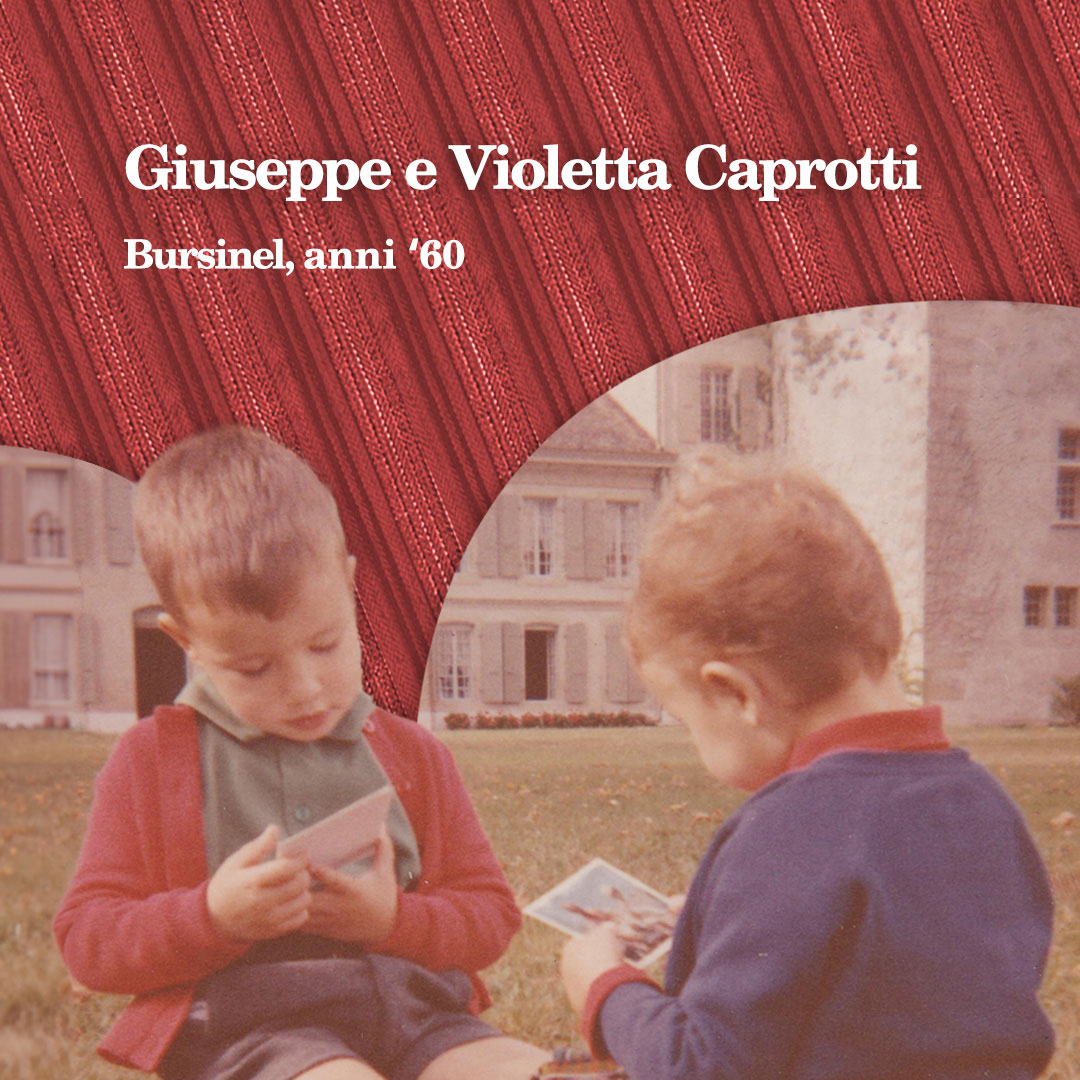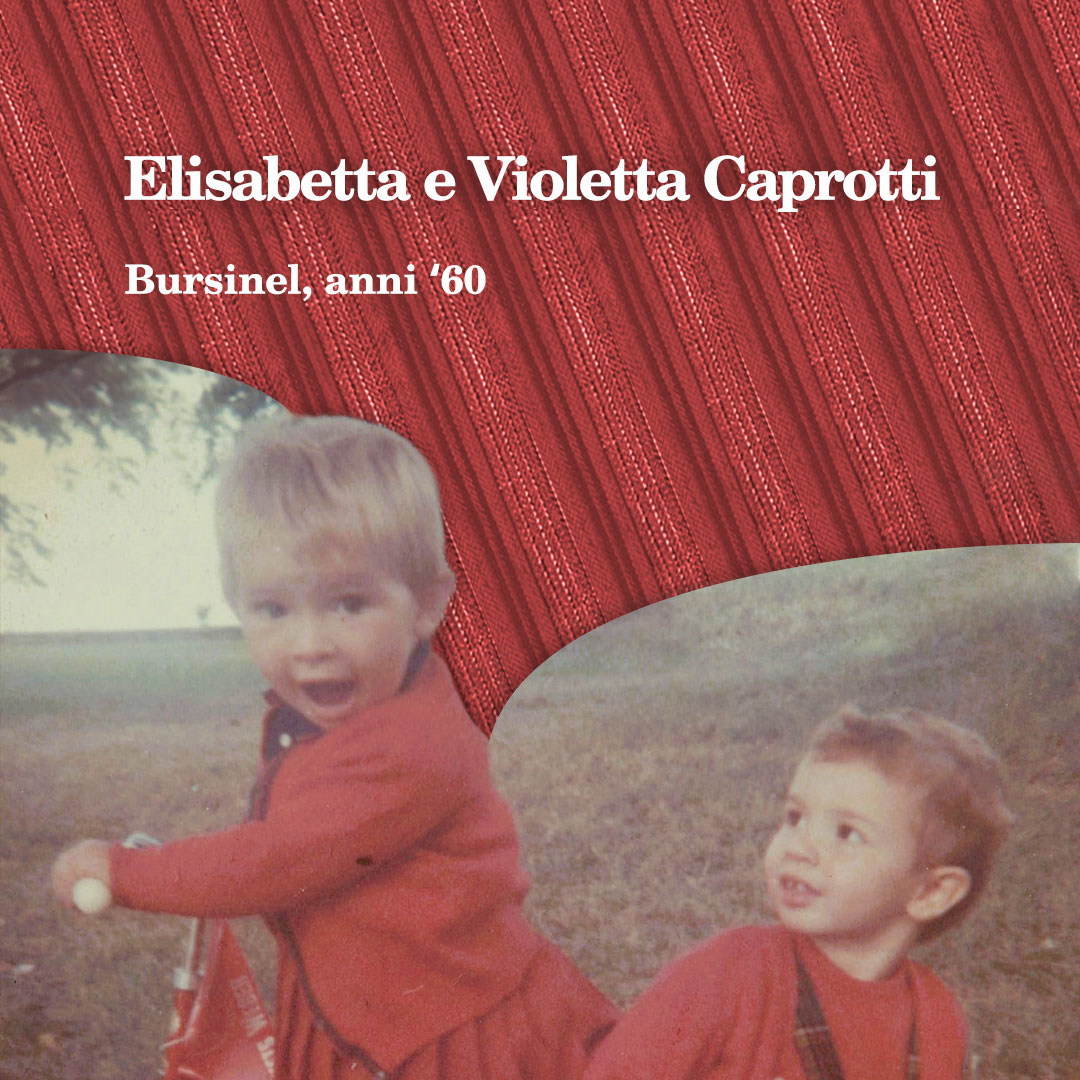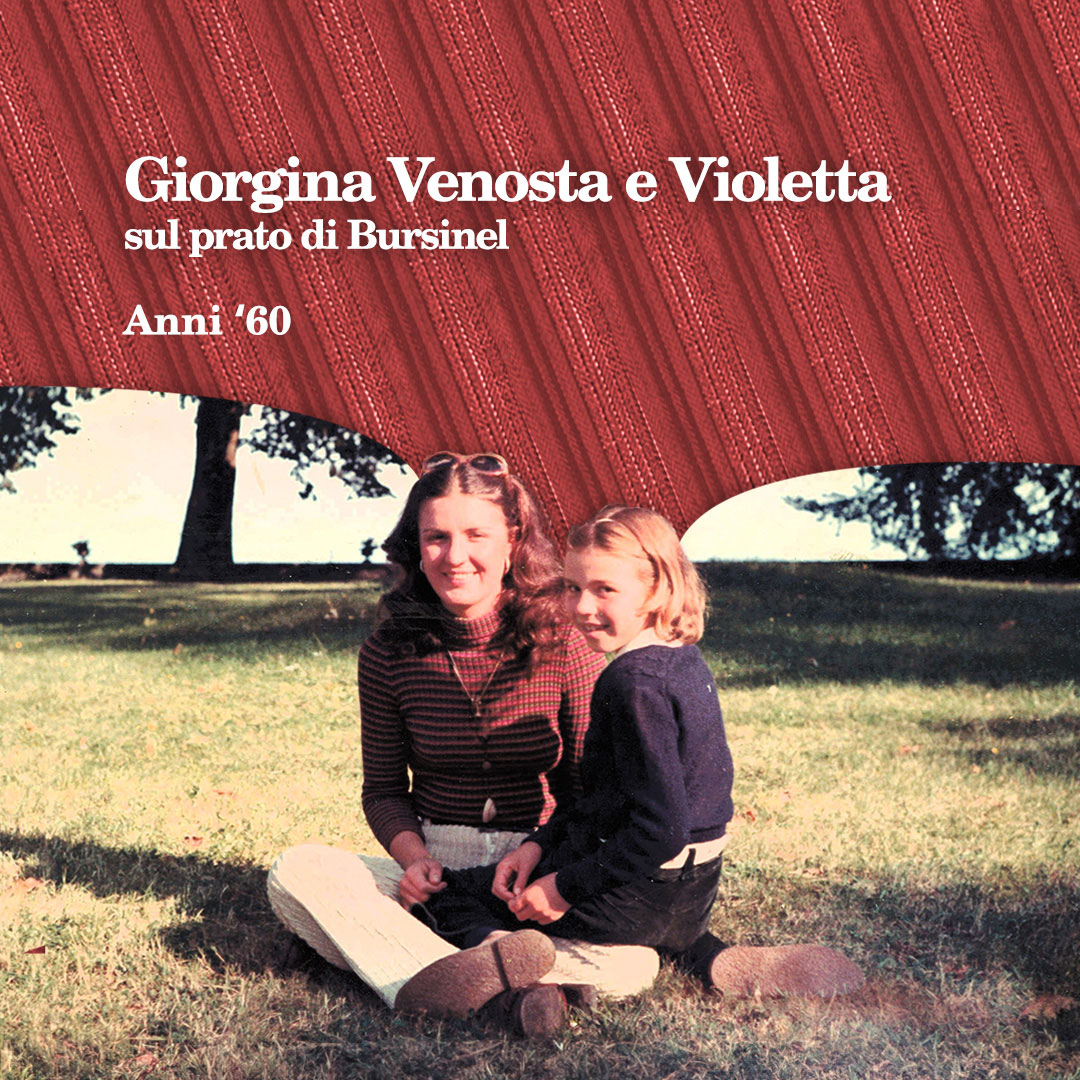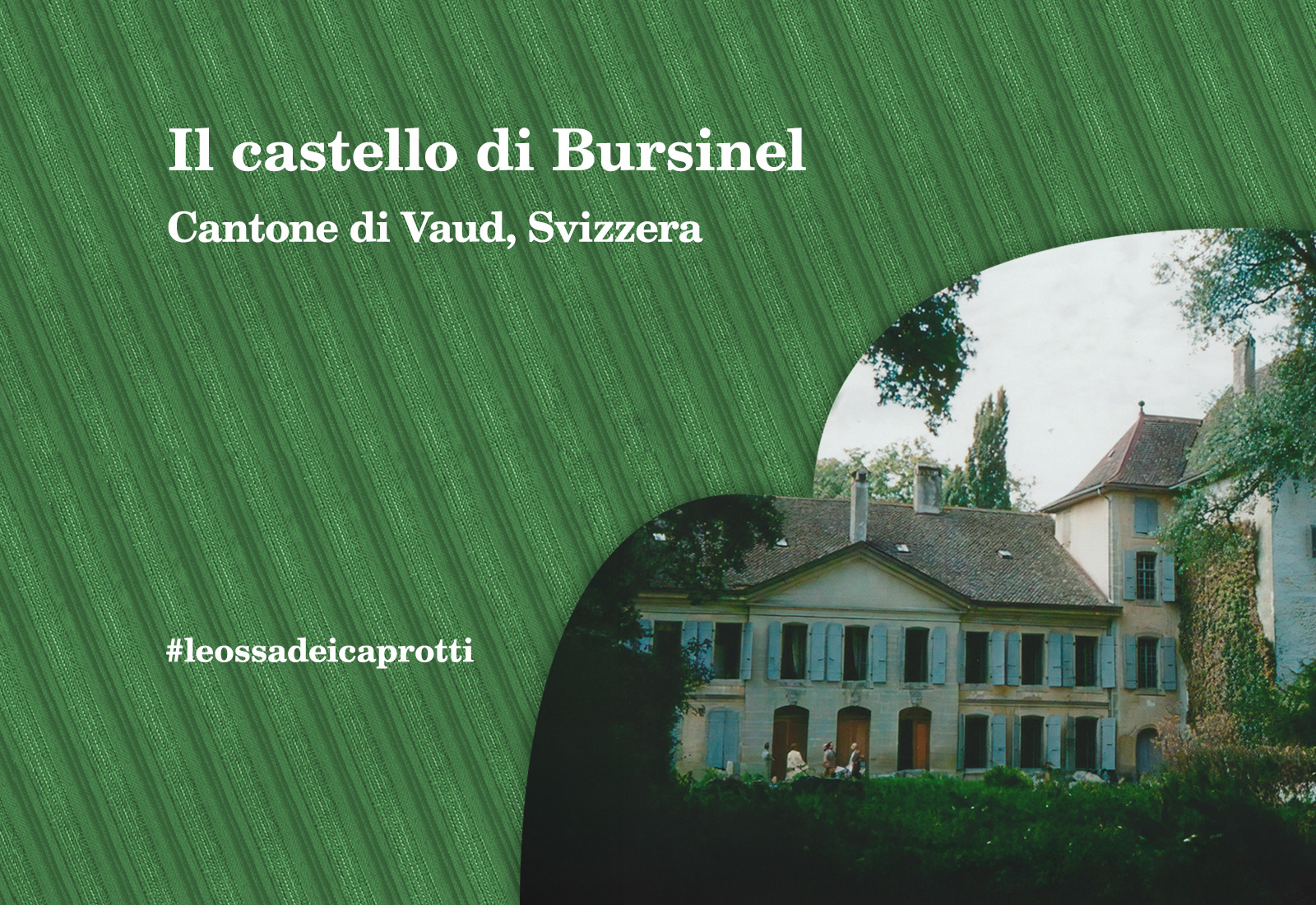
‘I remember once being taken to see the renovation work on the house in the city, in Via del Lauro, that grandfather Peppino had bought together with the Bursinel castle thanks to the large profits from the Manifattura (…)’ (p. 77).
Bursinel is a beautiful place, the castle is even part of Swiss history, and we spend part of the summer there, usually with uncles and cousins; the photo albums are full of pictures of us children playing on the large lawn in front of the castle. But Bursinel, too, like the rest, will become an object of contention and resentment.
“Bernardo doesn’t give in an inch and exasperates Uncle Guido, who goes so far as to vent to a friend (…), telling him that years earlier he and his brother had exchanged the Brianza house in Albiate, which had remained with Guido, and the Bursinel castle on Lake Geneva, which had gone to Bernardo. Guido had done this because he did not want to let go of the dwelling that had been the family home, with the memories of his father and mother, but obviously it was Bernardo who had gained. There is no doubt about it: even today, a castle with 40 hectares of park and vineyard on Lake Geneva has a real estate value not even remotely comparable to an old villa in Brianza. None of the new billionaires rushing to grab the best Swiss properties would dream of settling a few kilometres from Monza. The house is beautiful but it is located – to quote Lucio Battisti’s Una giornata uggiosa – in ‘poisonous Brianza’, one of Europe’s most industrialised and polluted areas. Bursinel, on the contrary, is situated in an enchanting setting, both in terms of landscape and climate. (…)”. (p. 126).
Bernardo then gives the castle to his second-born daughter Violetta.
‘(…) In [2014], a Swiss newspaper called “24 heures” published the news that Violetta would sell the castle of Bursinel, on Lake Geneva. The article speaks highly of Bernardo, who is described as the ‘founder of Esselunga’, a ‘pleasant, human and very organised person’, able to ‘speak French impeccably’. He doesn’t say, however, that in reality our father had rented the castle for a long time to tenants whom he had then tried to evict with malice. These had rebelled and refused to return the property to him within the time my father demanded: for the third time, after the cook Rosa and her brother Guido, one of Bernardo’s houses was occupied by people with whom he had quarrelled. All he had to do to make them leave was to show up one morning with the gendarmes. He will find the castle recently abandoned, with the bathroom tiles and sanitary fixtures torn off in anger.” (pp. 337-338).
Bernardo confirms the donation of the castle to Violetta in his will published after his death in 2016 and drawn up two years earlier, on 9 October 2014.
Then, effectively, Violetta sells it, and yet another piece of our fondest childhood memories goes out of the Caprotti story.
Bibliographic references:
M. SCHURCH, Le château des chevaliers de la Cuiller est à vendre, ’24heures’, publié: 15.04.2014.