“Grandfather [Peppino Caprotti] had taken a house in Viale Tunisia and bought a building in the very central Via del Lauro. To make the purchase, he had given power of attorney to a friend, Nando Angeloni, who took care of all the family’s bureaucratic and economic matters (…)’ (p. 41).
“(…) I remember once being taken to see the renovation work on the house in the city, in Via del Lauro, that grandfather Peppino had bought (…) thanks to the large profits of Manifattura [Caprotti] and where we all moved passionately together in 1965. The move was motivated by the fact that the Esselunga management contract signed with the American managers ended that year and, for the first time, Bernardo left the cotton mill and became managing director of the supermarket chain (…). We settle on the second floor, Guido on the third, grandmother Marianne in the flat on the first, where, at Christmas, we all gather together in the large living room. Claudio lives in Florence but often comes to visit his grandmother and keeps a room with her’ (p. 78).
“At boarding school Violetta and I end up because red flags might prevail in Italy but above all because in Milan we go around – very little – with armoured cars and bodyguards, because of the fear of kidnapping. The atmosphere is heavy. I remember a birthday party while in front of my house, in Via del Lauro, in the smoke and smell of smoke grenades protesters and police confronted each other. (…)”. (p. 98).“Moving to Switzerland will be my salvation because, besides not being able to leave the house freely for fear of terrorism or kidnapping, the climate in Via del Lauro is not the best. In fact, relations with my aunt and uncle and my grandmother have descended into drama. (…)” (p. 102).
“It is difficult for me to interweave my memories as a teenager with what happens in the two companies that Dad and his uncles own at the time, Manifattura Caprotti and Esselunga. The quarrels also came violently in Via del Lauro, but it took almost all of us a long time to fully understand what was happening outside the walls of the house, in the textile industry in Albiate and in what was turning out to be the most promising business, the supermarkets. Even today, when so many details have emerged about the events that pulverised the family, it remains difficult to form a complete picture of all the accusations that our father and uncles hurled at each other. (…)” (p. 104).
‘After his partner and family friend Marco Brunelli, his mother and two brothers also left Bernardo’s life. For many years, in fact, some undivided property remained with Guido and Claudio. Among these (…) is Via del Lauro, which finds itself at the centre of a clash that becomes even bloody” (p. 123).
“In those months [1996] I also made a mistake that would weigh heavily on our relationship. I go back to live with my wife and small children in Via del Lauro, for the first time since I was 15. Once again, the situation is getting heavy. Every day there is one (…). My father can turn up in our flat at all hours of the day, without warning and without any regard. Once we happen to run out of sugar and we ask for a cup: all hell breaks loose. (…) I repeat: going back to the family palace in Via del Lauro was nonsense. (…)” (p. 176).
‘In 2001, with Laura and our children, I decided to go and live far away from Via del Lauro. My father says nothing. On 6 March, I receive a note from the head of personnel, Renzo Fossati, who tells me about a conversation he had with him. Bernardo entrusts him with a message, he says that not having contact with me, not doing anything together in the company, my ‘running away’ from home, create difficulties for him and that he is sorry.’ (p. 209).
In the kitchen in Via del Lauro, marketing choices will be discussed, such as Naturama or organic products, but above all the business areas will be divided up: my father will be in charge of construction and development, and I will be in charge of Esselunga’s commercial and operational side.
Via del Lauro will be given to Giuliana Albera in Caprotti. Violetta and I will find out about it after the fact, a long time later.
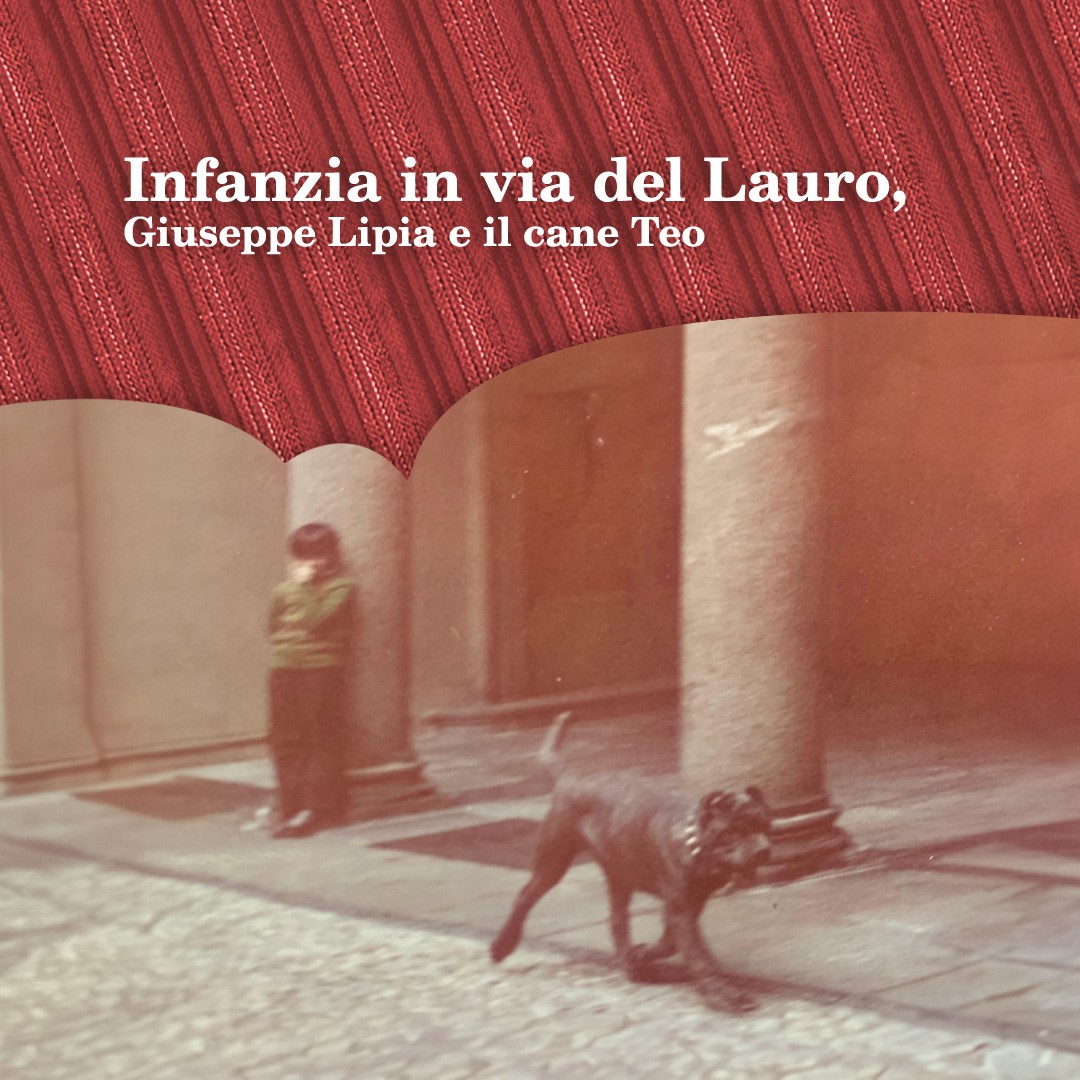
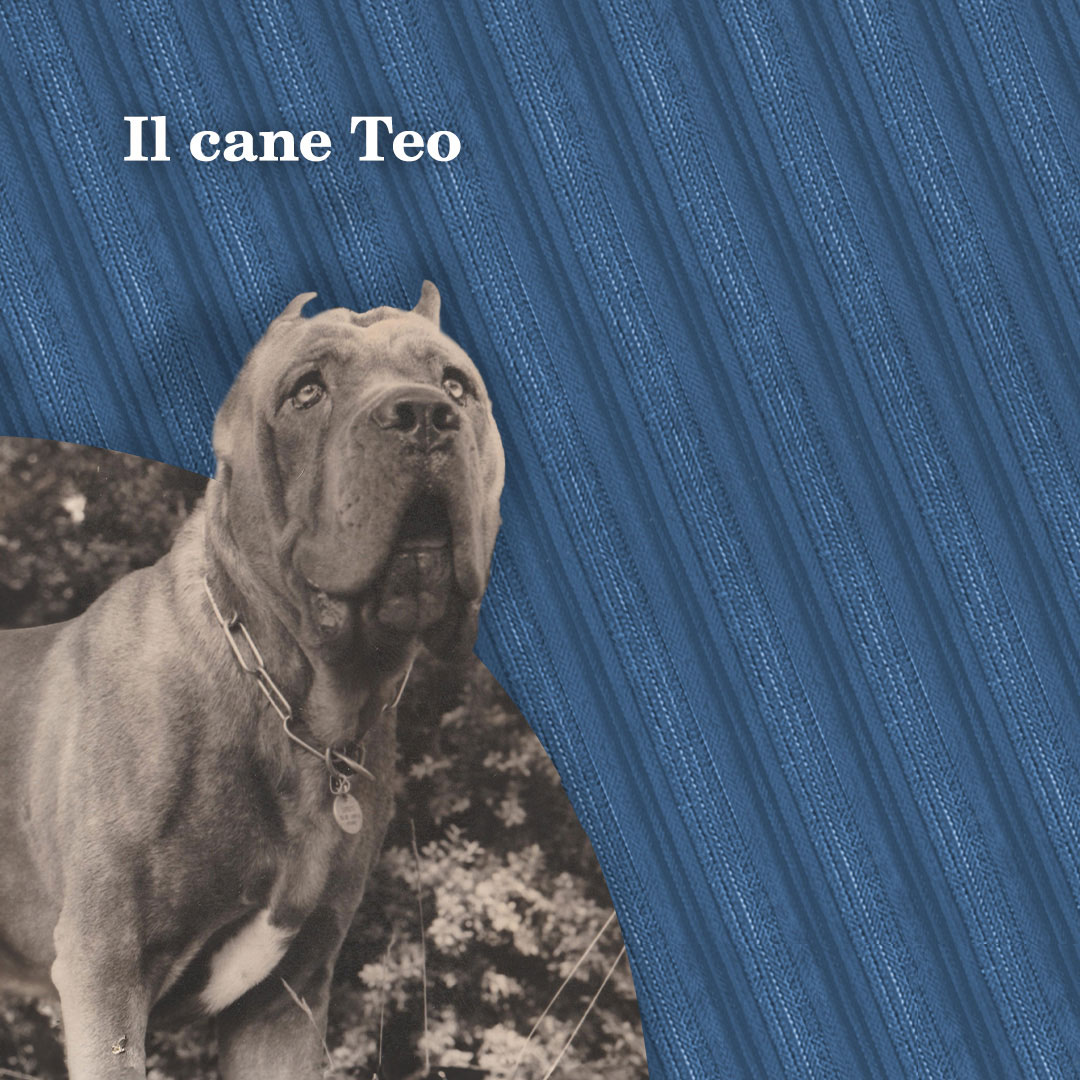
Below: Giuseppe Lipia, a playmate when we were children, and my dog Teo, in Via del Lauro.