

Compiled 14 October, updated 18 October 2025
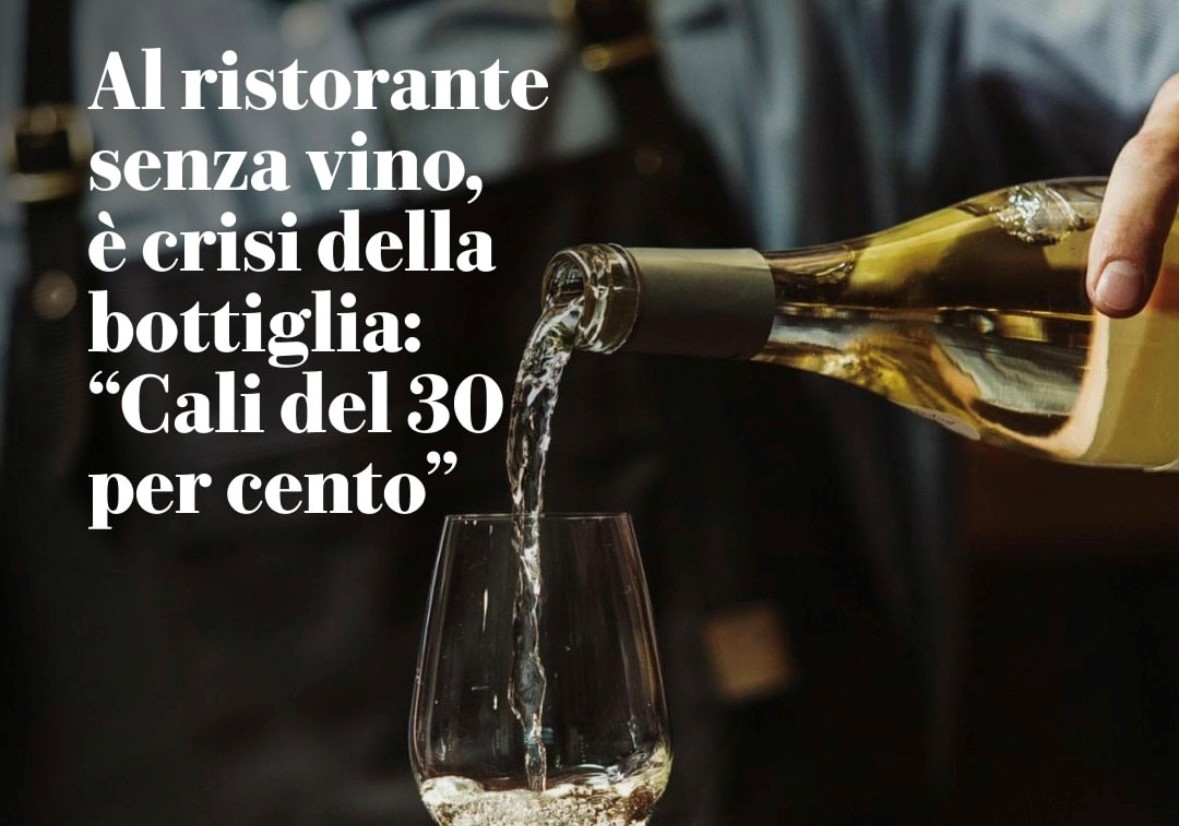
Alcohol consumption is increasingly declining, which is nothing new.
To give a good example: per capita wine consumption in Italy is about 40% of what it was in the early 1960s (43 litres against 119).
Further confirmation can be found here : ‘Less alcohol and more soft drinks. The European trend is photographed by Circana, during the Beverage forum Europe, held in London on 7 October. The total beverage market in Europe is worth EUR 166 billion and accounts for 23% of the total demand for FMCG products in the six largest European markets (France, Germany, Italy, Netherlands, Spain, UK). In terms of value, the sector grew by 2.1% with volumes at 0.6% per annum, but analysts pointed to a decline in alcoholic be verages, with -1.8% in turnover (to EUR 68 billion) compared to non-alcoholic beverages, which grew by 5 .1% to EUR 97 billion.
By now, the universe of non-alcoholic, functional and low-alcohol or zero-alcohol beverages constitutes almost 60% of the category’s sales, according to Circana’s latest retail surveys (year ending August 2025). The trend has been consolidated for a few years now. The clear signal, as Ananda Roy, Svp thought leadership of Circana, pointed out in his speech, that ‘the future of growth is firmly in the hands ofnon-alcoholic innovation‘. And this will also have an impact on the wine sector, which is therefore called upon to face an important challenge in the future.
Less alcohol and more non-alcoholic drinks. The European trend is captured by Circana at the Beverage forum Europe, held in London on 7 October. The total beverage market in Europe is worth EUR 166 billion and accounts for 23% of the total demand for FMCG products in the six largest European markets (France, Germany, Italy, Netherlands, Spain, UK). In terms of value, the sector grew by 2.1% with volumes at 0.6% per annum, but analysts pointed to a decline in alcoholic beverages, with -1.8% in turnover (to EUR 68 billion) compared to non-alcoholic beverages, which grew 5.1% to EUR 97 billion.
By now, the universe of non-alcoholic, functional and low-alcohol or zero-alcohol beverages constitutes almost 60% of the category’s sales, according to Circana’s latest retail surveys (year ending August 2025). The trend has been consolidated for a few years now. The clear signal, as Ananda Roy, Svp thought leadership of Circana, pointed out in his speech, that ‘the future of growth is firmly in the hands ofnon-alcoholic innovation‘. And this will also have an impact on the wine sector, which is therefore called upon to face an important challenge in the future.
Less alcohol for 7 consumers 10
Circana looks at a European market that is undergoing a structural reorganisation: ‘A new generation of consumers is gradually moving away from alcohol in favour of innovative and healthier alternatives,’ say the market experts. From the analysis presented by Circana in London, one fact stands out above all others: 71% of consumers buy, store or consume less alcohol, while ‘almost a quarter of 25-35 year olds have stopped buying alcohol altogether ‘.
The reasons for the non-alcoholic alternative
There are several reasons why consumers in the six EU countries surveyed by Circana prefer non-alcoholic to alcoholic drinks. Non-alcoholic drinks are more refreshing for 55 per cent of Europeans, they are also ‘healthier with plant-based ingredients’ and ‘better in taste‘ (27 per cent), but they are also mentioned as ‘healthier‘ (22 per cent) and ‘suited to my lifestyle‘ (21 per cent) as the main reasons for switching from alcohol to alternatives. These include functional drinks, protein drinks, kombucha and low/zero alcohol options… ”
To the market situation, which is trending, with production sold below cost in some cases (“The root of the crisis lies in the numbers. Winegrowers today are paid a price of around 48 euro cents per kilo (excluding VAT) for Pinot Noir destined for sparkling wine bases. A figure that does not cover the costs of running a vineyard or the harvest. In practice, we are producing at a loss,’ Michele Ardoni ), whose consumption is, favoured by the UN health plans on the decline (deaths from alcohol in the world are down by 20%) , other circumstances have been added:
- the measures on alcohol consumption for drivers.
- the duties that have lowered the margins of Italian producers (see article below).
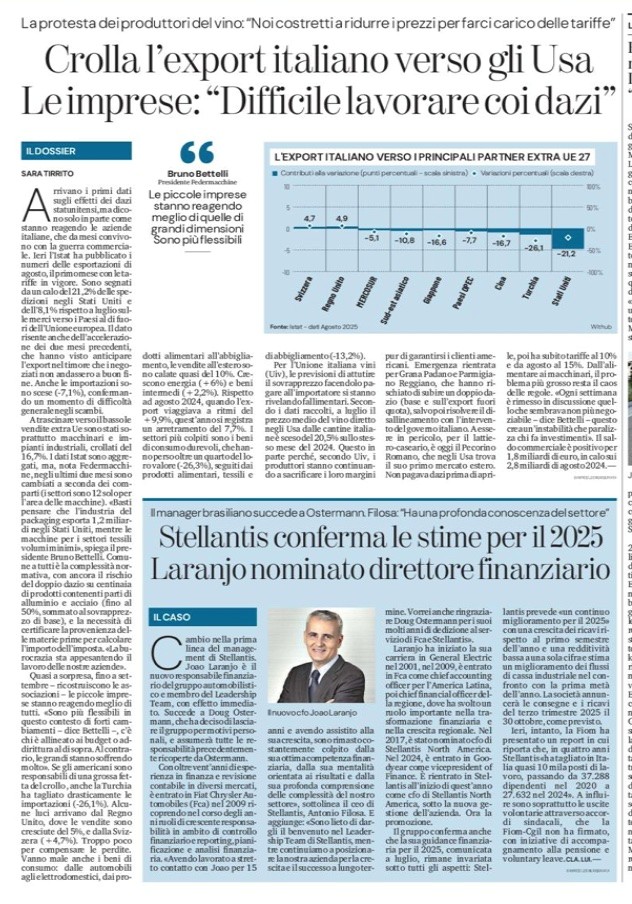
And he says no to supply containment measures: ‘We need to work on demand’. Starting with a big communication campaign in Italy (which would be the government’s responsibility).
Meanwhile, the Wine Table was convened on 4 August. Proposals included reducing supply by limiting yields and stopping new plantings for at least a year.
There was also talk of grubbing-up : France has already started, while Germany has just asked Europe for a pan-European grubbing-up plan. There is also a move towards grubbing-up in California.
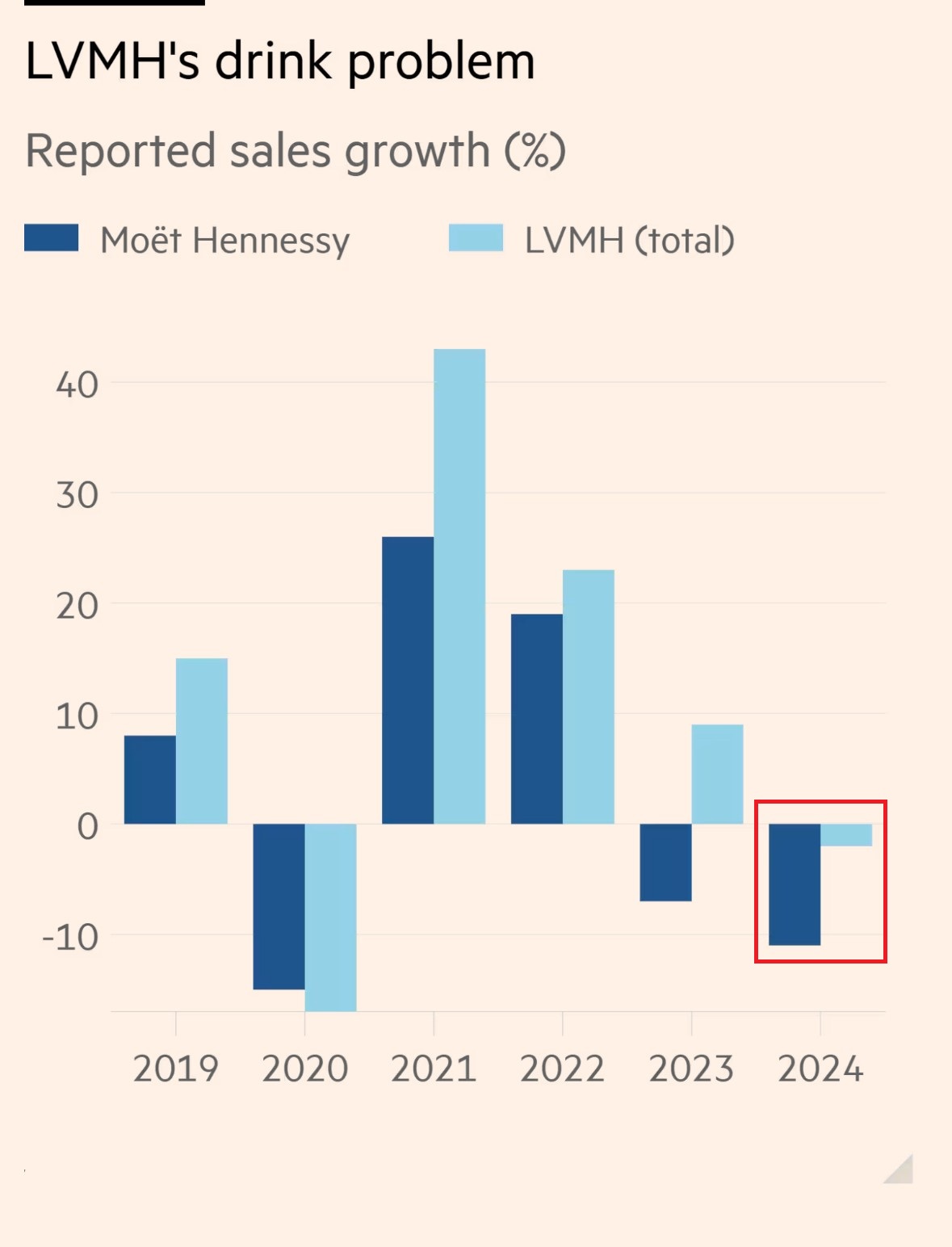
And in the first quarter of 2025 , the group’s wine and spirits sales still fell by 9% on an organic basis, compared to a 3% drop company-wide (Financial Times).
Below: alcohol sales – Moet Hennessy’s division – declined much more in 2024 than those of LMVH ‘s other divisions , although – to be fair – in the first 9 months of 2025, wines and spirits were down 1% compared to forecasts of a -4% decline (Corriere della Sera, 15 October 2025).
Faced with this situation, which affects all Western manufacturers, France has reacted united: manufacturers, distributors but also opinon leaders have mobilised to try to stem this phenomenon, which is also causing difficulties for luxury groups such as LVMH.
Below is an example of this with these 12 pages published in the newspaper Le Monde in September, in support of the huge promotion called ‘Foire a vin’, in which practically all the commercial structures operating on the French market participate, including discounters (Lidl is one of the largest buyers of French wine).
Very complicated situations need to be remedied :
Moët Hennessy, the wine and spirits empire owned by France’s LVMH, went from generating €1 billion in cash in 2019 to burning through €1.5 billion last year, according to documents seen by the Financial Times, due to aggressive price increases and an unfortunate acquisition spree that hit the luxury group’s drinks business. The group behind Dom Pérignon champagne and Hennessy cognac has been hit hard by a global downturn in spirits sales.
But people familiar with Moët Hennessy’s operations say strategic decisions made under the leadership of former CEO Philippe Schaus, who left the group in early 2025, have exacerbated its problems.
Is it possible that the huge luxury group will one day have to give up champagne brands such as Moet Chandon, Veuve Clicquot, Krug or Dom Perignon?
Bernard Arnault, had already exited the capital of Carrefour and lost money on it , but cognac and champagne are products that he certainly espoused more than distribution as they fit in with the ‘French way of life’, French-style luxury. It would be difficult to walk away from the game: it would be a much more painful and visible defeat than the one suffered with Carrefour.
For the moment, the French, on the contrary from what Mastrobernardino says, seem to want to try to revive consumption, not an easy undertaking given the crisis in luxury markets such as the USA and China and the disaffection of the very young.
Fortunately, in Italy, there are those who – like Riccardo Cotarella, president of Assoenologi – say ‘less vines’.


