We have already written about this in The fertiliser factor: why bread, pasta, meat and eggs are at risk because of the war in Iran
Fertiliser blockade in the Strait of Hormuz will disrupt world food production
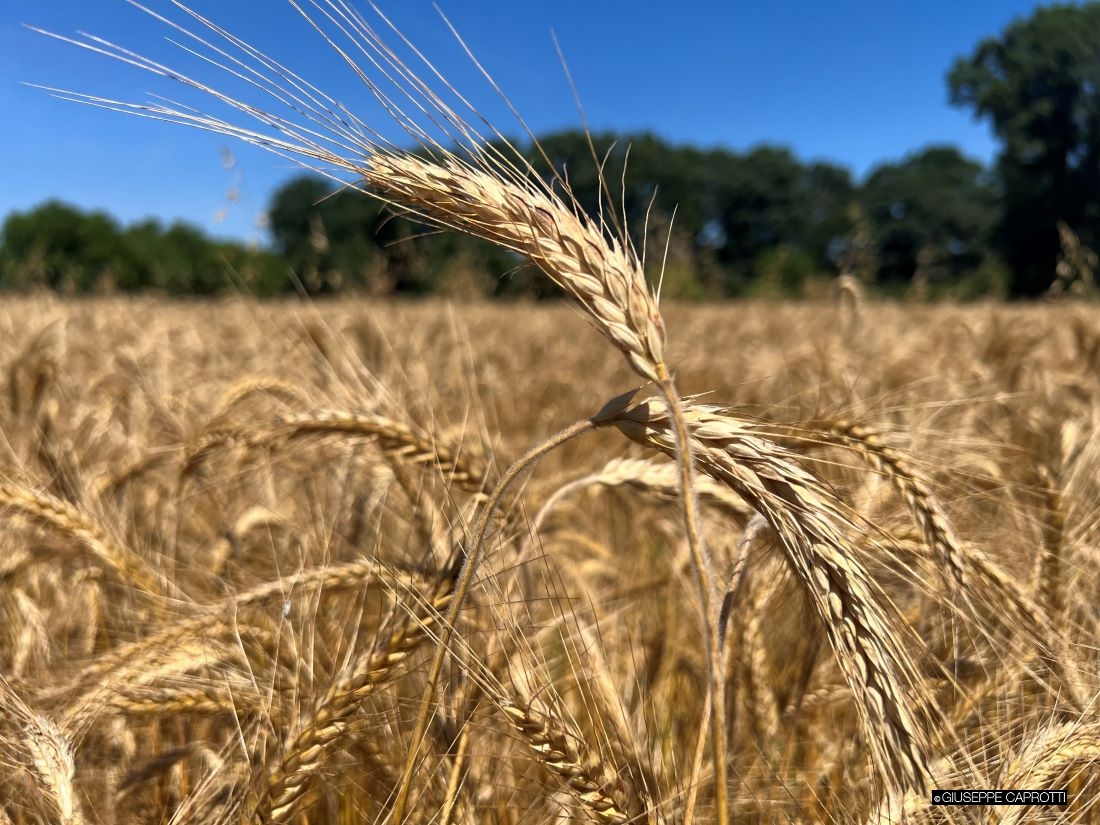
The Strait of Hormuz is 34 kilometres wide at its narrowest point. 25% of the world’s traded oil passes through it. Everyone’s attention has focused on this. But the strait also carries fertiliser components that underpin about half of the world’s food supply. And Iran has effectively closed it, in response to joint US-Israeli attacks on its territory, during the four weeks when farmers in the northern hemisphere use nitrogen to fertilise their crops. The Gulf States account for 49% of globally traded urea and 30% of ammonia, perishable elements essential for the nitrogen cycle that makes high-yield agriculture possible. When this supply chain breaks down, the effects silently accumulate in soil chemistry and planting decisions over the following months..
The time available to assess the damage to agriculture is measured in weeks. Winter wheat in the US, Europe and parts of the Middle East needs its last nitrogen fertilisation in the next three to four weeks. The time available to ensure food security is measured in months.
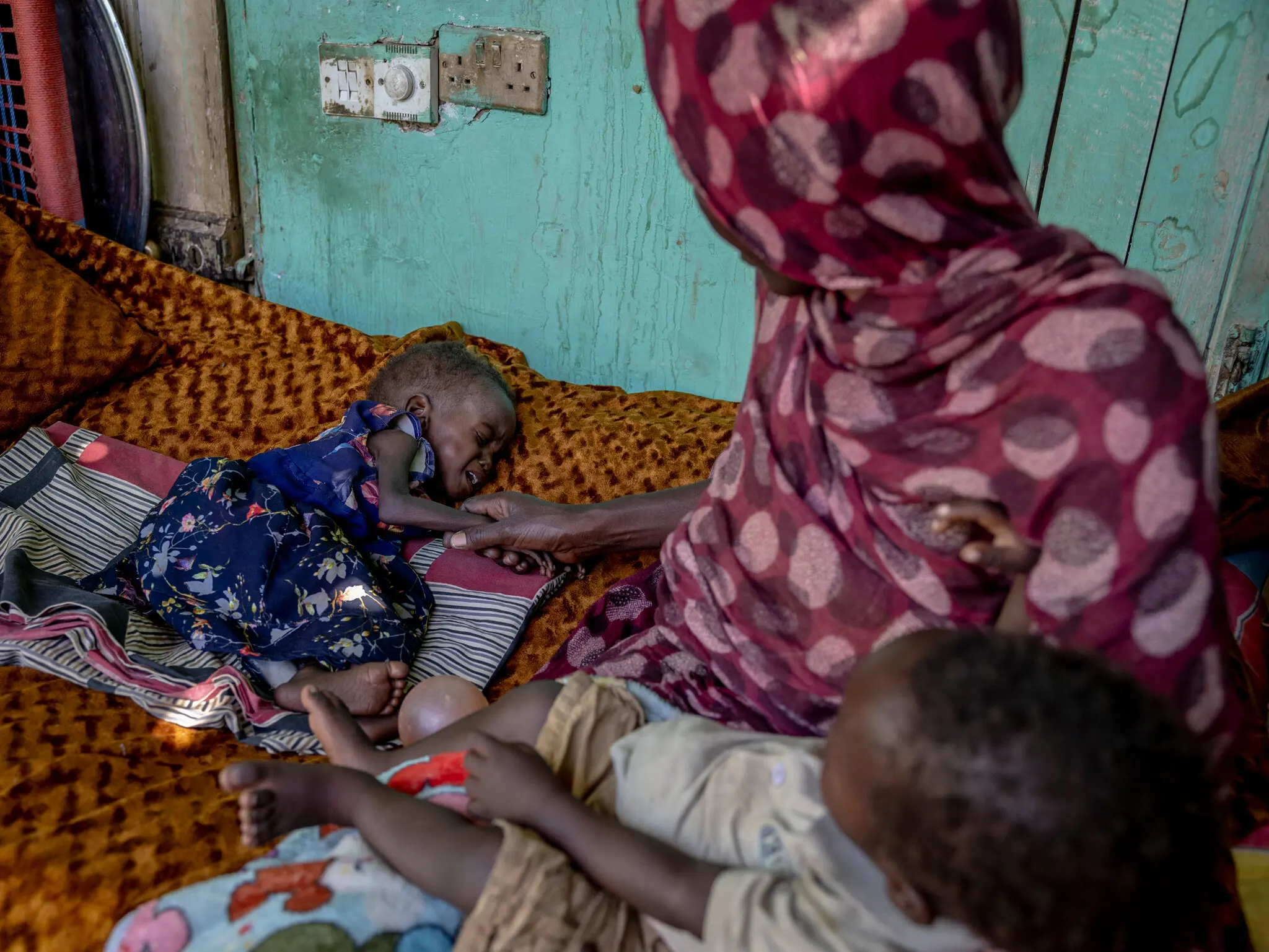
Most import-dependent nations have enough grain reserves to absorb a short interruption, but not enough to last an entire season. The Horn of Africa is already on the brink of famine. This would only worsen the situation.
Finally, the geopolitical factor is measured in years. There is a documented correlation between food price increases of more than 30-40% and political instability in fragile states within six to eighteen months of the triggering event
… Congress should consider emergency authorisation of strategic fertiliser reserves, modelled on the Strategic Petroleum Reserve. Urea and ammonia are not on the federal list of critical minerals. There is no strategic reserve for these products, and there is no emergency authorisation that explicitly covers them. Congress should remedy both situations.
There is also a need for emergency advance funding from the World Food Programme (WFP) to be disbursed immediately, before price transmission reaches retail markets in countries least able to absorb it.
Below: humanitarian assistance in Africa
Africa pays the bill for Hormuz The Iran-Israel-US conflict threatens to deal Africa the most destabilising blow in a decade already marked by pandemic war in Ukraine and American tariffs. The reason is structural: the Persian Gulf is the privileged supplier of fuel and fertiliser for a large part of the continent. The near-closure of the Strait is not an external disruption, it is a direct cut to the metabolic arteries of fifty-four economies.
The numbers speak for themselves. Sudan depends on the Strait for 54% of its fertiliser, Tanzania for 31%, Kenya for 26%. And the timing is the worst possible: the crisis explodes close to the rainy and sowing season, when demand for nitrogen and oil derivatives peaks annually. Added to this is the fact that China and Russia, for different but converging reasons, are restricting exports of nitrogen, phosphates and potassium, depriving Africa of the emergency alternatives on which it had relied during the Ukraine crisis.
The chronic lack of investment in domestic refining turns external dependence from choice into condemnation. Gigantic plants lie idle from Kenya to Cameroon, from South Africa to Zambia. Even the Dangote refinery, with its 650,000 barrels per day, is destined to absorb mainly Nigerian needs. Paradoxically, Nigeria and Angola benefit from higher oil prices, but the effect is exhausted at the borders of their public budgets, without transmitting itself into widespread prosperity. To conclude: Hormuz has made visible what was already fragile. Africa does not just suffer an energy shock: it suffers the wiping out of a decade of work to build a foundation for sustainable growth. Every month of prolonged crisis is a year of lost development.
Cristiano Torlizzi
This new shock, after the inflationary shock caused by the attack on Ukraine, besides triggering a humanitarian crisis, risks creating political extremism and new waves of migration towards Europe.
It obviously adds to the short-sighted suspension of aid to African countries (Usaid).
Below : a Sudanese family