Drawn up on 29 December 2024, updated on 3 January 2025 with a closing remark by the Minister of Agriculture.
Given the ongoing climate change and the environmental degradation caused by the industrial management of agriculture and animal husbandry, we will have to resign ourselves to finding alternative raw materials to the current ones.
This is the case, after cultivated meat and synthetic milk, of cocoa.
The translation of this article from the Financial Times is very interesting.
Food groups develop a taste for cocoa alternatives
High raw material prices and sustainability concerns drive companies like Mondelēz to invest in lab-grown versions
Soaring raw material prices and growing pressures on sustainability are pushing chocolate and confectionery companies to invest funds in research into alternative ingredients for desserts.
Oreo producerMondelez International was among the investors who took part in a $4.5 million seed funding round for cell-based cocoa start-up Celleste Bio earlier this month, while UK food ingredients company Tate & Lyle announced it has partnered with BioHarvest Sciences to develop sweeteners from synthetic plant-based molecules.
The moves came as cocoa futures traded in New York climbed above $10,000 a tonne, continuing a dizzying rally that began a year ago. At their peak in April, prices for the key chocolate ingredient surpassed $12,000 a tonne, an increase of almost three times from January.
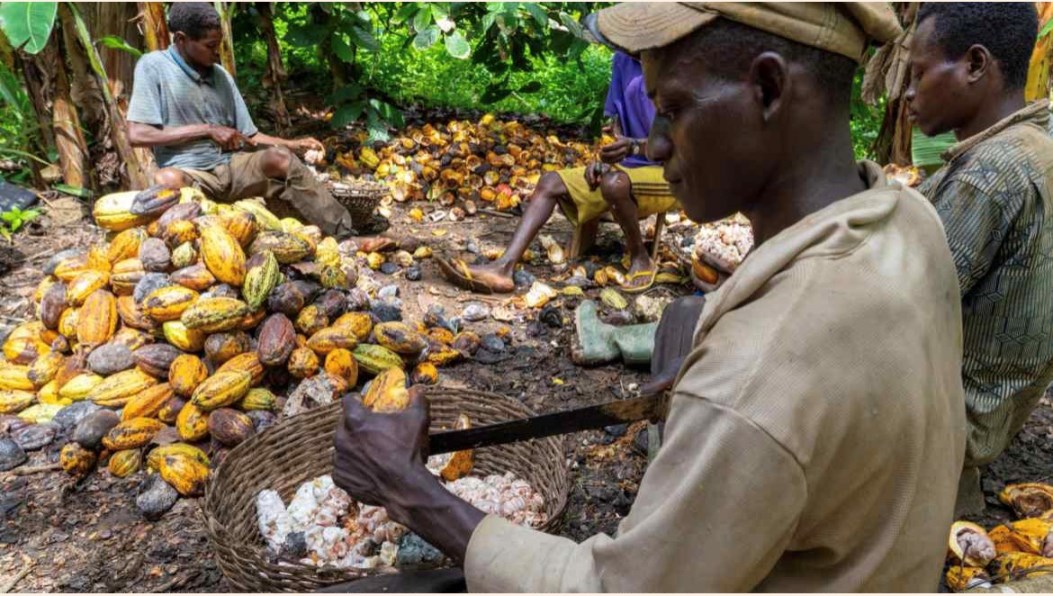
West African farmers, who produce more than two-thirds of the world’s cocoa, have faced a double blow: disease and adverse weather conditions, caused by climate change, have reduced production and exacerbated the global shortage of beans [this is also happening with milk, for example].
“If we do not change the way we source cocoa, we will have no chocolate left in two decades,” said Michal Beressi Golomb, CEO of Celleste Bio.
With cocoa grown in cells, the industry “will not need to depend on nature,” he added. Global shortages and record prices are driving a wave of interest from chocolate and confectionery companies, as well as investment, according to Golomb. “They are really concerned about having a sustainable and steady supply of quality cocoa,” he said. “Everyone wants to be part of the party.” The Israeli company, founded in 2022, is among a growing group of start-ups using cell culture technology to circumvent the need for traditional farming methods, which are vulnerable to climate change and market instability.
These innovations could also be a solution to regulatory challenges, such as the EU’s new deforestation regulation, which requires proof that raw materials such as cocoa were not grown on deforested land, adding further pressure on supply chains and prices. Other groups are trying to figure out how to make sweets with alternative and more readily available raw ingredients. Last year, Finnish confectioner Fazer launched a limited edition cocoa-free ‘chocolate’ made with local malted rye and coconut oil. From 2022, the Helsinki-based company will also collaborate with VTT, the Finnish state research centre, to cultivate cell-based cocoa pods. Michal Beressi Golomb, managing director of Celleste Bio: ‘If we don’t change the way we source cocoa, we won’t have chocolate in two decades’
“Almost four years ago, research told us that climate change would have an impact on the availability and price of cocoa,” said Annika Porr of Fazer Confectionery’s Forward Lab. “This year it became a reality.” Elsewhere, Cargill, the world’s largest agricultural commodities trader, last year partnered with start-up Voyage Foods, which produces sustainable foods such as chocolate and nut spreads without their traditional ingredients of cocoa, peanuts and hazelnuts. It does this by using grape seeds, sunflower protein flour, sugar, fats and natural flavourings. “Cocoa prices were not the focus when we started. Probably most people in the US or UK did not know where cocoa was grown. And now, with prices on the rise, it is much easier to understand why that is necessary,’ said Adam Maxwell, CEO of Voyage Foods. Consumers were looking for “even more sustainable treats that taste delicious and are produced without the use of nut or dairy allergens in recipe formulation,” Cargill added.
Although the price of sugar, the production of which is not included in EU standards, has remained relatively stable, the industry is facing increasing pressure to reduce its environmental impact and meet consumer demand for healthier options.
Tate & Lyle, once a sugar producer and now committed to becoming a sugar-reducing company, is collaborating with start-up BioHarvest Sciences to develop synthetic sweeteners derived from plant cells.
Over the past 17 years, BioHarvest Sciences has invested $100 million to develop technology that extracts and then amplifies essential plant compounds that impart sweetness while suppressing bitter flavours. The partnership could help Tate & Lyle distance itself from ultra-processed foods, for which it has been under scrutiny by investors and scientists. “Our customers and their consumers want something that is convenient and naturally sourced,” said Abigail Storms, senior vice-president of Tate & Lyle, which sells to packaged food companies such as Pladis, the maker of McVitie’s biscuits. At the peak of April, prices for the key chocolate ingredient exceeded $12,000 per tonne
Although volatile commodity markets may drive investment in alternatives, growing ingredients in a lab rather than on a tree or in a field is not cheap. Celleste Bio aims to reach cost parity with pre-2024 cocoa prices (around $7,000 per tonne for cocoa butter and $3,000 for cocoa powder) by 2027, once they are on the market and have increased production, Golomb said.
Tate & Lyle also wants to ensure that products made using its sweeteners do not cost more than the ‘calorie-rich or sugar-rich alternative’, Storms said. “It’s about democratising those benefits.” Recommended In-depth news Agricultural commodities Olive oil hubs vie for the future of the sector Moving away from traditional commodity markets is also a battle against bureaucracy and changing consumer expectations.
The Fazer Group’s cocoa-free bar, for example, cannot be called ‘chocolate’ but is labelled ‘ candy tablet ‘ due to EU regulations that reserve the name for products containing cocoa.
According to Porr, cell-based cocoa faces an equally daunting regulatory maze, with approval of ‘ novel foods ‘ likely to require a more complicated process in the EU than in the US.
Winning over consumers could be equally challenging. Initial research by Fazer Group suggested that transparency on how the cell-based cocoa was produced could help sway public opinion, Porr said, but taste and texture were the ultimate tests.“Consumers really expect it to have a similar taste and texture to traditional cocoa,” he said. “There is still work to be done.”
And on 2 January 2025 , Lollobrigida reassures Coldiretti: ‘In Europe, we will not be alone in the fight against laboratory food’.
Below: processing of cocoa beans.