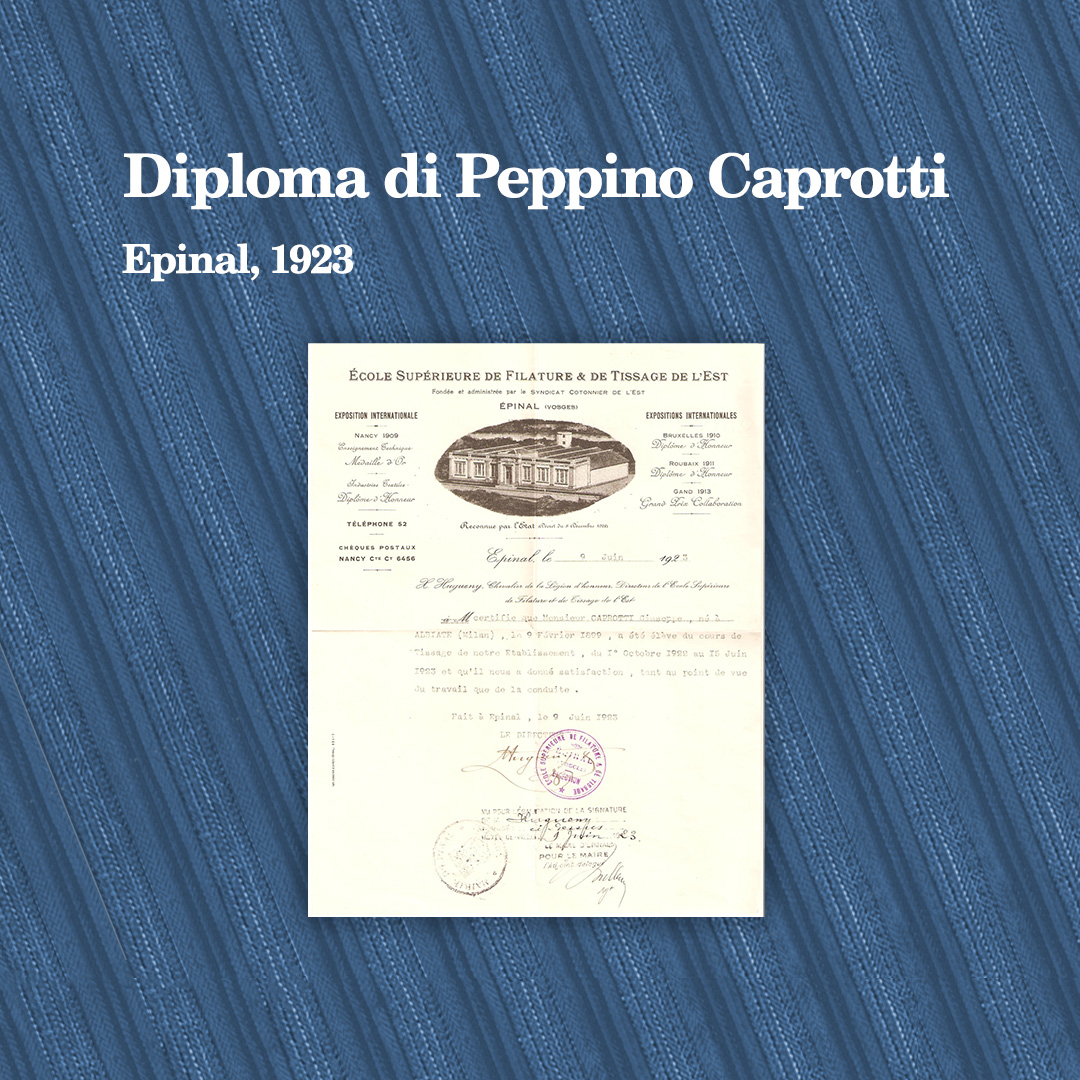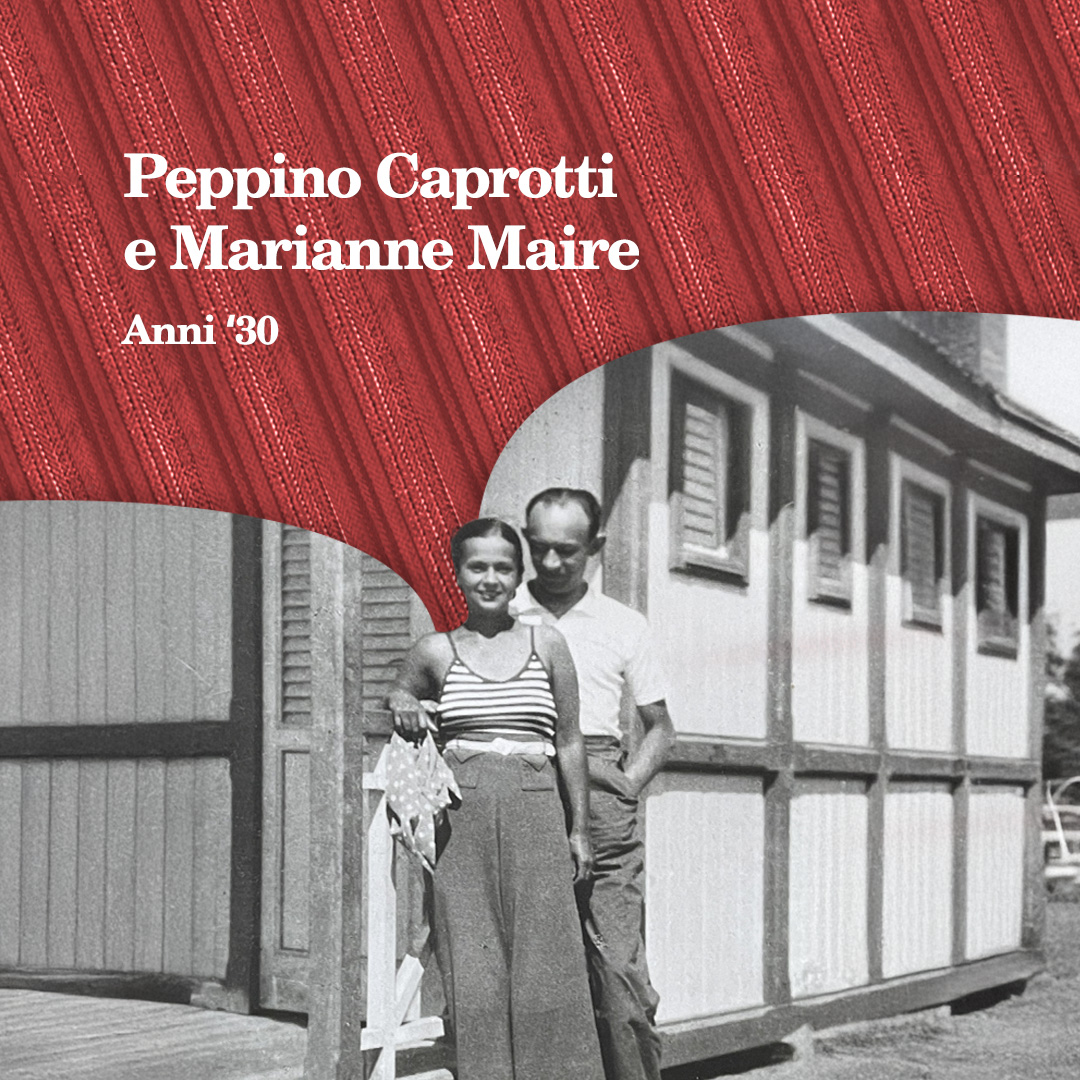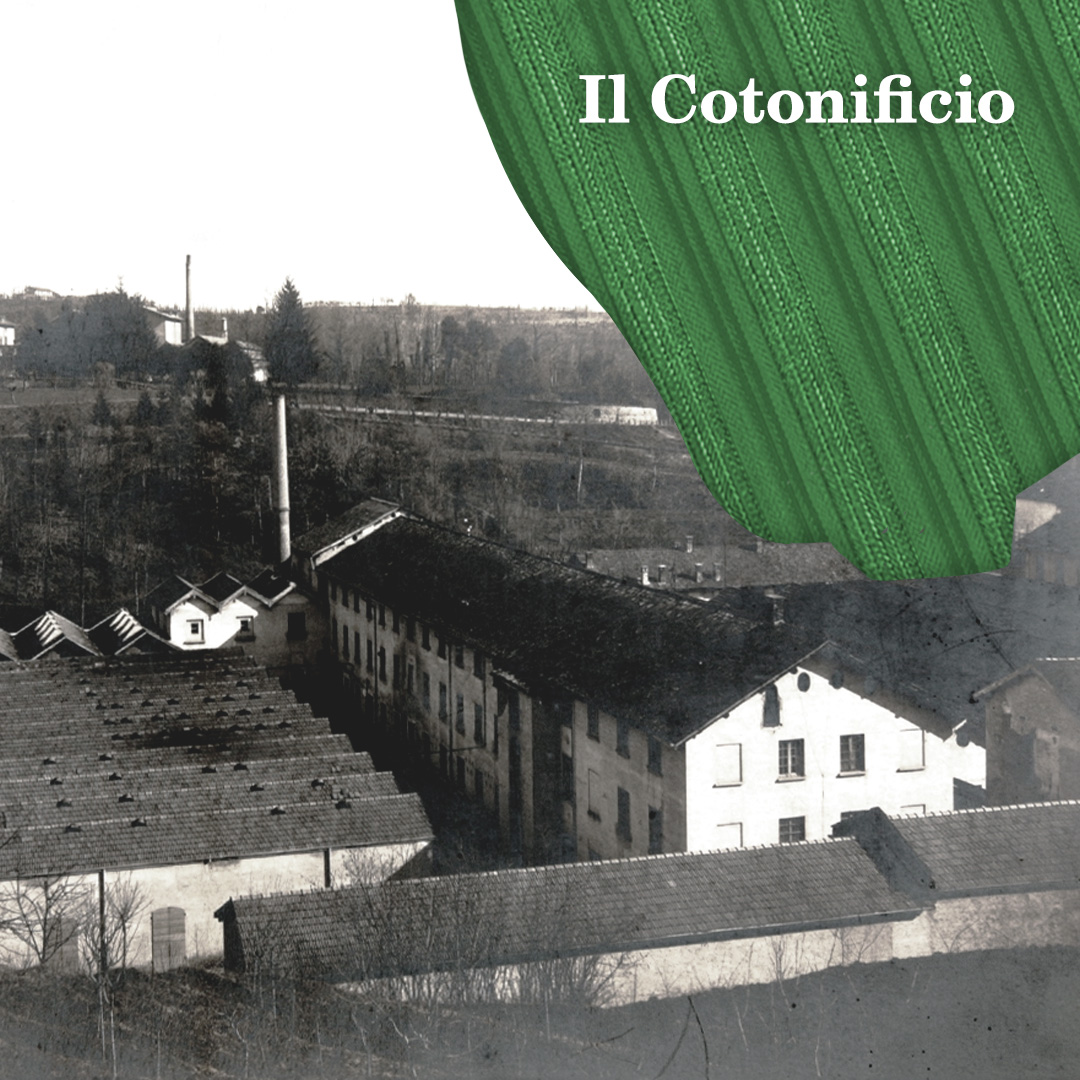
Once the Great War was over and he was finally demobilised, grandfather Peppino, young and full of life, might have wished to spend more time enjoying himself, but his father, great-grandfather Bernardo, had other plans, and enrolled him in one of the best schools for training personnel and managers in textile manufacturing, as he too was to join the family business in Albiate, Manifattura Caprotti.
The school is in France, in Épinal, located in the Vosges region, Grand Est. It is part of a large industrial district that runs along the Moselle valley, which took off after the Franco-Prussian war of 1870, when Alsatian expatriates who chose to remain French crossed the ‘Blue Line’, the Vosges border, bringing their factories, their skills, their capital.
This is 1922. While attending courses at the ‘École supérieure de filature et de tissage de l’Est’, the young Caprotti enthusiastically devotes himself to his relationships with his other half, including a brief affair with a married woman that causes his parents constant anxiety. Then, everything changes.
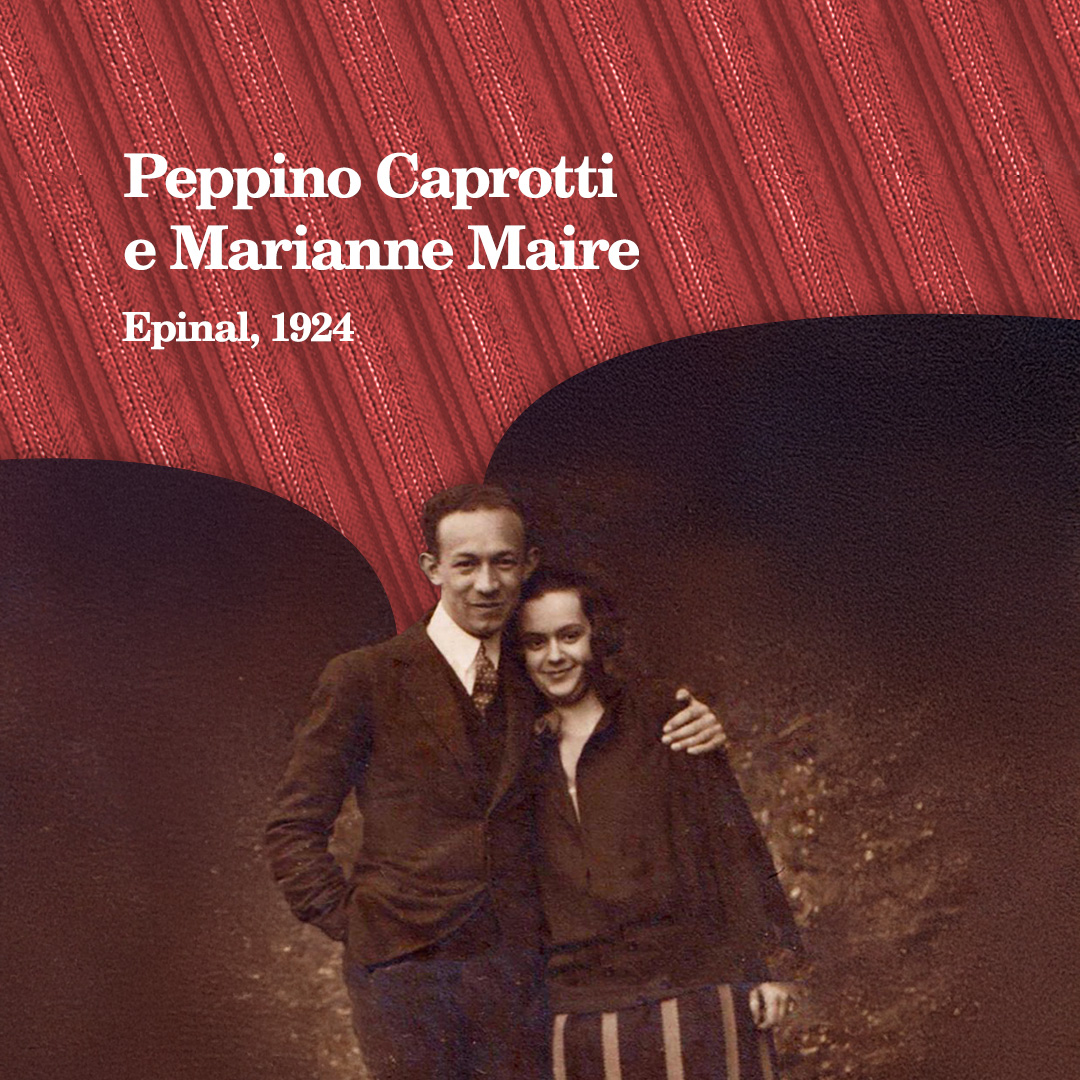
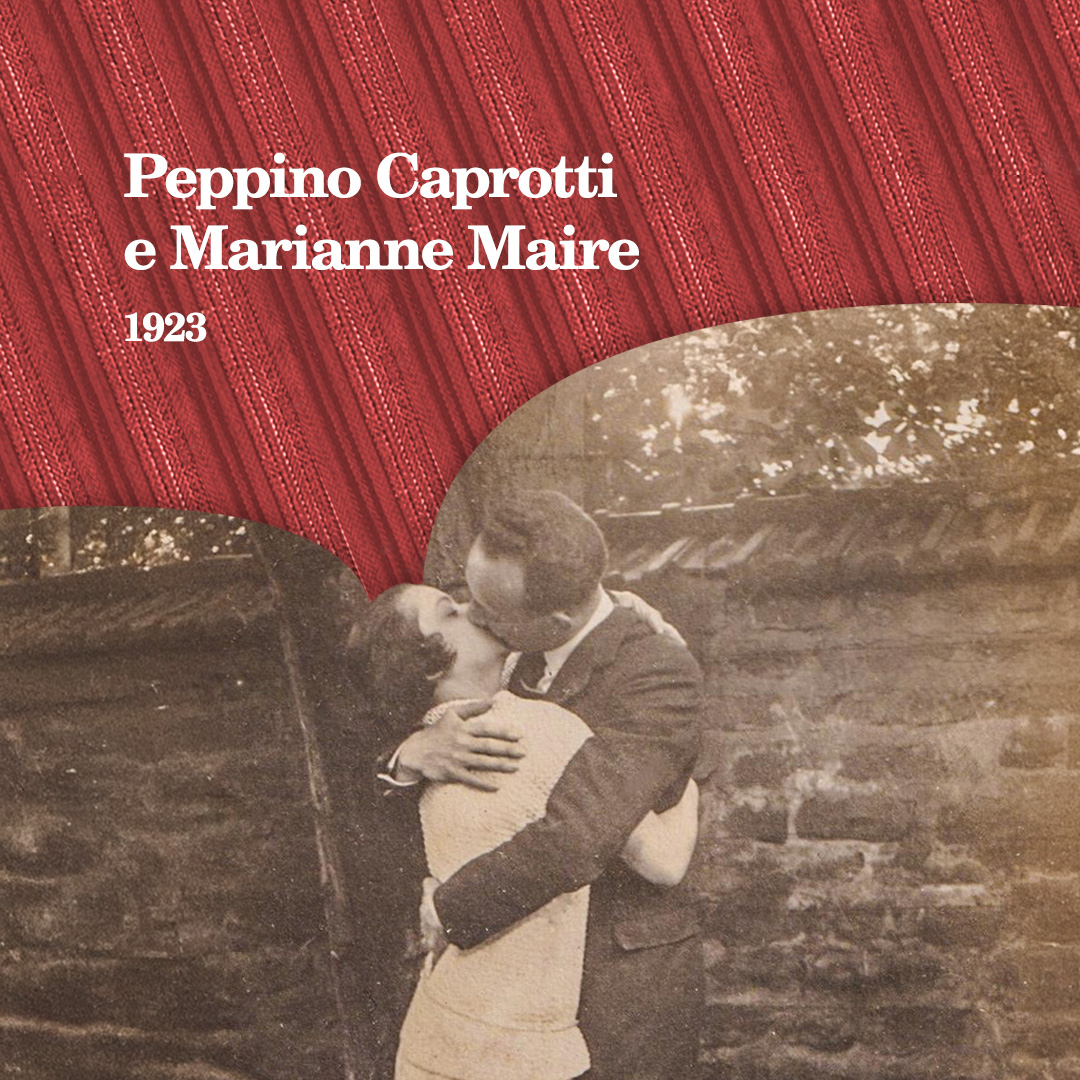
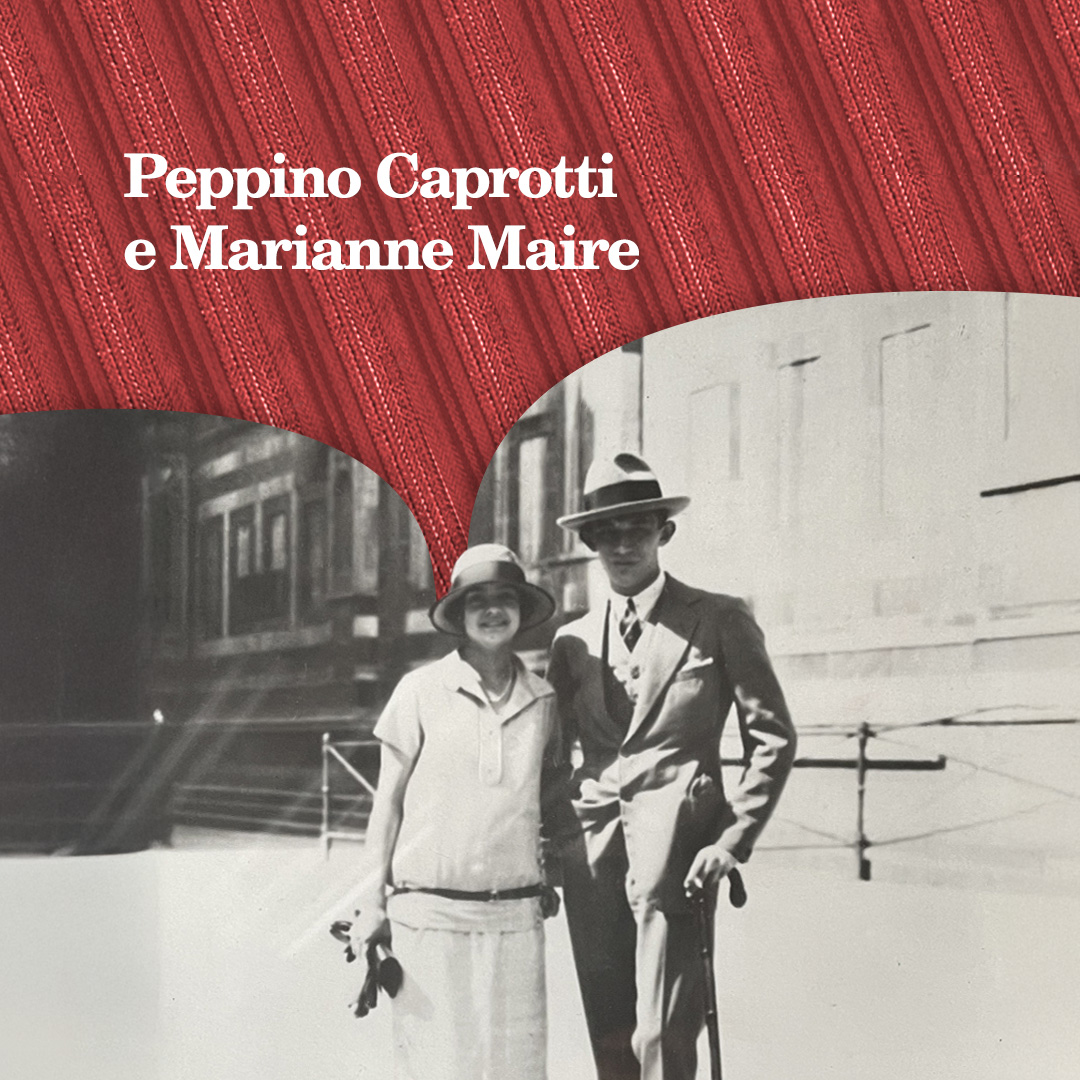
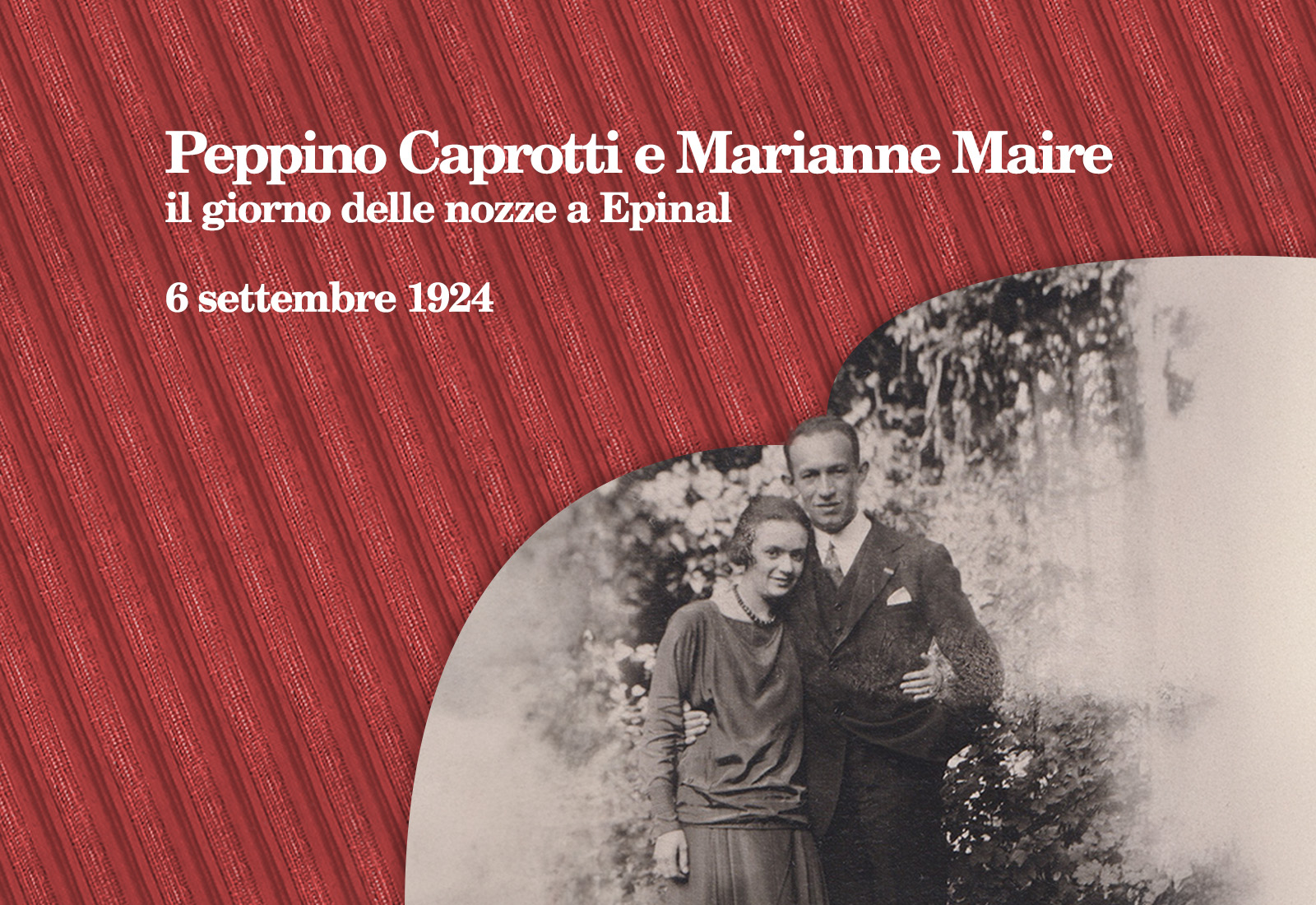
As it happens, a pretty girl lives in town, Marianne Maire, the daughter of a textile industry executive. It is a powerful and definitive love at first sight. In June 1923, Peppino graduated from high school, in August his sister Silvia congratulated him on his engagement invitations, the two betrothed took dozens of photos of each other full of smiles. A year later, on 6 September 1924, Peppino and Marianne were married in Épinal, then moved to Italy, to Albiate, in Brianza, where the Caprotti family had their family home and textile factory.
A successful marriage awaits Marianne for many years, unfortunately ended suddenly, in 1952, due to a car accident in which Peppino is killed. And Marianne is forced to look reality in the face: her husband was in the car with Anna Zanchi Morpurgo at the time of the accident; three children who were to change post-war Italian social mores by adopting the supermarket from the United States, which had never been seen before; many friends, many sorrows, a life that ends with a hint of bitterness because her grandmother has been isolated from most of the family for so many years. She died on 19 April 1983 at the age of 77, in Piazza Belgioioso in Milan.
Bibliography:
“Maire, Georges“, entry in “Filæ. Registre des naissances en France – Etat civil à partir de 1529′.
FOCUS. “L’Industrie textile dans le Pays d’Epinal“, p. 20.
“École supérieure des industries textiles d’Épinal (ESITE)“, voix dans “Wikipédia, L’encyclopédie libre”.
G. CAPROTTI, “Le Ossa dei Caprotti. Una storia italiana’, Milan, 1924/3.
ID., “‘Le Ossa dei Caprotti'”. The Caprotti women: my grandmother Marianne Maire, 1920s. Cues from the book’.
ID., “Uderzo, Asterix and my grandmother Marianne“, 26/03/2020
ID., ‘Is Cooking an Art? About Marianne Maire in Caprotti, my grandmother‘, 21/08/2024.
ID., “‘Le Ossa dei Caprotti’. Caprotti and the architects: Luigi Caccia Dominioni and the ‘temper’ of grandmother Marianne. Cues from the book’.
ID., “The Caprottis : the conflict between the brothers Claudio Caprotti, Guido and Bernardo Caprotti as seen by Marianne Caprotti“, 01/05/2014.
E. SÀITA, “I Caprotti : private aspects from the 17th century to the Second World War“, 15/09/2011.