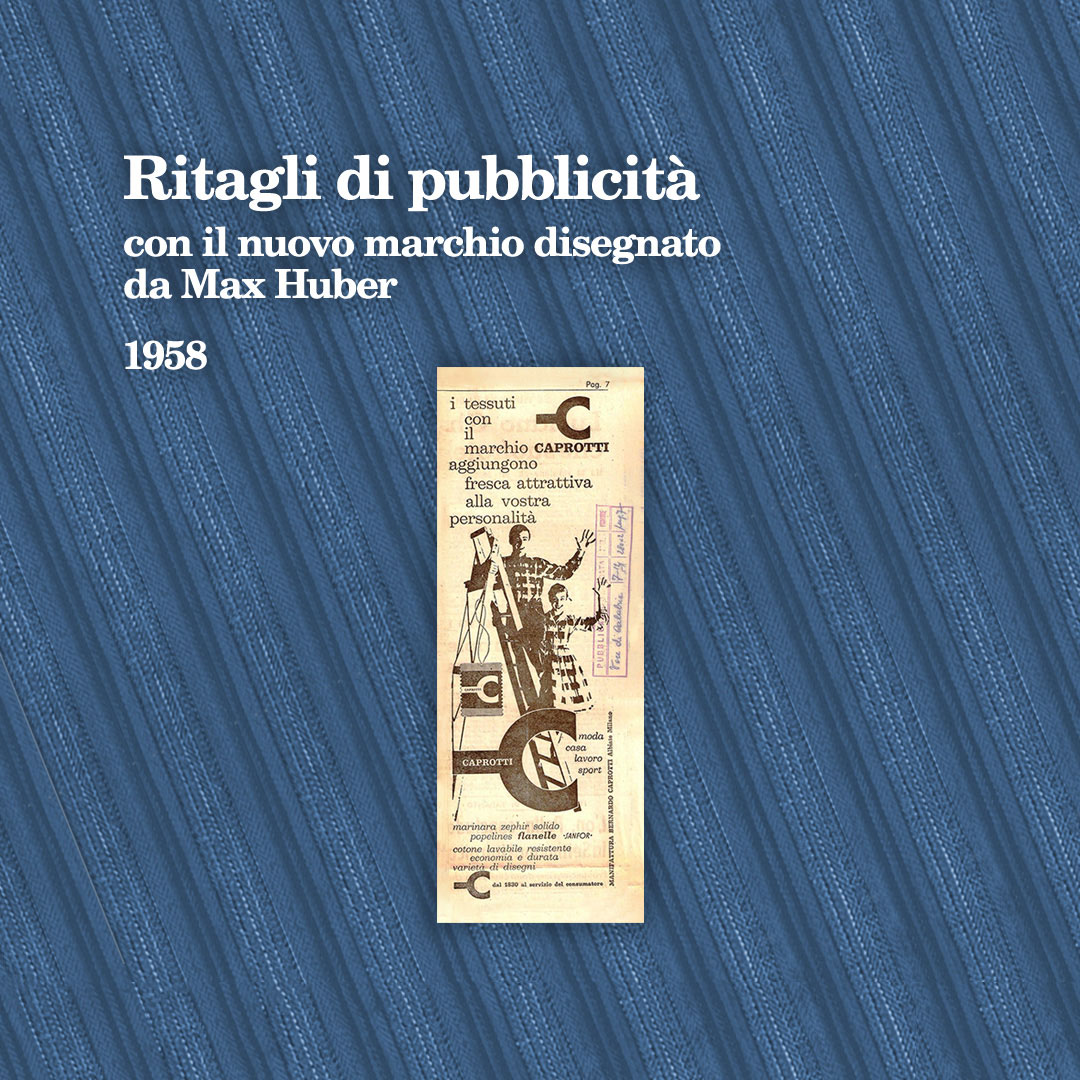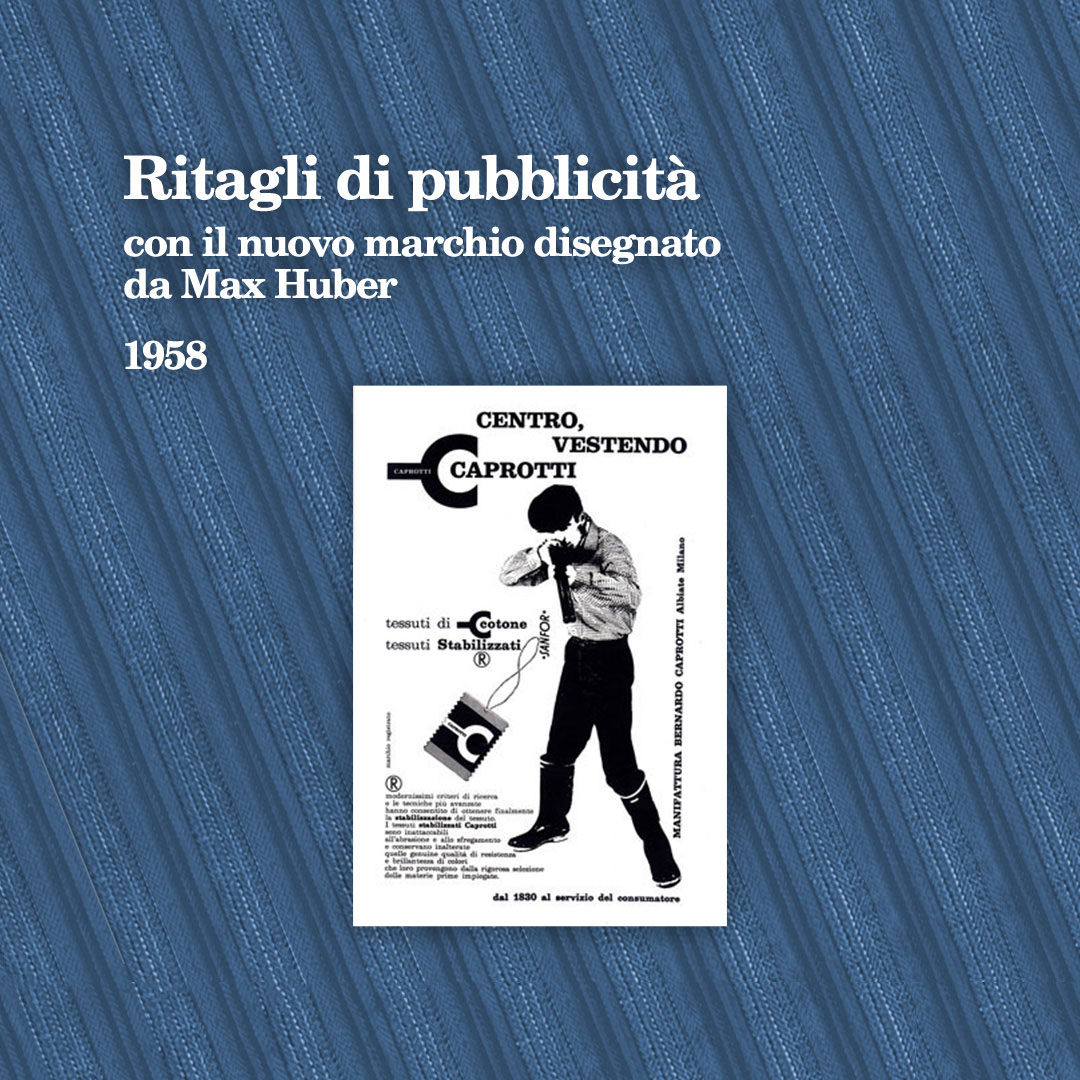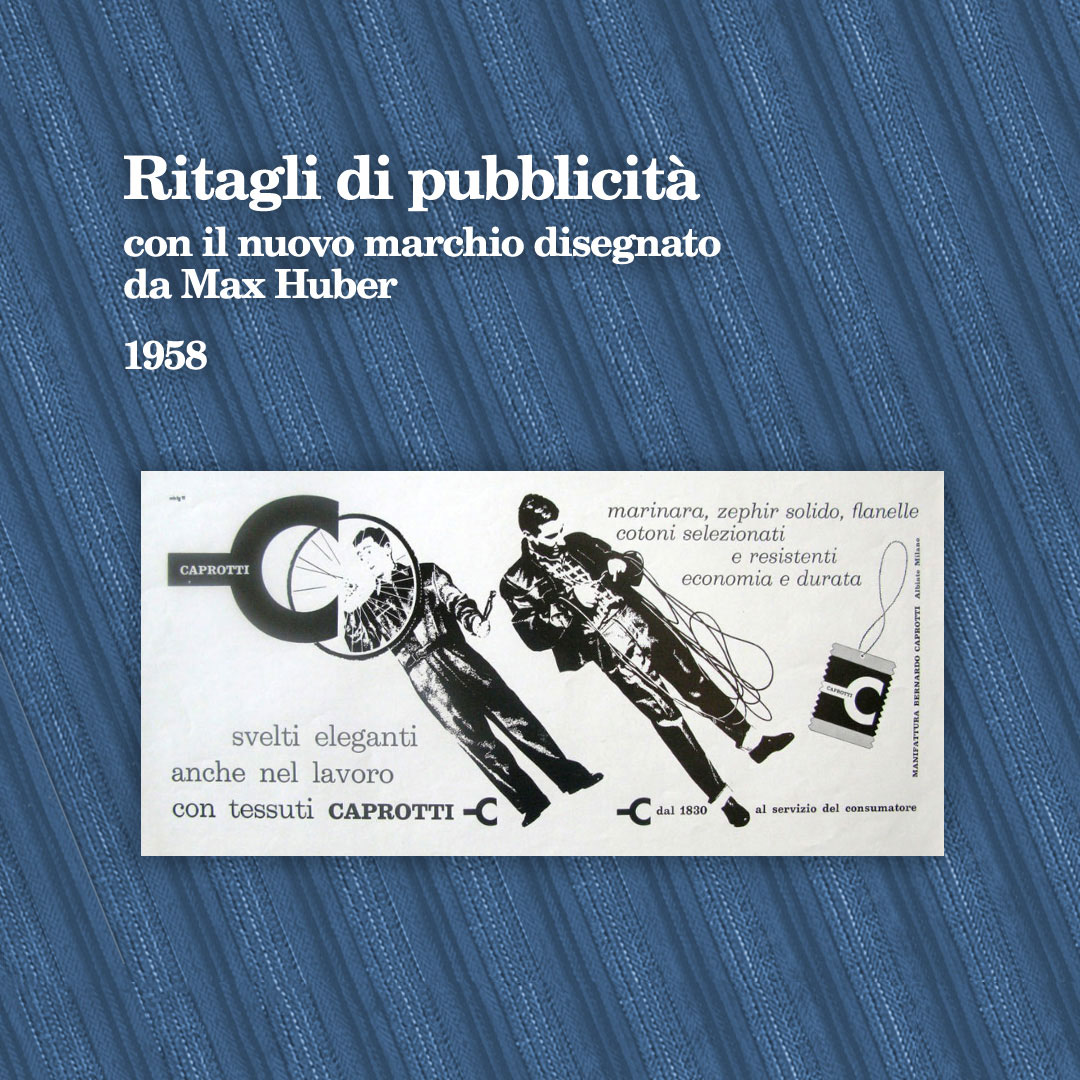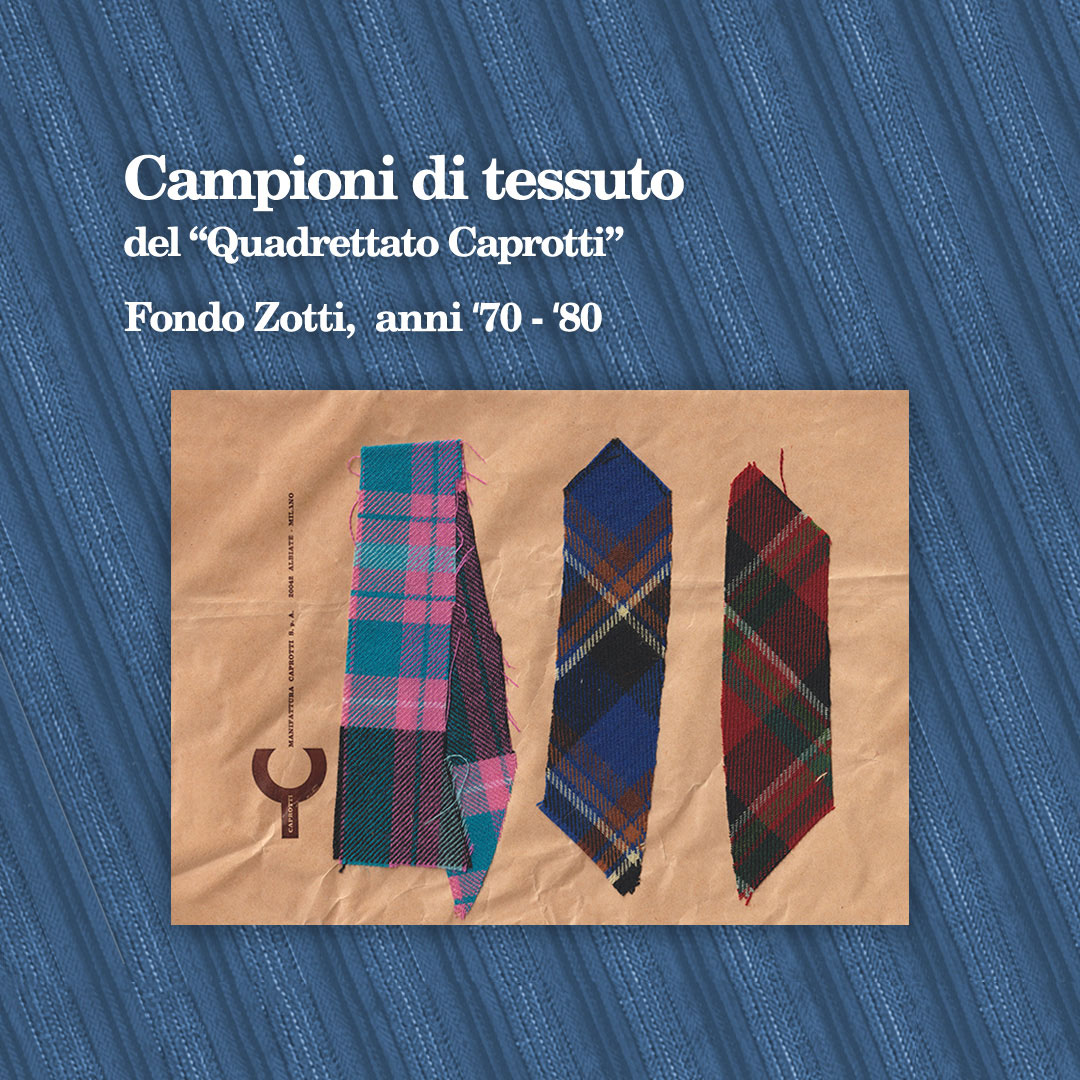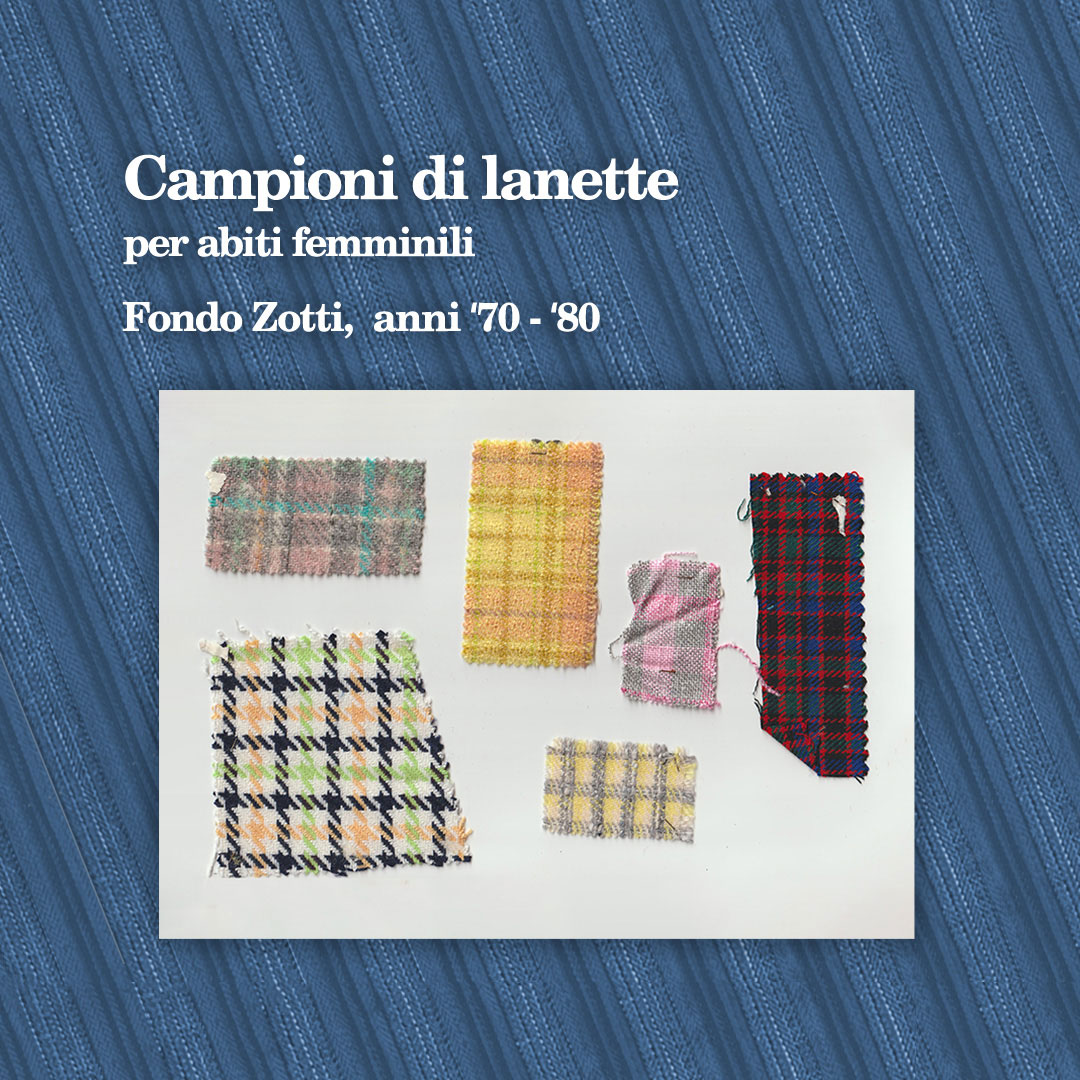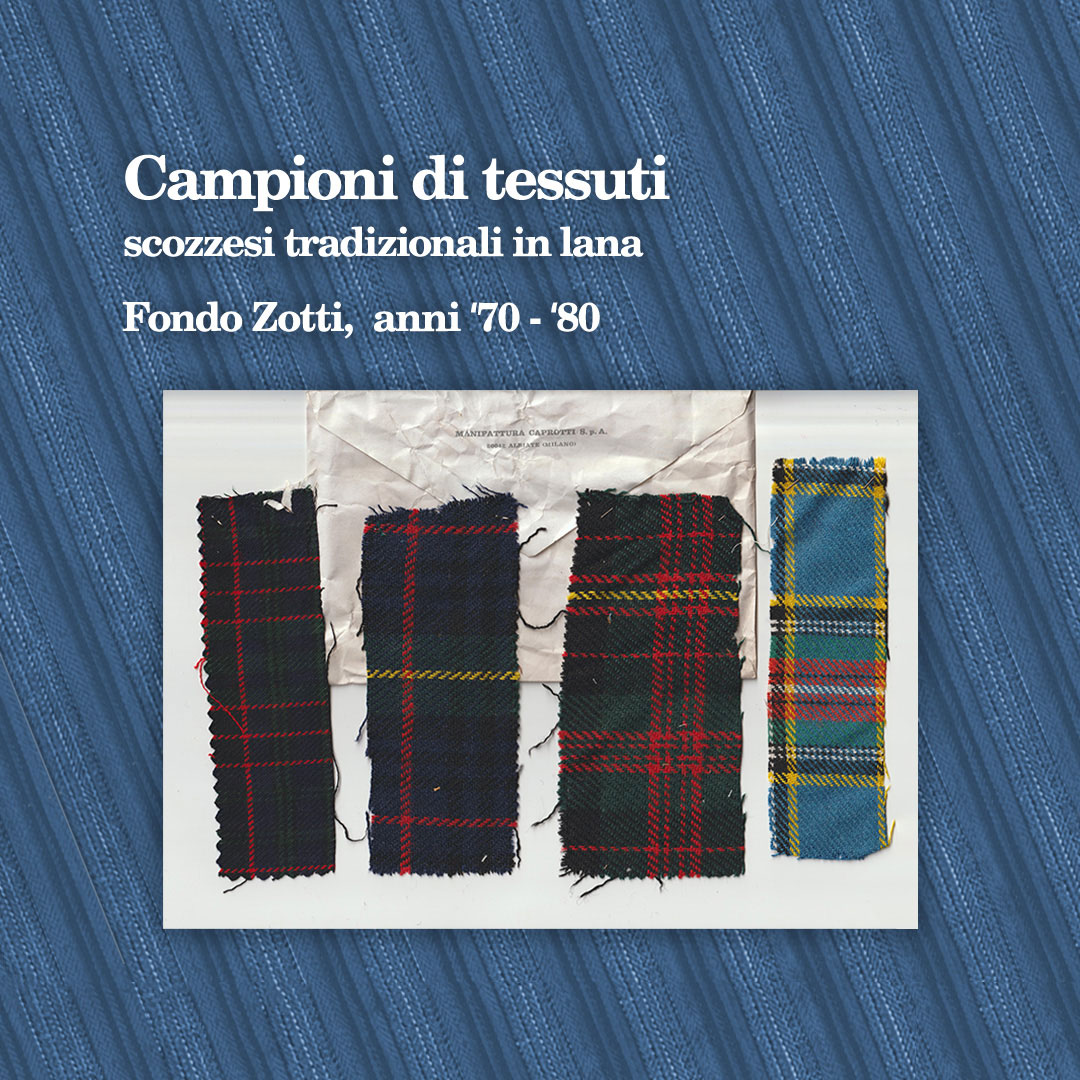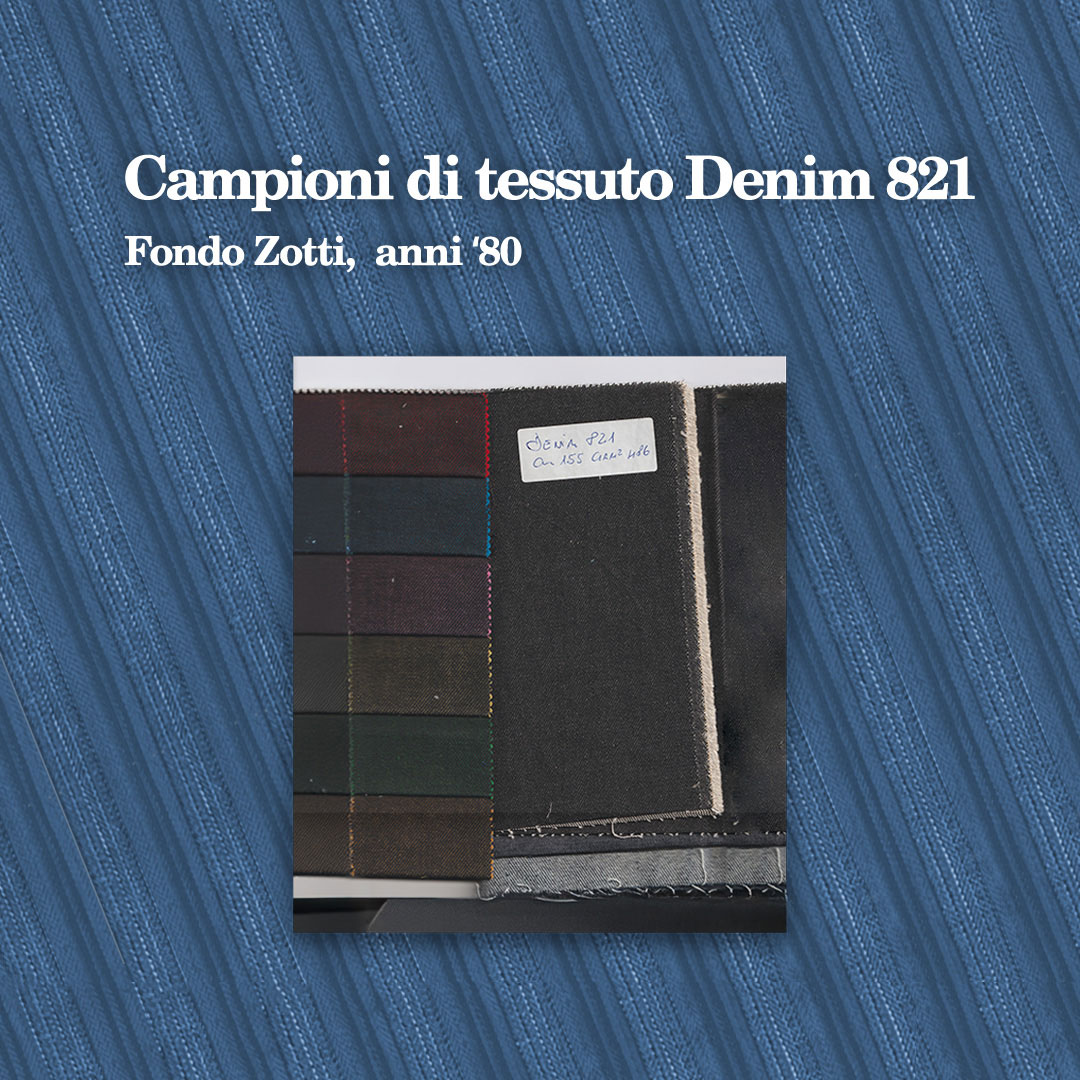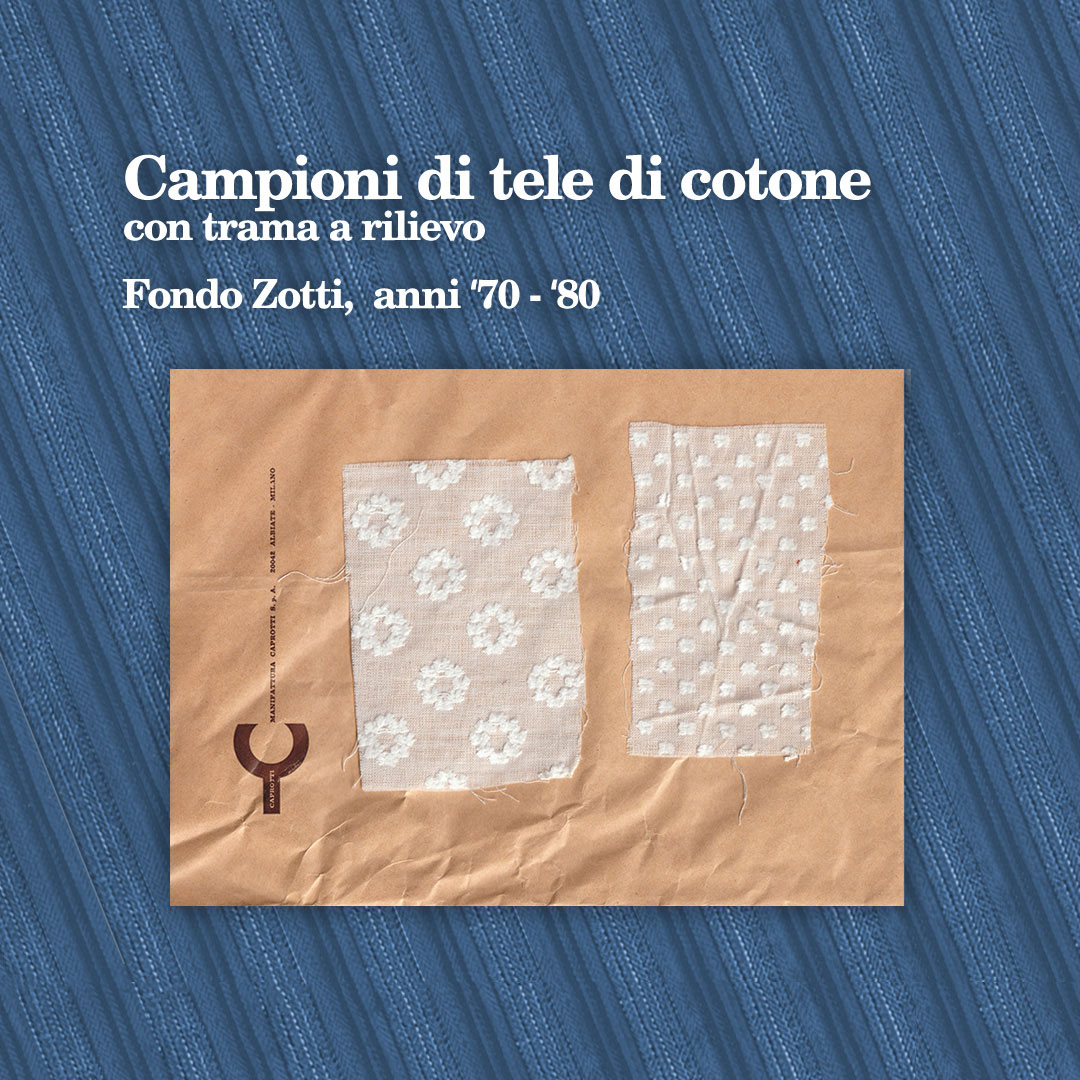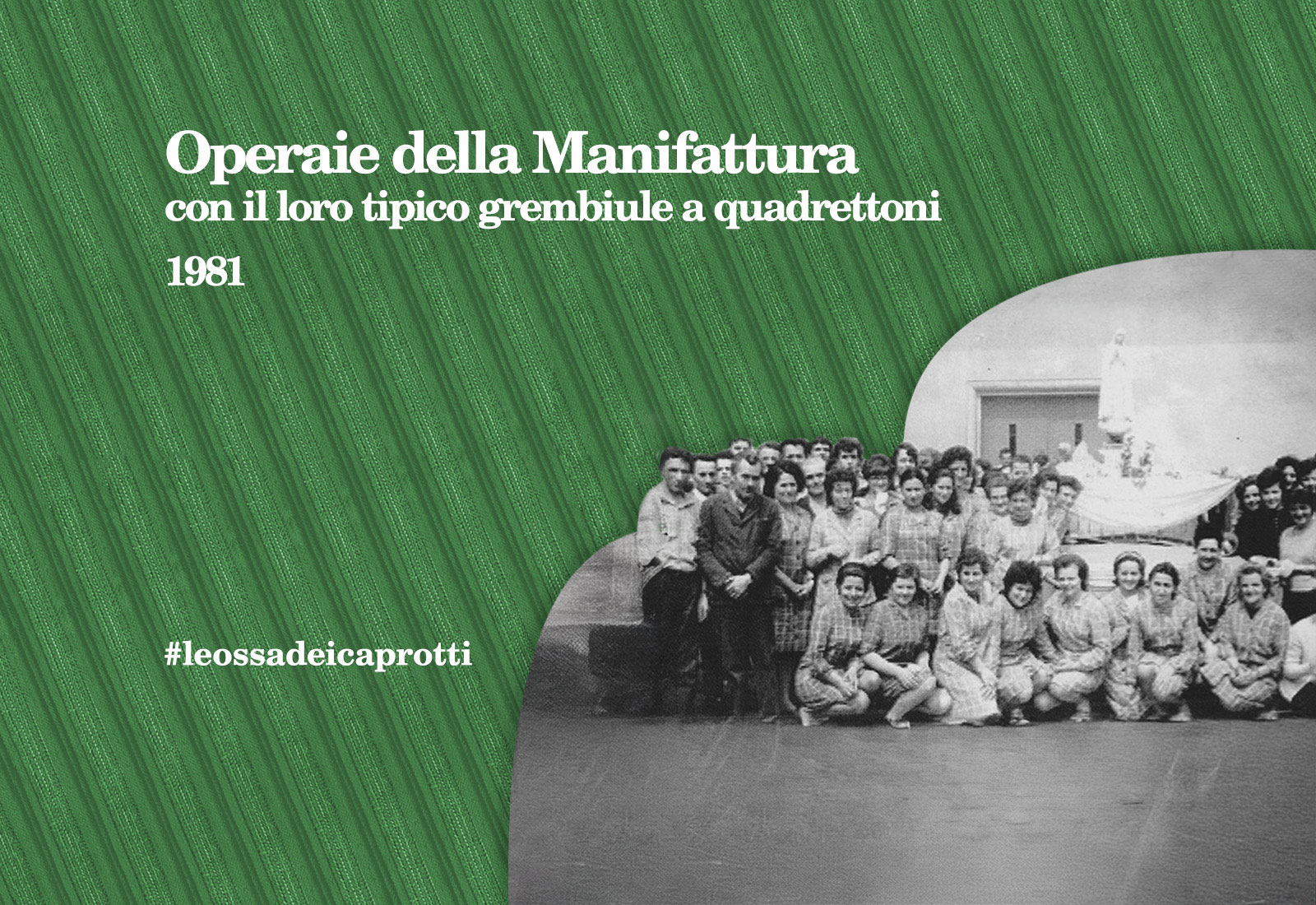
As in the past (see the technical progress throughout the second half of the 19th century and the innovative use of prison labour), the Manifattura continued to produce its fabrics in the present, updating some of its classics such as checked or fancy fabrics to the fashions of the times, produced at least from the 1840s in the bright colours that were so popular and kept in production, updated in fabric and colour preferences, for more than a century more (ROMANO, I Caprotti, p. 59).
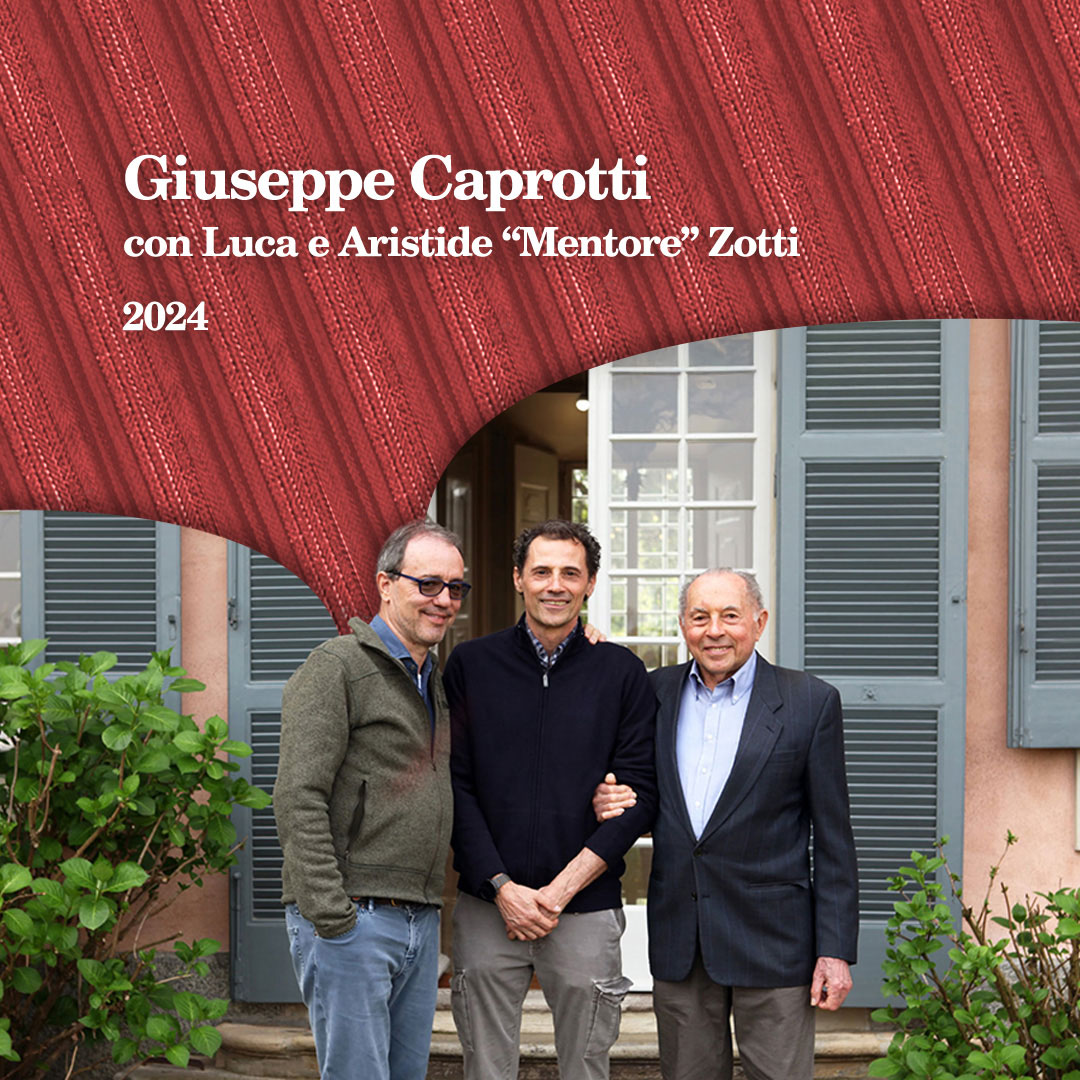
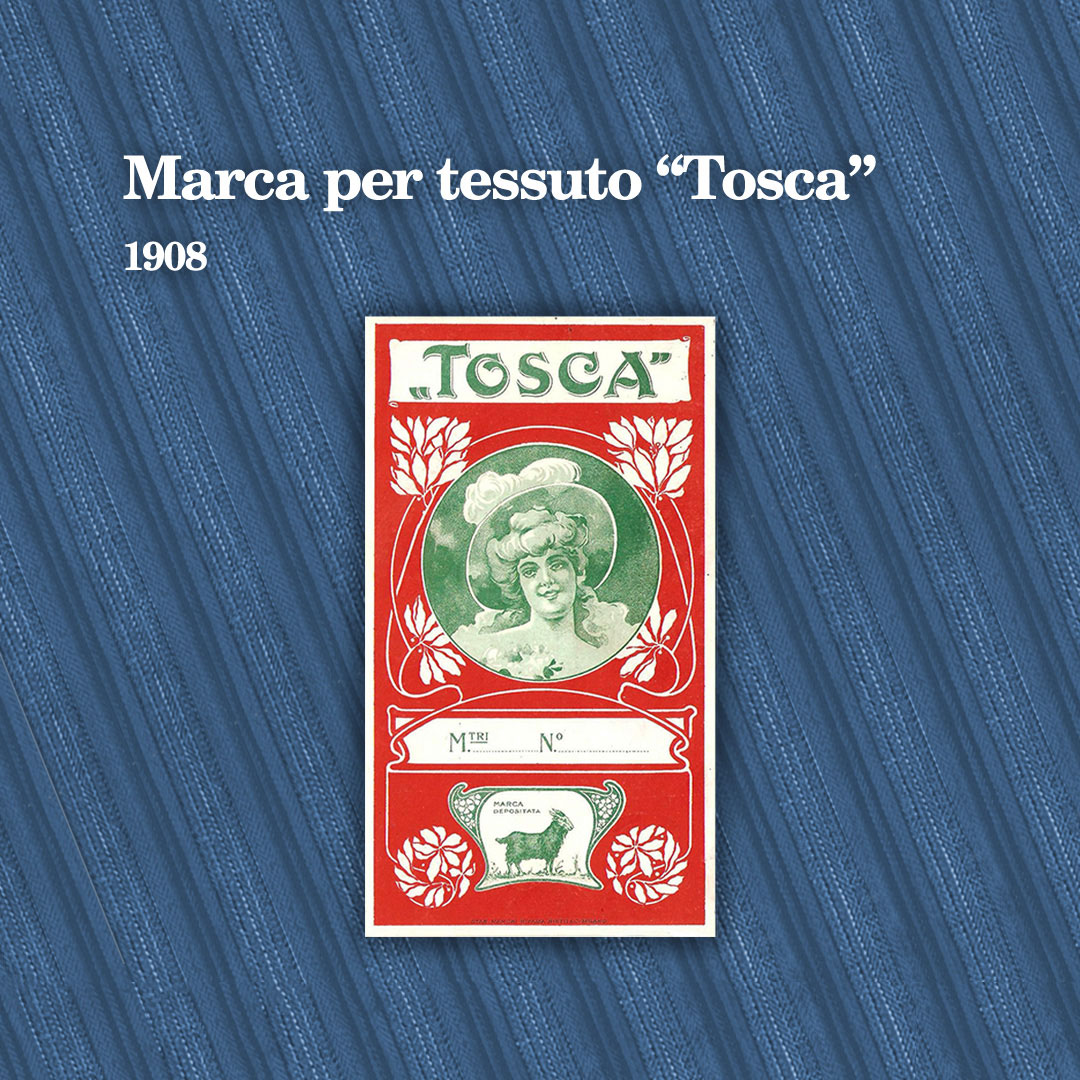
Thanks to the antique fabric samples kept in my archive and to the kindness and helpfulness of Aristide ‘Mentore’ Zotti, a former employee of the Manifattura, and his son Luca (whom I again thank), who provided me with the samples they saved, one can see for oneself how the Manifattura even if in the end it turned to the production of all kinds of fashionable fabrics (from shirts to denim, from synthetics to plaid), it has always retained and proposed, even in advertising, its much sought-after brightly coloured ‘quadrettoni’ and heavy fabrics for linings, as well as its passion for ‘epic’ product names (from the ancient ‘Tosca’ and ‘Florida Imperatore’ to the modern ‘Cabiria’).
Sources:
Cover image taken from G. SALA, “Albiate dal dopoguerra all’inizio del nuovo millennio”, a c. di A. ZELIOLI, Pessano (MI), 2003, out-of-commerce edition, p. 259.
Bibliography:
R. ROMANO, I Caprotti. The economic and human adventure of an industrial dynasty in Brianza, Milan, 2008
References to video interviews with some employees and their children:
Aristide “Mentor” Zotti
Luca Zotti
Alessandro Colombo
Raffaella Colombo