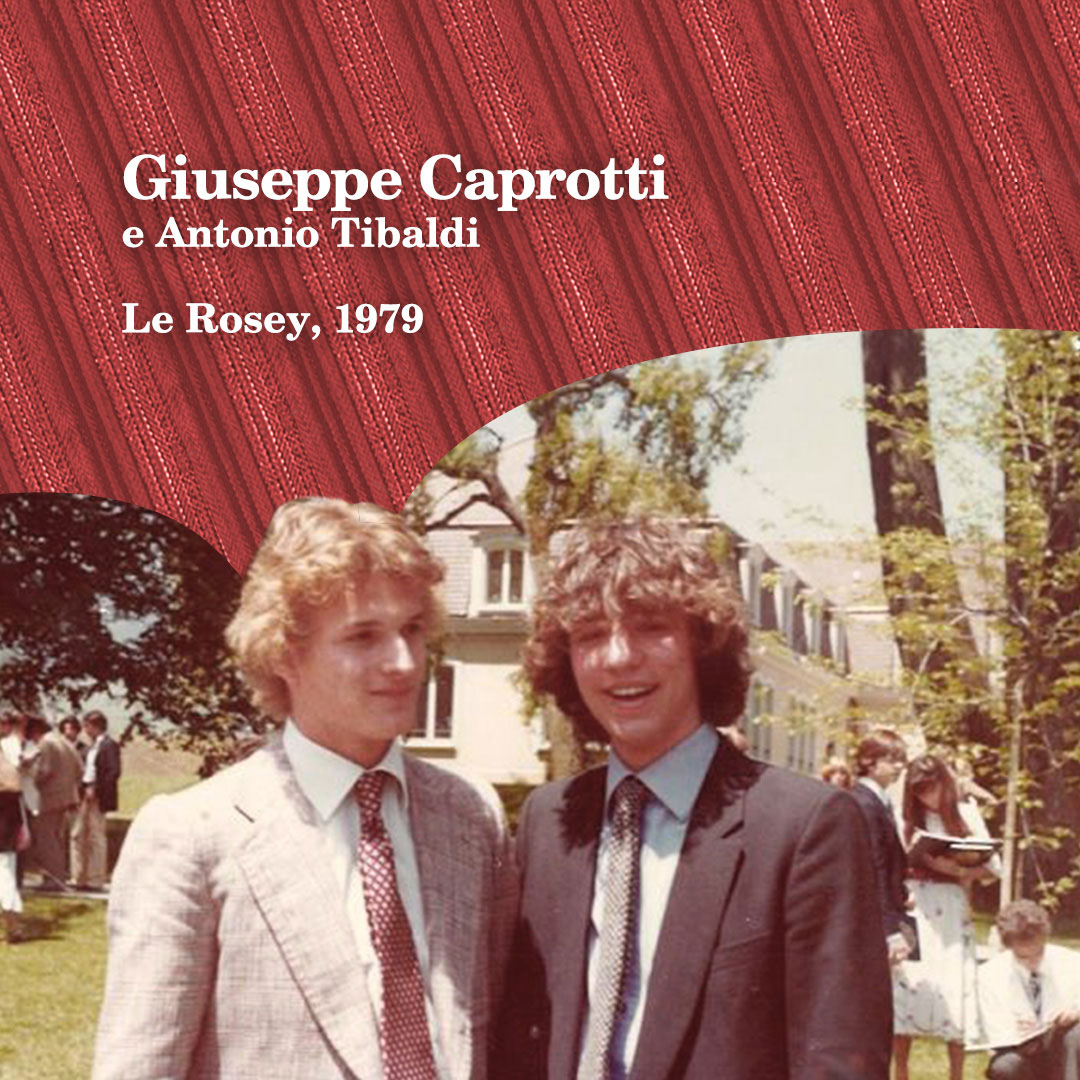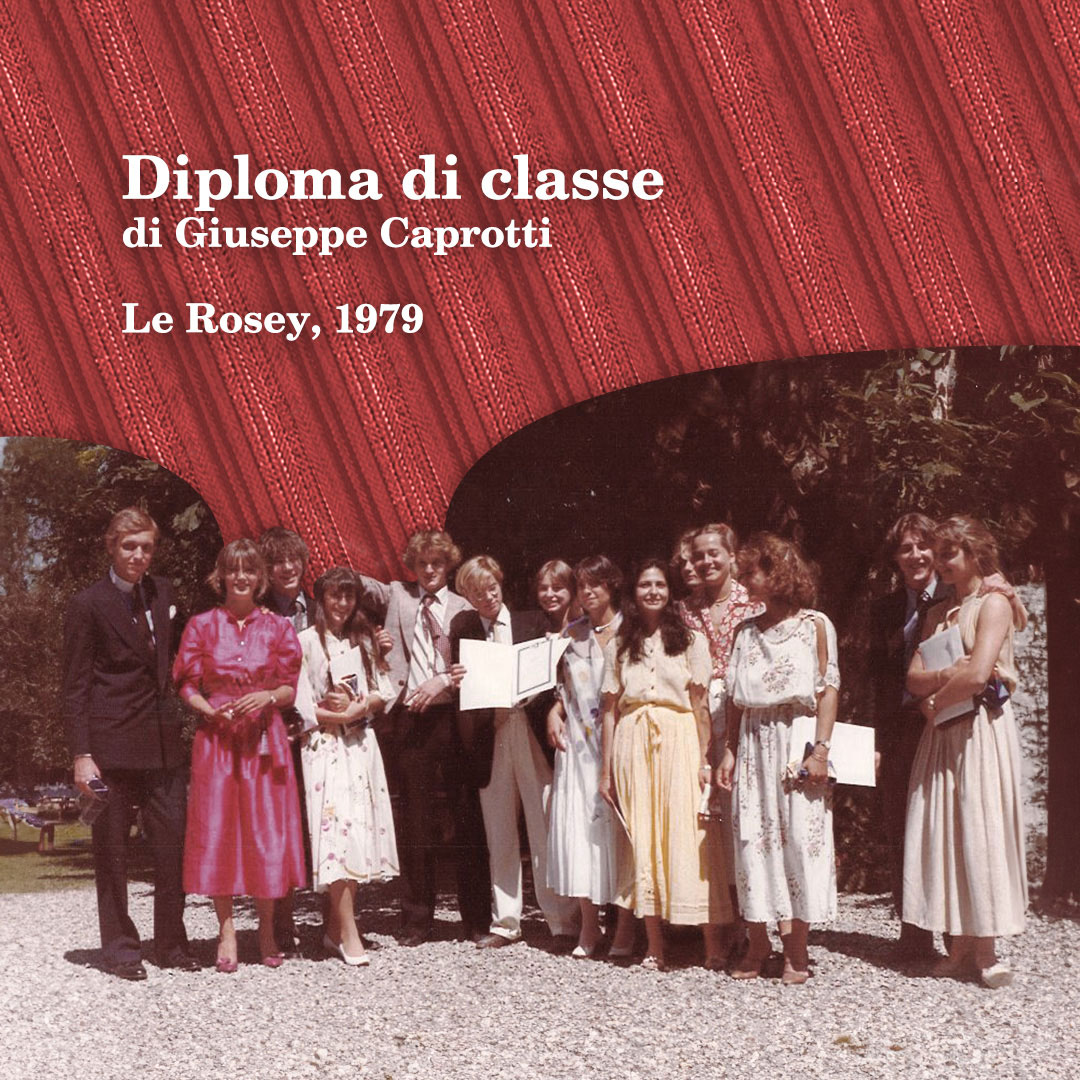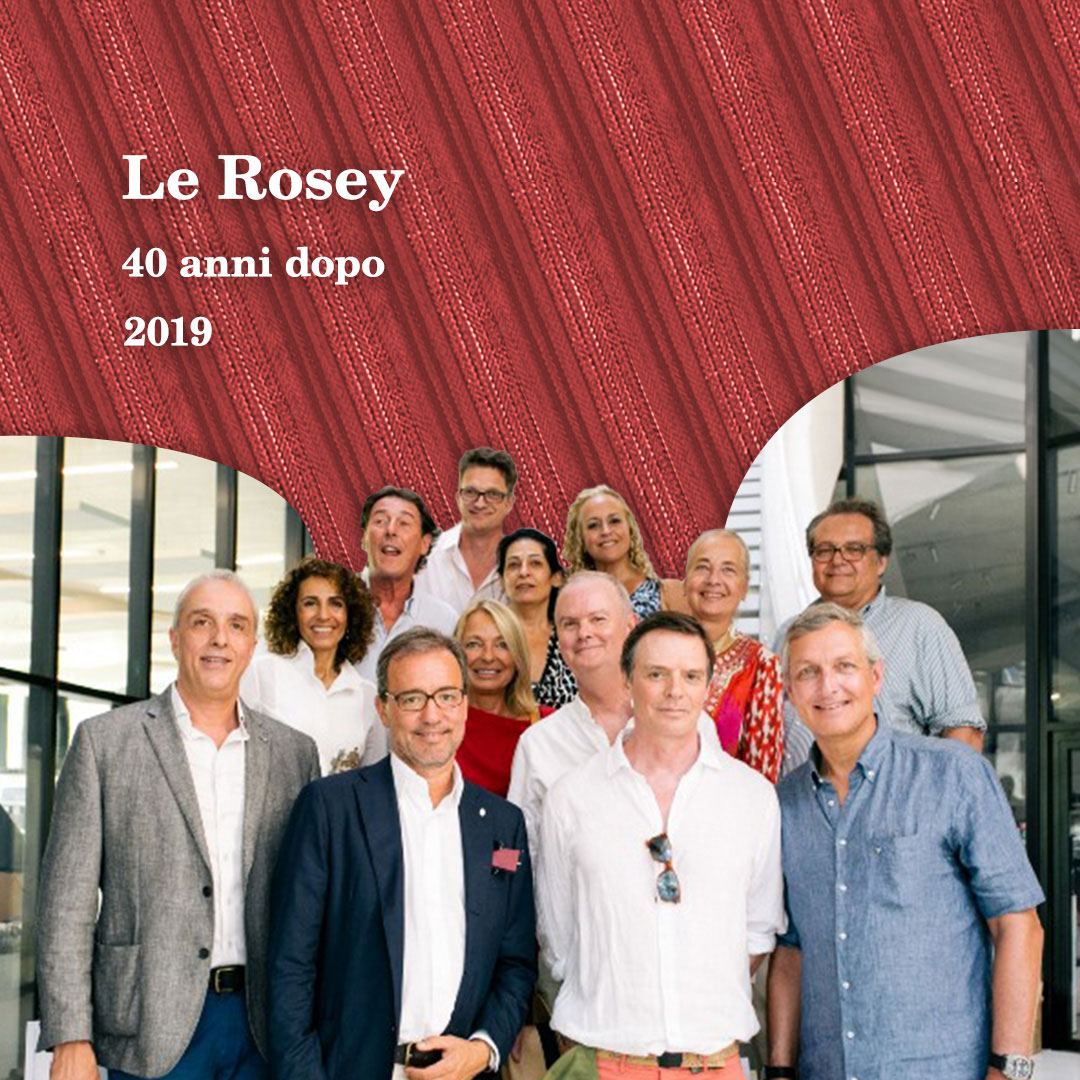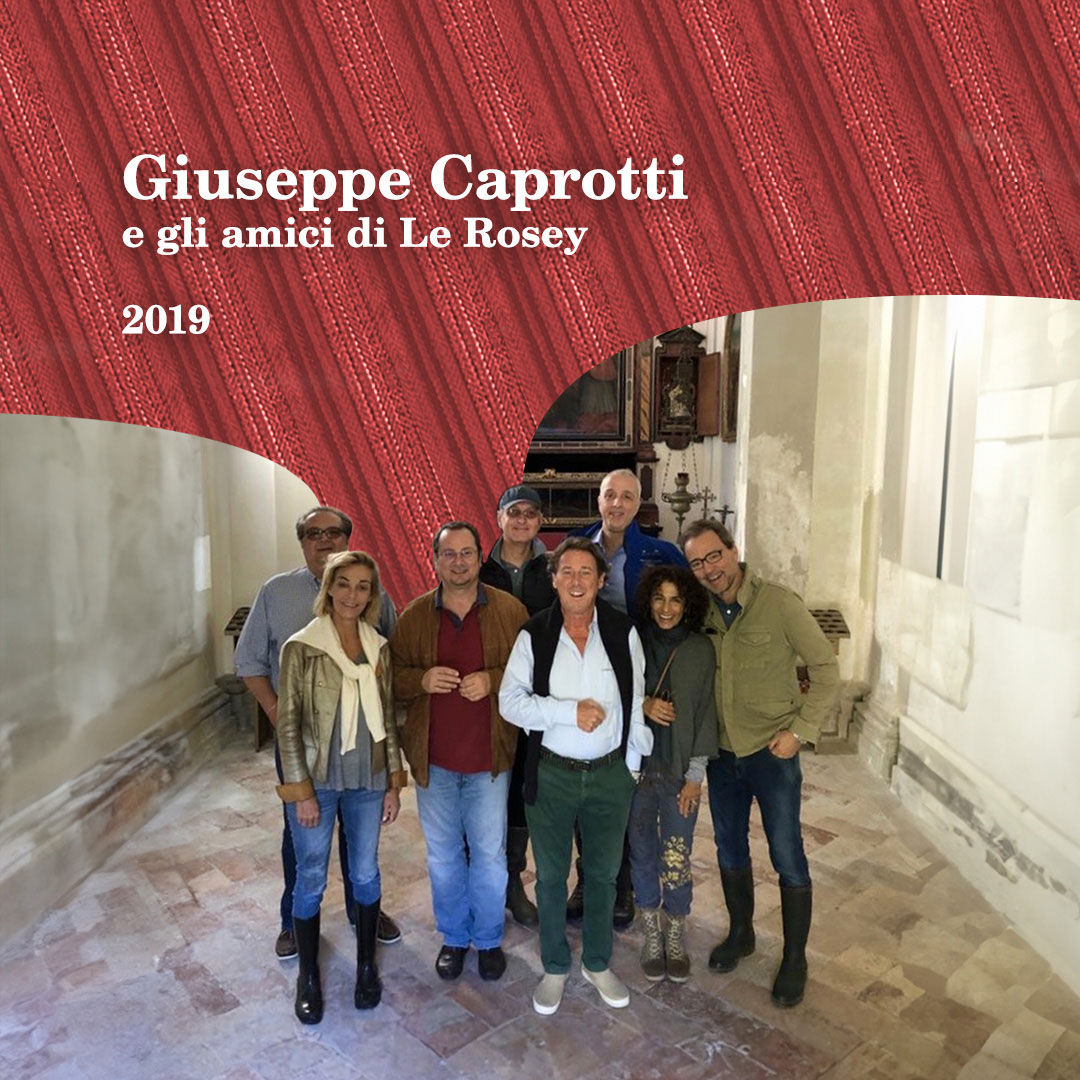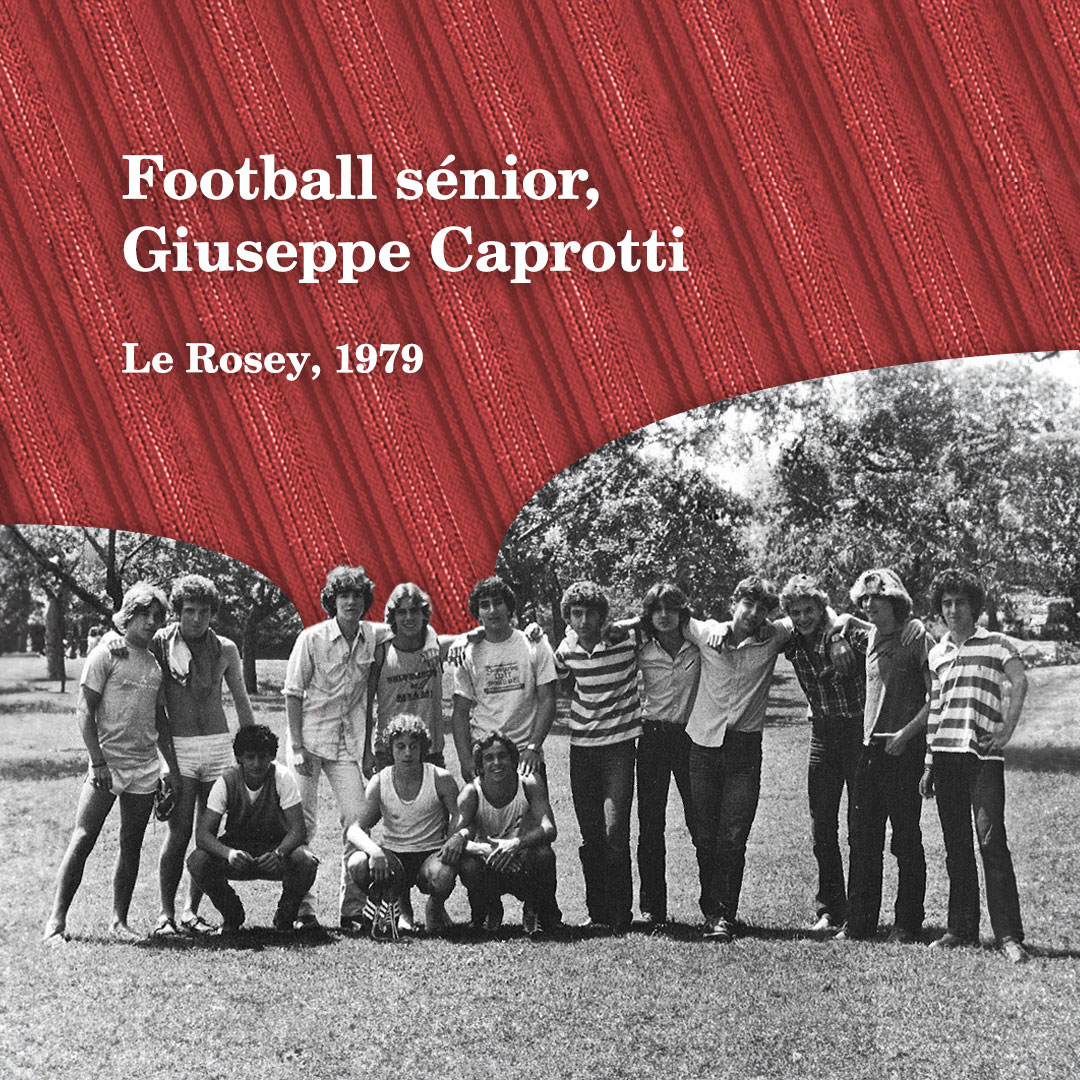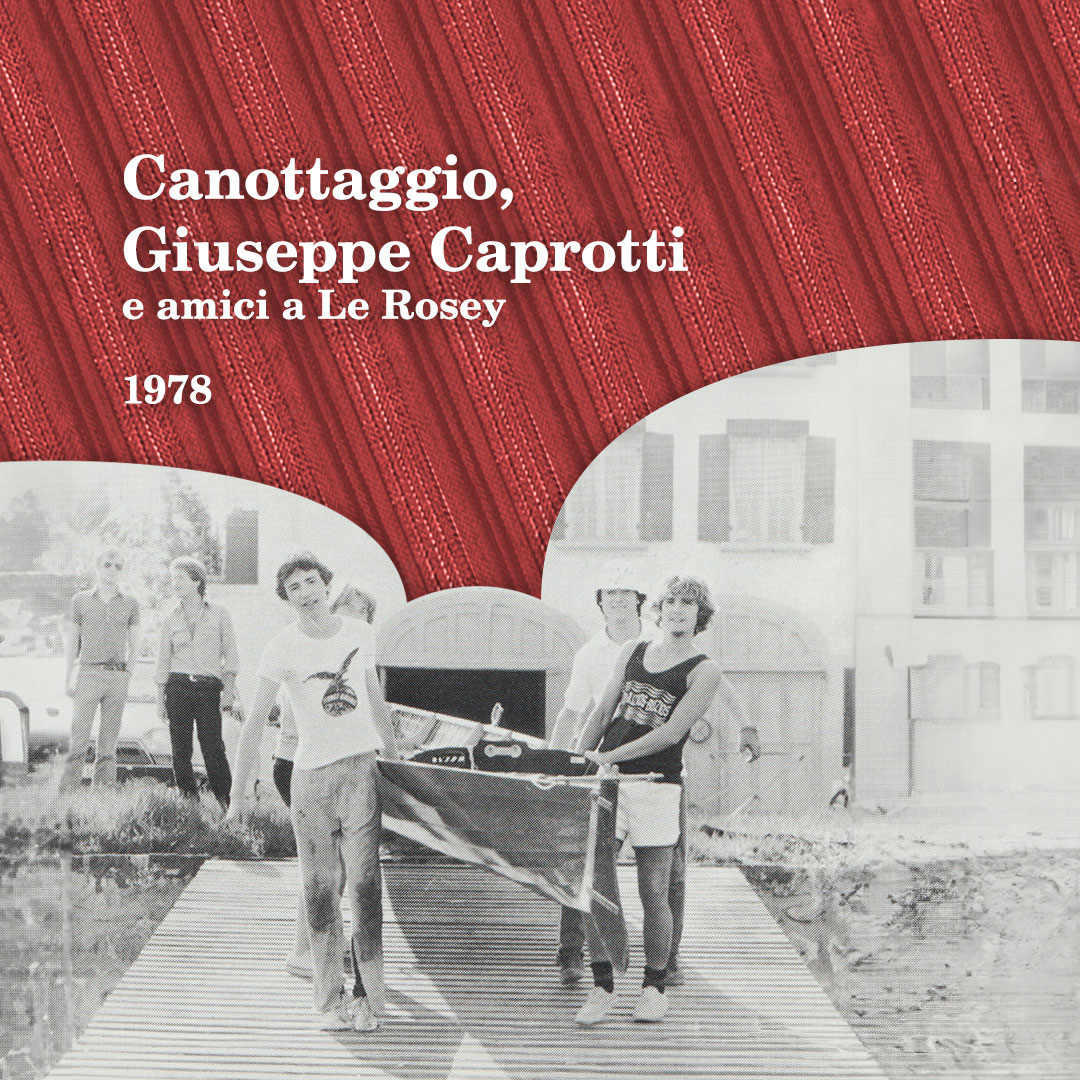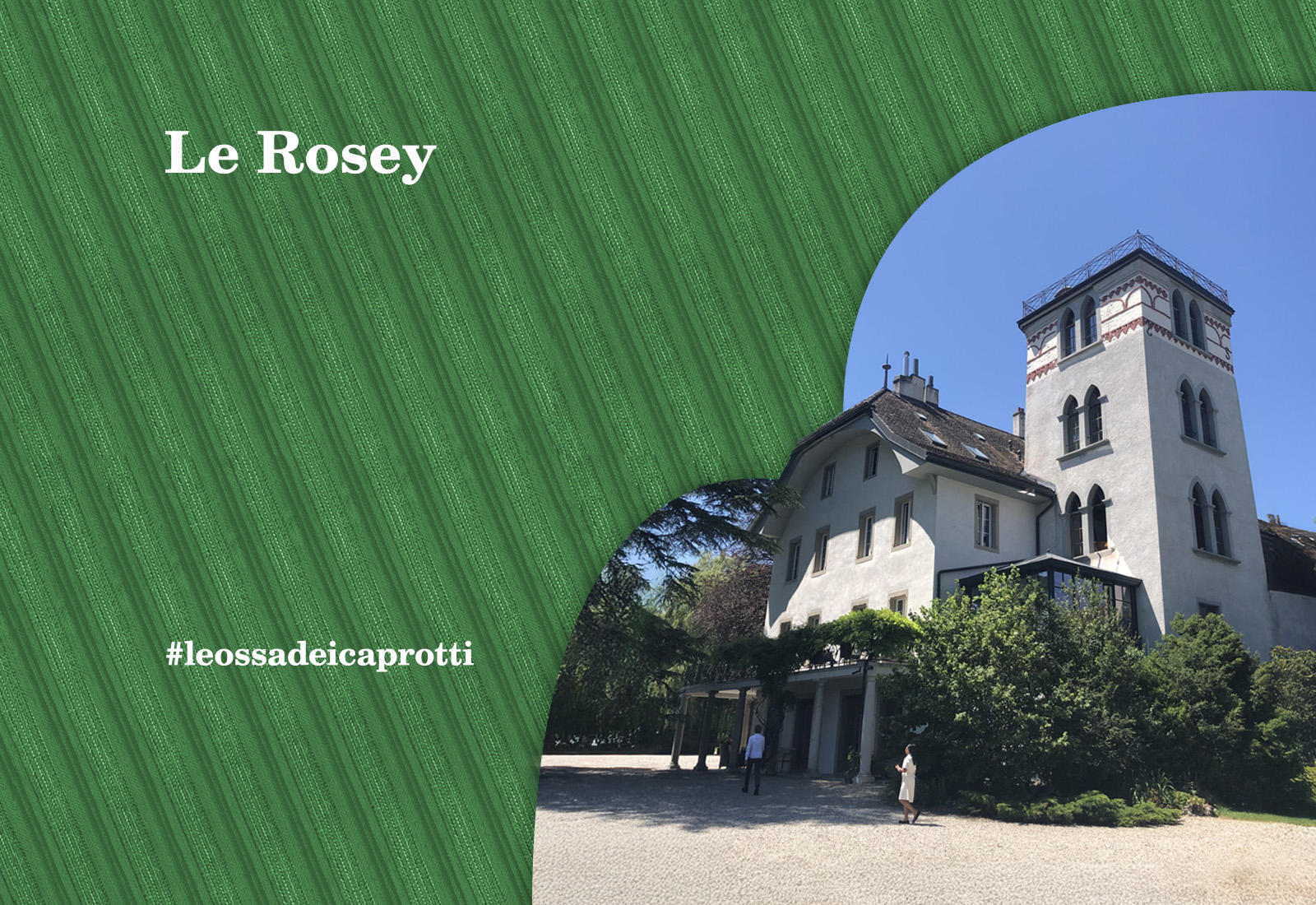
The boarding school Le Rosey was a few kilometres from Bursinel: between the two, even with my father Bernardo, we had some wonderful times. We invited my friends and Violetta’s friends and he often cooked for all of us. I remember a lunch with Damiano Paternò and Andrea Tibaldi, Antonio’s cousins. My father had made asparagus. All of us were happy.
Founded in 1880 by Paul-Émile Carnal, who took over the old abandoned castle of Le Rosey, practically immediately the institute grew with the reputation of being one of the most prestigious and select schools in the world. Under the leadership of his son Henry and his wife, Le Rosey became international; it even had an ice hockey team that won three national titles (1921, 1924 and 1925), also playing against the Milan team, whose athletes included Guido (Gigi) Venosta, brother of my maternal grandfather Guido.
Indeed, as a boarding school it is special.
And the spirit is that, regardless of the money, of a fraternity. I recently met a former student whom I had not seen for over forty years, Nicolas Berggruen. We greeted each other and hugged as if we had seen each other the day before yesterday. It was a real pleasure!
“The colonel’s slaps”
When I arrived at Le Rosey in 1975, preceded a year earlier by Violetta, the boarding school on Lake Geneva was run by a Swiss army colonel, Monsieur Louis Johannot. The deputy is a captain: anyone who doesn’t go straight ends up consigned, to study, with no chance of getting out. I get punished very often. Like in the barracks, there are the ‘grandfathers’ who mistreat you but, after a few unpleasant episodes, I manage to make them respect me. Once a year there are exercises called ‘Grand Jeu’, inspired by military ones. In the mountains, at night, you try to defeat the opposing teams. Basically, you beat each other. One sleeps in a barn with the light on, because Johannot does not want any bouts between girls and boys during the night. On one such occasion he is photographed with a pot on his head, as if it were a hat. But he is a humorous man and lets the picture be published in the book with the year’s events, which is always printed in June, at the beginning of the holidays. We have fun and toughen up: when you come back from playing in the mountains, if you don’t get up at seven in the morning, the colonel comes personally to turn over your bed and throw you to the floor, because breakfast is compulsory. If you don’t make it and get the treatment, after making your bed you are punished. In the evening, at dinner, a jacket and tie are obligatory. Occasionally Johannot slaps someone but it’s not a rule. When I arrive I understand French but I can’t write it. The first times are tough. Dad writes to me often, to urge me not to give up and to give me comfort. But communicating with each other is not easy: at that time I am 15 years old, not an easy age for children and parents. Sometimes he tells me he feels sad and lonely, that Violetta and I miss him and he regrets not being able to visit more often. Once he goes so far as to confess that this distance for a father is no life, it is just ‘a load of crap’. He regrets that my sister and I cannot spend our youth in our home in Milan. Gradually, however, the French language and its intellectual climate, initially foreign, became a real value because, among my companions, culture was a shared wealth, even for the youngest. And so to be accepted by them, I found myself reading and going as far as Lausanne, to the Payot bookshop, to buy new books. For many years I will think, speak and write almost exclusively in French. Of course we also play a lot of football, go rowing, go skiing. During winter weeks, the boarding school moves from Lake Geneva to Gstaad, in the snowy mountains of the Bernese Oberland. Encounters happen that make every teenager dream, especially those who, like me, love the cinema. Unforgettable actors like Roger Moore, Audrey Hepburn and David Niven have children or grandchildren studying with us and we are lucky enough to make their acquaintance. I learn Spanish with a professor who will later, sadly, commit suicide for love. (…) I like maths and history. I alternate excellent grades with insufficient ones, which makes Dad anxious. Discipline is not my forte. Once I throw a snowball at a teacher and get detention for two days. Another I get caught with a knife and Johannot warns me that if I don’t change I risk being kicked out. Eventually I am expelled for real, for calling a teacher a coward. My father threatens to send me to the military naval college Morosini, in Venice, or to the dreaded Institut auf dem Rosenberg, in St Gallen, where if one makes a mistake ‘the punishments are severe’, he assures me. It is the same boarding school where my uncle Claudio was also sent as a boy, and before him my grandfather Peppino, when he was just 10 years old. Instead, I end up a few weeks in an institute in Gruyères, in the canton of Fribourg, where fortunately they speak French, not German. After a few months, Le Rosey takes me back because I am considered a good pupil. I am happy: I now have dear friends there, whom I still hear and see today. I pass the Baccalauréat, the French school leaving certificate, crossing the border to take the exam at the Grenoble Academy (…). Dad writes to me full of joy and pride’ (pp. 99 -101).
‘Moving to Switzerland will be my salvation because, besides not being able to leave the house freely for fear of terrorism or kidnappings, the climate in Via del Lauro is not the best. In fact, relations with my aunt and uncle and my grandmother have descended into drama. In the very early 1970s – we do not know the exact date because we are informed after the fact – Bernardo remarries Giuliana Albera, whom he met in the 1960s at Uncle Claudio’s wedding to Giuliana’s sister Paola. Two sisters marry two brothers and I am the pageboy at the uncles’ wedding. Dad marries Giuliana as soon as the divorce law passes in December 1970 and announces it to me and my sister in the living room. Violetta can’t stand Giuliana, and makes it clear to everyone. Some time later we are sent to Le Rosey, first Violetta, then me. In Colonel Johannot’s homeland, friends and schoolmates rescue me. (…)’ (pp. 102 – 103).
TRANSLATION
Founded in 1880 by Paul-Émile Carnal, who took over the old Le Rosey castle that was now abandoned, practically immediately the institute grew with a reputation as one of the most prestigious and select schools in the world. Under the leadership of Carnal’s son, Henry, and his wife, Le Rosey became international; it even had an ice hockey team that won three national titles (1921, 1924 and 1925), also playing against the Milan team, whose athletes included Luigi (Gigi) Venosta, brother of my maternal grandfather Guido Venosta.
Indeed, as a college it is special.
“The colonel’s slaps.
When I arrive at Le Rosey in 1975, preceded a year earlier by Violetta, the boarding school on Lake Geneva is run by a Swiss Army colonel, Monsieur Louis Johannot. The deputy is a captain: those who don’t line up straight end up handed over, to study, with no way out. I get punished very often. Like in the barracks, there are the ‘grandfathers’ who bully you but, after a few unpleasant episodes, I manage to get respect. Once a year we have exercises called ‘Grand Jeu,’ inspired by military ones. In the mountains, at night, you try to defeat opposing teams. Basically, you beat each other. One sleeps in a barn with the light on, because Johannot does not want bouts between boys and girls, during the night. On one such occasion he is photographed with a pot on his head, as if it were a hat. He, however, is a humorous man and lets the picture be published in the Yearbook, which is always printed in June, at the beginning of the vacations. There is fun and tempering: when you return from games in the mountains, if you don’t get up at seven o’clock in the morning the colonel comes personally to turn over your bed and throw you to the floor, because breakfast is compulsory. If you don’t make it and get the treatment, after you make your bed you are punished. In the evening, at dinner, a jacket and tie are mandatory. It happens that occasionally Johannot slaps someone but it is not a rule. When I arrive, I understand French but I can’t write it. The first few times are hard. Father writes me often, to spur me on not to give up and to give me comfort. Communicating with each other, however, is not easy I am 15 at the time, not an easy age for children and parents. Sometimes he tells me that he feels sad and lonely, that Violetta and I miss him, and he regrets not being able to visit more often. Once he will go so far as to confess to us that this distance for a father is no life, it is just ‘a lot of bullshit’. He regrets that my sister and I cannot spend our youth in our home, in Milan. Slowly, however, the French language and its intellectual climate, at first foreign, will become a real value because, among my classmates, culture is a shared wealth, even for younger people. And so, to be accepted by them I find myself reading and going as far as Lausanne, to the Payot bookstore, to buy new books. For many years I will think, speak and write almost exclusively in French. Of course, we also play a lot of soccer, row, go skiing. In winter weeks the boarding school moves from Lake Geneva to Gstaad, in the snowy mountains of the Bernese Oberland. There happen encounters that make every teenager dream, especially those – like me – who adore movies. Unforgettable actors like Roger Moore, Audrey Hepburn and David Niven have children or grandchildren studying with us, and we are lucky enough to make their acquaintance. I learn Spanish with a professor who later, sadly, will commit suicide for love. (…) I like math and history. I alternate excellent grades with insufficient ones, which makes Dad anxious. Discipline is not my cup of tea. I once throw a snowball at a teacher and get grounded for two days. Again, I get caught with a knife, and Johannot warns me that if I don’t change I risk being kicked out. And finally, I get expelled for real, because I called a teacher a coward. My father threatens to send me to the military naval college Morosini, in Venice, or to the dreaded Institut auf dem Rosenberg, in St. Gallen, where if one makes a mistake ‘the punishments are severe,’ he assures me. This is the same boarding school where my uncle Claudio had also been sent as a boy, and before him my grandfather Peppino, when he was just 10 years old. However, I end up instead a few weeks in an institution in Gruyères, in the canton of Fribourg, where fortunately people speak French, not German. After a few months, Le Rosey takes me back because I am considered a good student. I am happy: I now have close friends there, whom I hear and see to this very day. I pass the Baccalauréat, the French high school graduation, crossing the border to go take the exam at the Grenoble Academy (…). Father writes to me filled with joy and pride’ (pp. 99 -101).
“Moving to Switzerland will be my escape because, in addition to not being able to leave home freely for fear of terrorism or kidnapping, the climate in Via del Lauro is not the best. Relations with my uncles and grandmother have indeed plunged into drama. In the very early 1970s – the precise date we do not know, because we are informed of it after the fact – Bernardo remarries Giuliana Albera, whom he met in the 1960s at Uncle Claudio’s wedding to Paola, Giuliana’s sister. Two sisters marry two brothers, and I am a pageboy at my uncle’s wedding. Dad marries Giuliana as soon as the December 1970 divorce law passes, and announces it to my sister and me in the living room, never having sought the opportunity to let us meet her. Violetta can’t stand Giuliana, and she lets everyone know it. A while later we are sent to Le Rosey, first Violetta, then me. In Colonel Johannot’s homeland, friends and schoolmates rescue me. (…)’ (pp. 102 – 103).
“MyRosey’s album” is, in fact, very rich
Follow Le Ossa dei Caprotti family
on Instagram
on Facebook
on Youtube
on LinkedIn
on X
Follow Caprottis’ Bones
on Instagram
on Facebook
on Youtube
on LinkedIn
on X
Reference Bibliography:
Reference bibliography:
Le Rosey, official school website[/vc_column_text][/vc_column][/vc_row]