“My grandfather Guido, born in 1911, graduated in economics in Cambridge at St. John’s College (…) and in law in Pavia.
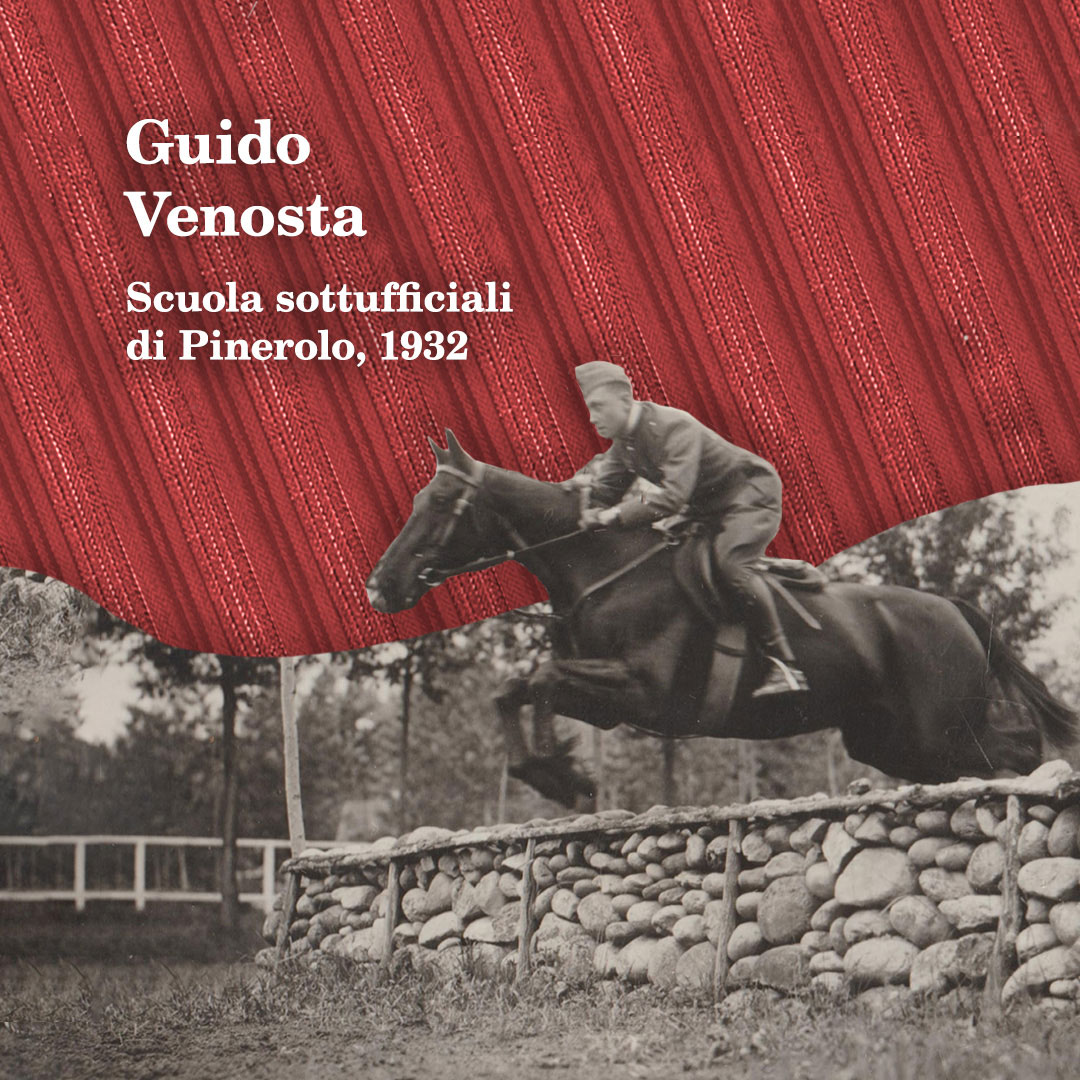
He was the most introverted of the three Venosta brothers. During the war he had been a cavalry captain.
He later worked for a long time at Pirelli – where his father Giuseppe (..) was General Manager, as well as inventor of the first modern football -, in Great Britain and in Italy, where in 1966 he was proposed by Franco Brambilla, the company’s CEO at the time, to collaborate with some scholars at theTumour Institute in Milan to get theItalian Association for Cancer Research (now the Italian Foundation for Cancer Research – AIRC), founded the year before by Umberto Veronesi and Giuseppe Della Porta, with the support of Aldo Borletti and Camilla Falck, off the ground.
He then began working for the association full-time with great dedication and enthusiasm – his parents, Giuseppe and Argia, had died of cancer – (…) developing AIRC into Italy’s largest private funding body in the fight against cancer.
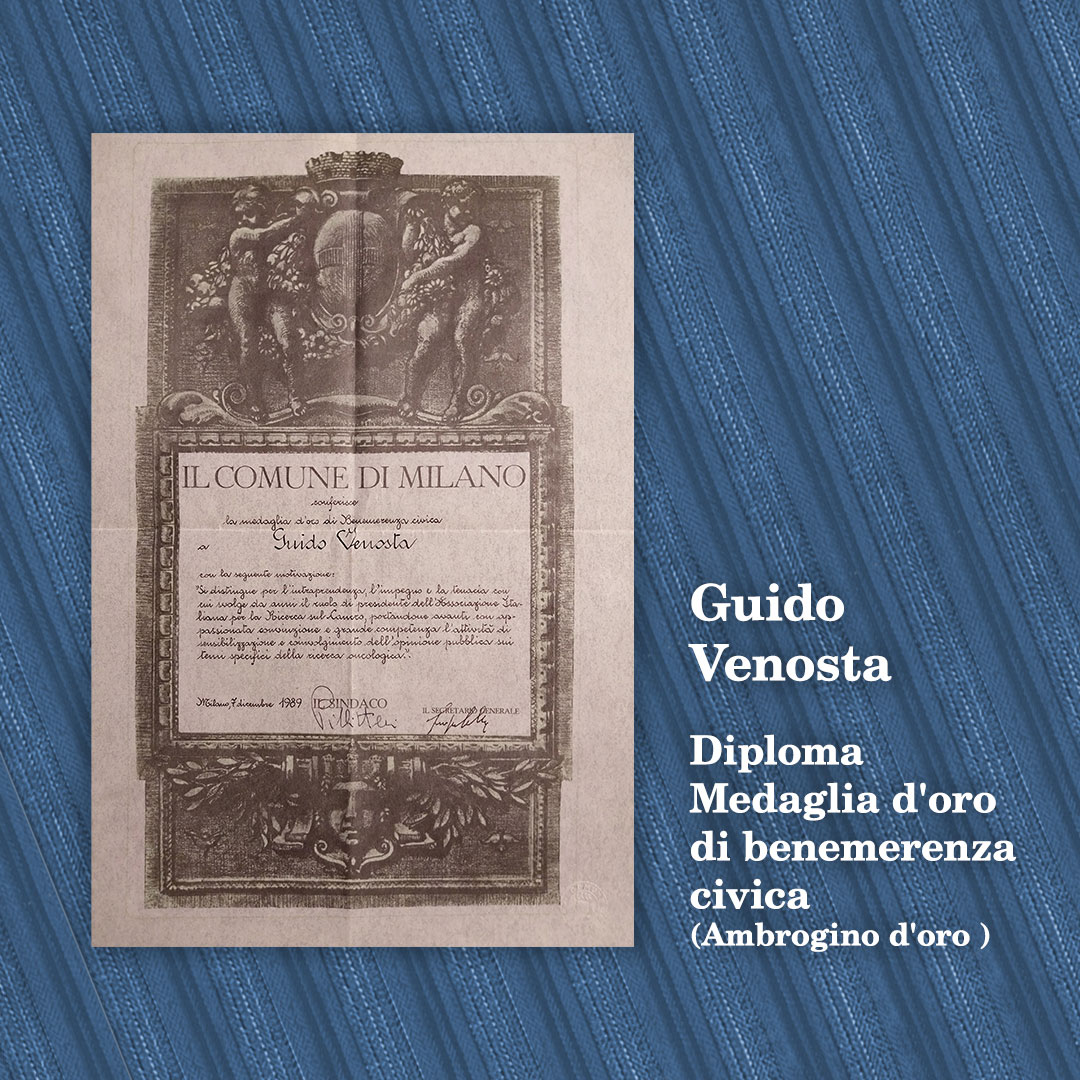
Initiatives that have made the history of fundraising for the non-profit world, such as the ‘Health Oranges’ and the ‘Research Azaleas’ (…), were born thanks to his grandfather’s work in the association, of which he was first vice-president and then president, from 1976 to 1996.
It was he, finally, who set up theAIRC‘s Regional Committees, which are one of the strengths of what is now a foundation and which, first under his visionary leadership and then continuing his work, has considerable means at its disposal to fight a terrible disease: if today it can count on 137 million euros of capital, 4,500,000 supporting members and thousands of people who follow it on social networks, it is also due to him.” (pp. 84 – 85).
Grandfather Guido was certainly a remarkable personality. After completing his military service, he enrolled at the University of Cambridge, England, where he studied at the prestigious St. John’s College obtaining a Bachelor of Arts degree in Economics in 1934, and a Master of Arts degree in 1937.
In Italy, he enrolled in the Faculty of Law at the University of Pavia (academic year 1934-1935) where he graduated in 1936.
1939 was an important watershed for him: in April his father died, in July he became engaged to Luisa Quintavalle , Umberto Quintavalle‘s daughter , vice-president of the Magneti Marelli Italian Factory in Milan, exactly the day before he was to be permanently employed at Pirelli S.p.A., the large Milanese tyre and tyre factory where his father had already spent his professional life and where his son would remain until 1977, the year of his definitive retirement.
From Luisa he had two children , Giorgina called Giorgina (1940-2021) and Giuseppe called Beppo (1941-1999).
As war approached, Guido was called up to arms; given his knowledge of English, he was employed at the Military Information Service (S.I.M.), based in Rome, in preparation for the Italian East African Campaign (1939). He remained in the capital until 1943 when, after 8 September, he quickly returned to Milan, where he met up with his brothers Luigi, a fighter pilot veteran from Africa, and Giorgio, a veteran from Russia.
At the end of the war, his grandfather separated from his wife Luisa and later, after obtaining a divorce, remarried Carla Fossati Bellani (1924 – 2019), an internationally renowned architect and designer.
In the mid-1960s, grandfather’s involvement in non-profit work began, mainly related to cancer research, of which not only his father but also his mother had died a decade later.
Guido Venosta died in Milan on 4 February 1998.
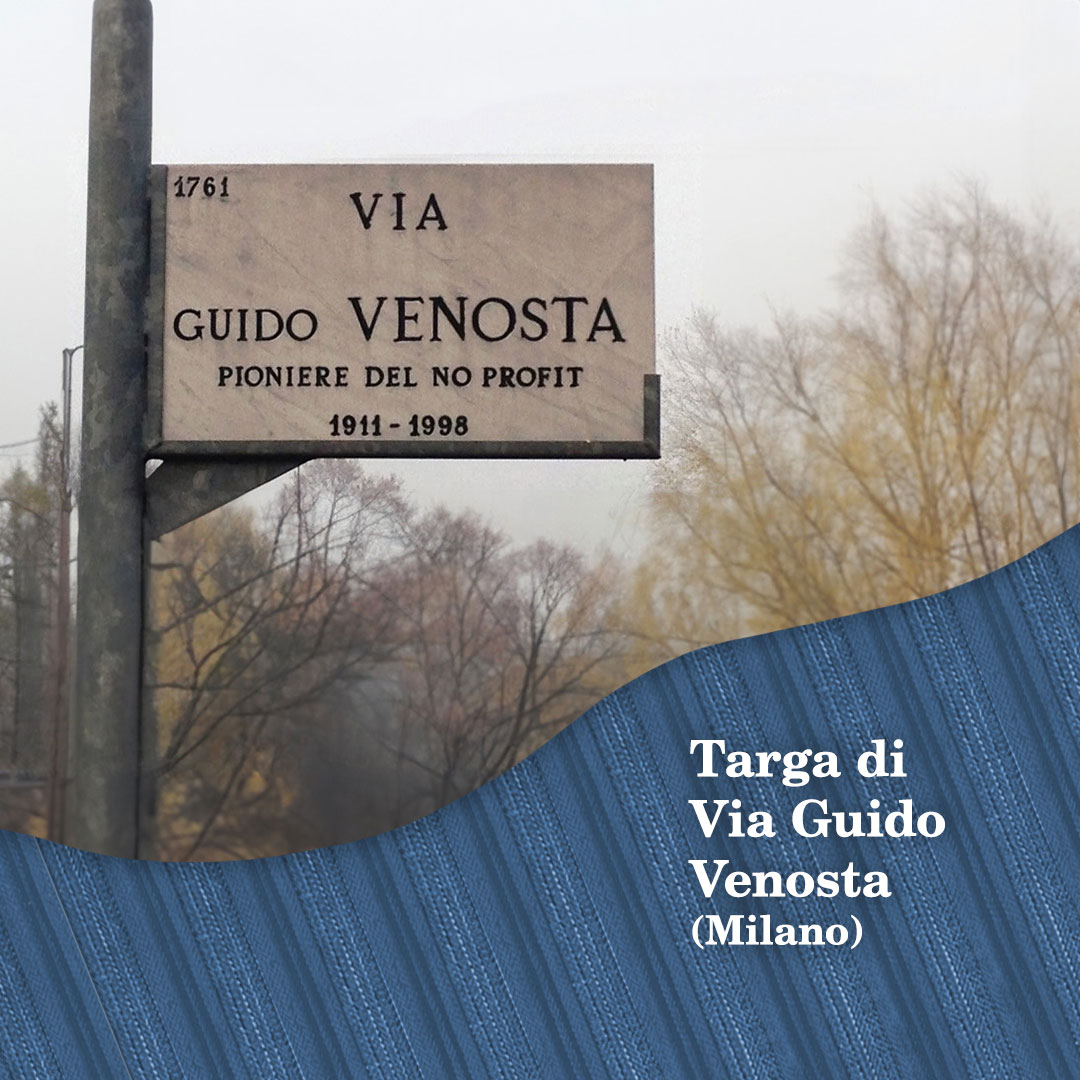
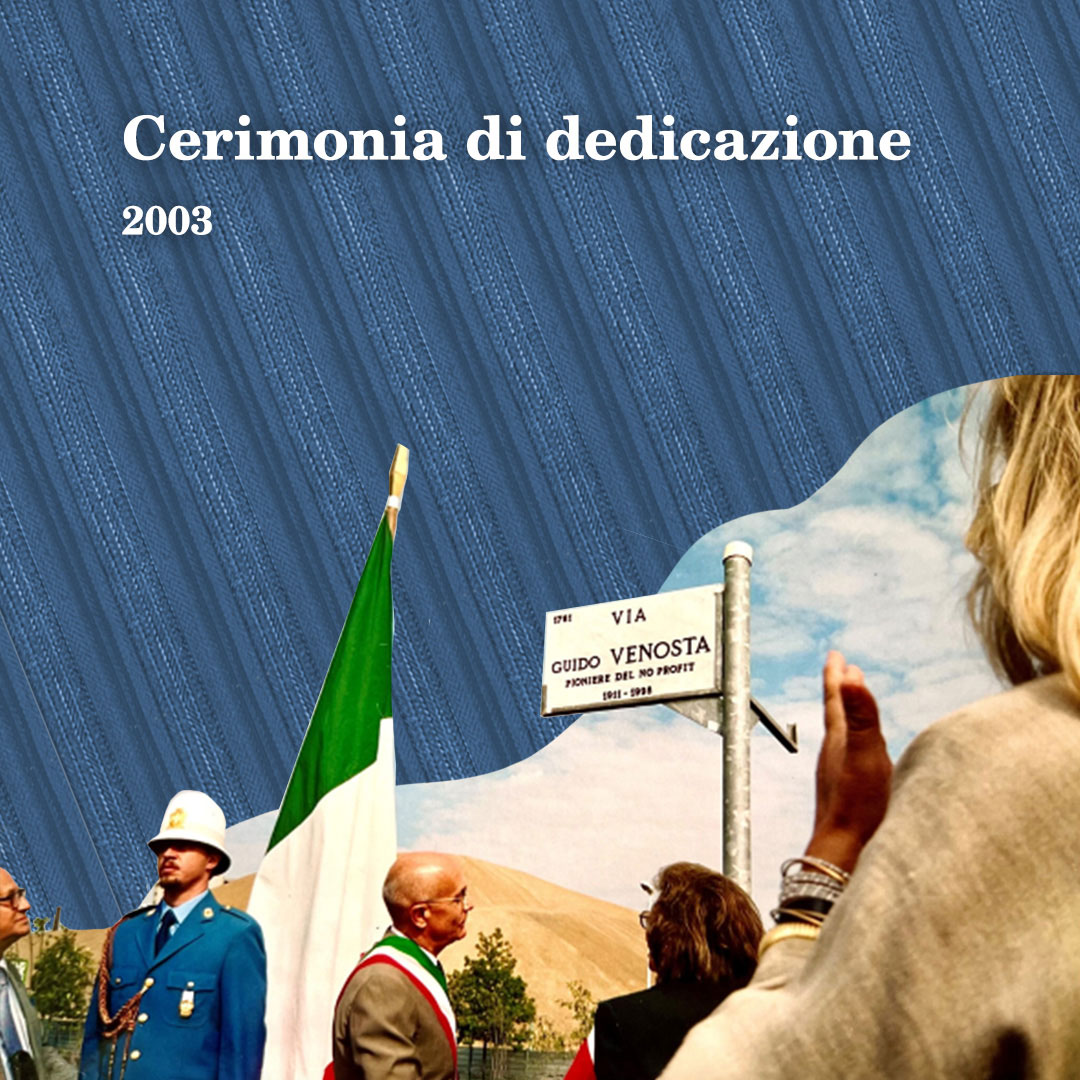
His name is commemorated on a plaque placed in the Famedio of the Monumental Cemetery in Milan, ‘a place of burial, celebration and remembrance of Milanese people of origin or adoption (…) who have made the city and Italy illustrious through their works and actions’, and on a street in the city, in the Bicocca area, which was named after him in 2003. In both cases, he is remembered as a ‘pioneer of the non-profit sector‘
.
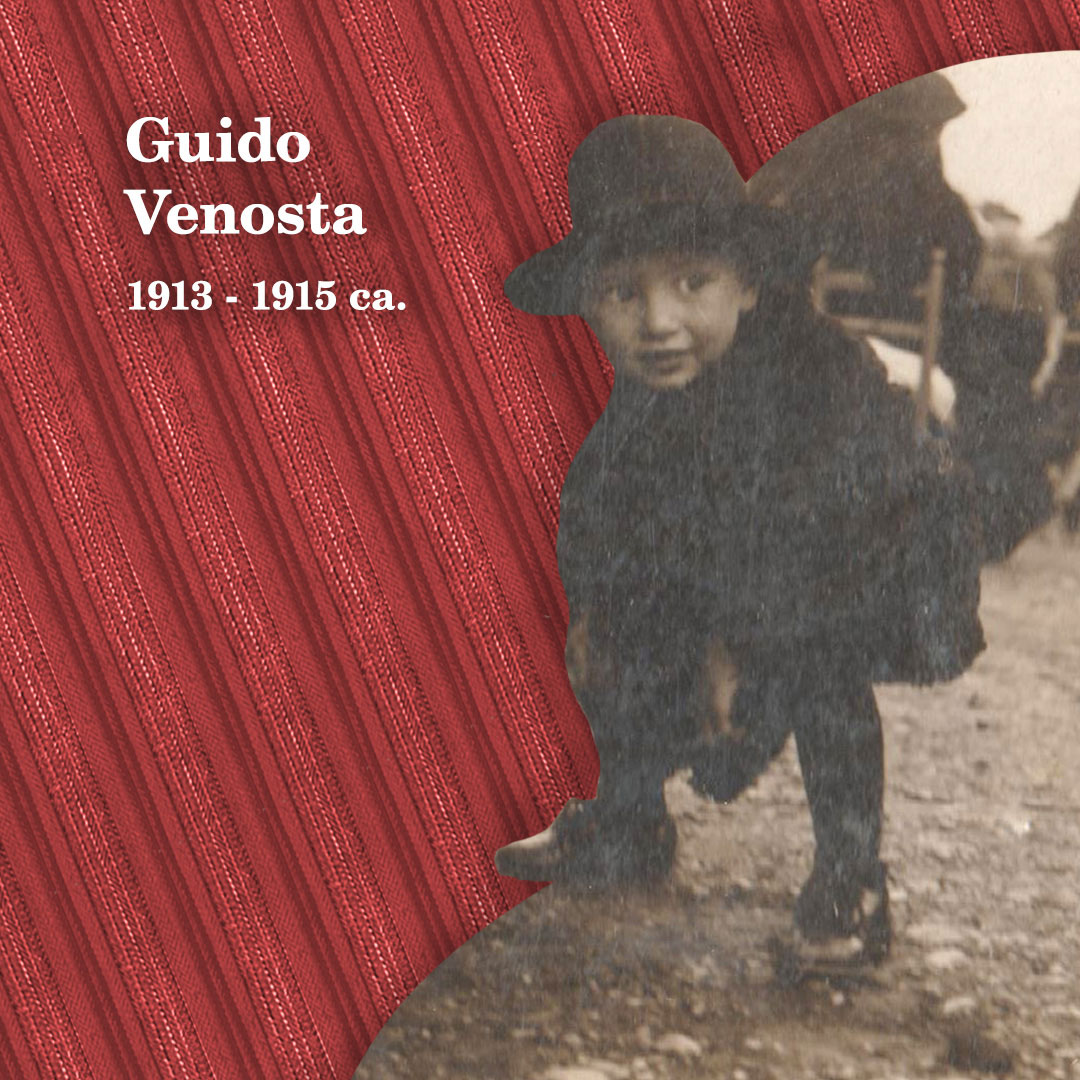
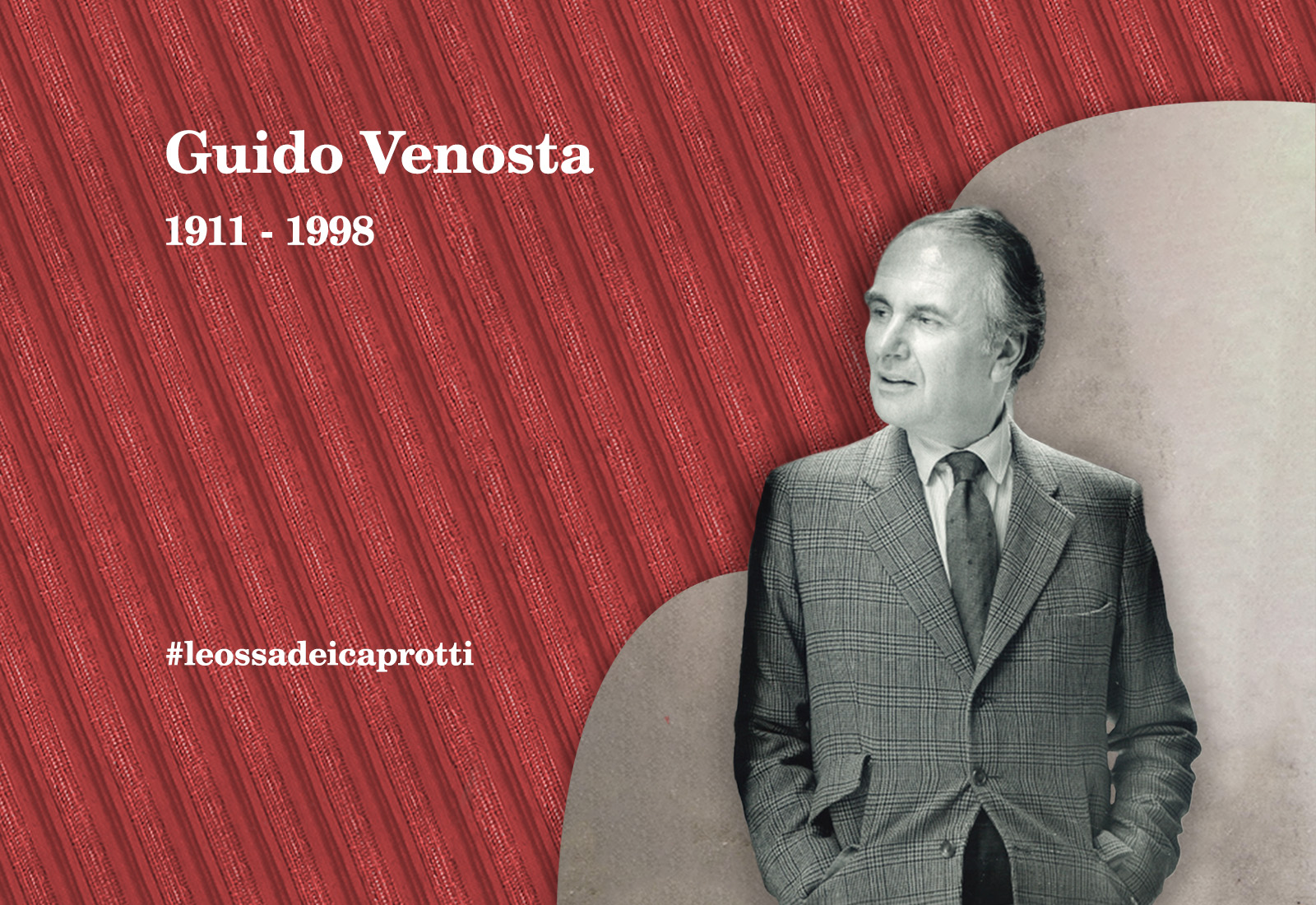
In the photograph he is portrayed at an early age by Ugo Mulas, a renowned photographer who worked for Pirelli for a long time.
His grandfather, his aunt Carla, named the Guido Venosta Foundationafter him.
Read more about the Guido Venosta biennial prize here, on page 36 (Airc’s magazine).