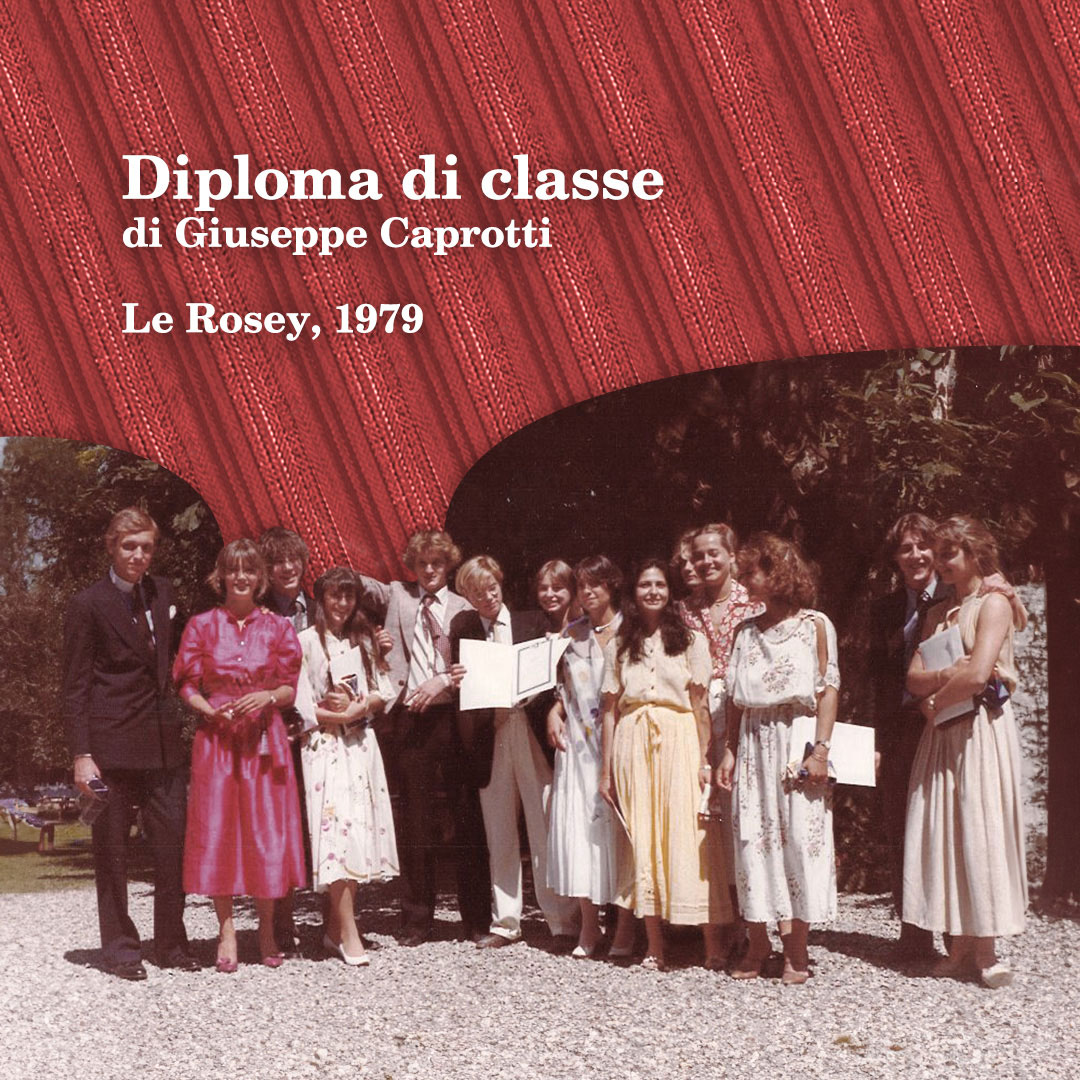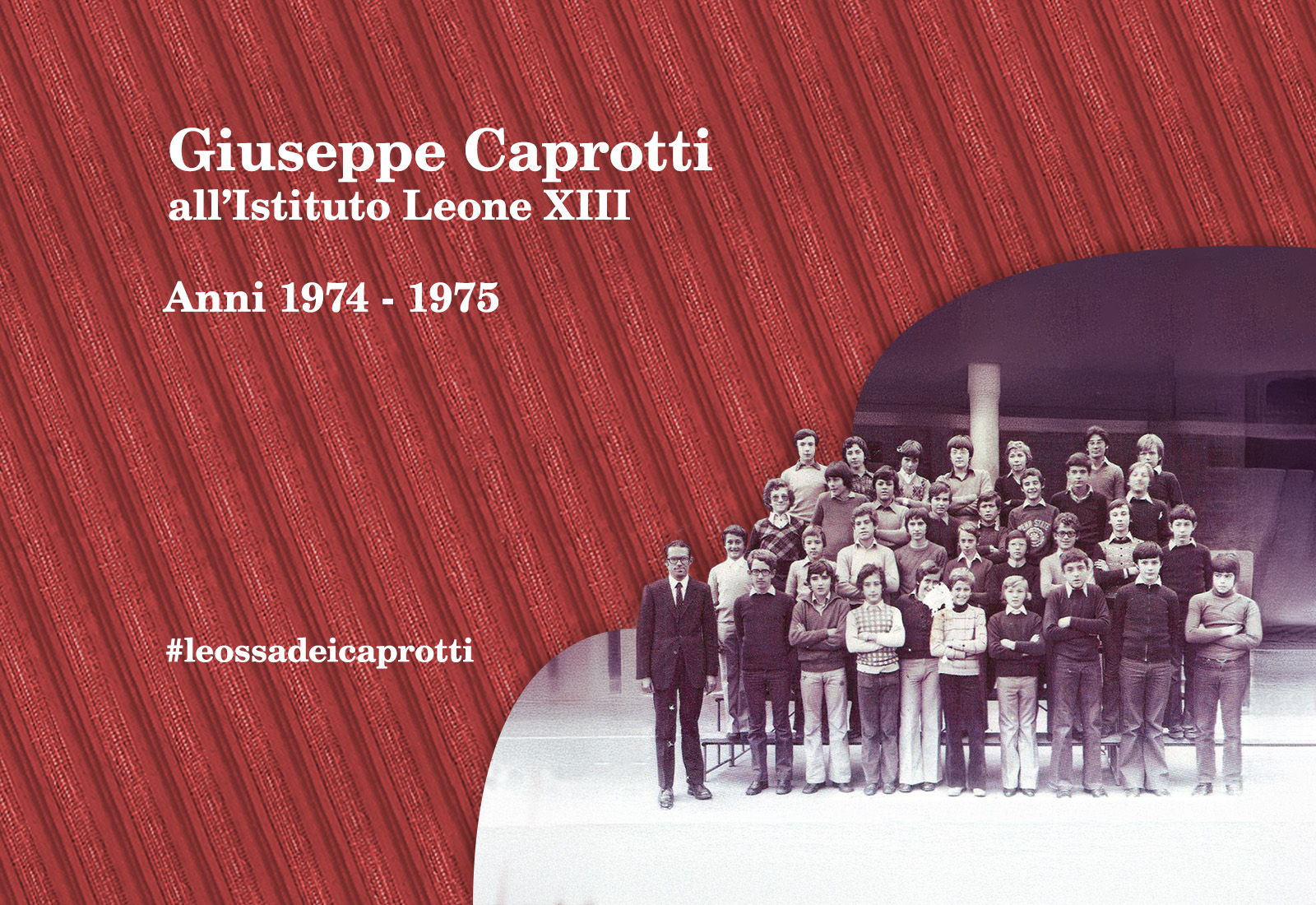
In the photo above, I fondly remember: Bruno Pertici, Riccardo Zingales (I am among them), Lapo Civiletti (third from the left in the fourth row above), Stefano Cudicini (son of the black spider Fabio Cudicini, wearing a Penn State sweatshirt), Alberto De Castiglioni (last on the right above), Antonio Sala (to Stefano’s left), Sergio Castellucci (behind him), Paolo Marè and Luca Pieroni.
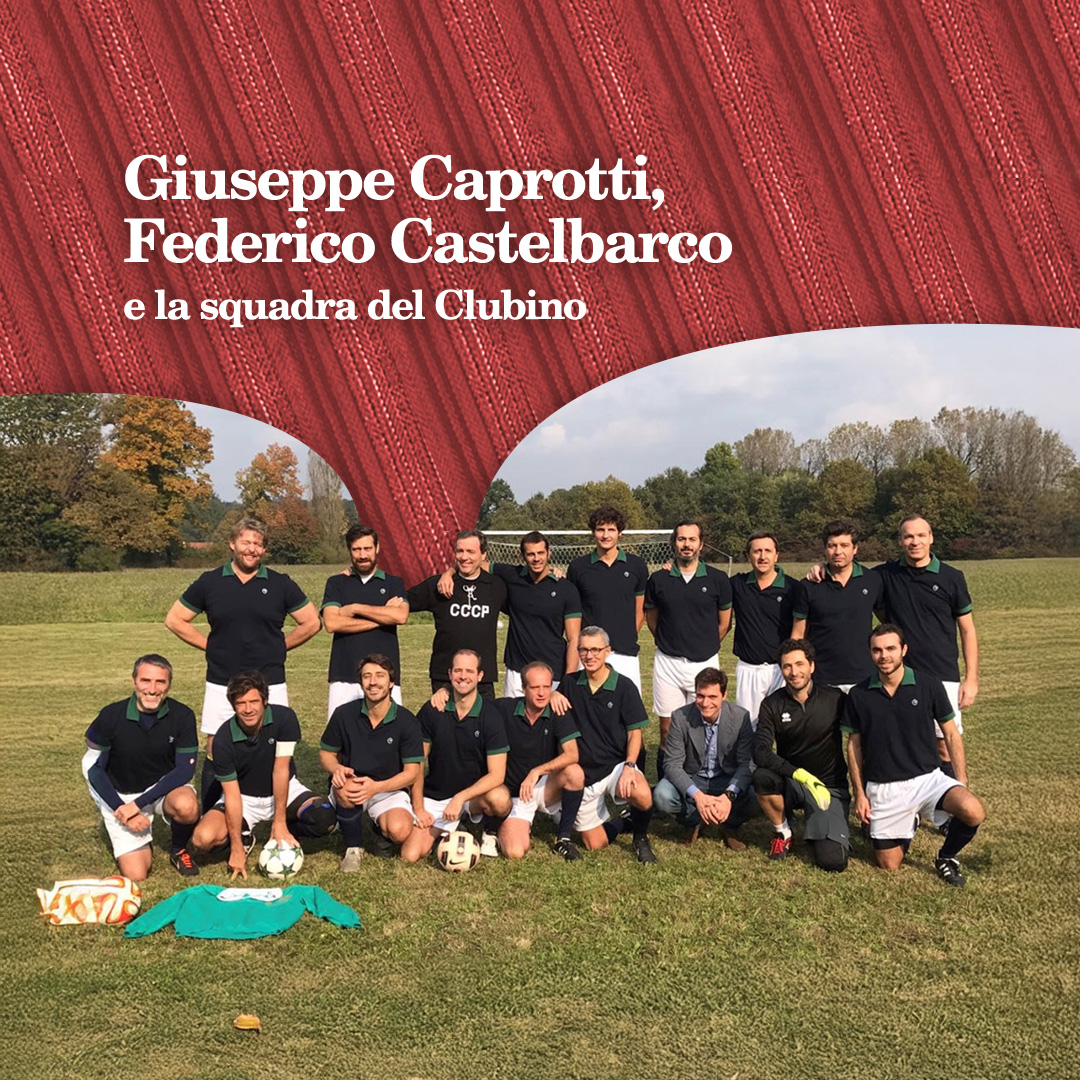
At the Leone I played football for many years with our class team, but I also trained, decades later, always at football, with the Clubino.
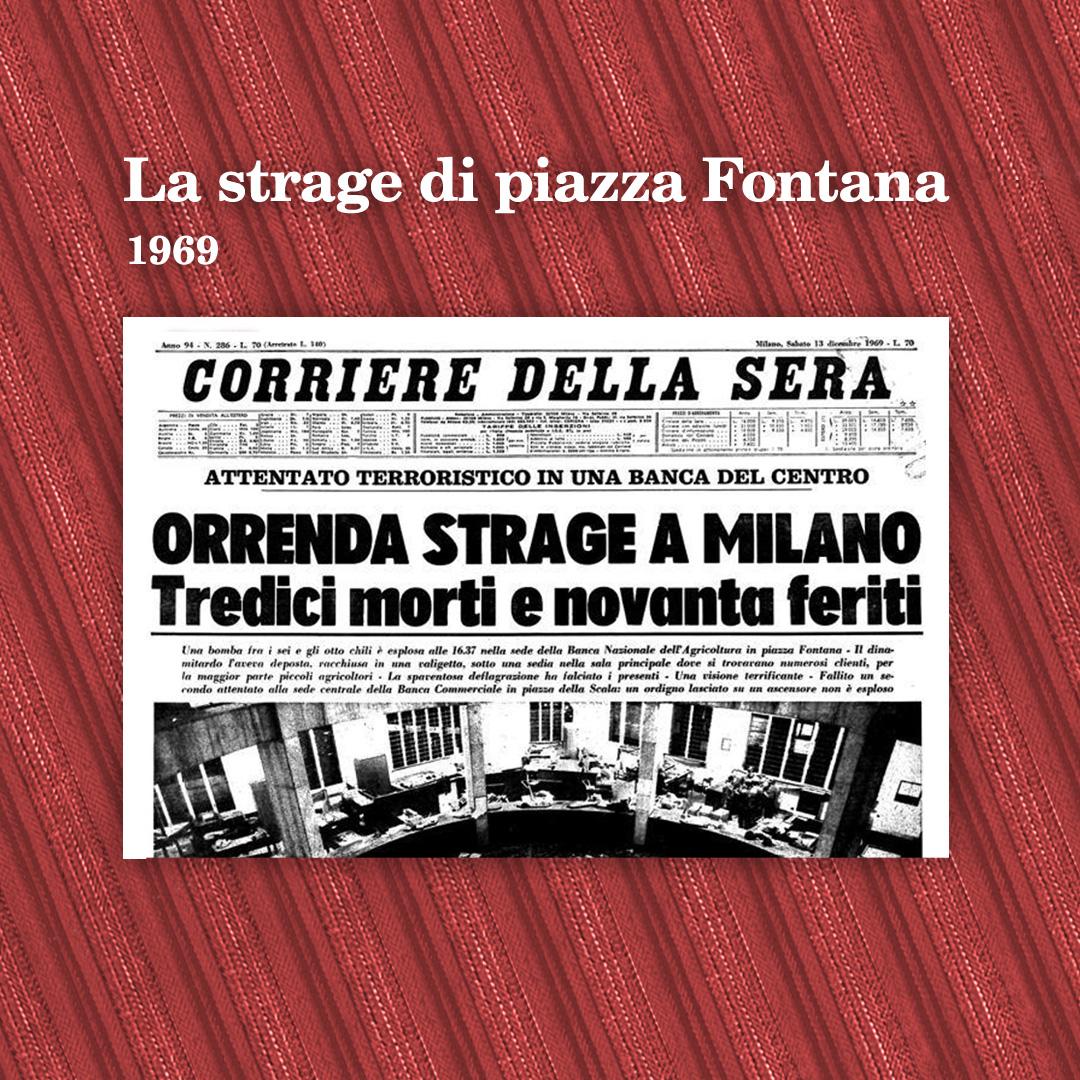
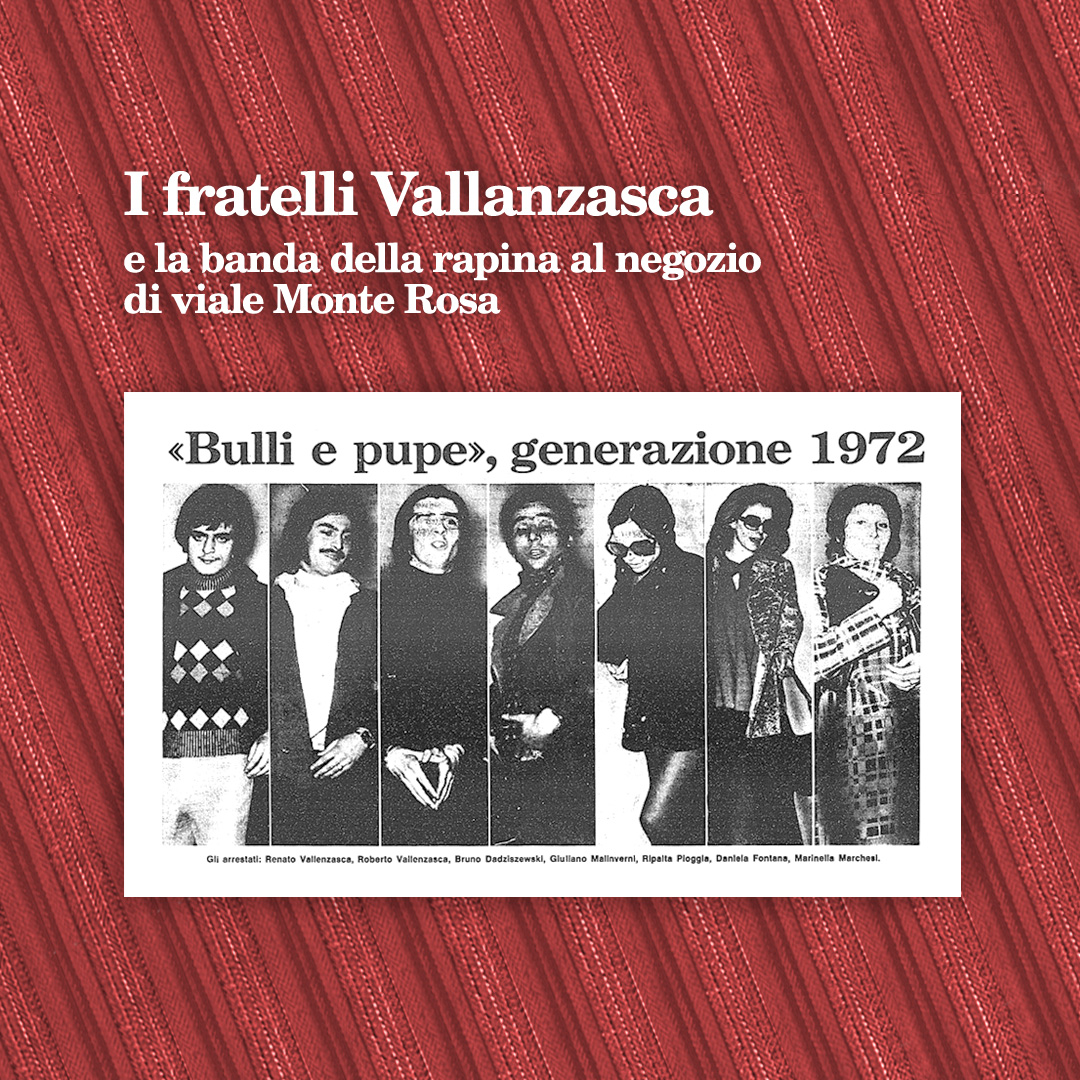
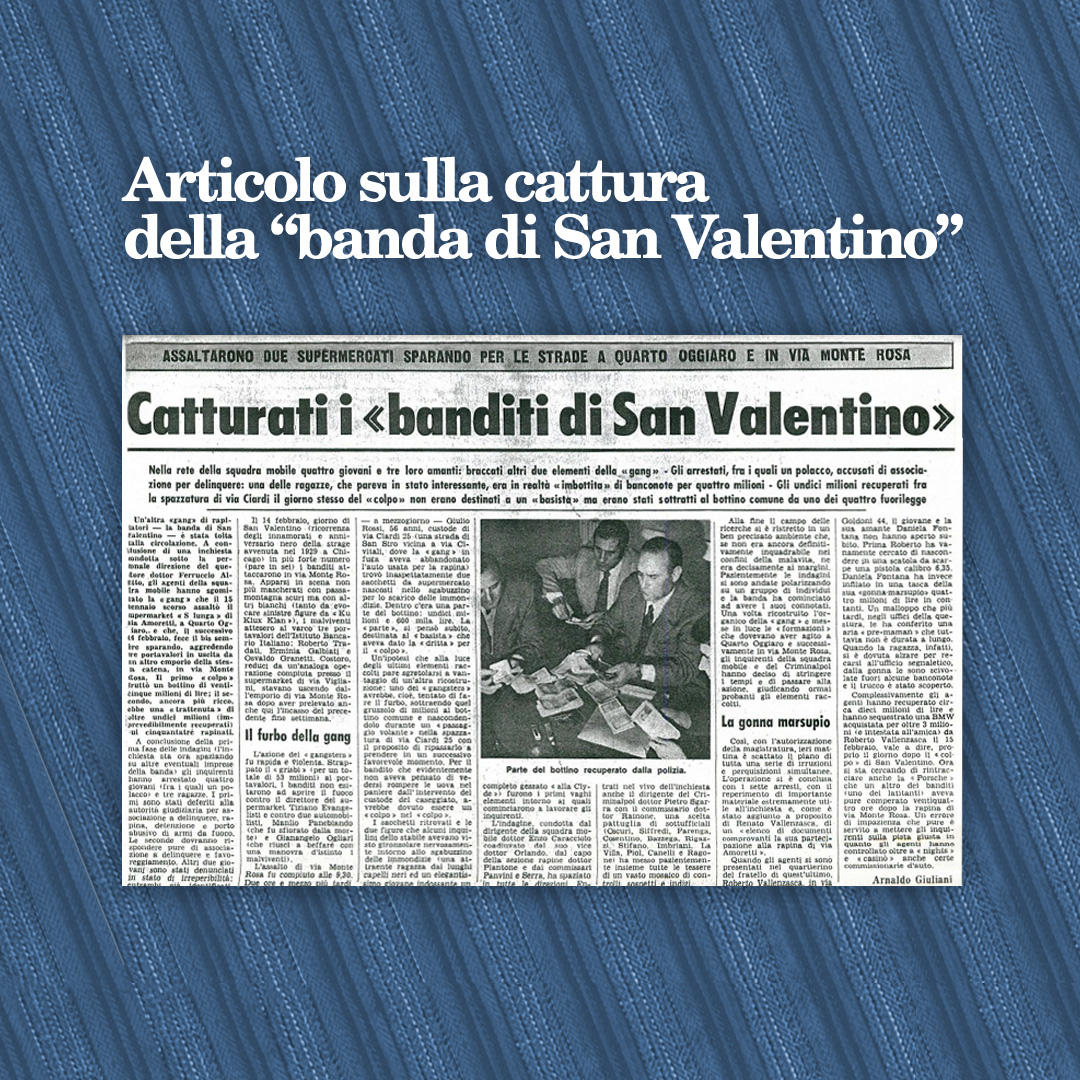
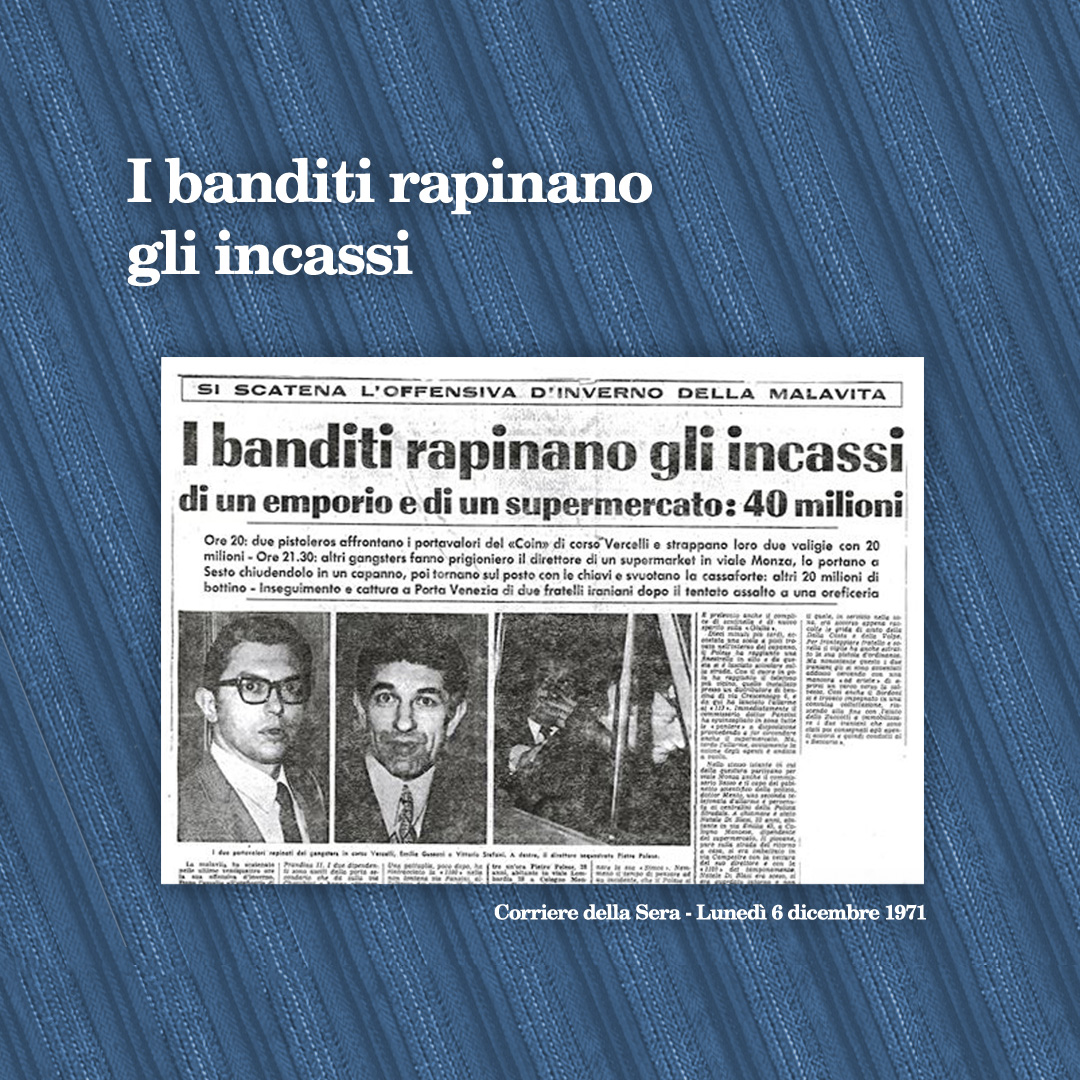
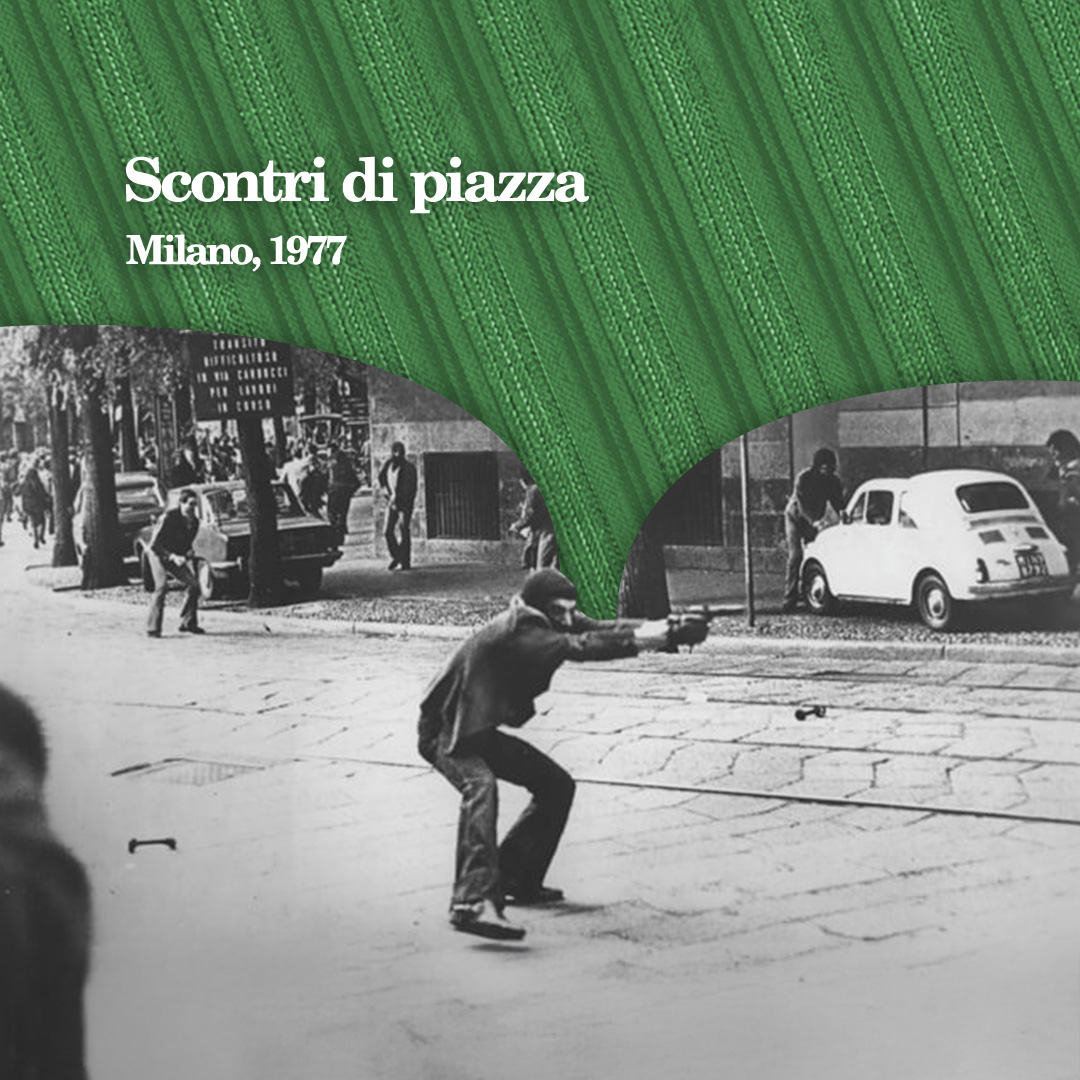
Beginning conventionally in Milan with the bomb at the Banca Nazionale dell’Agricoltura in Piazza Fontana on 12 December 1969, those dreadful years continued for a decade in which there were bombings, massacres, robberies, kidnappings and shootings, terrorist syndicates and subversive groups from the right and left, as well as armed gangs of no precise political colour but in any case dangerous (just think of the Milanese Banda Vallanzasca or the Roman Magliana gang), have challenged and threatened the republican institution, killing and injuring those who represent and defend it, from magistrates to ordinary policemen, from journalists to politicians (who, moreover, did not understand it at first, and often went so far as to support its excesses in the name of ideology).
Those who, like me, are over 60, remember well slogans, stone pelting, tear gas. My sister Violetta and I eventually get around – very little – in the city with armoured cars and bodyguards, because of the fear of kidnapping. The atmosphere is heavy. I remember a birthday party as protesters and police confronted each other in the smoke and the smell of smoke bombs below the house on Via del Lauro. Or I remember the steel marbles and bolts thrown at the entrance of our school, the Leone XIII, run by the Jesuits and considered right-wing at the time. (…)”. Just at school one day a mysterious phone call wanted to call me out of class, but fortunately I did not take the bait. I dread to think what would have happened if I had (CAPROTTI, Le Ossa dei Caprotti, pp. 97-98).
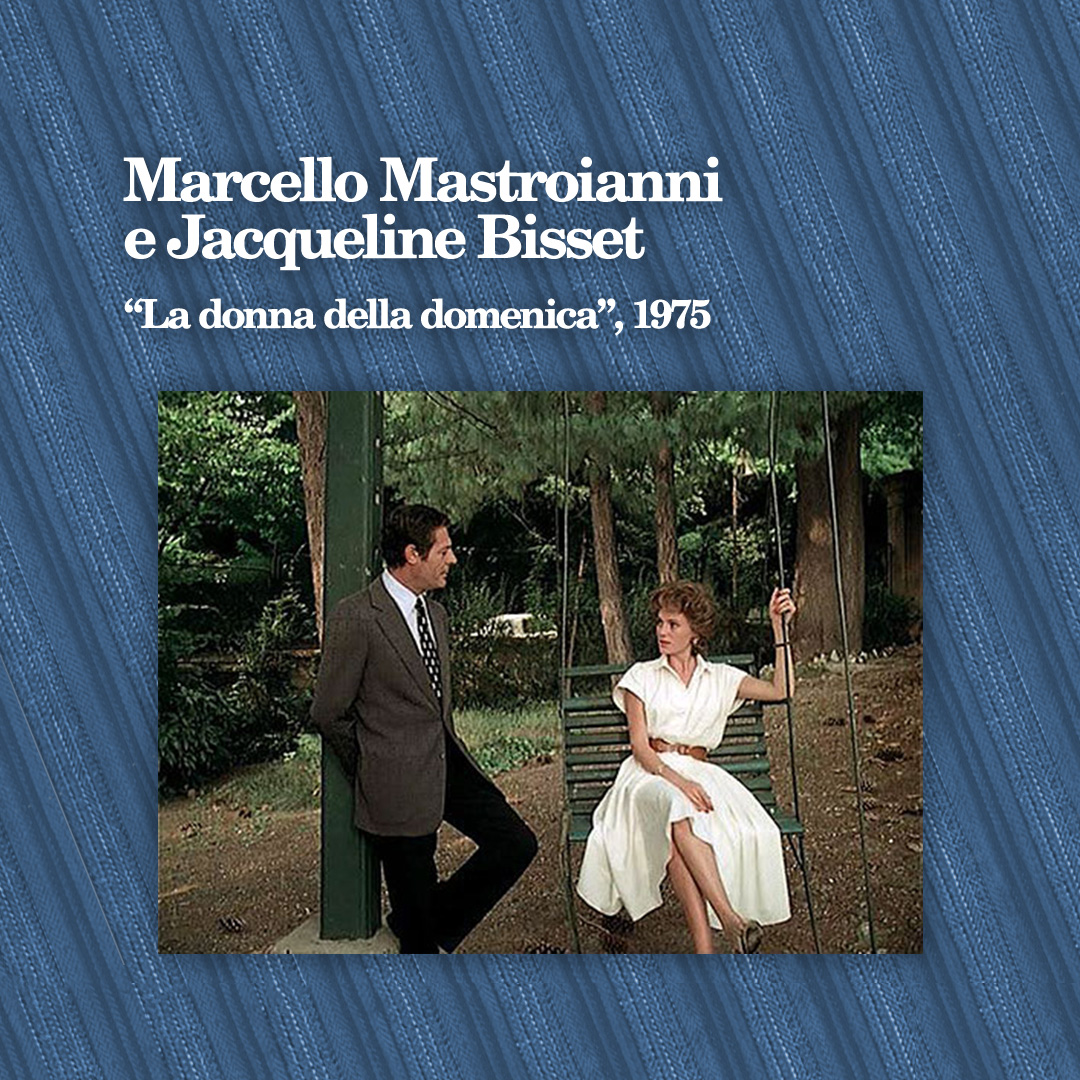
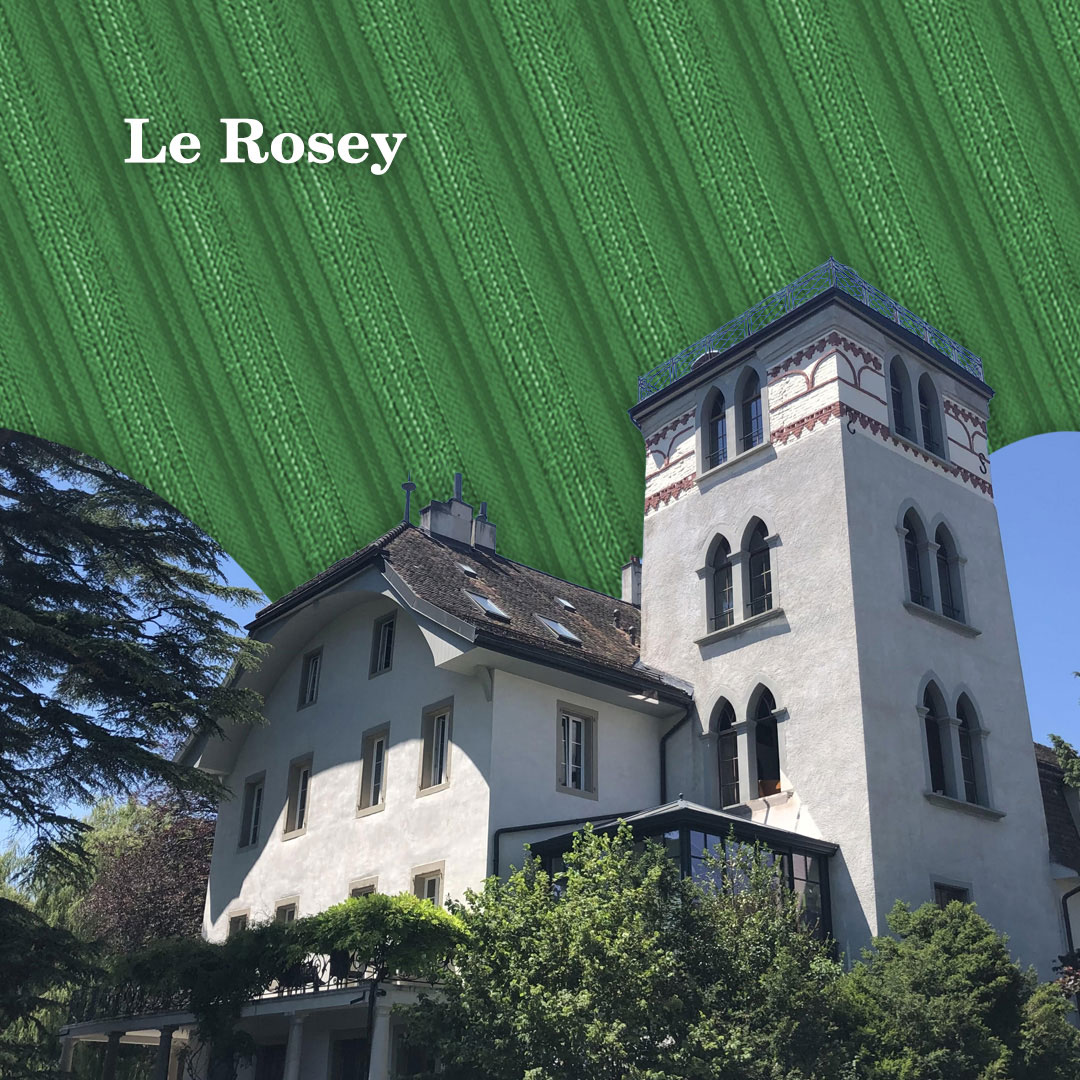
Dad took action, as many did at the time: he sent us to boarding school in Switzerland, in Le Rosey. It may not be the only reason (the seventies are also the time of his second marriage and the birth of our sister Marina), but it is certainly one of the strongest. It is a bit like ‘putting us in a safe’, as a superb Signora Dosio (Jacqueline Bisset) explains on a restaurant swing to Commissioner Santamaria (Marcello Mastroianni), declining an appointment precisely because she had to take her little daughter across the border(La donna della domenica, a splendid novel by Fruttero&Lucentini and a splendid 1975 film directed by Luigi Comencini and a stellar cast).
Biblio- and videography:
RaiCultura. History. The Years of Lead. Italy of the Republic.
G. CAPROTTI, Le Ossa dei Caprotti. Una storia italiana, Milan, 2024