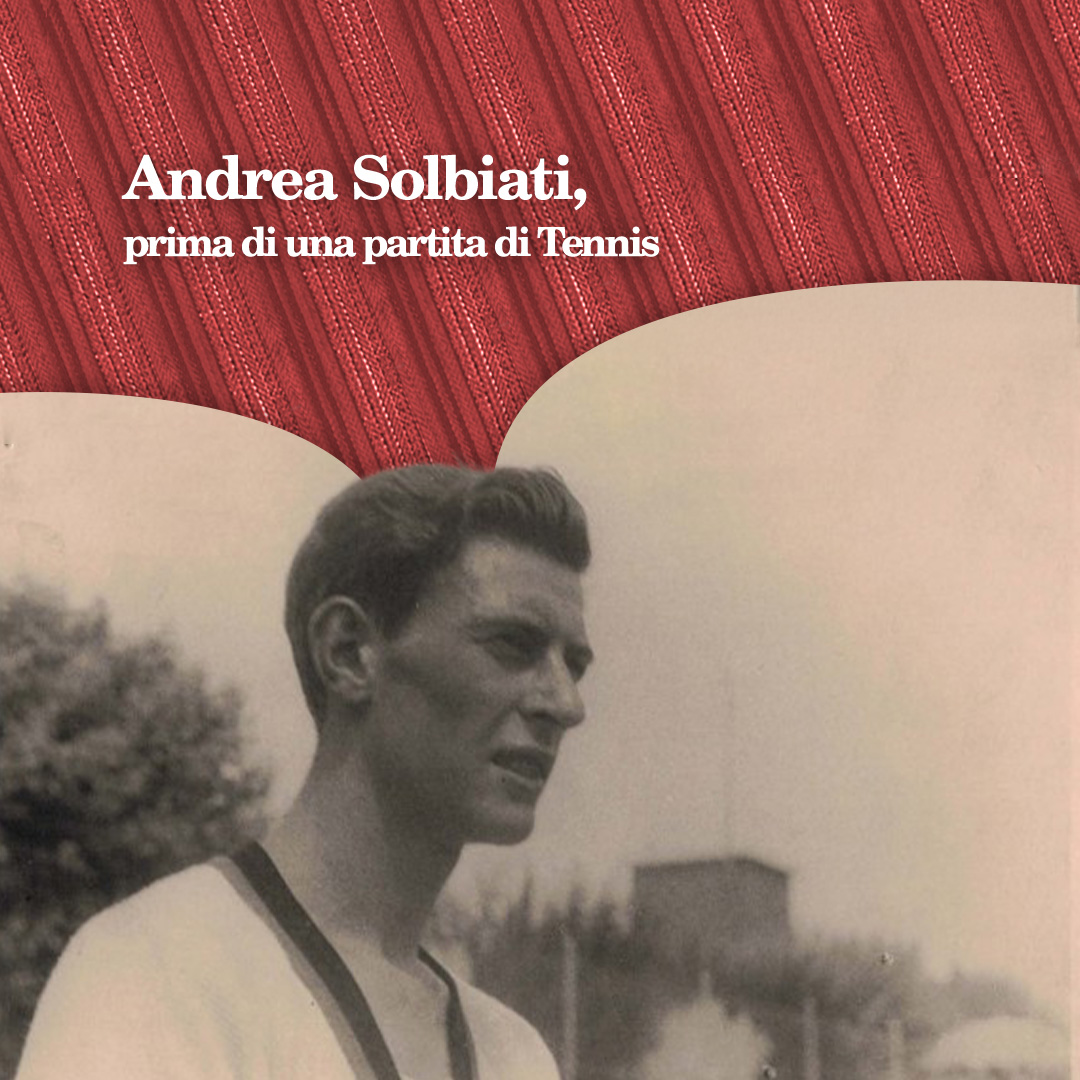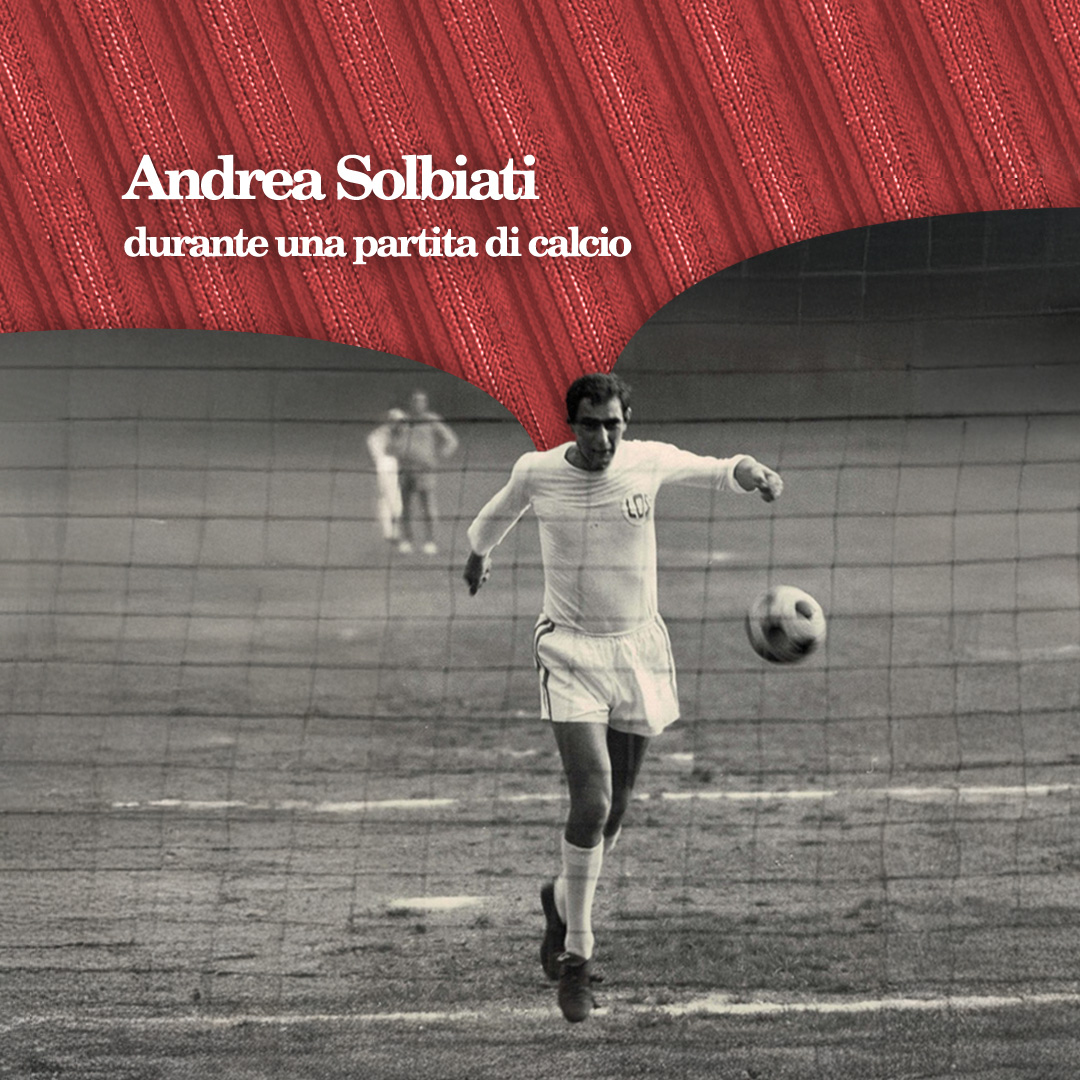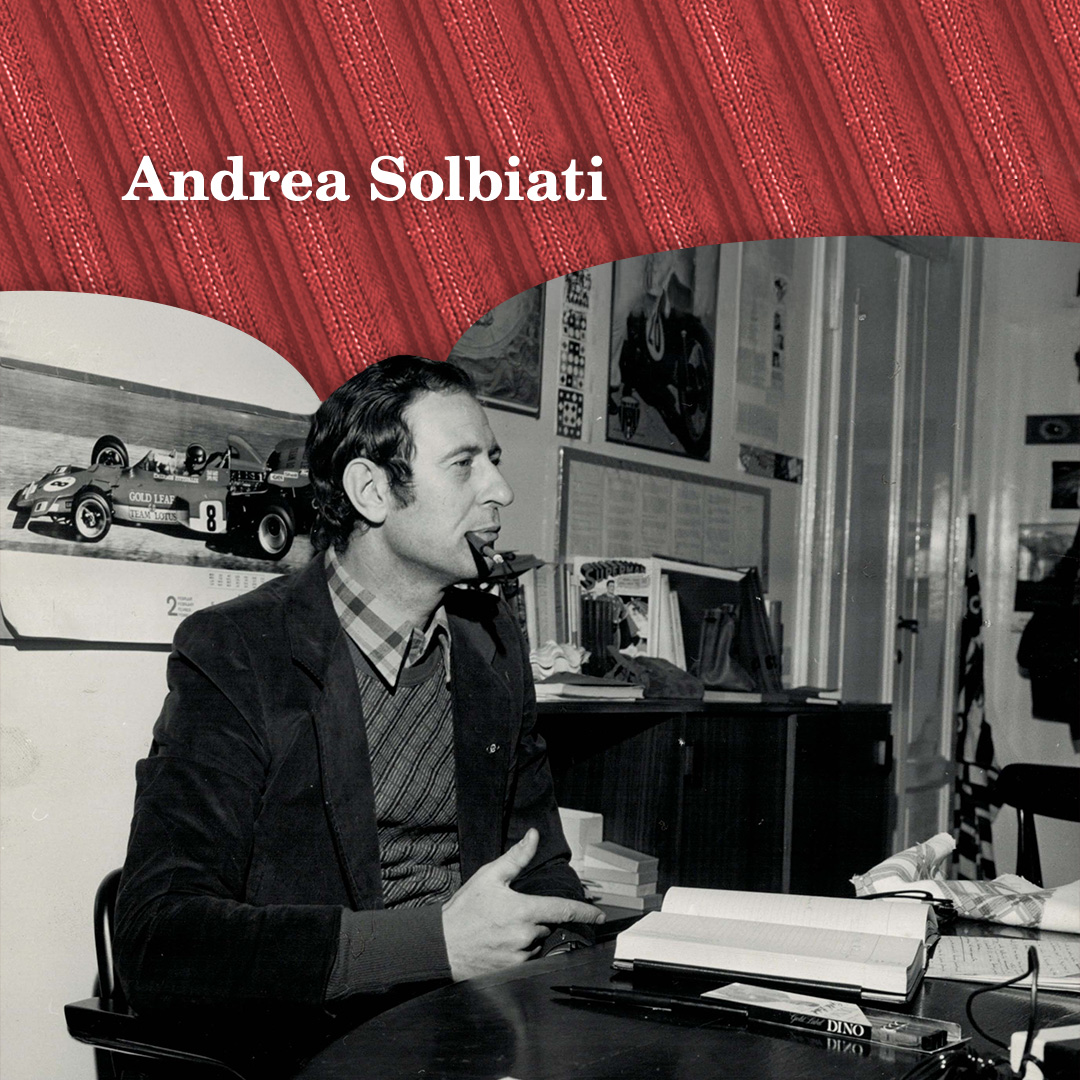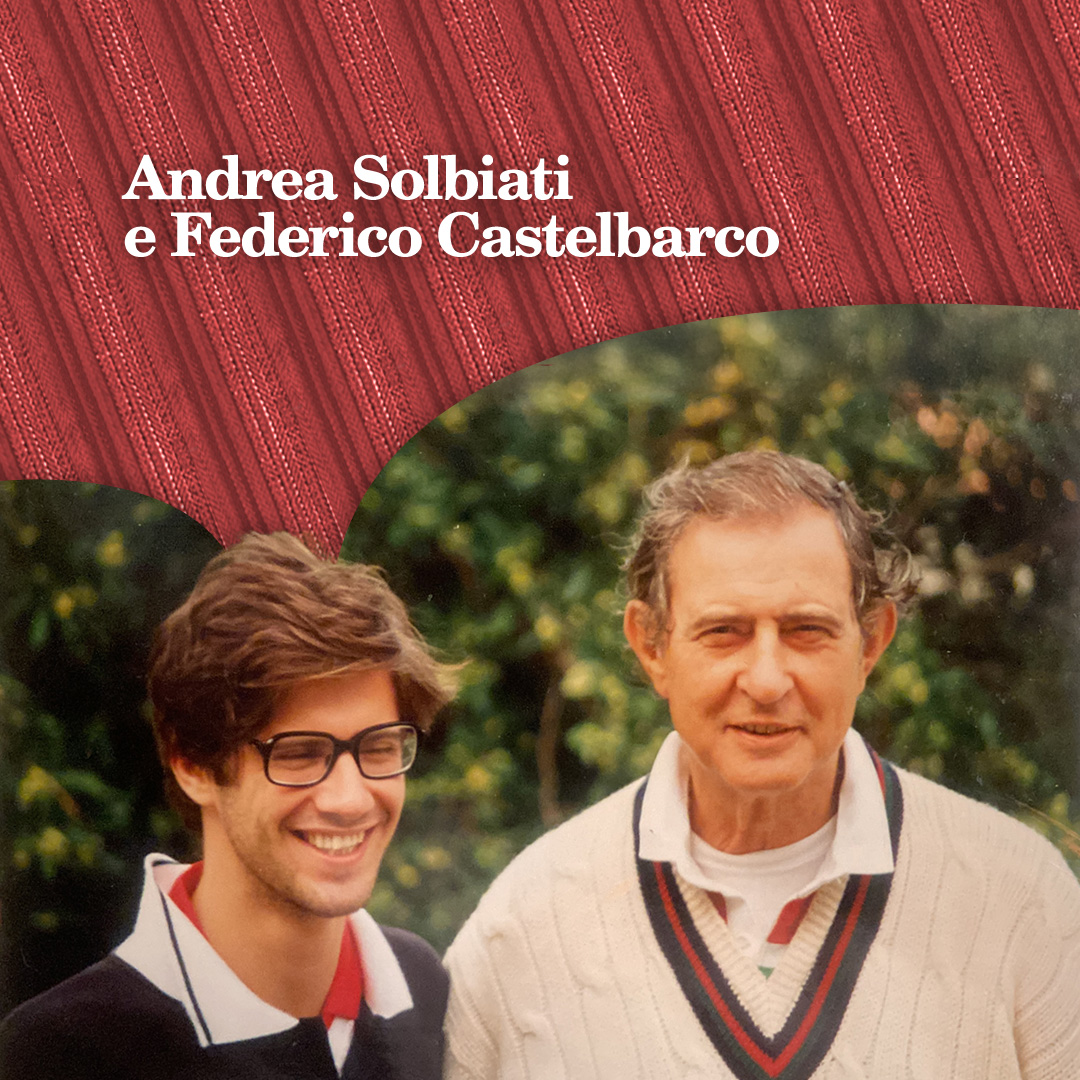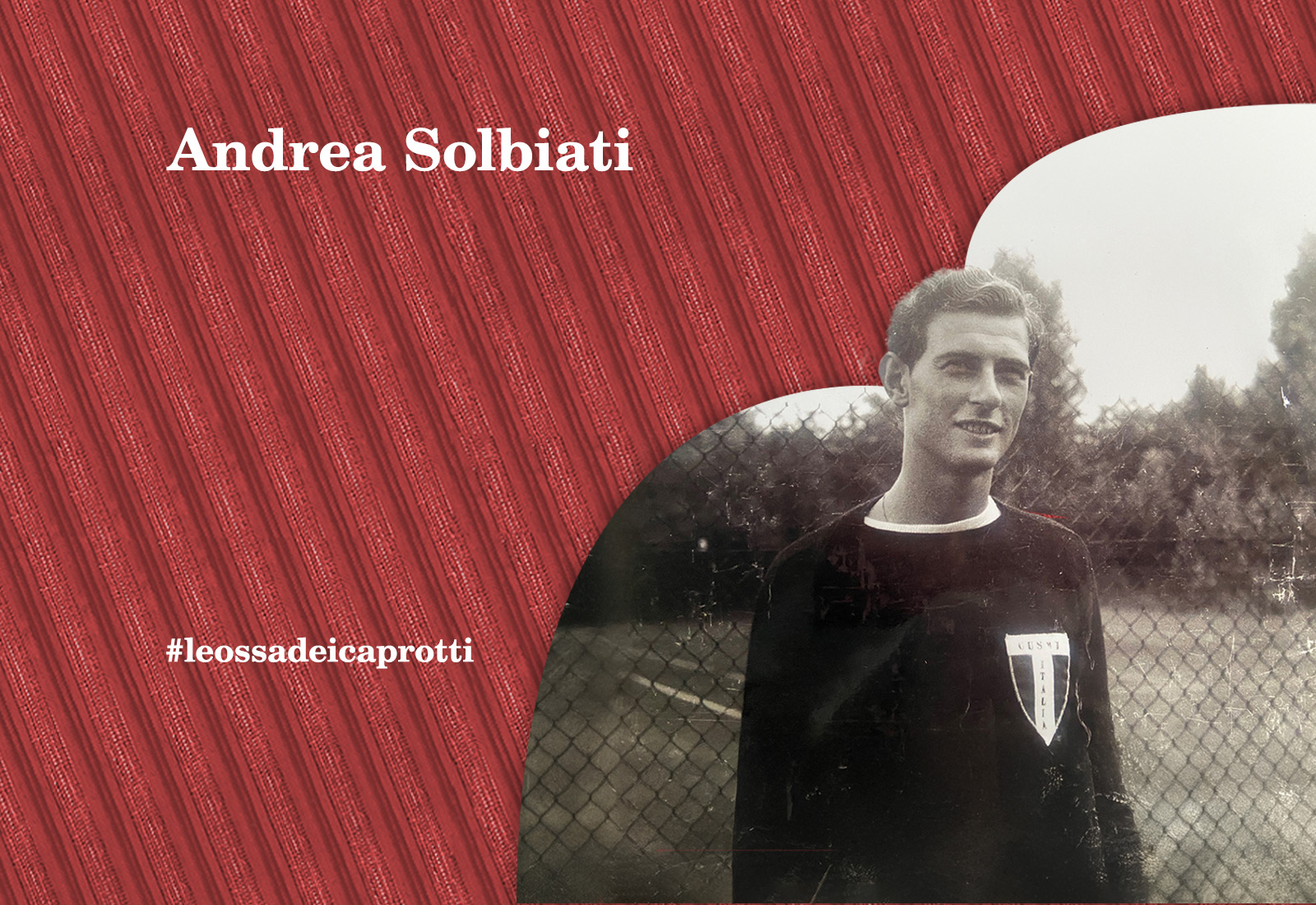
Among the friends I remember, Andrea Solbiati (1928–2014) holds a special place; he too was a descendant ofa long-established textile firm that has been producing the finest linen in Busto Arsizio since 1874 (it now belongs to Loro Piana). “A man among the beautiful”, as Riccardo Bacchelli would have written – a great tennis player and passionate sportsman, a man with a deep love of football. “(…) he is a misunderstood genius: as early as the early 1970s, he realised that anyone who owns a football team can aspire to a political role. He is one of the few friends of my father’s who visits our home. He tells him he must buy Milan and then, at the stadium, the fans would chant ‘Caprotti for president’. With Bernardo, however, he’s knocking on the wrong door: he likes neither football nor active politics.” (p. 90).
It is ironic that, from 1940 to 1949, Milan’s headquarters were located at 4 Via del Lauro, where we lived from the 1960s onwards, thanks to the efforts of Grandfather Peppino and his friend Nando Angeloni.
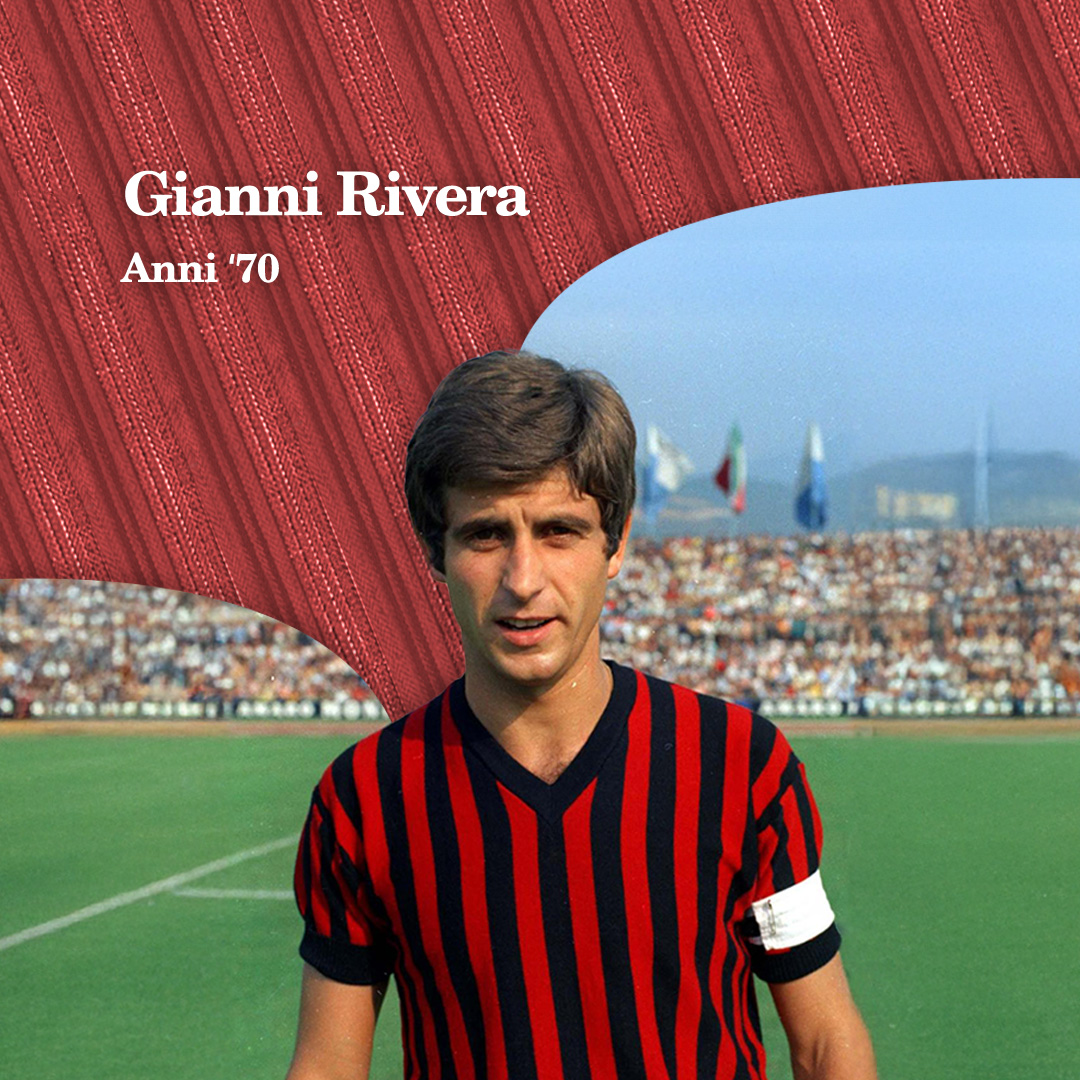
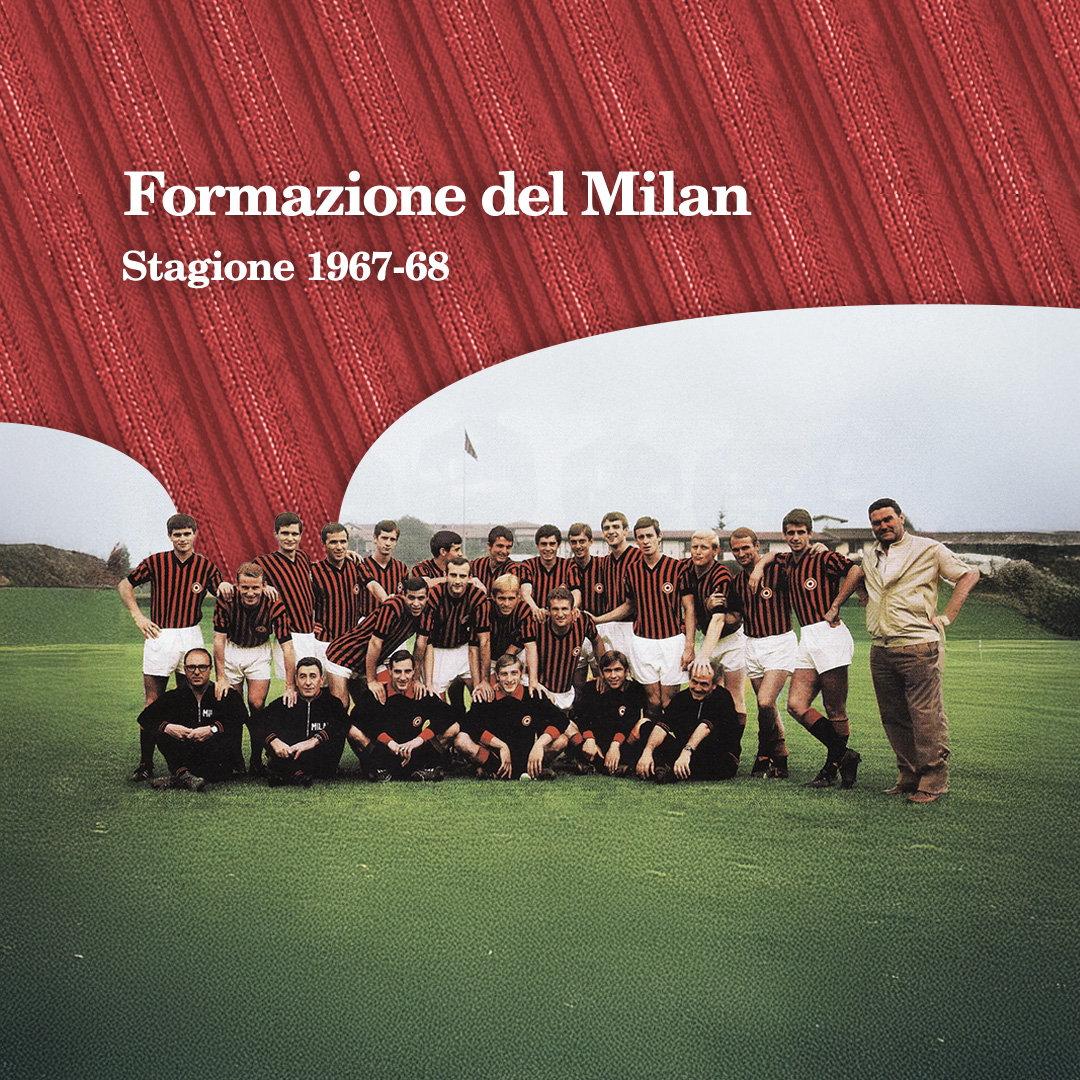
Andrea was a die-hard Milan fan. He brought home for dinner my absolute childhood football idol, Gianni Rivera, who turned up at our house with Father Eligio.
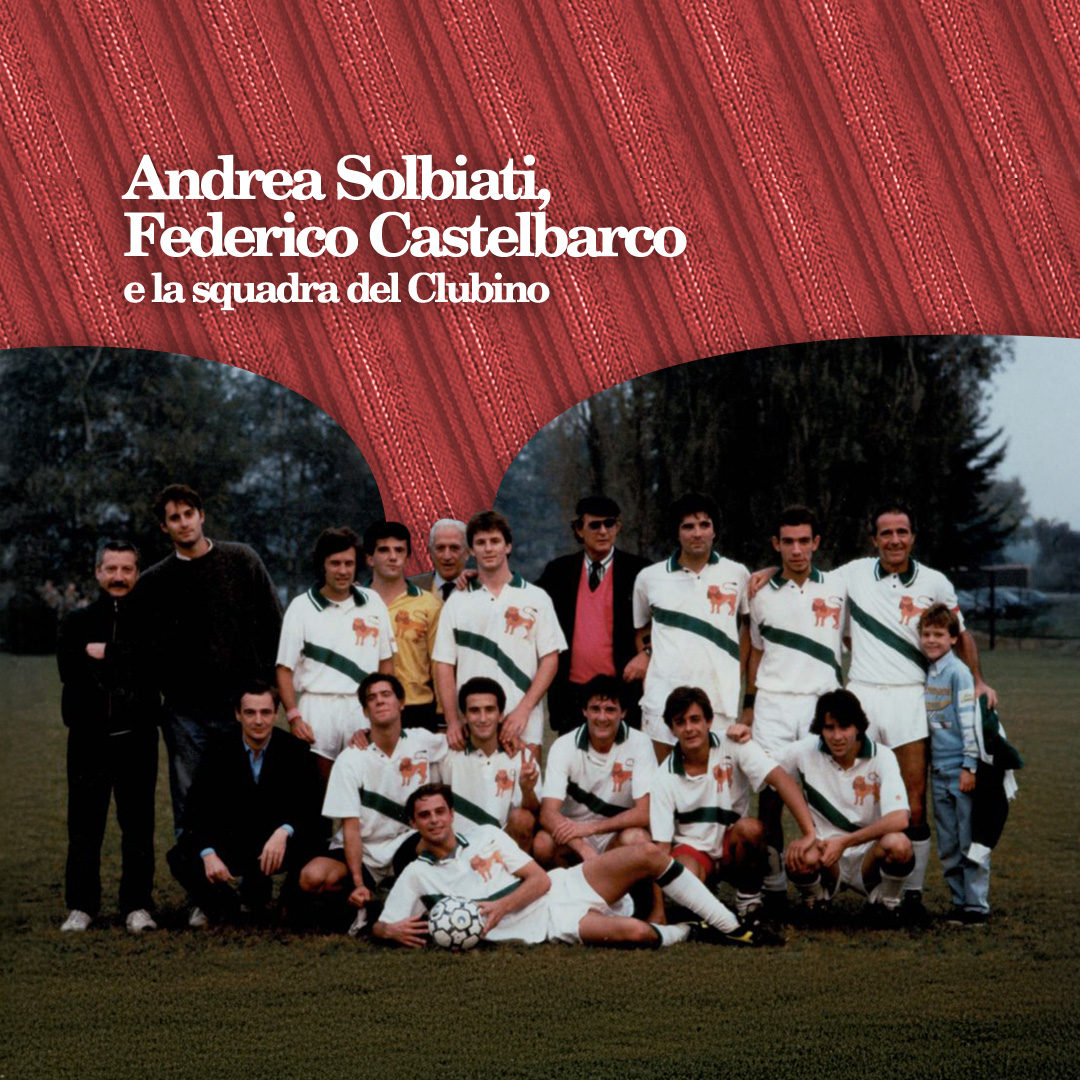
He was the first champion of the‘Clubino’football team (a club which, since 1901, has welcomed the most industrious middle class and the enlightened aristocracy of Milan and the surrounding area), founded in the late 1980s with Federico Castelbarco. I played for that team for more than 10 years (which, amidst my terrible trials, gave me a great deal of comfort).
Football is a bit like life, an outlet for everyone (except Dad). I have many idols, and I’ve met quite a few of them: Nils Liedholm, whose wine—produced in Monferrato, near my father’s home—was stockedby Esselunga. Fabio Cudicini, the ‘Black Spider’, whose son Stefano was my classmate when I attended the Leone XIII Institute. Thanks to Fabio and Stefano, I also got to know others, such as Karl-Heinz Schnellinger and even the gruff Enzo Bearzot, the national team coach who won the legendary 1982 World Cup.
For many years, Fabio Cudicini would send me birthday cards because he, too, was a supplier to Esselunga (carpets).
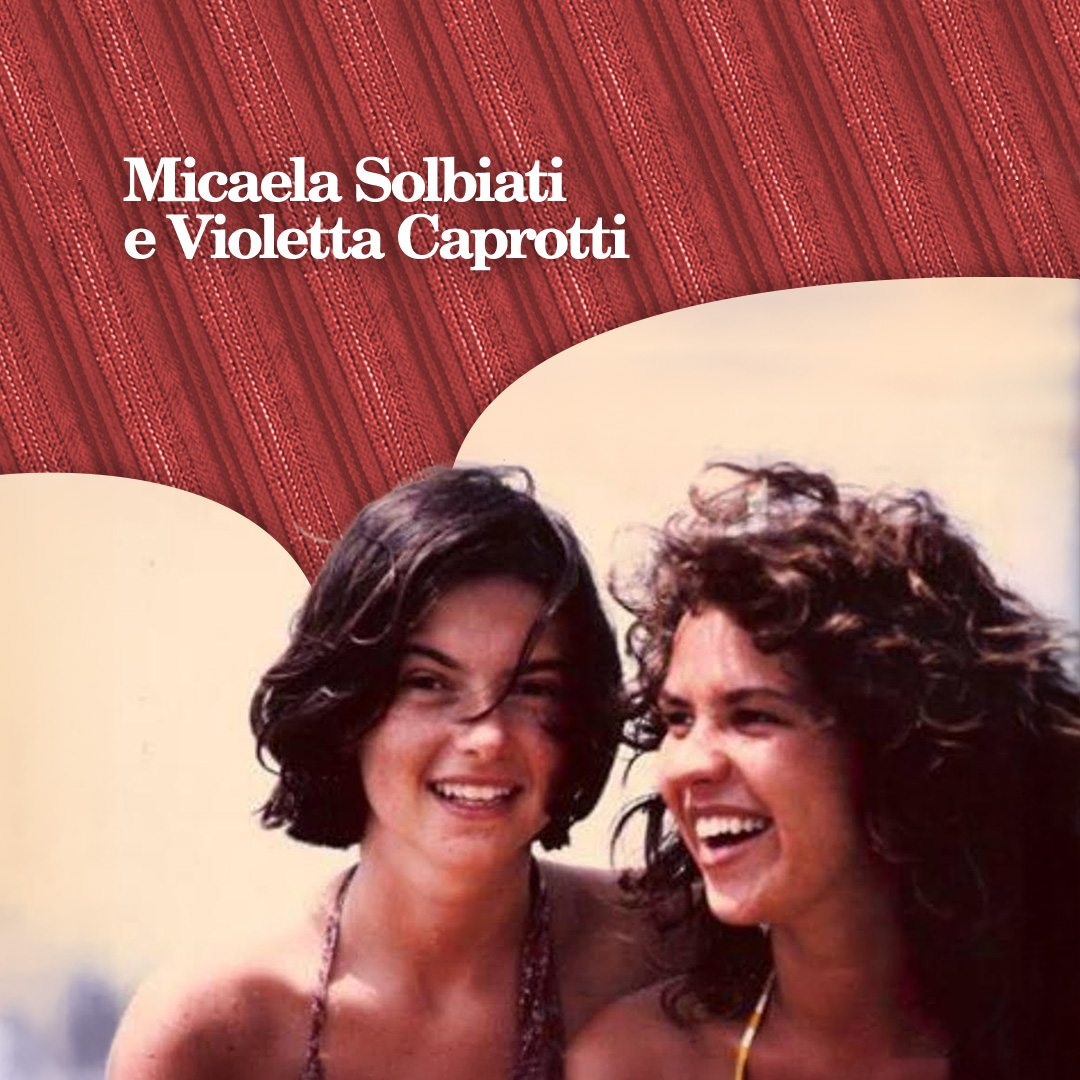
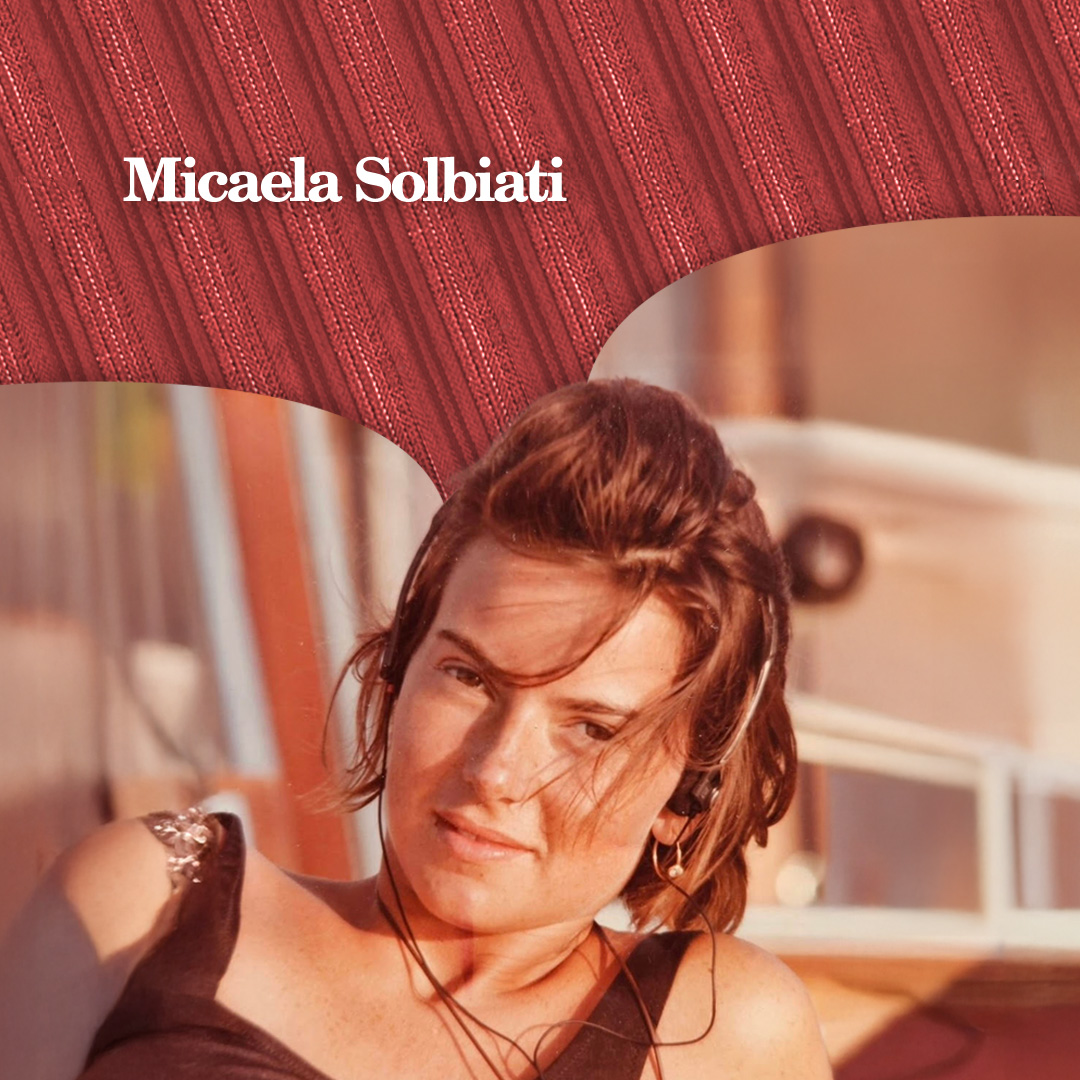
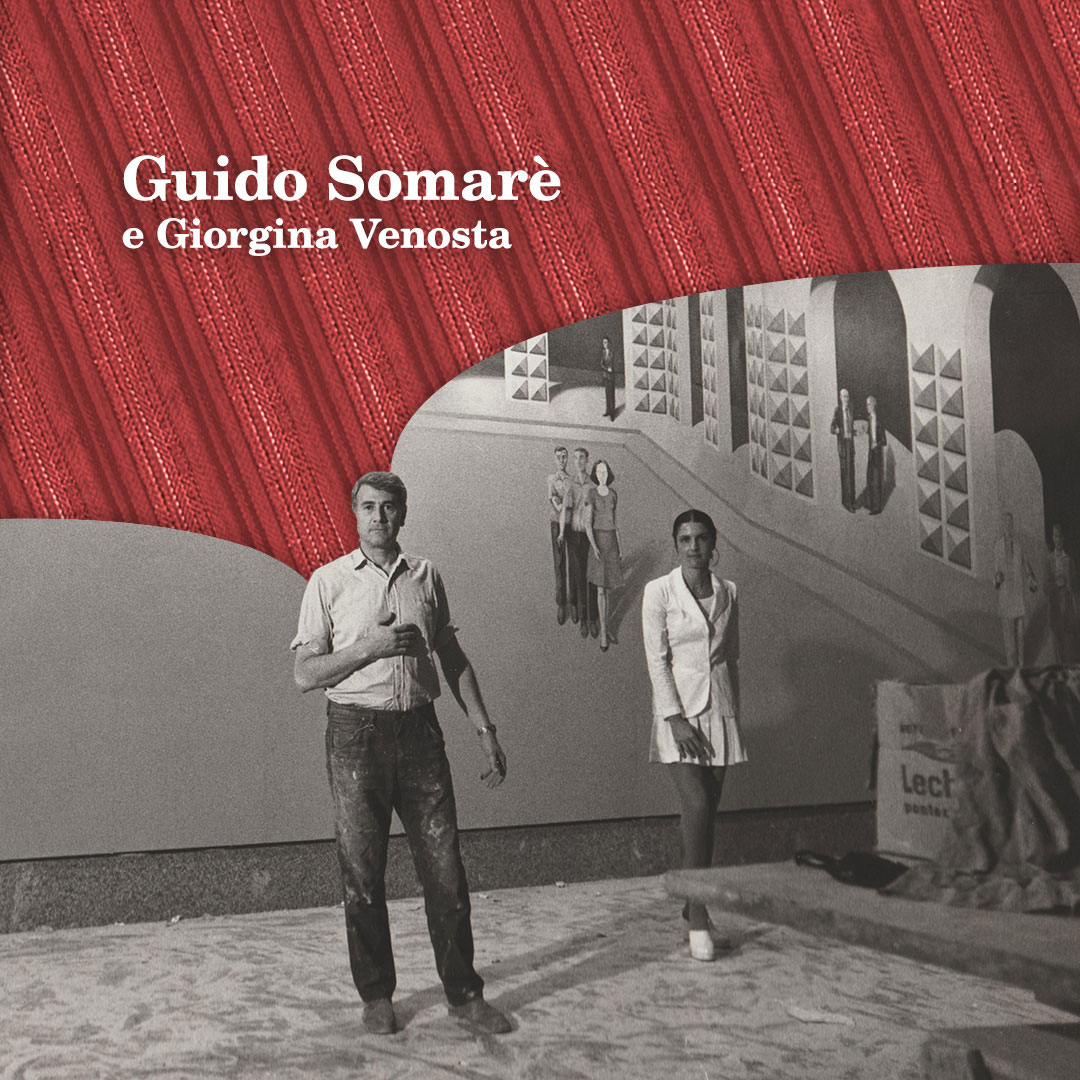
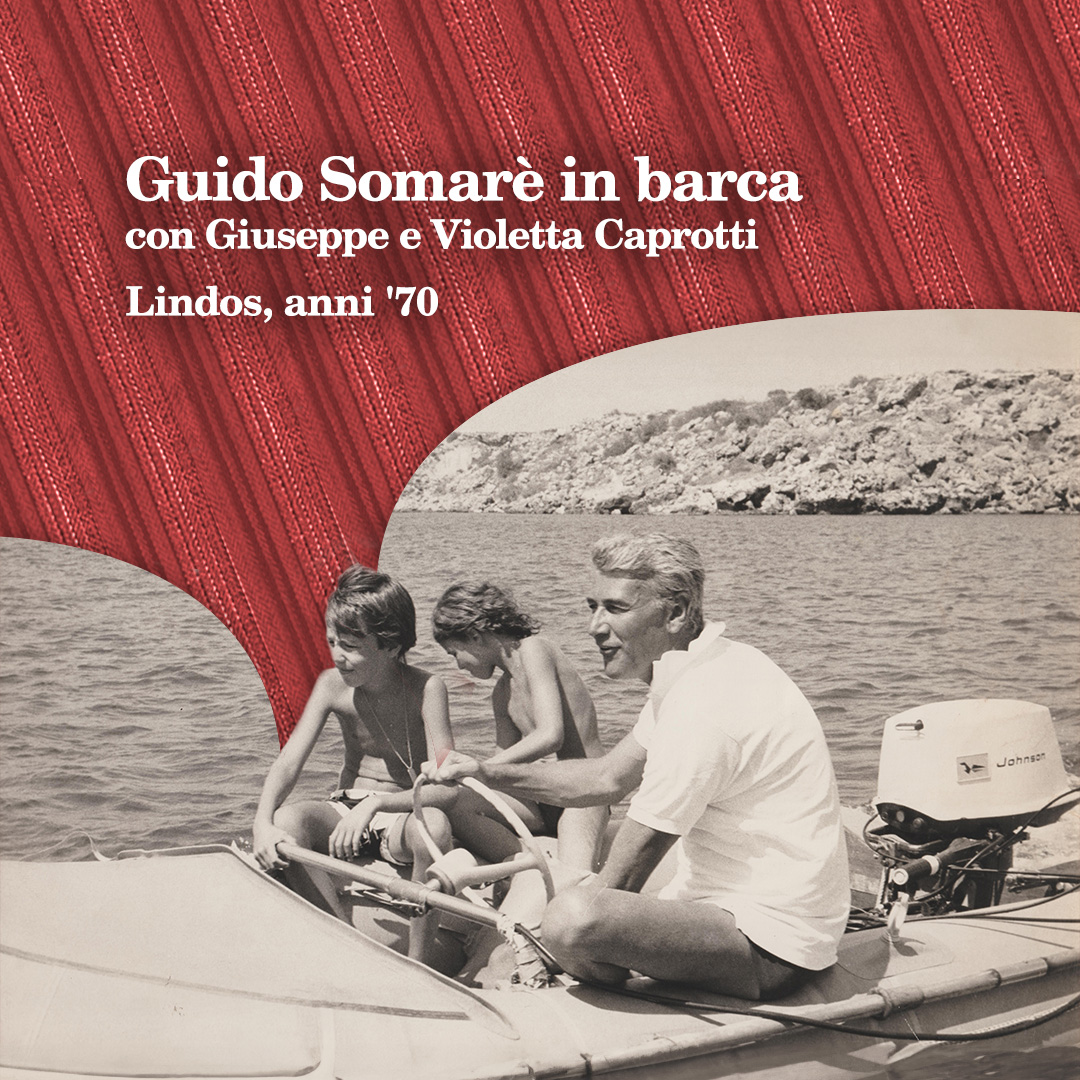
Returning to Andrea, I still have some football books he gave me, which are particularly dear to me. Furthermore, his sister Marilea married Guido Somarè after his separation from Giorgina Venosta, my mother. A continuous circle of life that always unites and brings everyone together: the Solbiati, Somarè, Bernocchi ( all textile industrialists), Venosta and Caprotti families have been friends for at least two generations.
Bibliography:
M. SOLBIATI, Andrea Solbiati, a gentleman with English style, in “Notonlymagazine”, 4 July 2016
EAD., Federico Castelbarco Albani, a gentleman of today, in Ibid., 10 October 2016
G. CAPROTTI, Le Ossa dei Caprotti. An Italian Story, Milan, 2024
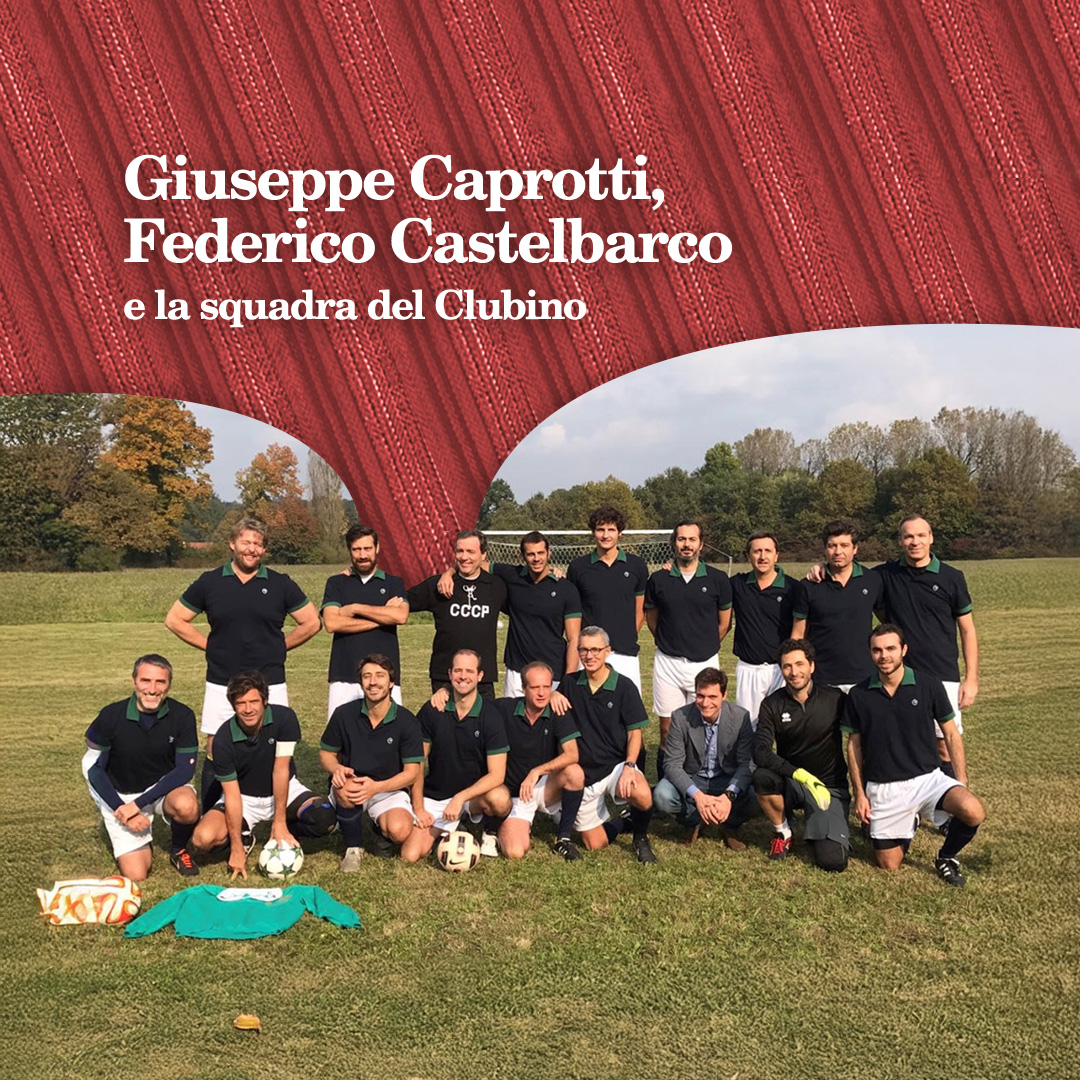
The 2016 team, standing from left: Niccolò Resta, Simone Romiti, Giuseppe Caprotti, Pietro Fiocchi, Luca Borella, Stanislao Lucheschi, Cristiano Nardi, Didi Marelli, Guli Manetti.
Crouching: Francesco Sbisà, Federico Castelbarco, Andrea Romiti, Cesare Spadacini, Guido Corsetti, Pachino Bulgarini, Umbe Pirera, Luca Marazzi, Niccolò Cesaris.
Excused absences: Giorgio Bertola, Emanuele Cito, Paolo Faina, Niccolò Fontana Rava, Francesco Niutta, Paolo Orlando, Filippo Pirera, Andreas Albeck, Bruno Scaroni, Paolo Ansaldi, Fede Silva, Gabriele Spinelli, Pietro Taccone, Pier Valtolina, Berni Rucellai, Giovanni Revoltella, Vasily Piacenza, Giangi Rocco, Marco Pragliola, Lorenzo Rocca (quarantine), Daddi Pescetto (idem), Filippo Cesaris (idem), Tommaso Pizzi (emotional support), Gian Maria Oddi (idem), Alessandro Lenotti, Ale Melzi, Massi Marsiaj, Tommaso Faina, Filippo Fontana – Rava, Giovanni Pomati, Manfredi Salvadego, Filippo Marchi, Ludovico Manetti, Giovanni Pomati, Giovanni Nordio and the legendary “Prince”, alias Fabrizio Colonna.
Thanks to Micaela Solbiati and Federico Castelbarco for the photos. Drafted in November 2024, updated on 10 June 2026