[vc_column_textDrafted 25 January, updated 6 February 2025
I have just returned from a trip to India and ‘intercepted’ this news about Delivery , Big Retail and the Indian economy :
How delivery in less than ten minutes is revolutionising retail in India
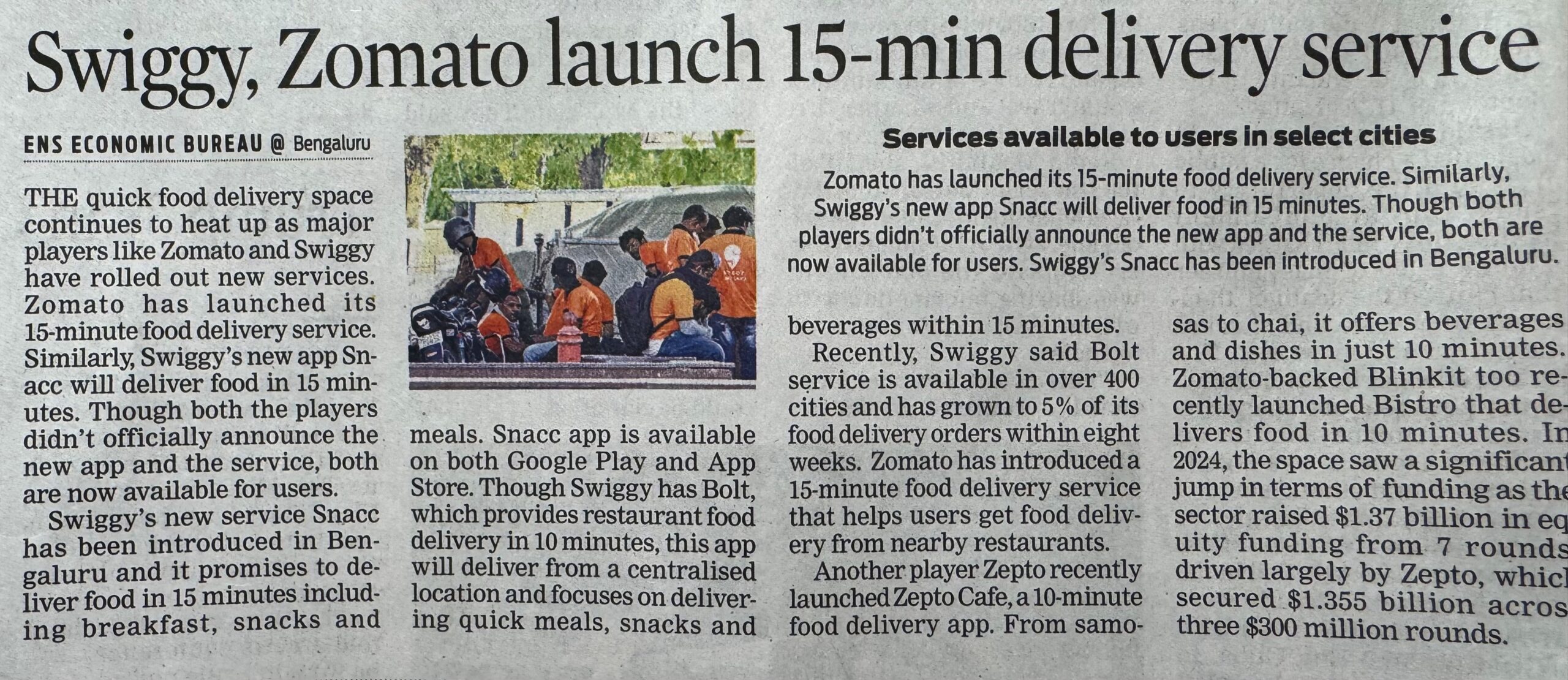
Platforms offering ultra-fast delivery services are booming in the world’s most populous country, where they can recruit their workforce almost indefinitely. This upheaval is destabilising small traditional shops.

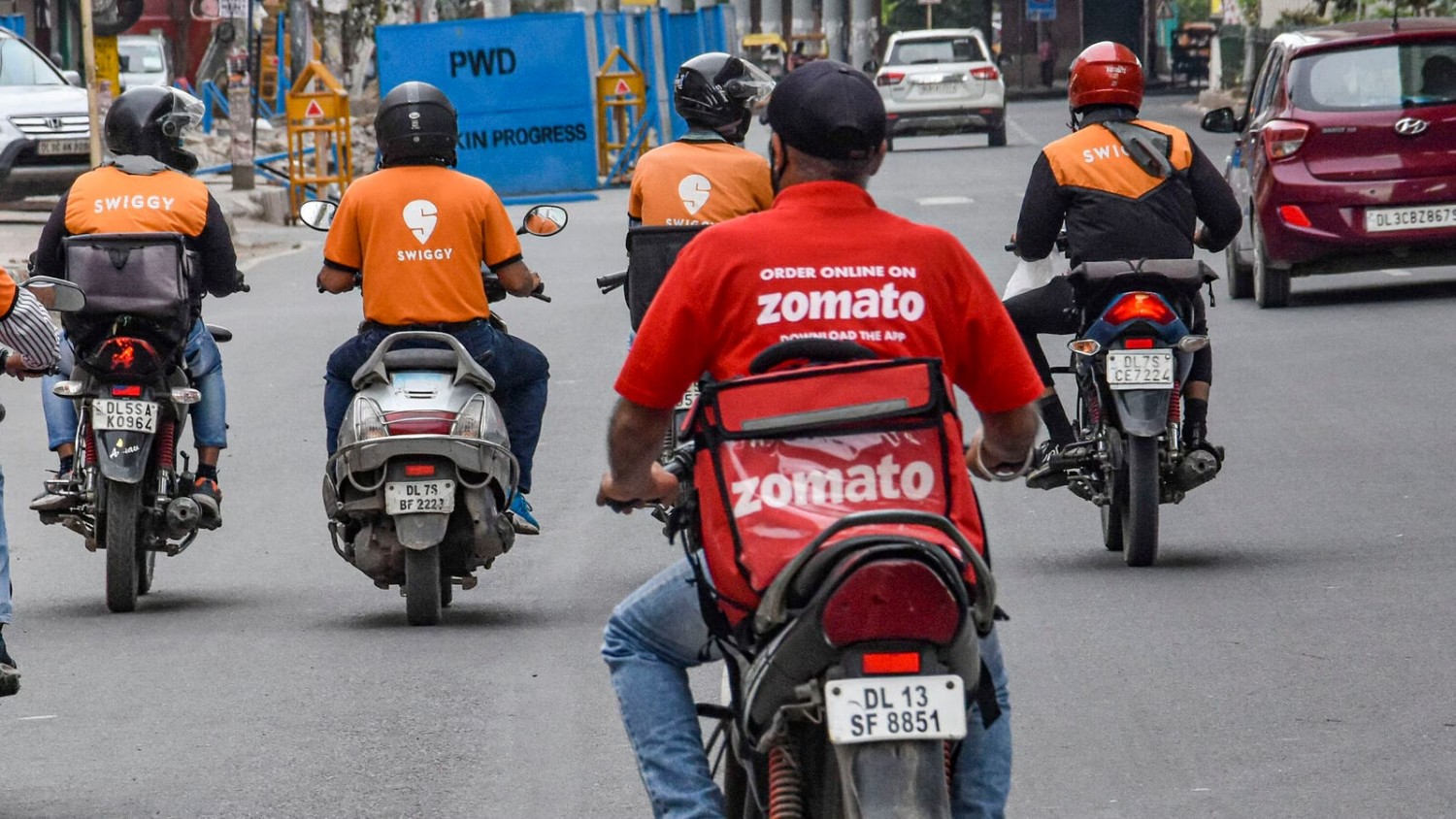
Blinkit, Zepto, Instamart or Dunzo… These apps, whose use has exploded in the last two years, have revolutionised the way Indians shop in urban areas. They currently account for more than half of e-commerce sales in the food sector and this ultra-fast e-commerce market is expected to exceed $6 billion (€5.75 billion) in 2024. The share value of Zomato, which owns Blinkit, has doubled this year and its competitor Swiggy, which owns Instamart, successfully went public in November.
Before moving into fast e-commerce, Zomato and Swiggy were successful in home delivery of meals. The two Indian giants were thus able to rely on the customer data they had collected: who orders what, in which district and at what time, one of the keys to success.
Property war
“To be successful in this business, you need to have the right number of warehouses, in the right place and with the right selection of products that take into account local sensitivities: consumer demand can vary a lot from district to district and you need very accurate customer data,” say Mrigank Gutgutia and Kushal Bhatnagar of Bangalore-based consultancy Redseer.
Small stores, known as dark stores, are at the heart of the business model of apps like Blinkit, which has a 40 per cent market share in this sector. The location of these mini-logistics centres is ultra-strategic to ensure delivery within ten minutes. And apps are engaged in a real estate war to get the best locations in India’s dense and chaotic cities.
“If your dark store is in the right place, you can get a lot of orders. All platforms want to increase the number of locations,” said Gutgutia and Bhatnagar. For example, Blinkit, which is present in 26 Indian cities, already has more than 500. Instamart, which operates in 29 cities, has about the same number.
The success of these apps is also based on the mass of consumers willing to pay to be delivered in ten minutes. According to a survey by Datum Intelligence, 73% of Indians are willing to put their hand in their pocket for this service in a country where there are hardly any modern supermarkets like in Europe. “Moreover, the Indian economy is keen on new technologies and the gig economy can rely on a considerable labour pool,” says the consulting duo.
“Stay at home”
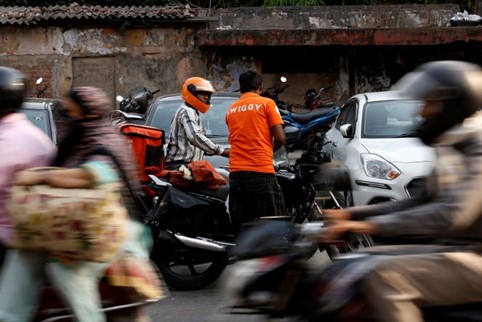
Every year, around 12 million new entrants enter the labour market in this country of 1.4 billion people. Since youth unemployment is a real plague, most are willing to work for very low wages. For example, for a delivery made in sixteen minutes over a distance of less than one kilometre with his motorbike, Sumit Kumar, aged 20, receives only 21 rupees, or about 23 euro cents.
The small neighbourhood shops from which Indians used to shop for their last-minute purchases are suffering the consequences. “These apps have caused us a lot of damage, customers no longer go to the shops, they prefer to stay at home and order what they need,” said Manoj Gupta, who runs a grocery shop in south New Delhi.
A network of neighbourhood shops called ‘Kirana Club’, named after shops in India, conducted a survey in nine Indian cities in April, and about one-third of the 900 respondents said they were losing between 10 per cent and 30 per cent of their sales to fast delivery start-ups.
According to Reuters, a federation representing more than 400,000 Indian retailers recently asked the Indian Competition Authority to investigate three of these platforms, accusing them of selling at a loss to attract customers.
‘A heterogeneous market’
Even e-commerce giants, such as Amazon or its competitor Flipkart (owned by Walmart), are trying to adapt to this evolution. In August 2024, the latter launched Flipkart ‘Minutes’ in Bangalore, a technology hub located in the south of the country.
“Traditional e-commerce giants are watching this as the rise of ultrafast delivery platforms is affecting their sales as well, and as they expand beyond food into electronics and even fashion, it will cause them even more damage,” warns Satish Meena, analyst at Datum Intelligence, who believes Amazon could launch ultrafast commerce in India as early as next quarter.
“Only 7% of the retail market in India is online, there is still a lot to be done on this front, and India is a heterogeneous market where a multitude of models can co-exist,” said Gutgutia and Bhatnagar. But for ultra-fast delivery start-ups, expansion outside urban areas will be a challenge. Unless they adapt their model, the analysts say.
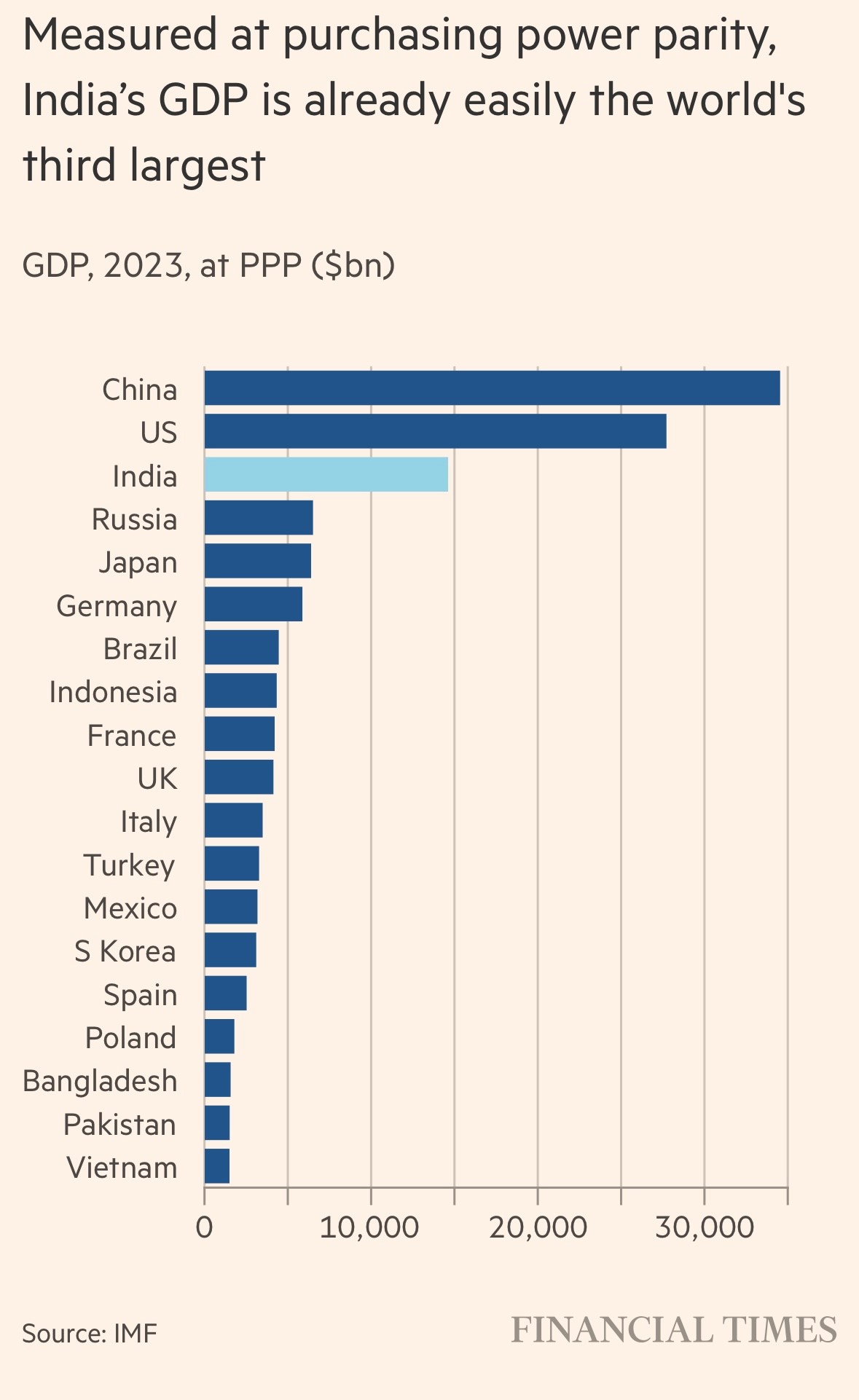
India is a very dynamic market, the third largest in the world by GDP per capita, with some peculiarities:
1.great unevenness: India has become the third country to supply illegal migrants to the United States, behind Mexico and El Salvador.
The Pew Research Center estimates that there are 725,000 in the United States.
According to US customs data, 90,917 people were arrested in 2023.
However, this budget bears the mark of concern, that of a serious slowdown in the progression of gross domestic product. For the financial year 2023-2024, it was 8.2%. Consumption is drying up due to rising prices. Growth even slowed down to 5.4% between July and September 2024.
3. after boosting infrastructure spending, the government is therefore trying to whet Indians’ shopping appetite with a tax cut. However, this measure will only affect 10 million Indians
Access to mass consumption can only be ensured through huge investments in education to include the hundreds of millions of unskilled workers operating in the informal economy in the statistics, and thus in the pool of potential taxpayers.