Drafted on 15 January, updated on 25 February 2025
Competition Bill: updates on meal vouchers and ‘shrinkflation’ on labelling
Rome – An amendment by Forza Italia to the Competition Bill, tabled by MPs Squeri and Casasco and reworded by the government, ‘saves’ meal vouchers. It allows vouchers already in circulation to be used under the same conditions until 31 August 2025. From 1 January (and from 1 September for vouchers in circulation from 2024), a cap of 5 per cent will be set on the fees charged by issuing companies for new meal vouchers.
This is a scheme used by around 300,000 companies. The groups managing the scheme do not pass on 100 per cent of the amount received to retailers, but retain a commission for themselves which can sometimes exceed 10 per cent. The 5 per cent limit safeguards meal vouchers as a tool for corporate welfare, making it possible for businesses in the retail sector to use them for the benefit of their employees too. This standardisation will be achieved gradually through a transitional period prior to full implementation, so as to accommodate the timelines of both parties.
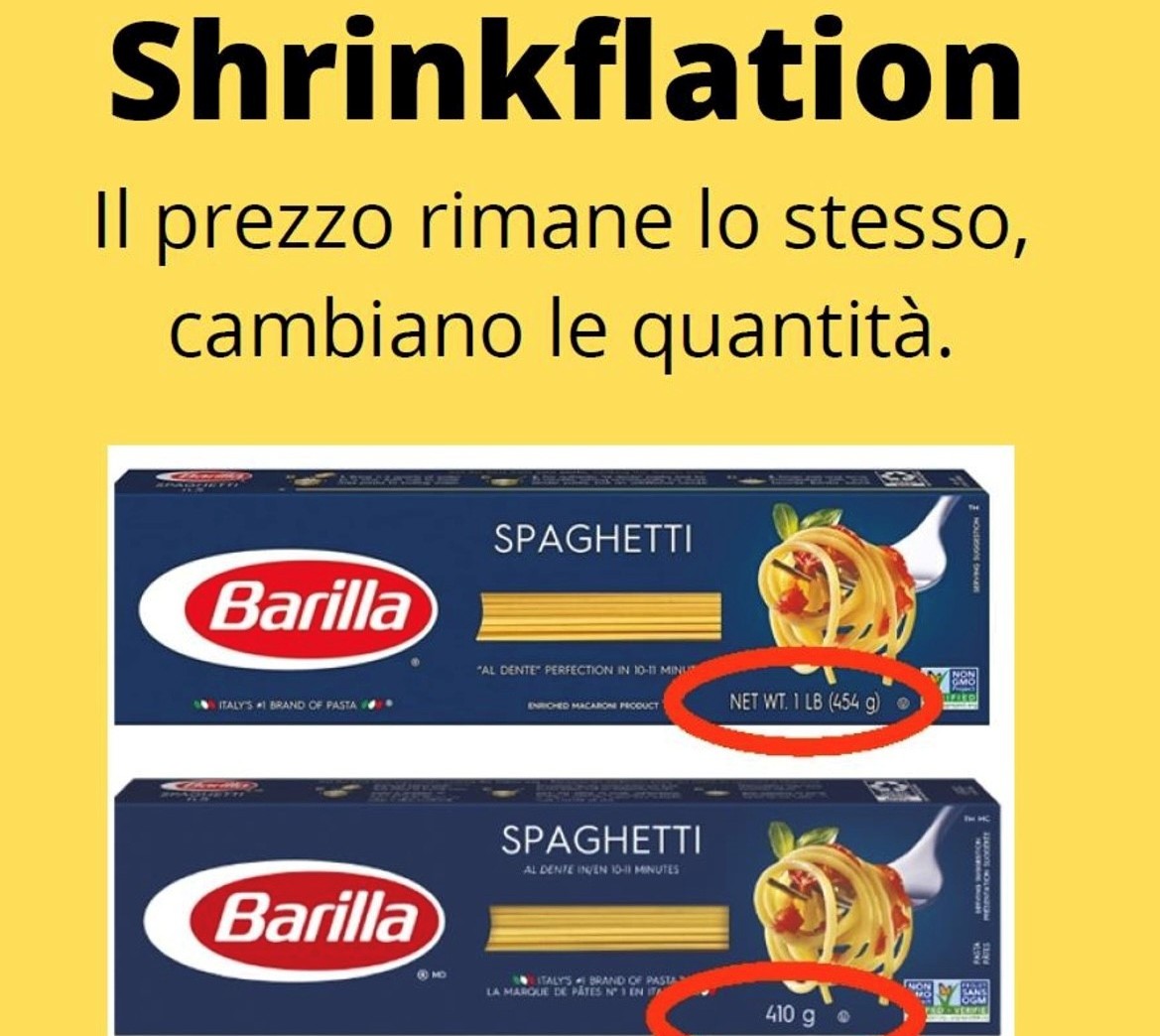
Another new feature of the bill is the introduction ofa specific label for the controversial practice of ‘shrinkflation’. From 1 April [2025], it will be compulsory to inform consumers of a reduction in product quantity (resulting in a price increase)even though the packaging remains unchanged. This is provided for in a number of amendments tabled by Azione, Iv, Avs and M5S, which were approved by the Chamber of Deputies’ Committee on Productive Activities with some rewording proposed by the government.
Companies will be required to inform consumers “of the reduction in quantity bydisplayingthe following wordingin the main field of view of the sales packaging or via an adhesive label: ‘This pack containsX(unit of measurement)less thanthe previousquantity’”. The obligation to provide this information will apply for a period ofsix months “from the date of placing on the market”.
But it will all come down to enforcement: Italy is notorious for introducing regulations that are not adhered to. From unfair distribution practices to price indices, right through to food labelling, where there is a confusion that suits many people just fine.
This decree, in my view, is therefore already “dead on arrival” because nobody will be monitoring anything.
Furthermore , regarding the law against shrinkflation , Italy is at risk of EU infringement proceedings , but that is not enough . Shrinkflation: the requirement for warnings on packaging has been postponed by six months (few people actually wanted this labelling in the first place…)