Drafted on 17 December 2021 but still very relevant today, 17 February 2025 : Origin labelling, obligation extended until 31 December 2025
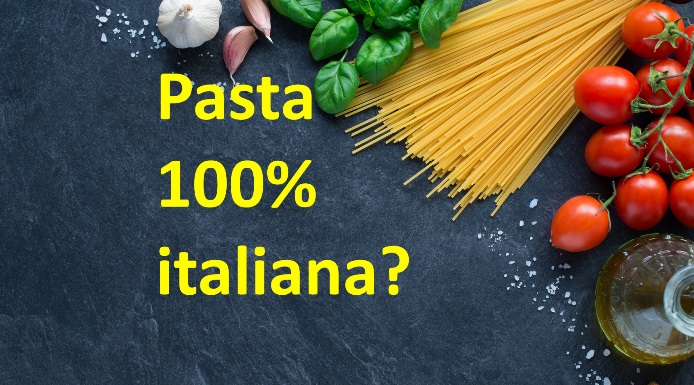
this is the extension of an experimental scheme adopted by Italy, which today applies to pasta, rice, tomatoes, processed pork, milk and dairy products.
(p.s.: the EU on food labelling, meanwhile, has decided nothing).
Agribusiness
Pasta, milk, tomatoes, cured meats: the decrees on origin labelling are safe
Decrees saving Italian-made ingredients signed: the obligation expired on 31 December
by Micaela Cappellini (il Sole 24 ore)
15 December 2021
The obligation to indicate on the label the origin of wheat for pasta, milk for cheese, meat for sausages and tomatoes for canned goods would have expired on 31 December. Instead, the new decrees were signed on time, stipulating the obligation to indicate the origin of ingredients on the label also from 1 January 2022.
For Coldiretti president Ettore Prandini, these measures ‘represent a decisive step to prevent low quality products from abroad, which do not respect the strict quality standards of national ones, from being passed off as Made in Italy’.
With these decrees, transparency is guaranteed on about three quarters of the basic products of the Italian diet: to date, the origin of canned legumes, of the fruit in jam or juices, of the wheat used in bread, biscuits or breadsticks still remains anonymous. ‘Italy,’ argues Prandini, ‘has a duty to lead the way in EU food policies, because in a difficult time for the economy we must bring the added value of traceability to the market, meeting the demands of Italian and European consumers.
Mandatory origin labelling of food is a historic battle of Coldiretti and was first introduced in all EU countries in 2002, after the mad cow disease emergency in beef.
My note: as usual, the Confindustria newspaper tells things by halves.
The problem with the EU is not addressed, read ‘Do Italians do it better? The question of origin in our most popular products'(*) and risks backfiring on Italy when the EU has to take a final decision on food labelling in 2022.
(*) summary: The previous decree on the labelling of pasta, tomato and meat (1.4.20) was unlawful.
It could not be renewed unless one wanted to continue violating EU rules, which was done with this new decree in December 2021.
The confusion for the consumer when approaching the shelf for any product remains great: the origin of the products in question is not at all clear.
Not least because ‘made in Italy’ labelling only applies to these three sectors.
Olive oil, for example, does not fall into this category.
Armando Testa cover advertisement